




Abstract
There are growing concerns about poor indoor air quality in refugee shelters, particularly regarding chronic health conditions and the spread of airborne diseases like COVID-19. These issues are influenced by shelter design and occupants’ behaviours, such as cooking and window usage. However, behavioural aspects are often overlooked in shelter design due to the challenges of monitoring occupants, which can be costly and intrusive. To address this, we developed a cost-effective method for assessing shelters that combines self-assessed behavioural data, predicted ventilation rates, and a mathematical model for airborne disease transmission. This approach was tested in temporary housing following the 2020 floods in Kumamoto Prefecture, Japan. Results indicated that indoor CO2 levels exceeded national thresholds over 70% of the time, suggesting inadequate ventilation to mitigate airborne disease transmission. We estimated a 60–80% risk of COVID-19 transmission under these conditions. Our findings highlight severe health inequalities in forcibly displaced populations and provide: (i) the first comprehensive guide to monitoring indoor conditions and behaviours in these settings; (ii) a new model for assessing airborne disease risk. While the study focuses on COVID-19, the results can be extended to other airborne respiratory diseases through our reproductive number (R0) estimates.
Practical application
This study presents a novel, low-cost method for monitoring indoor air quality and ventilation in temporary shelters and refugee housing, which can be applied by built environment professionals and humanitarian workers without the need for advanced technical skills. By focusing on occupant behaviour and using minimal sensor data, this approach provides practical insights for improving shelter design, reducing airborne disease transmission risks like COVID-19, and enhancing overall indoor environmental quality. The method is particularly relevant for displaced populations, where ensuring healthy and sustainable living conditions is critical to occupant well-being.
Introduction
The global forcibly displaced population has doubled over the last decade, reaching a historical high of 103 million in 2022, following the largest annual increase ever recorded by UNHCR.1,2 While shelter provision is a critical component of disaster response and recovery, 3 the creation of healthy indoor environments is often overlooked or inadequately addressed.4,5 Displaced populations are particularly vulnerable to the health impacts of poor indoor air quality (IAQ) due to prolonged indoor exposure, reliance on unvented cooking stoves, and limited ventilation for reasons of privacy and security.6–10 The elderly are especially at risk, spending up to 22 hours daily indoors,7,11,12 where unhealthy levels of IAQ can exacerbate susceptibility to respiratory diseases, including COVID-19.13–15
Proper ventilation is vital for mitigating IAQ risks and airborne disease transmission. For instance, a modelling study in Bangladeshi refugee camps predicted a severe COVID-19 epidemic, infecting 98% of the population without effective ventilation measures. 16 Lower ventilation rates (<10 l·s−1·p−1) are strongly associated with increased transmission risks for diseases like COVID-19 and influenza, particularly among the elderly. 17 For example, in the UK, flu can cause 14500 deaths per annum, 18 predominately amongst the vulnerable. Increased ventilation in buildings can reduce the likelihood of COVID-19 spread, given that airborne transmission is a primary pathway. 19
The classic Wells-Riley equation, first introduced by Rudnick & Milton, 20 serves as a framework for quantifying the transmission of airborne pathogens and assessing associated risks in enclosed spaces.20,21 Despite the availability of newer, more complex models, the Wells-Riley model remains fit for purpose when model inputs are characterised adequately, and key assumptions are met. 22 For instance, Zemouri et al. have incorporated the Wells-Riley equation into a standard susceptible-infectious-recovered (SIR) structure, 23 while Liao et al. have modified it to account for the outdoor air supply rate in terms of the proportion of indoor air that is exhaled. 24 This model has been instrumental in evaluating COVID-19 contagion risks under different ventilation rates. Buonomano et al.’s application of the model, which considers ventilation rate recommendations, suggests that the current ANSI/ASHRAE Standard 62.1 may underestimate the minimum ventilation rates required to mitigate COVID-19 transmission effectively.25,26
Temporary housing, initially intended for short-term use, often remains in service far beyond its intended lifespan. 27 Studies of Japanese disaster recovery housing reveal IAQ challenges such as CO2 levels exceeding 5000 ppm, inadequate air exchange rates, and elevated concentrations of pollutants like aldehydes and volatile organic compounds (VOCs).28,29 These issues are compounded by occupant behaviours, including limited ventilation during winter to maintain thermal comfort.30,31 The absence of comprehensive IAQ guidelines for temporary housing in Japan 32 further highlights the need for studies linking ventilation, IAQ, and health outcomes in this context.
Occupant behaviour, including the operation of windows, cooking practices, and heating methods, significantly influences IAQ.33,34 However, in the context of displacement, these behaviours are shaped by unique constraints, such as privacy concerns, socioeconomic limitations, and unfamiliar community dynamics.35–37 Displaced populations may prioritise thermal comfort over ventilation, leading to poor IAQ. 38 Understanding these behaviours is crucial for designing effective ventilation strategies that align with occupant needs and preferences. 39
This study represents the first effort to systematically monitor indoor CO2 concentrations, thermal conditions, and occupant behaviour in temporary shelters, including refugee camp-like settings. By combining environmental monitoring with survey-based behavioural analysis, the study provides a comprehensive understanding of the factors influencing IAQ and thermal comfort. Additionally, the integration of COVID-19 risk modelling using indoor CO2 levels offers a novel approach to evaluating infection risks in displacement settings. This pioneering work bridges the fields of shelter design, public health, and occupant behaviour, contributing to the development of evidence-based guidelines for improving IAQ and mitigating health risks in temporary housing.
Additionally, the methodology is designed to be low-cost and scalable, using minimal sensors and simple surveys to enable implementation in resource-limited settings. This makes it particularly suitable for displaced populations, where logistical constraints and privacy concerns often hinder comprehensive data collection. 40 The incorporation of COVID-19 transmission risk modelling further distinguishes this approach, linking IAQ and behavioural data to health outcomes in a way that is directly actionable for shelter design and public health interventions.
Focusing on Japanese disaster recovery housing, the study aims to: (1) Develop a survey and minimal sensor set for monitoring behaviours related to health outcomes influenced by ventilation; (2) Quantify IAQ variability in shelters due to occupant behaviour; (3) Evaluate a model linking COVID-19 transmission to shelter ventilation conditions; (4) Estimate ventilation rates and associated transmission risks.
By addressing the intersection of ventilation, IAQ, and occupant behaviour, this study contributes to the development of evidence-based guidelines for healthier temporary housing, with implications for broader humanitarian contexts.
Materials and methods
Although this study introduces a novel general method for monitoring shelters and assessing the transmission risk of airborne respiratory diseases, it first presents the case study temporary houses. Information about the experimental in Japan are included in the Appendix. This helps demonstrate its application in a specific setting when introducing the method in subsequent sections.
The temporary houses
This study selects temporary housing in Japan as a representative best-in-case setting to appraise occupant behaviour, IAQ, and the risk of transmission of airborne respiratory diseases. Owing to its geographical characteristics, Japan experiences annual floods and earthquakes and has established processes to assist forcibly displaced populations. Compared to many countries hosting displacement camps, Japan’s affluence and infrastructure allow for temporary housing of relatively high construction quality and specifications. Therefore, if concerning performance related to ventilation is observed in this setting, it raises important questions about the likely challenges in countries with fewer resources and less robust shelter standards.
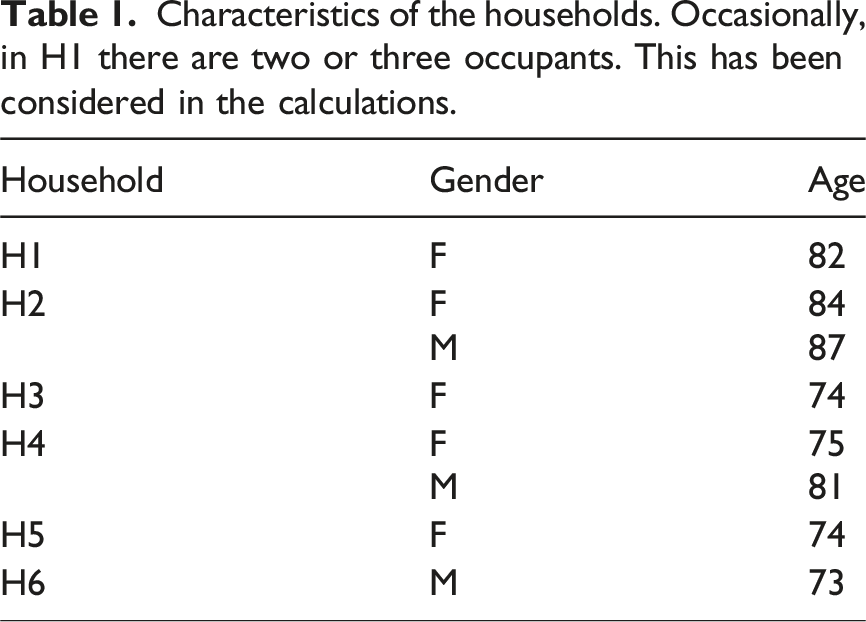
Characteristics of the households. Occasionally, in H1 there are two or three occupants. This has been considered in the calculations.
All houses are identical in terms of design and orientation (Figure 1 and Appendix– Table 9). They were built with a timber structure on a concrete foundation with 50 mm polystyrene insulation. The floor (structural plywood) included a 15-mm insulation layer filled with cellulose fibre and finished with cedar boards and tatami mats, and the inner walls were also filled with cellulose fibre. All houses use hybrid ventilation, with natural ventilation through windows and mechanic extraction through an electric fan in the kitchen Sagara temporary house. (a) Plan view (dimensions in mm; circles denote sensor location). (b) View of the front of one of the temporary houses.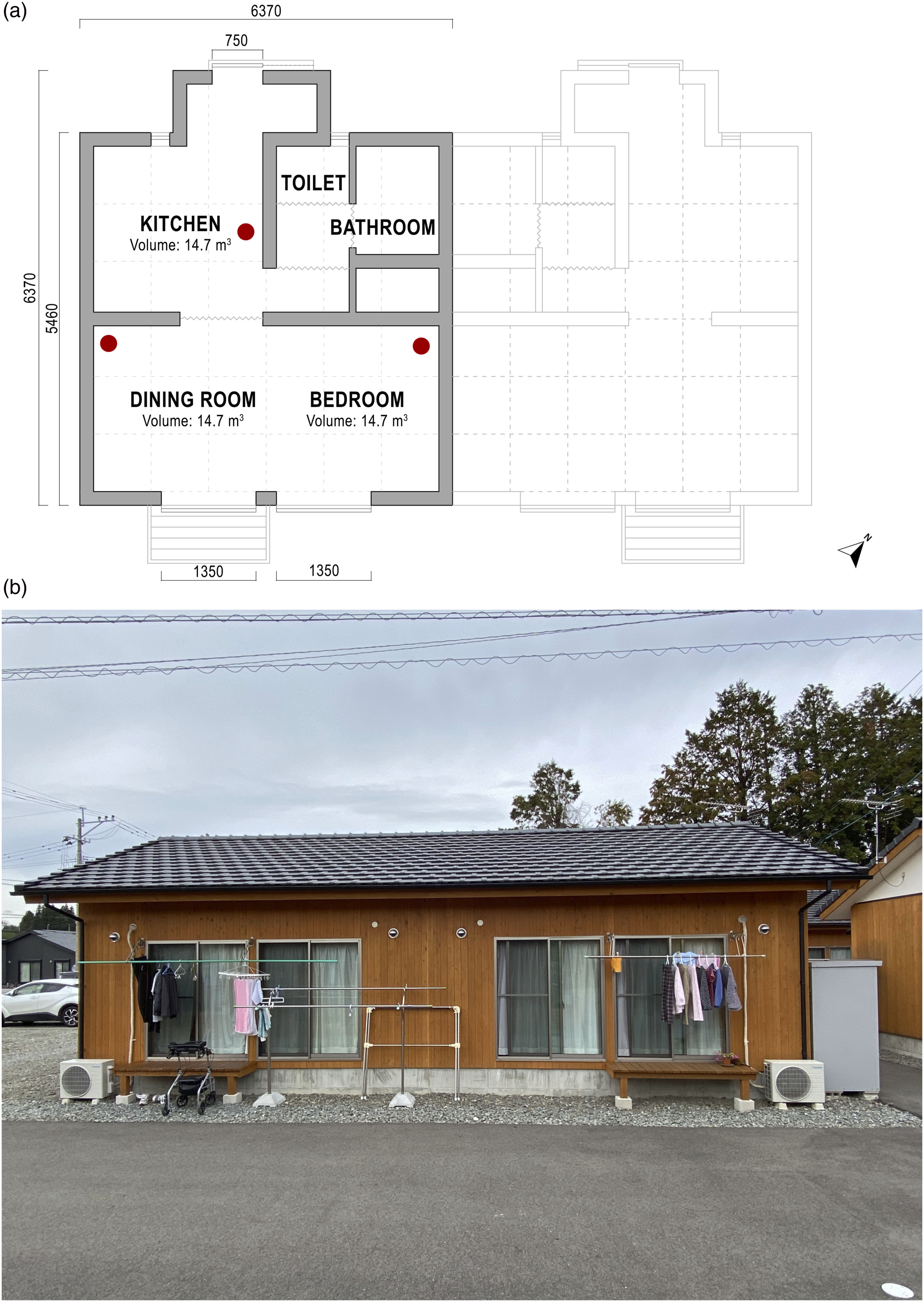
Measurements of CO2 concentration, indoor and outdoor temperature, and relative humidity
The measurement of CO2, indoor and outdoor air temperature, and relative humidity took place from the 1st to the 8th of December 2022. This was based on ASTM standard D6245-98, 41 which suggests monitoring CO2 alongside building occupancy and ventilation system operation for at least 1 day. The indoor parameters were measured at 2-min intervals in all the rooms. Sensors were placed in every room away from windows and heat sources and at a height of 1.1 m (Figure 1). This is considered ideal as it provides good coverage in the absence of prior experience for this setting (CIBSE TM68, 42 Albadra et al. 6 and Shrestha et al.). 43 Outdoor CO2 was recorded through spot measurements. Table 10 in the Appendix shows the characteristics of the sensors used.
The CO2 sensors were calibrated at ambient conditions prior to monitoring. In addition, they have a calibration function to compensate for long-term sensor drift by gradually adjusting the lowest measured CO2 concentration over a 1684-h period, to the global average concentration (atmospheric CO2 level of around 400 ppm). This function did not apply here as monitoring lasted for 1 week.
Assessment of indoor CO2
In this study the selected CO2 threshold is 1000 ppm as per ANSI/ASHRAE Standard 62.2-2019 25 and the Japanese legislation. 44 Despite this CO2 limit being removed from the ASHRAE Standard since the 2019 edition because of its questionable reliability as a proxy for overall IAQ acceptability, it continues to be a useful metric to contextualise findings. 45
Occupant behaviour survey
Overview of the survey methods used in the study.
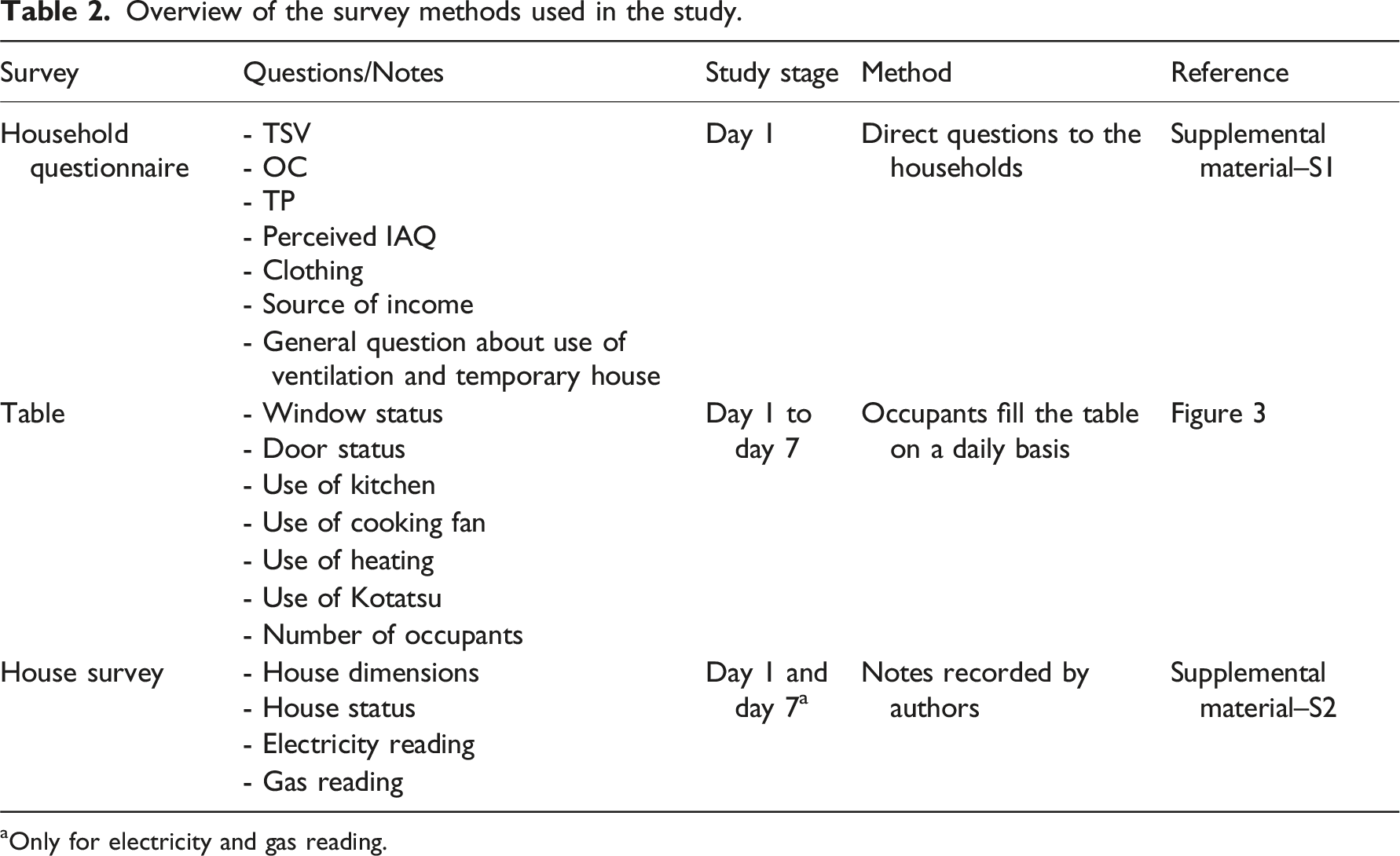
aOnly for electricity and gas reading.
Questions on perceived indoor air quality.

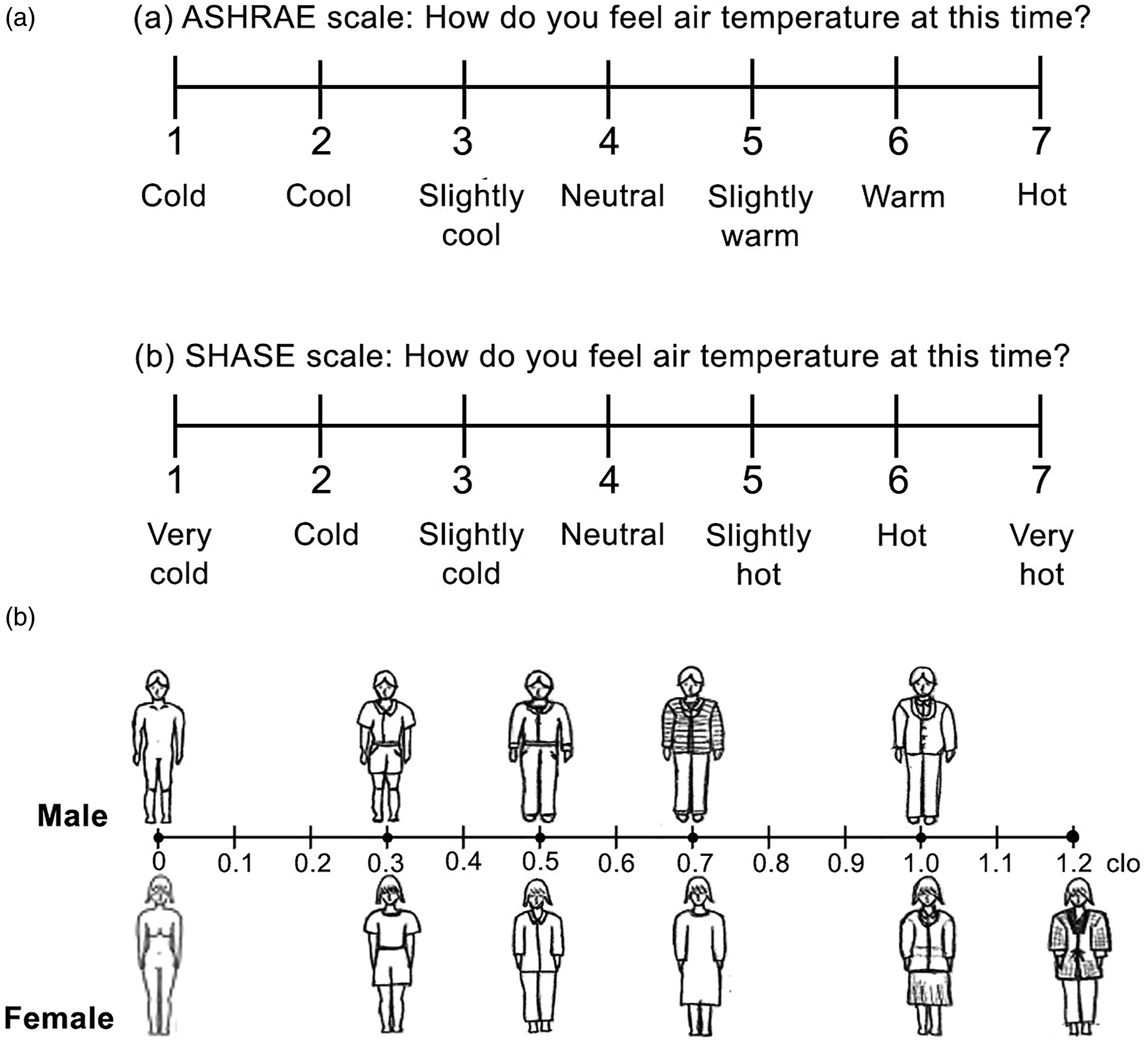
Scales used for thermal comfort survey. (a) Thermal sensation vote scale adapted from. 46 (i) The Society of Heating, Air-Conditioning and Sanitary Engineers of Japan (SHASE) thermal sensation scale and (ii) The American Society of Heating, Refrigerating and Air-Conditioning Engineers (ASHRAE) thermal sensation scale. (b) Clothing insulation scale adapted from. 46
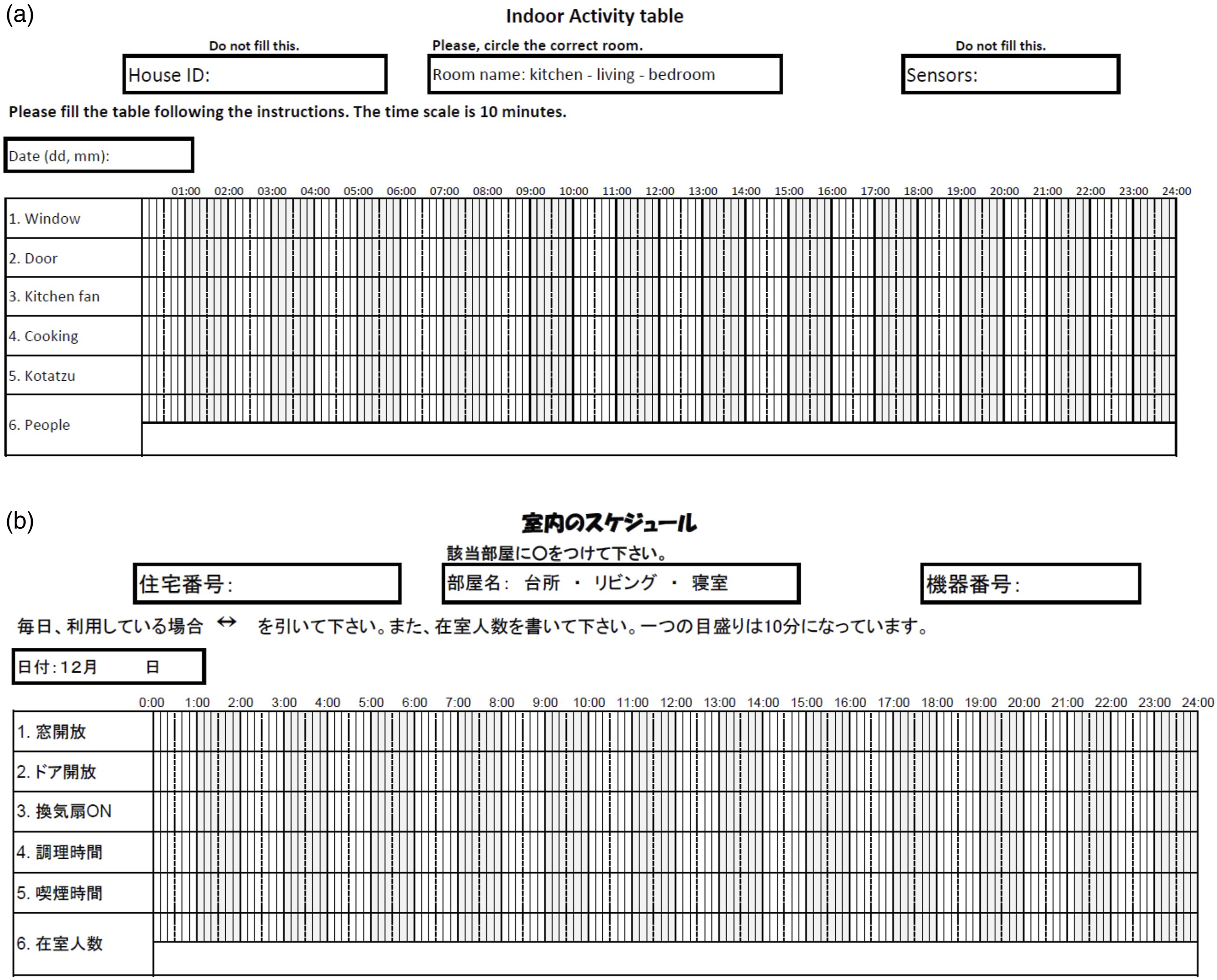
Table used to collect data about the occupants’ behaviour and the indoor use of the temporary houses. (a) English version, (b) Japanese version. The occupants were requested to show with a line the time they open the window and/or the door when they use the kitchen fan, the kitchen, and the Kotatsu (the Kotatsu parameter was modified for houses using the electric stove or the AC). In the last field of the table, occupants indicated with a number the number of people in the temporary house and with a line the occupancy time.
Calculation of ventilation rate from indoor CO2
We estimate the number of air changes (ACH) using the indoor CO2 exhaled by occupants through the mass balance equation as suggested by Shrestha et al.
43

Calculated ACHs are then compared to EN 16798–1:2019 50 and ISO 17772-1:2017. 51 The first provides guidelines for the assessment of indoor environmental parameters for buildings’ ventilation, considering both thermal comfort and indoor air quality. Similarly, the second outlines the parameters for assessing and achieving energy-efficient and comfortable indoor environments through heating, ventilation, and air conditioning (HVAC) systems. Both standards aim to promote occupants’ well-being by specifying criteria for the design and operation of building systems.
Linear regression models of COVID-19
Based on the estimated ACH, three parameters related to the COVID-19 infection risk are estimated: the probability (P) of infection for a susceptible population associated with an ACH, the basic reproductive number (R
0
), and the probability of infection for a susceptible population associated with a CO2 level (P
CO2
). For calculating P, we adopt the Wells-Riley equation (2) proposed by Rudnick and Milton,
20
calibrated to COVID-19 with corrected quanta emission rates for an elderly population52,53 as follows: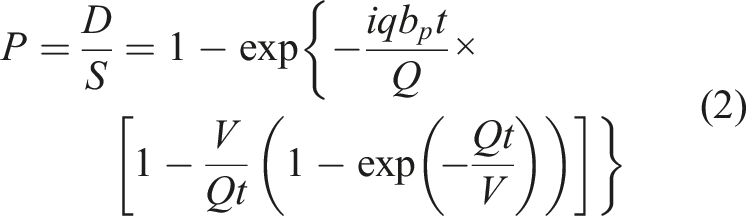

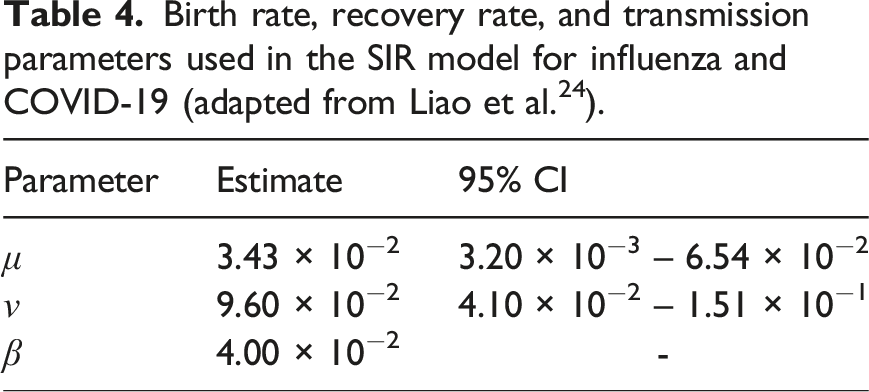
Birth rate, recovery rate, and transmission parameters used in the SIR model for influenza and COVID-19 (adapted from Liao et al. 24 ).
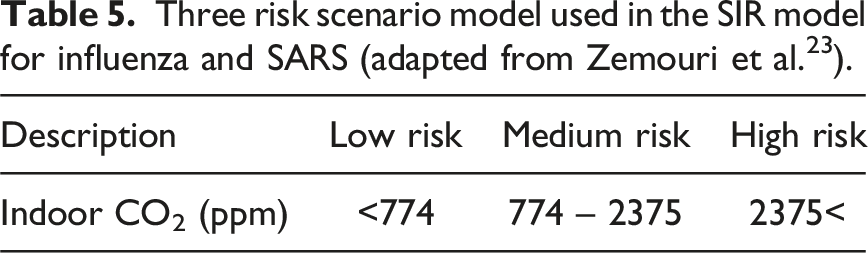
Three risk scenario model used in the SIR model for influenza and SARS (adapted from Zemouri et al. 23 ).
The transmission parameters for COVID-19, including the quantum generation rate, breathing rate, and exposure time, are subject to significant variability in the literature. Rudnick and Milton 20 estimated a quantum generation rate of approximately 14 quanta per hour for normal breathing, whereas Buonanno et al. 54 reported higher rates for activities such as speaking or singing, which can exceed 100 quanta per hour depending on vocal intensity. For elderly populations, Liao et al. 24 and Zhang and Lin 53 suggested lower metabolic activity rates may reduce quantum generation, although this remains context-dependent.
The Wells-Riley model used in this study assumes uniform air mixing, a simplification that does not fully account for localised variations in ventilation, deposition, or filtration. While this approach provides a valuable first-order estimation of transmission risk, these limitations must be considered when interpreting the results. For example, specific ventilation strategies, such as cross-ventilation or filtration, could significantly reduce localised airborne concentrations, which the model does not capture.
Additionally, our assumptions include a fixed quantum generation rate specific to an elderly population and constant exposure times. These assumptions simplify the analysis but may not reflect individual differences in health, activity levels, or environmental conditions, all of which could influence transmission dynamics. Future research should incorporate more detailed modelling to address these complexities, particularly in settings with diverse population groups or ventilation strategies.
Linear regression was employed to examine the relationship between ventilation rates, CO2 concentrations, and COVID-19 infection risks as estimated by the Wells-Riley and SIR models. This approach was chosen for its simplicity and interpretability, enabling the quantification of the influence of ventilation and IAQ parameters on transmission risks. By providing clear effect sizes for each variable, the regression analysis supported actionable insights for shelter design and ventilation strategies in temporary housing.
Methodology novelty
The novelty of this study lies in its integrative methodological approach, which combines environmental monitoring with behavioural self-assessment to examine IAQ and thermal comfort in temporary housing settings. While traditional IAQ studies often focus on physical parameters such as CO2 concentrations and temperature, this approach captures the complex interplay between environmental conditions and occupant behaviours.
By applying this method to a vulnerable population group in a resource-limited context, the study provides insights into the behavioural drivers of IAQ and their implications for shelter design. Additionally, the incorporation of COVID-19 risk modelling, based on CO2 levels and self-reported behaviours, represents a novel application in the context of displacement settings. This integrative approach enables the development of data-driven recommendations that are both technically effective and behaviourally informed.
Results
Indoor CO2 concentration
The indoor CO2 concentration in H2, H3, and H5 was in the range of 500-800 ppm while that of H1, H4, and H6 was approximately in the range of 500-1600 ppm for 95% of the time (Figure 4). The average CO2 concentration in H2, H3, and H5 was 707 ppm, so below the Japan Building Regulation
44
threshold of 1000 ppm, while in H1, H4, and H6 the average (1387 ppm) was much higher. (a) Hourly indoor CO2 concentration in the dining rooms of six temporary houses during the monitoring period. The red line indicates the 1000 ppm threshold established by the Japan Building Regulation.
44
(b) A closer view of CO2 concentration values below 2500 ppm, showing fluctuations and comparisons between houses. (c) Temperature profiles of the same dining rooms, with outdoor temperature represented by the black dashed line. The shaded red area denotes the thermal comfort band as per Japanese government guidelines for residential buildings.
55
The data highlight significant differences in CO2 levels and indoor temperatures between houses, particularly in relation to ventilation and heating practices.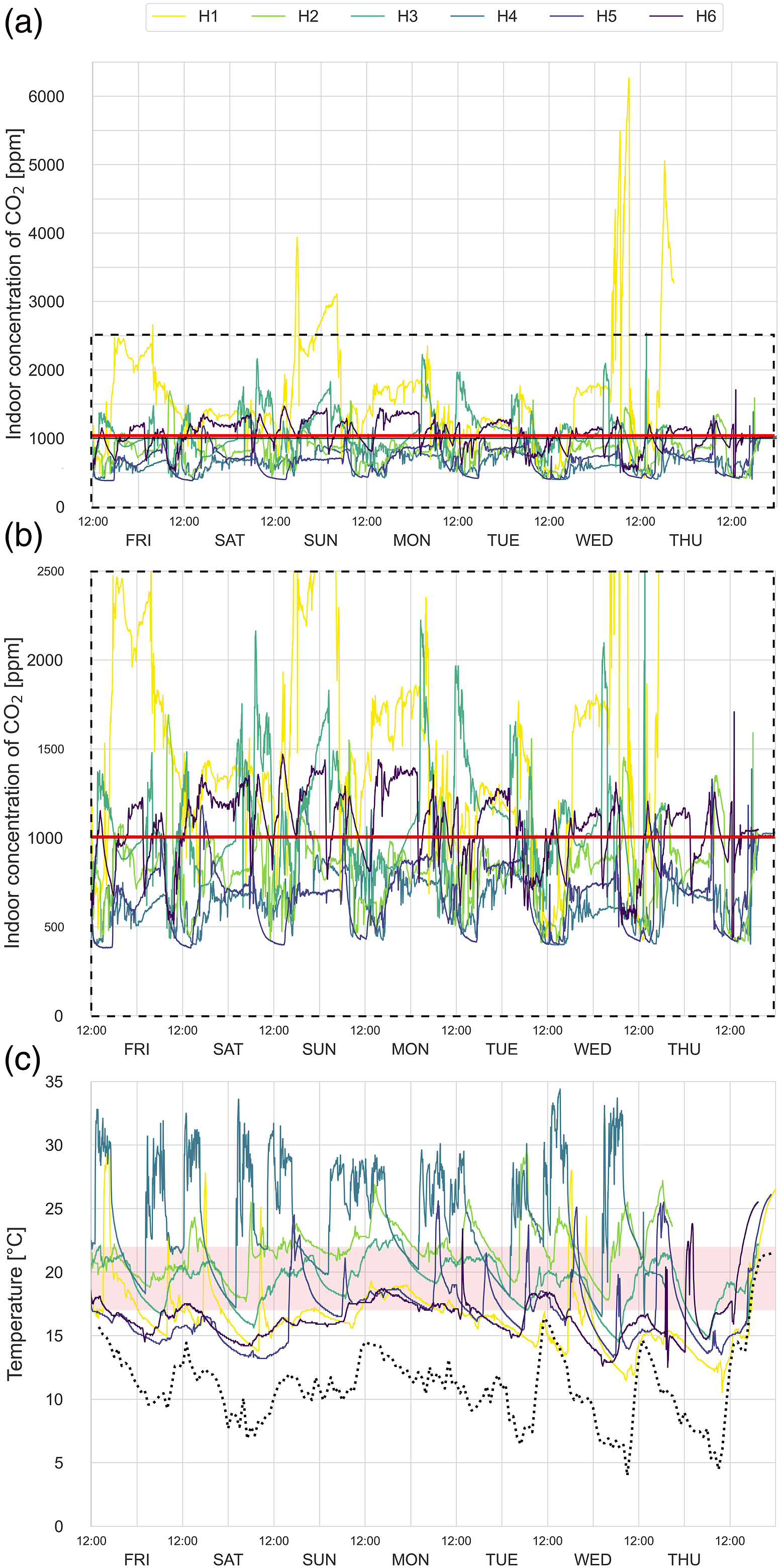
Percentage of time with CO2 concentration above the Japanese Legislation safe threshold in the houses.
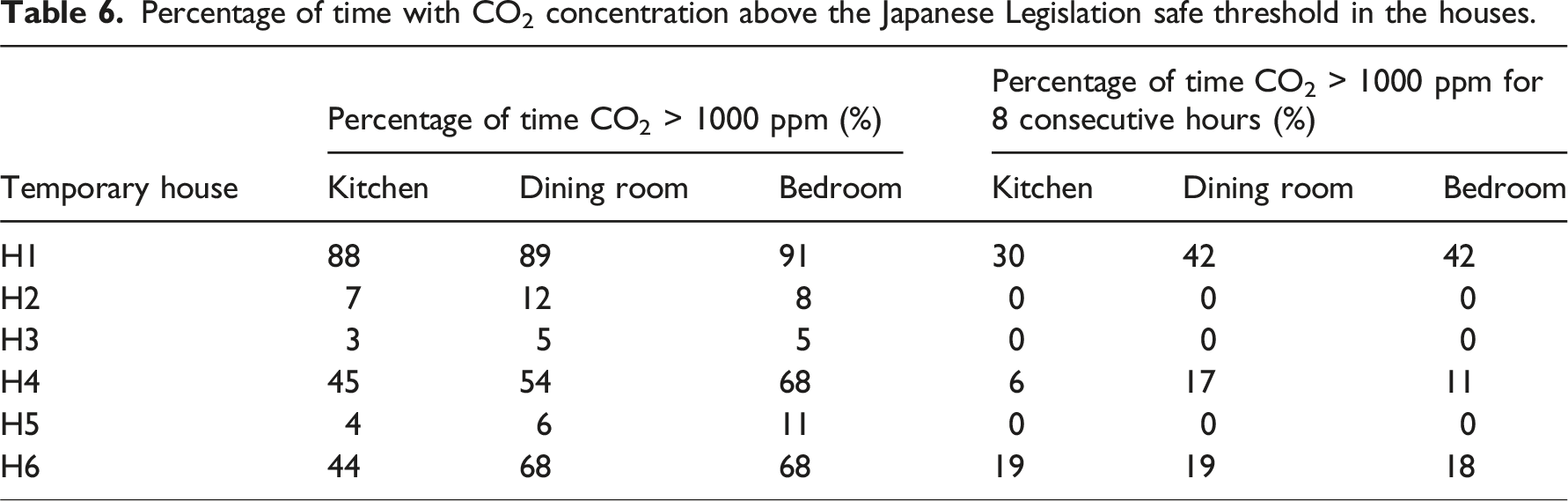
CO2 concentrations are higher in the dining rooms and the bedrooms than in the kitchens (Figure 5). This is possibly due to the form of Japanese cooking (electric not gas) and the temporary house layout or by occupants spending most of their time in the dining room and bedroom area. Distribution of indoor CO2 concentrations and air temperatures across the monitored temporary houses. The figure shows that dining rooms and bedrooms tend to have higher CO2 concentrations compared to kitchens, likely due to occupant activity patterns and heating locations. Temperature distributions demonstrate variability between spaces, influenced by heating strategies and ventilation practices.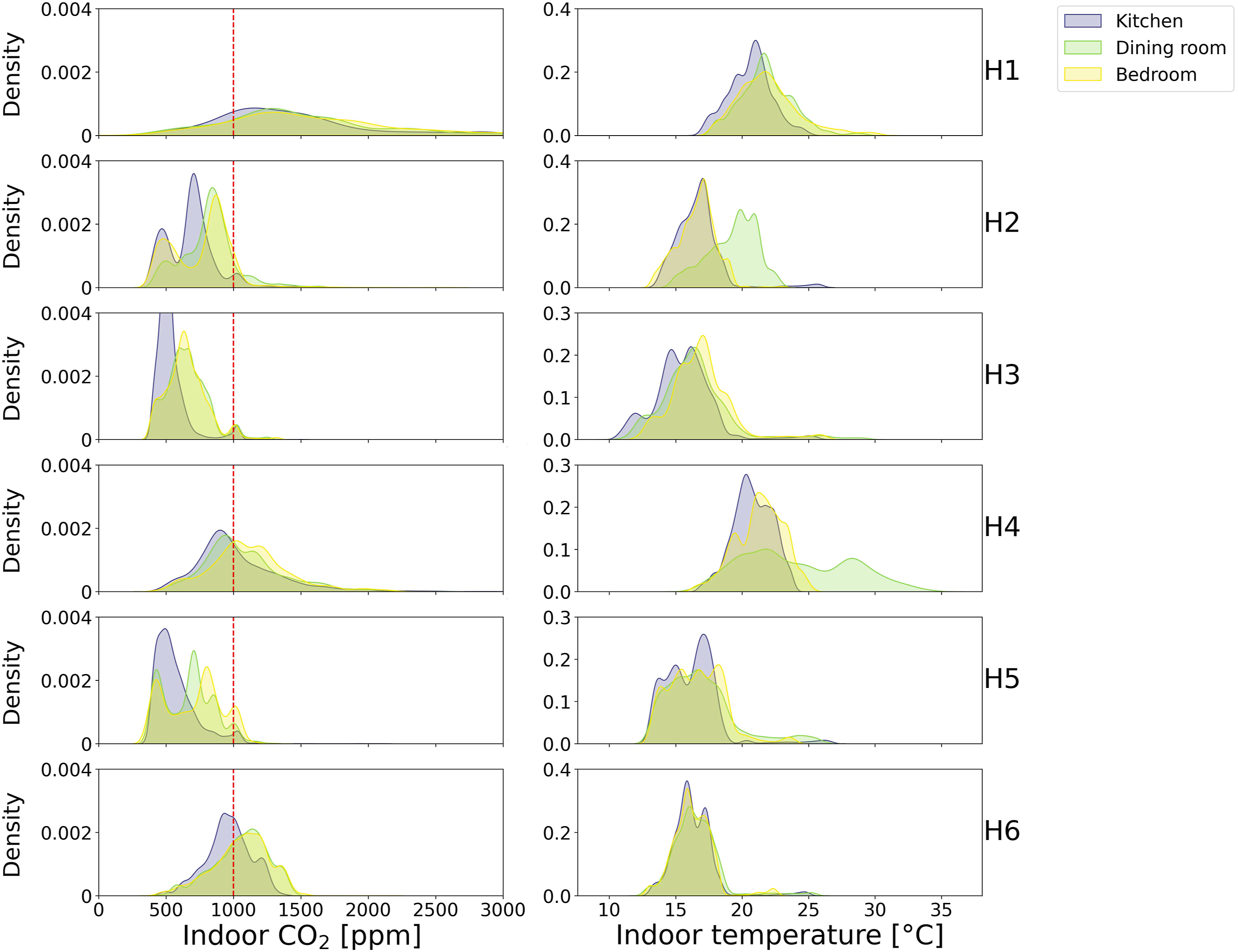
Indoor air temperature
Households were observed to approach space heating differently. H1 adopted an electric stove, H4 used air-conditioning despite the fact that they reported that they did not like the increased air movement, and H2, H3, H5, and H6 used a Kotatsu. The lowest average air temperature was recorded in H5 (kitchen) and the highest in H1 (bedroom) (Figure 5). In general, for the kitchens, the average air temperatures were lower than in the bedroom and the living room. This may be due to the heating being in the dining room. Indoor temperatures similar to each other were recorded in the dining room and the bedroom, except in H2 and H4.
Indoor CO2 concentration and indoor temperature
H1 and H4 present both the highest average indoor temperature and the highest indoor concentration of CO2 most of the time (Figure 6). This might be related to the reduced use of ventilation in these dwellings. The indoor concentration of CO2 generated by occupants increases when a source of heating is on because the window is kept closed to maintain a comfortable thermal environment. However, H6 presents a high concentration of CO2 but the lowest average indoor temperature. In fact, H4 and H6 at the same indoor concentration of CO2 present an average difference in temperature of 6°C (Figure 6). This can be explained by observing that H4 ventilates less than H6 and by H4 using AC for heating. Comparison of indoor temperatures and CO2 concentrations in the three temporary houses (H1, H4, and H6) with the highest monitored CO2 levels. Highlighted in red are periods when CO2 concentrations exceeded 1000 ppm, showing correlations with heating practices and ventilation patterns.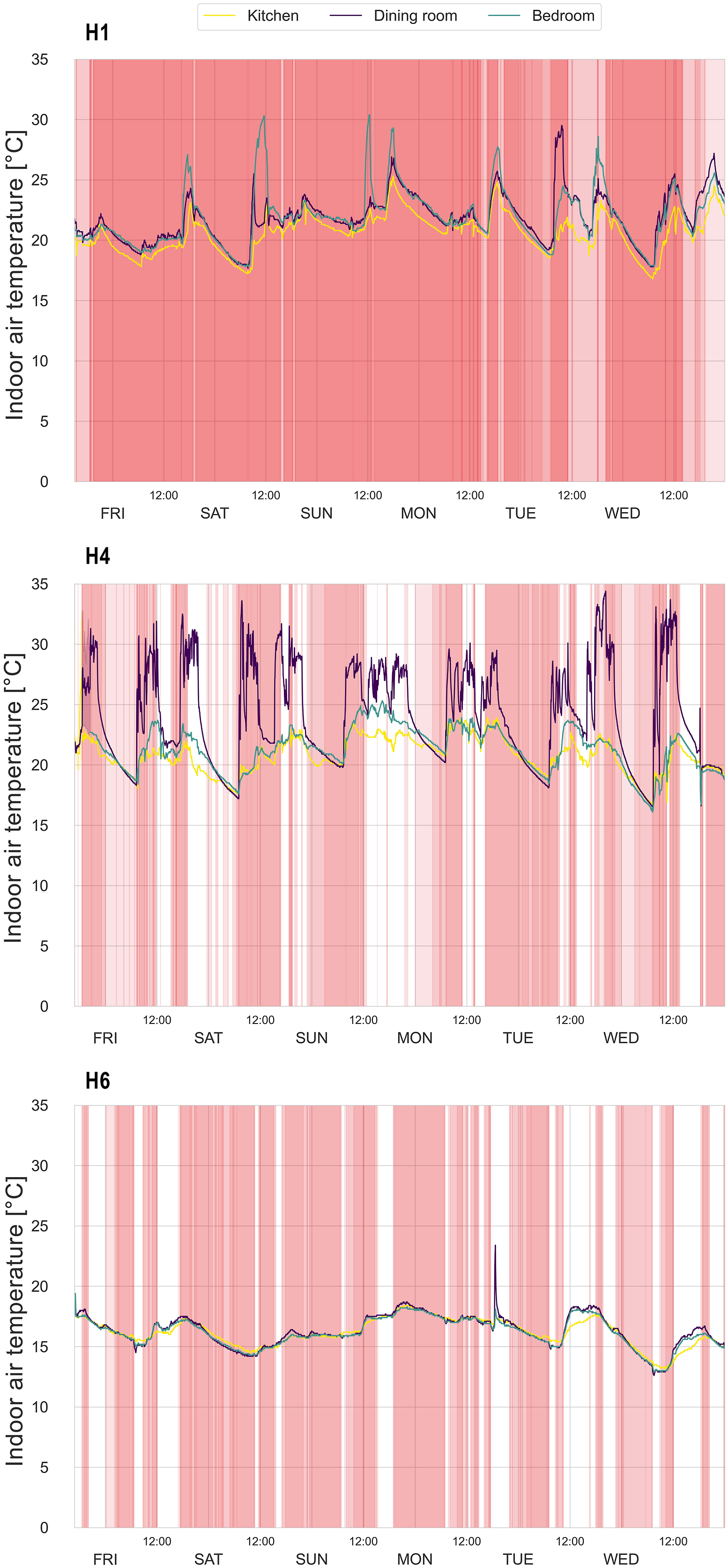
Indoor air quality and thermal comfort
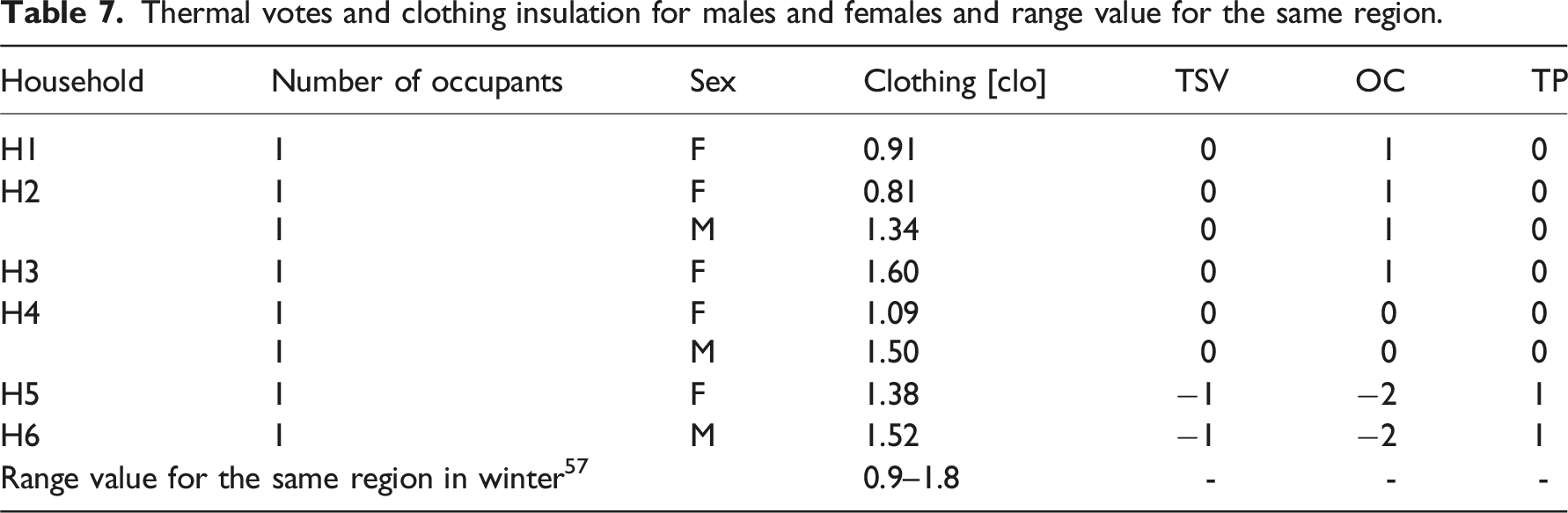
Thermal votes and clothing insulation for males and females and range value for the same region.
Occupant behaviour
The results described in this section are the first showing the use of windows, heating, and cooking in temporary houses collected in the table in Figure 3. The temporary houses are provided with single-side purged ventilation with windows in the dining room and the bedroom, while the entrance door and a small vent are located in the kitchen. According to the household survey, the window in the bedroom and the small vent in the kitchen were never operated in any of the six houses. Natural ventilation through the window in the dining room and the door in the kitchen was the main type of ventilation. Although the temporary houses are provided with air-conditioning, only H4 uses it as the resultant air movement is a cause of discomfort, as reported in the general question of the questionnaire (Supplemental Material). Figure 7 shows the frequency of window (a) and door (b) opening. As might be expected, the windows and doors were open more in temporary houses where the CO2 levels were below the safe limit, and indeed H2, H3, and H5 with safe limits of CO2 are more ventilated than H1, H4, and H6 with potentially unhealthy levels of CO2. (a) Frequency of window openings in the dining rooms of six temporary houses during the monitoring period. (b) Frequency of door openings in kitchens across the same houses. The data show that temporary houses with lower CO2 levels (H2, H3, and H5) had higher rates of window and door openings, while houses with higher CO2 levels (H1, H4, and H6) demonstrated limited ventilation.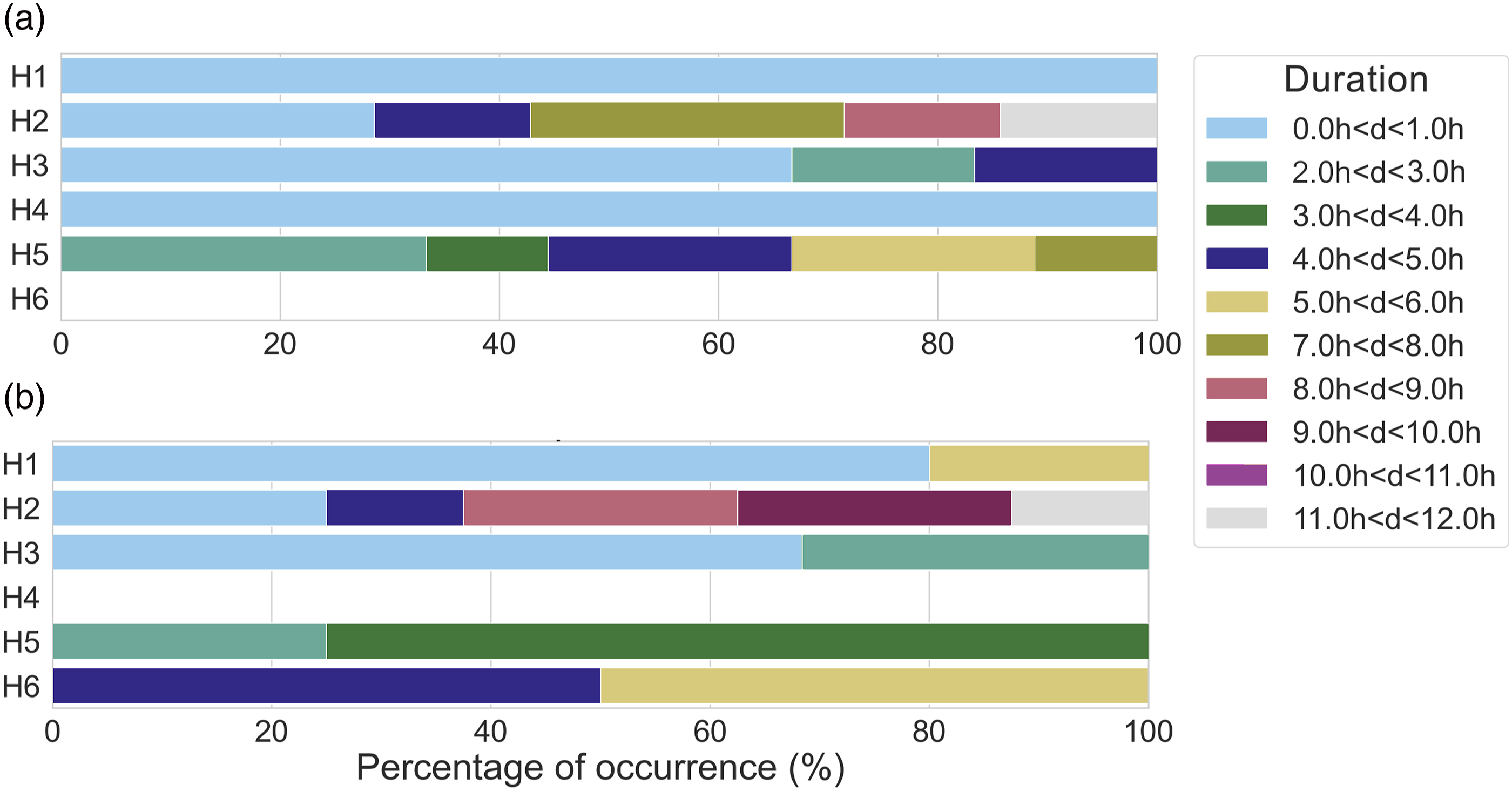
Because an announcement was made by the Japanese Government requesting residents to regularly ventilate to reduce the risk of COVID-19 spread, the household ventilated the dining room at least once per day (confirmed through the household questionnaire in the Supplemental Material). In five of the six temporary houses, the window in the dining room was open for at least 1 hour per day, as shown in Figure 7. However, as can be observed in Figure 8 both windows and doors were mainly closed during the observed period. This can be attributed to the fact that the monitoring campaign was conducted in winter and low outdoor temperatures. (a) Percentage of time windows remained open in the dining rooms of six temporary houses. (b) Percentage of time doors remained open in the kitchens. The results reveal limited use of natural ventilation during the winter monitoring period, particularly in houses with higher CO2 levels (H1, H4, and H6). Low outdoor temperatures may have influenced occupants’ decisions to keep windows and doors closed.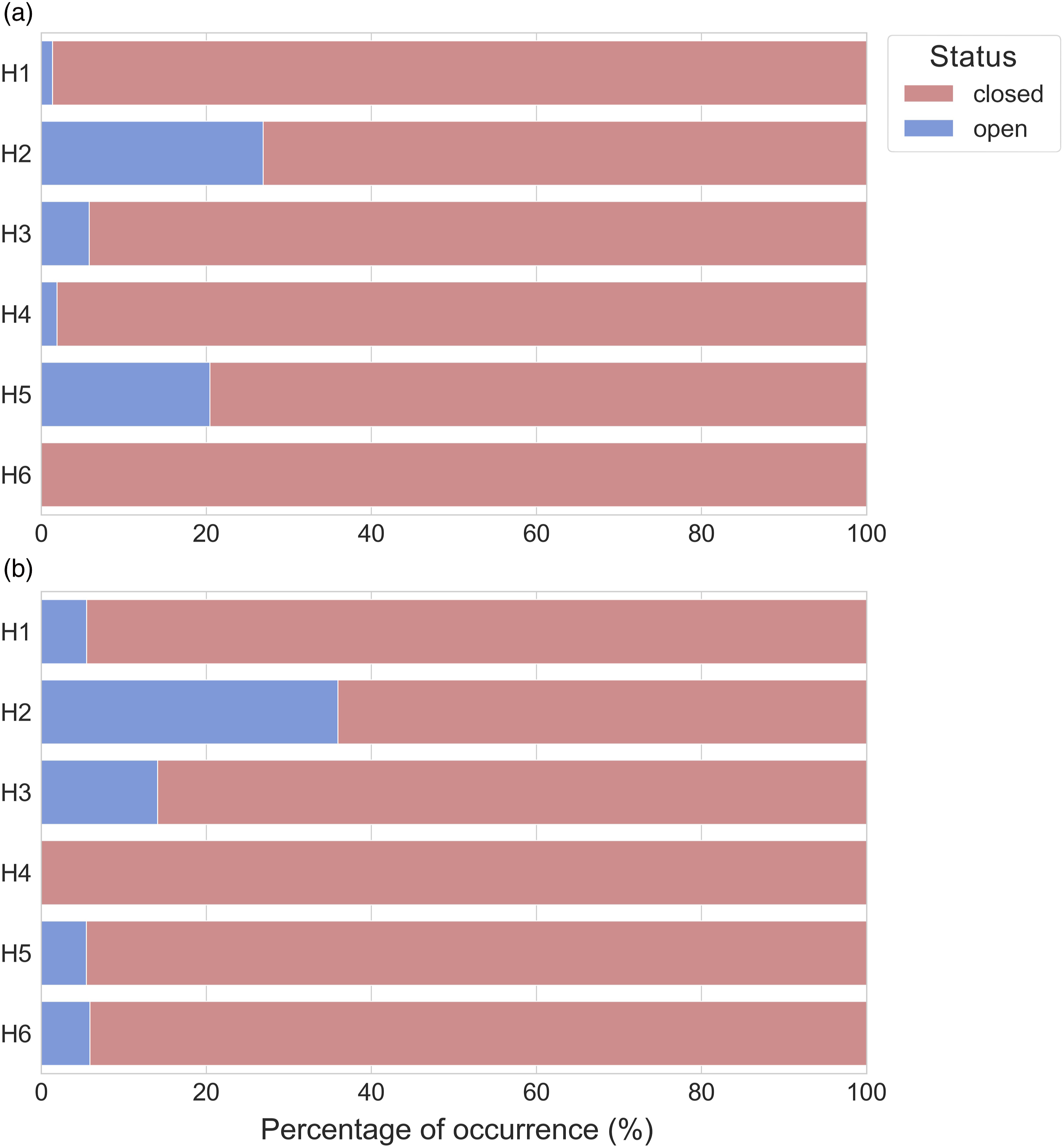
In contrast to the findings of Hattori et al., 58 in this study, the residents of the temporary houses were aware of the importance of properly naturally ventilating. In fact, in H2, H3, and H5, households preferred to ventilate despite the uncomfortable indoor temperatures. However, in H1 and H4, higher temperatures were recorded despite the low ventilation rates.
Figure 9 shows the frequency of use of heating and Kotatsu status. The heating system through AC is used in H4, while H1 uses an electric stove. H2, H3, H5 and H6 use a Kotatsu. The hourly use of heating is higher in temporary houses with higher hourly ventilation. Kotatsu (H2, H3, H5, and H6), electric stove (H1), and AC heating (H4) percentage of occurrence. The percentage of occurrence represents the total number of hours the Kotatsu or electric stove is used. The frequency is calculated over the total 168 hours of the monitoring campaign and is expressed as a percentage.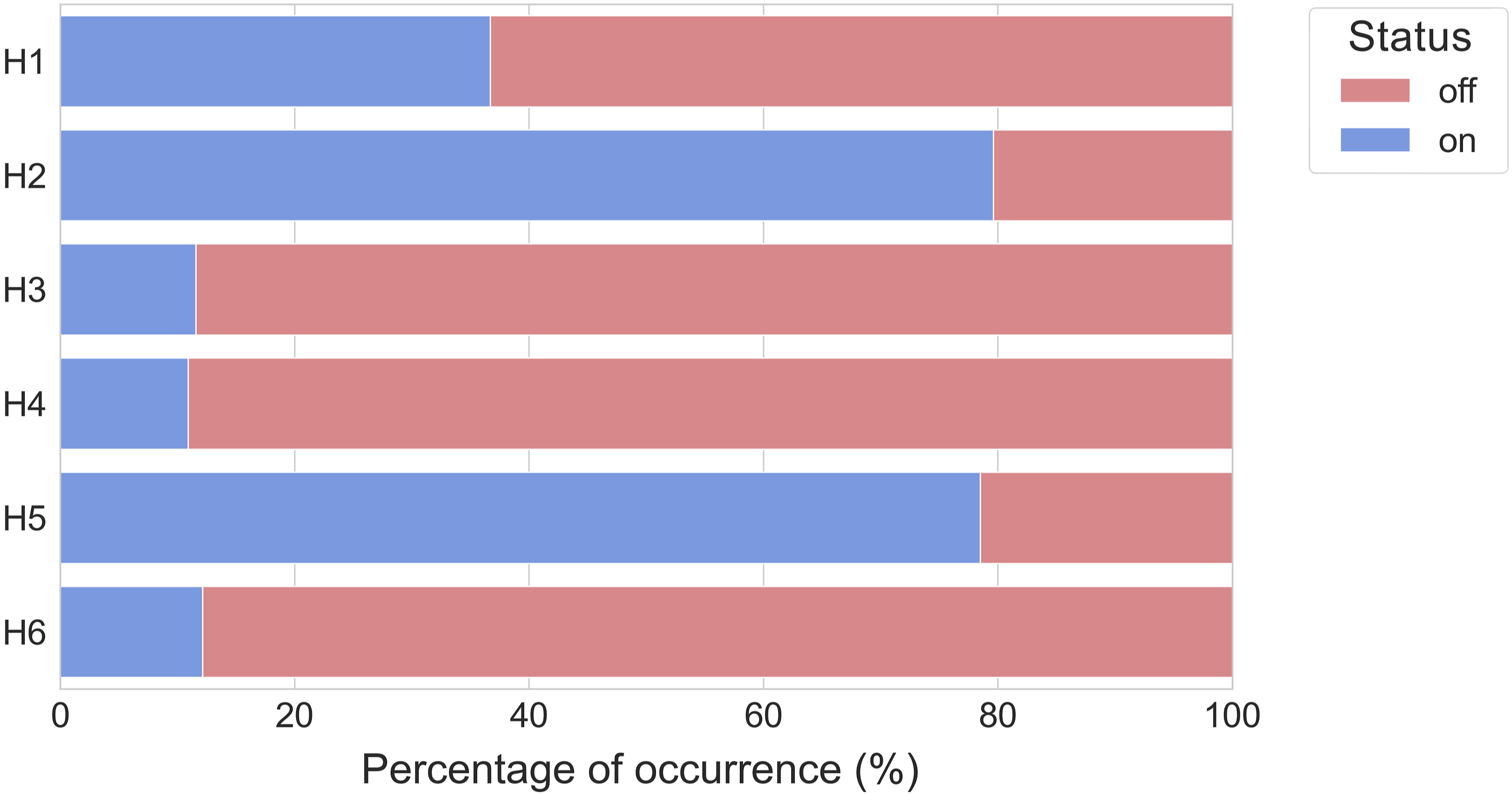
The survey conducted with the table in Figure 3 revealed that in all homes, the kitchen extractor fan was in use during cooking. However, the use of the fan did not prevent the increase in CO2 levels whilst cooking (Figure 10). Even in temporary houses where the average CO2 indoor concentration is below the safe limit, an increase in CO2 above 1000 ppm in the kitchen is observed when the kitchen is in use. Interestingly, in H6, where there was low use of electric cooking (Japanese cuisine includes a high variety of raw food that does not need to be cooked), CO2 in the kitchen reached high levels (Figure 5). This may be due to the lack of ventilation, as the window, in this case, was always closed. In H5, the Kotatsu was turned on for most of the day or whenever the room was occupied (Figure 9). (a) Frequency of cooking activities in the kitchens of six temporary houses during the monitoring period. (b) Frequency of kitchen fan use during cooking. The data indicate that kitchen extractor fans were used in all houses during cooking. However, CO2 levels frequently exceeded the safe threshold, suggesting that ventilation was insufficient to mitigate the impact of cooking on indoor air quality.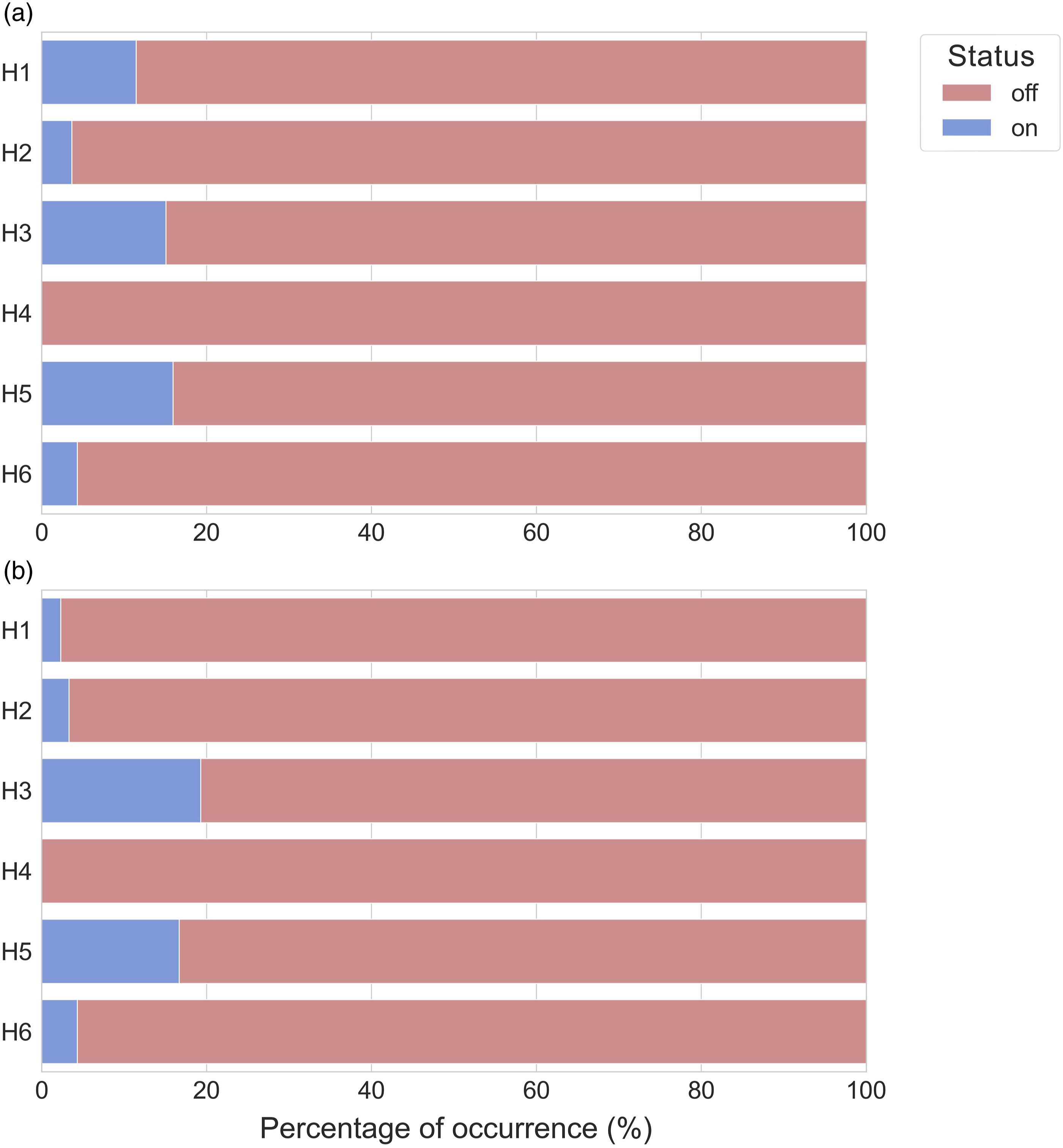
Ventilation and COVID-19
Figure 11 shows the estimated ACH value calculated according to the time-variant mass balance equation (1) for each house based on the indoor CO2 exhaled by occupants. On average, the airflow is 0.5 ACH (or 3.2 ls−1p for an occupancy of 2 people) for H1 and H6 and 0.6 ACH (or 4.5 ls−1p for an occupancy of 2 people) for H2, H3, and H4 (Table 8). These findings show a higher airflow if compared to previous studies on temporary houses in Japan,29,30 where the estimated mean ACH was 0.3. A mean of 0.3 ACH was also recorded in temporary houses built in the aftermath of Hurricane Katrina.
59
However, recorded ACH in regular Japanese log houses was between 1.6 and 1.7 in summer and between 0.6 and 0.9 in winter.
60
House airflow estimated according to Ref. 43. H6 does not ventilate regularly as the other temporary houses. H1 and H6 recorded average ACH values of 0.5. H2, H3, and H4 exhibited slightly higher average ACH values of 0.6. The airflow rates were lower than the 1.0 ACH recommended by the Japanese government for two occupants during the COVID-19 pandemic, highlighting inadequate ventilation. Calculated airflow from indoor CO2 in each temporary house. The airflow has been calculated according to Ref.43.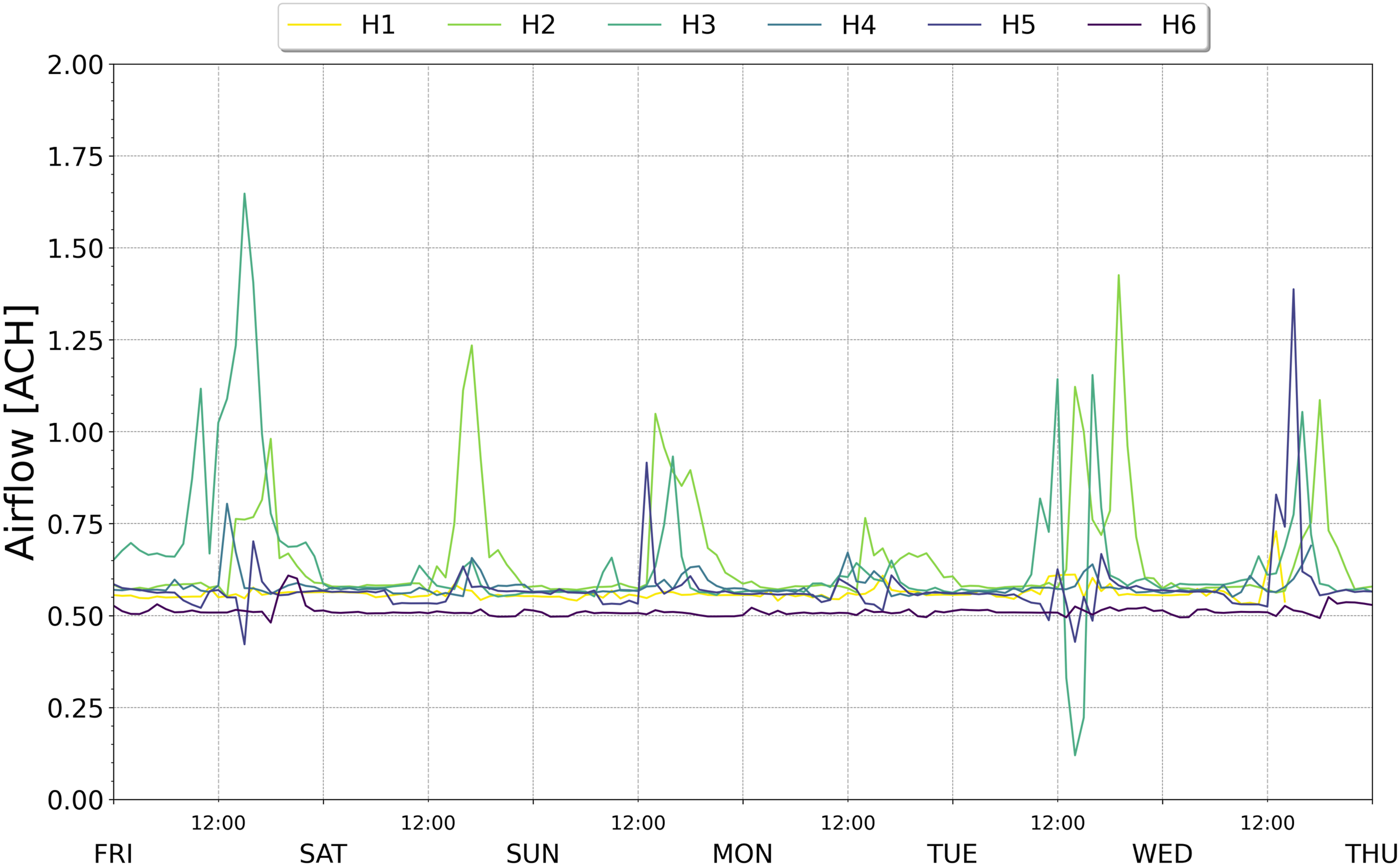
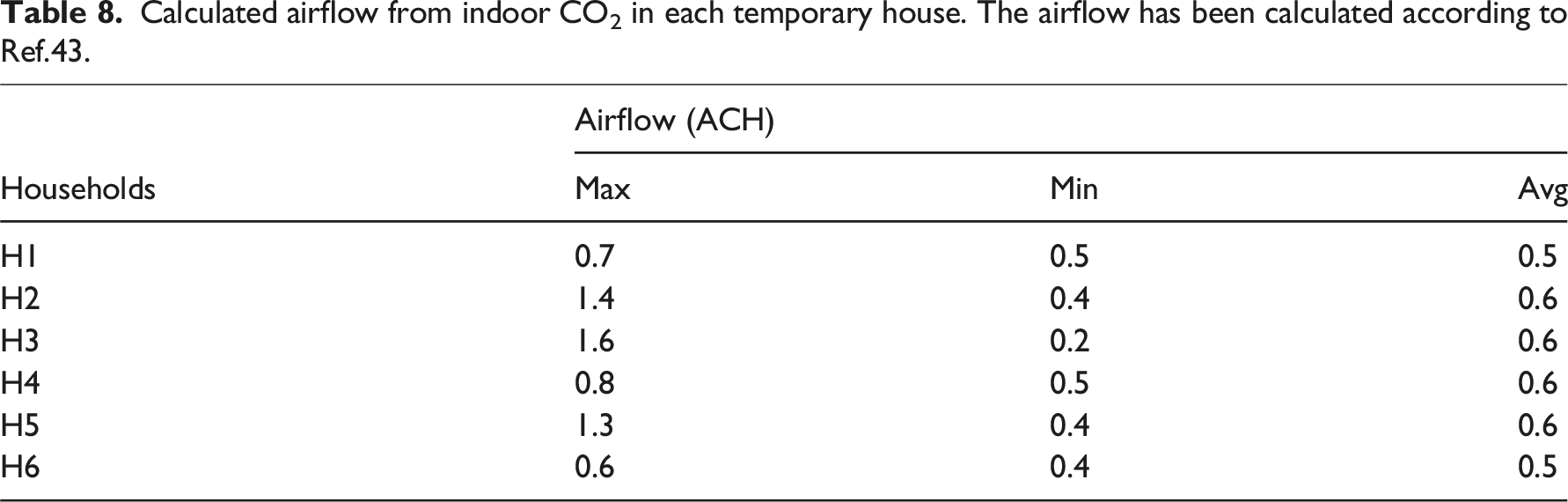
Our estimated airflow value per person for an occupancy of two persons is lower than the 8.3 ls−1p prescribed by the Japanese government. During the Pandemic, the Japanese government required every building owner to keep a minimum ventilation rate of 30 m3h−1p, 61 which in this case implies 0.5 or 1 ACH depending on whether it is occupied by one or two people. The government also recommended reducing the number of people in the room and setting CO2 meters to monitor ventilation if the ventilation rates were lower than the prescribed value. The estimated ventilation is below the 10 l·s−1 per person suggested by standards such as EN 16798-1:2019 for elderly people50,62 and ISO 17772-1:2017. 51
Observed minimum values are an indicator of increased risk of aerosol transmission,
63
as shown in Figure 12. In this figure, the probability of infection risk is calculated for eight ventilation and assuming for all the scenarios: there is one infected person, two occupants in the temporary house, a 24-h exposure, and no use of masks. The probability of infection risk was estimated using the Wells-Riley equation (2) according to Rudnick and Milton.
20
Estimated percentages indicate a significant potential for COVID-19 transmission, which may be attributable to poor ventilation rate and long exposure time, due to the tendency of elderly people to spend around 22 hours indoors per day. The R0 for this scenario is around 0.62. This value of R0 suggests that, under these specific conditions, the transmission potential of COVID-19 is less than 1, indicating that each infected individual would, on average, transmit the virus to less than one other person. This implies a low potential for sustained transmission in this specific setting with the given parameters. (a) Indoor CO2 concentration profiles in six temporary houses. (b) Estimated COVID-19 transmission risks based on CO2 concentrations, occupancy, and exposure time, following the Wells-Riley model.
19
The results demonstrate the relationship between poor ventilation and increased infection risk, emphasising the need for improved air exchange rates to mitigate health risks.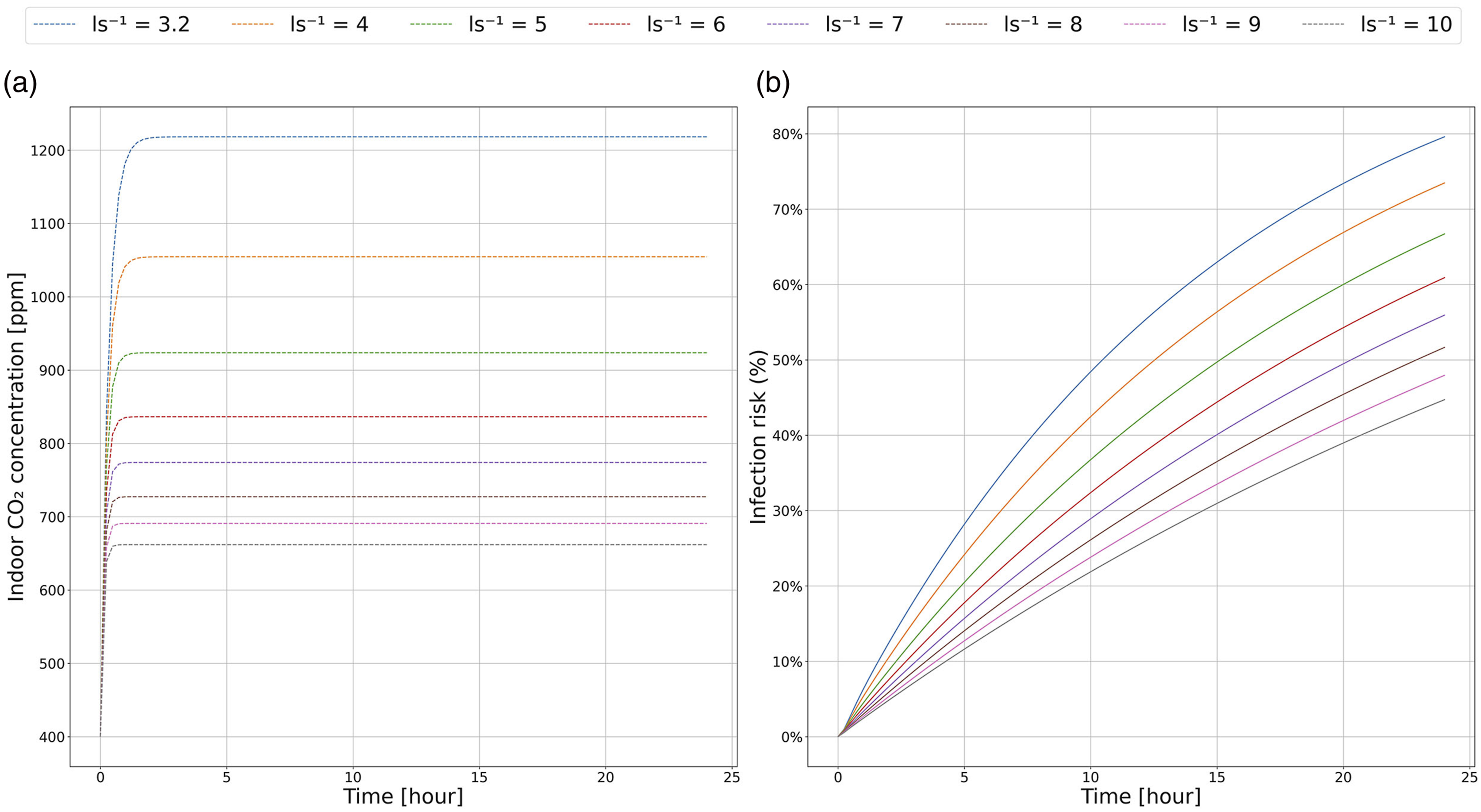
Figure 13 presents the CO2 concentration profiles for the six temporary housing units alongside the associated COVID-19 infection risks modelled according to equation (3). Temporary houses H1 and H3 are included within the Low-Risk scenario. H2 intersects the intermediate threshold, whereas H4-H6 extends into the High-Risk band, suggesting increased transmission likelihood. The scenarios in Figure 13 agree with findings that associate high concentrations of CO2 with an increased infection risk. However, these findings may necessitate more detailed analysis, including additional loss mechanisms like filtration or deposition. These results may also demonstrate how current standards EN 16798-1:2019
50
and ISO 17772-1:2017
51
are based on the use of ventilation for diluting odours
63
and they should be reviewed to include airborne infection control
64
and household-related factors.
65
COVID-19 transmission risk in each temporary house, based on the indoor concentration of CO2 according to the Zemouri et al model.
23
Houses H1 and H3 fall within the low-risk category. H2 intersects the intermediate threshold. H4–H6 extend into the high-risk category, suggesting increased infection likelihood. The figure underscores the importance of maintaining adequate ventilation to reduce transmission risks in temporary housing settings.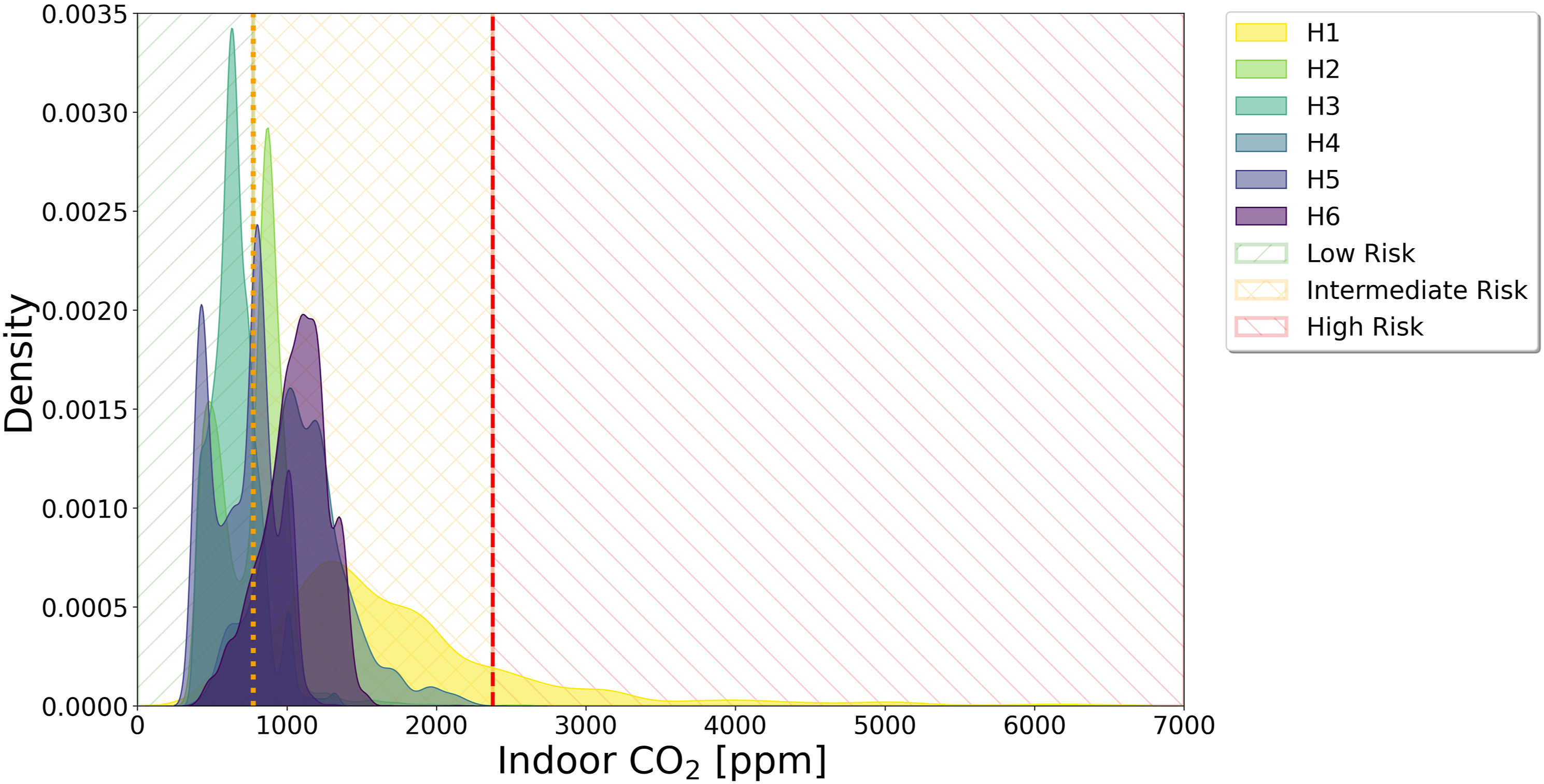
Additional observations
This section presents the additional observations gathered during the monitoring campaign through observation and through the general question, “Do you have anything to add about the temporary house and the indoor environment?” asked at the end of the household questionnaire (Supplemental Material). The occupants reported preferring their previous traditional Japanese houses in summer to their temporary houses, as they said that Japanese houses are designed for summer. However, they prefer temporary houses for the winter season. They especially like the floor of the temporary house in winter. Japanese people traditionally sit on the floor, and in this case, as we are analysing an elderly population, they spend most of their day sitting on the floor, except for H1. The households, consisting mostly of retirees, rely on a pension as their sole source of income, except H3, who is not retired. Households explained that they wanted to remain in their temporary houses because they could not afford to build or buy a new house. They also complained about the need to pay for the land where their previous homes – now damaged or destroyed by flooding – stand. Households explained that paying the bills can be difficult in winter. In addition to this, when asked about their thermal sensation (TSV, OC, and TP, Table 2) in the household questionnaire, all the occupants answered a preference for layering clothing over using air-conditioning for heating to avoid the high cost associated with it. This habit of layering clothing rather than increasing the indoor temperature was also found by Wang et al. 57 in a study in regular houses in the same region. These practices suggest an adaptive strategy by occupants to maintain a comfortable indoor environment while managing financial limitations. This area of possible adaptive behaviour and fuel poverty warrants further investigation to fully understand its implications.
Discussion
Indoor CO2 concentration and temperature
The indoor CO2 concentration patterns in this study provided critical insights into ventilation practices and occupant behaviour in temporary housing. Houses H1, H4, and H6 consistently exceeded the 1000 ppm threshold, highlighting inadequate ventilation. In H1, CO2 levels were above 1000 ppm for eight consecutive hours in more than 40% of the monitored period, which is a concerning finding. Although CO2 itself is not considered toxic at these levels, exposure to concentrations exceeding 2000–5000 ppm has been associated with physiological changes, including headaches and dizziness. These results align with previous studies, such as Chen et al., 52 but differ in the observation that average CO2 concentrations at night were similar to daytime levels, likely due to the absence of night-time ventilation.
Higher CO2 levels in dining rooms and bedrooms compared to kitchens (Figure 5 and Table 6) could be attributed to the use of electric rather than gas cooking, as well as the spatial layout of the houses, which concentrates occupancy in dining and sleeping areas. This contrasts with Abdel-Salam’s findings in Egypt, 66 where kitchens exhibited the highest CO2 levels.
Indoor temperature and thermal comfort
The observed thermal preferences of households underscored the challenges of balancing thermal comfort with adequate ventilation. H1 and H4 maintained temperatures within the Japanese prescribed comfort range 55 for over 50% of the monitoring period in the dining room. However, high temperatures in these houses were achieved by reducing ventilation rates, a practice consistent with findings by Schellen et al., 56 who noted that elderly populations prefer higher ambient temperatures due to reduced basal metabolic rates.
Clothing insulation levels in this study (average 1.26 clo) were higher than those recorded in a previous winter study in Gifu, Japan (0.79 clo). 67 This suggests an adaptation to colder conditions, possibly exacerbated by limited ventilation.
Occupant behaviour and ventilation
Occupant behaviour played a significant role in influencing IAQ emerging as the primary determinant of poor IAQ rather than the design of the temporary houses themselves. Households generally ventilated their dining rooms at least once daily, following the Japanese government’s recommendations during the pandemic. However, windows and doors remained closed for the majority of the observed period, likely due to low outdoor temperatures.
A clear divergence in behaviour was observed among the households. H2, H3, and H5 prioritised ventilation over thermal comfort, reflecting a greater awareness of its health benefits. In contrast, H1 and H4 prioritised maintaining thermal comfort, leading to higher CO2 concentrations. These behaviours were strongly influenced by age-specific factors, as elderly occupants exhibited a preference for higher ambient temperatures and lower ventilation rates, aligning with findings from Schellen et al. 56 regarding the reduced basal metabolic rates in older adults.
This study highlights the variability in behavioural responses, even within a small sample size, and underscores the importance of considering occupant behaviour when addressing IAQ. The integration of CO2 monitoring with survey-based behavioural data provided a novel methodological approach, allowing for the identification of behavioural drivers of IAQ. This methodology, while initially applied to a specific population group, is scalable and can be adapted for broader studies.
The insights gained from this study lay the foundation for future research that incorporates behavioural variability into IAQ modelling. Stratified sampling across different age groups and housing contexts would help generalise findings and identify effective interventions. Furthermore, targeted campaigns to raise awareness of the health benefits of ventilation, coupled with behavioural nudges, could be instrumental in improving IAQ, particularly for vulnerable populations such as the elderly.
Ventilation rates and COVID-19 transmission
The average ACH in the monitored houses (0.5–0.6) was lower than recommended by the Japanese government and international standards (e.g., EN 16798-1:2019, ISO 17772-1:2017). Modelled infection risks indicated that houses H4–H6 were within the high-risk band for COVID-19 transmission (Figure 13). These findings emphasise the urgent need for ventilation strategies tailored to temporary housing, particularly for vulnerable populations such as the elderly, who spend up to 22 hours indoors daily.
Implications for design and policy
This study highlights the need for improved building designs that balance the use of natural ventilation, IAQ and thermal comfort. Houses with higher CO2 concentrations (e.g., H1, H4, H6) highlighted the need for improved ventilation strategies, particularly during winter, when windows and doors remained closed to retain heat.
Although fabric use was not observed in the Sagara houses, the recommendation for better building materials reflects the broader applicability of this study’s findings to other temporary housing settings. Enhanced thermal insulation through improved materials could mitigate the trade-offs between IAQ and thermal comfort, benefiting occupants across diverse contexts. A low U-value building envelopes is suggested to enable higher ventilation rates without significant heat loss, providing a balance between IAQ and thermal comfort.
The behavioural patterns observed in the case study also emphasised the importance of occupant education and awareness. For instance, households prioritising thermal comfort over ventilation (H1, H4) faced higher IAQ risks, while others (H2, H3, H5) demonstrated better IAQ but often at the cost of thermal comfort. Educational campaigns could promote ventilation practices that optimise both parameters, ensuring healthier indoor environments.
Current ventilation standards should also be revisited to incorporate airborne infection control measures, particularly in settings housing vulnerable populations.
Methodology
The study used survey-based data to complement CO2 monitoring, which provided insights into occupant behaviour. This combination allowed for a nuanced understanding of how specific actions, such as opening windows or using heating systems. However, survey data introduced potential biases, including recall inaccuracies, as participants may have struggled to accurately remember their actions, and social desirability effects, where respondents may have reported behaviours they perceived as desirable rather than actual practices.
Additionally, the Wells-Riley model, while validated in numerous studies, relied on simplifying assumptions such as uniform air mixing and fixed parameters. This limited its precision in complex environments like temporary shelters, where airflow patterns, localised ventilation effects, and deposition mechanisms could vary significantly. For instance, the model did not account for the potential impact of occupant clustering in specific zones, which may have increased localised transmission risks. Furthermore, the use of fixed quantum generation rates for elderly participants did not fully capture individual variability in health conditions, activity levels, or susceptibility to airborne diseases.
Despite these limitations, this study demonstrated the feasibility of integrating low-cost monitoring and survey methods to assess IAQ and occupant behaviour in displacement settings. However, limitations, including the short monitoring period and small sample size, indicate the need for future studies to extend these findings. We recommend conducting monitoring across multiple seasons to better capture seasonal variability and increasing the sample size to allow for statistical generalisation.
Limitations and future directions
This study acknowledges several limitations. First, the monitoring duration was limited to 1 week during the winter season. This timeframe may not fully capture the variability in indoor air quality and occupant behaviour across seasons, particularly during periods of higher natural ventilation use, such as summer. Future studies should aim to extend the monitoring period to include multiple seasons to gain a more comprehensive understanding of these dynamics.
Second, the small sample size of six households may be considered a limitation. However, this study is the first to monitor occupant behaviour alongside indoor CO2 levels and calculate ventilation rates in shelters for displaced populations. Despite the small sample size, a high variability in occupant behaviour patterns was observed, which is both promising and insightful. This variability highlights the importance of understanding and monitoring occupant behaviour in this context, as it can have a significant impact on indoor air quality and ventilation. This study collected TSV, OC, TP, and Perceived IAQ data from this small sample of occupants. While the sample size was not sufficient for statistically significant numerical analysis, it provided valuable qualitative insights into occupant experiences and behavioural tendencies. These data, combined with environmental monitoring, offer the first perspective on the interaction between IAQ, thermal comfort, and occupant behaviour in a resource-limited setting.
Then, while the Wells-Riley model simplifies complex dynamics, its integration with occupant behaviour data allowed for a realistic appraisal of infection risks in temporary housing. These findings provide a foundation for exploring how ventilation practices and space design impact airborne disease transmission in resource-limited settings.
The findings of this study can serve as a model for future research in larger camps. While the current sample size limits statistical generalization, the results demonstrate the value of starting with pilot studies like this one. Pilot studies such as this are crucial for informing the development of more comprehensive research methodologies and determining appropriate sample sizes using statistical techniques. Given the lack of existing research on occupant behaviour in shelters for displaced populations, this study contributes a foundational understanding that can guide future investigations and ultimately improve indoor air quality through better-informed design strategies.
This study highlighted significant age-related behavioural patterns influencing IAQ in temporary shelters, such as the prioritisation of thermal comfort over ventilation. However, it did not attempt to isolate the causal effects of age on perceived IAQ outcomes within the elderly sample. The small sample size and specific context of temporary housing introduced confounding factors, including personal health, cultural practices, and shelter design, which interact with age to shape occupant behaviour and perceptions.
Future research should consider larger, stratified samples that include a broader range of age groups to better isolate the effects of age on IAQ perceptions. Experimental designs and advanced statistical methods, such as multivariate regression or structural equation modelling, could help disentangle these effects and provide a more comprehensive understanding of how age influences IAQ outcomes in diverse housing contexts.
Finally, while the findings are specific to the temporary housing setting in Sagara, Japan, the corresponding climatic conditions, and architectural designs, they highlight critical areas for consideration in other settings. Differences in climate, architectural design, and occupant behaviour in other regions may lead to different outcomes. Therefore, further studies across diverse climates and architectural typologies are essential to validate and extend these findings.
Conclusions
Natural ventilation and its relationship with indoor air quality and thermal comfort is an aspect largely overlooked in the shelter design process. However, the recent COVID-19 pandemic highlighted the importance of ventilation for healthy indoor spaces. Assessing IAQ in temporary houses has many implications for the health of the households, especially for an elderly displaced population, which is more at risk of developing airborne disease. The study aimed to develop a method for the monitoring of behaviour in shelters and the investigation of IAQ and aimed to define a COVID-19 transmission risk model based on ventilation rates and the indoor concentration of CO2.
This paper is the first study investigating the role of natural ventilation as a determinant of IAQ and thermal comfort in temporary houses for elderly displaced people. Six temporary houses located in the south of Japan were monitored for 7 days. Indoor levels of CO2 and comfort parameters such as indoor temperature and relative humidity were measured. For the first time in the field of temporary housing or shelter design, daily tables were used to investigate the occupant behaviour of the displaced population. A COVID-19 risk assessment was also used for the first time in a displacement setting.
From the results, the following conclusions can be drawn: - The indoor concentration of CO2 in half of the monitored temporary houses is above the 1000 ppm threshold for 70% of the time. - Calculated ventilation rates are, on average 3.2 ls−1p for an occupancy of 2 people, with a minimum of 1.5 ls−1p. This is much lower than the 8.3 ls−1p prescribed by the Japanese government to reduce the COVID-19 transmission risk. - The COVID-19 transmission risk, associated with the lowest calculated ventilation, is 61% for an occupancy of two people and increases to 90% for an occupancy of five people (i.e. when visitors present). - There may be a tension between indoor thermal comfort, the use of natural ventilation, and fuel poverty, as, more often than not, the occupants have to choose between a comfortable thermal environment or a well-ventilated environment.
This work clearly shows the benefit of assessing indoor air quality and disease transmission risk and their driving forces using an assessment method that includes occupant behaviour. It also shows that it is possible to create a practical, low-cost method that is suitable for application by humanitarian staff and that does not rely on controversial and expensive behavioural sensors. It is hoped that the use of the method in other camp settings will improve shelter design worldwide.
Supplemental Material
Supplemental Material - The influence of occupant behaviour on indoor air quality and COVID-19 risk in refugee shelters and temporary houses
Supplemental Material for The influence of occupant behaviour on indoor air quality and COVID-19 risk in refugee shelters and temporary houses by Anna Conzatti, Daniel Fosas, Tristan Kershaw, Takashi Nakaya, David Coley and Hom Bahadur Rijal in Building Services Engineering Research & Technology.
Footnotes
Acknowledgments
This research was conducted thanks to the collaboration of the Tokyo City University (TCU) in Japan. The authors particularly thank Miho Okuyama for facilitating the data collection. The authors also express their gratitude to all the families surveyed and all those involved, including, Dr Naja Aqilah, Dr Supriya Khadka and Dr Mishan Shrestha and Dr Rita Thapa.
Declaration of conflicting interest
The author(s) declared no potential conflicts of interest with respect to the research, authorship, and/or publication of this article.
Funding
The author(s) disclosed receipt of the following financial support for the research, authorship, and/or publication of this article: This research was funded by the Sasakawa Foundation [grant number 6010]. Anna Conzatti appreciates the support of the McIntyre Scholarship in Healthy Housing.

Data Availability Statement
Supplemental Material
Supplemental material for this article is available online. Supplementary materials are available in a separate document. These materials contain the household questionnaire, the house survey, and the temporary houses working sheet.
Appendix
References
Supplementary Material
Please find the following supplemental material available below.
For Open Access articles published under a Creative Commons License, all supplemental material carries the same license as the article it is associated with.
For non-Open Access articles published, all supplemental material carries a non-exclusive license, and permission requests for re-use of supplemental material or any part of supplemental material shall be sent directly to the copyright owner as specified in the copyright notice associated with the article.
