




Abstract
Prior research indicates that reclaiming family roles, such as parent or spouse, can facilitate re-entry and reintegration for justice-involved individuals. However, few studies have examined whether a determination to desist and shield children from the negative impact of crime is associated with reentry outcomes. This study examined the nexus of determination to desist, parental nurturing practices, and recidivism. Multilevel longitudinal modeling was employed to analyze respondents’ varying levels of commitment to nurturing children and recidivism risk. Results showed that returning mothers were more committed to parenting activities than returning fathers. Moreover, with the effects of prior records, reentry programs, and familial criminogenic environment controlled, we found that returning parents who were more committed to parenting had significantly lower odds of recidivism. Implications for research and policy were discussed.
In the current decarceration era, more than 600,000 justice-involved individuals in the United States are released from prisons and reunited with their children and families each year (Markman et al., 2016). Incarceration disproportionately affects the young, the poor, and the undereducated, the same groups who are likely to be single parents, primary providers of financial support for their children, and important child caregivers (Clear, 2008; Clear et al., 2001; Wildeman & Western, 2010). According to a report by the U.S. Bureau of Justice Statistics, a majority of people who are in the state (55%) and federal (63%) prisons reported having a child younger than 18 (Maruschak et al., 2021), and 46% of the incarcerated parents reported they lived with children prior to incarceration (Haskins & Turney, 2018). Over the past 20 years, the number of children with a mother in prison in the United States has more than doubled, and the number of children with incarcerated fathers has grown by more than 77% (Shlafer et al., 2013). Currently, an estimated 2.7 million children in the United States have an incarcerated parent (Young et al., 2020). Examining the experiences of reclaiming parenthood following prison release is vital to effective social services and reentry programming.
Extant reentry studies have examined the challenges faced by returning individuals which include homelessness (e.g., Lutze et al., 2014), substance abuse (e.g., Griffin et al., 2020), limited access to social service resources (e.g., Visher et al., 2004), difficulty transitioning into new employment (e.g., Berg & Huebner, 2011), and association with antisocial peers (e.g., Mowen & Boman, 2018). However, despite the current markedly high number of postincarcerated mothers and fathers in reentry, research to estimate the impact of reclaiming parenthood in reentry has been relatively limited. Gaps in the current literature hinder a comprehensive understanding of parenthood and reentry outcomes. First, studies examining parenthood often used a binary variable “having children or not” to capture parenthood and focused on between-group differences between parents and nonparents (Breen, 2014; Monsbakken et al., 2013; Stone & Rydberg, 2019). We know little about how the variation in parenting commitment among parents affects the progression of their reentries. Second, the majority of existing studies used either a sample of returning fathers or mothers to explore reentry barriers. Quantitative studies comparing reentry experiences of returning fathers and mothers in the United States are rare (for an exception, see Uggen & Kruttschnitt, 1998). Third, most past studies used cross-sectional research designs to assess a specific risk factor and a reentry outcome, which does not capture the temporal change of reentry experiences. Reentry is a cumulative social process (Western et al., 2015). Returning fathers and mothers rebuild relationships with children over time; the temporal change in their parenting efforts might be linked to temporal changes in other aspects of their reentry experiences such as work hours.
The current study addressed the aforementioned literature gaps by examining the postrelease adjustment and reclamation of parenthood of justice-involved individuals who were imprisoned for serious violent offenses. Using longitudinal data on reentry experiences of returning fathers and mothers, we explored whether there was a gendered pattern in respondents’ desire to quit offending for the sake of their children, their efforts to learn parenting skills, and their efforts to take care of their children. We also assessed whether the commitment to parenting activities was a protective factor against recidivism. Finally, this study captured the temporal change of reentry experiences of returning parents.
Parenting as a Life-Course Transition
Life-course criminologists who focus on the continuation and desistance of offending have identified parenthood as a major turning point upon which people embark on a trajectory of crime desistance (e.g., Giordano et al., 2002, 2011; Laub et al., 1998; Sampson & Laub, 1993). It has been proposed that parenthood motivates people to desist and, if they act on that desire, their risk of recidivism will decrease (Bachman et al., 2013; Liu & Bachman, 2021; Laub et al., 1998). Giordano and colleagues discussed how a desire to desist can open a door to cognitive transformation (Giordano et al., 2002). They argue justice-involved individuals should have a greater openness to change and will perceive taking on a prosocial role as a “hook for change” onto which they can latch to knife off their criminal pasts, shift toward a different life structure and embark on a pathway to desistance (Giordano et al., 2002, p. 1000). A prosocial role such as parenthood is one of the most salient hooks for change. Cognitive changes, such as a change in attitude toward crime, occur only after people have adopted conventional roles (Sharpe, 2015). Justice-involved individuals who want to be a parent undergo cognitive transformations, begin to grow receptivity to shaming, and reflect on the negative consequences of their criminal behavior, fearing that their child will know if they get into legal trouble (Giordano et al., 2002).
Paternoster and Bushway (2009) also underscored the significance of a person’s willingness to adopt a parental identity in desistance. When a justice-involved individual has decided to be a good parent, he or she will perceive the incompatibility of the prosocial parental identity with offending and deviant behaviors. This motivates the person to veer away from deviant lifestyles in which quick money, “living for today,” and party life are the main themes (Bachman et al., 2016b). Furthermore, there are role expectations for parents. Parents are role models, providers, caregivers, and protectors of their children. Being a parent requires a person to nurture children, financially provide for them, and be emotionally invested and involved in the children’s lives (Doherty et al., 1998; Knoester & Eggebeen, 2006). These role expectations may drive those who have a desire to be a good parent to reshape their closest networks to include more family members than friends and to secure stable and legitimate work to financially support their children (Paternoster and Bushway, 2009). Upon these changes in routines, there are thought to be fewer opportunities for individuals to associate with criminal peers and engage in offending (Kreager et al., 2010).
The Gender-Specific Meanings of a Good Returning Parent
It seems the roles of a good returning mother and a good returning father entail different expectations. Studies on men and women justice-involved individuals suggest that a good returning father is expected to work hard to provide for the children financially (Laird et al., 2020). For example, a recent study based on a group of incarcerated fathers revealed that respondents considered financially supporting their children to be the main task in reentry (e.g., Laird et al., 2020). One respondent said that “I can’t go back to that life, I have to work 10 times as hard, so I can support her and support myself” (Laird et al., 2020, p. 271). Another respondent said that he would make sure to provide for his children so they would not end up in prison as he did (Laird et al., 2020, p. 271). Realizing that financial instability is a major obstacle in providing for children, men respondents expressed the concern that financial difficulties made them unable to fulfill the breadwinner’s role and that they felt diminished as men as a result of those difficulties (Laird et al., 2020).
The socially constructed criteria of a good returning mother involve more than earning a wage and putting food on the table for their children. From a report by the Bureau of Justice Statistics, about half of the incarcerated mothers in state prisons were single parents (Maruschak et al., 2021). Upon their release, returning mothers, especially single mothers, are expected to not only financially provide for their children but also to nurture them. By this construct, a good returning mother entails solving all the practical issues for reclaiming motherhood including securing housing, eliminating food insecurity, and maintaining gainful employment (Abell, 2018; Grossmann, 2016; Savolainen, 2009). It also entails making up for the lost time, finding sufficient time to interact with their children, expressing love to them, and providing stable emotional support when their children transition from living with the caretaker to living with their biological mother (Benda, 2005; Rodermond et al., 2016). In a study on postincarcerated mothers, respondents expressed concerns about not being able to find housing (Michalsen, 2011). Those who were put in shelters found it hard to reunite with their children because they worried the children would not have a proper place to play (Michalsen, 2011). In another study, the author found that women gang members during pregnancy felt pressured to regulate their impulsive behaviors to prepare themselves to nurture children with patience and gentleness (Moore, 2010; Moore & Hagedorn, 2001; Quicker, 1999).
Prior Findings on Parenting and Reentry Outcomes
Quantitative studies on parenthood and recidivism have yielded rather mixed results. Using a cohort of at-risk Dutch men and women, van Schellen et al. (2012) found that having a child inhibited recidivism for men but not women respondents. Men who had a child had significantly lower counts of future convictions than those without children (n = 3,356); this link was not observed among the women respondents (n = 173). This finding is counter to a survival study that used a cohort of postincarcerated Americans, which found that having a child protected women (n = 252) but not men (n = 2,415) from rearrests (Uggen & Kruttschnitt, 1998). The divergent findings from the Dutch and U.S. studies might be due to the distinct social contexts of the two countries as well as the researchers’ use of different modeling strategies and study outcomes. Other studies, however, have found a null effect of parenthood across gender (Giordano et al., 2002; McIvor et al., 2004). Giordano and colleagues (2002) examined attachment to children and desistance based on their longitudinal study that followed delinquent adolescents into young adulthood. They found that attachment to children had no impact on adult self-reported involvement in crime for either men or women. In contrast to these studies, some studies have found parenthood and recidivism are positively correlated (Bonta et al., 1995; Huebner & Berg, 2011; Zoutewelle-Terovan & Skardhamar, 2016). For example, when they estimated the within-individual effects of parenthood, Wakefield and Uggen (2004) found that parenthood increased illegal earnings of women. Massoglia and Uggen (2007) discovered that among those in the Youth Development Study in St. Paul, Minnesota, with a prior arrest, childbearing increased the likelihood of subsequent arrest. The authors speculated that “among the most disadvantaged individuals, those likely to have repeat arrests, having a child creates an earnings imperative (Uggen & Thompson, 2003) that increases motivation for economic crime” (Massoglia & Uggen, 2007, p. 100).
Past qualitative studies on parenthood and reentry generated mixed results, too. Some studies concluded that returning mothers decreased deviant behaviors as they took on mothers’ roles. For example, Fleisher and Krienert (2004) found that expecting moms stopped “hanging out, fighting, and ‘being crazy’” and began adopting healthier lifestyles and activities, including the cessation or reduction of alcohol consumption. Some respondents who were already mothers said they no longer went to parties and binge drank (Quicker, 1999). Moloney and colleagues found that the fathers in their study left their gangs, limited their time on the streets, and found ways to support themselves and their families with legal income (Moloney et al., 2009).
However, not all qualitative studies found a crime-suppressive effect from parenthood. Bachman et al. (2016a) found that motherhood rarely activated desistance and that only the mothers who adopted a good parent identity made efforts to curtail their criminal past. Some studies have documented that not all returning mothers who were willing to adopt the maternal identity, desisted. Mothering after release has been found to be a source of stress (Brown & Bloom, 2009; Michalsen, 2011; O’Brien, 2001). For example, in a study involving in-depth interviews of postincarcerated women, Michalsen (2011) found that mothers believed their children played important roles in their desistance. However, their children were also described as sources of great stress, which can promote the mothers’ reengagement in offending.
The studies reviewed earlier have added a great deal to what we know about parenthood and reentry outcomes. However, extant qualitative studies have primarily used simply having a child as a proxy for parenthood. As Broidy and Cauffman (2006) maintained, using parental status to examine parenthood and recidivism is insufficient: Putting intention into action and undertaking parenting responsibilities are better predictors of reentry success. A second limitation of past studies is that only a handful examined the gender-specific link between parenthood and recidivism. It is largely unknown whether postincarcerated mothers and fathers differ in their level of commitment to parenting when reuniting with children, and whether this difference is associated with their divergent recidivism risks. Finally, reentry is a dynamic rather than stagnant process. Cross-sectional studies, which comprised the majority of prior tests on this topic, have limited capacity to capture the temporal change of returning parents’ experiences as they go along their reentry journeys.
Method
Data and Sample
The current study used data from the evaluation of the Serious and Violent Offender Reentry Initiative (SVORI) program. SVORI was a federally funded program that assisted states in developing programs and policies to facilitate returning individuals’ transition from prison to the community and create better reentry outcomes for men, women and youth (Lattimore & Steffey, 2009). To assess the effect of SVORI programs, researchers randomly selected individuals in custody who were eligible for the programs and assigned them to the programs. Those eligible individuals who were not selected for the program constituted the control group.
To evaluate the effect of the programs, three postrelease in-person interviews were conducted after 3, 9, and 15 months into reentry (hereafter T1, T2, and T3 data, respectively). These interviews occurred regardless of whether the respondent became reincarcerated. The interviews collected information about respondents’ current reentry experiences, focusing on family reunion, employment, health, and recidivism, specifically any new reoffense between two consecutive postrelease interviews (Lattimore & Visher, 2009). For this study, the sample was restricted to returning fathers and mothers who participated in the SVORI program and who lived with children under the age of 18 years following their release (n = 763).
Dependent Variables
Two variables related to reentry experiences were examined: efforts to undertake parenting responsibilities and reoffending. T1, T2, and T3 parental nurturing practices measured respondents’ nurturing practices when the interview was administered. The interview questions were based on an index of parental nurturing practices from the child development literature (Bradley, 2002; Wissow, 2001). The items tapped into the frequency respondents spent time with their children, spoke with their children, and hugged their children. The responses for each item included (1) never, (2) a few times, (3) about once a month, (4) a couple of times a month, (5) about once a week, (6) several times a week, and (7) daily. Factor analysis confirmed the unidimensionality and reliability of the items (Cronbach’s α = 0.87–0.85 for T1, T2, and T3). We acknowledge that the definition of parenting is constantly evolving (Cucchiara, 2013). Ours was a direct measure that captured various parenting behaviors rather than an indirect measure. Indirect measures of commitment to parenting can expansively encompass people’s various financial, physical, and mental outcomes which may indirectly affect their children’s well-being. For example, one can argue that parents’ entrepreneurial motivation is an indirect measurement of parenting because it has a positive effect on monthly income (e.g., Robichaud et al., 2001), which might in turn affect parental investment in children’s education.
T1, T2, and T3 self-reported recidivism were measured by asking respondents if they had committed any new crimes (excluding procedural violations), regardless of whether they had been caught, during the intervals between the three interviews (i.e., the time of release-T1 interview, T1-T2 interview, and T2-T3 interview). Using official re-arrest or reconviction measures to estimate the risk recidivism behavior raises some validity issues. In a quasiexperimental design, Rempel and colleagues discovered that official recidivism estimates were vulnerable to law enforcement or official detection biases: Offenses sometimes went undetected, and the probability of detection could vary tremendously based on police deployment strategies, the type of offenses committed, and other community-based factors (Rempel et al., 2012).
Independent Variables
Gender and parenting variables. Gender was a binary variable measured at the prerelease interview. It had a value of one to represent men and zero to represent women. Two variables captured respondents’ determination to reclaim parenthood. T1, T2, and T3 determination to quit crime for the children’s sake tapped into the attitudinal aspect. It was based on a question that asked whether respondents wanted to make a real difference after release for their children’s sake. Responses included (0) no and (1) yes. In-prison parenting class participation, also a binary variable, was an indirect measure of respondents’ determination to reclaim parenthood, included because those who had a stronger desire to reclaim parenthood would be more likely to enroll in this program. 1
Control Variables
A range of family environmental factors were included as controls in the analyses: family member ever incarcerated, family member currently using drugs, family member currently engaging in illicit activities, and family member use alcohol in respondents’ presence. These were binary variables with a value of one indicating the presence of the situation in the family and zero, the absence of the situation. A large body of literature has suggested a link between longer work hours and a decrease in parental nurturing practices (e.g., Baxter, 2009; Prickett & Augustine, 2021). To obtain unbiased results, we thus included work hours per week as a control variable in the model predicting parental nurturing practices. T1, T2, and T3 work hours per week measured the current hours of work per week that respondents reported during the T1, T2, and T3 interviews. We also controlled for the effect of correctional programs, criminal history, and demographics in the model. SVORI participant was a binary covariate indicating whether the respondent was a SVORI program participant (1) or a nonparticipant (0). Criminal history and demographics included the number of prior prison sentences, age, race (1= White, 2 = Black, 3 = Other), 2 and education attainment (measured by total years in school). The largest proportion of respondents were Black (55%), followed by White (32%) and Other race respondents (13%). On average, respondents had 12 years of education, the equivalent of a high school diploma. Respondents averaged 30 years of age when released from prison. Nearly 49% of the respondents were SVORI program participants.
Missing Data
Panel studies inevitably suffer from attrition, and missing data within the SVORI sample have been well-documented (Boman & Mowen, 2017; Lattimore & Steffey, 2009). Among all 763 returning fathers and mothers who participated in the T1 postrelease interview, 297 (39%) subsequently dropped out of the study, making it impossible for researchers to conduct T2 and T3 interviews with those respondents. The attrition rate is not surprising given that returning citizens may have difficulty continuing to participate in the study if they are challenged by homelessness and food insecurity. Given the longitudinal nature of the study, only returning fathers and mothers who participated in all three postrelease interviews were included in the present study (n = 466). This practice is consistent with prior longitudinal studies using all three waves of postrelease SVORI data (e.g., Boman & Mowen, 2017; Stansfield et al., 2018). Researchers consistently found that the sample attrition of SVORI was random and therefore unlikely to introduce bias to study results (e.g., Liu et al., 2022; Wodahl et al., 2021). Sensitivity tests conducted for this study confirmed it: There were no noticeable differences in the baseline measures of hours of work per week, commitment to parenting, recidivism, desire to make a change for children’s sake, SVORI participation, and demographic characteristics between returning parents included and not included in the analysis (Appendix).
Analytic Strategy
This study employed longitudinal multilevel modeling, an analytical approach widely used by criminologists to model panel data in which there are repeat measures of a respondent over several waves of data collection (Berg & Loeber, 2011; Bersani et al., 2009; Janssen et al., 2021; Ward & Forney, 2020; Widdowson et al., 2021). In this modeling framework, each respondent was a cluster (a level-two unit), and repeat measures of this person were Level 1 units. Longitudinal multilevel modeling, which collectively implements arrays of both group- (at level-1) and grand-mean centered (at level-2) variables, produces “unbiased estimates of the associations between the predictors and outcomes” because it accounts for unobserved heterogeneity in respondents by sweeping out preexisting differences from the within-person estimator (Raudenbush & Bryk, 2002, p. 183).
In this modeling framework, both the heterogeneity across respondents and temporal dynamics within the same person were accounted for. As a Level 2 unit (a cluster), each respondent had their own intercept. Furthermore, the model revealed how a respondent’s reentry experience differed from others by estimating whether a returning parent who worked longer hours also had lower involvement in nurturing activities. Finally, the model disentangled the temporal dynamic by estimating whether a temporal change in a predictor was associated with a temporal change in the outcome. The basic model in this study estimated yti, the commitment to parenting of respondent i at time t. It is expressed as follows (where i indicates respondent and ti indicates respondent-periods):
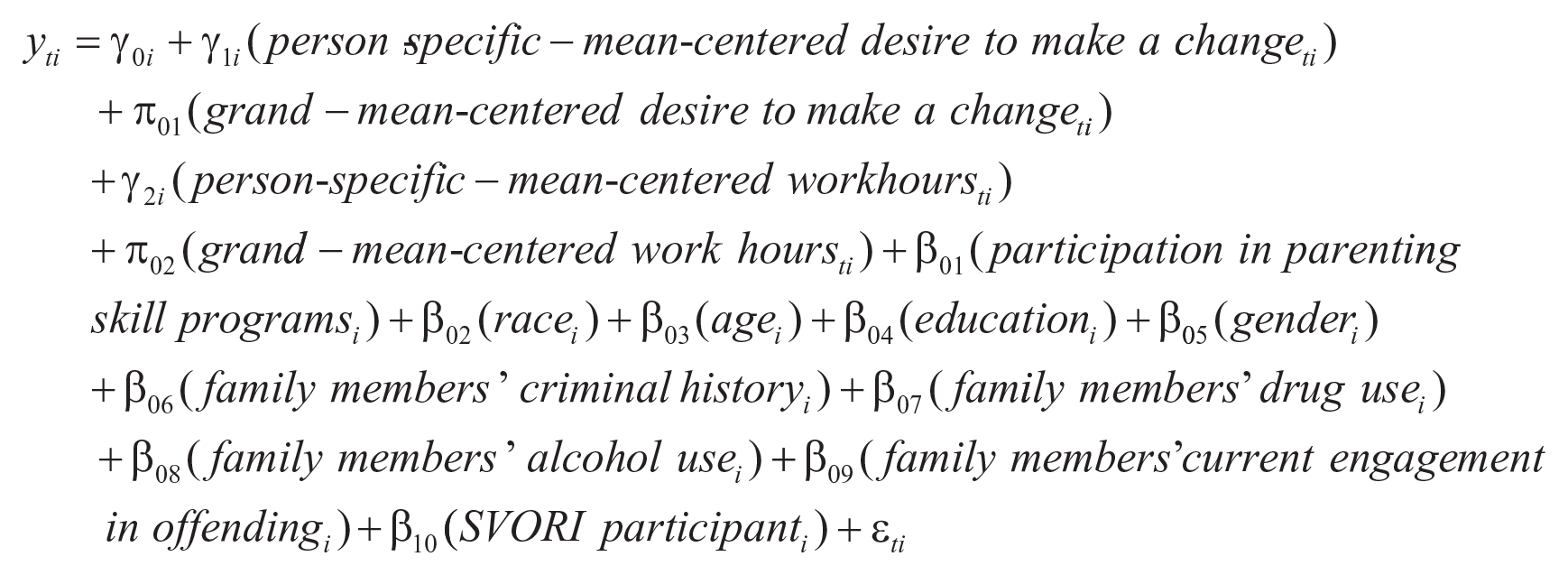
The Level 1 coefficient γ1i, desire to make change for children’s sake, is dependent on both i and t. It estimated how a temporal change in this intention was associated with a temporal change in commitment to parenting. The person-specific mean-centered desire to make change was calculated as: person-specific-mean-centered desire to make a change
ti
= desire to make changeti-
The current analysis was carried out in two steps. First, we conducted descriptive analyses and generated a series of visualizations to illustrate returning parents’ gendered trajectory in their reentry experience over time. Second, using longitudinal multilevel modeling, we estimated the person-period (within-person) and between-person effects of predictors on parenting activities and recidivism.
Results
Descriptive Statistics and Binary Analyses
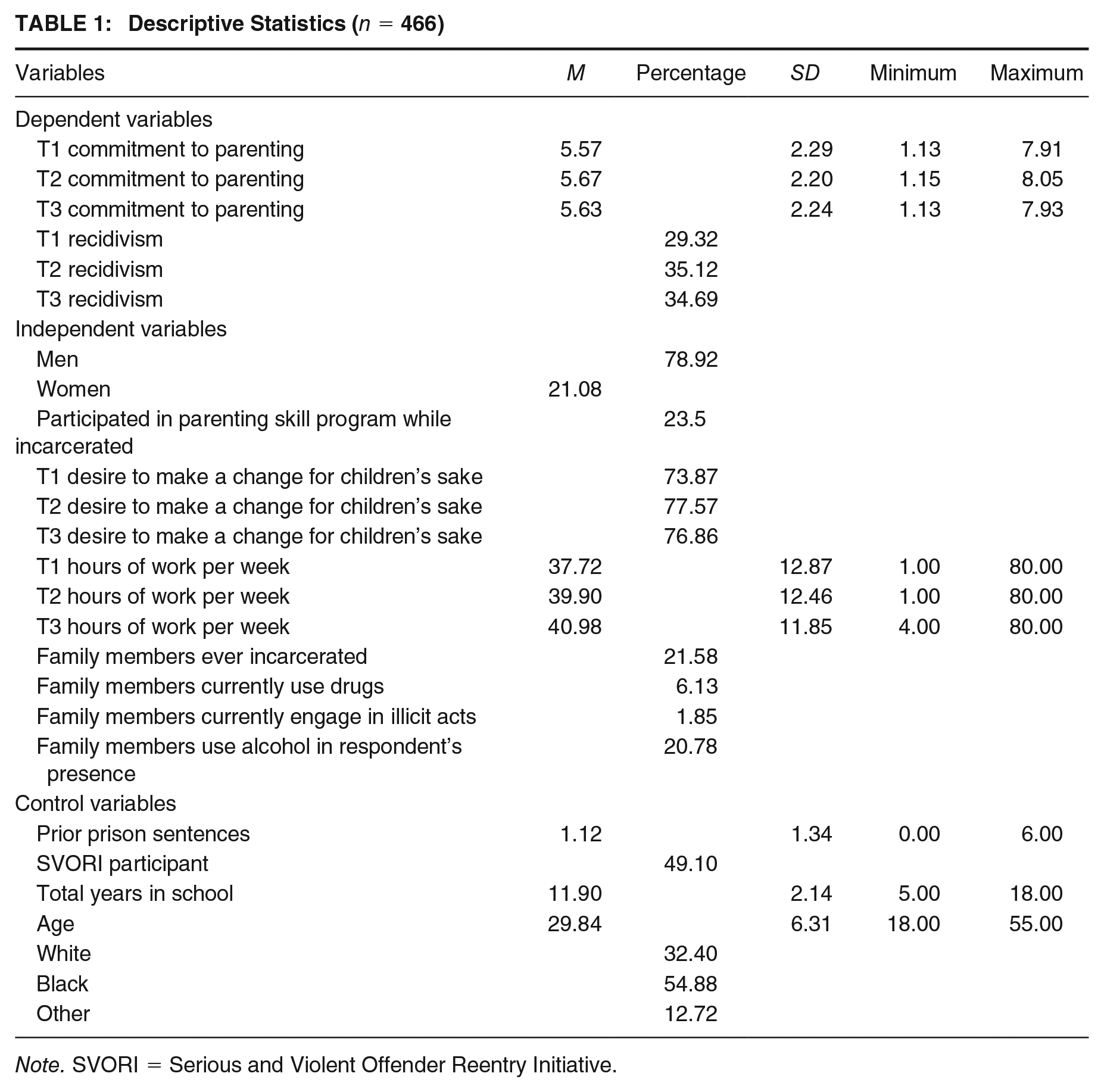
Table 1 reports the descriptive statistics for all variables used in this analysis. There was a noticeable prevalence of family environment risk factors: Nearly a quarter of respondents (22%) lived with family members who had an incarceration history; 21% lived with family members who used alcohol in their presence; and more than 6% lived with family members who currently used drugs. With regard to respondents’ determination to be a good parent after release, we found one-fifth (23.5%) participated in in-prison parenting skill programs before release. After release, a commanding majority of them said they wanted to make a difference in their life for their children’s sake (74% at T1, 78% at T2% and 77% at T3). In the three periods after release (release-T1, T1-T2, and T2-T3), 29%, 35%, and 35% of respondents, respectively, had committed new offenses.
Descriptive Statistics (n = 466)
Note. SVORI = Serious and Violent Offender Reentry Initiative.
To examine the gendered pattern of reentry experiences among these returning parents, we created a series of visualizations that illustrate a binary association between gender and multiple dimensions of reentry experiences (Figures 1 to 4). Figure 1 presents the gendered pattern of familial risk environment and motivation to reclaim parenthood. Women respondents seemed to be more motivated to reclaim parenthood. They had higher participation rates in parenting skill programs while incarcerated. However, they were also disproportionately more exposed to a risky familial environment. A higher percentage of women than men lived with family members who had an incarceration history and were currently engaged in drug use, drinking, and illegal acts after release (Figure 1). Chi-square tests showed a significant gender gap in parenting program participation and exposure to familial risk environment (Figure 1).
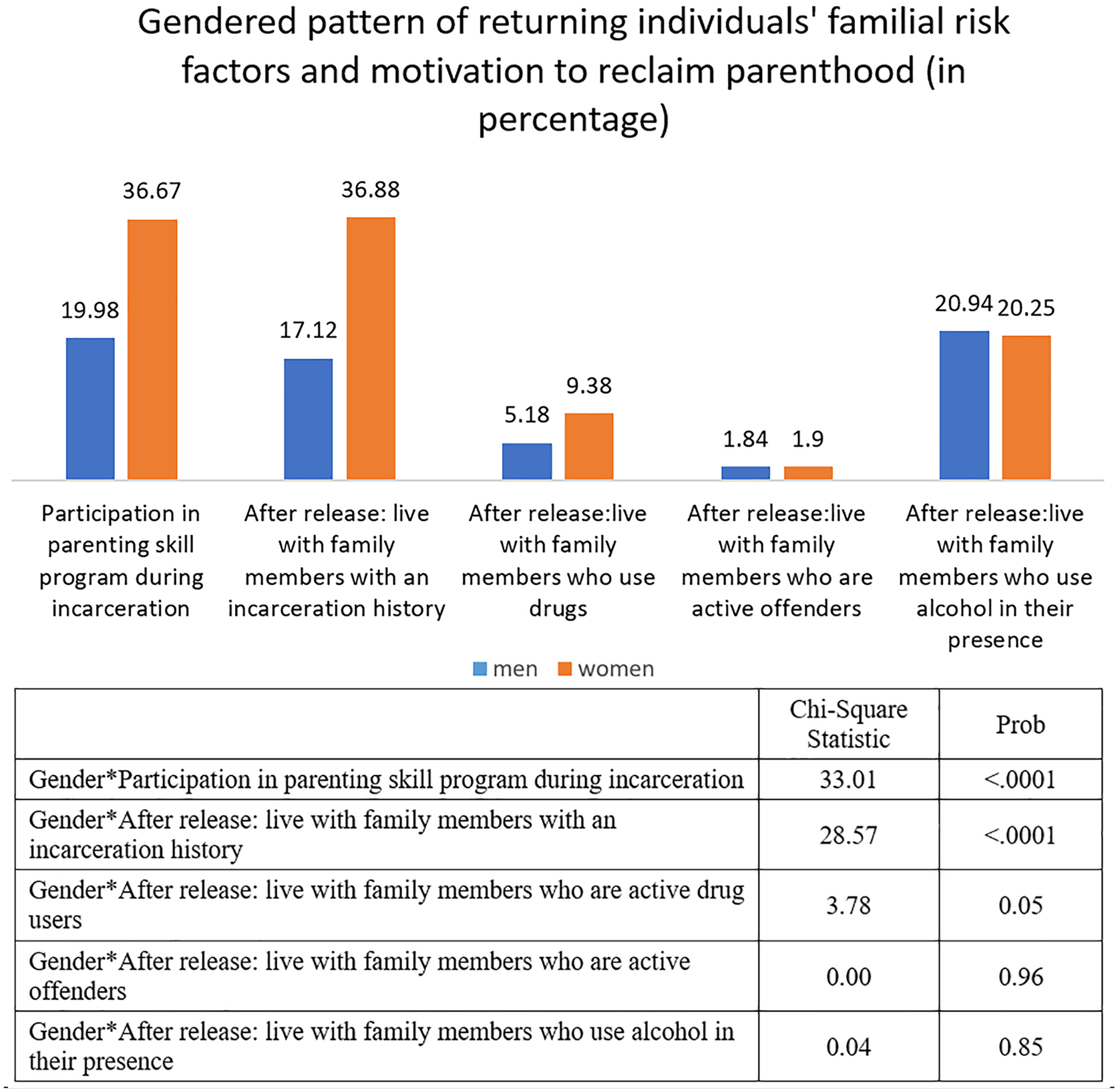
Gendered Patterns of Participating in In-Prison Parenting Skill Program and Familial Risk Factors
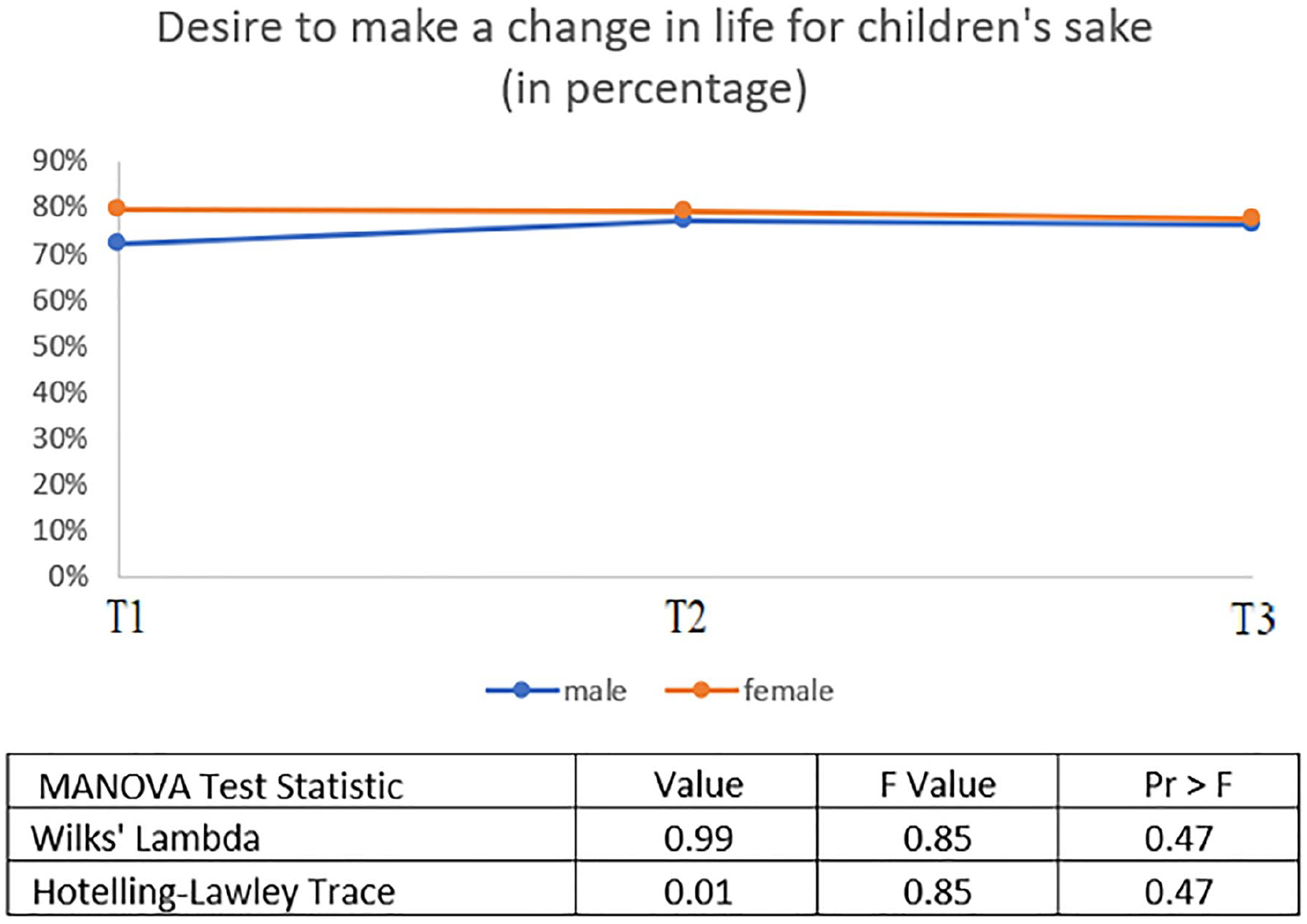
Respondents’ Trajectories of Desire to Quit Offending for Children’s Sake Over Time by Gender
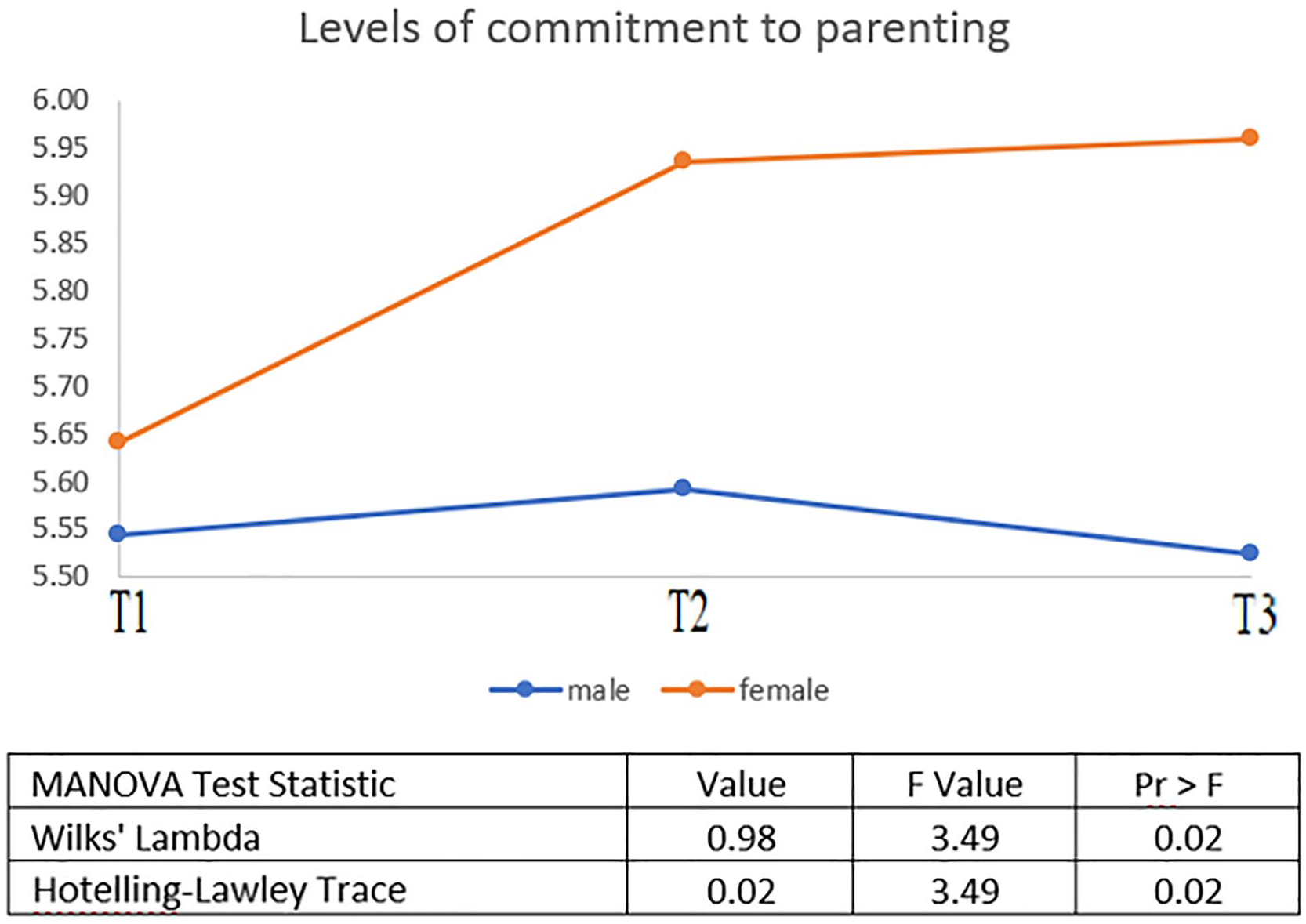
Respondents’ Trajectories of Commitment to Parenting Over Time by Gender
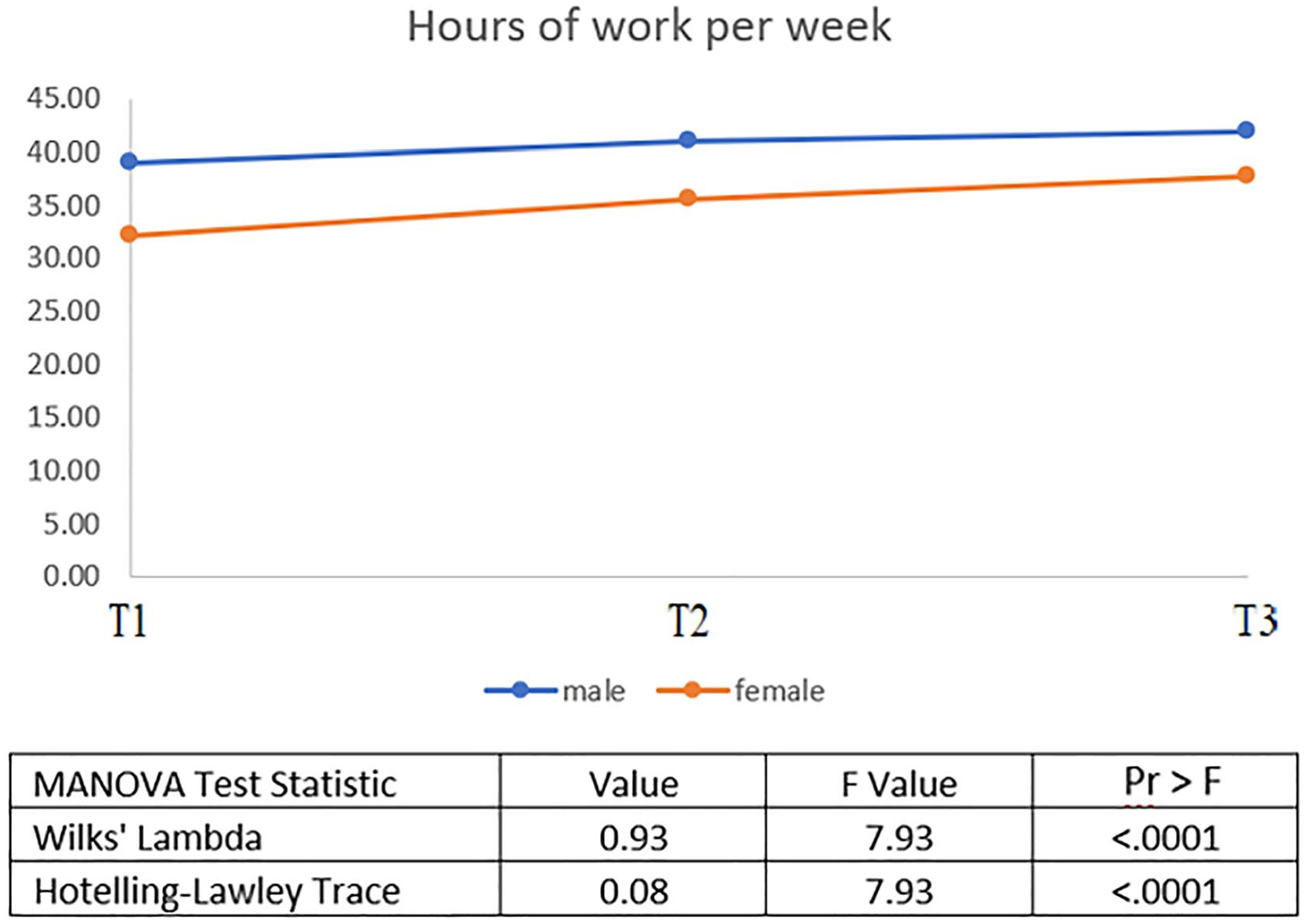
Respondents’ Trajectories of Work Hours Over Time by Gender
Although men and women had similar levels of intent to desist for their children’s sake (Figure 2), when it came to putting their intentions into action, men’ commitment to parenting was lower than that of women throughout the 15-month postrelease period (Figure 3). Men and women had similar work hours per week across all three waves (Figure 4); the gender difference in this aspect of reentry experiences was minuscule.
Unconditional Multilevel Model Results
Table 2 presents the results for random intercept-only models for parenting activities and recidivism outcomes. With respondents as Level 2 units and repeated measures as Level 1 units, we found a large between-person variance in the outcomes. In Model 1, the unconditional model of parenting activities returned a grand mean of 5.53 with a random intercept variance of 3.32 and a residual variance of 1.85. The intraclass correlation coefficient (ICC) indicated that 64% of the variance in parenting activities was at the between-person level and 36% was attributable to person-period variation over time. In the unconditional model predicting recidivism (Model 2), 31% of the variance was at the between-person level (ICC = .31), and 69% at the person-period level. The unconditional models showed that there was substantial temporal variation in parenting activities and recidivism over time within the same individual; the between-individual variation in these reentry experiences was also sizable.
Unconditional Multilevel Model Results
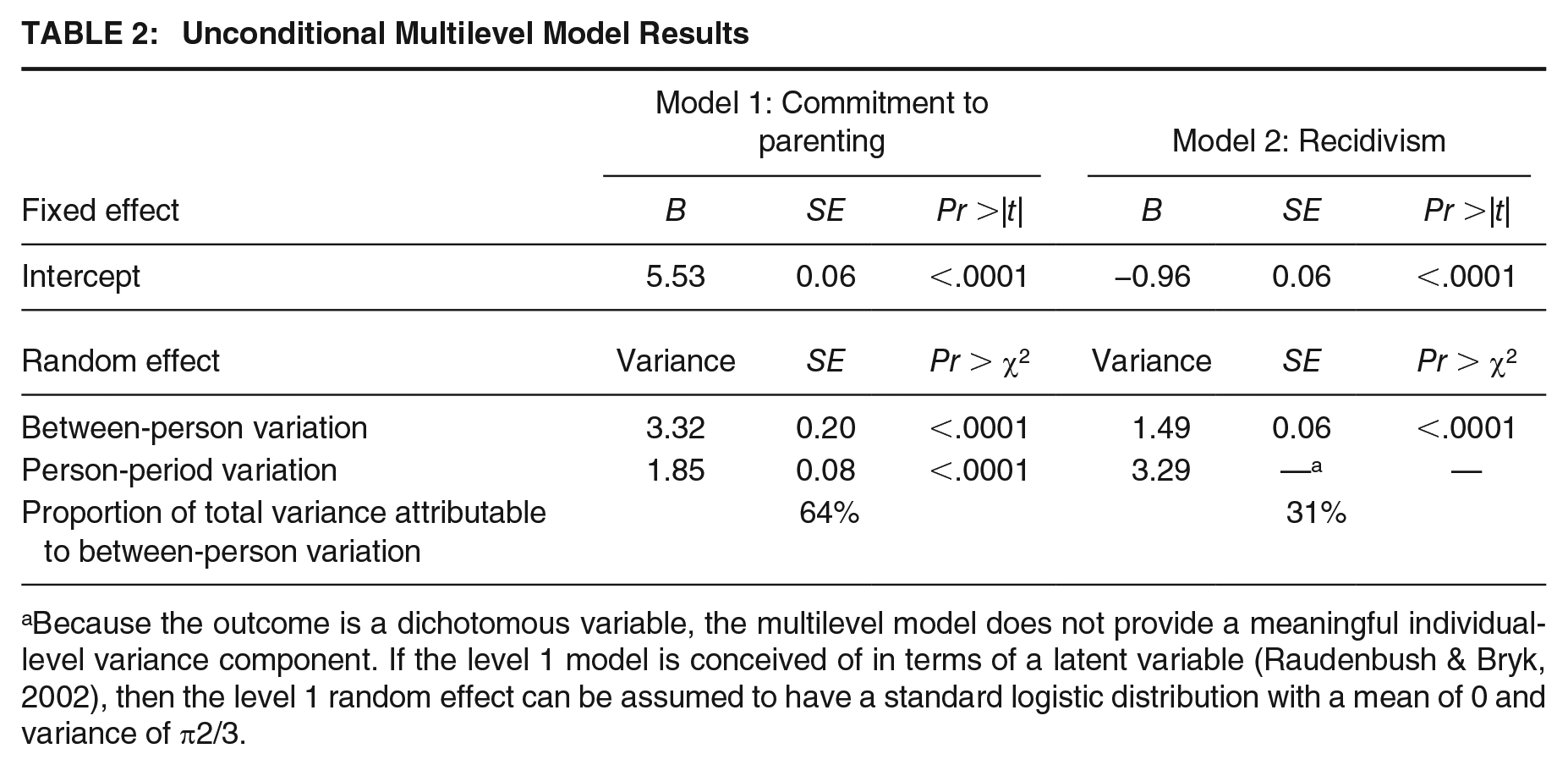
Because the outcome is a dichotomous variable, the multilevel model does not provide a meaningful individual-level variance component. If the level 1 model is conceived of in terms of a latent variable (Raudenbush & Bryk, 2002), then the level 1 random effect can be assumed to have a standard logistic distribution with a mean of 0 and variance of π2/3.
Multilevel Model Results on Parenting Activities
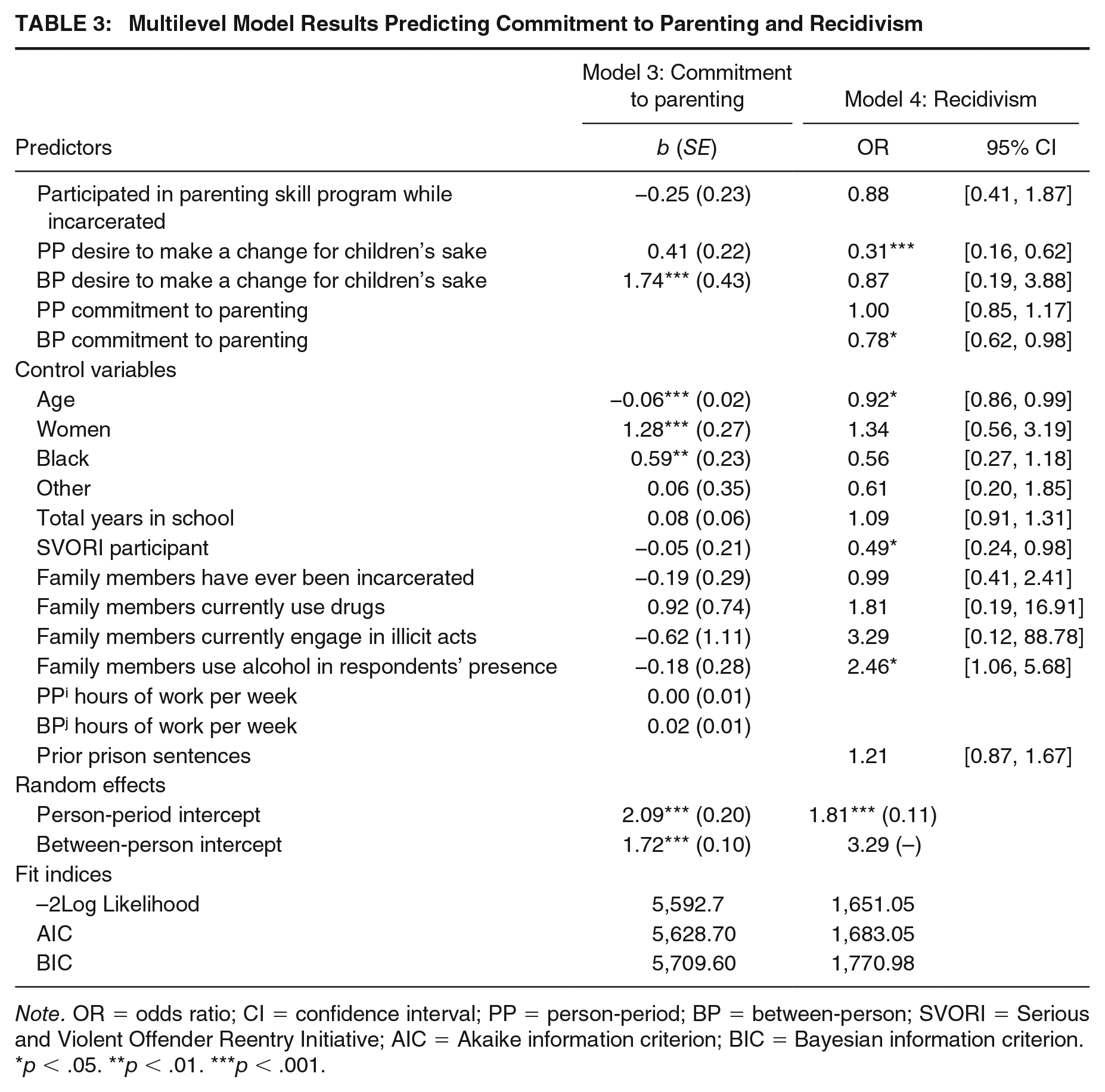
Model 3 (in Table 3) presents the longitudinal multilevel model results with the parenting activities outcome. For time-variant predictors, we obtained both the between-person and the person-period coefficients. When predicting parenting activities, making a change in life for the children’s sake exerted a positive effect at both the between-person and the person-period level. However, for the within-person effect of this variable, although the direction of effect was expected, it did not achieve statistical significance given that the p value was .06. Thus, we had modest statistical evidence to conclude that during time periods when respondents reported higher-than-usual levels of desire to make a change for their children’s sake, they would engage in a higher-than-usual level of parenting activities (b = .41, p = .06). The between-person effect achieved statistical significance. The between-person variation in parenting activities among respondents was a function of their varied desire to make a change for their children’s sake. Respondents who had a desire to make a change had a 1.74-unit higher engagement in parenting activities compared to peers who expressed no desire to do so (b = 1.74, p < .001). Work hours were not significantly associated with returning parents’ commitment to taking care of their children.
Multilevel Model Results Predicting Commitment to Parenting and Recidivism
Note. OR = odds ratio; CI = confidence interval; PP = person-period; BP = between-person; SVORI = Serious and Violent Offender Reentry Initiative; AIC = Akaike information criterion; BIC = Bayesian information criterion.
p < .05. **p < .01. ***p < .001.
Among the time-invariant predictors in Model 3, we found that gender, race, and age were all significantly associated with parenting activities. Returning mothers engaged in a significantly higher level of parenting activity than returning fathers. Compared to returning fathers, returning mothers’ parenting activity was 1.28 units higher (b = 1.28, p < .001). Black respondents’ commitment to parenting activities was higher than that of their White peers by .59 units (b = .59, p = .01). Finally, younger returning parents were found to have a slightly lower commitment to parenting than their older counterparts (b = −.06, p = .002).
Hierarchical Model Results on Recidivism
Model 4 (Table 3) presents the longitudinal multilevel model results on how the intention as well as the efforts made to reclaim parenthood were associated with recidivism. Both a strong will to be a good parent and putting the will into action seemed to have been significant steps for severing a criminal past. Parenting activities were negatively associated with recidivism, which operated at the between-person level. Respondents with one unit more commitment to parenting had 22% lower odds of recidivism compared with their peers with a lower commitment to parenting (odds ratio [OR] = .78, p = .03). Furthermore, a desire to desist for children’s sake seemed to protect respondents from offending, which operated at the person-period level. For a returning parent, when the determination to desist became one unit stronger, his or her risk of reoffending would decrease by 69% (OR = .31, p < .001).
Among other time-invariant predictors, we found that a risky environment in the family was positively associated with the odds of recidivism of returning parents. Compared with those whose family members did not use alcohol in their presence, the odds of recidivism among those exposed to this risk factor were more than two times higher (OR = 2.46, p = .04). Among the control variables, older respondents had a significantly lower risk of recidivism than younger respondents (OR = .92, p = .02). Finally, SVORI participants experienced a significantly lower risk of recidivism than non-SVORI participants (OR = 0.49, p = .04).
Discussion
Mass incarceration in the United States has resulted in a concomitant increase in the number of parents incarcerated and therefore in the number of their children being affected by this phenomenon (Markman et al., 2016). How to enable postincarcerated parents to reclaim parenthood is a pressing issue that affects their reentry outcomes, family well-being, and children’s development (Maruschak et al., 2021). Using longitudinal panel data documenting the reentry experiences of returning parents who were formerly incarcerated in state prisons, this study systematically reviewed and quantitatively synthesized the evidence about reclaiming parenthood after incarceration. Our analysis disentangled the nexus of gender, desire to desist for their children’s sake, parenting practices, and reentry outcomes. Several important findings emerged from the study.
The attitudinal dimension of parenting (i.e., the determination to make a change for the children’s sake) was found to be positively related to returning parents’ commitment to parenting practices. This association provided support for the identity theory of desistance (Paternoster & Bushway, 2009): Cognitive transformations appeared to be catalysts to behavioral changes toward desistance. A strong will to reclaim parenthood yielded parental role-relevant behaviors. With a desire to desist for their children’s sake, returning individuals increased their commitment to caring for and interacting with their children. Furthermore, the desire and efforts during reentry were dynamic rather than static. Returning parents would begin to make more parenting efforts when their desire to desist became stronger.
We also found gendered patterns of commitment to parenting. Returning mothers had a significantly higher commitment to spending time with their children, speaking with their children, and hugging them. This echoed the findings of gender role expectations that mothers are expected to be gentle and caring and to focus on nurturing, communicating with and providing emotional support to their children (Gangl & Ziefle, 2015; Liu & Miller, 2019; Moore, 2010; Orgad, 2018; Singley & Hynes, 2005). Although the women’s rights movement has promoted gender equality in the work, education and childrearing domains, a plethora of studies have exposed the failed promise of gender equality and the fact that women still undertake the majority of the tasks in childrearing (Meeussen & van Laar, 2018; Rabenu et al., 2017). Given that nearly half of returning mothers are single parents who need to fulfill both the breadwinner and nurturing roles, they may be under an amplified risk of financial stress, work–family conflict, and burnout (Yu & Kuo, 2017).
Another major finding from the current study is how the determination to desist for the children’s sake and a commitment to parenting activities affected recidivism. Does having a kid change everything? As the literature review in this study illustrated, past studies generally compared recidivism between nonparents and parents and reported mixed findings on the suppressive effect of parenthood on crime (Bachman et al., 2016a; Brown & Bloom, 2009; Giordano, 2010; Massoglia & Uggen, 2007; Salisbury & van Voorhis, 2009; Seng & Lurigio, 2005; Wakefield & Uggen, 2004). By comparing varied determination and commitment to parenting activities among postincarcerated parents, we found that the status of having children does not necessarily guarantee desistance. Not all returning parents severed their criminal past. Our findings showed that returning parents who both had the desire to reclaim parenthood and were committed to nurturing children had significantly lower odds of recidivism. Therefore, it is the determination to be a good parent as well as the efforts returning parents make that matter. Furthermore, a strong determination to desist for their children’s sake needs to be enduring rather than short-lived; our findings show that for the same group of respondents, when their determination waned, their rate of reoffending increased. Thus, to better understand parenthood and desistance, we need to examine the combination of a strong will and engagement in parenting activities. It is also imperative to explore not only the intensity of efforts to reclaim parenthood but also the stability and longevity of those efforts over time.
Among the limitations of this study is that it relied on a sample of justice-involved individuals who had previously engaged in serious and violent offenses. The findings may not be applicable to all justice-involved individuals. In addition, the estimation of how a desire to desist for their children’s sake affected recidivism was not based on a randomized controlled trial. Although statistically significant, the association identified in the analysis does not imply a causal relationship. Finally, due to data limitations, children’s readiness for reunion was not controlled for in the model. The engagement in parental nurturing activities by returning parents would not have been possible if their children resisted the idea of reuniting with parents. Children’s readiness for reunion might be influenced by the frequency of prison visits and children’s age and relationship with their parents before the incarceration. Future studies on reclaiming parenthood after incarceration can benefit from collecting data on children’s readiness for reunion.
Findings from the current study have significant implications for policymaking. First, to help returning parents reclaim parenthood, programs with both relational and resource components are needed. Parenting programs should be provided to returning parents to help them develop skills for communicating with children, providing emotional support, and reconciling parent-children differences. Counselors should help returning parents and their children develop positive coping strategies to deal with the stigma associated with incarceration.
At the same time, resources should be made available to enable returning parents to provide for their children. Returning parents experience greater financial stress during reentry because they need to support not only themselves but also their children (Michalsen, 2011; Montes et al., 2021). Having children to care for also disadvantages them in the job market because employers may deem returning parents as less-than-ideal job candidates because of their parenting responsibilities and thus needs for flexible work schedules. Currently, few programs reach out to this particular social group to help them apply for jobs and financial assistance. Programs that help returning parents negotiate flexible schedules and employee benefits related to parenting and family planning are also insufficient. Concerted efforts are needed from social service agencies, corrections agencies, and advocacy groups to help returning parents to reclaim parenthood.
Finally, our findings show that postincarcerated mothers had a greater likelihood of living with family members who had their own incarceration histories, current drug usage and drinking, and involvement in illegal acts. Policies need to address risky familial environments that returning mothers and their children confront, particularly if returning mothers face abusive or violent partners/ex-partners or other household members. A risky familial environment hinders returning mothers’ efforts to reclaim parenthood, make up for lost time with their children, and provide a smooth process of reacquaintance. Future research could explore the risks of interpersonal or familial violence that complicates the reentry of returning mothers.
Conclusion
The goal of this research was to explore the reclamation of parenthood among returning fathers and mothers. We examined the attitudinal and behavioral aspects of parenthood among returning parents, represented by the determination to change for the children’s sake and the engagement in parenting practices. Findings showed a gendered pattern in the reclamation of parenthood, with returning mothers feeling more committed to child nurturing activities. Meanwhile, a strong will to be a good parent as well as an engagement in parenting activities emerged as significant suppressors of recidivism. Findings in this study yielded significant implications for policies and interventions to help the reunion and relationship growth with children for postincarcerated parents.
Footnotes
Appendix
Sensitivity Examination by Comparing Descriptive Statistics of Cases Included and Excluded
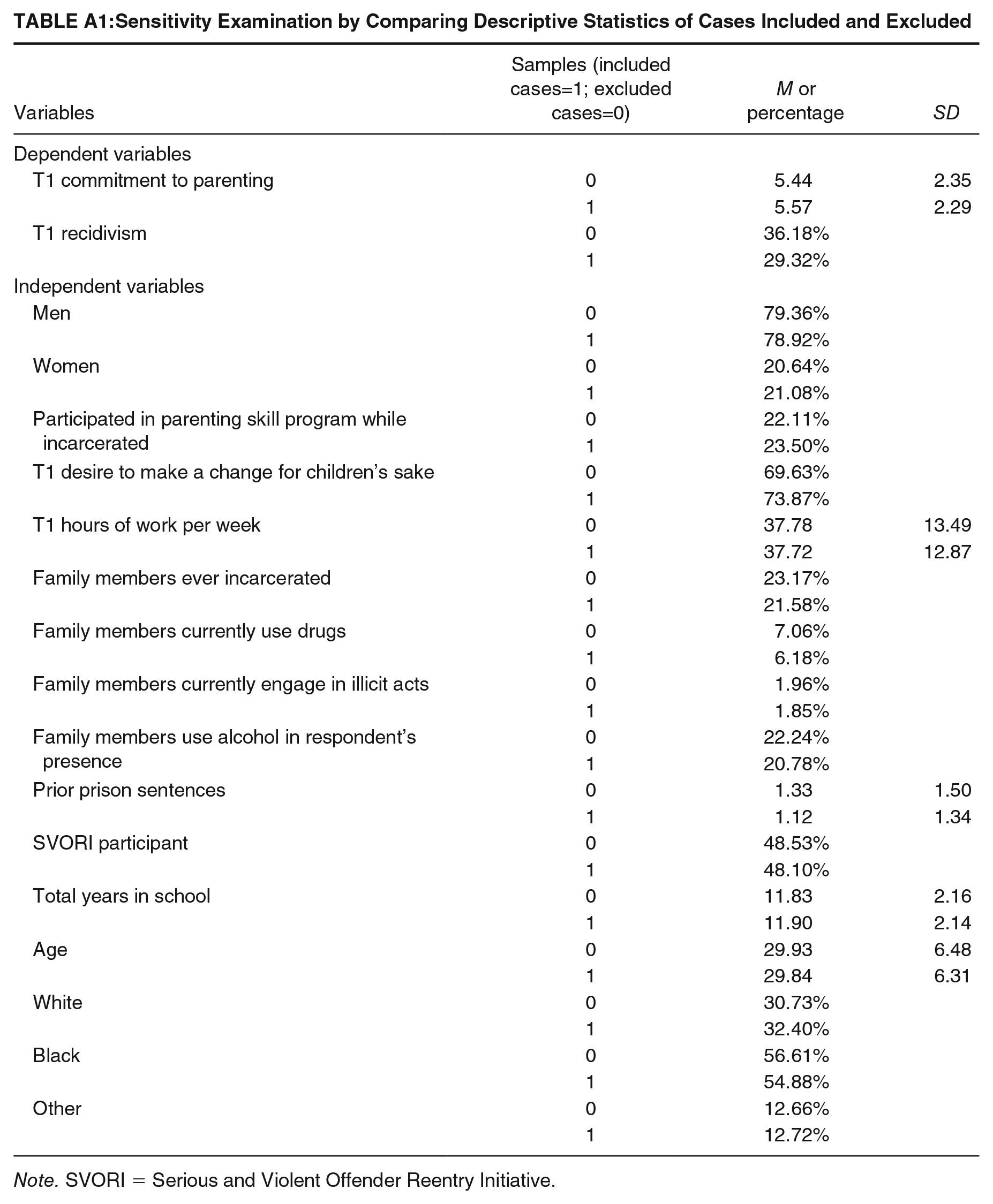
| Variables | Samples (included cases=1; excluded cases=0) | M or percentage | SD |
|---|---|---|---|
| Dependent variables | |||
| T1 commitment to parenting | 0 | 5.44 | 2.35 |
| 1 | 5.57 | 2.29 | |
| T1 recidivism | 0 | 36.18% | |
| 1 | 29.32% | ||
| Independent variables | |||
| Men | 0 | 79.36% | |
| 1 | 78.92% | ||
| Women | 0 | 20.64% | |
| 1 | 21.08% | ||
| Participated in parenting skill program while incarcerated | 0 | 22.11% | |
| 1 | 23.50% | ||
| T1 desire to make a change for children’s sake | 0 | 69.63% | |
| 1 | 73.87% | ||
| T1 hours of work per week | 0 | 37.78 | 13.49 |
| 1 | 37.72 | 12.87 | |
| Family members ever incarcerated | 0 | 23.17% | |
| 1 | 21.58% | ||
| Family members currently use drugs | 0 | 7.06% | |
| 1 | 6.18% | ||
| Family members currently engage in illicit acts | 0 | 1.96% | |
| 1 | 1.85% | ||
| Family members use alcohol in respondent’s presence | 0 | 22.24% | |
| 1 | 20.78% | ||
| Prior prison sentences | 0 | 1.33 | 1.50 |
| 1 | 1.12 | 1.34 | |
| SVORI participant | 0 | 48.53% | |
| 1 | 48.10% | ||
| Total years in school | 0 | 11.83 | 2.16 |
| 1 | 11.90 | 2.14 | |
| Age | 0 | 29.93 | 6.48 |
| 1 | 29.84 | 6.31 | |
| White | 0 | 30.73% | |
| 1 | 32.40% | ||
| Black | 0 | 56.61% | |
| 1 | 54.88% | ||
| Other | 0 | 12.66% | |
| 1 | 12.72% | ||
Note. SVORI = Serious and Violent Offender Reentry Initiative.
