



Abstract
Sociology instructors widely recognize writing as an effective tool for deep learning. However, we argue that deep reading is a prerequisite for effective thinking through writing. To support this argument, we highlight the potential of deep reading teaching techniques, such as concept mapping, to empower students to master class readings and enhance their writing skills. We collected data from a concept map-based review session designed to prepare students for a short-essay final exam in an introductory sociology class. Utilizing ordinary least squares regression analysis, we found that participants scored significantly higher than nonparticipants, with an average increase of six points in the final exam. To illustrate this finding, we purposefully sampled two students who greatly benefited from the intervention. Evaluating their writing using the VALUE rubrics from the Association of American Colleges and Universities, we observed similar improvements in reading comprehension skills but uneven progress in analytical skills. We discuss how these findings challenge structural barriers and enhance equity.
Keywords
In higher education, instructors often identify high-achieving students as deep learners who forge connections between existing and new knowledge and cultivate their own perspectives (Roberts and Roberts 2008). This contrasts with surface learners, who fulfill class requirements without actively engaging with course materials. In introductory sociology courses, for example, students are expected to analyze the impact of structural factors in social life, situate issues in a broader context, and provide explanations for social inequality (Persell 2010). Although students are responsible for their learning outcomes, pedagogy does make a difference in facilitating or impeding student learning.
Writing is frequently argued to be an effective prescription for deeper learning because it stimulates higher-level thinking (Geertsen 2003; Hudd, Sardi, and Lopriore 2013). As a cognitive process, writing “launches a process of inquiry, demanding a kind of ‘back and forth’ between the reading, the development of ideas, and the writing” (Hudd et al. 2013:36). Students are often assigned essays to inform, instruct, or persuade readers, a genre labeled as “transactional writing” (Schools Council [Great Britain] and Britton 1975). These analytic writing assignments encourage students to step back from course materials, cultivating their critical thinking and reflexivity (Grauerholz, Eisele, and Stark 2013; Kaufman 2013). Today, the writing-to-learn pedagogy has not only gained support from teacher-scholars (Grauerholz 1999; Massengill 2011) but has also led to institutional reforms. Many colleges have established writing programs and centers in response to initiatives such as Writing Across the Curriculum and Writing in the Disciplines (Hudd 2013; Kolb, Longest, and Jensen 2013), solidifying writing to learn as a mainstream teaching paradigm for fostering deep learning.
Yet college instructors face a persistent challenge: Students’ reading comprehension is often restricted to a surface level (Hatteberg and Steffy 2013). This limitation can manifest in various ways, such as students not reading at all, lacking proper reading skills, struggling to find time for reading, or misunderstanding the arguments presented in the readings. When students have only a superficial understanding of the course readings, the potential for profound learning through writing may be largely constrained.
This article contends that “deep reading” is a prerequisite for effective learning through writing. It aims to contribute to the writing-to-learn literature by demonstrating how students’ learning outcomes, as reflected in their writing, can be significantly enhanced through deep reading learning strategies. To support our argument, we conducted an empirical assessment of a concept map-based review session, a deep reading teaching intervention. The study involved a comparative analysis of learning outcomes before and after the intervention, which included 22 participants and 32 nonparticipants in the remote discussion section for a hybrid introductory sociology class in fall 2021. Our findings indicate that students improved their exam grades significantly after participating in the review session. Specifically, they excelled in summarizing the main ideas of the readings, establishing accurate connections between them, and formulating their unique perspectives to reconcile seemingly conflicting arguments.
In the following sections, we begin with a literature review on the writing-to-learn paradigm and elaborate on the significance of reintroducing deep reading into the theory and practice of teaching. We then provide an overview of our teaching intervention, including details regarding our data and methods. Next, we present our statistical findings and illustrate them using two case studies. Finally, we conclude this article by discussing the strengths and weaknesses of our approach and highlighting how deep reading teaching techniques have the potential to enhance equity in the classroom.
Bringing Deep Reading Back into the Writing-to-Learn Paradigm
Sociology courses primarily contribute to general education by cultivating critical and reflective thinkers. The conventional wisdom suggests that to achieve this goal, students’ thinking should be trained through analytical writing. For example, many sociologists interviewed by Hudd et al. (2013:36) emphasized that writing serves as “a tool for contemplation, promoting comprehension, and inspiring the development of original thought.” It shows that within the writing-to-learn paradigm, deep comprehension and critical thoughts are perceived as by-products of the writing process, skills that will naturally arise as students engage in writing.
However, taking skills for granted can become a structural barrier to learning. Central to the writing-to-learn pedagogy is the argument that writing is a skill that should be taught (Hudd et al. 2013). Because not every student walks into the classroom mastering writing, not every student comes to class equipped with reading comprehension skills. While we aspire to cultivate deep learners through writing, mandating reading without proper instruction can disempower students, perpetuate inequalities, and undermine the true potential of learning through writing. Therefore, we echo Roberts and Roberts’s (2008) reading-to-learn pedagogy and urge general education instructors to recognize that reading comprehension is also a skill that should not be assumed. By doing so, we hope to counter yet another learning barrier in university settings.
In fact, our proposal to reintroduce deep reading into the writing-to-learn paradigm is supported by theories on learning. Schoenbach et al. (1999) found that deep readers commonly “develop mental representations of the text that provide frameworks for understanding new material” (Roberts and Roberts 2008:128). These readers assimilate new information in alignment with their existing understanding, engaging in construction and reconstruction of meaning at a metacognitive level (Bransford, Brown, and Cocking 2000). As a result of reorganizing cognitive structures in a manner that makes sense to them, deep readers often achieve deeper learning outcomes not available to surface readers.
Our proposal is also supported by empirical evidence. For example, Roberts and Roberts (2008) found that students comprehend better when instructed to create graphic organizers to capture essential concepts from their readings. Parrott and Cherry (2011) showed that students achieve deeper understanding and higher satisfaction in structured reading groups in which role-playing allowed them to examine articles from different perspectives and develop their own interpretations and criticisms.
Nevertheless, two critical gaps remain in current research: a theoretical gap and a data gap. First, in Teaching Sociology, the literature on writing-to-learn and reading-to-learn pedagogies receives disproportionate attention and lacks integration. Although there is a rich discussion of the former, the latter is rarely discussed (Roberts and Roberts 2008). Second, empirical studies on either pedagogy often rely on instructors’ observations and students’ self-reported data, which do not adequately document students’ learning outcomes. This makes it difficult to assess the change students undergo after experiencing these teaching methods.
To bridge these gaps, we implemented a deep reading teaching intervention designed to enhance students’ learning. We collected their grades and essays before and after the intervention for a comparative analysis. We hope that by the end of this article, we will be able to demonstrate that deep reading is a prerequisite for effective learning through writing. Bringing deep reading back into the theory and practice of the writing-to-learn pedagogy is therefore crucial.
Our Deep Reading Teaching Intervention: A Concept Map-Based Review Session
Concept mapping has been widely acclaimed as an essential tool for deep reading (Hay 2007; Reutzel 1985; Roberts and Roberts 2008; Trepagnier 2002, 2010; Tzeng 2010). Concept maps can promote deep learning for two primary reasons: They serve as visual-spatial organizers and facilitate textual analysis. First, the visual-spatial nature of mapping provides students with a graphic means to arrange and simplify textual information, which is often presented in a linear and verbal format (Tzeng 2010). Second, concept maps aid in text analysis by compelling students to (1) deconstruct dense and abstract texts, (2) tease out inherent hierarchy among pieces of information, and (3) reconstruct messy information into visuospatial representations (Estefan and Seim 2022). By centering concepts, they promote abstraction, and by emphasizing connections among the concepts, they foster new understandings (Trepagnier 2002, 2010).
Concept mapping has been found to enhance reading comprehension for various groups of students. For example, it was effective among elementary school students (Reutzel 1985), students with learning disabilities (Kim et al. 2004), and students studying English as a second language (Mohaidat 2018; Phantharakphong and Pothitha 2014). This is why we believe this tool can be a powerful learning device, particularly for historically disadvantaged students who have had fewer resources available in their institutions.
We integrated concept mapping exercises into a review session taught by Ana to help participants better prepare for the final exam in an introductory sociology class in fall 2021. Before delving into the context of the school, the class, the students, and the selection of participants (see “Data and Methods” sections), we first explain the design of our concept map-based teaching intervention.
Adapted from Yen-Ting’s TRAILS publication (Hsu 2022), we implemented this deep reading teaching intervention in the following steps. Prior to the review session, participants were asked to work individually or in pairs to create a concept map based on their comprehension of a particular article. During the review session, participants were sorted into small groups based on how the readings were organized in the syllabus. Figure 1 provides an illustration: Because the first two articles belong to Topic A, the participants who were responsible for making the concept maps for these readings formed a group. A similar logic applied to the third and the fourth articles; the mapmakers of both readings constituted a group for Topic B.
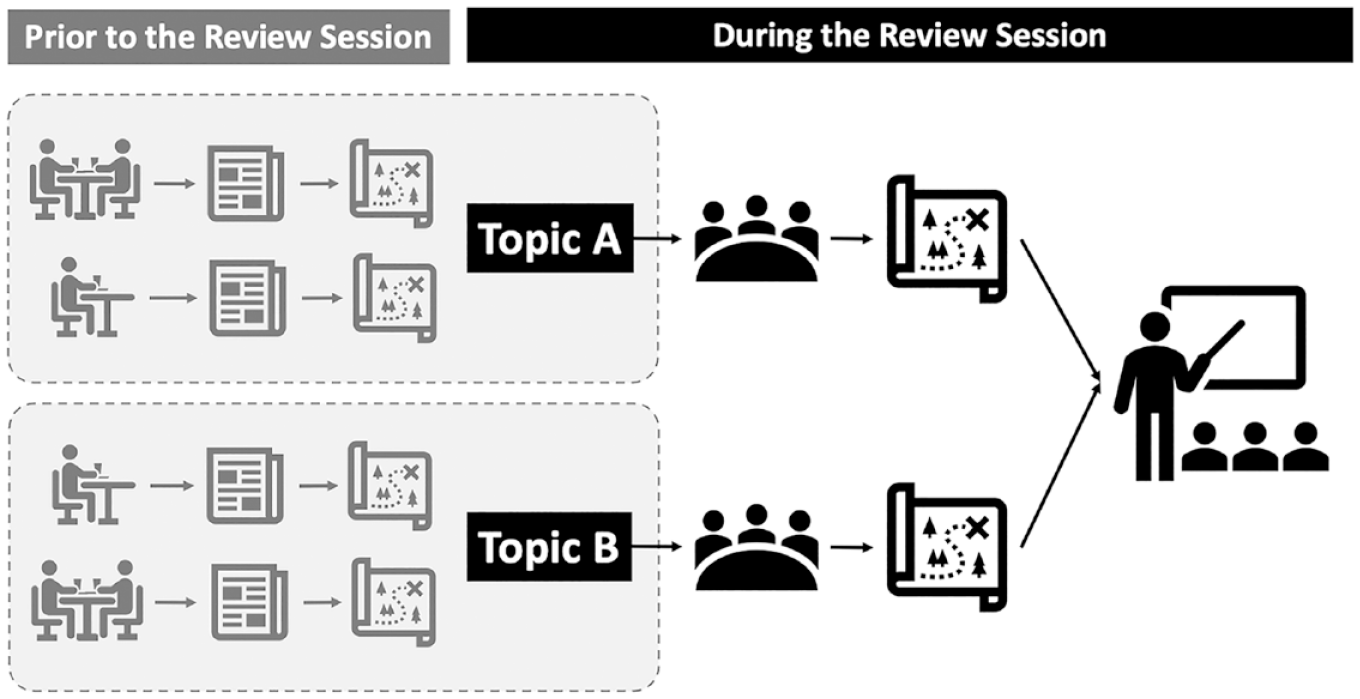
Steps of the Concept Map-Based Review Session.
Each group was then asked to complete two tasks: (1) present their article-based concept maps to their team members and (2) build a topic-based concept map synthesizing key concepts and drawing connections among the readings of that topic. Subsequently, Ana initiated a thematic discussion, inviting each team to present their topic-based concept map. She commented on each map, highlighting the connections across maps for a bird’s-eye view of the course content. After class, Ana integrated all the article- and topic-based concept maps into a collaborative study guide, which she shared with the participants as a resource for exam preparation. Sample concept maps are provided when we introduce concrete cases to illustrate our findings.
Data
Our data set comprises 54 remote learning students enrolled in a large introductory sociology class in fall 2021 at the University of California, San Diego. The university has a diverse undergraduate student body in terms of race, ethnicity, gender, and sexuality, 1 with approximately 60 percent receiving some form of financial aid and about one-third being first-generation college students or Pell Grant recipients (Clark 2000). Although we lack specific demographic data for our study population, the distribution of majors in our data set mirrored that of the broader university student body, with most students majoring in social sciences, followed by natural sciences and applied sciences (see Table 1). This suggests that our data set represented a typical cross-section of a university class, although it may not have been statistically representative.
Students’ Fields of Study Compared: The University versus Our Data Set.
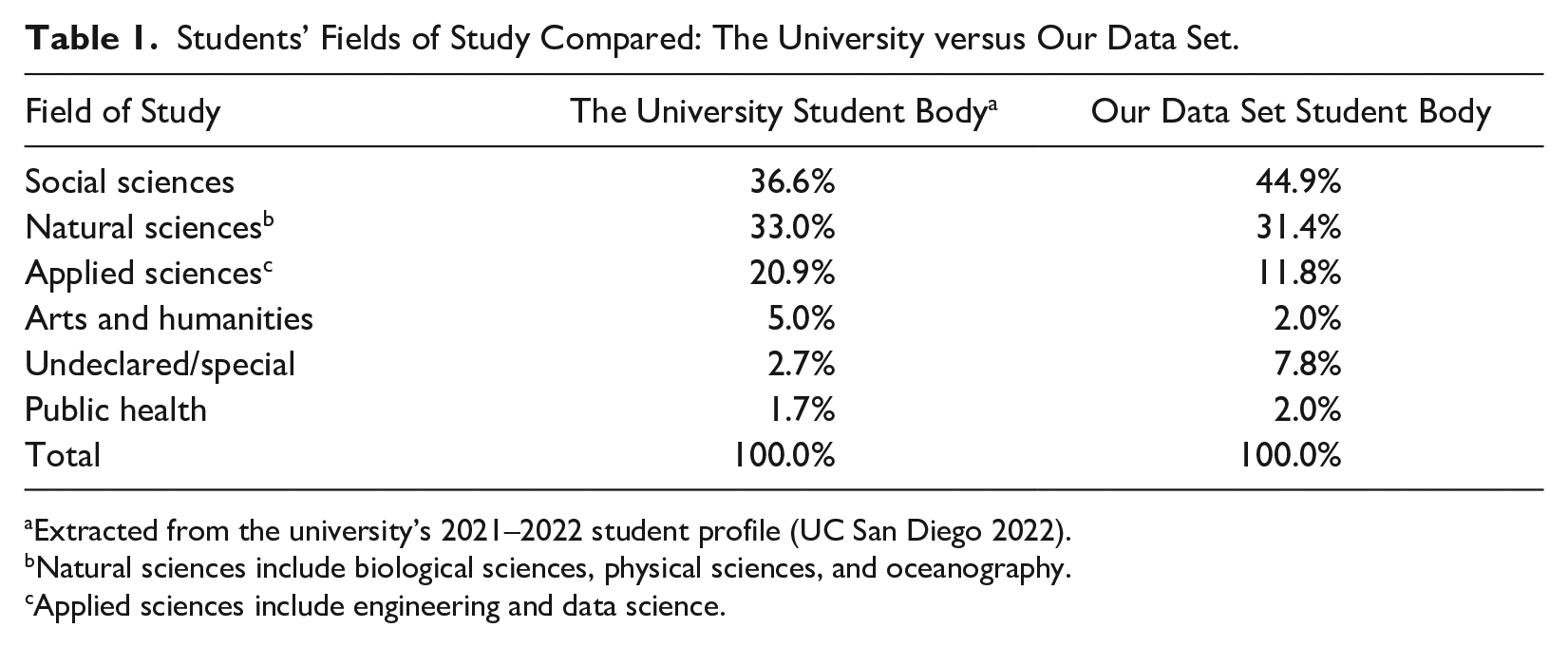
Extracted from the university’s 2021–2022 student profile (UC San Diego 2022).
Natural sciences include biological sciences, physical sciences, and oceanography.
Applied sciences include engineering and data science.
This article’s focus on remote learning students was not a deliberate methodological choice but rather resulted from Ana being assigned as a graduate teaching assistant (TA) for remote learners. The introductory class was offered post-COVID during a transition back to in-person learning, with the school continuing to offer hybrid settings to accommodate students with different learning needs. Out of 364 enrolled students, the majority (310 students) opted for in-person learning, and a subset (54 students) chose remote learning. Similar to in-person learning, remote learners were required to attend lectures (by listening to lecture podcast recordings) and participate in a mandatory TA-led discussion section taught by Ana via Zoom. Ana designed various class activities to facilitate learning, leading to the collaboration between the two authors to implement a concept map-based review session before the final exam.
Methods
We divided Ana’s students into two groups—participants and nonparticipants—to assess our teaching intervention. This intervention was implemented five weeks after the midterm exam and a week before the final exam. Ana explicitly communicated that attending the review session was entirely voluntary and would not affect their participation grade for the discussion section. Out of her 54 students, 22 chose to participate, and 32 opted out. Because nonparticipants did not contribute to the creation of concept maps, they did not receive the collaborative study guide compiled by Ana for final exam preparation. The strategies we used to collect and analyze educational data were approved by UC San Diego’s Institutional Review Board (Protocol 805757).
We performed ordinary least squares (OLS) regression analysis to isolate the effect of the teaching intervention on students’ learning outcomes net of relevant controls. We built our models based on the following research hypothesis:
Hypothesis 1: Students who participated in the review session would display a greater positive change in their final exam grades compared to students who did not participate in the review session.
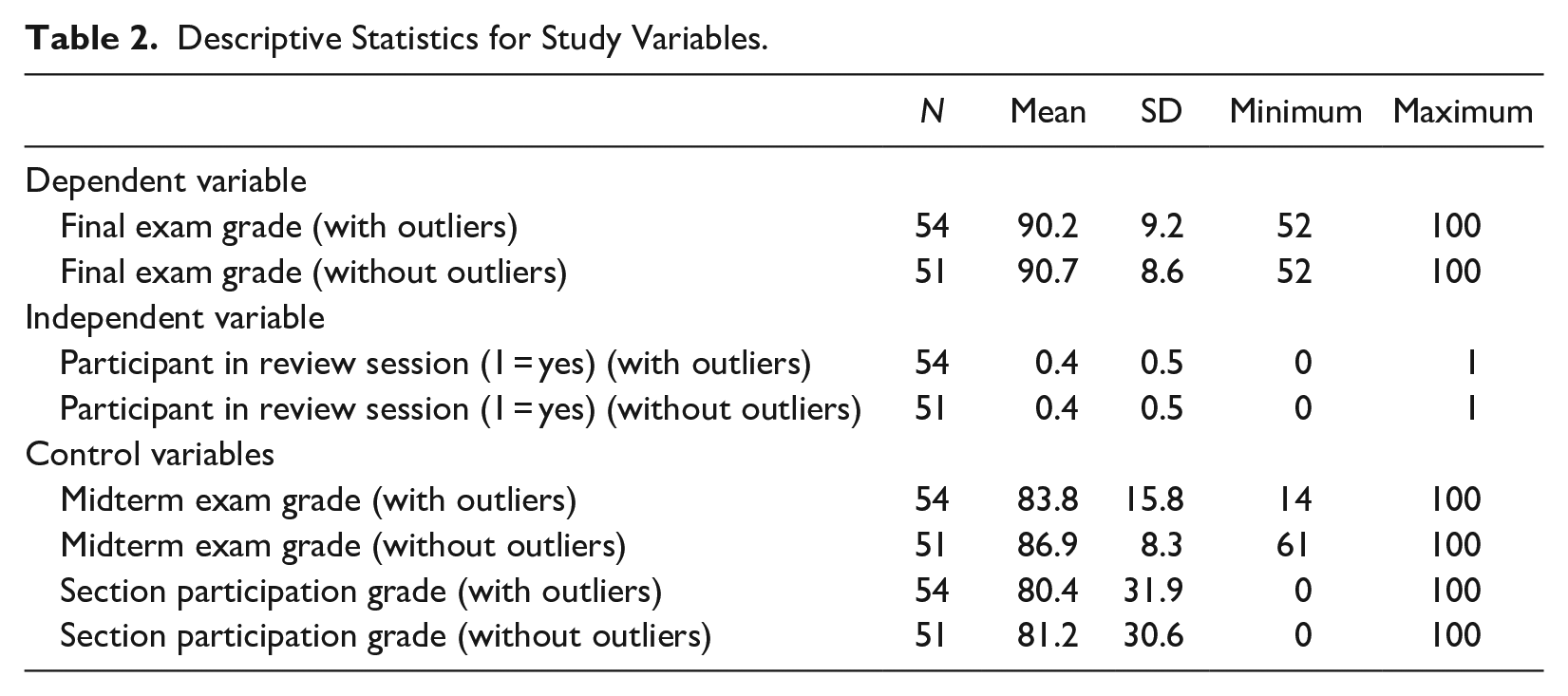
The dependent variable is measured as each student’s final exam grade. The primary independent variable of interest is a dummy variable distinguishing review session participants from nonparticipants. The control variables include each student’s midterm exam grade and their section participation grade. First, it mattered to account for the variation in the midterm test scores because students’ motivation to learn in the second half of the course was often influenced by their performance in the first half. Moreover, one’s initial performance would highly affect the level of improvement in their subsequent exam assessment. It was easier to improve from a lower starting point (e.g., from 70 to 90) but harder to improve from a high starting point (e.g., from 90 to 100). Second, it mattered to account for each student’s level of engagement because their attention to the discussion section was equally likely to correlate with their motivation to learn and learning outcomes. Therefore, we introduced these two control variables into our multivariate models. Descriptive statistics for these variables are provided in Table 2.
Descriptive Statistics for Study Variables.
Although the midterm and final each covered half of the class materials (i.e., the final was not cumulative), exam format and grading scheme were standardized across both exams. Both the midterm and the final exams were online, open book tests structured with short essay prompts to assess students’ learning outcomes. In both exams, students received identical instructions (see “Case Illustrations” for details), were presented with seven prompts, and were required to craft short essays in response to five of them within a 90-minute time frame. Both exams required similar reading comprehension skills, such as paraphrasing and summarizing the main arguments of the articles, and analytical skills, such as comparing two papers’ arguments and reconciling them. In addition, both exams were graded by Ana following a document provided by the instructor to all TAs with samples of the expected answers to the questions. 2
Finally, we addressed the issue of outliers in our analysis. Among 54 students, 2 participants and 1 nonparticipant received extremely low midterm grades (29, 47, and 14 out of 100 points, respectively) but showed significant improvement, gaining around 50 points in the final exam (84, 96, and 64 points, respectively). We compared our results with and without these outliers to ensure that our findings were not biased by their exceptional improvement.
Results
The regression results support our research hypothesis: Participants in the concept map-based review session demonstrated significantly greater improvement in their final exam compared to nonparticipants (see Table 3). Models 1 and 2 present the results of simple bivariate analyses comparing the final exam grades between participants and nonparticipants with and without outliers, respectively. Including outliers, participants in the review session scored, on average, 5.7 points higher than students who did not participate in the review session (p < .05)—equivalent to a half letter grade. This difference in the final exam performance remained at 5.3 points when outliers were excluded (p < .05). Models 3 and 4 replicate Models 1 and 2, respectively, but with the addition of control variables. Even after controlling for midterm exam and section participation grades, review session participants still scored an average of 5.9 points higher (5.7 more without outliers) than nonparticipants (p < .05) in their final exam.
Ordinary Least Squares Regression Models of Ana’s Students’ Final Exam Grades.
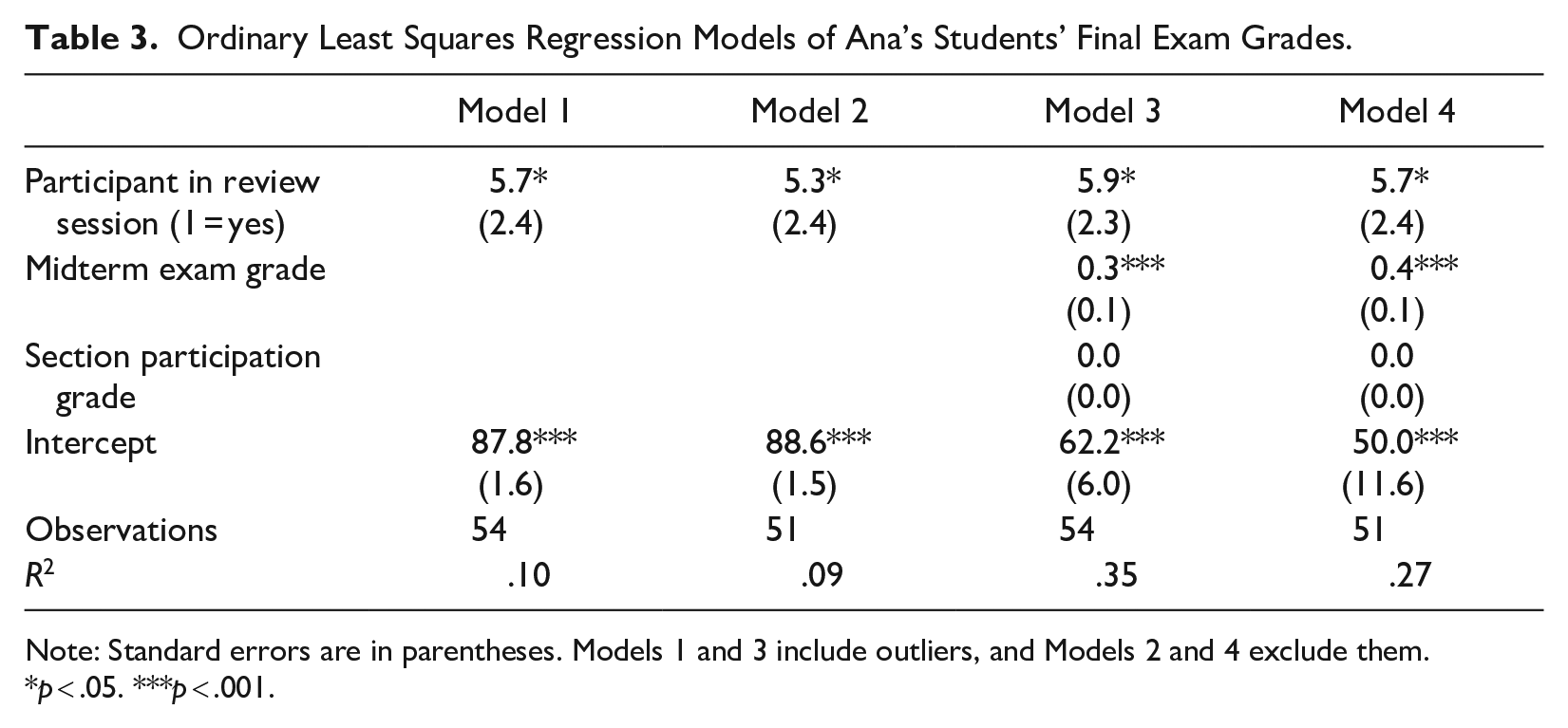
Note: Standard errors are in parentheses. Models 1 and 3 include outliers, and Models 2 and 4 exclude them.
p < .05. ***p < .001.
It is important to acknowledge that students’ participation in the review session was not randomized, leading to an inevitable self-selection bias. In other words, we could not rule out the possibility that students chose to participate based on their strong motivation to learn. To address this bias, we introduced two control variables in our regression models. However, critics might still challenge our findings by arguing that midterm exam scores and section engagement did not directly measure motivation to learn, leaving room for self-selection bias. This raises the question: How do we reconcile the observed statistically significant effect with the presence of self-selection bias?
One possible explanation is that the intervention was effective conditional on some other traits, specifically, strong motivation to learn. Assuming that the review session consisted entirely of students with strong learning motivation, the regression results simply indicate that this teaching intervention was effective under the condition that students were highly motivated to learn. And it would not be effective without the presence of these self-selected participants.
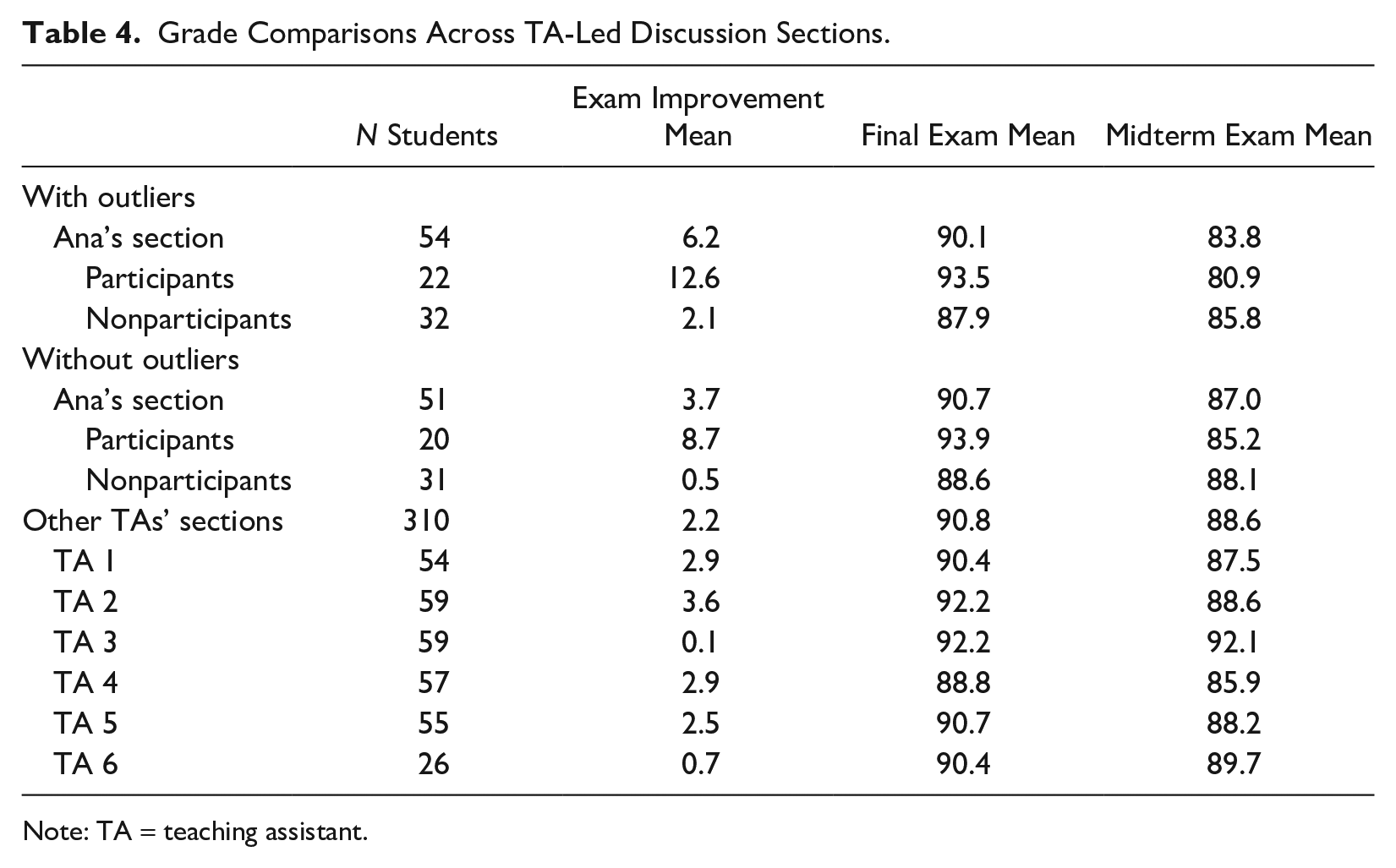
The other possible explanation is that the intervention was irrelevant to students’ learning outcomes. In this scenario, we might still assume that particularly motivated students signed up for the review session but that these students would have improved in the final exam irrespective of their participation. However, all sections, including those taught by Ana and other TAs, had highly motivated students who were likely to improve regardless. If the review session did not contribute to participants’ learning outcomes, then the overall improvement in Ana’s section should be comparable to that of other TAs’ sections. Yet it is not. As Table 4 demonstrates, the mean exam grade improvement in Ana’s section was 6.2 points (3.7 without outliers), surpassing that of the remaining class of 310 students (2.2 points) and that of all other TAs’ sections (at most, 3.6 points). This indirect evidence, albeit imperfect, strongly suggests that our results were not merely a product of the self-selection bias.
Grade Comparisons Across TA-Led Discussion Sections.
Note: TA = teaching assistant.
Case Illustrations
In the following section, we present the learning process of two participants to illustrate our findings. First, we explain the case selection and rubrics employed to assess their writing. Second, we compare and discuss their writing before and after the teaching intervention. Finally, we suggest how concept mapping facilitated deep learning.
Case Selection and Rubrics
For our analysis, we purposefully sampled two participants: Mary and Alex (pseudonyms). This selection was based on three conditions: (1) Both scored below section average on their midterm (Mary: 15th percentile; Alex: 22nd percentile), (2) both demonstrated remarkable improvements in their final (Mary: 83rd percentile; Alex: 94th percentile), and (3) both chose to answer the same exam prompts. This enabled us to evaluate their improvement and contrast their responses.
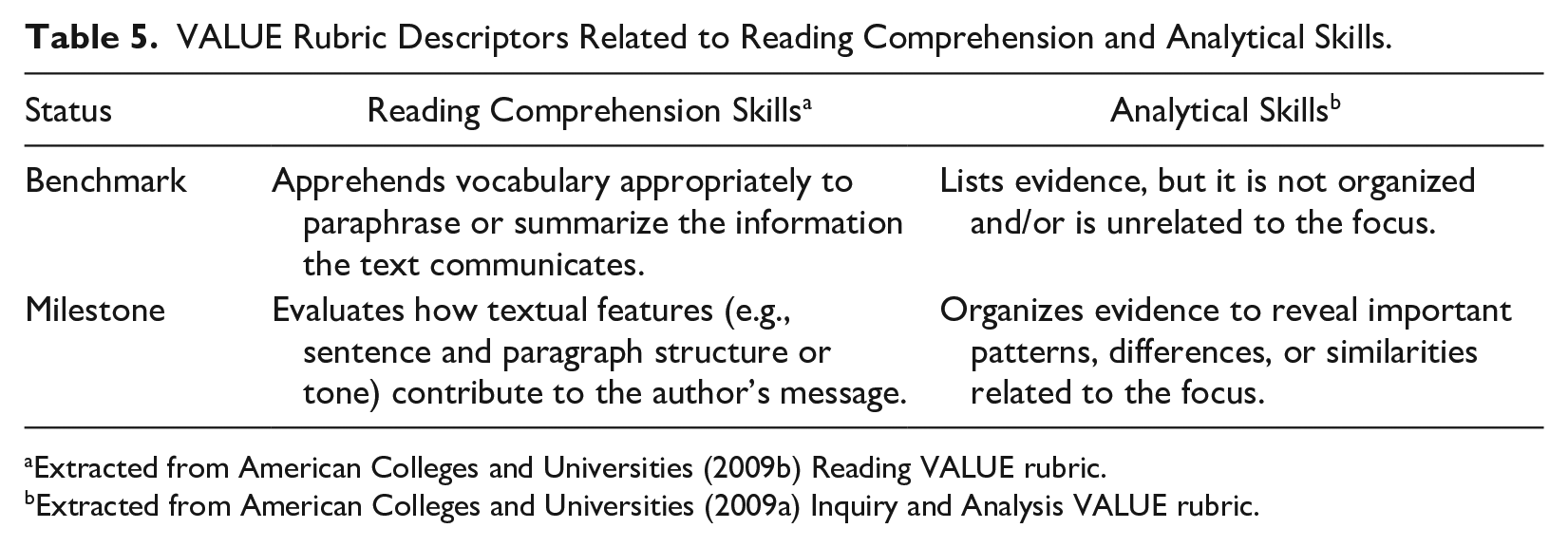
We assessed their writing employing two VALUE rubrics developed by expert educators of the Association of American Colleges and Universities (AAC&U) 3 : Reading (AAC&U 2009b) and Inquiry and Analysis Skills (AAC&U 2009a). These rubrics are tailored to assess the learning of undergraduate students and have been tested on more than 150 campuses. We used the descriptors as a framework to judge the quality of writing in Mary and Alex’s midterm and final exam responses. More specifically, our focus was on two statuses: benchmark and milestone. These statuses helped us assess improvements in the answers, which resulted in higher grades on the final.
To evaluate reading comprehension, we focused on the “comprehension” skills outlined in the Reading (AAC&U 2009b) rubric. We looked for how students evolved from a benchmark status, described as “[a]pprehending vocabulary appropriately to paraphrase or summarize the information the text communicates,” to a milestone status, defined as “[e]valuating how textual features (e.g., sentence and paragraph structure or tone) contribute to the author’s message” (AAC&U 2009b). In this article, we considered sentence and paragraph structure in the Reading (AAC&U 2009b) rubric as less relevant. Instead, we interpreted this descriptor as the ability to identify how relevant parts of the text—such as the literature review and findings—support the main argument.
To assess analytical skills, we used the “analysis” skills in the Inquiry and Analysis Skills (AAC&U 2009a) rubric. We examined students’ progression from a benchmark status, identified as “[l]isting evidence, but it is not organized and/or is unrelated to the focus,” to a milestone status, characterized as “[o]rganizing evidence to reveal important patterns, differences, or similarities related to the focus” (AAC&U 2009a). These definitions are documented in Table 5.
VALUE Rubric Descriptors Related to Reading Comprehension and Analytical Skills.
Extracted from American Colleges and Universities (2009b) Reading VALUE rubric.
Extracted from American Colleges and Universities (2009a) Inquiry and Analysis VALUE rubric.
Before the Intervention
To excel in the exams for this introductory sociology class, students needed strong reading comprehension and analytical skills. The instructions of the midterm exam stated the following: Best answers show mastery of the course material and clarity. Try to be as clear and concise as possible. Write as if you are writing for a smart person not in the course so they could understand what you are saying. Questions can be answered in a few paragraphs. Try to write at least something for five questions because blank answers cannot receive partial credit (emphasis added).
Asking for mastery and clarity of the course content signaled the need to understand the course readings. This was best demonstrated through summarizing and paraphrasing, as outlined in the benchmark status of AAC&U’s (2009b) Reading rubric. However, to reach this level of proficiency, students had to distinguish the main parts from the supplementary parts of the readings.
As mentioned previously, both Mary and Alex responded to identical prompts on the midterm. One of the prompts was worded as follows: The authors of our reading on “contested boundaries” (Legewie and Schaeffer 2016) wrote the following: “In line with scholars who argue that communication problems, sparse networks, and declines in social control generally erode community life in ethnically diverse settings, our results show that the number of complaint calls increases with the level of ethnic heterogeneity.” At the same time, our reading on social networks (Erickson 2003) argued that diversity in social networks (including ethnic diversity) provides benefits. Can these arguments be reconciled [italics added]? Does diversity lead to erosion of community life, broad social benefits through networks, or a bit of both? Explain your answer.
To successfully answer, students had to (1) distill the authors’ arguments, displaying their reading comprehension skills, and (2) compare both arguments and illustrate how they could be valid without conflicting with one another (i.e., reconciling the arguments), showcasing their analytical skills.
However, Mary and Alex struggled with summarizing the main arguments of the papers. In response to the prompt, Mary wrote: According to Erickson, there are many benefits in having social diversity. Along with understanding others better, you can gain connections to people with different jobs (around 50% of people receive job offers from acquaintances), and a possibility of having an increased tolerance for others who are different than you.
The writing provided a relatively successful recapitulation of the reading’s main argument, identifying social networks as providing benefits, with getting better jobs highlighted as a major benefit. In fact, Mary added important details by including the percentage of people who received job offers from their social networks. However, although she argued that social networks were beneficial in three ways, only gaining jobs was prominently featured in the reading. The other two benefits mentioned—understanding people and increased tolerance—were either not addressed in the text (the former) or presented as potential benefits for future exploration (the latter).
For this same question, Alex struggled with summarizing the main ideas of the readings. The first idea he presented from the Erickson (2003) reading was about a study mentioned in the literature review: The Albany study found that people with more diversified acquaintances were more likely to get help from contacts holding more prestigious jobs, which led in turn to getting a job with higher prestige. On the other hand, for most people, using a friend or relative as a contact meant using someone with a lower-ranking job, and hence getting a worse job.
Subsequently, Alex devoted approximately 200 words to discussing this study, including two quotes that were not central. Similar to Mary, Alex had difficulties pinpointing the main argument and supporting information.
Due to their limited reading comprehension, neither Mary nor Alex offered a satisfactory response to the exam prompt, preventing their analytical skills from shining through. Mary offered a vague response on how to reconcile the seemingly contradictory ideas about social networks without ever referencing the second reading: At the same time, it is difficult to make connections and create a community when everyone around you is different. People tend to befriend others who are similar to them first, whether it is age, race, or beliefs. I believe this is why in a heterogeneous community, there are an increased amount of complaint calls. People can have different biases toward other people, leading to a disconnect in communication and socialization.
This response was based on subjective ideation. It suggests that although Mary understood the question, she did not demonstrate a strong mastery of the readings to effectively use them in her analysis.
In a similar fashion, Alex answered the analytical part of the question, but his analysis came at the very end of his response: Both perspectives have valid points of view, but both can be reconciled if people are willing to use their agency to build community and networks of relationships with each other despite their differences.
This answer, like Mary’s, was not supported with evidence from the readings and was backed by personal interpretation instead.
In sum, both Mary and Alex showed an understanding of the prompt, but their grasp of the readings hindered their ability to provide well-supported analytical answers. Judging from AAC&U’s (2009a) Inquiry and Analysis Skills rubric, Mary and Alex were only able to exhibit skills at the initial benchmark level, merely listing evidence but in an unfocused and disorganized manner.
After the Intervention
The final exam took place a week after the concept map-based review session. The assessment criteria for the final exam mirrored those for the midterm, with identical instructions emphasizing the mastery and clear presentation of course content. Students were again asked to respond to five out of the seven prompts. One question that both Mary and Alex answered was this: Explain what Gong (2021) meant when he said that California’s approach to homeless people is one of “tolerant containment.” Does this approach benefit anyone, in Gong’s view? Finally, consider the causes that Snow and Anderson (2003) identify for what they call “the apparent growth in the population of street people in American cities, as well as in other major cities . . . during the last 20 years.” Can their reasons for this apparent growth be reconciled [italics added] with Gong’s ideas regarding California? Explain your view.
To receive a high mark, students were still required to display reading comprehension and analytical skills. They had to summarize the authors’ ideas and reconcile the main arguments in the readings.
This time, Mary’s answer was better: According to Gong, “tolerant containment” describes the process at which cities “deal with” their homeless population by moving them to less urban areas, but don’t give them the help they need which could lessen the ever increasing homeless population. They tolerate their existence but don’t take action to help with the problem. It “may look like progress,” but it will eventually “descend into abandonment.” With no remedy, the homeless population keeps growing. After Reagan’s presidency, a “mass incarceration” came about that put a record number of people in jail, which temporarily helped the homeless population, but former prisoners are 10 times more likely to end up homeless, leading to an extreme increase in the homeless population. He described the current situation as “Frankenstein’s monster,” as the increasingly bad situation was unintentional.
In her writing, she was able to paraphrase the reading in a clearer and more detailed manner than in her midterm. She focused on the main concept in the prompt, “tolerant containment,” effectively incorporating quotes and including historical examples to contrast the current era of “Frankenstein’s monster” with the previous period of “mass incarceration.”
Alex’s answer also improved: In Neil Gong’s article, he defines California’s “tolerant containment” as, “spatially specific acceptance of formerly criminalized behavior.” Essentially, tolerant containment in California, means decriminalizing offenses that impact the homeless population and allowing them to live in their encampments.
Not only was Alex able to identify the primary argument of the reading, but he also provided detailed support and explanation by incorporating quotes. Both Alex and Mary advanced to a milestone status, judging from AAC&U’s (2009b) Reading rubric, as they successfully evaluated how textual features contribute to the authors’ messages.
Furthermore, improving comprehension enabled Mary and Alex to provide lucid analytical responses, although the depth varied. For example, when addressing whether the arguments of the two homelessness-related readings could be reconciled, Mary still lacked a clear response, resulting in a deduction of points for the answer. However, she responded directly to whether, in Gong’s (2021) view, the “tolerant containment” approach benefited anyone. In this part of the prompt, Mary offered a clear answer: “In Gong’s view, tolerant containment doesn’t help anyone, just temporarily slows the eventual downfall.” This still primarily showcased her summarizing skills.
In contrast, Alex gave a straightforward response to the question about reconciling the readings. He wrote: Therefore, Snow and Anderson’s can be reconciled with Gong’s ideas regarding the tolerant containment in California, because of the shared contributions toward the rise of homelessness and California’s inability to fix the problem: having the lack of institutions that accommodate to the “displaced and weakened” (deinstitutionalization of psychiatric facilities leaving the mentally ill displaced on the street - Gong; absence of homeless shelters - Snow and Anderson) and the lack of social investment toward solving the housing crisis with the rise of housing costs and low wages.
Here, Alex contrasted the two readings and identified their common points: Both shared a similar understanding of the causes of the rise in homelessness. He effectively reconciled the arguments in a concise paragraph. Evaluating their writing using AAC&U’s (2009a) Inquiry and Analysis Skills rubric, we see that Mary remained in the benchmark status and that Alex had advanced to the milestone status.
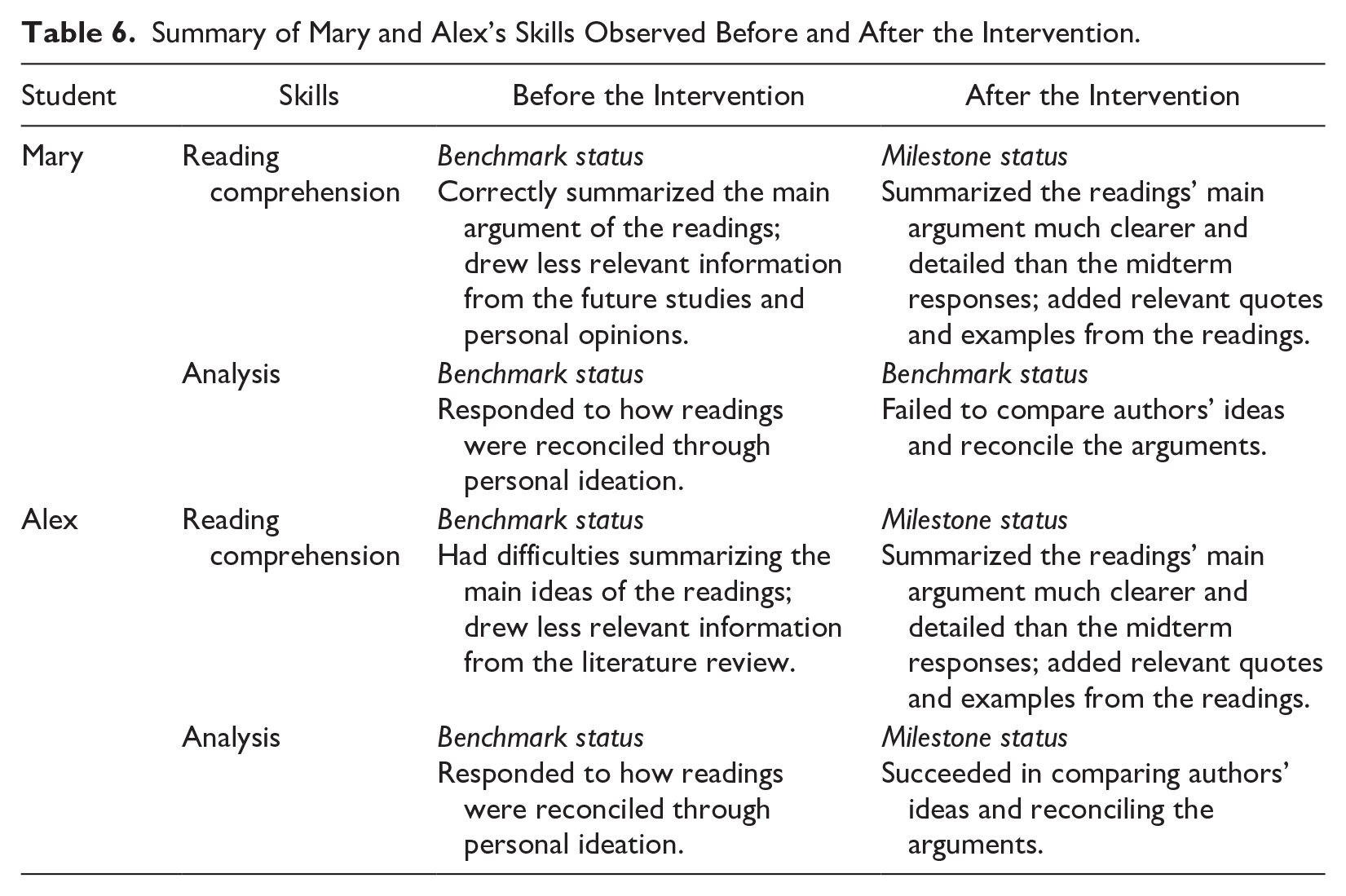
Overall, both Mary and Alex demonstrated significant improvement in their reading comprehension skills, although their progress in analytical skills was uneven. Table 6 summarizes these changes. Notably, when comparing Mary and Alex’s cases, it suggests that the concept map-based review session held promise for enhancing students’ reading comprehension skills. However, other pedagogical tools were required to assist students, such as Mary, in further developing more sophisticated analytical skills.
Summary of Mary and Alex’s Skills Observed Before and After the Intervention.
Facilitating Deep Learning through the Concept Map-Based Review Session
Having illustrated Mary and Alex’s skill improvements, we now describe how our teaching intervention facilitated deeper learning. In the following, we display concept maps created by students for the Gong (2021) article (Figure 2), the Snow and Anderson (2003) article (Figure 3), and the topic of poverty and homelessness (Figure 4). Although Mary and Alex were not the authors of these concept maps (they created other maps), Figures 2 to 4 were discussed during the review session and made available to Alex and Mary as part of the collaborative study guide.
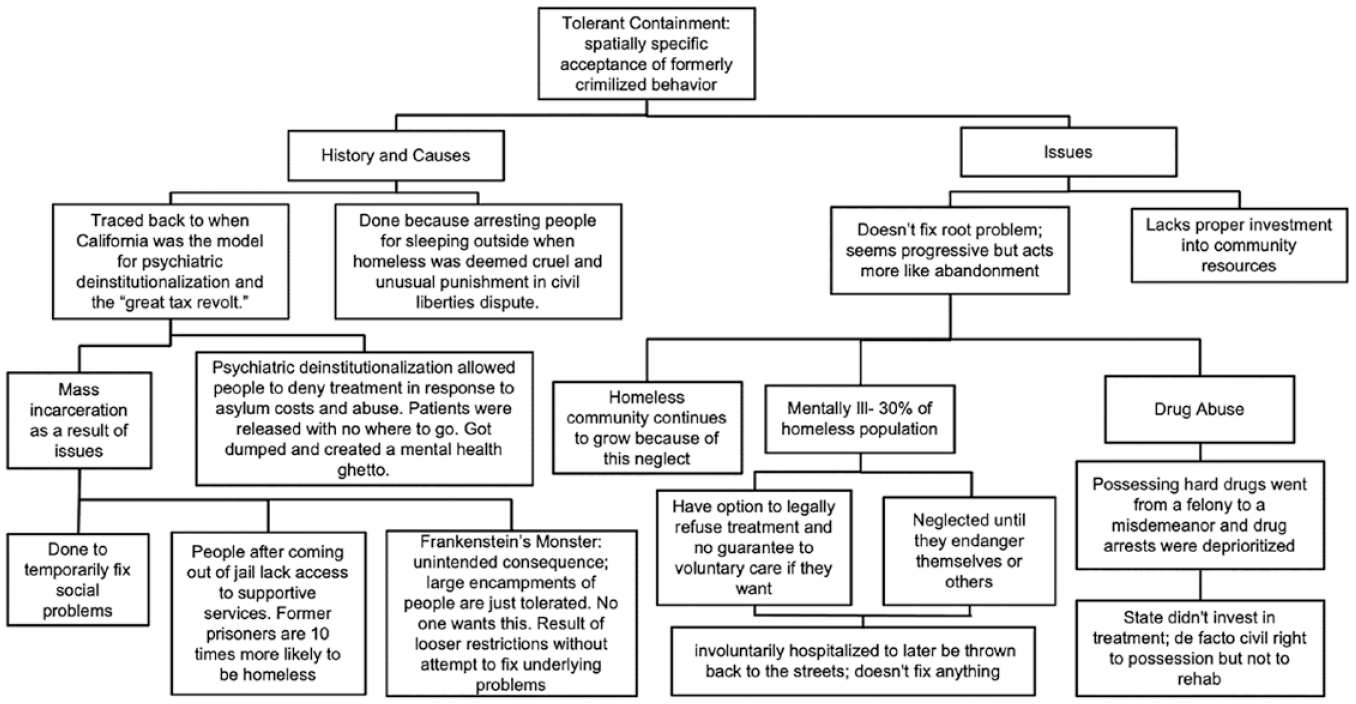
Article-Based Concept Map: Gong (2021).
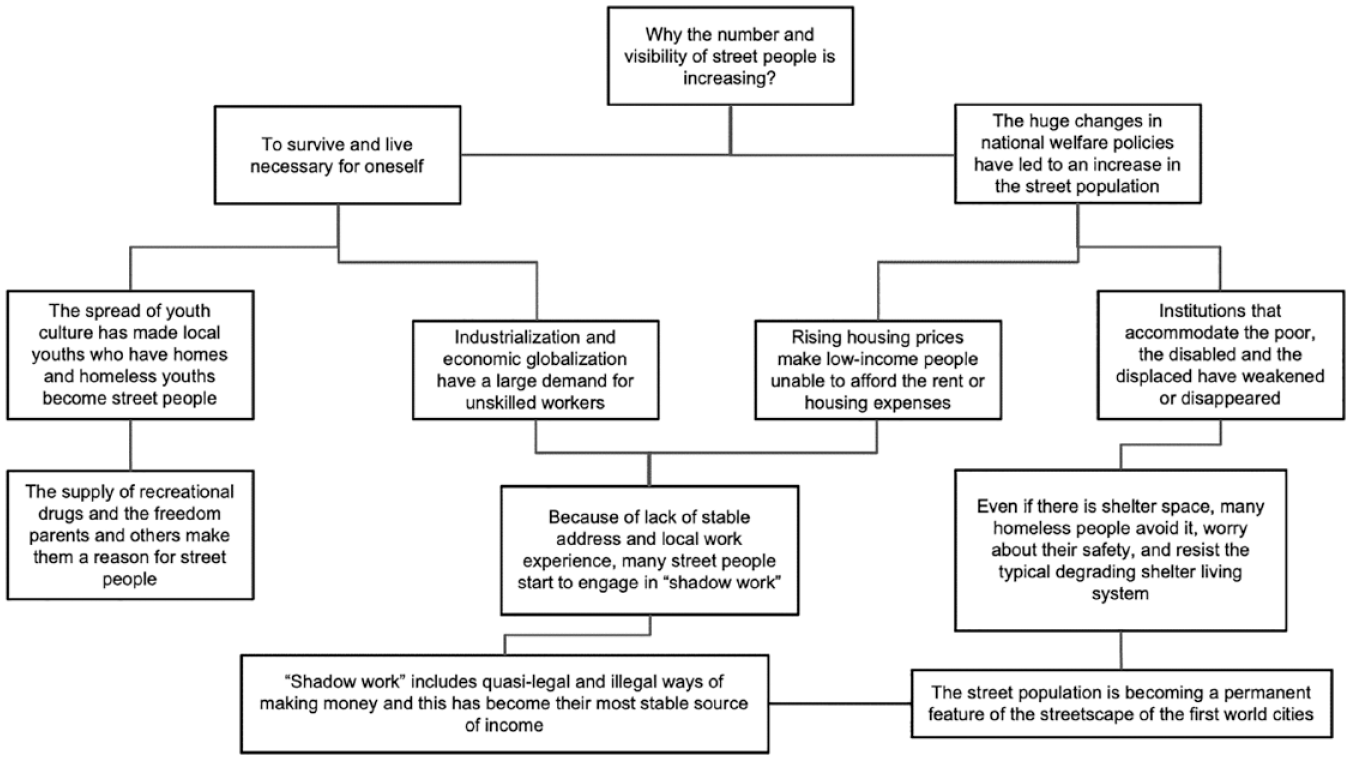
Article-Based Concept Map: Snow and Anderson (2003).
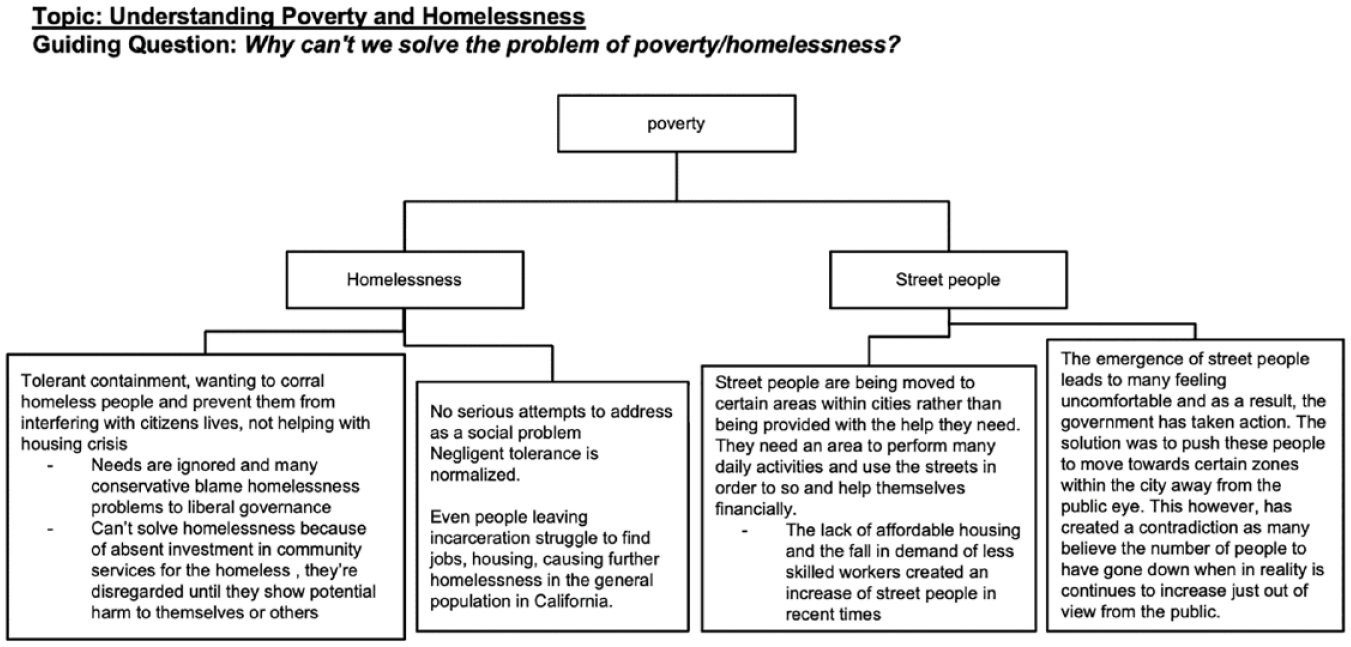
Topic-Based Concept Map: Poverty and Homelessness.
The article-level concept maps challenged students to summarize the reading, requiring them to identify the main ideas and illustrate how they relate to secondary ones. Figures 2 and 3 illustrate different approaches to creating this visual hierarchy. In Figure 2, students broke down the “history and causes” from the current “issues” of the discussed topic (in this case, homelessness). In Figure 3, students centered questions explored in the article. Nevertheless, both maps present a condensed overview of a text and establish a hierarchical order among its pieces.
With the topic-level concept maps, students were compelled to construct an additional layer of hierarchy. As depicted in Figure 4, students were urged to sift through the most relevant topics in the readings, reflect on the connections between the articles, and articulate the relationships among different perspectives.
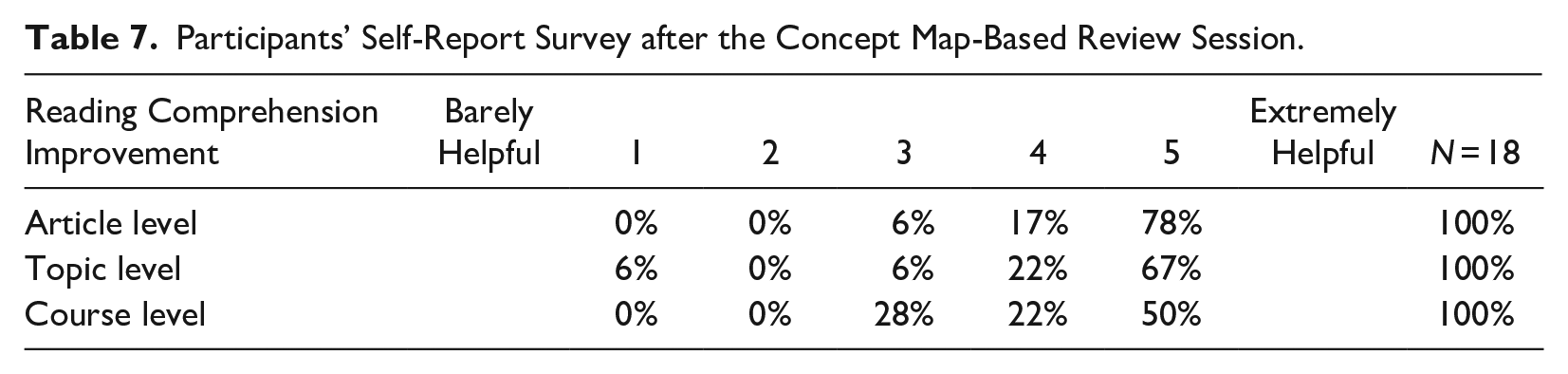
In fact, students generally believed that the review session helped them summarize and understand the readings and topics better. Out of the 22 participants, 18 completed the postintervention survey, and 95 percent agreed that the review session was helpful (i.e., rating it 4 or 5 on a scale of 1 to 5) in improving their comprehension at the article level. Additionally, 89 percent agreed that their comprehension at the topic level improved (see Table 7). As one participant explained, “Because we had to do a concept map, it made [me] purposefully look for the main key ideas, and [figure out] how to basically summarize the article in an organized way.” Another participant echoed this: “Breaking the reading down into different concepts really helped me solidify my understanding of the author’s argument and case study. It also helped me to draw comparisons between other concepts we have learned in class.” Overall, participants expressed enthusiasm about how our teaching intervention facilitated their learning.
Participants’ Self-Report Survey after the Concept Map-Based Review Session.
Discussion and Conclusion
In this article, we assessed how a concept map-based review session enhanced students’ learning. We employed OLS regression models to examine students’ grade improvement from the midterm to the final exam, demonstrating that participants of the review session displayed greater improvement compared to nonparticipants. On average, participants improved by 5.9 points (with outliers) or 5.7 points (without outliers) more than nonparticipants. This suggests that the intervention was effective in helping students achieve better grades.
We purposefully selected Mary and Alex to illustrate qualitatively this grade improvement, comparing their writing before and after the intervention. The most salient improvement was growth in reading comprehension skills. This suggests that deepening reading comprehension can provide a common ground for students to showcase their analytical thinking. Meanwhile, analytical skills were unequally developed between Mary and Alex. This suggests that concept mapping is not a panacea for resolving the problems of surface learning. Educators must still foster analytical skills using other learning tools.
Returning to the discipline’s contribution to general education, it is crucial to recognize the close relationship between reading comprehension and analytical skills if we wish to cultivate critical and reflective thinkers. The AAC&U’s (2009b) Reading rubric defines reading comprehension as “the process of simultaneously extracting [italics added] and constructing [italics added] meaning through interaction and involvement with written language.” This definition strikingly resembles the intellectual task required for conducting analysis, defined in the AAC&U’s (2009a) Inquiry and Analysis rubric as “the process of breaking [italics added] complex topics or issues into parts [italics added] to gain a better understanding of them.” Our findings suggest that students sometimes struggle with class content not because they lack writing skills but because they lack effective reading skills. Therefore, sociology instructors should not overlook the value of teaching concept maps—a relatively familiar classroom tool in the social sciences—for students of all majors. In fact, a series of discussions on “reading to write” has been burgeoning, particularly in higher education (see discussions in Green 2022; McCulloch 2013). We welcome all educators to embrace this trend and teach students strategies for profound reading.
However, deep reading teaching techniques are not capable of addressing all unacknowledged skills required for success in higher education. First, they cannot teach lower achievers to excel in time management or in providing comprehensive responses during exams. Additionally, they do not guarantee that students will draw connections across readings. Some may still struggle to reconcile divergent arguments, as seen in Mary’s case. Third, they can be challenging to implement in large class settings.
Despite these constraints, we still recommend that instructors consider integrating deep reading teaching techniques into the classroom when possible. One reason is that these tools help reverse the customary approach to teaching the content of readings. Traditionally, academic content is conveyed through lectures or examined in small discussion groups. However, lectures can be too passive and may not offer enough opportunities for students to actively engage with the materials. Class discussions can also be challenging because they require a basic level of text comprehension. In this regard, concept maps or other graphic organizers can serve as a valuable tool to help students navigate complex readings (Estefan and Seim 2022).
Another reason to consider these techniques is that many of the challenges mentioned previously are not insurmountable. For example, encountering students like Mary, instructors can spend more class time constructing and collectively discussing topic-based concept maps that connect ideas across readings. Alternatively, instructors can take advantage of other deep reading teaching techniques from Roberts and Roberts’s (2008) toolkit, which can be found in the appendix of their article. For large classes, instructors can consider adopting Parrott and Cherry’s (2011) strategy of forming structured reading groups or utilize TA-led discussion sections to create learning environments suitable for concept mapping or other types of deep reading teaching interventions.
Finally, deep reading interventions have the potential to promote equity in the classroom. Ana’s students were remote learners who accessed lecture recordings and participated in discussion sections online. Many of these students opted for remote learning out of necessity because some were juggling demanding work schedules and dealing with long commutes, especially during our school’s transition back to in-person classes. Although further investigation is required, the fact that the review session was successful even for remote learning students is noteworthy. If anything, this may underestimate the impact for in-person implementation. We encourage future studies to explore how bringing deep reading back into the writing-to-learn pedagogy may be an avenue for equity-focused pedagogy.
Footnotes
Acknowledgements
We thank the editor and four anonymous reviewers for providing constructive feedback that helped strengthen our article. We appreciate the invaluable advice from Isaac Martin and Kevin Lewis on overcoming methodological challenges. We are also grateful to John Skrentny and Alanna Gillis for providing early comments and encouragement. Additionally, we are thankful for Michel Estefan’s guidance throughout the publication process and for facilitating the space that sparked the initial conversations about this article. Finally, we extend our thanks to Sevin Sagnic and Bernardo Mackenna for their helpful advice and supportive friendship.
Editor’s Note
Reviewers for this manuscript were, in alphabetical order, Shiri Noy, Janis Prince, Devrim Yavuz, and Rachel Romero.
