




Abstract
This study investigates the pivotal role of tour guides as key practitioners in fostering responsible consumption behaviors among tourists visiting climate-impacted regions. Positioned as trusted sources of knowledge, tour guides employ diverse strategies to promote environmental conservation and sustainability. Findings reveal that guides act as environmental educators, connecting tourists to local ecological challenges through storytelling, role modelling, and polite intervention. These approaches foster emotional connections, encourage responsible behavior, and mitigate inappropriate tourist actions. Despite these efforts, barriers such as time constraints, diverse tourist motivations, the balance between education and entertainment, and concerns about social media exposure limit their effectiveness. This research highlights the complex yet impactful role of tour guides in promoting environmental stewardship and offers concrete implications for enhancing training programs and policy development to support sustainable tourism in climate-induced regions.
Keywords
Introduction
Tour guides, who can serve as intermediaries between the destination and tourists, play a crucial role in shaping tourist behavior and promoting responsible consumption (Pung et al., 2020). They not only provide information about the region’s attractions but also educate visitors about the environmental and cultural sensitivities of the areas they explore (Quang et al., 2024; Weiler & Kim, 2011). In climate-induced destinations, where climate change has magnified the need for sustainable tourism practices, tour guides are uniquely positioned to influence tourists’ attitudes and actions, encouraging them to adopt more responsible consumption behaviors. Their role involves navigating complex expectations: delivering enjoyable experiences, preserving local culture, and promoting sustainability tasks that often generate tension, particularly when tourist demands conflict with environmental or community priorities.
In the broader context of sustainable tourism, prior research has primarily concentrated on tourists’ responsible consumption behaviors while overlooking the equally significant role of sustainable production facilitated by tour guides. While responsible consumption has been extensively studied, responsible production, particularly the role of intermediaries like tour guides, remains underexplored (Wang et al., 2018). The concept of responsible production extends beyond the direct actions of tourism businesses to include the ways in which service providers facilitate and reinforce sustainability practices (Camilleri, 2016). Tour guides, as sustainability facilitators, actively shape responsible behaviors not only through direct interactions with tourists but also by influencing the supply chain through their recommendations and ethical engagement with local communities (Caruana et al., 2014; Su et al., 2020). Yet, their role is rarely examined through a lens that captures the everyday realities and systemic pressures that shape their capacity to enact sustainability, an analytical gap this study aims to address.
Existing research on responsible tourism highlights the importance of sustainable practices in mitigating the negative impacts of tourism on the environment and local communities. Studies have shown that tourists are often willing to engage in responsible behaviors, such as reducing waste, conserving water, and supporting local products, when they are informed about the benefits of such actions (Caruana et al., 2014; Lee et al., 2017). However, the extent to which tourists adopt these practices often depends on the presence of facilitators, such as tour guides, who can provide the necessary knowledge and encouragement (Randall & Rollins, 2009). According to Cohen (1985) and Tsaur and Teng (2017), tour guides play multiple roles, including that of an “animator” who can influence tourists’ experiences and perceptions by providing contextual information and guiding behaviors. As frontline workers in the tourism industry, tour guides are in a unique position to shape tourist behavior, particularly in regions where environmental sensitivity is paramount. Yet this role is also shaped by commercial pressures, time constraints, and organizational limitations, factors that may restrict their ability to consistently promote responsible consumption.
In climate-affected areas, where environmental degradation is both a present reality and an ongoing threat, the role of tour guides in promoting responsible consumption is even more critical (Confente, & Scarpi, 2021). However, much of the existing literature on responsible tourism does not adequately address the specific challenges faced by tour guides in these regions, nor does it explore the strategies they employ to encourage responsible behavior among tourists. Studies that have touched on the topic tend to focus on broader sustainability initiatives within tourism (Mackenzie & Raymond, 2020; Weiler & Kim, 2011), without investigating the day-to-day interactions between guides and tourists that shape consumption behavior. Moreover, while research on climate change and tourism has highlighted the vulnerabilities of regions, it often lacks a focus on practical solutions, particularly those involving tour guides as key agents of change. This omission limits our understanding of how sustainable practices are actually performed, negotiated, and sometimes constrained in frontline tourism settings.
Given these gaps in the literature, there is a need for a more in-depth understanding of how tour guides can enhance tourists’ responsible consumption behavior, particularly in climate-induced destinations. We define these destinations as areas where the effects of climate change, such as rising sea levels, salinization, and biodiversity loss, have significantly altered environmental and socio-economic conditions (IOM, 2012). Specifically, the Mekong Delta exemplifies a climate-induced destination due to its acute vulnerability to these changes, which are reshaping its ecosystems and local livelihoods.
To explore this issue, this study draws upon Social Practice Theory (SPT) (Shove et al., 2012), in which responsible consumption in tourism is not simply a matter of individual choices but is embedded within broader social practices that are shaped by knowledge transmission, situational contexts, and social interactions. Rather than interpreting tourists’ actions as outcomes of personal attitudes or values, SPT conceptualizes responsible consumption as emerging from the dynamic interplay of three elements: materials (e.g., tour infrastructure, environmental resources), competencies (e.g., guides’ storytelling, ecological knowledge), and meanings (e.g., cultural values, environmental ethics). This theoretical perspective allows for a more holistic understanding of how sustainability is co-produced through routine interactions between guides and tourists, shaped by their environments, skills, and the meanings they assign to their experiences.
In this framework, tour guides are not viewed as isolated influencers but as embedded practitioners whose work is situated within broader systems of material conditions, institutional expectations, and normative constraints. They play a pivotal role in mediating these dimensions, equipping tourists with competencies to act sustainably, modelling environmentally responsible behavior, and reshaping the meanings of tourism through affective storytelling and culturally grounded narratives.
In light of the study’s aims and objectives, the following research questions are proposed: (1) How do tour guides promote responsible consumption behavior among tourists in the context of climate change?; (2)What strategies do tour guides use to educate tourists about the environmental and cultural sensitivities of the region?; and (3) What are the challenges faced by tour guides in encouraging tourists to adopt responsible consumption practices?
By shifting the focus from responsible consumption to the role of tour guides in responsible production, this study offers a new perspective on sustainability in climate-induced tourism. Rather than investigating tourists’ behavior directly, this study explores how tour guides interpret, perform, and negotiate their roles as agents of responsible production who attempt to influence responsible consumption. Theoretically, it extends the discussion on intermediaries in sustainable tourism by positioning tour guides as active agents of responsible production rather than passive mediators of consumption (Mackenzie & Raymond, 2020). Anchored in SPT, the study provides a framework to understand how guiding practices are shaped, enacted, and constrained in real-world contexts. Practically, the findings inform tour guide training programs and policy frameworks by identifying key strategies and challenges in promoting responsible behavior among tourists. As climate change intensifies, equipping tour guides with effective tools for sustainability advocacy will be critical for long-term resilience in climate-induced destinations.
Literature Review
Social Practice Theory
Social Practice Theory (SPT) offers a valuable framework for examining the complexities of human behavior and societal change by focusing on practices rather than individuals or structures as the central unit of analysis. Rooted in the foundational work of Bourdieu (1977) and Giddens (1984), and later refined by Reckwitz (2002) and Shove et al. (2012), SPT conceptualizes practices as routinized behaviors shaped through the interplay of three interdependent elements: materials, competencies, and meanings. Materials include the physical tools, infrastructures, resources and technologies that enable or constrain actions; competencies refer to the knowledge, skills, and techniques required to perform them; and meanings encompass the symbolic, cultural, and emotional significance that individuals assign to their actions (Shove et al., 2012).
SPT has been widely used in sustainability research to explore how altering these three elements can foster behavioral change. Studies in energy consumption (Gram-Hanssen, 2011), waste reduction (Hargreaves, 2011), and sustainable mobility (Watson, 2012) demonstrate how modifying material conditions, enhancing competencies, or reshaping cultural meanings can disrupt unsustainable routines and encourage more responsible practices. However, these transitions are rarely linear or conflict-free (Hargreaves, 2011). The very structure of practices often entails tensions between competing meanings, incompatible competencies, or misaligned material conditions, which remain underexplored in tourism research.
While much of the tourism literature has focused on responsible consumption, emphasizing tourists’ choices and behaviors, SPT allows us to shift the lens toward responsible production, particularly the role of intermediaries like tour guides who help co-create sustainable experiences. Responsible production in this context refers not only to the environmentally and socially responsible delivery of tourism services, but also to the practices through which sustainability is performed and reinforced by service providers. Tour guides, as key facilitators of sustainability, do not merely disseminate knowledge, they also co-produce responsible tourism practices by enacting, modeling, and negotiating sustainability (Camilleri, 2016; Caruana et al., 2014).
Through the lens of SPT, tour guiding can be understood as a practice shaped by the interaction of materials (e.g., tour equipment, site access), competencies (e.g., storytelling, ecological knowledge, mediation skills), and meanings (e.g., cultural pride, environmental ethics) (Lamers et al., 2017; Reckwitz, 2002; Shove et al., 2012). However, these elements do not always align harmoniously. When materials prioritize convenience or spectacle, while competencies and meanings emphasize education and sustainability, guides experience tensions that constrain their ability to fulfill their roles effectively. This is particularly evident in climate-induced regions, where environmental fragility amplifies the urgency of responsible tourism, yet economic dependency on tourism heightens pressure to prioritize visitor satisfaction (IOM, 2012). In these contexts, guides must balance commercial demands with ethical commitments to environmental and cultural stewardship (Shove et al., 2012), an act of responsible production often overlooked in existing research. For instance, a guide in a heritage village may seek to cultivate respect for local traditions, but if tour itineraries focus on entertainment and superficial experiences, such as quick photo stops, opportunities for meaningful engagement are diminished. This tension between commercial imperatives and cultural preservation undermines the guide’s capacity to promote responsible consumption and sustainable tourism practices.
Despite growing scholarly interest in responsible tourism, the productive role of intermediaries, such as tour guides, remains under-theorized. This study addresses this gap by using SPT to examine how guides manage the competing demands of entertainment, environmental education, and cultural representation. It contributes to a richer understanding of how the practice elements, materials, competencies, and meanings, are negotiated in real-world contexts where sustainability goals are both promoted and constrained. This theoretical lens sets the foundation for the next section, which outlines the principles of responsible tourism and the behavioral shifts required for responsible consumption. It also directly informs Section “Roles of Tour Guides in Shaping Tourist Behavior”, where we explore how tour guides, as mediators of meaning and behavior, play a critical role in translating these principles into practice by shaping tourists’ awareness, attitudes, and actions. By situating these issues within the everyday production practices of tour guiding, this study brings new insights into the operational challenges and transformative potential of responsible tourism initiatives.
Responsible Tourism and Responsible Consumption
The definition of responsible tourism varies across the literature but is often framed within the broader context of sustainability. Goodwin (2011, p.12) defines responsible tourism as tourism that creates “better places for people to live in and better places for people to visit”. This dual focus on both the host community and the visitor encapsulates the idea that tourism should contribute positively to the destination’s social fabric and environment while providing meaningful experiences for tourists. In this regard, responsible tourism differs from other forms of sustainable or eco-tourism in its emphasis on the shared responsibility of all stakeholders, tourists, local communities, businesses, and governments. Importantly, the effectiveness of responsible tourism hinges on the behaviors and choices made by tourists at the destination, highlighting the need to understand and influence responsible tourist behavior.
Responsible consumption, as an integral part of responsible tourism, refers to tourists making conscious decisions to minimize their negative impact on the environment and local cultures (Wang et al., 2024). According to Dolnicar (2020), responsible consumption behaviors include reducing resource use (e.g., water and energy), avoiding excessive waste generation, supporting local economies by purchasing from local businesses, and respecting cultural norms and values. In practice, these behaviors may manifest in various ways, such as choosing eco-friendly accommodations, avoiding single-use plastics, and participating in low-impact tourism activities, including walking tours or cycling instead of using motorized transportation.
The role of responsible consumption in tourism becomes even more critical in climate-vulnerable regions, where the environmental and social systems are already under significant stress (Hall, 2013). Climate change poses a serious threat to many popular tourist destinations, including coastal areas, small islands, and regions with fragile ecosystems. The rising sea levels, increased salinity, and more frequent extreme weather events in such areas make it imperative for tourists to adopt more sustainable behaviors (Kaján & Saarinen, 2013; Loehr & Becken, 2021). In climate-affected regions, the integration of responsible consumption with responsible production becomes essential, as sustainable practices must be co-constructed through the actions of both tourists and local service providers, particularly tour guides.
Several studies have examined the factors that influence tourists’ adoption of responsible consumption behaviors. Dolnicar and Demeter (2024) suggest that tourists are more likely to engage in responsible consumption when they are well-informed about the environmental and cultural challenges faced by the destination. However, the extent to which tourists adopt such practices often depends on the availability of information and guidance during their visit (Peeters et al., 2024). This highlights the need to view tourist behavior not in isolation, but as part of a broader socio-material practice, where intermediaries like tour guides shape, support, and co-produce sustainable behaviors. The notion of co-production here is grounded in guides’ situated experiences of modifying their communicative strategies, responding to tourist resistance, and negotiating meaning in real time.
Tour guides are uniquely positioned to influence tourist behavior by translating abstract sustainability principles into context-specific, actionable behaviors (Peeters et al., 2024). As facilitators of the tourism experience, they help make environmental issues more salient, cultural norms more understandable, and sustainable practices more accessible (Loehr & Becken, 2021). Their role reflects not only behavioral influence but also a form of responsible production, where sustainability is actively enacted, negotiated, and performed within daily guiding practices. This influence is especially important in unfamiliar or vulnerable contexts where tourists may lack prior knowledge or awareness of appropriate behaviors (Hall, 2013).
Despite the recognized importance of responsible consumption, there are several challenges in promoting these practices among tourists. One significant barrier is the diversity of tourist motivations and behaviors (Mkono & Hughes, 2020; Su et al., 2020). Not all tourists are equally concerned about sustainability, and their willingness to engage in responsible practices may vary depending on factors such as their environmental awareness, cultural background, and travel motivations (Luo et al., 2020). For example, some tourists may prioritize convenience or entertainment over sustainability, while others may be more inclined to engage in responsible behaviors if they are aligned with their personal values and beliefs (Confente & Scarpi, 2021).
Moreover, the short duration of most tourist visits poses another challenge in fostering long-term behavioral change (Luo et al., 2020). This has been identified as a key limitation in the literature on responsible tourism, as short-term awareness does not always translate into long-term behavioral change (Su et al., 2020). Additionally, economic pressures within the tourism industry can sometimes conflict with sustainability goals (Dolnicar, 2020; Ho & Shimada, 2021). Tour operators and businesses may prioritize profit maximization and customer satisfaction over promoting responsible consumption, especially if these practices are perceived as reducing convenience or increasing costs for tourists. Similarly, the operational demands placed on tour guides, such as meeting tight schedules or catering to entertainment-driven itineraries, may limit their capacity to engage deeply with sustainability education, highlighting a tension in the production of responsible tourism.
Despite these challenges, the literature highlights several strategies for encouraging responsible consumption among tourists. Providing clear and accessible information about the environmental and cultural sensitivities of the destination is one effective approach (Weiler & Kim, 2011). For example, informational materials, signs, and verbal communication from tour guides can raise awareness about the importance of conserving water, avoiding waste, and supporting local businesses. Storytelling has also been identified as a powerful tool in encouraging responsible consumption (Hartman et al., 2019). By sharing local narratives about the impacts of climate change or the importance of cultural preservation, tour guides can bridge the gap between tourist values and sustainable practices, making sustainability emotionally resonant and behaviorally relevant.
The role of tour guides in promoting responsible consumption is particularly relevant in climate-induced regions. As key actors in the tourism experience, guides are well-positioned to influence tourist behavior by providing education about the environmental challenges faced by the region and offering practical advice on how tourists can minimize their impact. However, they also contribute to responsible production by enacting sustainability through the design and facilitation of tourism experiences. This bridging role is not without constraints. The literature suggests that many tour guides lack formal training in environmental education or sustainable tourism practices, which can limit their effectiveness in promoting responsible consumption (Cohen, 1985). Moreover, they often face conflicting pressures between delivering entertaining experiences and promoting sustainability, a tension that is further explored in the next section. Understanding and supporting tour guides in their dual role, as both influencers of consumption and producers of responsible experiences, represents a critical opportunity for sustainable tourism development. There is a need for more research and practical interventions focused on equipping tour guides with the knowledge and tools to encourage responsible behavior among tourists, particularly in regions most vulnerable to climate change.
Role of Tour Guides in Shaping Tourist Behavior
Tour guides play a pivotal role in shaping the experiences and behaviors of tourists, acting as intermediaries between the tourist and the destination (Hwang & Lee, 2019; Tu et al., 2020). Beyond logistical coordination, their role is embedded in broader systems of meaning-making, knowledge transfer, and value alignment, which position them as critical actors in advancing responsible tourism. They are not just facilitators of travel logistics but also cultural interpreters, educators, and often conservation advocates. In the context of responsible tourism, their influence extends beyond simply guiding tourists through a destination—they are key actors in promoting sustainable behaviors, particularly in areas where environmental concerns, such as those caused by climate change, demand urgent attention. Tour guides are in a unique position to inspire, inform, and influence tourists’ attitudes and actions, thereby enhancing their role in fostering responsible consumption and sustainable practices. Moreover, their work constitutes an essential form of responsible production, shaping, enabling, and enacting sustainable tourism through the practices they perform.
A wide body of research highlights the importance of tour guides as mediators between the destination and tourists. Cohen (1985) was one of the first to identify the complex roles of tour guides, which include instrumental tasks (such as coordinating and managing tours) and communicative tasks (which involve interpreting the environment and culture). In more recent studies, tour guides are recognized as "key practitioners" who have the ability to influence tourist attitudes toward local cultures and environments (Weiler & Kim, 2011). This communicative function is not merely informative but transformative, contributing to shifts in tourist perception, empathy, and action. By offering local knowledge, stories, and cultural context, tour guides shape how tourists perceive the places they visit, including their understanding of environmental challenges. These acts of mediation are central to how the “meanings” component of SPT is constructed in tourism contexts.
In climate-induced areas, where the effects of climate change are visible and pervasive, tour guides play a crucial role in educating tourists about these issues. Many tourists arrive at destinations with little knowledge of the local environmental conditions, and tour guides are often the first to introduce them to the ecological and social realities of the area. Through education and storytelling, tour guides can raise awareness about the specific challenges faced by the region, such as rising sea levels, saltwater intrusion, and biodiversity loss, and inform tourists about how their actions can either exacerbate or mitigate these issues. These actions directly support responsible consumption practices by translating abstract sustainability ideals into context-specific behaviors. Studies have shown that tourists are more likely to engage in sustainable behaviors when they are provided with clear information and guidance on how to minimize their environmental impact (Mkono & Hughes, 2020). However, these acts are not just about changing tourist behavior, they are also forms of practice that embody the competencies and materials required to perform sustainability in the field, consistent with the SPT framework.
One of the most effective ways tour guides can promote responsible consumption is through storytelling. As research on interpretation and communication in tourism suggests, storytelling is a powerful tool for conveying complex issues in a way that is engaging and emotionally resonant (Hartman et al, 2019). In the climate-induced areas, guides can use stories to illustrate the direct impacts of climate change on local communities and ecosystems, making the issue more personal and immediate for tourists. By framing environmental problems through the lens of local experiences and histories, tour guides can foster a deeper connection between tourists and the destination, encouraging them to adopt more sustainable behaviors. Storytelling also helps to humanize environmental issues, moving beyond abstract concepts of climate change to highlight the real-world consequences for local people, wildlife, and landscapes. This aligns with the "meanings" element in SPT (Shove et al., 2012), reinforcing the role of emotionally resonant communication in reshaping routinized behaviors. It also reflects how meaning-making is a form of responsible production, an intentional act of constructing sustainability through cultural narratives.
However, while tour guides are well-positioned to influence tourist behavior, they face several challenges in promoting responsible consumption. One major challenge is the diversity of tourist motivations and attitudes. Tourists come to a destination with different levels of environmental awareness, and not all are equally motivated to engage in sustainable practices (Caruana et al, 2014; MacInnes et al., 2022). Some may be primarily interested in leisure and relaxation, while others may seek adventure or cultural experiences. This variation in expectations makes it difficult for tour guides to consistently promote responsible consumption to all tourists. Furthermore, tourists from different cultural backgrounds may have varying understandings of environmental responsibility, which can affect how they respond to messages about sustainability (MacInnes et al., 2022; Peeters et al., 2024). These tensions reflect broader misalignments between the material conditions (e.g., time-limited tours), competencies (e.g., communication skills), and meanings (e.g., tourist expectations) that shape guiding practices. From an SPT perspective, these misalignments constrain the performance of responsible production, revealing structural barriers that tour guides must continually negotiate.
In summary, existing research tends to focus on tourists’ responsible consumption behaviors while overlooking the role of sustainable production facilitated by tour guides. Additionally, prior studies often treat the roles of tour guides in a fragmented manner, emphasizing either their idealized responsibilities or the behavioral outcomes of tourists without fully accounting for the complex, and often conflicting, realities that guides must navigate. This fragmentation obscures the fact that guiding is itself a practice of sustainability, a form of labor that is materially, socially, and institutionally situated. What remains underexplored is how guides manage these tensions in practice, particularly in climate-induced destinations where environmental imperatives and economic dependencies frequently collide. To advance this understanding, the present study adopts SPT as a lens to examine the dynamics that shape guiding work in these contexts. This theoretical framing facilitates a more integrated analysis of how tour guides respond to and navigate structural constraints, institutional pressures, and evolving tourist expectations. In doing so, the study provides a more grounded and context-sensitive understanding of how responsible consumption is promoted, or constrained, through everyday guiding practices. Importantly, it also reveals how sustainability is not only influenced, but actively produced through the micro-practices, choices, and compromises embedded in the tour guide’s work.
Methodology
Context of Tourism in the Mekong Delta, Vietnam
The Mekong Delta, a vast and complex network of rivers, wetlands, and fertile agricultural lands, is not only a critical source of food for Vietnam but also a major hub for tourism. Known for its floating markets, traditional villages, rice paddies, and biodiverse ecosystems, the region attracts both domestic and international tourists seeking authentic rural experiences and natural beauty. However, the delta is highly vulnerable to the effects of climate change, including rising sea levels, increased salinity, and frequent flooding. These environmental challenges are reshaping both the physical landscape and the tourism industry. As such, sustainable tourism practices, particularly those focusing on responsible consumption, have become increasingly important for the long-term viability of the region's tourism sector. In this context, tour guides play a crucial role in influencing tourists’ behaviors and encouraging environmentally conscious practices. This study focuses on how tour guides in the Mekong Delta are promoting responsible consumption among tourists to mitigate the negative impacts of climate change on the local environment and communities.
Approach: Participatory Qualitative Approach
The research adopts a constructivist paradigm with a dynamic ontology, which views reality as contextually constructed, and a subjectivity epistemology, emphasizing that knowledge about responsible tourism practices emerges from subjective interpretations and is deeply influenced by its contextual setting. This perspective acknowledges the diverse experiences of tour guides and their critical role in shaping tourists’ behaviors. By engaging with participants as co-creators of knowledge, the study emphasizes the subjective meanings and practices that emerge from their lived experiences (Guba & Lincoln, 1982).
Informed by SPT, the study prioritized capturing practices-in-context rather than abstract values or intentions. Given the complexities of understanding the role of tour guides in shaping tourists’ behaviors, a participatory qualitative approach was deemed the most appropriate for this study. This approach aligns with SPT’s focus on lived experience, social interaction, and the co-construction of meaning, enabling a deep exploration of how practices are shaped by material, social, and symbolic elements. This approach allows for an in-depth exploration of tour guides’ experiences, practices, and perspectives, while also giving voice to those directly involved in the day-to-day operations of guiding tourists in climate-induced areas (MacDonald, 2012).
The research team acknowledges its positionality as advocates for sustainable tourism practices, aiming to contribute to responsible tourism development in the Mekong Delta. Two members of the team are tour guides affiliated with the local tour guide club, while the other three are trainers with extensive experience in tour guide training. This embeddedness supports SPT’s emphasis on capturing how sustainability is enacted through everyday practices, while the participatory positioning allows the study to authentically represent practitioners embedded in these socio-material realities. This advocacy aligns with the core principles of participatory research, which emphasizes collaboration between researchers and participants to address practical and social concerns. By working closely with local tour guides, the study seeks to mitigate power imbalances and authentically represent participants’ perspectives. The advocate positioning thus aligns with the core principles of participatory research, where the researchers collaborate with participants to address practical and social concerns. By working collaboratively with local tour guides, the researchers aimed to mitigate power imbalances and ensure the study authentically represented participants’ perspectives (Creswell & Poth, 2016).
Participatory qualitative research is particularly suitable for this study because it emphasizes the co-construction of knowledge between the researcher and participants. The process began with an initial engagement phase where the research team collaborated with Can Tho Tour Guide Club and Associations, as well as two experienced tour guides from Vietravel—one of the largest travel operators in Vietnam. This collaboration helped to identify the research question and refine the research design, ensuring it addressed practical issues faced by tour guides in climate-induced areas. The researchers conducted iterative consultations with these stakeholders to ensure the study remained relevant and responsive to their needs. This step positioned tour guides, as frontline workers in the tourism industry, as key contributors to the study by sharing their existing sustainable tourism practices, which provided valuable insights for understanding and promoting sustainable tourism development. Their lived experiences and professional insights are critical to understanding the dynamics of tourist behavior and environmental sustainability in the Mekong Delta. This approach not only captures their voices but also ensures that their contributions to responsible tourism are recognized and valued. Furthermore, it enables a nuanced exploration of the challenges and opportunities they face in promoting responsible consumption in the face of climate-induced changes.
Sampling: 48 Tour Guides in the Mekong Delta
The study employed purposive sampling to select 48 tour guides who lead groups in the Mekong Delta. Table 1 presents the participant demographic information. Purposive sampling was used to ensure that participants had substantial experience guiding tourists in the region and were familiar with the environmental challenges posed by climate change. The selection criteria included tour guides who had at least three years of experience leading tours in the Mekong Delta and who regularly interacted with both domestic and international tourists. This ensured that the participants had a deep understanding of the region’s tourism dynamics and were well-positioned to comment on responsible consumption practices.
Participant Demographic Information.
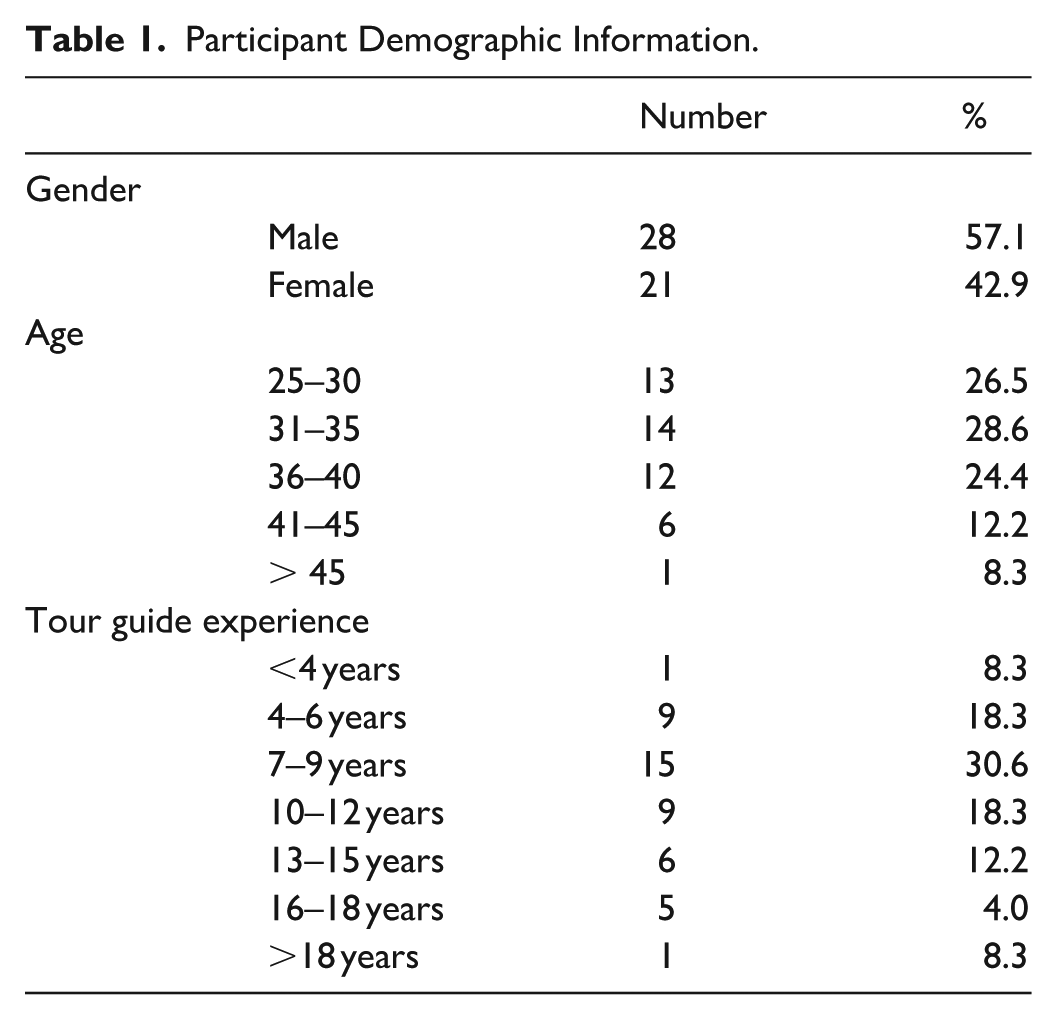
The tour guides selected for the study were diverse in terms of age, gender, and the types of tours they conducted. Some specialized in cultural and historical tours, while others focused on eco-tourism or adventure tourism. This diversity allowed for a more comprehensive understanding of the different ways in which tour guides promote responsible consumption across various types of tourism experiences in the Mekong Delta. Additionally, the sample included tour guides from different regions within the delta, providing insights into how environmental challenges and responsible consumption strategies may vary across the region.
Data Collection: Semi-Structured Interviews
Data were collected through semi-structured interviews with the 48 selected tour guides. Semi-structured interviews were chosen because they offer a flexible yet structured way to explore the key themes of the study while allowing participants to share their experiences in their own words. This format provided a balance between guiding the conversation toward relevant topics, such as the role of tour guides in promoting responsible consumption, and allowing for the emergence of unexpected insights or issues.
The interviews were designed to elicit detailed information about the practices and strategies that tour guides use to encourage responsible consumption among tourists. Key topics included: (1) The environmental challenges faced by the Mekong Delta and how they impact tourism; (2) The role of tour guides in educating tourists about climate change and environmental conservation; (3) Specific strategies and practices used by tour guides to promote responsible consumption, such as waste reduction, energy conservation, and respectful interaction with local communities; and (4) Challenges faced by tour guides in promoting responsible consumption, including tourist resistance, lack of resources, and economic pressures.
Each interview lasted between 45 minutes to an hour and was conducted either in person or via online platforms, depending on the availability of the participants. The interviews were recorded, with the consent of the participants, and later transcribed for analysis.
To ensure the trustworthiness of the data, the study employed several strategies. Firstly, credibility was maintained through prolonged engagement with participants and co-creation of knowledge through the process of the study implementation. Secondly, dependability was ensured through detailed research notes and regular discussions among the research team to address any emerging issues from the interviews promptly. Thirdly, confirmability was strengthened by member cross-checking, where all research team members reviewed and validated the findings to ensure accuracy and authenticity (Creswell & Poth, 2016). Finally, transferability was facilitated by providing rich, thick descriptions of the research context and participants, allowing readers to assess the applicability of the findings to other contexts.
Data Analysis: Thematic Analysis
The data collected from the semi-structured interviews were analyzed using thematic analysis. Thematic analysis is a widely used method for identifying, analyzing, and reporting patterns (or themes) within qualitative data. It is particularly suited for studies that aim to explore complex, context-specific phenomena, such as the role of tour guides in promoting responsible consumption in a climate-induced region. To integrate SPT into the analysis framework, the study investigated how tour guides act as key practitioners who shape tourists’ attitudes and behaviors through their practices. In the analysis, we identified the specific practices employed by tour guides to influence tourists’ environmental behavior.
To ensure rigor, the thematic analysis followed Braun and Clarke’s (2006) six-phase framework, including familiarization with data, coding, theme development, reviewing themes, defining themes, and writing up. During the coding phase, data were systematically reviewed to identify connections between the emergent themes and the principles of SPT. For instance, the role of tour guides in educating tourists and modelling sustainable practices was analyzed through the lens of their perceived credibility and ability to influence behavior. The thematic analysis revealed several key themes, including the importance of education and storytelling in promoting responsible consumption, the challenges of balancing economic pressures with environmental advocacy, and the need for greater support and training for tour guides in sustainability practices. These themes (see Table 2 and Figure 1) are explored in detail in the following sections.
Examples of Thematic Analysis.
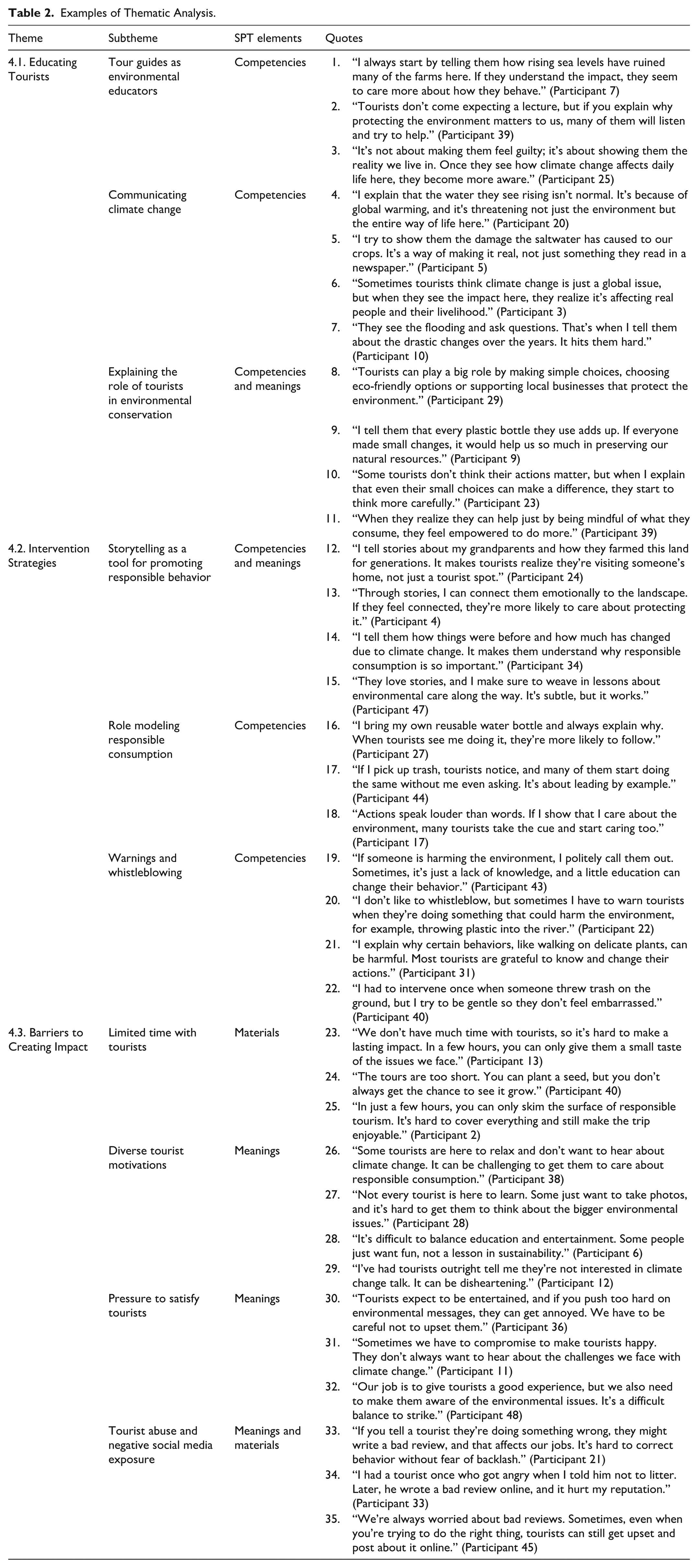
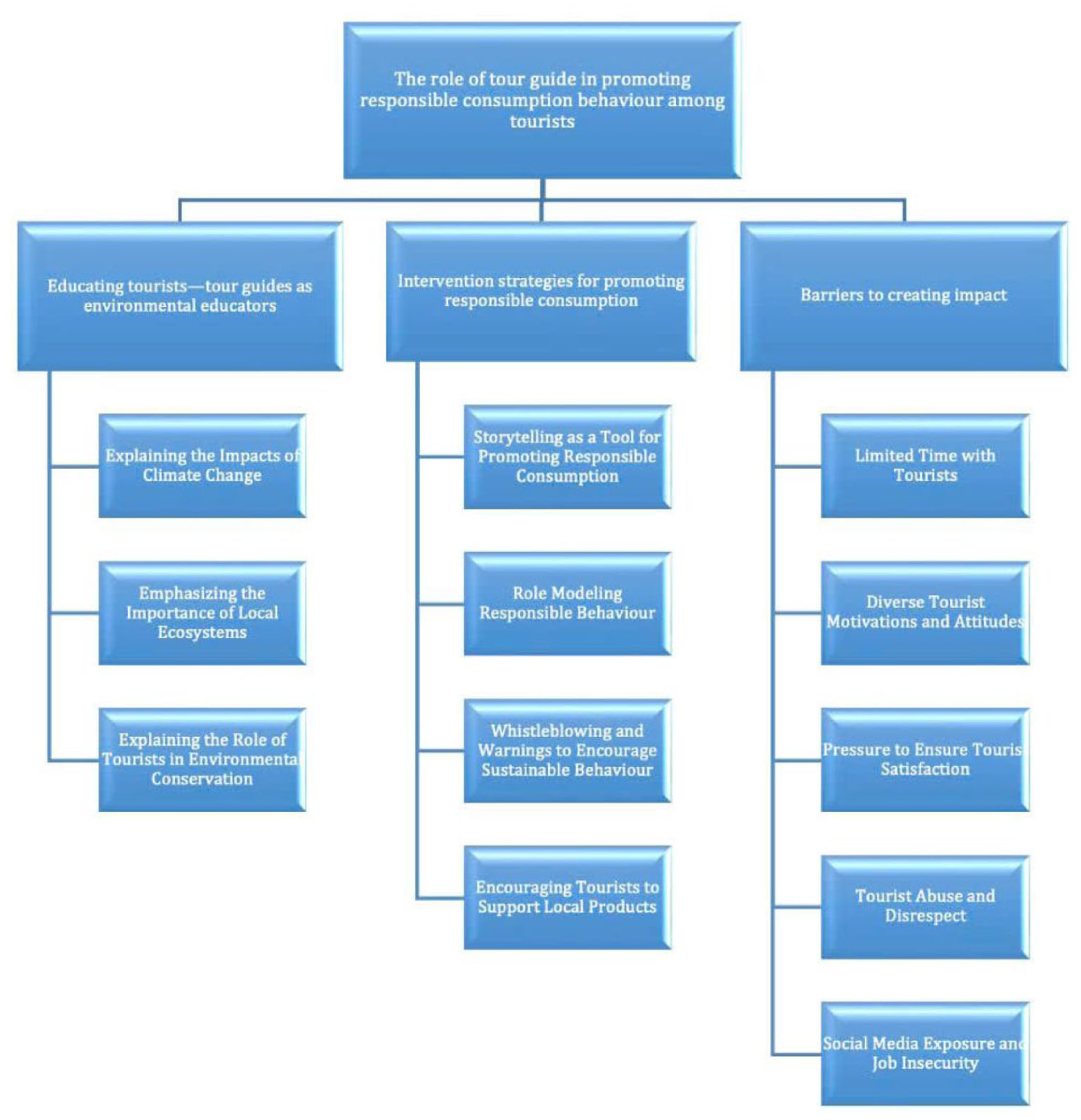
Diagram of issues related to the tour guide’s role.
Findings
This section presents the key findings from the interviews with 48 tour guides in the Mekong Delta, focusing on their role in promoting responsible consumption behavior among tourists. Three main themes emerged: (1) Educating tourists—tour guides as environmental educators, (2) Intervention strategies for promoting responsible consumption, and (3) Barriers to creating impact. These findings shed light on the tour guides' experiences and challenges as they navigate the intersection of tourism, environmental conservation, and tourist behavior.
Educating Tourists: Tour Guides as Environmental Educators
Tour guides in the Mekong Delta serve as key players in raising awareness among tourists about the environmental issues impacting the region, especially those related to climate change. They provide critical information and facilitate an understanding of the relationship between tourism, consumption patterns, and environmental sustainability. Several subthemes emerged from the interviews, highlighting how guides approach their educational roles. These include explaining the impacts of climate change, emphasizing the importance of local ecosystems, and explaining the role of tourists in environmental conservation.
Explaining the Impacts of Climate Change
One of the fundamental aspects of educating tourists is helping them understand how climate change is directly affecting the Mekong Delta. The region is highly vulnerable to rising sea levels, unpredictable flooding, and salinization, all of which threaten local agriculture and livelihoods. Tour guides play a crucial role in illustrating the real-time effects of these changes, especially to international tourists who may not be familiar with such environmental challenges.
Tour guides often provide real-world examples that tourists can witness during their visit, such as changes in water levels or the shrinking size of floating markets. These tangible observations help tourists grasp the urgency of climate change in the region. Participant 7, a tour guide with ten years of experience, explained: I always point out how different the water levels are now compared to a decade ago. It shocks tourists when they hear that the same spot where we are standing used to be much deeper or more vibrant. I explain that this is a direct result of climate change, affecting everything from the farmers’ crops to the fishermen’s livelihoods. (Participant 7)
Other tour guides, such as Participant 37, who has seven years of experience, focus on how climate change affects local food production, making the consequences more relatable for tourists. He noted: When tourists see the farmland and the fruits here, I explain how it’s getting harder and harder to maintain these crops. The rising saltwater levels have damaged the soil, and many farmers have to leave their lands. Tourists are surprised when they learn that they might not see these fruits in the future if nothing changes. (Participant 37)
By providing these localized examples, tour guides make the abstract concept of climate change more concrete for tourists, ensuring they understand its direct impact on the environment and people in the Mekong Delta.
Emphasizing the Importance of Local Ecosystems
In addition to explaining the impacts of climate change, many tour guides emphasize the significance of preserving local ecosystems. The Mekong Delta is known for its rich biodiversity, and tour guides often highlight the interconnectedness of the natural environment and human communities. Educating tourists about the importance of ecosystems is a key strategy in promoting responsible consumption.
Participant 46, a tour guide with 11 years of experience leading luxury groups, shared how she educates tourists about the importance of the delta’s mangroves: I take tourists to the mangrove forests and explain that these trees are a natural barrier against floods. They’re also home to many fish species and wildlife. Without the mangroves, the local communities would suffer from even more severe flooding. When tourists understand this, they become more careful about not damaging the environment. (Participant 46)
Tour guides also use their tours to showcase the delicate balance of the region’s ecosystem, making tourists aware of the risks posed by pollution and over-tourism. Participant 5, who has 12 years of experience in adventure tours, highlighted this during his tours: I always tell tourists that everything in the delta is connected. If they throw trash into the river, it affects the fish, the birds, and ultimately the local people who rely on those resources. Once they see the bigger picture, they’re more cautious about their actions. (Participant 5)
By focusing on the importance of preserving local ecosystems, tour guides help tourists understand the broader environmental context of the Mekong Delta and the need for responsible behavior during their stay.
Explaining the Role of Tourists in Environmental Conservation
Another key aspect of educating tourists is making them aware of their role in environmental conservation. Tour guides often emphasize that while tourism brings economic benefits to the region, it also contributes to environmental degradation if not managed responsibly. This subtheme highlights how guides communicate the ways in which tourists can actively contribute to conservation efforts.
Participant 20, who specializes in cultural tours, explained how she discusses responsible behavior with tourists, particularly in terms of waste management and consumption habits: I always remind tourists that they are guests in this environment. Simple actions as not using plastic bags, or choosing locally made products, can make a big difference. I tell them that the future of the delta depends not just on the local people, but also on how visitors behave. (Participant 20)
Similarly, Participant 23, a guide who leads nature-focused tours, educated tourists on how they can reduce their environmental footprint (see Quote 10—Table 2). Tourists’ behavior, particularly when visiting delicate ecosystems such as the Mekong Delta, can have lasting effects. Participant 9 (see Quote 9—Table 2) made a conscious effort to explain this responsibility to both domestic and international tourists. By explaining the role of tourists in environmental conservation, tour guides ensure that visitors understand their responsibility in protecting the region. This approach helps bridge the gap between tourism and sustainability, making tourists active participants in environmental preservation efforts.
Intervention Strategies: Promoting Responsible Consumption
Tour guides in the Mekong Delta not only educate tourists about environmental issues but also employ various intervention strategies to promote responsible consumption behaviors. These strategies, including storytelling, role modeling, whistleblowing, and issuing warnings, are designed to encourage tourists to minimize their environmental impact during their stay. The guides tailor these methods based on the specific needs of each group, ensuring that tourists—from international visitors to domestic travelers, are encouraged to act responsibly in the sensitive ecosystems of the Mekong Delta.
Storytelling as a Tool for Promoting Responsible Consumption
Storytelling is one of the most effective tools used by tour guides to promote responsible consumption. By sharing local anecdotes and real-life experiences, guides make the consequences of irresponsible behaviors, such as littering or overconsumption, more relatable to tourists. These stories create an emotional connection between tourists and the local community, making it easier for them to understand the need for sustainable practices.
Participant 20, a tour guide who has been working in the region for eight years, shared how she uses the story of a local fisherman to highlight the impact of environmental degradation: I tell tourists about a fisherman who used to have a big catch every day, but now his catch has reduced because of water pollution and overfishing. They realize that small actions, like not throwing trash into the river or buying locally sourced seafood, can make a difference. It’s a powerful story that makes them think twice before they act. (Participant 20)
This approach personalizes the issue and encourages tourists to change their consumption behaviors, as they begin to see how their actions can directly impact the livelihoods of local people (see Quote 12—Table 2). Storytelling thus serves as a bridge between tourists and the local environment, providing a compelling narrative that fosters greater responsibility and awareness among travelers.
Role Modeling Responsible Behavior
In addition to storytelling, many tour guides actively model responsible consumption behaviors themselves, encouraging tourists to follow suit. By demonstrating environmentally friendly actions, such as using reusable water bottles, avoiding single-use plastics, or picking up litter, guides set a positive example for tourists to emulate.
Participant 5, who has 12 years of experience guiding adventure tours, explained how his own actions influence tourists: I make sure to bring my own reusable water bottle and explain to tourists why I avoid plastic bottles. It’s a small action, but when they see me doing it, they start asking questions. By the end of the tour, most of them are committed to using less plastic, at least during their trip here. (Participant 5)
This modelling approach is particularly effective with international tourists, many of whom may already have a basic understanding of sustainability but need practical examples of how to apply it in their travels. Participant 17, who has been guiding family groups for 10 years, shared that she used role modelling to promote responsible consumption among domestic tourists, who may have less exposure to sustainable practices (see Quote 18—Table 2). By embodying the behaviors they wish to see in tourists, Participants 5 and 17 subtly encourage responsible consumption without directly imposing rules on their guests.
Whistleblowing and Warnings to Encourage Sustainable Behavior
In situations where tourists engage in behaviors that could harm the environment, such as littering or purchasing illegal products, tour guides often resort to whistleblowing or issuing warnings. These direct interventions are necessary to prevent irreversible damage to the environment, especially in the Mekong Delta.
Participant 23, a guide who leads nature enthusiasts on eco-tours, described how she handles tourists who may unknowingly engage in harmful behaviors: Sometimes tourists buy products made from endangered species without realizing it. I tell them right away that this is illegal and harmful to the environment. Most of them are shocked because they didn’t know, and they immediately stop. I always explain why it’s so important to avoid these products, so they understand the consequences. (Participant 23)
These warnings are not just about enforcing rules; they are also about educating tourists on the legal and environmental consequences of their actions (see Quote 19—Table 2). Whistleblowing and warnings thus act as immediate interventions that prevent further environmental damage while also reinforcing the educational aspect of the tour. Tourists are made aware of the consequences of their actions and are encouraged to make more sustainable choices going forward.
Encouraging Tourists to Support Local Products
Another important intervention strategy employed by tour guides is encouraging tourists to support local products, which not only benefits the local economy but also reduces the environmental impact associated with mass-produced goods. By promoting the purchase of locally made, eco-friendly products, tour guides help tourists make more sustainable choices that align with responsible consumption.
Participant 39, a guide with six years of experience, emphasized the importance of this approach: I always tell tourists to buy local products rather than mass-produced souvenirs. Not only are they supporting the local economy, but these products are often made from sustainable materials. I explain that by choosing local, they are helping to preserve the environment and local culture. (Participant 39)
This approach is particularly effective with international tourists, who are often eager to bring back authentic souvenirs from their travels. By choosing locally made items, they reduce their carbon footprint and contribute to the sustainable development of the region. Participant 46, who guides luxury tourists, also emphasized the environmental benefits of promoting local products: I explain to tourists that local products are often made with natural, biodegradable materials, unlike the cheap plastic souvenirs sold in tourist shops. When they understand the environmental benefits, they’re more likely to choose these items. It’s a win-win for both the environment and the local community. (Participant 46)
By actively promoting local products, tour guides encourage tourists to engage in responsible consumption that not only minimizes their environmental impact but also supports the sustainability of the Mekong Delta’s communities.
Barriers to Creating Impact: Challenges Faced by Tour Guides
While tour guides in the Mekong Delta play an essential role in educating tourists and promoting responsible consumption behaviors, they face significant barriers that hinder their ability to create lasting impacts. These challenges stem from factors such as limited time with tourists, diverse tourist motivations, the pressure to ensure tourist satisfaction, abuse from tourists, social media exposure, and job insecurity. These obstacles can reduce the effectiveness of the tour guides’ efforts to encourage environmentally responsible behavior, making it difficult to foster long-term change.
Limited Time with Tourists
One of the primary barriers that tour guides encounter is the limited time they have to interact with tourists. Many tours, especially day trips or short excursions, do not provide sufficient time for in-depth discussions about environmental conservation and responsible consumption. Tour guides often have to condense important information into brief moments during the tour, which can limit the depth of their environmental messaging.
Participant 7, a guide with ten years of experience, shared how time constraints often prevent him from fully conveying the significance of climate change and responsible tourism: In most cases, I only have a few hours with the tourists, which is not enough time to go into detail about climate change and the environment. I do my best to mention key points, but I always feel like I’m rushing through the information. Sometimes they’re more focused on the scenery or taking pictures, and I don’t have time to explain everything. (Participant 7)
This lack of time limits the ability of guides to build a deeper connection with tourists and ensure that they fully understand their role in minimizing environmental damage (see Quote 23—Table 2). The constraint of time makes it challenging for tour guides to communicate the urgency of climate-related issues, which are often complex and require more than surface-level explanations.
Diverse Tourist Motivations and Attitudes
Another significant barrier that tour guides face is the diversity of tourist motivations and attitudes toward environmental conservation. Not all tourists come to the Mekong Delta with an interest in learning about the local environment or making responsible consumption choices. Some are primarily focused on recreation, sightseeing, or experiencing local culture, and may not prioritize sustainability during their travels. This diversity makes it difficult for guides to tailor their messages in a way that resonates with all tourists.
Participant 38 described that it is challenging to get tourists to focus on environmental issues because they want to relax rather than hearing about climate change or responsible tourism (see Quote 26—Table 2).
This variation in attitudes is particularly evident in international versus domestic tourists. Participant 46, who guides luxury tourists, noted that international tourists tend to be more receptive to discussions about environmental conservation, while domestic tourists may be less familiar with the concept of responsible tourism: International tourists are often more aware of environmental issues, and they appreciate the information we provide. But domestic tourists sometimes see it as just another part of the tour, and they don’t always take it seriously. It can be difficult to get them to change their behavior, especially if they’re used to different practices at home. (Participant 46)
The challenge of catering to such a wide range of motivations and attitudes complicates the efforts of tour guides, who must find ways to appeal to tourists with varying levels of environmental awareness.
Pressure to Ensure Tourist Satisfaction
The pressure to ensure tourist satisfaction is another significant barrier that prevents tour guides from fully promoting responsible consumption. Tourists often expect a seamless and enjoyable experience, which can sometimes conflict with the need for environmental education and behavior change. Tour guides are frequently under pressure to prioritize tourist enjoyment over educational content, especially when tourists are paying for premium experiences.
Participant 36 emphasized the need to keep tourists happy which could interfere with delivering environmental messages (see Quote 30—Table 2)
This pressure to maintain tourist satisfaction can lead to a dilution of the environmental message, as guides are cautious about how much emphasis they place on responsible behaviors. Participant 23, a guide who focuses on ecotourism, also highlighted how this pressure affects her ability to promote sustainable practices: Tourists expect certain things from a tour, and sometimes that doesn’t align with sustainability. For example, they might want bottled water or expect to take home souvenirs that aren’t environmentally friendly. If I push too hard on telling them to avoid these things, they might not be as happy with the tour. It’s a constant juggling act. (Participant 23)
The expectation that tours should primarily be a source of entertainment rather than education limits the capacity of guides to encourage responsible consumption without risking tourist dissatisfaction.
Tourist Abuse and Disrespect
In some cases, tour guides face outright abuse or disrespect from tourists, which can severely hamper their efforts to promote responsible consumption. Tourists who are dismissive of the guides’ messages or who actively resist attempts to change their behavior create a hostile environment in which it is difficult to advocate for environmental sustainability.
Participant 37, a guide with seven years of experience, described a particularly challenging encounter with a group of tourists who disregarded his warnings about littering: I had a group once that just didn’t care. I asked them not to throw trash in the river, but they did it anyway. When I confronted them, they laughed it off and said it didn’t matter. It was really frustrating because no matter how much I explained the impact of their actions, they didn’t want to listen. It’s hard to make a difference when tourists don’t respect you or the environment. (Participant 37)
In such cases, the lack of respect for both the guide and the local environment undermines the entire effort to encourage responsible consumption. Participant 17, who has led tours for 10 years, shared a similar experience with a group of domestic tourists: Some tourists, especially larger groups, don’t take the environmental message seriously. They think it’s just part of the tour script and don’t realize the real impact of their actions. I’ve had groups that completely ignored what I said about not using plastic, and when I tried to explain again, they became rude. It’s tough to make a positive impact in those situations. (Participant 17)
Tourist abuse, whether verbal or behavioral, creates a significant barrier for guides who are trying to promote sustainability, as it fosters a sense of frustration and helplessness in their ability to effect change.
Social Media Exposure and Job Insecurity
Finally, the rise of social media and the resulting exposure of tour guides to public criticism further complicates their efforts to promote responsible consumption. In some cases, tourists may share negative reviews or complaints online if they feel that the guide’s focus on environmental issues detracted from their overall experience. This fear of social media backlash, combined with the precarious nature of their employment, can make guides hesitant to push too hard on sustainability issues.
Participant 21 mentioned that bad reviews can affect their job (see Quote 33—Table 2).The uncertainty of job security, particularly for freelance or independent tour guides, adds another layer of complexity. Many guides feel they must prioritize tourist satisfaction, even at the expense of promoting responsible behaviors, in order to maintain their livelihoods.
Participant 46, who guides luxury groups, also expressed concerns about the impact of social media: Social media can make or break a guide’s reputation. If tourists post negative feedback because they didn’t like the environmental focus of the tour, it can affect my job. I try to balance it by not pushing too hard, but it’s always in the back of my mind that one bad review could cost me future work. (Participant 46)
This tension between promoting sustainability and maintaining positive reviews creates an additional barrier, as guides feel compelled to moderate their environmental messaging to protect their professional reputations.
Discussion
Theoretical Implications
The findings of this study provide significant theoretical implications, particularly concerning the extension and contextual application of SPT to frontline tourism work in climate-induced destinations. While previous research on pro-environmental behavior in tourism has predominantly focused on individual psychological determinants, such as values, attitudes, and intentions (Lee et al., 2017; Luo et al, 2020; Wang et al., 2018), this study contributes by positioning responsible consumption as a socially co-produced and contextually enacted practice that emerges through interactions between tourists and tour guides. By shifting the analytical focus from individual behaviors to guided practices, this study broadens the explanatory scope of SPT within tourism.
SPT provides a lens to understand how its three interrelated elements—materials, competencies, and meanings—interact dynamically within the tourism context. This study empirically illustrates how these elements coalesce in real-world climate-affected tourism settings. By employing storytelling, sharing personal experiences, and offering localized anecdotes, tour guides do not simply transfer knowledge but actively produce situated sustainability practices that resonate with tourists. These practices align with Luo et al. (2023), who emphasize storytelling’s role in shaping emotions and behaviors, underlining its effectiveness as a strategy in fostering sustainable tourism. Storytelling emerges as a core guiding practice where “competencies” (narrative skill and environmental literacy) and “meanings” (emotional resonance and cultural values) are strategically mobilized to reframe sustainability for tourists. These interactions reveal how meaning-making is not static but constructed in situ through narrative co-performance. Furthermore, the findings support prior research indicating that tourists are more inclined to adopt sustainable behaviors when they are provided with explicit guidance and practical strategies to reduce their environmental impact (Mkono & Hughes, 2020). This highlights the critical role of embodied knowledge-sharing and real-time adaptation in encouraging environmentally responsible actions among tourists.
This study also deepens SPT by foregrounding the productive role of intermediaries, tour guides, as agents who not only mediate but generate and reproduce sustainable tourism practices through their day-to-day actions. By reframing guides’ work as responsible production, our study contributes to a growing body of literature that recognizes sustainability as embedded in labor and practice, not just individual consumer choices. This complement calls in tourism studies to move beyond behaviorist models of sustainability (Dolnicar, 2020; Peeters et al., 2024). The interactive and situated nature of tour guides’ practices is another significant insight illuminated by this study. Unlike static forms of communication, such as brochures or digital content, face-to-face encounters allow guides to tailor their messaging in real-time to suit the diverse backgrounds and motivations of tourists. For instance, international tourists may respond more positively to narratives emphasizing global environmental issues, while domestic tourists might find local conservation stories more compelling. This adaptability illustrates the flexible deployment of competencies in response to diverse meanings and constrained material settings, such as limited tour duration or lack of institutional support. This reinforces SPT’s assertion that sustainable behaviors are not merely adopted through passive information transfer but through socially negotiated, emotionally resonant, and materially supported actions.
The findings further extend prior research by highlighting the challenges tour guides face when interacting with tourists who have varying levels of environmental awareness and motivations for travel (Caruana et al., 2014; MacInnes et al., 2022). Also, cultural differences play a crucial role in shaping tourists’ understanding of environmental responsibility, which can influence how they perceive and respond to messages about sustainability (MacInnes et al., 2022; Peeters et al., 2024). These insights highlight the complexity of effectively integrating competencies and meanings into practice to foster sustainable tourism behaviors across diverse tourist demographics.
Furthermore, the emotional connections fostered by tour guides play a pivotal role in promoting sustainability. Through the sharing of personal and emotionally charged narratives, guides create a sense of shared responsibility and urgency among tourists, encouraging sustainable consumption behaviors. This demonstrates how “meanings,” one of the three core elements of SPT, are not abstract cultural values but emotionally grounded drivers of action. The findings align with previous studies (e.g., Xiong et al., 2023 or Carunana et al., 2014) that emphasize the role of emotional engagement in driving sustainable behaviors. Research by Xiong et al. (2023) demonstrated that emotional narratives are particularly effective in fostering pro-environmental attitudes among tourists, while Caruana et al. (2014) highlighted the importance of creating meaningful connections to inspire behavioral change. These parallels affirm the critical role of emotional resonance in advancing sustainable tourism practices.
However, the study also identifies systemic barriers, such as time constraints, competing tourist motivations, and the pressure to balance education with entertainment, which limit the full potential of these practices. These challenges emphasize the importance of enhancing the material and structural support available to tour guides. These barriers also highlight how the “materials” dimension of SPT, such as itinerary design, organizational support, and access to sustainable infrastructure, can constrain or enable practice-based sustainability. By addressing these barriers, stakeholders can empower guides to optimize their role as agents of sustainable tourism and amplify their impact on tourist behavior. These findings align with previous studies, such as Caruana et al. (2014) and Peeters et al. (2024), which highlight the complexities of promoting sustainable behaviors in diverse tourist groups with varying expectations.
Practical Implications
The findings of this study have significant practical implications for stakeholders within the tourism industry. First and foremost, there is a need for comprehensive training programs for tour guides that focus on both environmental education and effective communication strategies. Training should equip guides with the skills to engage diverse tourist groups, address varying levels of environmental awareness, and manage difficult situations, such as tourist disrespect or abuse.
Additionally, tourism operators and agencies should recognize the critical role of guides in promoting responsible consumption and support them in this mission. This support could include providing guides with resources, such as educational materials and tools for effectively conveying environmental messages, as well as promoting a more sustainable tourism philosophy throughout the organization. Encouraging guides to share their personal experiences and stories can enhance the emotional connection tourists have with the local environment, ultimately fostering a deeper commitment to responsible behavior (Hartman et al, 2019).
Furthermore, the tourism industry should strive to create an environment that prioritizes sustainable practices and encourages tourists to engage in responsible consumption (Higham et al., 2016). This could involve implementing policies that incentivize guides to promote eco-friendly practices, such as recommending local products or minimizing waste. By fostering a culture of sustainability within the industry, stakeholders can help ensure that both guides and tourists are motivated to engage in environmentally responsible behavior.
Lastly, addressing the barriers related to social media and job insecurity is critical. Tour operators and associations should develop guidelines and support systems to protect guides from negative feedback related to their environmental messaging. This could involve creating a framework for constructive feedback that emphasizes the importance of sustainability and supports guides in their efforts. By alleviating the pressures associated with social media exposure and job insecurity, tour guides will feel more empowered to advocate for responsible consumption and environmental conservation.
Conclusion
This study underscores the critical role of tour guides in promoting responsible consumption behaviors among tourists in the climate-affected Mekong Delta. By serving as immediate educators and key practitioners, guides can effectively communicate the significance of environmental conservation, influence tourist attitudes, and encourage sustainable practices. The findings indicate that the combination of knowledge, storytelling, and personal engagement enhances tourists’ emotional connections to the local environment, ultimately motivating them to adopt more responsible consumption habits. As the region faces ongoing challenges due to climate change, empowering tour guides with the resources and support necessary to fulfill their roles is essential for fostering a more sustainable tourism industry.
However, this study is not without limitations. The research is based on qualitative interviews with a specific sample of 48 tour guides, which may not fully represent the diverse experiences and perspectives within the broader tour-guiding community. Additionally, the study focuses on the Mekong Delta region, and while the findings may have broader implications for similar contexts, they may not be directly applicable to other regions facing different environmental challenges. Future research should consider expanding the sample size and exploring the experiences of guides in various geographical and cultural settings to provide a more comprehensive understanding of their role in promoting responsible tourism practices. Furthermore, while this study provides valuable insights into the perspective of tour guides as key suppliers of responsible tourism practices, it does not address how these practices influence tourists’ attitudes and behaviors in the short or long term. Specifically, the study does not examine whether participating in guided tours leads to meaningful and sustained changes in tourists’ environmental behavior, such as reducing plastic use or improving waste management practices. This limitation restricts our ability to assess the full impact of tour guides’ efforts on promoting responsible tourism. Future research should expand on this work by incorporating tourists’ perspectives, either through dyadic interviews or observational studies, to better capture the interactive and potentially co-productive nature of responsible consumption behaviors during guided experiences. A mixed-methods approach combining pre- and post-tour surveys with in-depth interviews could provide a nuanced understanding of the immediate and lasting impacts of guided tours. Longitudinal studies tracking tourists’ behavior changes after returning home would offer additional insights into the effectiveness of responsible tourism initiatives in fostering sustainable habits. These studies could also investigate factors that enhance or hinder the transfer of responsible behavior from tour contexts to everyday life, contributing to the broader field of sustainable tourism.
Footnotes

Author Contributions
Tin Doan: Conceptualization, Data curation, Formal analysis, Methodology, Project administration, Supervision, Writing - original draft
Van-Hoa Tran: Formal analysis, Investigation, Project administration, Resources, Writing - review & editing
My-Duyen Nguyen: Data curation, Resources, Writing - review & editing
Thao-Nguyen Vo: Data curation, Resources, Writing - review & editing
Mai Nguyen: Conceptualization, Project administration, Supervision, Writing - review & editing
Funding
The authors received no financial support for the research, authorship, and/or publication of this article.
Declaration of Conflicting Interests
The authors declared no potential conflicts of interest with respect to the research, authorship, and/or publication of this article.