




Abstract
In this article, three elemental (dipole, loop, and meander) designs of an implanted biomedical device (IBD) antenna are studied to provide an enhanced understanding of fundamental (material and geometry) factors which would contribute to the regulation of a steady vital sign, with minimal effect on the surrounding tissue during monitoring and treatment. Dipole and Loop antennas are known to offer similar advantages in that they are both balanced antennas, while the Meander antenna is likely to offer better radiation resistance. The investigation was carried out through the design of experiments and finite element modeling of the temperature field due to the AC level applied (10 or 100mA), under the geometry of each given antenna type and three material options (Titanium, Cobalt Chromium, and Macor). Finally, a multi-criteria decision-making process is applied to select the optimal design under maximum field temperature, thermal conductivity, electrical conductivity, density, and specific heat attributes. The findings suggested that the Meander design made of Titanium would allow for a maximized overall performance with minimal thermal and radiation effects.
Keywords
1. Introduction
With the advent of X-rays in medical experiments in the late 19th century, the use of technology and electromagnetism for medical purposes has been continuously increasing. Implanted biomedical devices (IBDs) have been introduced in order to facilitate monitoring, treatment, and spectroscopy purposes, 1 and have become an indispensable member of the medical processes. Many people worldwide depend on IBDs due to their wide range of applications, such as temperature monitoring, pacemakers, electrical stimulators, and blood-glucose sensors. 2 Furthermore, they are characterized by use in cancer treatment, enhancement of drug absorption, imaging, septic wounds, improving patient’s comfort and care.3–5 An electrically small antenna for implantable devices is known to be an essential component to provide wireless communication between a patient and an access point. 6
Antennas are today used in a myriad of applications, from satellite television broadcasted over the world, to local handheld transceivers. Due to such diverse applications, the antennas themselves need to vary widely in design. For example, satellite television can be captured by a large parabolic antenna that has a very high gain, whereas cell phones use smaller forms of antennas, such as microstrip antennas or patch antennas. In this manuscript, we will be focusing on different forms of microstrip antennas. IBDs often have similar needs as cell phones but with different restrictions. Currently, there are numerous designs that meet the stringent restrictions for cell phones; including the monopole antenna, 7 the Meandered patch antenna, 8 the Dipole antenna,9,10 and the Loop antenna. 11
Pacemakers were initially introduced in the early 1960s and later in the form of swallowable pills, ultimately pioneering the research of sensing capabilities necessary to enable monitoring and treatment within the human body. 5 Today, modern-day pacemakers are designed to maintain a steady heartbeat throughout the daily activity as well as in the event of a missed beat or other emergencies. In addition, blood glucose monitors act as another biomedical sensing system, which is able to communicate a user’s capillary glucose levels at the moment of use. Wireless IBD, however, would allow for continuous monitoring of a user’s vital signals, with the data being transmitted to the antenna of a common smartphone for further analysis that can provide reliable health monitoring information (see Figure 1). The design of such small wireless devices can be challenging, as the physical parameters play a significant role in the effective communication of the antenna. The miniaturization of such devices and design optimization has been an area of extensive research for the last few decades. 12
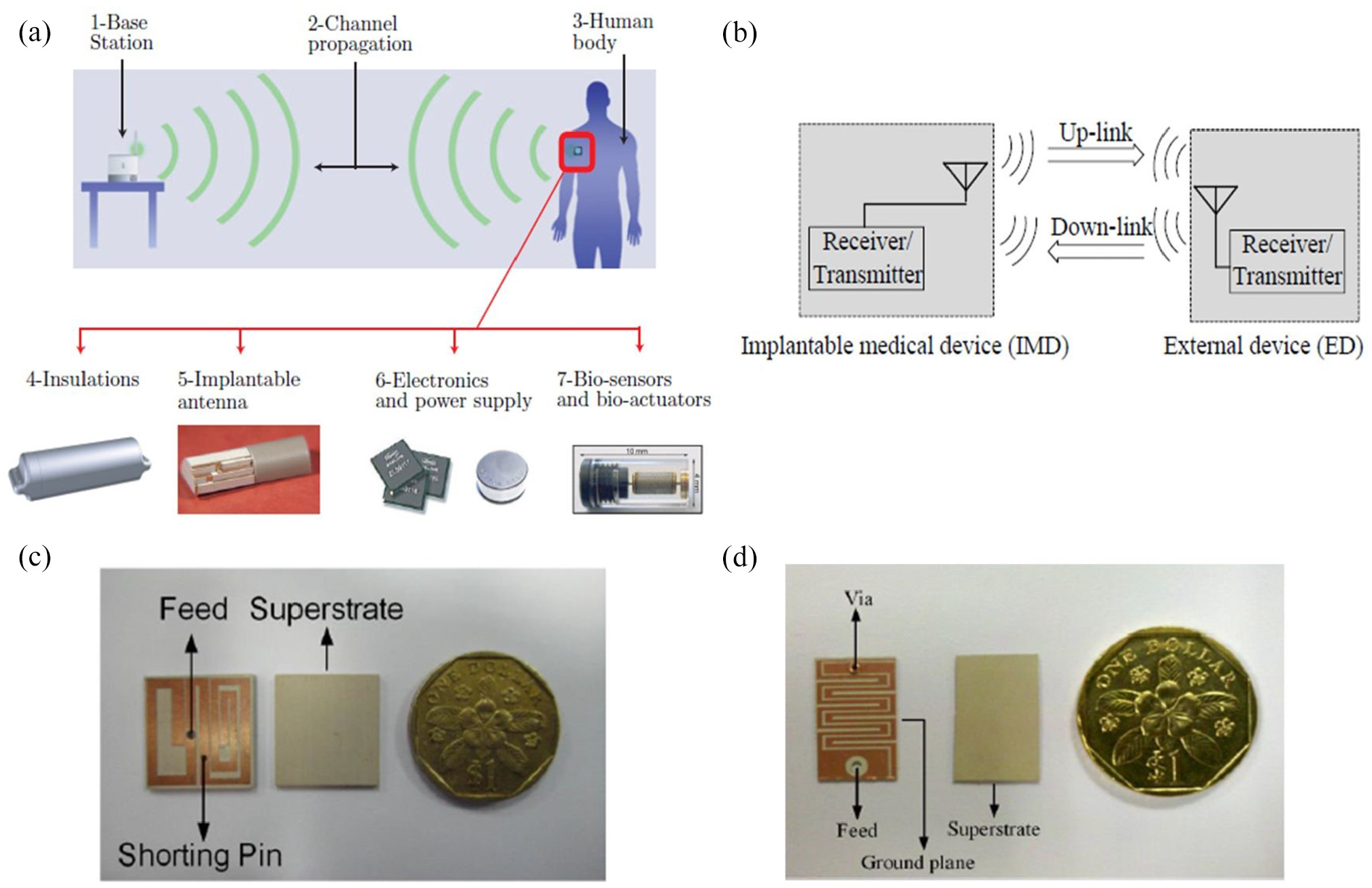
Healthcare monitoring system with a wireless implantable device provides reliable health monitoring information:(a) salient aspects in a wireless implantable system for data transmission from the implantable antenna; 5 (b) wireless communication link between implantable medical device and the external device; 13 (c) dual-band implantable antenna with two spiral arms; and 12 (d) a fabricated hybrid patch/slot implantable antenna with meandered slots. 14
IBDs have received a great deal of attention due to their wide range of abilities and applications. Throughout the design process, many factors, such as dimension, bandwidth, radiation efficiency, and specific absorption rate play a momentous role 5 in defining the capability of an IBD. Many research areas, including the biological and physical sciences program at the National Aeronautics and Space Administration (NASA), 15 have pursued and changed the design of implantable antennas in order to optimize radiation efficiency for ideal communication. Previously, emitted frequencies of previously designed IBDs have existed within the range of 330–2.4 GHz.15–18 Currently, the most common frequency band is the Medical Implant Communication Service (MICS), within the range of 402–405 MHz, excluding imagery data.17,19 Consequently, researchers have studied the effects of the antenna and radiating frequency on human tissue. For instance, Kim and Rahmat-Samii 20 characterized and designed the implanted antennas in the head and the body. Moreover, they investigated how the size of the shoulder will affect the performance of the Dipole inside the head. Soontornpipit et al. 21 designed a microstrip patch antenna using the finite difference time-domain method. In that study, the effect of shape, length, size, location of feed point and a ground point, substrate and superstrate materials, and their thickness were investigated. Karacolak et al. 22 studied implantable antenna intended for medical monitoring of the physiological parameters by measuring the skin samples of rats and modeling it in an in-house finite element boundary integral solver. Furthermore, a three-layer tissue model containing skin, fat, and muscle was analyzed in-depth for the design purposes of the implantable antenna.20,23,24 In the past decade, there has been a wide range of research completed on the performance and design of antennas; 25 however, to the best of our knowledge, no/limited studies have been reported on the thermal effects of antennas performing as an implanted biomedical device, especially using a multi-criteria decision-making analysis.
This article is intended to support the research and development of IBD by providing insight into thermal effects on the surrounding tissue after the antenna is implanted. The thermal performance of IBD antennas is studied in response to the design geometry, the magnitude of applied load, and the antenna material, to find the optimized design for use in the human body. Namely, three antenna design concepts (Dipole, Loop, and Meander) are modeled numerically, while comparing their thermal performances under different ACs (10mA and 100mA) and antenna material types (Titanium, Cobalt, and Macor). Section 2 reviews the fundamental formulations defining the operating principles of the select antennas, as well as the carrying current. In Section 3, the targeted finite element models are presented and the numerical and analytical results are compared. Finally, the obtained data are analyzed using a full factorial design of experiments, followed by a multi-criteria decision-making technique to show further optimization (selection) of best-implanted antenna for potential future use. By quantizing the thermal attributes of the antennas design, the interaction of each device alongside the mediums of human muscle, skin, and bone could be better understood, and thereby optimized for use within the human body. This area of research is deemed critically important in the advancement of associated IBD technologies, designed to further human health.
2. Methodology
2.1. Electro-thermal formulation for steady-state condition
In this section, fundamental operating formulations for a conductive medium under current are first reviewed analytically. By applying current, electrical energy turns irreversibly into thermal energy, the so-called joule heating, due to electrical resistance. Joule heating is the energy dissipation phenomenon that is commonly observed in electrical current-carrying conductors. In this process, the electrical energy converts into thermal energy irreversibly known as ohmic heating or electrical resistance heating. The thermal energy is mostly generated due to the loss of kinetic energy of current-carrying electrons by collisions among themselves and with the lattice atoms. 26
The differential thermal energy conservation equation relating heat conduction convection to heat storage dissipation and energy conversion can be expressed as 27

in which

where
2.2. Finite-element modeling
Finite element (FE), a well-known and powerful method, has enabled researchers to study various problems including biomedical applications in-body localization, in vivo sensor data acquisition. 28 To solve the governing equation in Section 2.1 for an arbitrary geometry using FE, the weak form of the governing Equation (2) should be found. After re-organizing the equation, the weak form can be described by multiplying by the weighting function w and integrating over the volume of the body:

The second term in the left-hand side of Equation (3) has a second-order derivative. Thus, the weak form with first-order derivatives via the divergence theorem can be written as
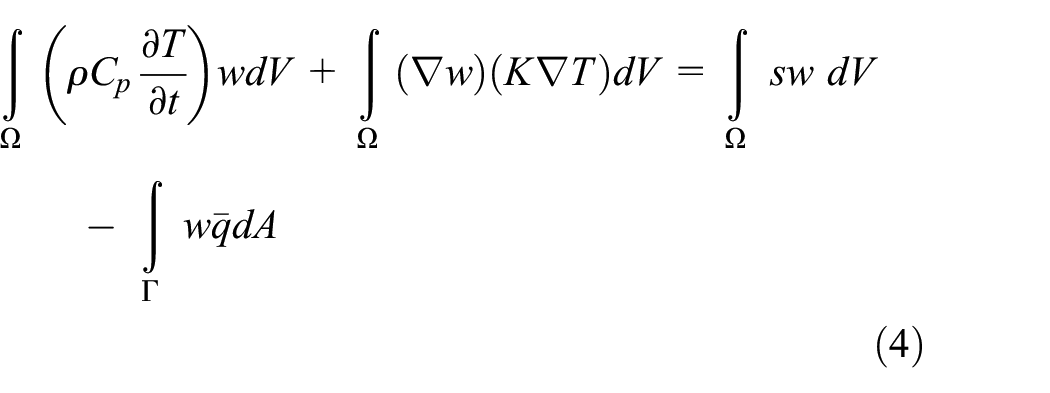
where

The weak form of the governing equation can then be solved using the FE method. A case in point is the comparison of the simulation results of the sensor with the visible human project data maintained by the national institute of health, 28 namely to study the antenna designs. The FE analysis in the present article is carried out considering the effect of temperature produced due to the AC applied to the antenna. The FE models were run in the coupled thermoelectric analysis module of Abaqus FE software, using linear coupled thermal-electrical elements.
2.3. Multi-criteria decision-making method
A multiattribute decision-making (MADM), namely using the Technique for Order of Preference by Similarity to Ideal Solution (TOPSIS), was employed in this work to rank the final selected antennas based on their thermal performance observed via the FE models and a full factorial design of experiments. TOPSIS is widely used for MADM in real-world problems and has been successfully applied to areas, such as transportation, product design, manufacturing, water management, and quality control. Furthermore, the concept of TOPSIS has been connected to multi-objective decision-making and group decision-making. The high flexibility of this concept is able to accommodate a further extension to make better choices in various situations.29,30 To evaluate the problem using the TOPSIS process (in the general form in the presence of a group of decision-makers/designers), at first the decision matrix
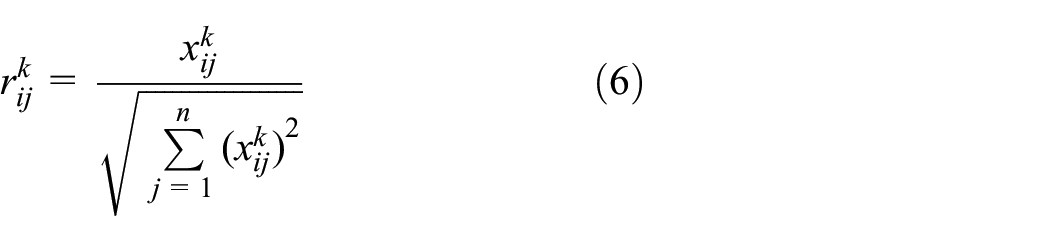
Note that in a generalized process, each decision-maker may opt to use a normalization scheme different from vector normalization.
29
Then, the positive ideal and negative ideal solutions,
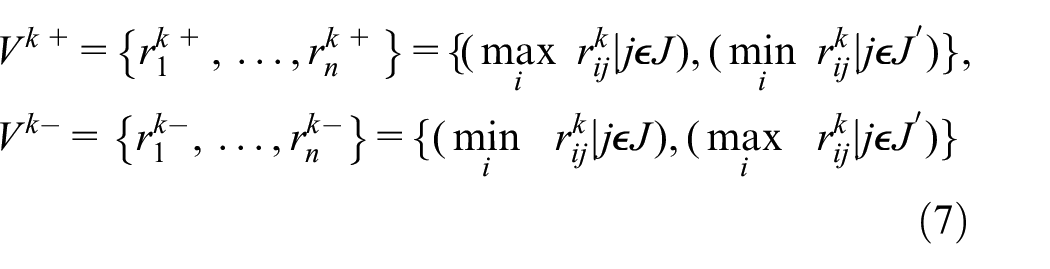
where
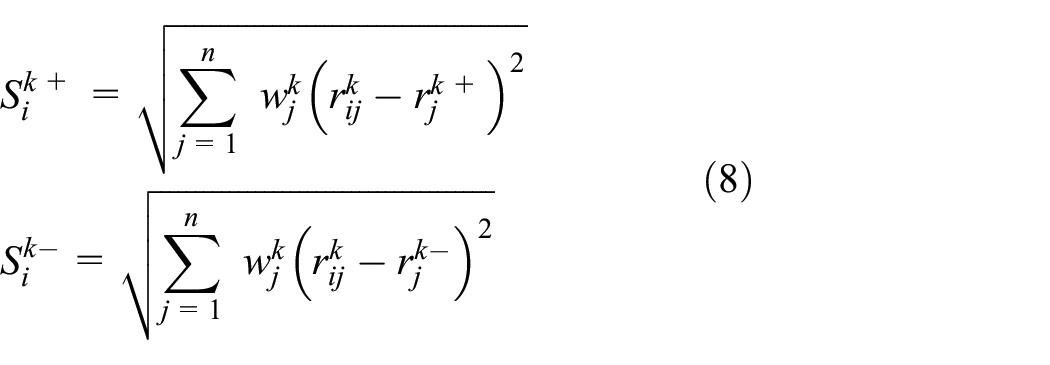
Where

where
3. Results and discussion
The effect of geometry, the magnitude of load, and the effect of material on the temperature distribution of an IBD antenna were studied numerically. Three different cases namely, Dipole and Loop, that are used for various applications, and Meander antennas as an extension of the basic folded monopole antennas that are widely used in IBDs (see Figure 2), have been analyzed under different loading conditions. Meander antennas are folded over in order to reduce the antenna size to lower the resonant frequency compared with the straight wire antennas of the same dimensions and become electrically small. 31 Throughout the analysis, Titanium, Cobalt Chromium alloy, and Macor are used widely in the literature are implemented. The electro-thermal properties of the aforementioned materials are given in Table 1.
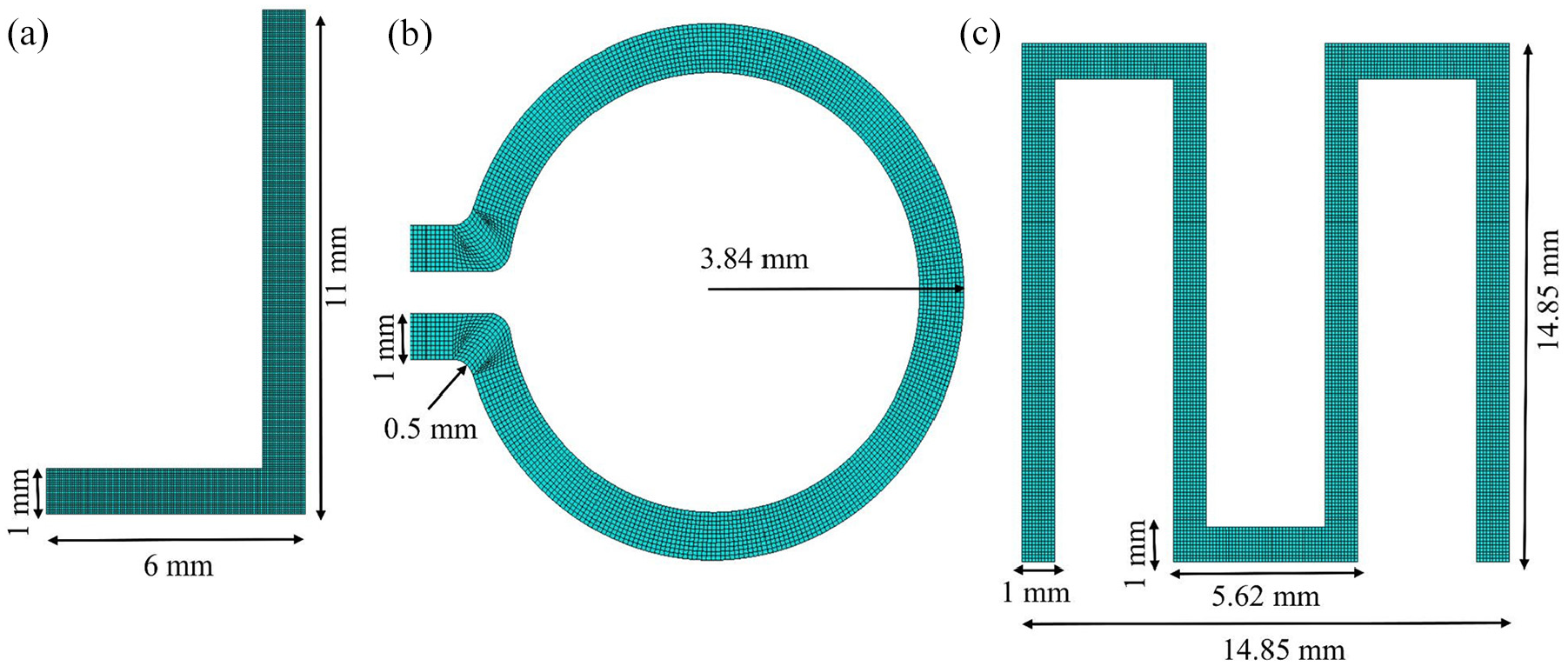
Three different antenna designs: (a) dipole, (b) loop, and (c) meander.
Electro-thermal properties of the candidate materials for antenna.

3.1. Validation
At first, for the sake of validation, a model was developed in Abaqus FE software (shown in Figure 3) where the thickness, width, and length of the model were considered to be

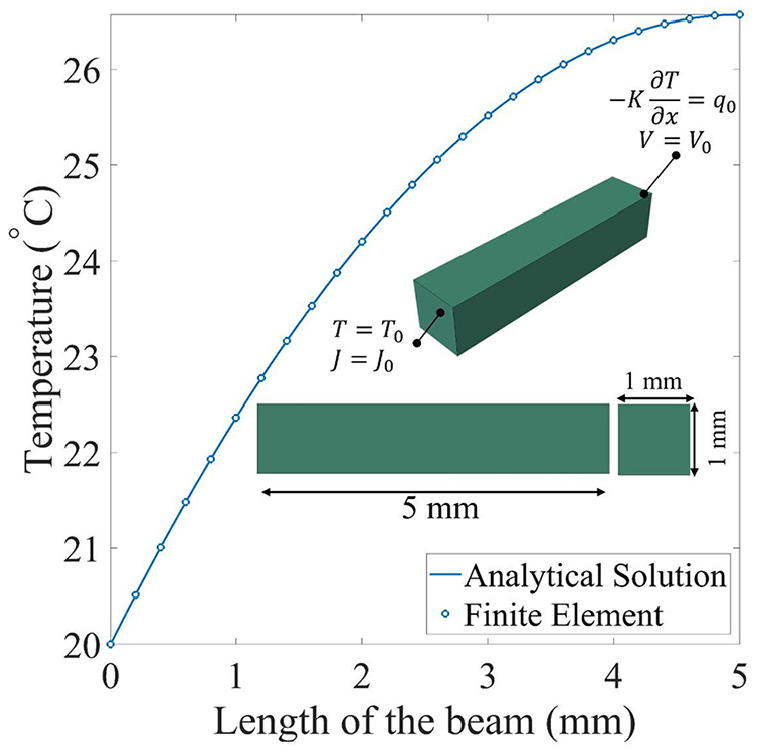
Dimension and boundary conditions of the current-carrying conductor and the comparison of the analytical solution with the numerical analysis for the current-carrying conductor.
Solving the aforementioned ordinary differential equation considering

The analytical solution was then compared with the FE simulation. As can be seen in Figure 3, the results were in precise agreement for the part made of Titanium. The temperature rise along the length of the model is significant, thereby raising the importance of studying this effect on antennas implanted in the human body.
3.2. Numerical examples
In this section, multiple examples are presented for various types of implanted antennas, using the FE model from the previous section. Geometrically, the antennas are designed to be small enough to be implanted into the human body. It is assumed that the wavelength is constant for each case as determined by the dimensions of the antenna. Each antenna has an AC at a frequency of 7.14 GHz, applied to a surface, while the other end of the antenna is constrained by keeping the electric potential constant at zero, that is, simulating a ground. The following simulations varied from the validation simulations in two key ways: (1) the applied load varies with time and (2) the solution is a transient simulation, whereas the validation simulations with a constant current were treated as a steady-state. In the validation simulations, the temperature at one end was held constant. However, to be consistent with the actual operating conditions of the antenna, this boundary condition was relaxed and only the initial temperature of the antenna was controlled. For each design and each material variation, 10mA and 100mA loads were applied to the surface of the antenna.
3.2.1. Mesh sensitivity analysis
A convergence analysis was performed to investigate the effect of mesh size on the finite element results. The extreme temperatures were observed around the corners, which were dependent on the geometry of the antenna. Because the maximum temperature concentrates mainly around the corners, these specific regions are of higher interest; to capture the maximum temperature, hence, the convergence analysis was performed on this specific region. To reduce the computational time, node numbers were increased in this region. It was evident that so long as the mesh size decreases (number of nodes increases) the temperature field changes until it converges. Figure 4 presents the convergence study based on the mesh size. Based on the results shown in Figure 4, the temperature gradient almost converges when the number of nodes is more than 500 in that specific region where the temperature is maximum.
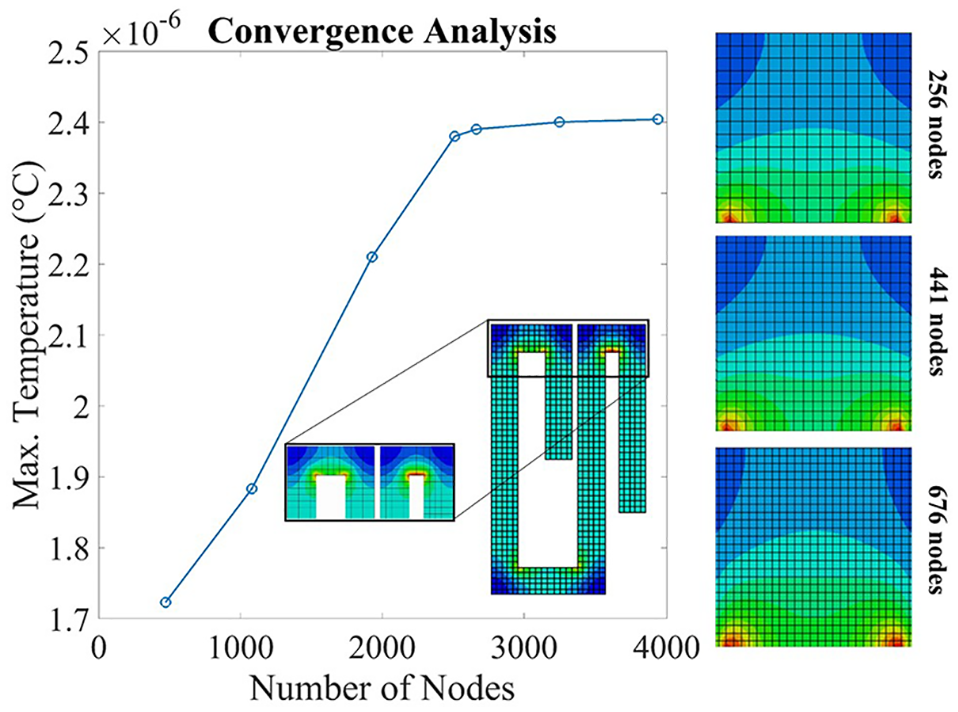
Convergence study on the critical region of the meander antenna and the mesh density comparisons.
3.2.2. Thermal analysis
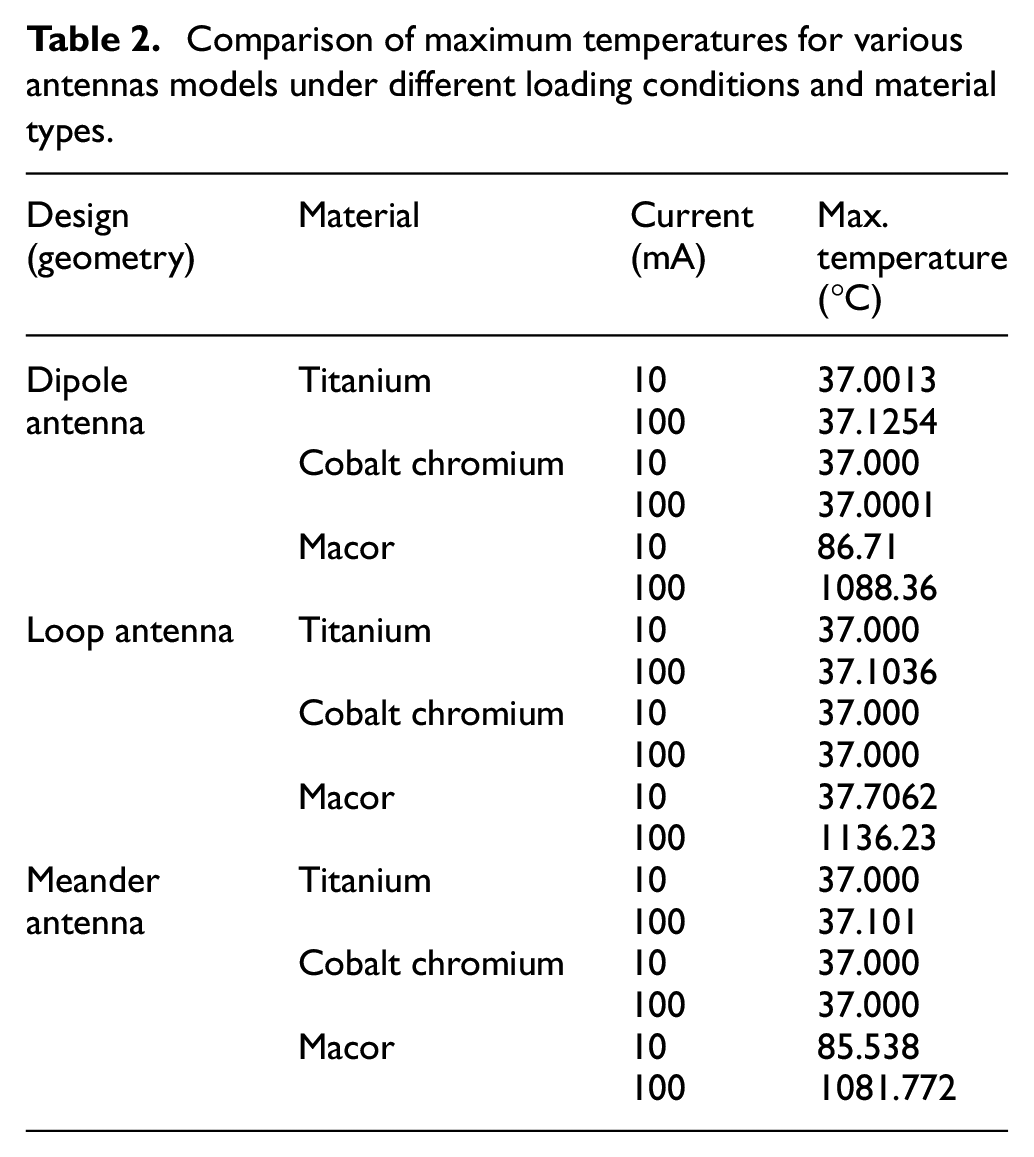
The obtained maximum temperature for each antenna design is shown in Table 2. As can be noted, the temperature is in positive correlation with the applied AC. In other words, as long as the current increases, the temperature rises dramatically. It can be seen that the effect of geometry is significant on the temperature variation of the carrying current sensor. Furthermore, it is clear that the material type also plays a significant role in the IBD antenna temperature field. Conclusively speaking, in contrast to Titanium and Cobalt, Macor results in higher temperature fields due to its electro-thermal properties. In Figure 5, the differences between these temperature fields for all antenna designs, allocating various materials and AC loading, are illustrated.
Comparison of maximum temperatures for various antennas models under different loading conditions and material types.
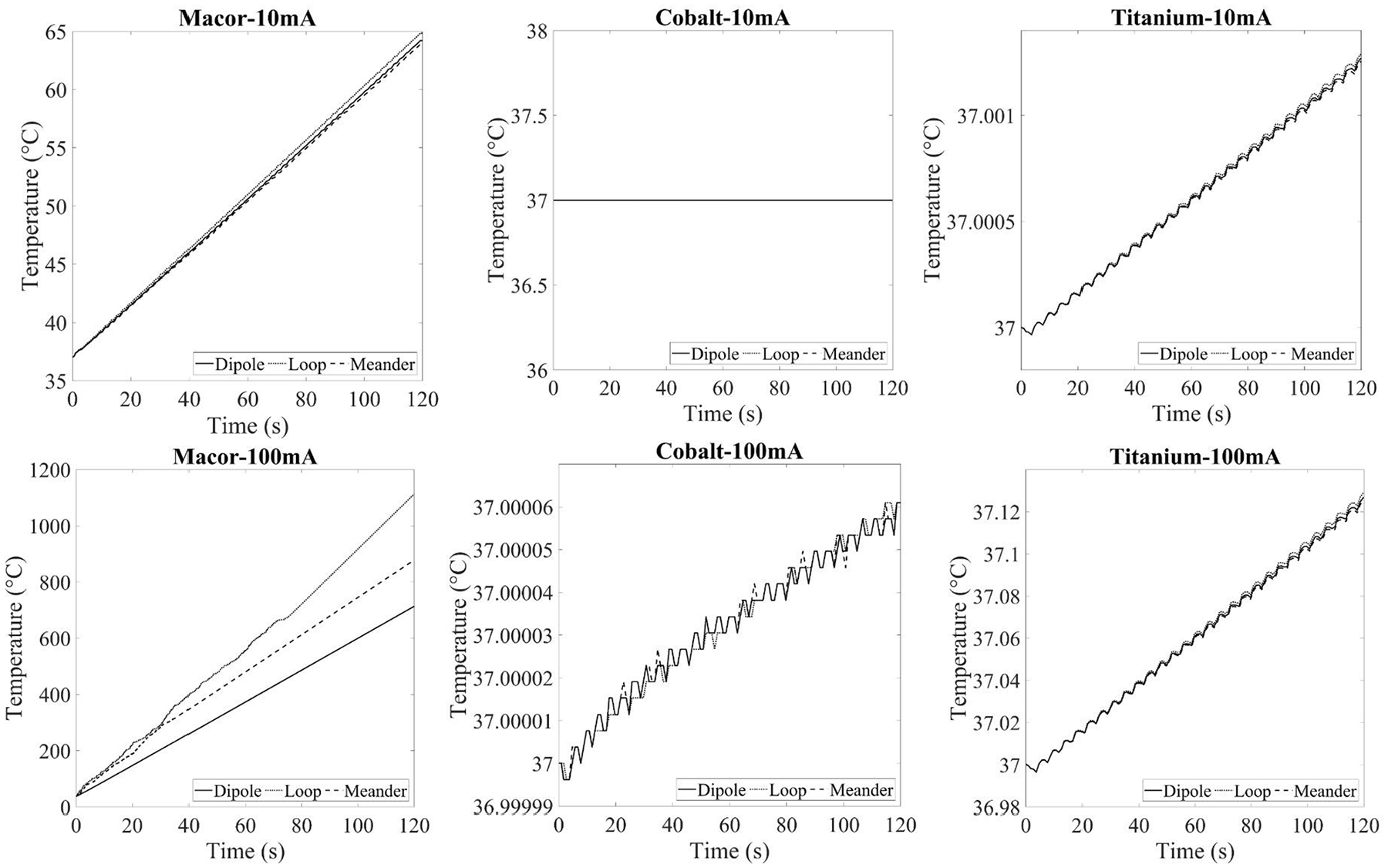
Temperature history of a critical node in all three antenna designs under AC loadings for various materials.
The results demonstrate that the temperature of the antenna under the AC loading increases constantly over time, except for the one made of Cobalt; the temperature differences over time are negligible. In addition, the amount of the applied AC has an effect on the maximum temperature. It was found that by increasing the applied AC, the maximum temperature has increased for all the antenna designs. However, this change of temperature was more obvious in the case of Macor. Moreover, the geometry of the antenna affects the maximum temperatures, which will be further analyzed next.
According to Figure 6, it can be seen that the geometry of the antenna is another significant factor in the temperature distribution. It can be observed that the Loop design has the most uniform temperature distribution in comparison with Dipole and Meander, which have the most unstable distribution, respectively. These results depict that the maximum temperature often occurs in the corners and around the edges of the antennas that are the momentous regions of antenna designs.
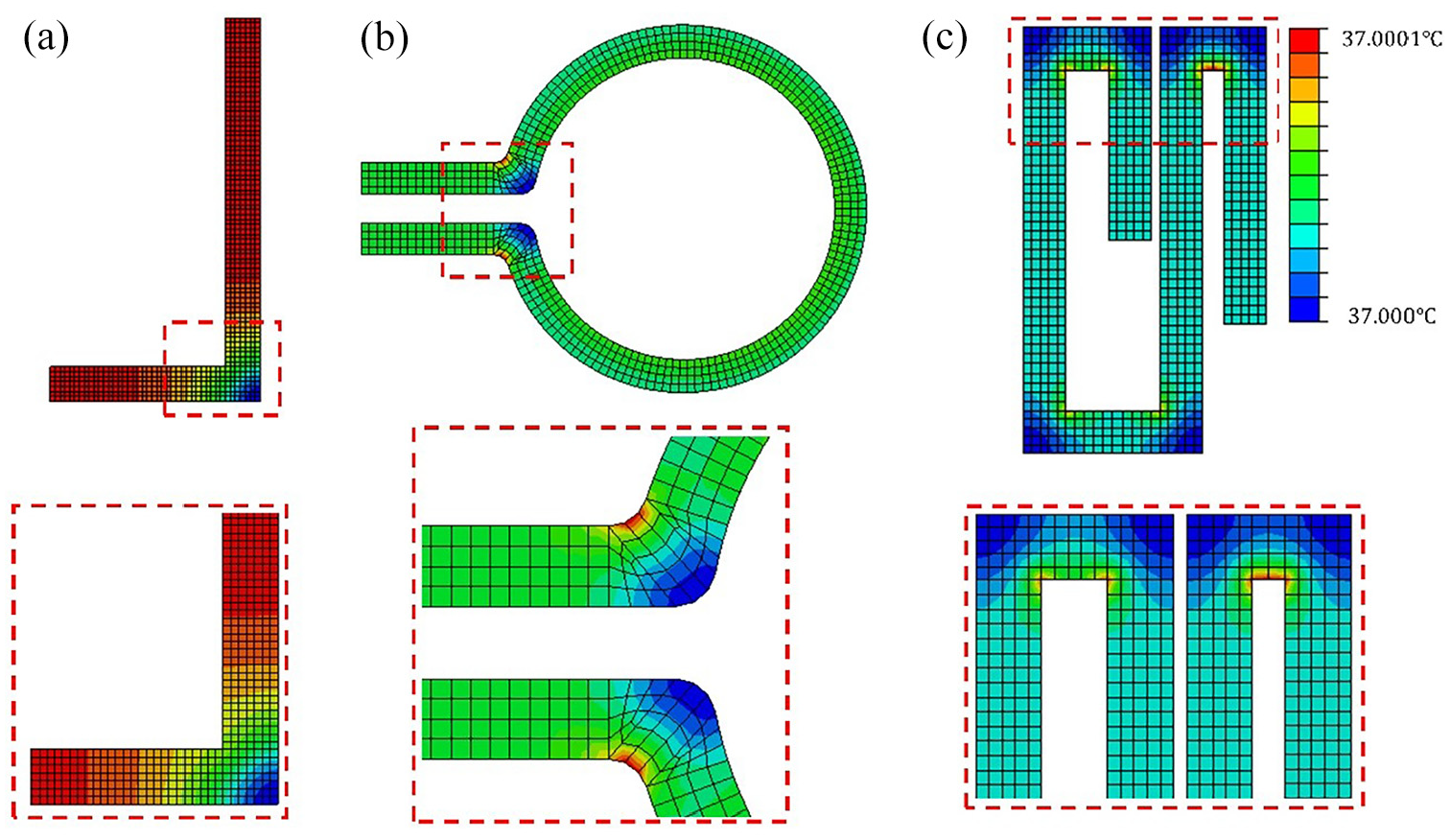
Comparison of temperature distribution in antennas for cobalt chromium and the effect of geometry on the temperature distribution: (a) dipole, (b) loop, and (c) meander.
3.3. Full factorial statistical analysis
Considering the effect of selected parameters in Table 2 on the temperature distribution under various loadings in the implanted antennas, a statistical analysis of the data would be essential to assist the optimal selection process. To conduct the data analysis, RStudio programming within the framework of the full factorial design was utilized. Table 3 presents the full factorial analysis based on the shown levels of each factor. Each case study was run in a numerical model, yielding a total of 18 computer experiments, corresponding to full factorial design with 3 levels of the antenna design, 3 levels of the materials, and 2 levels of the applied load.
Analysis of variance (ANOVA) on the effect of antenna design geometry, load, and material on the maximum temperature distribution.
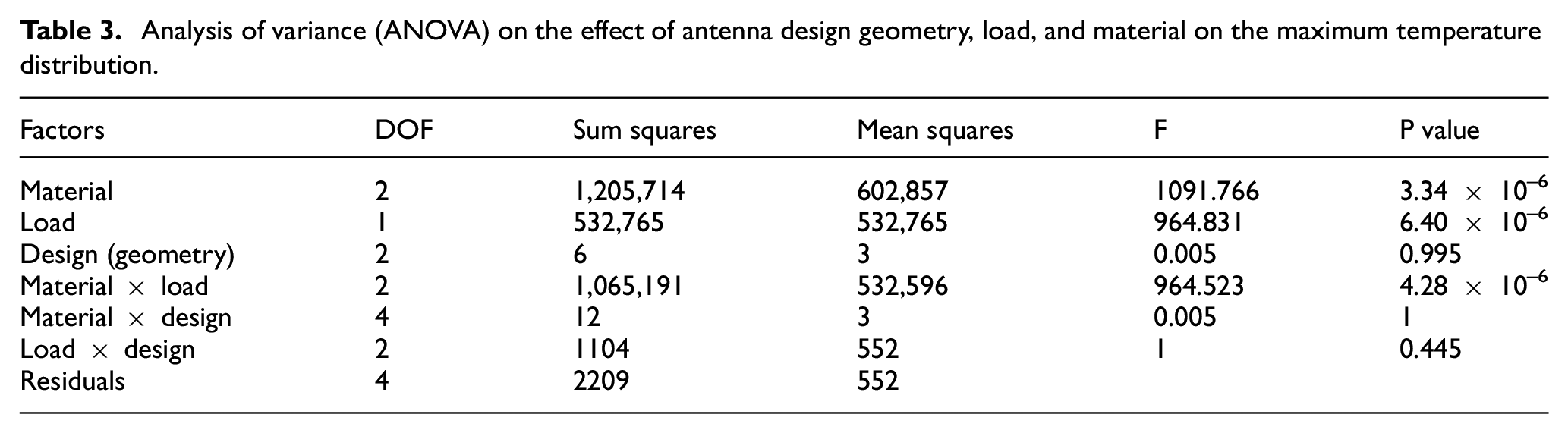
Based on the presented results in Figure 7 and Table 3, it can be concluded that the effect of material, load, and their interaction is significant, which is confirmed statically by performing an analysis of variation ANOVA on the full factorial dataset shown in Table 3 (P—values < 5% referring to a %95 significance of ANOVA hypothesis; null hypothesis is that all of variable contributions and interactions are not significant, which is rejected in this analysis). The results in Figure 7 also demonstrate that the interaction between the design and the load is insignificant in contrast to the interaction of the material and the loading conditions. According to the results in Figure 7 and Table 3, all the other interaction parameters were found to be insignificant in this case study, meaning that for design purposes, the selection of the material may be used to control the temperature variation regardless of its interactive effect with IBD antenna design (geometry).
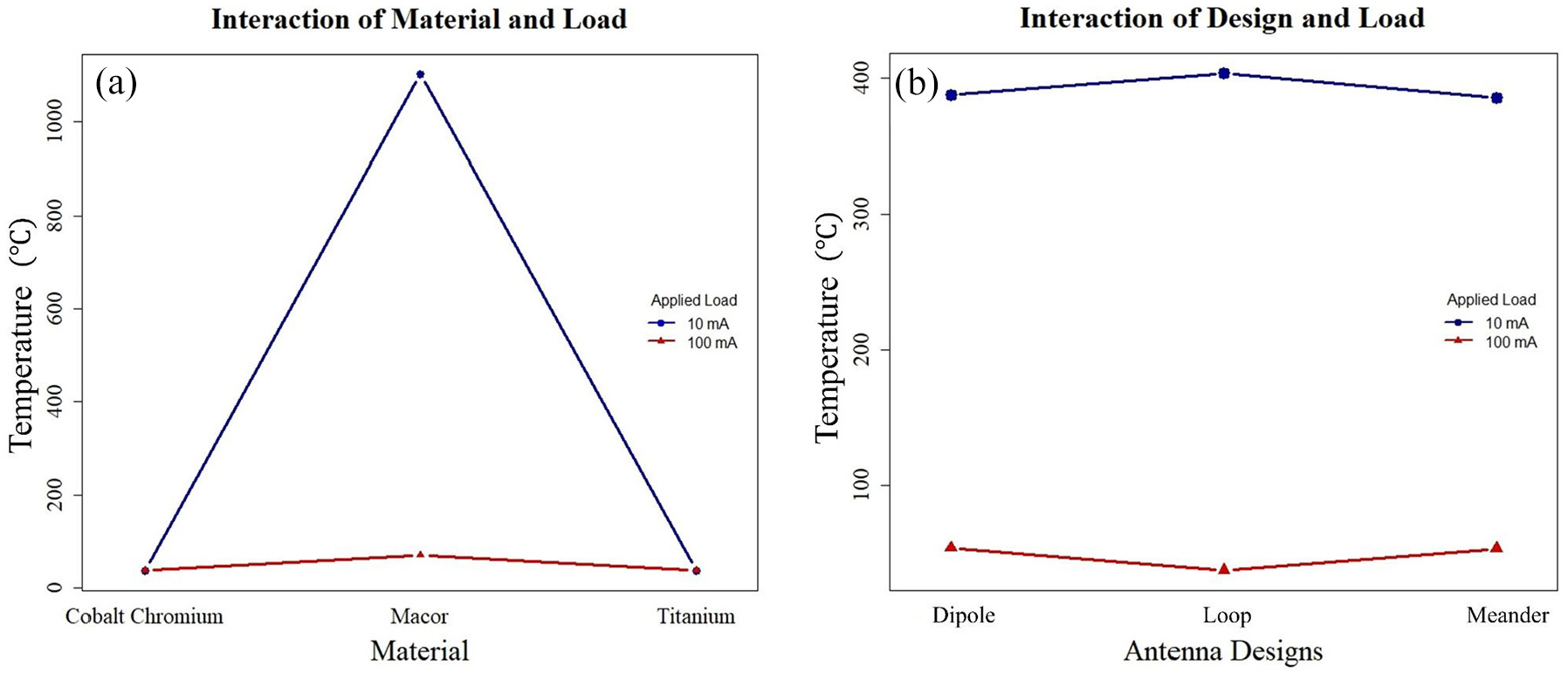
Interaction plots of (a) material and (b) antenna design (geometry) with the loading factor.
3.4. Multi-criteria decision-making analysis
There are several attributes that in practice may be considered for the decision-making/optimization of IBD antennas, presumably those that are most significant on the ensuing performance of the system. A number of such typical attributes with equal weights are shown in Table 4, along with the attribute values for each of the design cases (alternatives) considered in this study. In this multi-attribute decision-making analysis, maximum temperature (due to 100mA load) and thermal conductivity are chosen to be non-beneficial (i.e., cost-like) factors, as their higher values will cause damage to the body around the antenna. In contrast, other factors are assumed benefit-like as they repress the temperature distribution due to electrical loading. All the attributes were considered of equal weight by the group of decision-makers in the project. Based on these assumptions, the TOPSIS method of Section 2.3 suggested that Meander with Titanium would be the best design choice for the implanted antenna, as we expected based on its wide application in biology,32–34 while the Loop antenna made of Macor is the worst. An interesting observation from Table 4 is also that Titanium has been selected as the top material no matter which type of design (Dipole, Loop, or Meander), as shown by bolded ranks 1 to 3. This re-confirms and extends the earlier ANOVA results in Table 3 that there is no interaction between the IBD antenna material and design type, not only for the maximum temperature measure but also for the overall performance of the antenna.
Ranking of all antenna designs using a weighted, normalized matrix obtained using the TOPSIS method.
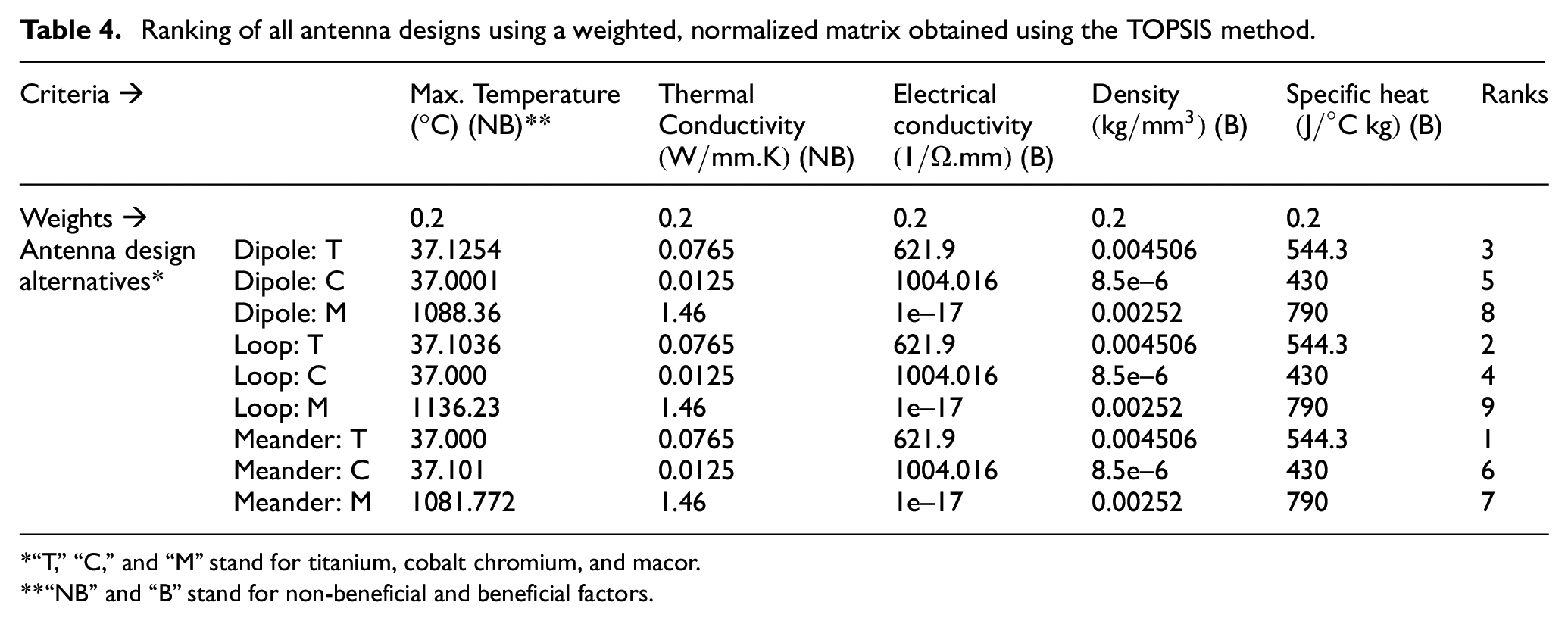
“T,”“C,” and “M” stand for titanium, cobalt chromium, and macor.
“NB” and “B” stand for non-beneficial and beneficial factors.
3.4.1. A general insight toward the top-ranked design
The key advantage of the Titanium Meander antenna design (ranked 1 via the TOPSIS method) is deemed to be a more ideal distribution of both thermal and radioactive effects when compared with Dipole, Loop, and other Meander antennas constructed of Titanium, Cobalt Chromium, and Macor. Practically, however, a limitation of Titanium Meander antenna design exists at the frontier of determining ideal frequency ranges for optimal remote connectivity. In addition, external dimensions for the antenna housing and materials for biocompatibility 35 should be further considered, to provide a more reliable consideration of the design.
4. Conclusion
In this study, we set out the thermal analysis aspect of the biomedical devices implanted within the human body. Three antenna designs (Dipole, Loop, and Meander) were modeled using Titanium, Cobalt Chromium, and Macor materials, under two current loads, 10mA and 100mA. One of the practical findings was that the geometry of the antenna can play an important role in the temperature distribution through the antenna. Interestingly, there were sizable differences in the temperature values around the corners and the edges under all different design types, as high as 56% when Macor material is used and the antenna is under a low current level. The study over the critical points in the design identified that Macor allocates, by far, the highest level of temperature over a short period, compared with Titanium and Cobalt-based designs. After implementing an analysis of variance, it was found that the material and AC loading factors, along with their interaction, have a significant effect on the temperature distribution in the antennas. Furthermore, a multi-criteria decision-making technique was implemented and focused on the maximum temperature as well as overall properties of the antennas. It was determined that a Meander design made of Titanium would allow for an optimum performance with minimal thermal and radiation effects on human tissue. The simulation-driven design and optimization of biomedical devices is currently a state of the art,36,37 specially when the application in question is highly sensitive or costly for experimental trials.
This research can be furthered via the simulations by designing a system in its entirety, featuring the surrounding media to optimizing the customized IBMs and an impedance-matched antenna, 38 followed by laboratory-scale experiments to examine the results. Testing the antenna in vitro and vivo is also an ongoing challenge, which needs a focus in terms of achieving the requirement of biocompatibility.
Footnotes
Funding
This research received no specific grant from any funding agency in the public, commercial, or not-for-profit sectors.
