




Abstract
This research explores the application of controlled-environment agriculture (CEA) in an Australian maximum security prison, aiming to enhance inmate health and wellbeing through improved diet. The implementation of a medium-scale greenhouse demonstrates how CEA can effectively increase the availability of fresh produce in prison settings. By engaging inmates and correctional staff in a co-design process, the project not only promotes better nutrition but also fosters community involvement and empowerment among the participants. This inclusive approach facilitates the development of innovative and practical solutions, transforming the prison environment and encouraging rehabilitation through active participation and skills development.
Keywords
Introduction
This research aims to improve the diet, health, and wellbeing of inmates in maximum security prisons through controlled-environment agriculture (CEA). CEA involves cultivating plants in enclosed structures, optimizing environmental factors like temperature, humidity, light, and carbon dioxide levels. The research focuses primarily on growing leafy vegetables using CEA. Conducted from 2021 to 2024, the project has evolved into the construction of a medium-scale working greenhouse, providing produce for the case-study prison, which is based in the state of New South Wales (NSW) in Australia. By implementing CEA techniques, the prison hopes to enhance food quality and availability, thereby positively impacting inmate health and wellbeing.
This article builds upon a previous publication by the same authors that introduced the study framework (Vaughan et al., 2023). Engaging stakeholders in a co-design process as a community led to valuable outcomes in developing innovative design solutions for the research problem. This collaborative approach helped identify and prioritize viable design solutions while eliminating impractical solutions that were either overly complex or outside the scope of prison settings. The earlier research study demonstrated the feasibility of involving both custodial staff and inmates in a participatory co-design environment. Through custom-designed participatory design sessions, participants were able to effectively express their ideas and aspirations, aiming to create a prison infrastructure that they perceived as being more suitable and beneficial for themselves as end users. The co-design sessions demonstrated that carefully calibrated and purposeful settings enabled individuals within the inmate population to explore and expand their potential.
Maximum security prisons are known for their stringent restrictions on the movements and activities of their inmates, who are deemed to pose a high risk to the public or other inmates. However, the maximum security prison examined in this case study presents a notable departure from conventional correctional facilities of equivalent security rating. Instead of confining inmates to cells, this prison employs open-plan, high-ceilinged, dormitory-style arrangement known as pods. Each pod accommodates 25 inmates in individual cubicles resembling offices, which are equipped with a desk, stool, mattress, shelving, and an interactive touch-screen television. Additionally, there are telephones available for paid short calls, as well as a kitchenette equipped with microwave ovens, refrigerators, a barbecue grill, a toaster, and a hot water urn. Each pod also includes eight bathroom cubicles featuring a toilet, sink, and shower.
In this prison, inmates are required to participate in productive activities, such as paid employment, educational programs, life skills training, and recreation. These activities aim to address their offending behavior and prepare them for their eventual reintegration into society. The facility places a strong emphasis on inmate well-being and personal growth while maintaining strict security measures. Remarkably, despite the open nature of the accommodation, this maximum security prison reports significantly lower rates of assaults, deaths, escapes, and self-harm incidents compared to similar institutions.
This prison exemplifies the desistance concept in its philosophy and ideology. Desistance, as described by Bachman et al. (2016), involves offenders reframing their past criminal selves, developing prosocial identities, and reconciling their current identities as good people, leading to increased prosocial behavior and emotional stability. Through effective rehabilitation and reintegration programs in correctional centers, the criminal justice system can support offenders in their journey towards desisting from crime and leading law-abiding lives.
This prison also incorporates the concept of tertiary desistance, which pertains to the experience of being trusted as an inmate within the prison (Gadd, 2006; Ugelvik, 2022). It features an Inmate Delegate Committee (IDC) that is self-funded through the sale of chicken eggs to inmates. This committee provides a platform for inmates to contribute to the safe operation of the prison by assuming personal and shared responsibilities.
The IDC serves as a forum for knowledge exchange between inmates and prison administrators, where both sides can share ideas for new initiatives, strategies for the prison's safe operation, and opportunities for vocational training. Inmates themselves run educational programs, including language, art, and craft classes, as well as a design and innovation hub where they receive training to become designers. Over the past five years, inmates in the design hub have designed infrastructure for prisons across Australia.
The co-design process has led to the development of a medium-scale commercial farm in the prison, demonstrating the emergence of active desistance measures. Restorative processes have become evident, as inmates envision themselves working in the planned future farm while receiving horticultural education and training, which could lead to productive employment for parolees after their release. In this way, inmates are distancing themselves from their criminal past, an essential part of the rehabilitative process, and achieving desistance from future criminal activities.
Staff and inmates collaborated to develop a conceptual CEA farm suitable for prisons. The participants valued the study's emphasis on sustainable design. The research builds upon the understanding that involving communities in infrastructure design leads to more effective solutions (IDEO, 2011). Each narrative history collected contributed to the co-design process. What made this study unique was the shared responsibility expressed by both inmates and staff, as well as the ability to gather this data. In many prisons around the world, it would be considered rather unconventional for prison officers and incarcerated persons to collaborate on a project, because there has been historical opposition between these groups. However, the case study prison has established harmonious cooperation between custodial staff and inmates for many years, with a zero-tolerance policy for violence. The participation in this innovative process by the lead researcher, who is an inmate himself in the case-study prison, provides a valuable lens for understanding the broader range of concerns and challenges involved in creating new infrastructure projects.
The ongoing construction resulting from the co-design sessions is providing some inmates who are certified tradespersons with a positive outlet for their skills. This fosters a sense of progress towards their release. Through engagement in the co-design process, inmates and custodial staff gain empowerment and a voice in proposing initiatives that can yield educational, rehabilitative, and pro-social outcomes. Recognizing the importance of the inmates’ agency and power to take intentional actions, make choices, and influence their own lives are key to facilitating transformative change in correctional settings (Gamman & Caulfield, 2023). Conventional prisons, which employ control-oriented organizational models, can learn from the co-design practices in desistance theory-based models, such as those in Scandinavian prisons (Caulfield, 2016).
The level of interest and participation in the co-design sessions exceeded expectations, with a demand that surpassed the capacity to accommodate all participants. Prison education programs typically adhere to highly structured formats with predefined outcomes. However, the unique approach of this co-design study successfully dismantled social barriers and fostered inclusive engagement (Gamman & Caulfield, 2023).
The direct involvement of the prison governor in initiating the co-design sessions was pivotal in fostering the committed engagement from both inmates and prison officers. The outcomes of these sessions resulted in a successful application for a Sustainability Grant from the NSW Department of Justice and Communities, highlighting the alignment of the project with the sustainability initiatives of the state government. Moreover, this accomplishment has generated interest in other correctional centres in NSW, whose staff are eager to replicate the farm platform in their facilities. This growing interest reflects the potential for broader adoption and impact, indicating the positive reception of the project within the corrections community.
The collaborative design of the CEA farm concept by inmates and staff ensures modularity and scalability to meet potential increases in production demands. The lead researcher, who has a professional design background and is pursuing a PhD, brings unique expertise and firsthand experience to the study.
Empathy played a significant role in promoting successful collaboration during the co-design sessions. It was evident that both the researcher and the prison administrators genuinely cared about and appreciated the contributions and ideas of the participants. This highlights the significance of co-design in prison settings, as it not only achieves positive infrastructural design outcomes but also conveys a sense of therapeutic care for individuals involved. The utilization of open communication and the implementation of constructive ‘empathic dialogue’ strategies, as described by Gamman and Caulfield (2023) and Mattelmäki et al. (2014), was instrumental in upholding a high level of professionalism within the co-design process.
The co-design empowered inmates and staff to take co-ownership of ideas, which was key to the process. At the time of this writing, both groups were working together to build the new farm based on the final design, demonstrating that they are committed to its success. A prison officer expressed that he had not enjoyed working on a project like this in a long time and was uplifted by the positive attitude and dedication of the inmate construction team. Inmate participants shared that they were motivated by the sustainability aspect of the study and have started sorting organic waste within the accommodation pods where they are housed.
This has led to the development of a substantial vermicomposting system, also known as a ‘worm farm’. Within this system, earthworms efficiently break down food waste, transforming it into nutrient-rich compost that can be used as a natural fertilizer for plants and gardens. A comprehensive record kept by an inmate showed that, for each accommodation pod housing 25 inmates, approximately 150 kg of organic waste can be either composted or fed into the worm farm each week. This showcases the potential for behavioural change at a micro level, and food recycling at a macro level.
The liquid fertilizer produced by the worm farm, known as leachate, is diluted and used in the hydroponic tank for growing lettuce as part of the prototyping and evaluation of different CEA formats. In a hydroponic system, plants are grown without soil, and instead nutrient-rich water is used to deliver essential minerals directly to the roots. Hydroponics is a useful method for growing plants indoors, year-round, in areas with limited or poor soil quality, while increasing crop yields, ensuring pest and disease-free plants, and conserving water. In this instance, the worm leachate will be the primary source of nutrients for the crops.
The opportunity for inmates and prison staff to engage in open discussions and debates regarding prison infrastructure projects represents a notable advancement within correctional settings. It enables the exploration of the creative potential inherent in incarcerated persons. In this case, a synergistic relationship has emerged between the lead researcher and the participants, transforming the project into a creative construction endeavor where an inmate is assigned ownership. The research encompasses a ‘bottom-up’ consultative process, often advocated in co-design studies (Firth et al., 2011).
The research initially focused on the physical aspects of vertical farming but has evolved into a social venture due to the supportive environment within the prison. Throughout the co-design process, the lead researcher placed importance on interpreting the contributions of the co-designers. This interpretation involved analyzing system maps and oral inputs to guide the emergence of a range of design concepts. The findings demonstrate that the co-design process had a significant impact on the design iterations. Feedback from co-designers was carefully considered for each iteration, resulting in the development of subsequent prototypes. The physical prototypes were funded through a research grant and created with the assistance of co-designers, outside of the formal co-design sessions. Some co-designers had previous experience with hydroponic systems and actively contributed their know-how. The exchange of knowledge between staff and inmates over the course of the study has created a culture of learning, encouraging mutual respect and collaboration.
Method
This study used participatory design methods to collaboratively develop conceptual designs for CEA farms to be implemented within the prison. Qualitative data were collected through one-on-one interviews conducted in a co-creative environment involving staff and inmates. The data were analyzed within a constructivist framework, allowing for flexibility in the focus group sessions and individual interviews to identify design themes, as described by Reiter et al. (2018). These themes formed the foundation for data analysis presented in this article. The design concepts showcased herein distill the overarching patterns that emerged from these methods, resulting in a cohesive and meaningful design solution.
This research views fieldwork as a reflexive and critical practice, promoting a deeper understanding of others’ practices and perspectives while encouraging self-reflection to question our own understanding of reality (Kjaersgaard et al., 2021). Design research exploring conceptual frameworks, guidelines, and design implications can generate new knowledge and theory (Knutz & Markussen, 2022). This holds particularly true for this research, which is distinct in its endeavor to address design challenges involving traditionally opposed groups, namely staff and inmates within a prison environment. The co-design methodology facilitated knowledge exchange among the lead design researcher, inmates, custodial officers, prison administrators, and decision-makers, fostering a community of practice (Knutz & Markussen, 2022).
This investigation provides evidence of the collaborative potential between correctional staff and inmates in generating theoretical outcomes for a comprehensive system map of a CEA farm that is applicable to both prison and external community contexts. By integrating these theoretical outcomes into practical implementation, expert designers can develop viable solutions, as demonstrated by their adoption in this prison, leading to tangible commercial outcomes. This synergy enables co-designers to witness the realization of their design concepts, transforming the research into an ongoing experiment characterized by continuous design iterations and improvements over time.
Knowledge exchange is brought about not only through the final design outcomes but also through the nonlinear participatory design processes leading up to the outcomes (Kjaersgaard et al., 2021). In correctional settings, the inmates, custodial staff, and the community are key stakeholders (Stevens et al., 2023). In this instance, both staff and inmates played equal roles in the co-design process that emerged. The strong sense of community within the prison fostered their engagement and involvement.
Previous research in prison-based horticulture has highlighted the important role of correctional staff in supporting and overseeing prison garden operations, while also revealing that these horticultural projects foster stronger connections to the food system (Trivett et al., 2016). Creative projects implemented in criminal justice settings have demonstrated the potential for building respectful relationships among peers, facilitators, and staff (Caulfield et al., 2019; Gamman & Caulfield, 2023).
Correctional staff are crucial in prison gardening initiatives, contributing to vocational educational outcomes that aim to boost the self-esteem of inmates, provide valuable skills for successful rehabilitation, and facilitate their reintegration into society. Desistance theory consistently emphasizes the significance of post-release job security in reducing recidivism rates among parolees (Trivett et al., 2016). This research employed triangulation, incorporating multiple sources of data to enhance its depth, breadth, complexity, and rigor (Liamputtong, 2019).
Knowledge exchange in this study encompasses practical knowledge, experiential knowledge, and social knowledge (Trivett et al., 2016). Practical knowledge is gained through doing things, while experiential knowledge emerges from personal transformations and experiences (Heron, 1992). The inclusion of social knowledge was particularly important in organizing the co-design sessions, given the unique perspective of the lead researcher as an inmate, helping to better understand the group dynamics, identities, and individual knowledge of the participants.
The study followed a four-stage framework. Each stage is built upon the previous one in a sequential and interconnected manner, except for the final Stage 4.
Stage 1 involved conducting a comprehensive review of related literature. Stage 2 comprised two consecutive co-design focus group sessions and individual interviews. The main objective of Stage 2 was to develop a design brief for a conceptual CEA system model specifically tailored for the case-study prison. This iterative process of design brief development was repeated three times. Two groups, referred to as Group A and Group B, were formed, consisting of three officers and six inmates, who actively took part in the co-design sessions. The structure of these sessions was kept flexible to foster the free flow of ideas, and participants were encouraged to engage in ‘blue sky’ thinking. The lead researcher facilitated this creative thinking by offering verbal cues and showcasing technological innovations in the field through a concise seven-minute video presentation. As a result of this iterative process, the initial conceptual ideas gradually evolved and were refined to generate conceptual CEA farm system models. Stage 3 involved physical prototyping, where the design principles and theoretical concepts formulated during the co-design sessions were applied. This article covers up to Stage 3 only. Stage 4 will mark the conclusion of the study, with a specific focus on developing and proposing guidelines for prison operators who might be interested in adopting a similar CEA farm system.
It is important to note that the design and development of various small-scale working CEA prototypes emerged as a byproduct of the focus groups. The insights and outcomes from these prototypes were then integrated into the construction of a full-scale working farm based on CEA principles.
The construction of the farm was completed in 2023. Participants involved in the early stages of the study had the chance to see their design concepts come to life, and many chose to actively participate in the building process. Including inmates in the decision-making process gave them a sense of agency, resulting in increased eagerness and involvement. This enthusiastic engagement led to faster-than-expected construction progress.
Findings: Stage 2 Round 1 Co-Design Sessions
The first round of co-design focus group sessions during Stage 2 served as an introduction to the research study. Participants, including inmates, custodial officers, and industry overseers, were provided with an overview of the aims and methodology encompassing the co-design process. Custodial officers are responsible for managing inmate accommodation, specifically the dormitory units or pods housing 25 inmates each. Overseers, on the other hand, are responsible for managing and employing inmates in corrective services industries or business units within the prison. They are also involved in facilities maintenance, including the existing vegetable garden.
An emphasis was placed on fostering a sense of community, which was achieved through a question-and-answer booklet that was distributed to the participants two weeks before the first co-design session. The booklet was organized into three distinct categories, namely ‘desirability, feasibility, and viability,’ aligning with the IDEO human centered design principles (IDEO, 2011). Its purpose was to acquaint the participants with the goals of the study as well as the current technologies and methods for growing fresh produce that could be relevant to prisons. By providing the booklet in advance, participants were prepared with the same questions that would be discussed in the focus group sessions. This allowed them to reflect on the unique community aspects of the prison, building on the co-design methodologies. The questions were intentionally written in plain language to ensure all could understand their intent and respond to them effectively.
Below are the questions posed during the Stage 2 Round 1 codesign session, along with the responses. For the feasibility lens, a total of six questions were asked (F1, F2, F3, F4, F5, and F6), while three questions were asked for the desirability lens (D1, D2, and D3). In this initial session, no questions were included for the viability lens, as the aim was to encourage unrestricted idea generation without concerns about economic viability.
Meals on wheels are a volunteer-driven, community-based service that delivers nutritious meals to the homes of individuals who are unable to prepare or access food due to age, disability, illness, or social isolation. This question aimed to gather insights about the importance of building a sense of community in prisons and explore the potential reasons why community-based programs succeed outside of prison contexts.
The responses from inmates highlighted that Meals on Wheels programs “needed to deliver good-tasting foods and healthy foods” to their recipients. Respondents suggested that such programs relied on “growing produce that is healthy to benefit consumers’ mental health” and implied that the role of these organizations is to “provide nourishment to consumers through the meals that were delivered.” They related this to their own situation, hinting that meals provided to them while incarcerated must provide sufficient nutrition to keep them physically fit and healthy so that their health and wellbeing are maintained and preserved during custody, but this is rarely achieved.
Many prisons around the world currently produce meals using the cook-chill method. This entails preparing meals that can be reheated prior to serving. Refectory style serveries, which posed security risks due to the simultaneous congregation of large numbers of prisoners in the dining hall, have become obsolete. Prison operators now prefer to heat and deliver meals into the inmates’ cells. The cook-chill approach often results in overcooked vegetables with diminished nutritional value.
Incarcerated persons in this prison have the option to order and purchase grocery items, but their choices are limited to non-perishable goods like toiletries and confectionery. Unfortunately, fresh vegetables, which are essential sources of macronutrients, minerals, and vitamins, are often absent from the provided meal rations. To compensate for this, inmates frequently combine the protein elements from their meal ration packs with other available foods to create more appetizing meals.
In contrast, in Poland, there are specific regulations governing the nutritional requirements for prisoner meals. These regulations stipulate that a minimum of 300 grams of vegetables and fruits per day should be included in the meals, excluding potatoes. For diabetic prisoners, the recommended daily servings increase to 350 to 500 grams of vegetables and 200 to 300 grams of fruit, served during both breakfast and dinner (Sejm, 2016).
Custodial officers noted that the broader community recognizes the health benefits of consuming quality food, which contributes to the success of Meals on Wheels programs. They also highlighted the compassionate and caring nature of the volunteers involved in these programs, which further enhances their positive reception within the community.
Inmates recognized the valuable “hands-on experience” that came with meal preparation, equating it to the satisfaction of “people experiencing growing their own produce and then incorporating fresh produce into their own meals.” Inmates stated that the food preparation process for volunteers in Meals on Wheels meant that those same volunteers when delivering the meals socialized with the recipients, which helped them to become fully immersed in the process.
One inmate, who was actively involved in the small community-based prison garden, disclosed that when he “grew heirloom tomatoes from seed he experienced the growth process involving something living.” This had a profound impact on him, and he expressed his willingness to share this positive encounter with fellow inmates.
Inmates shared various ideas regarding the types of crops they believed would be beneficial for their own consumption. One suggestion was to cultivate “leafy greens for salads as inmates grew such crops in the existing prison garden and that tomatoes and herbs were the basic building blocks to develop salad meals and these fresh elements were what really made a salad a salad.” They highlighted the role of fresh elements in making their meals truly enjoyable. In addition to these, inmates recommended growing cabbage, broccoli, onions, and Brussels sprouts, considering them as suitable choices. From a nutritional perspective, inmates particularly highlighted the value of spinach as a highly beneficial crop.
To initiate the discussions, participants were presented with a range of existing CEA options, including: a modular shelving unit with vertical garden beds, designed to be placed in a large shed; a lockable mobile trolley located in the exercise yard of the accommodation pod, accessible to all 25 inmates; a mini plant factory equipped with electric grow lights made of light-emitting-diodes (LED), situated inside the accommodation pod and which would be used to nurture vegetables that were nearing the end of their growth cycle and ready for harvesting, resembling a fridge unit with clear glass doors, similar to those utilized in certain Japanese hospitals for rehabilitation purposes (Takagaki et al., 2016); a shed-sized mini plant factory with led grow lights, situated off the pod yard; and a centralized business unit in the form of a shed, designed as a sealed plant factory utilizing LED growth lights, without clear panels for sunlight.
Custodial officers pointed out the success of the existing small outdoor vegetable garden at the prison but acknowledged its limited production capabilities. Inmates highlighted the issue of inequitable distribution from this garden in the past, although the number of inmates able to access it has since been restricted. One inmate emphasized the efficiency of controlled environments for crop growth, citing that “just one frost or extreme weather event can ruin an entire crop”, highlighting the vulnerability of outdoor crops.
Considerable debate ensued regarding the feasibility of implementing an aquaponics system within the prison to produce liquid fertilizer. Aquaponics combines aquaculture and hydroponics in a symbiotic relationship, where fish provide nutrients to plants and plants filter water for fish. While this idea was not dismissed at the time, concerns were raised about the practicality of maintaining fish tanks within a prison environment.
An overseer proposed the idea of spreading CEA farms throughout the entire prison, suggesting that this approach would have “further reaching” benefits compared to the existing vegetable garden. Custodial officers and overseers collectively expressed the belief that “ownership was important to create a product that inmates were personally going to benefit from to ensure greater success.” They also recognized the advantages of having machinery and processing facilities centralized within the farm for easy access and maintenance.
Inmates put forward the idea of utilizing reusable plastic food storage containers for delivering produce to the pods. However, custodial staff expressed doubts about the feasibility of this suggestion. One custodial officer raised concerns that while some inmates might adhere to using reusable containers, others may not be motivated to do so. They formed an opinion that reusable tubs could end up being repurposed by inmates and not returned to the system.
On the other hand, an inmate suggested that if the produce packaging was biodegradable, it could be “beneficial to composting initiatives within the prison garden.”
Regarding waste management, custodial officers and overseers emphasized the importance of educating inmates about the use of compost bins within the pods. They believed that it would be beneficial to instruct inmates to place compostable waste in designated bins, which could then be collected on a daily basis.
Inmates expressed concerns about the potential lack of interest or compliance with composting among some inmates. In response, custodial officers proposed that a prison-wide “induction process that detailed how to use such bins could assist the workability of a system using compost bins within the accommodation pods.”
One inmate noted that the current staffing arrangements and operations in the on-site café within the prison had been very successful. In addition to this observation, inmates expressed the belief that “inmates having supervisory roles gave them a sense of ownership to propel the whole café team forwards.”
An overseer supported this view by suggesting that the café achieved its success because “inmates were invested in the program, and it should be agreed that less successful programs failed because of a lack of inmate and custodial staff involvement and investment.”
Furthermore, an inmate postulated that “the café succeeds, in all honesty, because inmates could access better tasting, more nutritious foods compared to the bland rations they typically received.” This perspective highlights the enhanced culinary experience and improved nutritional value that the café offered to the inmate population.
An inmate expressed the view that the “quality of produce is very important, but so too is getting everyone involved and that includes getting inmates involved who may not even know they want to be involved.” This perspective underscores the significance of inclusivity and providing opportunities for involvement to a wide range of inmates within the prison community.
Inmates further suggested that the IDC, which comprises representatives from the various prison business units, could serve as a valuable platform for reporting and addressing any issues that may arise in relation to the proposed initiatives. This highlights the potential role of the IDC in facilitating effective communication and problem-solving within the prison environment.
An inmate raised concerns regarding the limited capacity of pod-based grow units to meet the required volume of produce, so centralized production may be required. Smaller pod-based units could be used to attract individuals interested in working in a larger-scale, centrally located CEAfarm.
The overseers expressed their opinion that pod-based units equipped with LED grow lights could be utilized to complete the growth cycle of produce within the pods, further enhancing the efficiency and effectiveness of the overall CEA system.
Furthermore, inmates, custodial officers, and overseers collectively advocated for the sale of the produced goods to inmates. By attaching a certain value to the produce, they believed it would help reduce the ongoing food wastage within the prison.
Following the question-and-answer session, participants were organized into groups comprising two inmates and one staff member. Their task was to develop system maps based on the responses received from the feasibility and desirability questions. These system maps (Figure 1) served as a foundation for the creation of 3D conceptual renderings by the lead researcher.
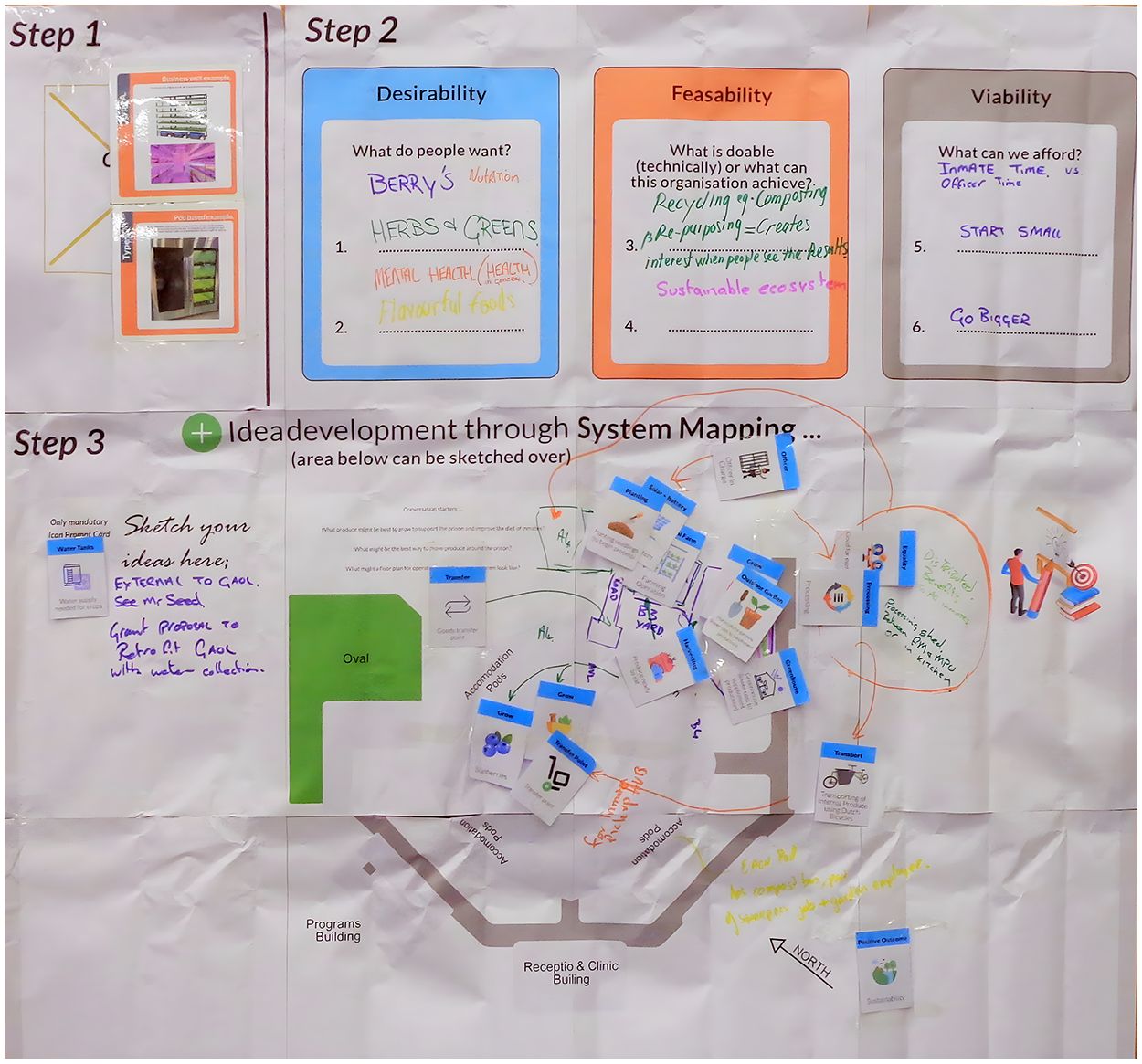
Sample system map from stage 2 round 1 co-design session.
Findings: Stage 2 Round 2 Co-Design Sessions
During the second round of co-design focus group sessions in Stage 2, the lead researcher presented the top three most prevalent design themes identified in the first round of focus group sessions. Digital prototypes in the form of 3D conceptual renderings were used to represent and visually communicate the ideas that were generated by the co-designers:
Desirability Question 1: What aspects of this concept do you consider valuable? Desirability Question 2: Which aspects of this concept are likely to be valued by potential users? Feasibility Question 1: What potential opportunities are inherent within this concept? Feasibility Question 2: What are the capabilities of the prison facilities to effectively support the implementation of this concept? Conversely, what restrictions or challenges exist in executing this concept within the prison? Viability Question 1: How might we optimize the concept for cost-effectiveness? Viability Question 2: Who might we partner with to make the concept financially viable?
Participants were given approximately 20 min to consider each of the three concepts presented and respond with their feedback to each concept. Their responses were categorized into three principal domains: desirability, feasibility, and viability. Concepts A, B and C were interrogated using the 6 questions listed below:
CEA Farm Concept A features a greenhouse with supplemental LED grow lights and an aquaponics area with rainwater storage tanks (Figure 2). The ecosystem of this vertical farm concept (Figure 3) also integrates worm farms, composting bins, parking racks for delivery bicycles (Figure 4), and hydro panels, which use the sun's energy to extract water vapor from the air and produce drinking water. Moreover, it includes a grocery retailing system where inmates can purchase fresh produce. An automated vending machine for fresh produce, dubbed “The Green Machine”, will be situated in each accommodation pod as part of this retail ecosystem (Figure 5).
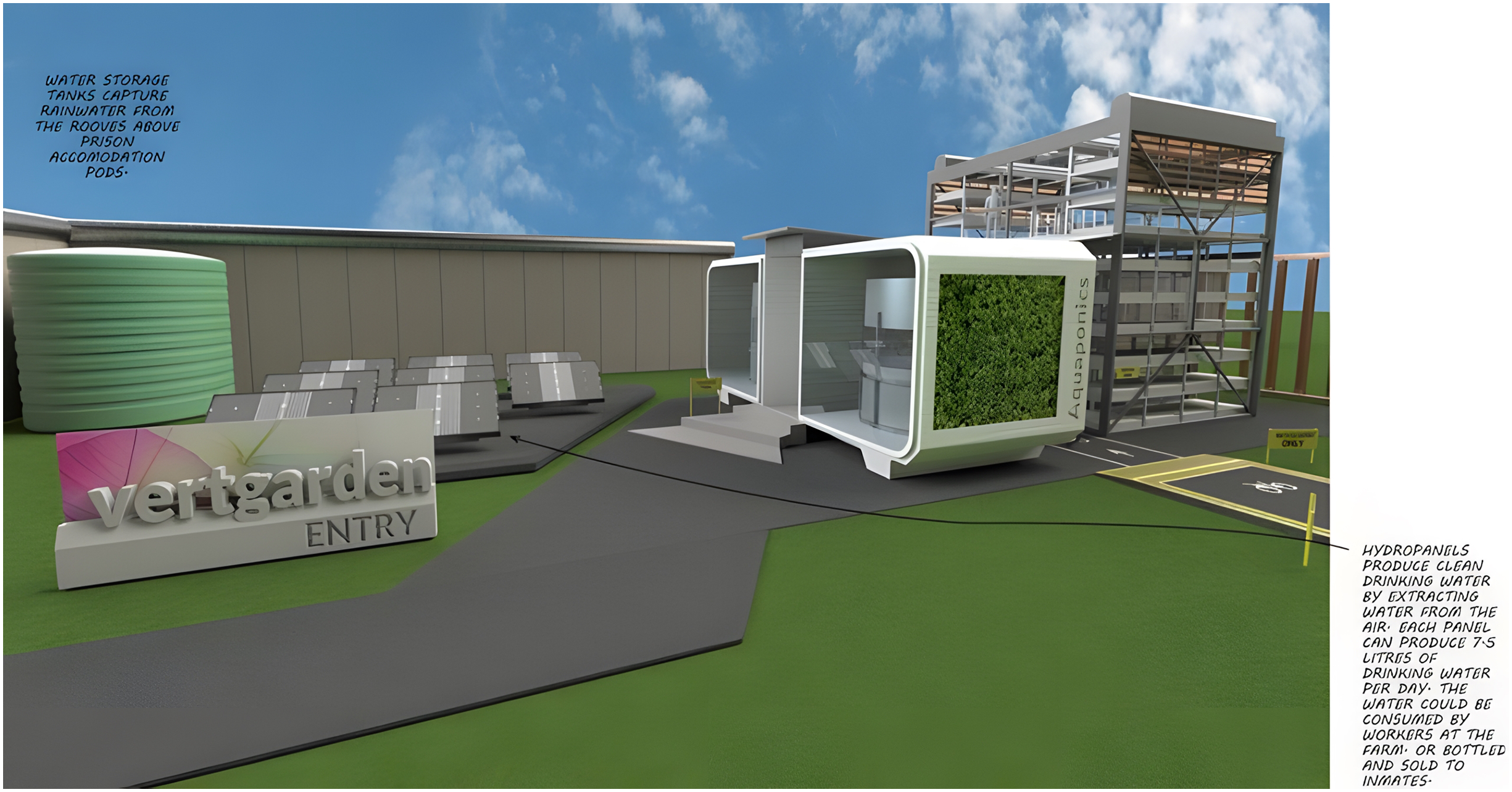
General arrangement of CEA farm concept A showing aquaponics, greenhouse, hydro panels, and rainwater tank.
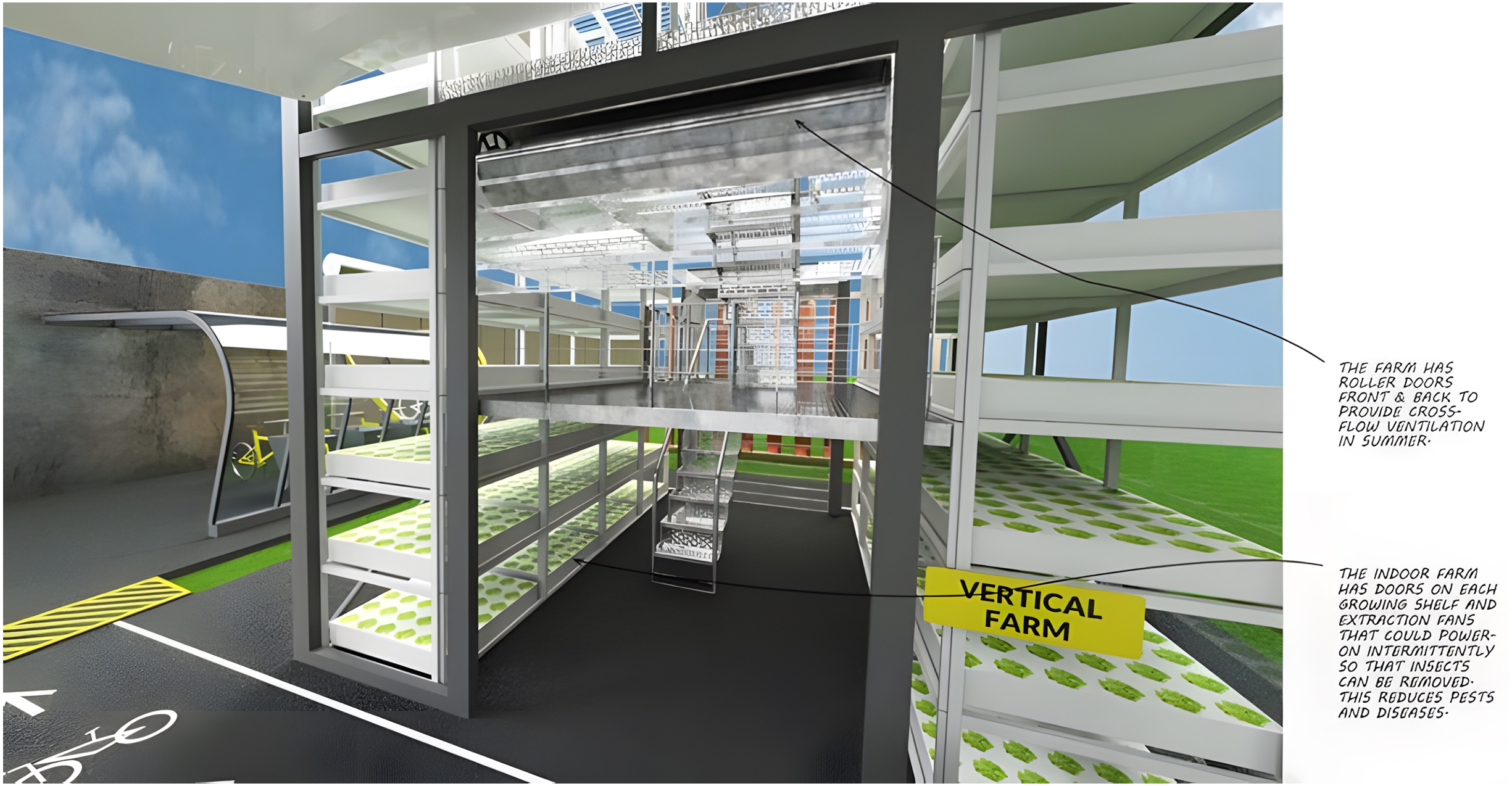
Detail view of vertical farm in CEA farm concept A.
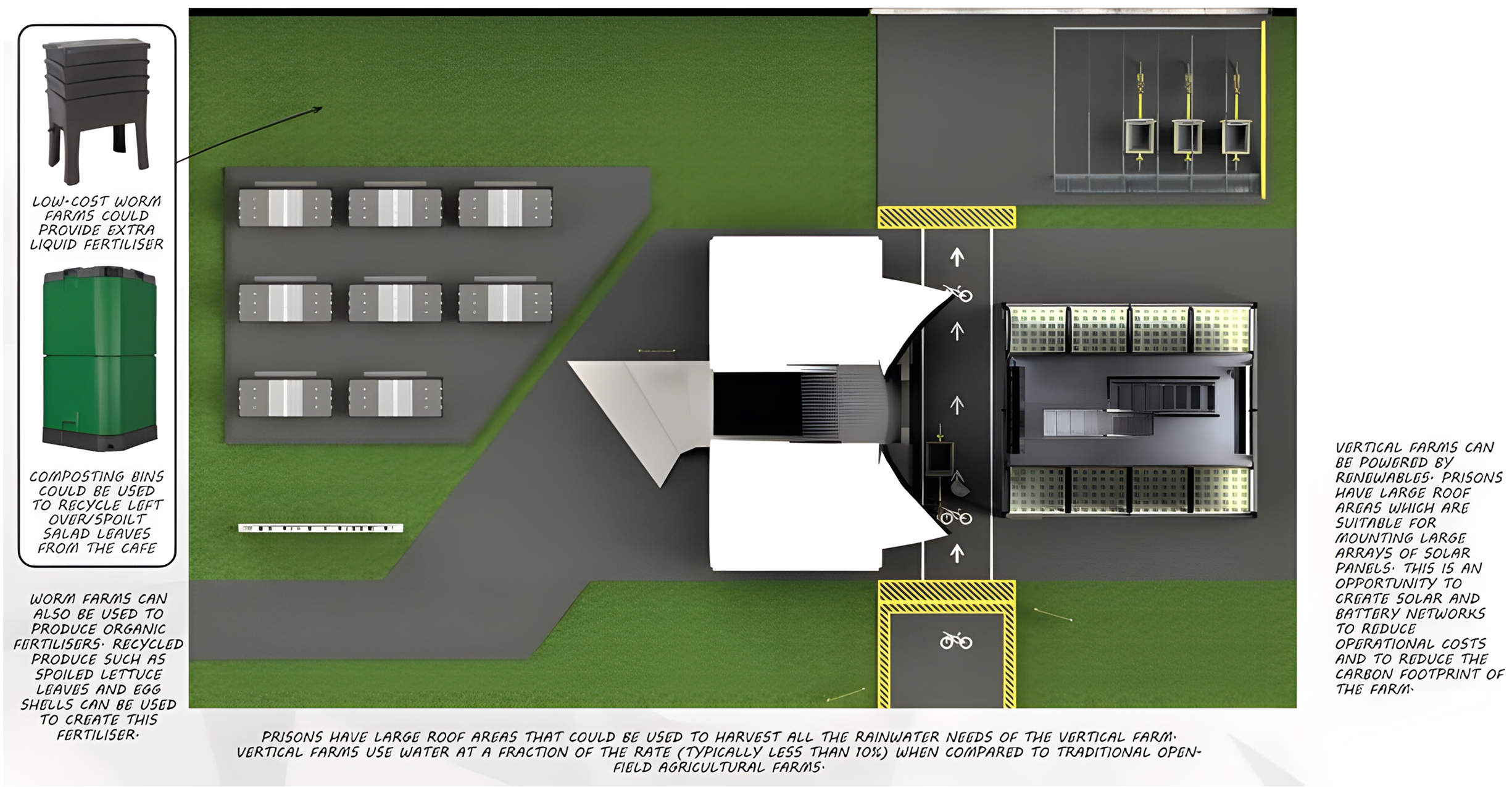
Site plan of CEA farm concept A showing aquaponics, greenhouse, hydro panels, composting bins, and parking racks for delivery bicycles.
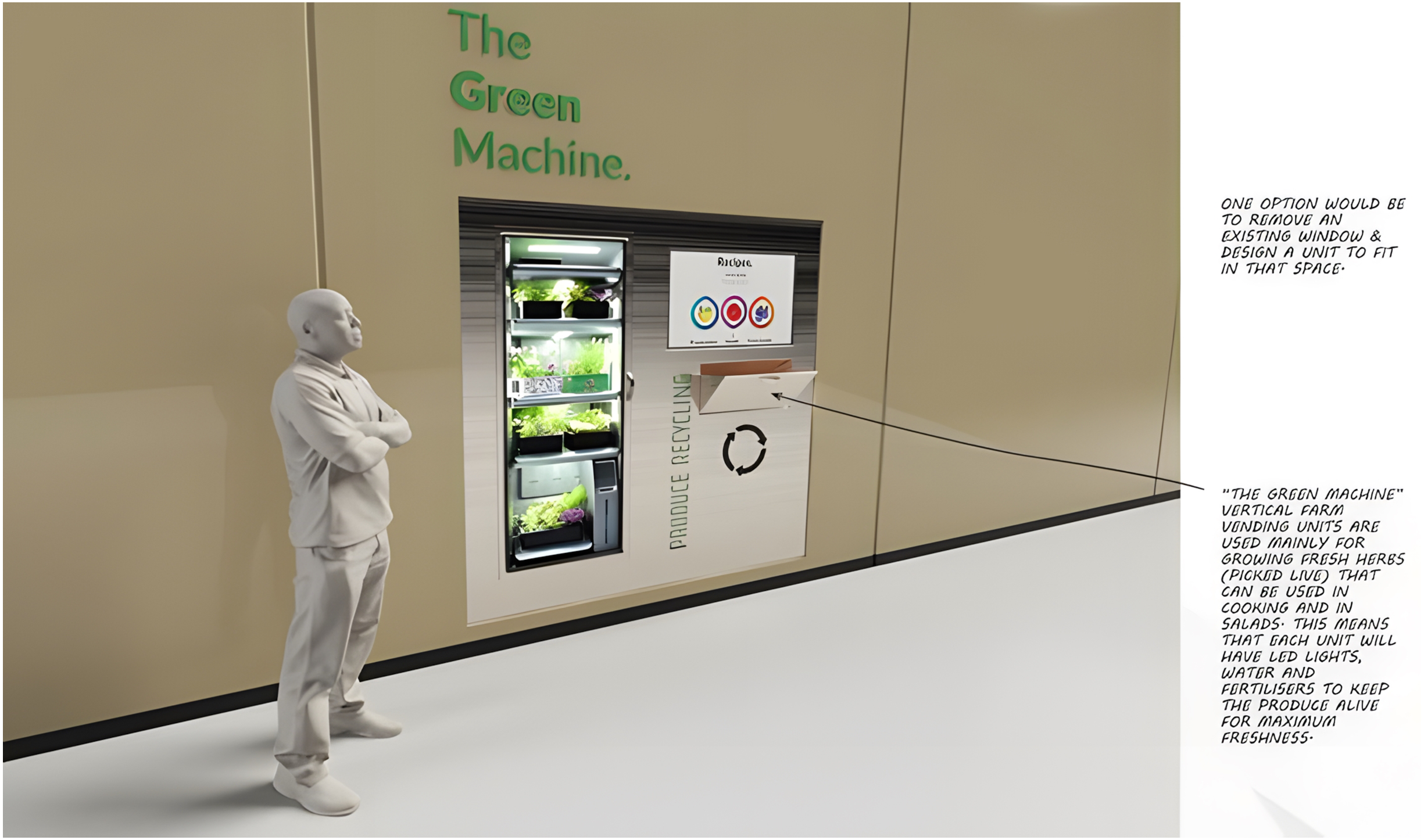
Dormitory-based vending machines as part of the ecosystem of CEA farm concept A.
Inmates perceived CEA Concept A as a viable means to enable year-round vegetable cultivation that is easy to manage, maintain, and cost-effective. Additionally, the localized production will result in zero food miles and, if renewable energy sources were employed, it could contribute to zero greenhouse gas emissions and net zero carbon footprints. These 3D conceptual renderings not only allowed participants to visualize their ideas and see them realized, but also played a valuable role in guiding the lead researcher in developing subsequent design iterations. The iterative process fostered further exploration and dialogue, serving as an important research tool through which pragmatic solutions emerged.
Both custodial officers and inmates formed the opinion that the greenhouse had the potential to produce higher-quality food than what is currently provided in inmate meal ration packs. Moreover, this concept aligned with the progressive culture of the prison.
Concerns were raised regarding the aquaponics area, highlighting the difficulty of consistently staffing the business unit with specialized industry personnel throughout the year. They emphasized that failure to maintain the aquaponics system at a high level could result in fish stocks perishing. It was concluded that the aquaponics system should be excluded from this project.
Instead, it was proposed that the worm farms could produce enough leachate to serve as liquid fertilizer for the CEA farm. This alternative would eliminate the reliance on fish waste as the primary source of nutrients for the greenhouse plants. Furthermore, additional feedback emphasized the need to prioritize automation to minimize demands on staff resources and enable self-sufficiency in farm operations.
Participants highlighted the potential effectiveness of the vending machines in accommodation pods with a smaller number of inmates. However, they noted that larger inmate populations in the pods could decrease the effectiveness of the system and become more challenging to manage. It was suggested that lower inmate numbers might encourage greater care in using the machines, thus lessening the programmed maintenance routines.
CEA Farm Concept B showcases a novel approach to horizontally distribute a CEA farm across a single level, utilizing growing trolleys (Figure 6) instead of relying on scissor lifts or platforms for accessing the crops. This departure from traditional indoor vertical farms, which typically necessitate such equipment, presents an innovative solution. The participants have raised valid concerns regarding the work health and safety (WHS) implications inherent in harvesting produce within a vertical farm in a maximum-security prison environment, where access to scissor lifts is restricted. Consequently, Concept B served as the foundational framework for the final design solution, considering the unique challenges posed by the prison setting.
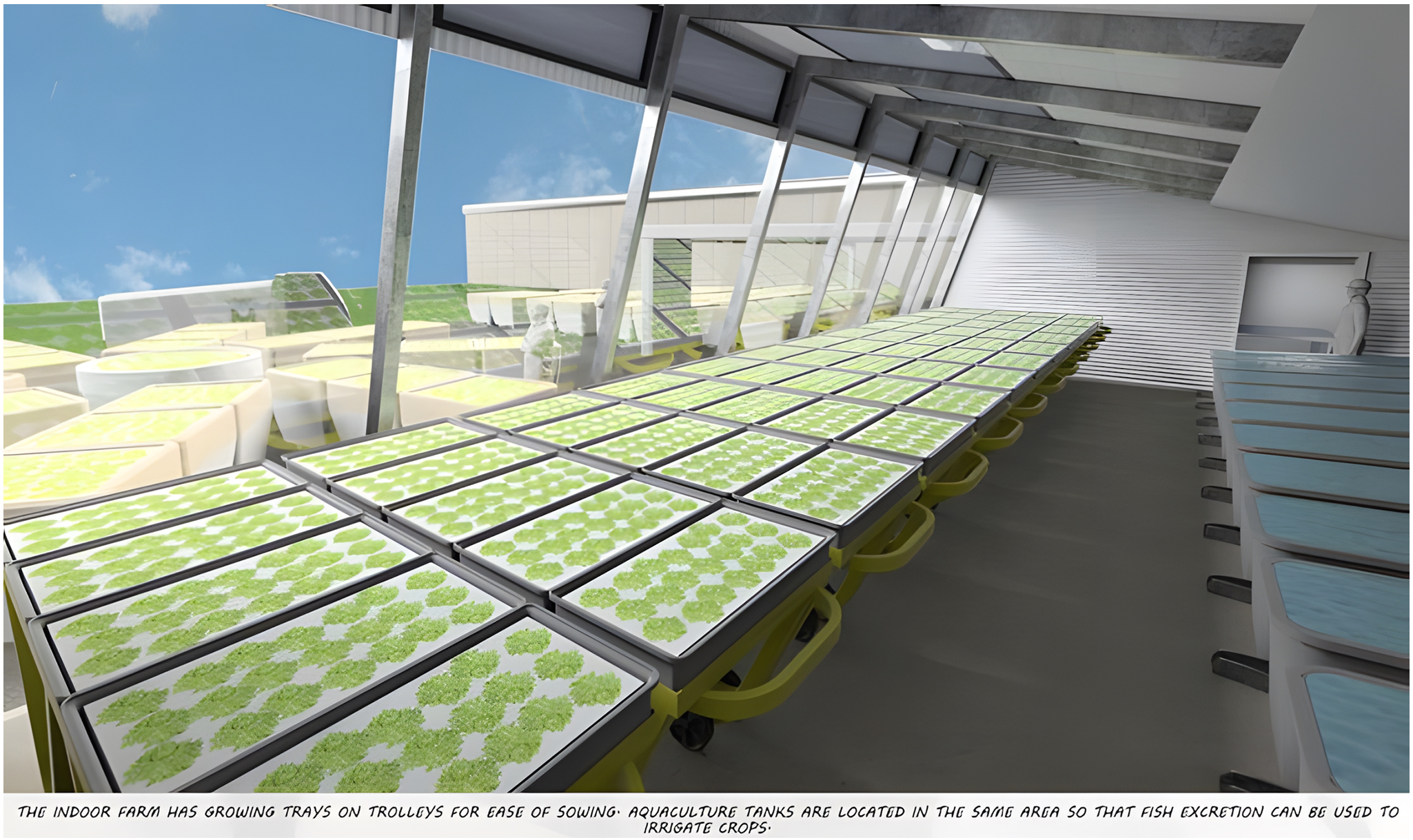
Interior view of CEA farm concept B showing growing trays on trolleys.
CEA Farm Concept C incorporates hydroponic panels that have the capability to rotate vertically inside large domes (Figure 7). This design enables easy access to mature produce, which can be conveniently harvested from the bottom of each panel. To support the growth of plants, both natural sunlight and supplementary LED grow lights are utilized. A rainwater tank is centrally located to serve as a primary water source for irrigation. Concept C is characterized as a technologically advanced option, featuring the integration of robots and autonomous vehicles to facilitate the transportation of harvested produce.
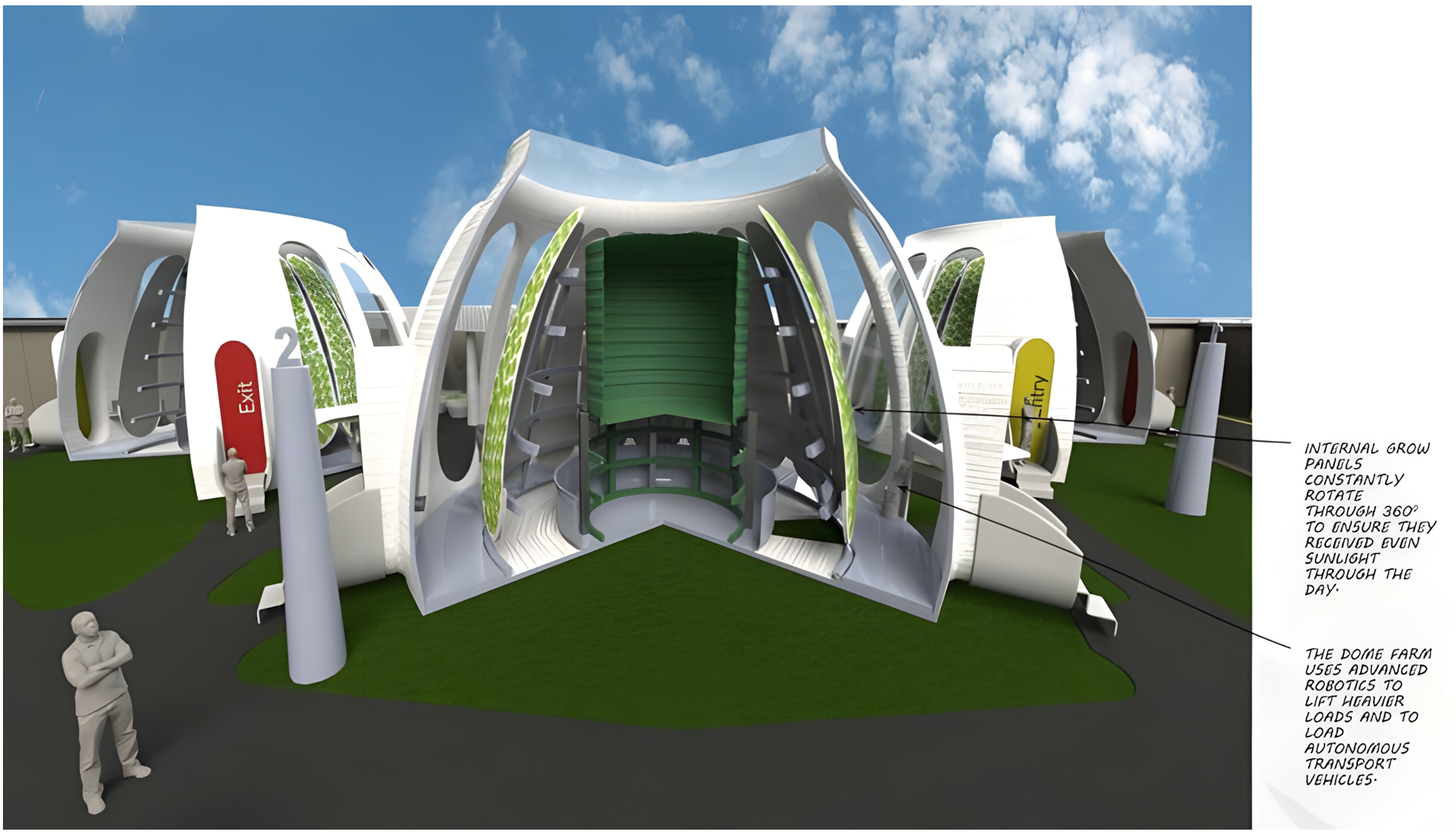
Section view of domes in CEA farm concept C.
The idea for this concept emerged from a discussion with a custodial staff participant, who shared a local news report revealing that the local council is currently using construction 3D printing techniques to build toilet blocks in a nearby park. This innovative approach prompted the consideration of the potential application of additive manufacturing technologies within the context of the CEA farm project.
Findings: Stage 3 Physical Prototyping
A small group of inmates with hydroponic experience engaged in extensive discussions regarding the irrigation and optimal setup for growing vegetables. They preferred the hydroponic method due to its simplicity and ease of cleaning.
Specifically, they chose the flood-and-drain hydroponics system, also known as ebb-and-flow hydroponics. In this system, a tray of plants is periodically flooded with nutrient solution and then drained back into a reservoir. This process ensures that the plants receive fresh nutrients while allowing the roots to access the necessary oxygen. The flood-and-drain system is a suitable choice for beginners as it is relatively simple, easy to set up, and cost-effective.
There are various soilless growing media available for hydroponic systems, including rockwool, coconut coir, perlite, vermiculite, peat moss, sand, expanded clay pebbles, and volcanic rock balls. The selection of the growing media depends on factors such as water retention, aeration, pH management, nutrient requirements, and availability.
Hydroponics enables the cultivation of a wide range of vegetables, with lettuce, tomatoes, cucumbers, peppers, herbs, spinach, kale, and strawberries being commonly grown. Lettuce was suggested by the inmates during the co-design sessions and is well-suited for hydroponic cultivation due to its fast growth, shallow root systems, and high demand.
As a result of these discussions, it was decided to build physical prototypes of flood-and-drain hydroponic systems using volcanic balls specifically for growing lettuce. These are namely: Prototype 1, indoor trials; Prototype 2, outdoor greenhouse trials; Prototype 3, outdoor VegePod trials; and Prototype 4, full-sized final design.
Vermicomposting and worm leachate were tested as organic methods of providing nutrients in the hydroponic water tanks. Worm leachate contains beneficial microorganisms, enzymes, and soluble nutrients. Since many liquid fertilizers are not allowed in a prison environment due to their volatility and fire risk, vermicomposting and leachate were considered low-risk options for producing hydroponic nutrient solutions within the prison walls.
Prototype 1 was fabricated on-site using a galvanized tubular and sheet metal frame (Figure 8), along with four LED grow lights (Figure 9). It was set up in an air-conditioned office with a constant temperature of 23 degrees Celsius and had fresh oxygen flow through a roof-mounted vent. To replicate natural sunlight, a timer ensured that 16 hours of replacement sunlight was provided in each 24-hour cycle. The system adopted the flood-and-drain method, which consistently delivered positive growth rates during the trials with three different types of lettuce.
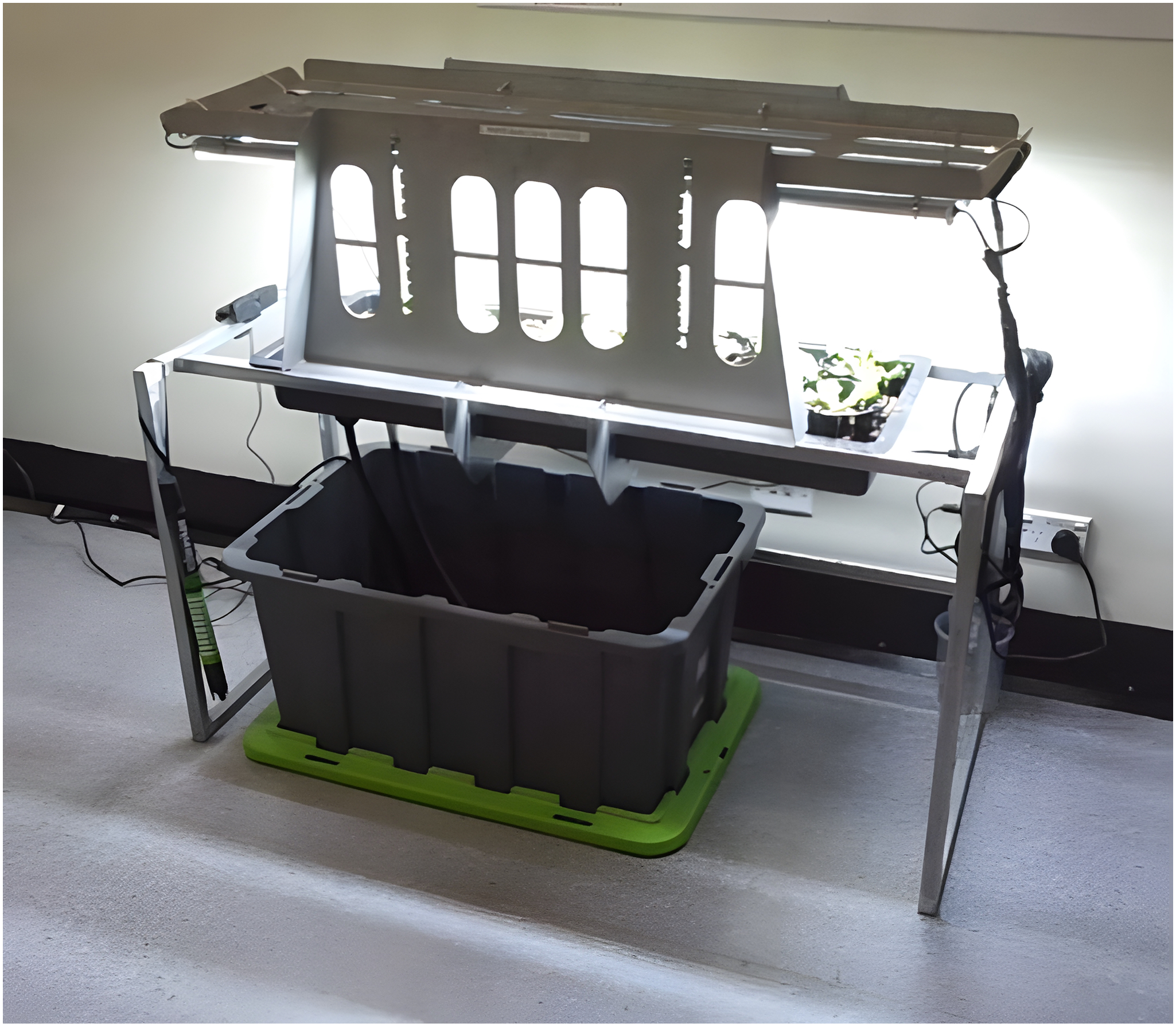
Prototype 1 indoor farm in an air-conditioned room.
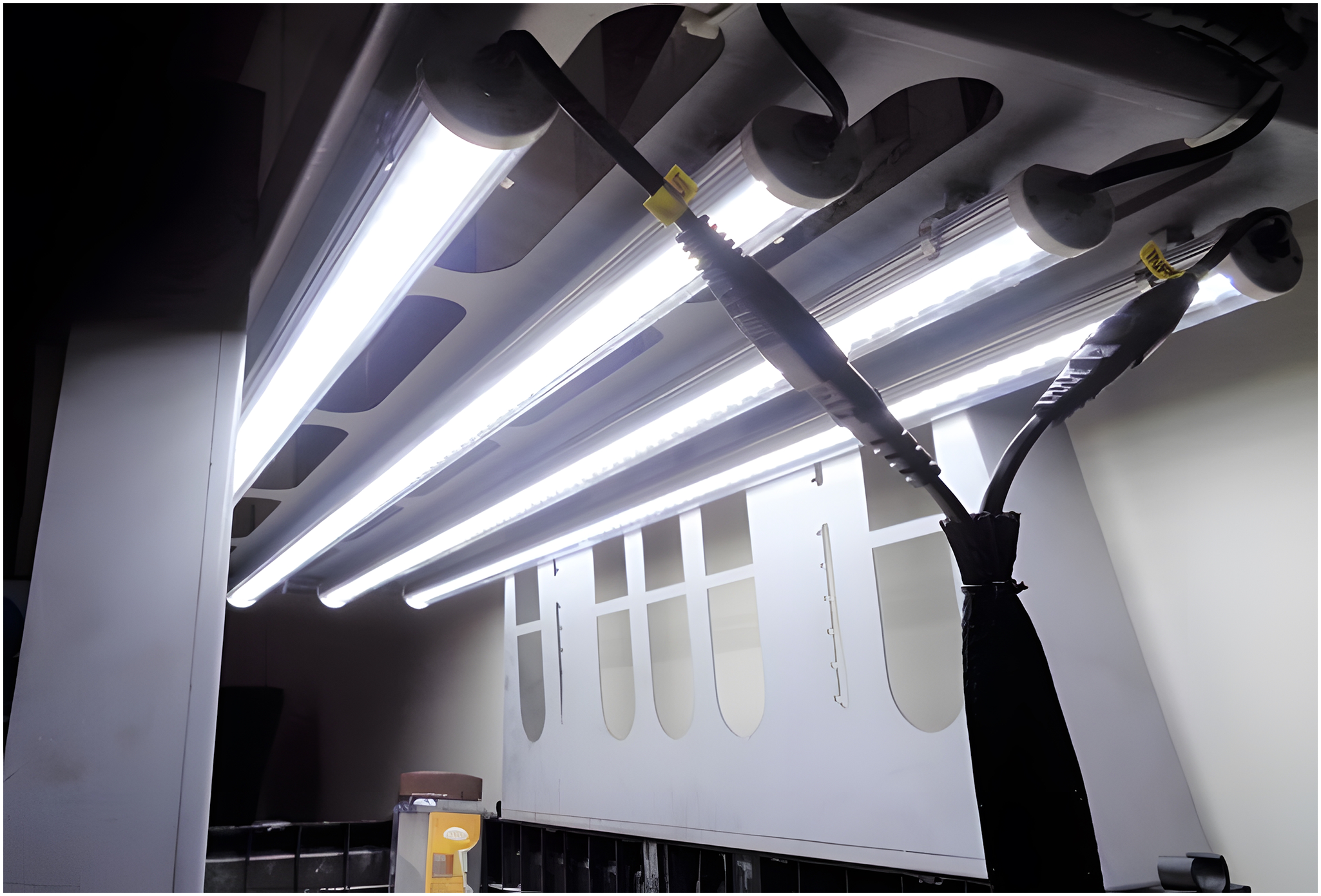
Overhead LED grow lights in Prototype 1.
Initially, the system intended to use worm leachate as the nutrient solution. However, the strong odors from the leachate made it unsuitable for the air-conditioned office environment. As a substitute, a low-cost commercial hydroponic fertilizer was used instead. This modification resulted in faster growth rates, and the harvest times for lettuce were approximately 1 to 1.5 weeks shorter compared to the control prototype located outdoors in an open-field growing bed.
Prototype 2 utilized a standard greenhouse module (Figure 10) and replicated the exact hydroponic setup from Prototype 1. Consistency was maintained by using the same commercial fertilizer, which resulted in similar outcomes as Prototype 1. However, the crops experienced heat stress during hot periods, prompting the implementation of modifications. One effective modification was the use of shade cloth, a cost-effective solution to mitigate heat stress. While this shading technique is commonly employed in large-scale greenhouse production during hotter seasons, it is unnecessary during winter months. To facilitate air exchange and power the flood-and-drain tray pump, a small solar panel, fan, and lithium car battery were incorporated. The flood-and-drain tray experienced 16 flooding cycles per day, with each flood lasting one minute. Figure 11 shows a crop of cos lettuce (Lactuca sativa) grown in the greenhouse under 30-percent shade cloth, approximately two weeks prior to harvest.
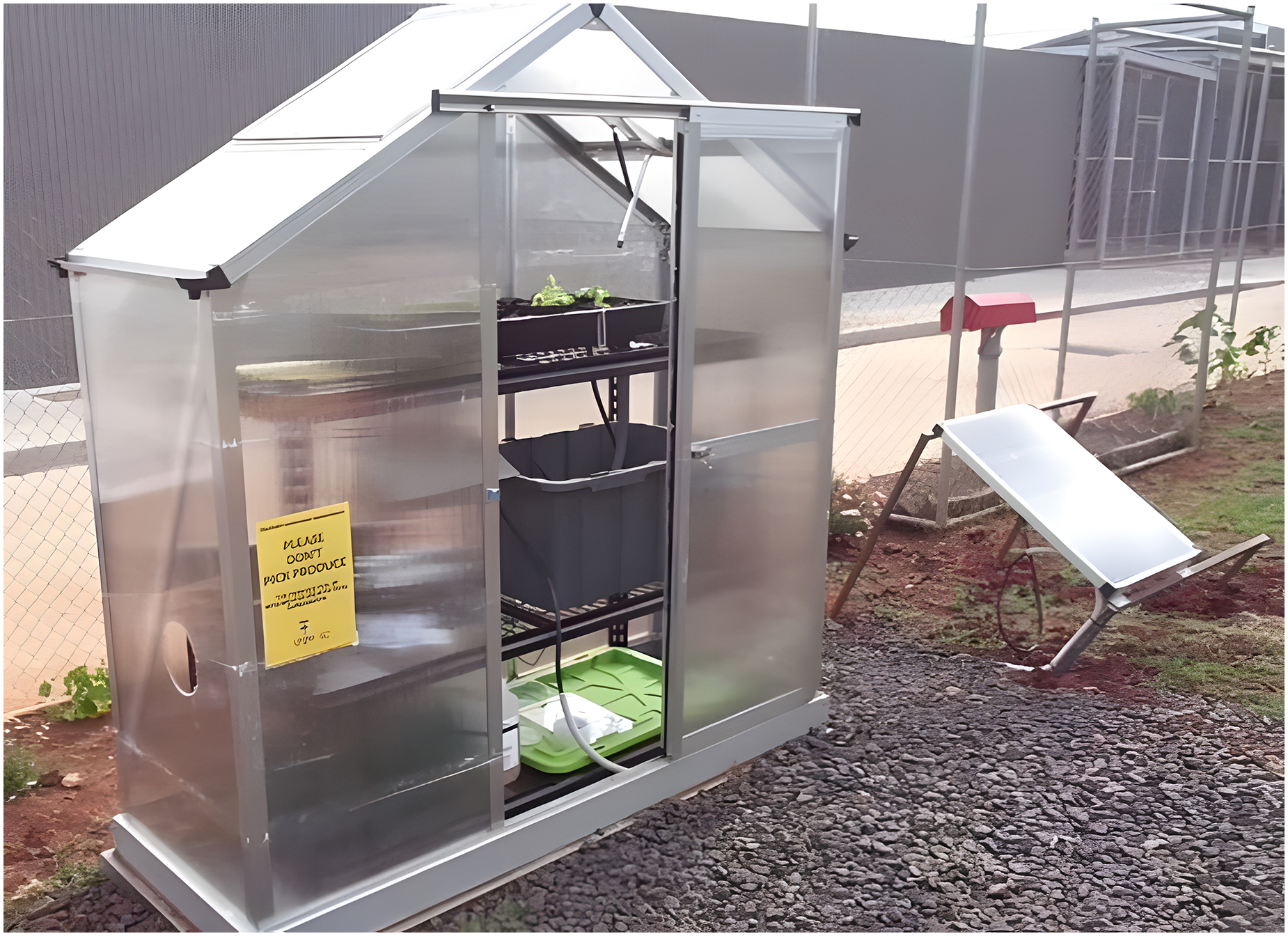
Setup of Prototype 2 showing greenhouse module with solar panel and battery for powering a small fan and submersible pump for flood-and-drain tray.
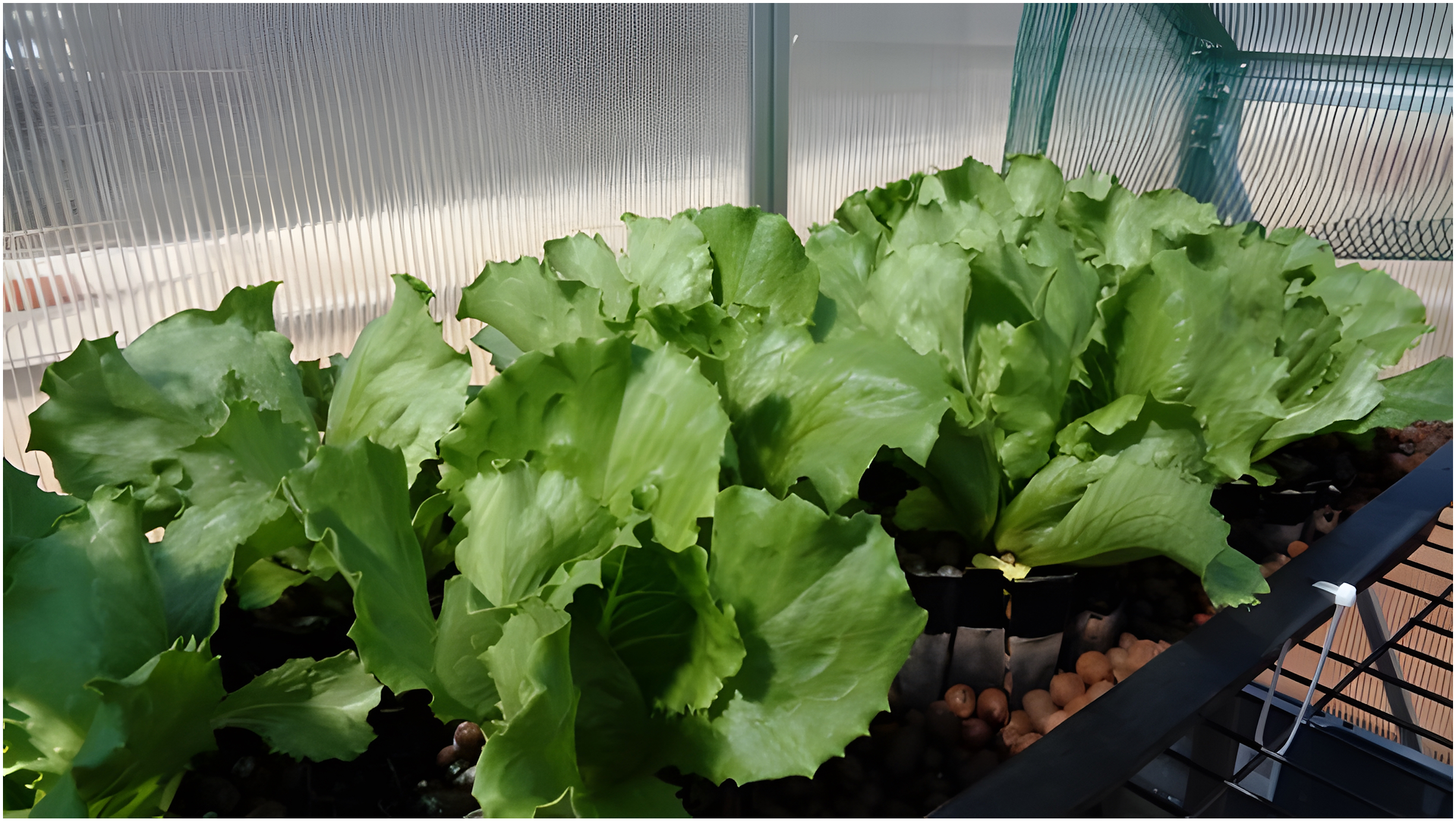
Cos lettuce growing in the Prototype 2 greenhouse under 30 percent shade cloth, about 2 weeks before harvest.
Prototype 3 served as the control in the experiment (Figure 12). It consisted of an off-the-shelf raised garden bed branded as ‘VegePod.’ This unit utilized a wicking irrigation system and employed the same commercial fertilizer as the previous two prototypes. Since the trials commenced in late summer, a shade cloth and frame were incorporated into the setup. Once a series of growth trials involving three types of lettuce concluded, Prototypes 2 and 3 were compared by introducing worm leachate as a liquid fertilizer in the hydroponic tank. The growth trials using worm leachate yielded comparable results to the earlier trials using commercial hydroponic fertilizer. Notably, the worm leachate was produced at no cost using a small worm farm and had an ideal pH of 7.2.
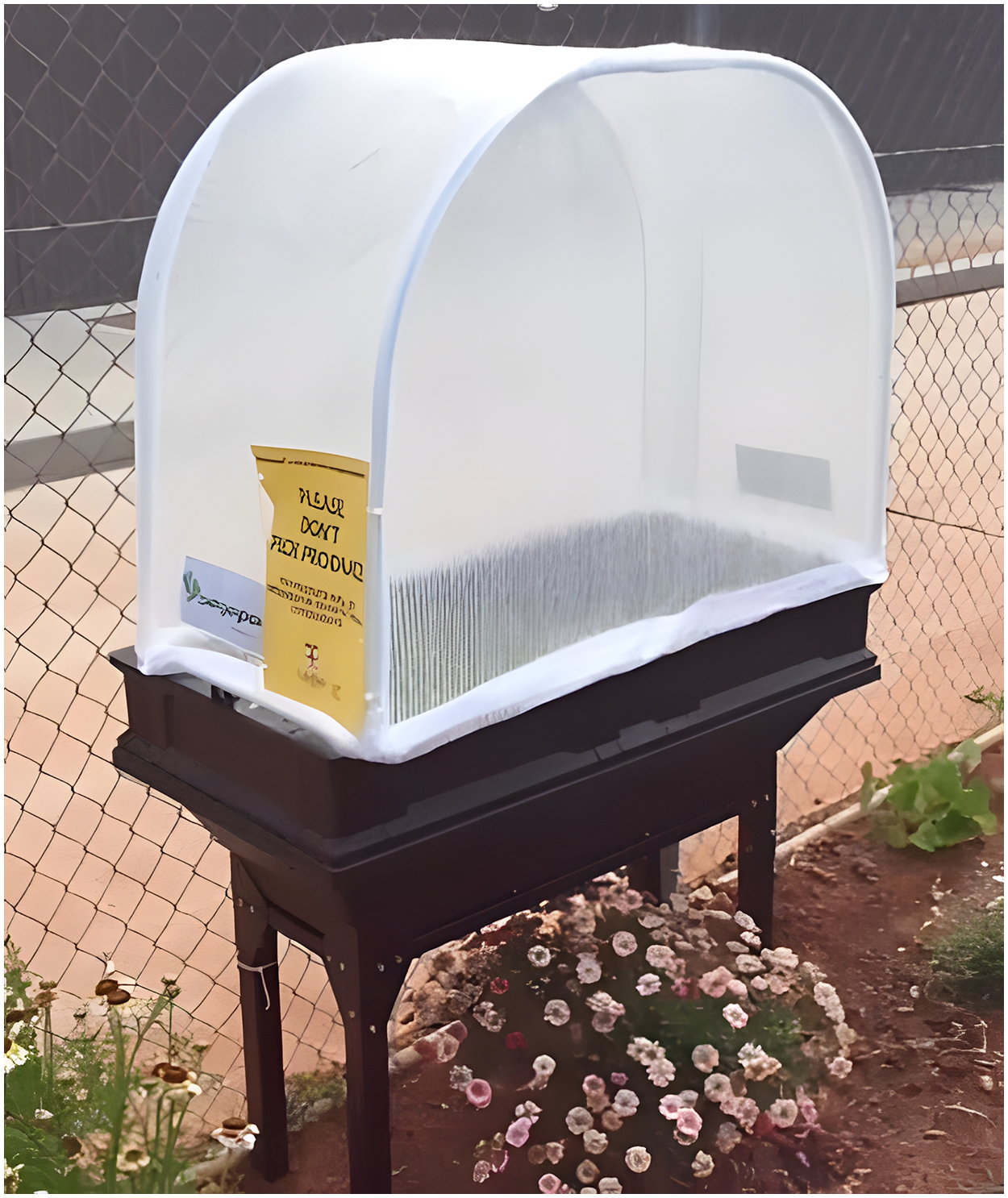
Setup of Prototype 3 showing VegePod module.
Participants were individually interviewed to gather their personal opinions on the final design, which was developed based on feedback from the Stage 2 Round 2 co-design sessions and the Stage 3 physical prototypes. The final design of the co-designed CEA farm showcases a simplified and refined approach (Figure 13).
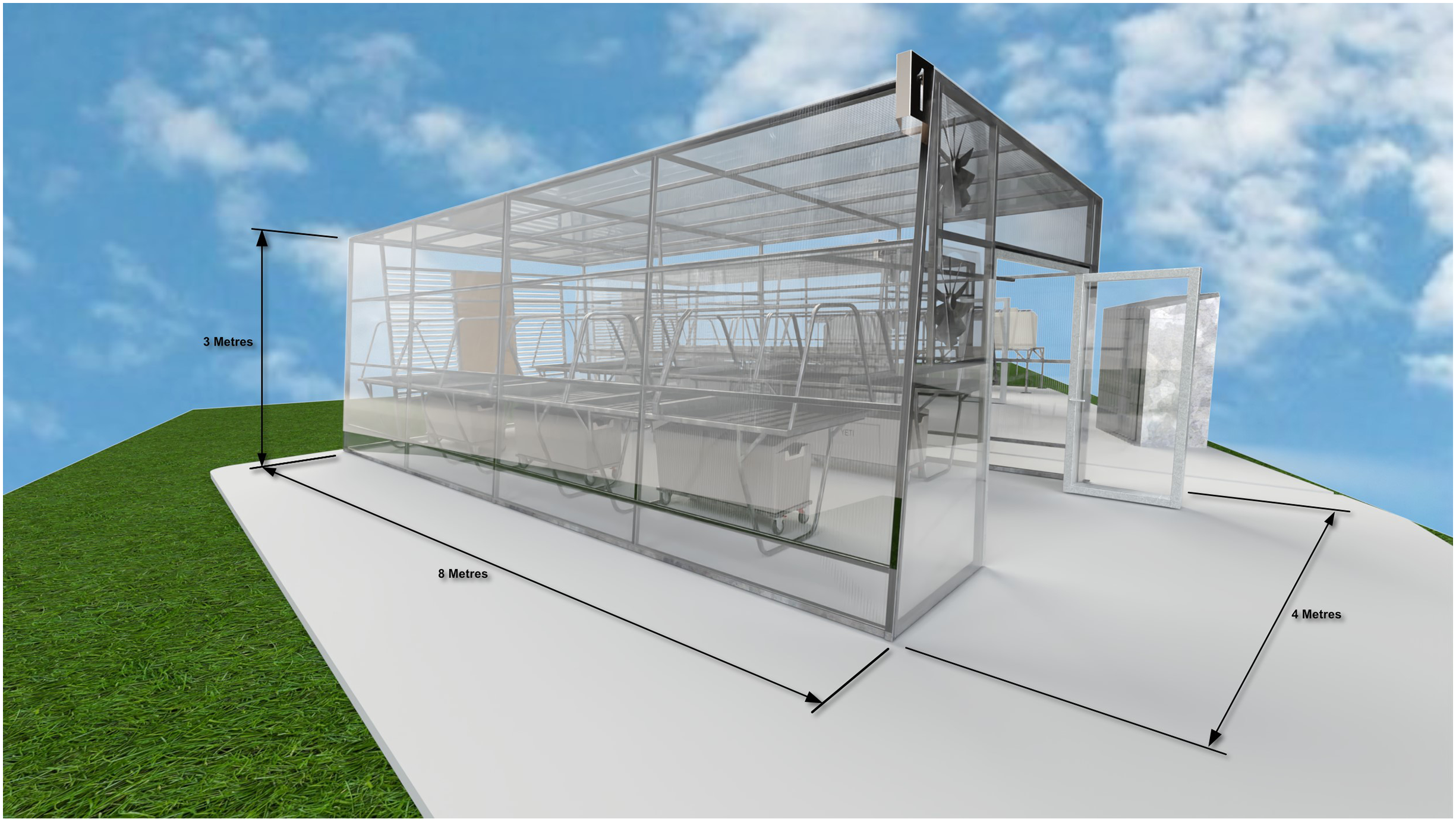
Digital rendering of Prototype 4 showing final version of co-designed CEA farm.
The final design was presented to the NSW Department of Communities and Justice, who recognized its potential and awarded 50,000 AUD grant funding. At the time of writing this article, the grant enabled the on-site construction of Prototype 4, the full-sized final design of the CEA farm. Currently, the industry-based prison administrators, in collaboration with co-designers, have started building the final design with the assistance of inmates.
Prison overseers expressed confidence in the suitability of the final design for a prison environment, citing its visibility and user-friendly nature. They also noted the scalability of the system to increase production output.
Additionally, it was decided that the CEA farm would primarily supply fresh produce to the on-site café, which serves 100 to 150 people weekly and is utilized for weekend inmate visits. This local produce will significantly enhance the café's offerings. When the final design was presented to the grant funding body, administrators suggested incorporating rainwater tanks into the farm design. They also emphasized the potential of the farm to grow and supply lettuce and herbs in the initial phase, with future phases considering the cultivation of tomatoes, cucumbers, and berries, which are currently purchased by the café alongside leafy greens and herbs.
The final design features grow trolleys equipped with flood-and-drain hydroponic irrigation and LED grows lights for lettuce and herb cultivation (Figure 14). A low-voltage pond pump, commonly found in small garden water fountains, circulates the liquid fertilizer to the flood-and-drain tray (Figure 15). The system employs volcanic rock balls as a soilless growing medium, known for their easy cleaning and reusability.
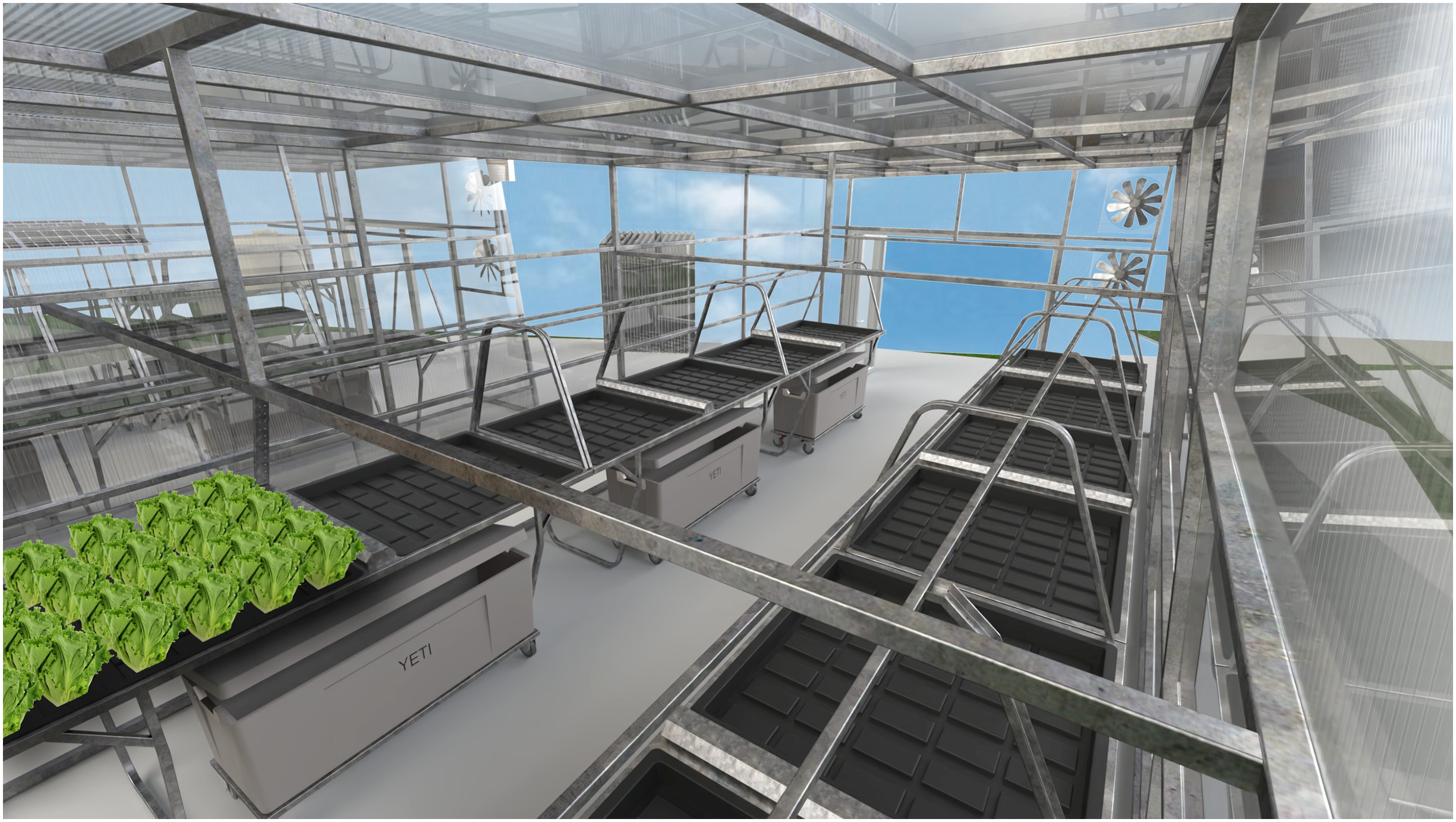
Interior view of final design.
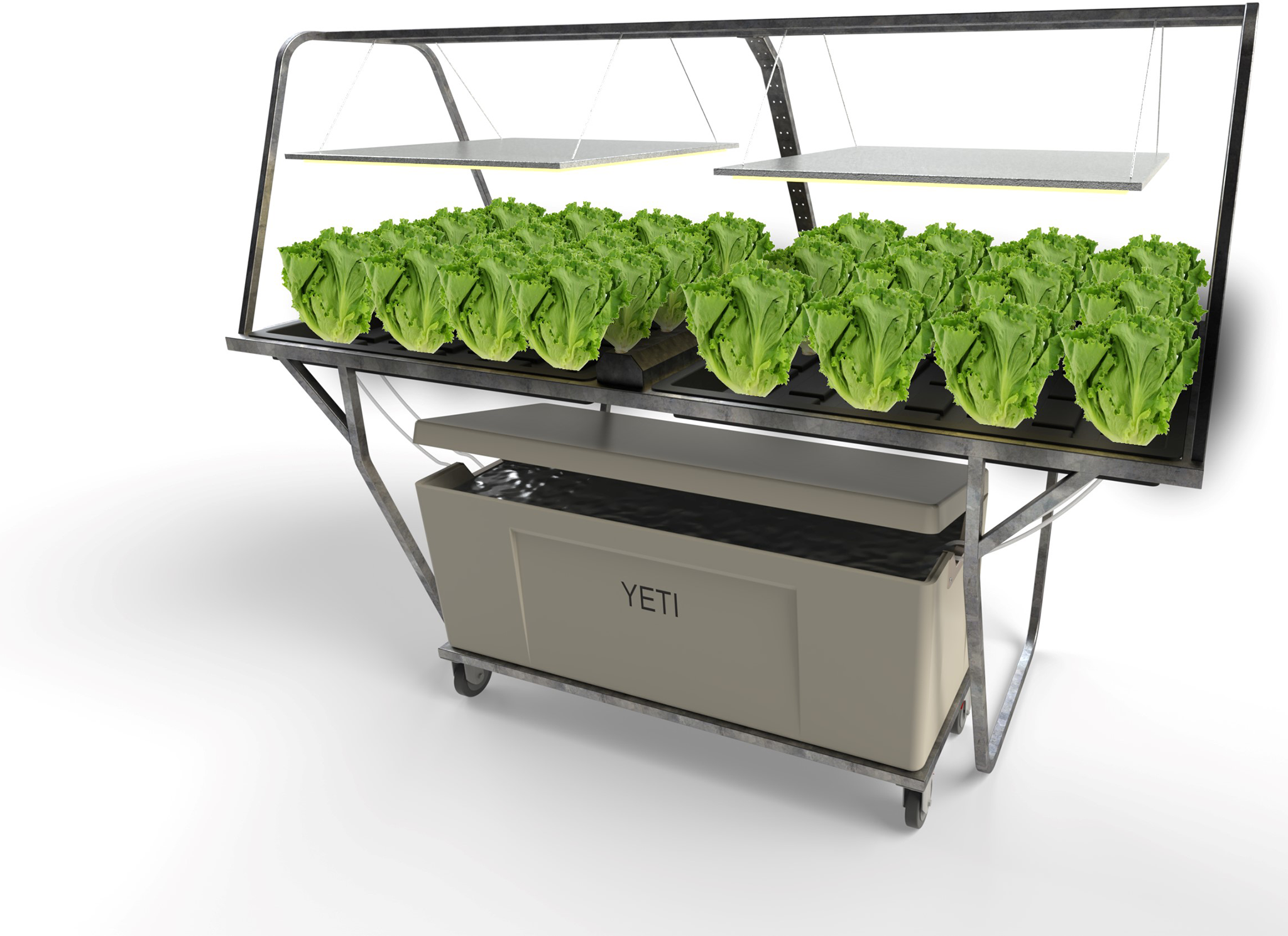
Flood-and-drain trays growing hydroponic lettuce.
Conclusion
The final design solution in this study was a result of the guidance provided by the co-designers. It was a synthesis of the design criteria that emerged from the co-design focus group sessions and one-on-one interviews with participants. Through this iterative process, participants were able to refine design solutions while considering user-centered design principles, simplicity in operations, ongoing maintenance, and ease of use for planting and harvesting produce. They also focused on the ergonomics of the layout of the growing tables and established clear design criteria for future operations.
It's important to note that the end users of this design will need to learn the system in an environment with frequent staff and inmate rotations occurring on a half-yearly or yearly basis. Therefore, participants placed a high value on pragmatic solutions that are easy for prison-based industry workshops to build. The lead researcher has learned that both staff and inmates can contribute to practical design solutions for complex infrastructure projects like this.
Initially, the project faced a complex design challenge of delivering not just a product design and building structure, but an infrastructure solution that addresses the specific needs and demands of a prison environment. Prisons have inherent security concerns to ensure the safety of staff and inmates, which adds additional oversight and considerations to seemingly straightforward tasks. The co-design process allowed us to frame the problem according to the unique requirements of a prison environment. As the scope of the project expanded beyond growing produce for consumption, the co-designers recognized the opportunity to deliver educational and rehabilitative outcomes in this distinct setting. Modern prisons must go beyond traditional punishment initiatives and prioritize rehabilitation to create safer communities. Successful rehabilitation reduces criminal activity, and it is the community's expectation that prisoners are reformed and equipped with skills for a successful future.
In this case, there were complex security overlays to consider in the system design. However, as the lead researcher was also an inmate, navigating and progressing the co-created ideas became easier. The existing business units within the prison served as an effective sounding board due to this unique situation, providing real-time access to prison administrators. This level of access may not be available to other researchers who face restrictions imposed by prison authorities. Additionally, the design and development stages of proposed prison infrastructure projects can benefit from open, honest, and democratic co-design structures and research studies when prison administrators are motivated to see these processes succeed within prisons.
Footnotes
Declaration of Conflicting Interests
The authors declared no potential conflicts of interest with respect to the research, authorship, and/or publication of this article.
Ethics
This project has received Human Research Ethics approval from the University of New South Wales Human Research Ethics Committee (Approval HC210798) and the NSW Corrective Services Ethics Committee (Approval D2022/0246243).
Funding
The authors disclosed receipt of the following financial support for the research, authorship, and/or publication of this article: The lead researcher was financially supported by the Australian Government Research Training Program (RTP), the UNSW Essential Costs of Research Funding Scheme, and the New South Wales Department of Communities and Justice Sustainability Grants.