




Abstract
Biofortified crops offer a promising solutions to combat micronutrient deficiencies, particularly in developing nations. This study undertakes a systematic review of farmer-level acceptance and adoption of biofortified crops, including the key determinants, methodologies, indicators and measures, and findings related to acceptance and adoption of biofortified crops among farmers. The review identified 24 biofortification studies with farmers conducted across Africa and Asia, primarily in countries such as Nigeria, Uganda, and Tanzania. These studies focus on biofortified crops like rice, banana, cassava, and sweet potato. Notably, a majority of the reviewed studies followed a quantitative approach and employed a cross-sectional design. The key outcome indicators encompassed farmers’ willingness-to-pay, perceptions, beliefs, willingness-to-plant in the next growing season, and the actual adoption itself. These indicators were typically measured using a 5-point Likert scale or a dummy variable. The primary determinants driving farmers to cultivate biofortified crops were classified into four categories: socioeconomic, institutional, agronomic, and psychological and cognitive factors. Given the complex nature of challenges like hidden hunger, an all-encompassing approach is imperative in seeking effective solutions. Understanding the intricate interplay between these factors, which shape the acceptance and adoption of biofortified crops, becomes pivotal in formulating strategies that effectively address this multifaceted issue. To address challenges like hidden hunger, comprehensive solutions are essential. Understanding the factors shaping the adoption of biofortified crops is crucial for effective strategies.
Introduction
Hidden hunger, often termed as micronutrient malnutrition, affects approximately one-third of the global population, posing a significant global health challenge (Dhaliwal et al., 2022; Monika et al., 2023). Despite numerous global and regional initiatives targeting deficiencies in vital micronutrients such as vitamin A, iodine, iron, zinc, and folic acid, hidden hunger continues to be a pervasive issue, especially in developing nations. In these regions, factors such as economic constraints, limited food options due to poverty, and diets rich in calories but deficient in essential nutrients contribute to the persistence of hidden hunger (Lowe, 2020).
Enhancing diets for the poorest is vital for achieving the UN's sustainable development goals (SDGs) on hunger, nutrition, and sustainable agriculture (United Nations, 2019). Various micronutrient interventions are available, including dietary diversification, supplementation, fortification, and biofortification. However, in the rural areas of developing countries, dietary diversification may be impractical for low-income and less-educated individuals. Challenges related to infrastructure, distribution, purchasing power, storage, and consumer compliance can also hinder the success of micronutrient supplementation or the fortification of staple foods (Van der Straeten et al., 2020).
Biofortification is a relatively recent and valuable strategy that aims to enhance the natural content of micronutrients in staple crops such as maize, rice, beans, potatoes, millet, and cassava, focusing on three main strategies: conventional, transgenic, and agronomic biofortification (Koç and Karayiğit, 2020). Regardless of the approach, biofortification is often praised as being highly cost-effective in addressing the burden of micronutrient deficiencies (Koç and Karayiğit, 2020; Monika et al., 2023), as shown by impact analyses and economic evaluation studies (Birol et al., 2015; Bouis and Saltzman, 2017; De Steur et al., 2012; Lawal et al., 2021). While supplementation and industrial fortification are approaches that take place at the industrial/pharmaceutical level, biofortification is an agricultural-based strategy (Oparinde et al., 2017; Saltzman et al., 2017). Therefore, the success of biofortification as a micronutrient intervention generally depends on the willingness of consumers and farmers to acknowledge newly introduced crop varieties (Birol et al., 2015; Gomes et al., 2021).
Research points to promising consumer acceptance rates, as demonstrated by sensory analyses and willingness-to-pay (WTP) studies. However, to fully realize the health benefits of biofortification, farmer acceptance and adoption are equally critical (Oparinde et al., 2017). Researchers emphasize that farmer participation and adoption are essential for effective and sustainable biofortification implementation, particularly in developing regions where they often produce and consume biofortified crops (Kamrath et al., 2019; Schnurr et al., 2020).
The slow acceptance and adoption of innovations (Olum, 2020), including biofortified crops, is evident among smallholder farmers in developing nations (De Groote et al., 2016; Jenkins et al., 2018; Lividini et al., 2018). However, studies highlighted the significant positive impact of adopting biofortified crops on household food and nutritional security (Ojwang et al., 2021; Shikuku et al., 2019). To combat hidden hunger effectively, sustainable and cost-effective biofortification strategies are essential, especially in remote and economically disadvantaged communities. Therefore, gaining a comprehensive understanding of the factors that influence farmers’ decisions regarding biofortification is crucial.
Comprehensive reviews have mainly focused on consumers (Birol et al., 2015; De Steur et al., 2017a, 2017b; Gomes et al., 2023; Onyeneke et al., 2019). Talsma et al. (2017) conducted a review of both consumers and farmers in low- and middle-income countries. Nonetheless, this review primarily examines the sensory acceptance of biofortified crops and does not delve into the broader aspects of farmers’ adoption and acceptance, including their key determining factors.
Therefore, this study aims to be the first to conduct a systematic review of the factors influencing farmer acceptance and adoption of biofortified crops. Such insights will be relevant for future research as well as policymaking and planning related to agriculture and health, especially for those involved in the development and upscaling of biofortified crops. While characterizing farmer studies and identifying their underlying explanatory methods is vital for identifying future research pathways, this study can also contribute by identifying factors that can help reduce barriers and boost adoption. For this purpose, three research questions were formulated: (1) What are the characteristics of farmers’ adoption and acceptance studies on biofortified crops? (2) What types of methods and theories were used to evaluate farmers’ acceptance and adoption of biofortified crops? (3) What are the factors that influence farmers’ acceptance and adoption of biofortified crops?
Material and methods
Search strategy and identification of primary studies
A systematic literature review of 10 years of published evidence (2011–2021) on farmers’ acceptance and adoption of biofortified crops was undertaken in March 2022 using Moher's et al. (2009) Preferred Reporting Items for Systematic Reviews and Meta-Analyses (PRISMA). PRISMA is a structured and internationally recognized guideline used in systematic reviews to ensure transparency, reliability, and clarity in reporting research findings. It provides a step-by-step framework for conducting and reporting systematic reviews, making it easier for both researchers and readers to understand, evaluate, and replicate the study. It involves planning, searching, selecting, extracting data, assessing quality, synthesizing, reporting, and discussing peer reviewed articles for a comprehensive systematic review. Based on search strategies of past relevant systematic reviews (De Steur et al., 2017a; Kamrath et al., 2019; Olum et al., 2019; Osborne et al., 2012; Pannell et al., 2006; Talsma et al., 2017), the syntax included keywords related to the three key topics of interest: Farmers
Eligibility criteria and screening
The PICOS criteria (Population, Intervention, Comparison, Outcome, Study Design) were established based on Methley et al. (2014) suggestion to identify the inclusion and exclusion criteria of the selection process in a comprehensive search (see Table 1). The search tool was used to define the primary concepts of this study. The selection of papers consisted of three subsequent screening stages: title, abstract, and full paper screening. The exclusion criteria were as follows: studies that did not pertain to biofortification and that did not involve farmers as subjects were excluded. Studies that did not identify factors influencing farmers’ intention to accept and adopt biofortified crops were not included in the analysis. Additionally, non peer-reviewed materials such as conference papers and book chapters were not considered, as well as studies that did not rely on primary data and were not presented in English. Moreover, studies investigating the impact of biofortification on crop nutritional value or agronomic consequences at the farm level were also excluded. When papers suitable for inclusion were identified, data were extracted manually into a matrix, by which factors and outcome indicators were extracted and crosschecked by the authors.
PICOS criteria for inclusion and exclusion of the identified articles.
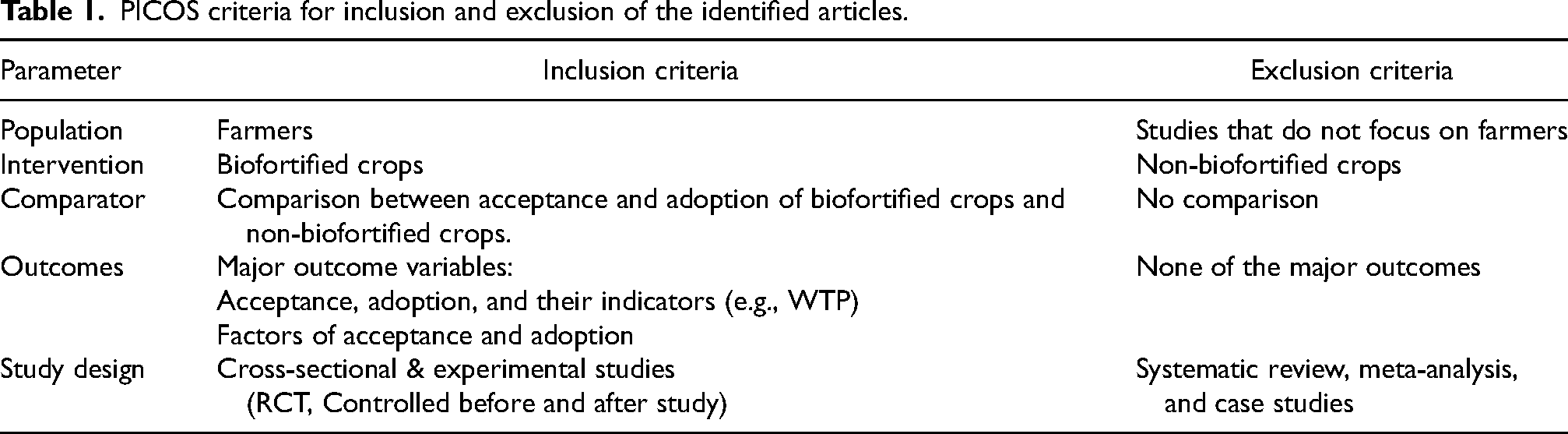
Figure 1 shows the detailed PRISMA flow chart for the systematic review. The search in Web of Science database yielded 8,519 articles that were initially retrieved and imported to Endnote Desktop (version ×9). After title screening, 157 articles were assessed for abstract screening, and 81 articles were excluded. Considering the inclusion and exclusion criteria, a total of 76 studies were retained, but due to a lack of focus on biofortification, 52 articles were finally excluded, resulting in 24 full articles being retained for data extraction (see Figure 1). For the sake of maintaining the rigor and reliability of our review, exclusively peer-reviewed, published articles sourced from the Web of Science database were included in this review.
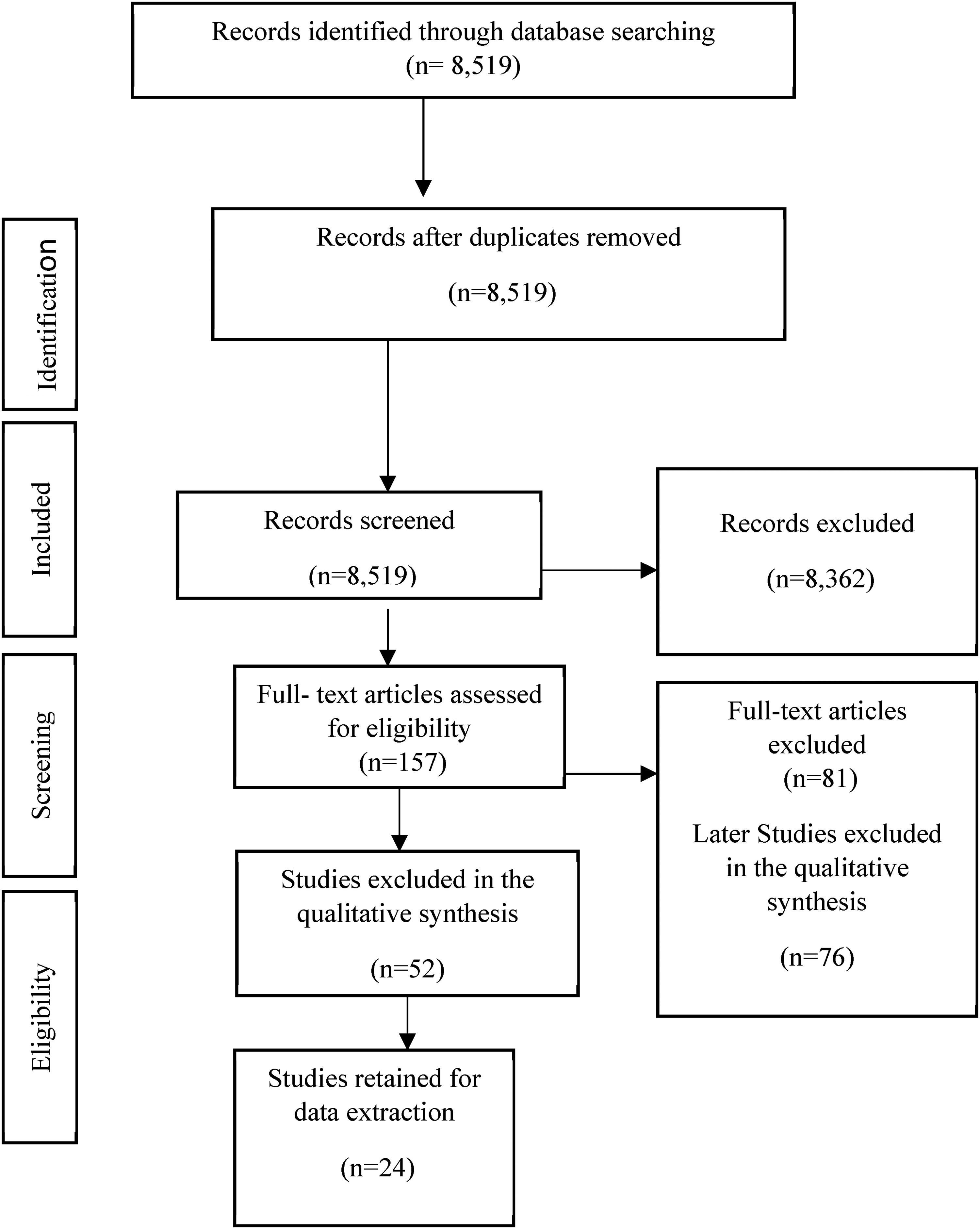
The PRISMA flowchart.
Data extraction
Prior to data extraction, a standardized sheet was created in Microsoft Excel and used during full-text review to facilitate the coding of details. This data extraction sheet captured different study characteristics of the included studies, for example, type of farmers, type of crops, sample characteristics, study methodology, outcome indicators and their measurement, and determinants of acceptance and adoption. The results are presented in the next section.
Results
Study characteristics
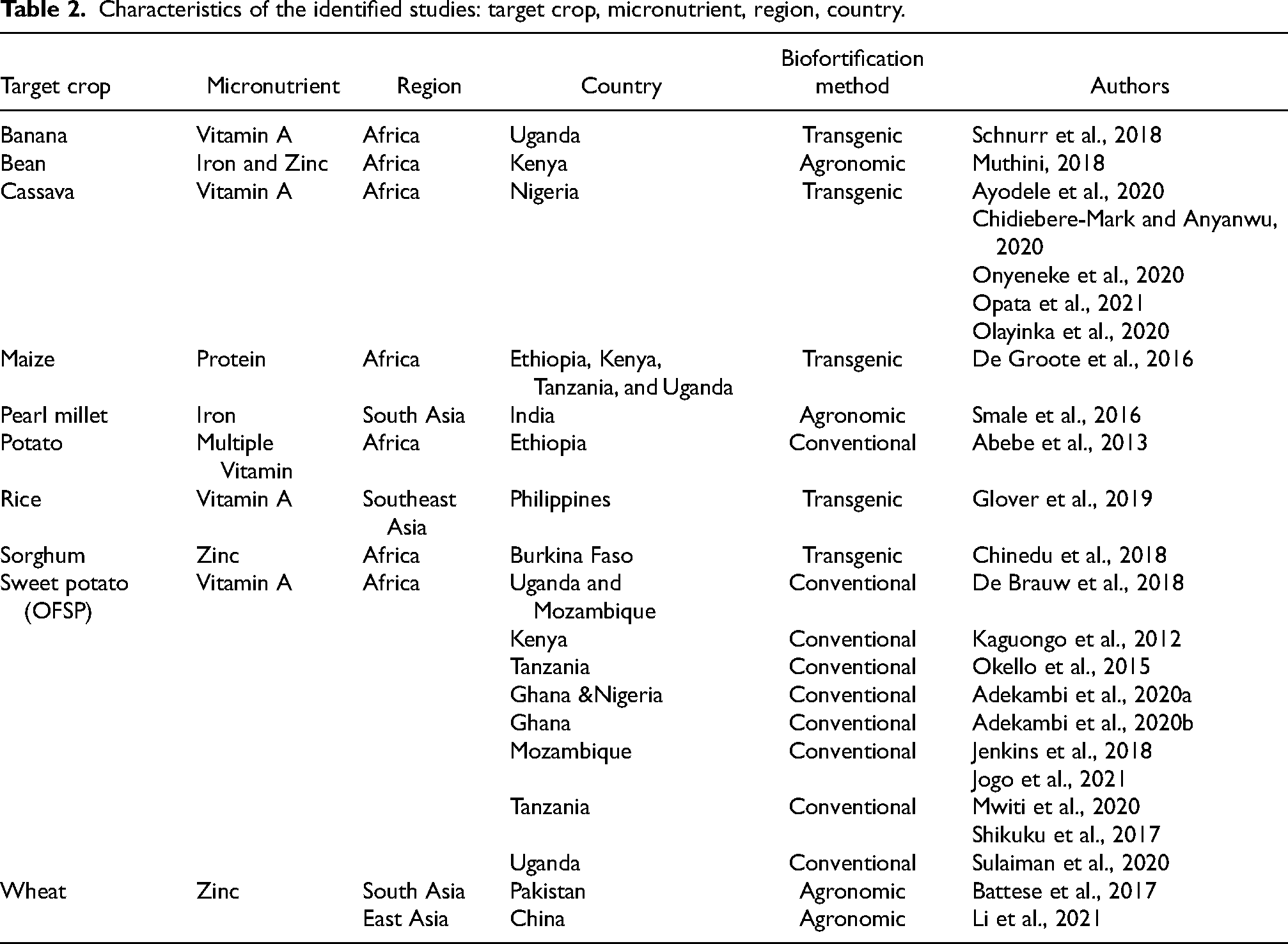
The 24 reviewed articles were mainly from Africa (20 articles in 21 countries) and Asia (4 articles in 4 countries). In Africa, more specifically, studies were conducted in the following countries: Nigeria (six studies); Uganda and Tanzania (four studies per country); Mozambique and Kenya (three studies per country), Ethiopia and Ghana (two studies per country), and Burkina Faso (one study). In Asia, articles were from Pakistan, India, the Philippines, and China (one study per country).
For example, a study in East Africa (Ethiopia, Kenya, Tanzania, and Uganda) presents the results of farmer surveys and compares the effects of different components of the expansion strategy. It analyzes farmers’ participation in extension activities, their awareness of quality protein maize (QPM), their assessment of agronomic and consumer characteristics, and their understanding of nutritional benefits. This cross-country adoption study provides valuable insights into the factors influencing the adoption of biofortified crops (De Groote et al., 2016). Another study focuses on the introduction of orange-fleshed sweet potatoes (OFSP) in Kenya (Kaguongo et al., 2012). This study analyzes the adoption and intensity of OFSP adoption among sample farmers in two provinces of Kenya. The researchers’ goal was to identify the key factors driving adoption and adoption intensity and to determine whether participation in the extension program increases adoption and adoption intensity.
Overall, the most common crop in the studies was sweet potato, also known as orange flesh sweet potato (OFSP) (10 studies), followed by cassava (5 studies), wheat (2 studies), and bananas, beans, maize, pearl millet, potato, rice and sorghum (1 study per crop). For micronutrients, more than half of the studies focused on vitamin A (17 studies), zinc (4 studies), iron (2 studies), several vitamins (1 study), and protein (1 study).
Based on the type of biofortification, 11 studies targeted conventional biofortified crops, 9 studies examined transgenic (genetically modified) biofortified crops and 4 studies looked at agronomically biofortified crops. Table 2 presents a summary of the main characteristics of the identified studies.
Characteristics of the identified studies: target crop, micronutrient, region, country.
In terms of year of publication, this review covers a 10-year period (as outlined in our methodology). The number of studies on farmers’ acceptance and adoption of biofortified crops grew until 2018, and then fell in 2019, before rising again in 2020 (see Figure 2).
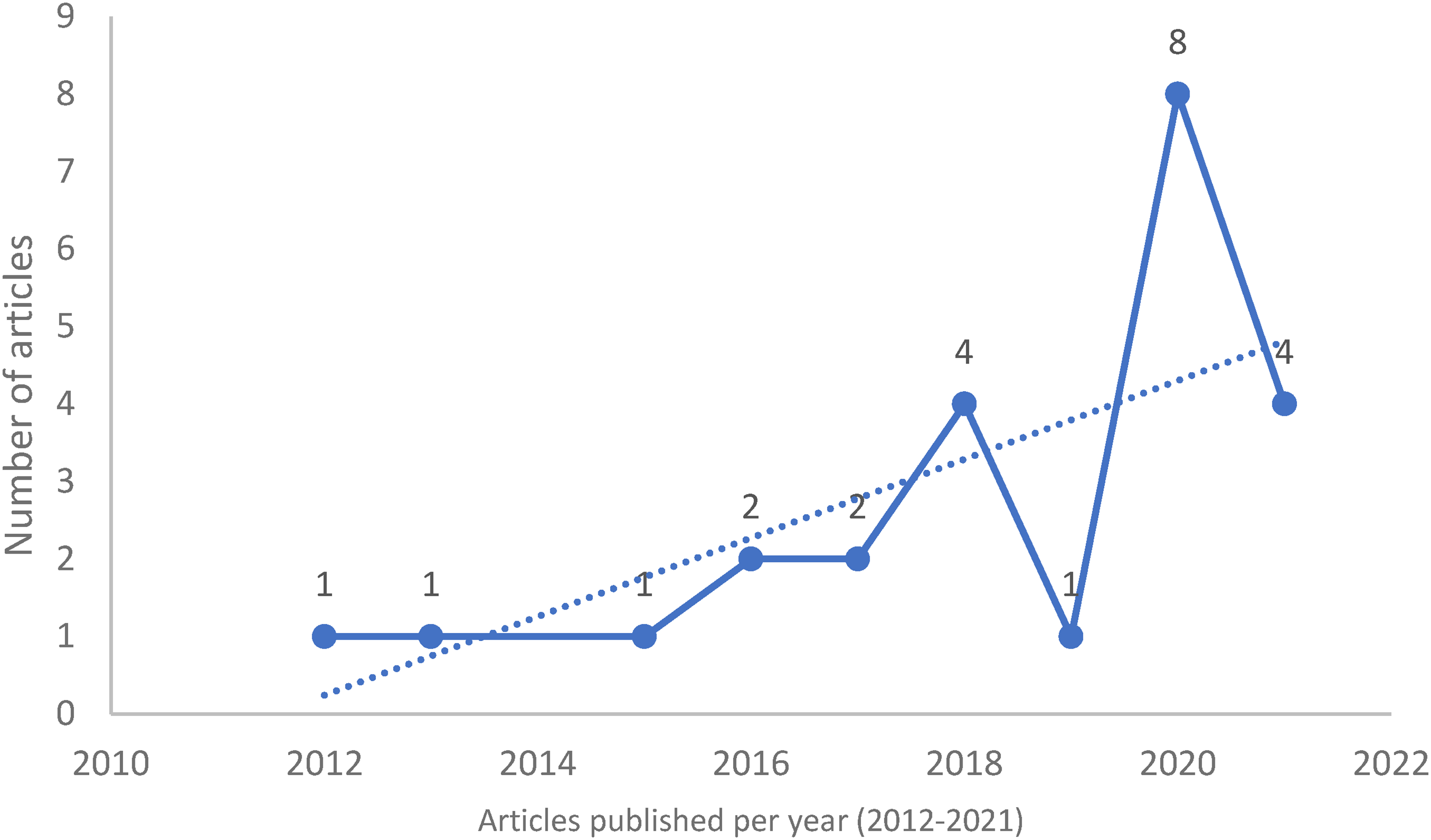
Number of articles on farmers’ acceptance/adoption of biofortified crops per year (2011–2021).
Research designs and methods utilized in the reviewed studies
In terms of research design, a total of 22 studies were based on a cross-sectional design while another 2 studies were longitudinal. Most studies (20 studies) used a quantitative approach to describe or analyze factors associated with farmers’ adoption of biofortified crops and in these cases, data were collected via surveys. These studies used random sampling, and more specifically: multistage sampling (nine studies), random field experiments (one study), random sampling (eight studies), stratified random sampling (one study), and stratified two-stage sampling (one study).
Qualitative methods were used in four studies and data collection was carried out through face-to-face interviews and focus group discussions with semi-structured and structured open-ended questions. Nonrandom, purposive sampling was used in these cases. Twelve studies analyzed their data using descriptive statistics, inferential statistics (10 studies), and cluster analysis (2 studies).
Theoretical models identified in the studies
Some of the studies (13 studies) used theoretical models to underpin the purpose of their studies. For example, Ayodele et al. (2020); Glover et al. (2019); Jogo et al. (2021); Jenkin et al. (2018); Olayinka et al. (2020); Schnurr et al. (2020); Sulaiman et al. (2020); and Muthini (2018) relied on technology adoption theory to explain why individuals accept and adopt modern technologies. An agricultural household framework was used in the Shikuku et al. (2017) study. This model assumes that households are the primary decision-makers in agricultural production and that they allocate their resources among activities to maximize their utility. Adekambi et al. (2020b); Li et al. (2021); Mwiti et al. (2020); and Smale et al. (2016) relied on the Lancasterian demand theory, which posits that consumers derive utility from the characteristics or properties of a good rather than the good being the direct object of utility. It is noteworthy that 11 studies in the articles did not refer to any theoretical model underpinning their research.
Outcome indicators and measures
The studies examined in the systematic review used several outcome indicators to measure farmers’ acceptance and adoption of biofortified crops (see Table 3). Of all studies, explanatory (independent) variables such as farmers’ perceptions of biofortified crops (10 studies) and beliefs (3 studies) were used, linked to dependent variables, specifically willingness-to-pay (3 studies), willingness-to-grow (1 study), and adoption (8 studies). Willingness-to-pay for biofortified cassava, beans and wheat was measured using choice experiments (one study), a preference ranking (one study) and a payment card method, respectively. Farmers’ willingness-to-grow biofortified cassava was measured by a 5-point Likert scale (one study). Adoption was also measured using a five-point Likert scale (seven studies) or a dummy variable (one study) for farmers’ acceptance of orange-fleshed sweet potatoes.
Types of indicators of adoption/acceptance.
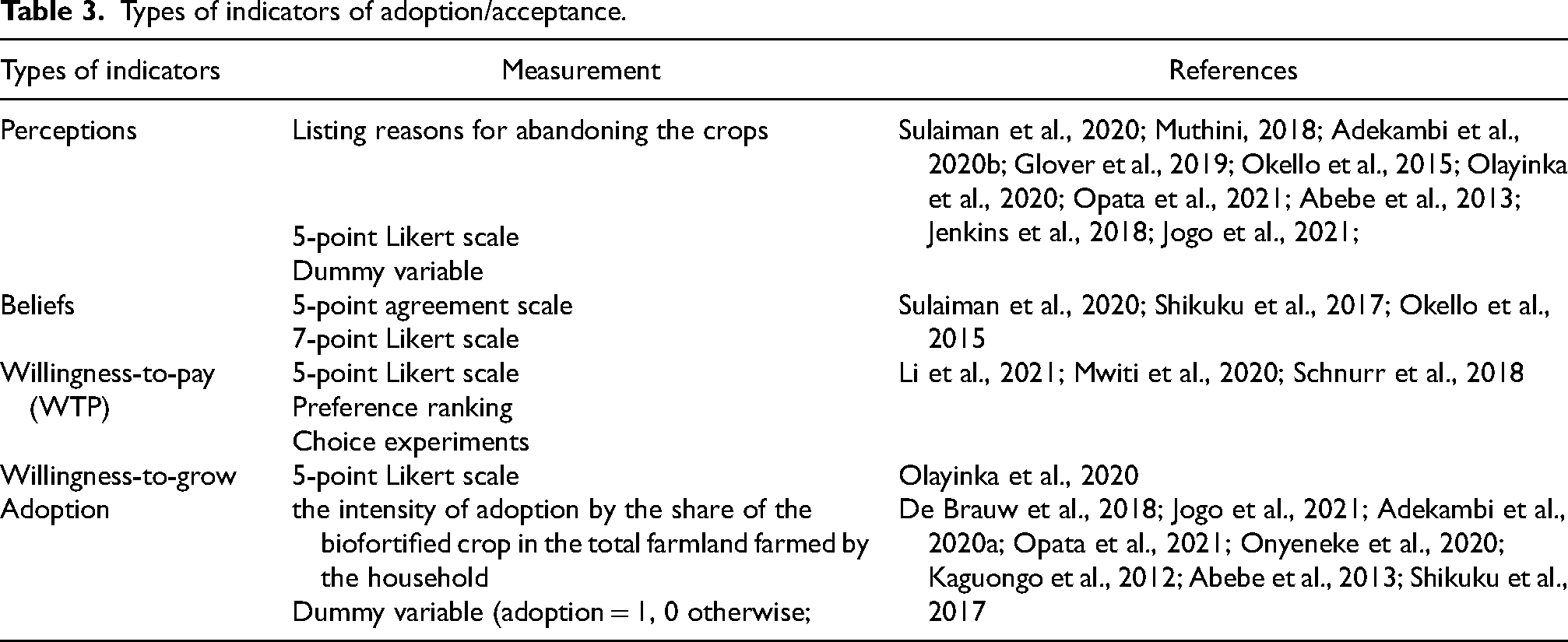
Of the 10 studies that assessed farmer perceptions, four used a five-point Likert scale, three studies listed reasons for abandoning the crops, and two studies measured farmer perceptions of biofortified crops as a dummy variable that could be answered yes or no. Belief in orange-fleshed sweet potato was measured using a 7-point (one study) and 5-point Likert scale (two studies).
Empirical findings of the different outcome indicators
Benefits perception. Several authors postulate that farmers perceive agronomic benefits primarily because these crops are perceived to be resistant to pests, diseases, drought, and early maturing, and have higher yields (Muthini, 2018; Okello et al., 2015). The socioeconomic benefits of plants are related to increased revenue from the sale and consumption of plants (Okello et al., 2015), with greater health and nutritional benefits (Jenkins et al., 2018; Opata et al., 2021). In terms of sensory benefits, farmers perceive that biofortified crops have low sugar content (and are therefore tasty) and different colors that are attractive to children; they also have higher dry matter content than local varieties (Jenkins et al., 2018; Jogo et al., 2021).
Risk perception. In contrast, the reviewed studies also revealed perceived risks by farmers. For example, despite their greater yield potential, farmers perceive plant seeds as more expensive to purchase and cultivate, while the plants also require additional effort to cultivate (e.g., weeding, measuring space between plants, and market instability) (Glover et al., 2019). Cooking quality refers to the taste of potatoes when cooked with vegetables in liquid (i.e., in a stew), and is an other risk perceived by farmers (Abebe et al., 2013). Also the color is not always liked by customers, as illustrated in a farmer study on yellow roots cassava (Olayinka et al., 2020).
In a comprehensive study focusing on Ghanaian farmers, researchers investigated the perceptions of orange-fleshed sweet potato attributes and their influence on planting decisions. The varietal attributes, including sweetness (perceived sugar content), taste, and dry matter content (perception of starch), were rated using a Likert scale ranging from 1 (completely unimportant) to 5 (very important), as outlined by Adekambi et al. in 2020b. This approach sheds light on the hierarchy of attributes that guide farmers in their decision to grow this crop. Another study on Nigerian farmers examined their perception of high vitamin A cassava and the factors influencing their acceptance of the crop. Olayinka et al. (2020) conducted an analysis that tracked the change in farmers’ attitudes and identified the reasons and attributes, which included both plant characteristics and agronomic factors that contributed to their decision to abandon cultivation of the crop. Such studies are crucial for understanding changes in farmers’ preferences and attitudes toward different crop varieties, especially when biofortified options are introduced, to ensure effective adoption.
Belief. A study focusing on Tanzanian farmers’ perceptions of OFSP used a survey method to determine their views on this crop. Participants were presented with a series of statements and asked to rate their agreement using a five-point Likert scale. The study's results highlighted distinct belief variables. The first variable, centered around health, underscored the perceived health benefits of OFSP, particularly due to its orange flesh. Additionally, farmers acknowledged the crop's positive impact on children's palates and its yield potential. Respondents were prompted to rate their level of agreement with statements like “Sweet potatoes with an orange inside are healthier than sweet potatoes with a white interior” and “Sweet potatoes with orange inside do not taste as delicious as those with white interiors.” The second belief variable focused on yield, probing farmers’ opinions about the cultivars’ ability to yield more. The claim “Sweet potatoes that are orange inside yield more than those that are white inside” was a pivotal aspect of this variable (Okello et al., 2015).
Willingnes-to-pay. The studies of Mwiti et al. (2020) and Schnurr et al. (2018) used Likert scales to assess farmers’ willingness-to-pay for OFSP and vitamin A-enriched bananas, respectively. Focusing on Tanzanian, orange-fleshed sweet potato growers, results from Mwiti et al. (2020) showed that on average, farmers were willing to pay a premium of about 140 Tanzanian shillings (Tsh) for biofortified clean planting material compared to non-biofortified varieties. This willingness was based on the superior attributes of the biofortified varieties, especially in terms of taste, dry matter content, and disease resistance, characteristics that played a crucial role in farmers’ decision to grow and consume OFSP. Schnurr et al. (2018) conducted a comprehensive assessment of farmers’ willingness-to-pay for different banana varieties. Farmers exhibited a more pronounced demand for biofortified varieties as evidenced by their greater financial commitment and heightened preference for these variants over the non-biofortified alternatives.
Willingness-to-grow. For example, Olayinka et al. (2020) study of Nigerian cassava farmers asked about their propensity to grow the provitamin A variety of cassava. Participants’ responses were rated using a five-point Likert scale. This assessment was rooted in factors such as farmers' personal preferences regarding taste and color. Moreover, the farmers’ level of knowledge pertaining to the crop's nutritional value emerged as a pivotal influencer. Notably, a higher degree of awareness regarding the nutritional benefits contributed to an increased willingness among farmers to engage in the cultivation of the pro-vitamin A cassava variety.
Adoption. The assessment of orange-fleshed sweet potato adoption by producers in Tanzania was undertaken by employing a binary classification: a value of 1 was assigned if the farmer had cultivated any variety of orange-fleshed sweet potato (OFSP) in the preceding season, while a value of 0 was allocated if they had not. This classification was based on an interplay of factors encompassing socio-economic characteristics (such as age, gender, nutrition knowledge, education, and access to planting material), consumption-related attributes (like taste and dry matter content), and agronomic traits (including yield, early maturity, and drought tolerance) (Shikuku et al., 2017).
De Brauw et al. (2018) conducted a study among Mozambican and Ugandan OSFP farmers and employed a multifaceted approach to assess the adoption of this crop. Adoption was evaluated through two distinct dimensions: Firstly, adoption was measured as an indicator variable, which was defined differently for each context. In Mozambique, it determined whether farmers preserved vines for the subsequent season. In Uganda, adoption was established by identifying whether farmers were currently cultivating OFSP at the time of the final survey. Secondly, the study assessed the intensity of adoption by quantifying the proportion of the total sweet potato cultivation area dedicated to orange-fleshed sweet potatoes within the households. This comprehensive evaluation of adoption was linked to a higher nutritional knowledge held by the household head. This factor was likely crucial in influencing the decision to adopt and the extent of adoption of orange-fleshed sweet potatoes in both Mozambique and Uganda (De Brauw et al., 2018). This study thus provided a nuanced understanding of adoption patterns by considering both the binary aspect of adoption and the degree of adoption intensity, while also highlighting the significance of nutritional knowledge held by household heads.
Key factors affecting acceptance and adoption of biofortified crops by farmers
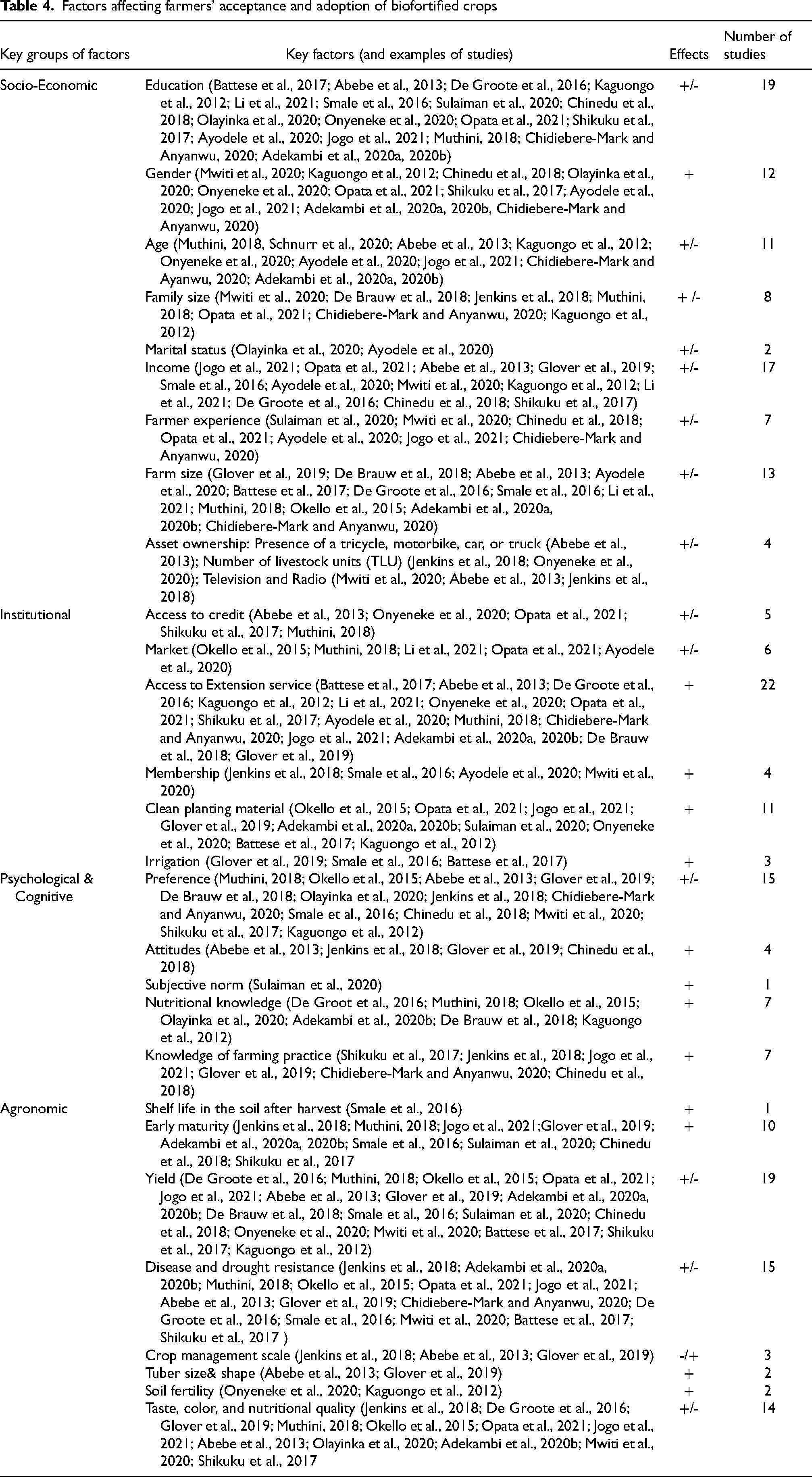
In line with a past review on preference for agricultural innovations (Olum et al., 2019), four factors affecting farmers’ adoption of agricultural technologies emerged from the reviewed studies. These categories collectively encompass the multidimensional aspects that shape farmers’ decisions to embrace biofortified crops. The insights taken from these categories provide a deeper understanding of the factors that contribute to the successful adoption of agricultural technologies (biofortified crops) in diverse contexts. Table 4 provides detailed information about the factors, specific examples found in the revised papers, the different effects (if positive, negative, or insignificant), and the frequency of studies.
Factors affecting farmers’ acceptance and adoption of biofortified crops
Socioeconomic factors
This section deals with the sociodemographic characteristics of the farmers (Olum et al., 2019), but also the socioeconomic factors related to the farm and household. Among these factors, education was the most examined (19 studies), followed by income (17 studies), farm size (13 studies), gender (12 studies), age (11 studies), family size (8 studies), farming experience (7 studies), asset ownership (4 studies), and marital status (2 studies). These factors are studied mostly in Africa (16 studies), South Asia (2 studies), and East Asia (1 study). They mainly influence the following biofortified crops: orange-fleshed sweet potato (7 studies), cassava (5 studies), wheat (2 studies), maize, pearl millet, bean, potato, and sorghum (1 study per crop).
While education was found to influence biofortified crop acceptance and adoption positively in eleven studies, the remaining seven studies reported an insignificant influence on farmers’ decisions, and only one study showed a negative relationship between education and farmers’ biofortified crop acceptance and subsequent adoption (see Table 4). Household income on/off-farm was reported to have a positive and significant effect on farmer acceptance and adoption of crops (16 studies), and one study reported a negative effect.
Household land ownership (farm size) had a positive effect on farmers’ crop acceptance and adoption (seven studies), and the remaining studies reported a non-significant effect of the variable. Some studies (three studies) indicated that male head of household has a positive effect on acceptance and adoption of biofortified crops, the other nine studies reported a non-significant effect of gender. A higher age of the household head had a positive effect (nine studies), a negative effect (one study), and a non-significant effect (one study) on biofortified crop acceptance and adoption.
Family size had a positive effect (three studies), a negative effect (one study), and a non-significant effect (three studies) on acceptance and cultivation. The number of farming years had a positive effect (six studies), and one study reported that farming experience had a negative effect on adoption and on the decision to cultivate. Household asset ownership had a positive effect (four studies) on household crop acceptance and adoption. The marital status of the household head had a positive effect on the decision to accept and adopt in one study and an insignificant effect in one study.
Institutional factors
Access to extension services was examined by (22 studies), followed by access to clean planting material (11 studies), distance to the nearest market (6 studies), access to credit (5 studies), membership (4 studies), and access to irrigation (4 studies). These factors are studied mostly in Africa (21 studies) and Southeast Asia (1 study). They mainly affect orange-fleshed sweet potato (nine studies), cassava (five studies), wheat (two studies), maize, pearl millet, bean, potato, rice, and sorghum (one study per crop). All studies (22 studies) described that coordinated education and extension services have a positive effect on the sustainable adoption of biofortified crops and that technical support from NGOs and development agents (DA) for extension services has a good impact on farmers’ willingness to accept new crops and make adoption sustainable. Farmers’ WTP for clean planting material and their desire to accept and adopt nutritionally improved varieties are positively related to access to clean planting material (10 studies), with one study arguing the insignificant effect of clean planting material on acceptance and adoption. Distance to the nearest market has a positive effect on crop adoption and acceptance (five studies), while it has a negative effect on the likelihood that farmers will grow biofortified crops (one study). Farmers’ access to credit has a positive effect (four studies), while one study suggests a negative effect of credit on crop adoption and planting. Farmers’ membership in a cooperative and access to irrigation facilities have a positive effect on adoption and the decision to cultivate (four studies each).
Psychological and cognitive factors
Farmers’ preference was examined by (15 studies), followed by knowledge (nutritional knowledge and knowledge of agricultural experience) (14 studies), attitude (4 studies), and subjective norm (1 study). These factors were mostly studied in Africa (14 studies) and Southeast Asia (1 study) and mainly influenced the adoption of orange-fleshed sweet potato (6 studies), cassava (2 studies), beans (2 studies), pearl millet, banana, potato, rice, and sorghum (1 study per crop). Farmers’ preference for biofortified crops had a positive impact on WTP and adoption decisions (13 studies), while two studies reported a non-significant impact. Nutritional knowledge of biofortified crops had a positive effect on crop acceptance and adoption (seven studies), and knowledge of cultivation experience with biofortified crops (seven studies). Farmers’ attitudes positively affect farmers’ willingness to accept and adopt (four studies). Subjective norms had a positive effect (one study) on the decision to adopt.
Agronomic factors
Crop yield was investigated by (19 studies), followed by diseases and drought resistance (15 studies), early maturity (10 studies), crop management (3 studies), tuber size (2 studies), soil fertility (2 studies), and shelf life (1 study). These factors were studied mostly in Africa (16 studies), South Asia (2 studies), and Southeast Asia (1 study). They mainly affected the crops of orange-fleshed sweet potato (eight studies), cassava (three studies), beans, wheat, pearl millet, maize, potato, rice, banana, and sorghum (one study per crop). Higher yields in biofortified crops had a positive effect (19 studies) on WTP and adoption decisions. Crop pest and drought resistance had a positive effect (14 studies) while only one study reported a lack of effect on grower's willingness to accept and adopt. For early crop maturity, all (10 studies) had a positive effect on grower's acceptance and adoption decision. Crop management had a positive (two studies) or negative influence (one study) on acceptance and adoption. Soil fertility, tuber size, and shelf life positively influenced farmers’ willingness to cultivate and adopt biofortified crops.
Characteristics such as taste, color, and nutritional value were examined by (14 studies). The studies were mostly conducted in Africa (12 studies), Southeast Asia, and South Asia (one study each per continent) and mainly involved biofortified crops: orange-fleshed sweet potato (six studies), cassava (two studies), maize, rice, banana, beans, and potato (one study each per crop). Crop characteristics had a positive influence on (13 studies), while only 1 study reported an insignificant influence on farmer acceptance and adoption decisions.
Discussion
This systematic review highlights that a significant proportion of research on the acceptance and adoption of biofortified crops by farmers predominantly focuses on regions in Africa and Asia, notably in countries such as Nigeria, Uganda, and Tanzania. This geographical emphasis aligns with the global commitment articulated in the United Nations’ 2030 Agenda for Sustainable Development. The Agenda calls for decisive action to enhance the nutritional quality of food for the world's most vulnerable populations, in line with the United Nations Sustainable Development Goals (SDGs) concerning hunger, nutrition, and sustainable agriculture (United Nations, 2019). Emerging technologies, including the practice of biofortification, present a compelling opportunity to address the complex challenges of food security and combat nutritional deficiencies. By fostering the cultivation and adoption of biofortified crops, society can potentially witness improvements in overall health and well-being and this review provides science-based factors to support strategic decisions to achieve these goals.
The literature reviewed indicates a growing interest of researchers and development practitioners in this topic, as evidenced by the increasing number of publications each year on the acceptance and adoption of biofortified crops by farmers. Moreover, the impact of biofortification on livelihoods is shown to contribute to Sustainable Development Goal 2, which is to end hunger, achieve food security and improved nutrition, and promote sustainable agriculture (Van Ginkel and Cherfas, 2023).
The 24 reviewed articles provided empirical evidence to allow the identification of four key groups of factors for farmers’ acceptance and adoption of biofortified crops, contributing to previous literature (e.g., Olum et al. (2019) and advancing the systematization of the findings, as the subsection shows.
The role of factors on farmers’ acceptance and adoption of biofortified crops
Socioeconomic factors
Education emerged as a key variable in most studies (19 studies) and its influence on adoption and farmer acceptance was extensively examined. Out of these, 11 studies reported a positive correlation between education and farmers’ willingness to accept and adopt biofortified crops. This outcome aligns with the findings of other researchers, such as Adekambi et al. (2020a, 2020b), Onyeneke et al. (2020), and Opata et al. (2021), who also identified a favorable connection between farmers’ adoption decisions and education. A common observation was that education tends to augment WTP for biofortified crops, a sentiment echoed by Mwiti et al. (2020). This association can be attributed to the fact that higher educational attainment often equates to improved nutritional knowledge (De Groote et al., 2016; Okello et al., 2015) and potentially higher income levels, consequently elevating WTP (Chinedu et al., 2018; Sulaiman et al., 2020). Notably, the educational level of household heads (Abebe et al., 2013; Kaguongo et al., 2012) and female household members (Muthini, 2018; Olayinka et al., 2020) also exerts a positive and significant impact on the decision to cultivate these crops. Nutrition knowledge, too, emerges as a driving factor, positively affecting both the willingness to cultivate these crops (Olayinka et al., 2020) and the ultimate decision to adopt them (Adekambi et al., 2020b). It is worth highlighting that Li et al.'s (2021) results presented a contrasting perspective. Their findings suggest a negative correlation between household education levels and WTP for biofortified crops. This discordant outcome could potentially be attributed to the commonly observed phenomenon where, as farm workers age and accumulate more education, they become less inclined to adopt new crop varieties. Moreover, seven studies did not find a statistically significant relationship between education and acceptance and adoption.
However, the significance of education underscores the need for joint efforts in education and extension services from both government and nongovernmental sectors. These collaborative endeavors should focus on large-scale awareness campaigns and nutritional education to persuade farmers to grow and consume biofortified crops. This approach can positively shape farmers’ beliefs about these crops (Okello et al., 2015) and improve their decisions to adopt them (Adekambi et al., 2020a; Mwiti et al., 2020). This, in turn, contributes to the sustained adoption of biofortified crops (Abebe et al., 2013; Ayodele et al., 2020; Olayinka et al., 2020; Onyeneke et al., 2020; Schnurr et al., 2018).
Furthermore, findings from three studies highlight a positive link between farmer group membership and the willingness to grow biofortified crops. This connection is attributed to increased interactions among farmers (Ayodele et al., 2020; Jenkins et al., 2018; Smale et al., 2016), which foster knowledge exchange and peer learning, further encouraging farmers to engage more in cultivating these crops.
More than half of the articles reviewed (17 studies) indicated that higher household income has a positive effect on farmers’ willingness to grow biofortified crops and preference for biofortified crops (Jenkins et al., 2018; Olayinka et al., 2020; Smale et al., 2016). In one study, income was reported to have no effect on farmers’ decisions (Olayinka et al., 2020). Other studies highlighted that increases in income are significantly related to the decision to cultivate (Li et al., 2021; Muthini, 2018; Sulaiman et al., 2020). Income from growing biofortified crops increases farmers’ willingness to cultivate (Ayodele et al., 2020; Jogo et al., 2021). However, our review also shows that income from crop sales can have a negative impact on WTP. In fact, when the income elasticity of demand changed, households are likely to switch from buying biofortified crops to other consumption purchases at higher income (Mwiti et al., 2020). As such, a higher per capita income could also decrease the probability that a household is willing to cultivate biofortified crops (Smale et al., 2016).
While 8 of the 11 studies that examined age found a positive influence on the acceptance and adoption of biofortified crops, two studies reported an insignificant influence (Abebe et al., 2013; Onyeneke et al., 2020), and the remaining study pointed to a negative influence on adoption by farmers (Muthini, 2018). Several authors reported that younger farmers are more positive in adopting new technologies, while older farmers are considered more inefficient than younger farmers due to the influence of age on adoption behavior and perception of biofortified crops (Ayodele et al., 2020; De Groote et al., 2016). Some studies have shown that younger farmers are less likely to adopt biofortified crops than their older counterparts because they lack knowledge of agricultural experience (Adekambi et al., 2020a; Chidiebere-Mark and Anyanwu, 2020; Glover et al., 2019), suggesting that farmers with less agricultural experience perceive biofortified crops as inferior subsistence products, while older farmers are more likely to be parents of children under five (Chinedu et al., 2018; Jenkins et al., 2018). According to Li et al. (2021), the average WTP among contract farmers was higher among younger growers than older ones, but the ratio was reversed among non-contract farmers. A study also showed that the age and presence of a vulnerable child in the household positively affected the probability of adoption of OFSP varieties (Adekambi et al., 2020a).
We further mainly found that there is a gender difference in willingness to grow (Chidiebere-Mark and Anyanwu, 2020), a belief that biofortified crops are nutritionally superior to local varieties (Shikuku et al., 2017) and that the adoption of biofortified crops is not significantly influenced by gender difference (seven studies). The remaining three studies show that a male-headed household increases farmers’ willingness to grow biofortified crops (Olayinka et al., 2020) and that adoption of these crops is positively related (Kaguongo et al., 2012; Opata et al., 2021). This finding highlighted the need for greater involvement of women in efforts to disseminate biofortified crops. In addition, most nutrition education activities should target women so that female-headed households adopt crops equally (Opata et al., 2021) to ensure that the positive impacts of biofortified crops are sustainable and contribute to SDG 5 on gender equality.
Among the studies concerning family size, an almost equal proportion of them indicate either a positive (three studies) or non-significant (four studies) relationship with WTP and the adoption of biofortified crops. Larger households tend to exhibit a greater inclination to cultivate biofortified crops, leading to a higher WTP, which is particularly significant in crop production. This is attributed to the valuable role that larger households play as family laborers, contributing to the reduction of production costs (Mwiti et al., 2020).
In the context of households with children under five, the findings are mixed. Two studies reported a positive association between the willingness to adopt crops and the presence of young children, particularly in marital households with children (Ayodele et al., 2020; Jenkins et al., 2018; Onyeneke et al., 2020). Conversely, a few studies found no significant association with marital status and children under five (De Brauw et al., 2018; Kaguongo et al., 2012; Olayinka et al., 2020), suggesting that the number of family members does not significantly influence the decision to adopt crops.
The review found a clear link between household wealth and farmers’ WTP and their decisions to adopt biofortification. Various factors, such as farm size, livestock, and other household assets, contribute significantly to the overall household wealth, thereby influencing these outcomes positively.
Regarding farm size, access to a larger farm has a positive effect on farmers’ willingness to accept it, as indicated by different studies (Adekambi et al., 2020b; Ayodele et al., 2020; Battese et al., 2017; De Groote et al., 2016; Glover et al., 2019; Smale et al., 2016).
Interestingly, the relationship between landholding size and crop adoption is more nuanced. While six studies found no significant association (Abebe et al., 2013; Li et al., 2021), this aspect is marked with complexities.
In contrast, findings from four studies highlighted that farmers with greater assets exhibit a higher WTP (Mwiti et al., 2020). Furthermore, these studies underscore that as the value of assets increases, the likelihood of adopting new agricultural technology also rises (Abebe et al., 2013; Onyeneke et al., 2020; Smale et al., 2016). This dynamic interplay underscores the role of household assets in shaping both WTP and the decisions to adopt, underscoring the complex factors that guide farmers’ choices in embracing new agricultural practices.
Institutional factors
The significance of having access to credit in alleviating financial constraints when purchasing high-quality crops aligns positively with farmers’ beliefs about biofortified crops (Muthini, 2018). Particularly, when household heads have access to credit within their community, it fosters a favorable disposition toward accepting and cultivating these crops (Abebe et al., 2013; Mwiti et al., 2020; Onyeneke et al., 2020).
Nevertheless, it is important to note that the results are not uniform. While multiple studies support the notion that credit availability influences farmers’ willingness to accept and grow these crops (Abebe et al., 2013; Mwiti et al., 2020; Onyeneke et al., 2020), there is an opposing viewpoint. One study argued that the availability of credit doesn't have a discernible impact on farmers’ decisions to adopt cultivation (Opata et al., 2021).
Another crucial socioeconomic factor highlighted in the reviewed studies is the proximity to the market, which exhibits a significant connection with the willingness-to-pay for novel crop varieties (Mwiti et al., 2020). Notably, when the distance between the farm and the market is shorter, farmers tend to be more inclined to embrace and adopt these new varieties (Abebe et al., 2013; Ayodele et al., 2020; Li et al., 2021). Interestingly, findings from the study by Okello et al. (2015) revealed an inverse correlation. In their research, the distance to the nearest market displayed a negative relationship with the probability of adoption.
The availability of irrigation (Glover et al., 2019; Smale et al., 2016) and access to clean planting material play a significant role in influencing the acceptance and adoption of biofortified crops (Battese et al., 2017; Opata et al., 2021; Sulaiman et al., 2020). When farmers hold a positive belief about the accessibility of clean planting material, it directly affects their willingness to cultivate (Kaguongo et al., 2012; Shikuku et al., 2017) and their WTP (Onyeneke et al., 2020).
However, a contrasting perspective emerges from one study. This study suggests that farmers exhibit a stronger preference for non-biofortified varieties. The reasoning behind this preference is their belief that it is easier to obtain vines or planting material for local varieties within their communities, and these local varieties are better suited to endure dry conditions (Okello et al., 2015).
Psychological and cognitive factors
Studies have indicated that risk-averse farmers tend to exhibit a positive disposition toward biofortified crops, positioning them as potential early adopters (Abebe et al., 2013; Chinedu et al., 2018). Farmers’ attitudes toward adoption play a crucial role in influencing their willingness to cultivate these crops (Schnurr et al., 2020).
The increased acceptance of biofortified crops is often attributed to farmers’ positive perceptions of their capacity to prevent diseases and their growing advantages when compared to non-biofortified alternatives (Jenkins et al., 2018). Additionally, subjective norms and control beliefs of decision-makers were identified as significant factors influencing the acceptance process (Sulaiman et al., 2020).
Agronomic factors
Numerous studies (19 studies) highlight the significance of farmer preferences for specific crop traits in influencing adoption decisions, WTP, and the inclination to cultivate biofortified crops. Traits such as yield (Mwiti et al., 2020; Smale et al., 2016), early maturity (Glover et al., 2019; Jenkins et al., 2018), and resistance to diseases and drought (Jogo et al., 2021; Opata et al., 2021) are particularly influential, often outweighing considerations of nutritional value.
Notably, higher-yielding plants are associated with higher WTP values (Battese et al., 2017; Schnurr et al., 2020). Similarly, the perception that biofortified crops yield well influences farmers’ willingness to grow them (Chidiebere-Mark and Anyanwu, 2020). Farmers also tend to adopt biofortified plants after observing high yields in their previous crops (Adekambi et al., 2020a; Chinedu et al., 2018). The belief that biofortified crops offer better disease and drought resistance than local varieties (Shikuku et al., 2017) can further drives farmers to cultivate them (De Groote et al., 2016; Schnurr et al., 2020) and fosters their acceptance and adoption (Mwiti et al., 2020; Okello et al., 2015). Interestingly, one study reported that this attribute does not significantly influence farmers’ WTP for biofortified crops (Chidiebere-Mark and Anyanwu, 2020).
Furthermore, another significant aspect pertains to plant traits, including taste, color, and nutritional quality (Schnurr et al., 2020; Smale et al., 2016). Farmers’ positive perceptions of attractive color, good taste, and enhanced nutritional value for their children foster willingness to cultivate (Jenkins et al., 2018) and the acceptance and adoption of these crops (Adekambi et al., 2020b; Jogo et al., 2021). Farmers generally lean toward plants with higher nutritional content and light to medium color (Smale et al., 2016). Interestingly, despite the nutritional advantages of biofortified varieties, a study highlighted that farmers might still favor local varieties, especially when these local options are resilient against diseases affecting production (Okello et al., 2015).
Conclusions
The review is centered on research involving farmers and their interactions with biofortified crops. By focusing on primary studies that examine the factors that influence farmers’ decisions to adopt or accept these crops, the aim is to contribute to the existing knowledge base while encouraging further research in this area.
However, it is worth noting that there is a lack of comprehensive and well-powered studies that effectively explore how farmers accept and adopt biofortified crops over time, and the factors that influence these decisions (De Brauw et al., 2018; Glover et al., 2019; Lividini et al., 2018).
To bridge this gap, our study takes on a systematic review approach.
The focus is on categorizing the methods used to evaluate farmer adoption and acceptance of biofortified crops. We also analyze the different factors that come into play, how researchers measure the, and the specific roles different factors play in influencing the adoption and acceptance processes. Therefore, in this systematic review, four categories are proposed to identify factors that influence farmers’ acceptance and adoption of biofortified crops: (1) socioeconomic factors (e.g., education, age, gender, income, and family size); (2) psychological and cognitive factors (e.g., farmers’ perceptions and attitudes toward the crop); (3) agronomic characteristics (e.g., yield, early maturity, resistance to disease/pests, and drought, taste, nutritional quality, and color), and (4) institutional factors (e.g., access to extension services, market, and credit).
The results revealed that although socioeconomic factors are prevalent in many studies, they often have an inconsistent influence on decision-making behavior towards acceptance and adoption. Psychological and cognitive, institutional, and agronomic factors are much more consistent, with most indicators showing positive effects of many indicators.
Regarding the assessment of adoption and acceptance, the studies revealed a number of outcome indicators that reflect different aspects. Among these, farmers’ WTP, perceptions, beliefs, willingness to plant in the forthcoming growing season, and actual adoption were identified as key indicators. To estimate these, a generally standardized measurment was adopted: the utilization of a 5-point Likert scale or the use of dummy variables.
Overall, it is noteworthy that the factors influencing farmers’ initial decision to accept a particular crop and their subsequent decision to adopt it exhibit remarkable similarities. This suggests a fundamental consistency between these two phases. However, a crucial difference lies in the direction of the effects. While the drivers remain consistent, their impact on the decisions may vary, reflecting the nuanced nature of attitude formation and adoption behavior.
This systematic review also highlighted a notable gap in some studies in that theoretical models were not used to answer their research questions. This observation highlights an important area of research that requires attention. It suggests that future researchers should endeavor to develop, differentiate, and understand explanatory models and theories underlying the factors affecting the acceptance and adoption of biofortified crops. Moreover, future studies could explore other stakeholders’ perceptions of biofortification, within and beyond the supply chain.
The multifaceted nature of challenges such as the hidden hunger, necessitates an integrated approach in seeking solutions. Understanding the interplay between socioeconomical, technological, institutional, and behavioral aspects for acceptance and adoption of biofortified crops will be essential in formulating effective strategies to address this complex issue. As such, the pursuit of solutions requires a holistic and comprehensive exploration that considers diverse factors and perspectives. Consequently, it is recommended to consider farmers’ preferences in the development of biofortified crops and tailor extension strategies to align with the value systems and preferences of both experienced and young farmers (Adekambi et al., 2020b; Kaguongo et al., 2012). This approach can contribute to enhancing the adoption and scaling-up of biofortification.
This article seeks to provide practical insights into the dynamic landscape of biofortified crop adoption and acceptance. These insights have real-world implications, particularly in strategy development for biofortification policies and for national, regional, and global support programs. By understanding the different factors that drive farmer choices in adopting and accepting biofortified crops, we inform strategies that can promote the growth and consumption of these crops, ultimately enhancing nutrition and bolstering food security in developing countries. Future research as well as policymaking and planning related to agriculture and health can benefit from the results, especially those involved in the development and upscaling of biofortified crops. While characterizing farmer studies and identifying their underlying explanatory methods is vital for identifying future research pathways, this study also contributes by identifying factors that can help reduce barriers and boost the adoption of biofortification.
Footnotes
Data availability
Data will be made available on request.
Declaration of conflicting interests
The authors declared no potential conflicts of interest with respect to the research, authorship, and/or publication of this article.
Funding
The authors disclosed receipt of the following financial support for the research, authorship, and/or publication of this article: The authors are grateful to Ghent University for supporting this work through the Special Research Fund (BOF-01W00421).
