




Abstract
This scoping review systematically maps empirical research on journalism and euthanasia, filling a gap left by prior health-focused reviews by centring media studies perspectives. The analysis encompassed 30 studies indexed in Web of Science and Scopus up to October 2025, revealing a thematic emphasis on news coverage related to euthanasia, euthanasia deaths, and end-of-life decisions. Most of these studies employed qualitative content and discourse analysis methods. A strong Global North bias constrains geographic and epistemic diversity. The fragmentation across journals and scientific domains reflects an emerging but methodologically diverse interdisciplinary field. Key media frames emphasised individual autonomy and suffering alleviation while marginalising alternative viewpoints. Significant gaps remain regarding public engagement with media coverage and content production dynamics. The review advocates for geographically diverse, integrative research and evidence-based ethical guidelines. Policymakers must consider media framing’s impact on public opinion and ethical debates surrounding end-of-life care.
Introduction
Medically assisted death refers to the ‘right to a death without pain or suffering for incurable patients, practised with their consent, in a dignified and medically assisted manner’ (Monteiro, 2020). This practice involves the termination of life in cases where an individual is suffering from an incurable disease that has become unbearable (Tierney, 2010). It is typically categorised into two primary types. In euthanasia, the physician administers the lethal pharmaceutical dose that leads to the patient’s death. In assisted suicide, the individual who is physically incapacitated or terminally ill self-administers the lethal dose. A broad definition of ‘euthanasia’ is adopted in this study, encompassing all forms of medically assisted death. This inclusive approach is justified by the common use of the term as a synonym for these practices across academic, journalistic, and other contexts (Jaye et al., 2021).
Euthanasia transcends cultural, ethical, and legal boundaries and has become a focal point of increasing international debate and legislative changes. At present, this medical procedure is legal in ten states of the United States of America (USA), as well as in Canada, Switzerland, the Netherlands, Belgium, Luxembourg, Spain, Austria, Australia, New Zealand, Colombia, and Ecuador (Walsh, 2024). Terminal oncological diseases (i.e., the last six months of life) are the most frequent factor in euthanasia requests (Rahimian et al., 2024). Simultaneously, cancer rates continue to rise, being the second leading cause of death in the world (Bray et al., 2024). Individuals with cancer increasingly require palliative care to alleviate pain and symptomatic complexity and high distress (Gomes et al., 2018). The transition of the dying process to hospital settings over recent decades, coupled with its evolution into a solitary, mechanical, and depersonalised experience, has fostered a growing aversion to the agony that characterises the end-of-life phase (i.e., the final year of life) (Costa, 2025). ‘Agony’ is a medical term used to refer to the final hours or days of patients in a terminal state or at the end-of-life. The presence of a multitude of simultaneous alterations, including delirium, gasping, and pain, is indicative of the imminent death of the patient (Barosa et al., 2021).
This phenomenon has garnered significant attention from the media industry, particularly in Western societies, where there has been a notable shift in societal attitudes regarding death and dying (Booth & Blake, 2022; Gorp et al., 2021). Sumiala (2022) has characterised the current hypermediated and hybrid context of our shared world as ‘the new social reality of public death in the media’ (p. 167). Consequently, journalism has intensified the daily public mediation of death, centring around dominant values of suffering and the politics of mercy (Costa, 2024). According to Couldry (2008), mediation is a dual-dimensional process of transmission that encompasses both the production and circulation dynamics of media organisations and the reception and recirculation of public interpretations within news production or broader social and cultural contexts. This process of co-construction of meaning within the context of media-mediated culture is a dynamic and ongoing phenomenon (Hermes, 2006).
Death and dying are recurrently covered in the news due to their alignment with several established news values that shape journalistic practices, including negativity, surprise, disruption of the natural order, social significance, and the capacity to provoke institutional responses (Harcup & O’Neill, 2001). Research demonstrates that journalistic portrayals of both natural and violent deaths significantly influence public perceptions and reinforce pre-existing attitudes toward different types of death (Mo Jang, 2019; Morse, 2018). Furthermore, engagement with death-related news has been positively associated with increased death anxiety (Chen et al., 2022), crime rate perceptions (Capellan et al., 2020), desensitisation to violent deaths (Thomas, 2023), and heightened interest in self-reflection about mortality (Khoo, 2018). Media representations also perpetuate colonial power hierarchies by privileging the mourning of certain lives over others, thereby sustaining global disparities in the visibility and significance attributed to death (Herman & Chomsky, 1988; Walter et al., 1995). This body of evidence highlights how news coverage establishes discursive frameworks that audiences appropriate, reinterpret, and amplify on social media platforms (Costa et al., 2026), fostering a hybrid media ecosystem that shapes the production and circulation of meanings around death and dying.
Media organisations and journalists play a crucial role as providers of health-related information and are essential actors in mitigating risky behaviours and harmful mindsets within the population (Araújo et al., 2016). Extensive research demonstrates that media coverage can influence public perceptions of disease severity (Young et al., 2013), perceived risks of illness (Niu et al., 2020), health-seeking behaviours (Grilli et al., 2002), and reduce stigma associated with certain conditions (Clement et al., 2013). In the context of suicide prevention, media outlets are expected to serve as partners in public health initiatives, given that specific portrayals of vulnerable individuals and explicit methods can contribute to imitative behaviours (Gould et al., 2003). Consequently, examining the media coverage of health issues such as euthanasia requires applying framing theory, which focuses on selecting particular aspects of reality and constructing narratives that emphasise their interrelations to promote a specific viewpoint (Entman, 2007). Despite the importance of health communication as a public health tool, journalists covering these topics often lack formal specialisation in health or science fields (Araújo & Lopes, 2016). Unlike other journalistic domains, health journalists tend to adopt more educational approaches aimed at informing the public and facilitating informed health decisions (Hallin & Briggs, 2014). Therefore, inaccurate, biased, or incomplete framing risks fostering unrealistic expectations that may prompt individuals to pursue inappropriate or harmful healthcare options (Schwitzer, 2008).
Most systematic literature reviews focus on attitudes towards euthanasia (Hendry et al., 2013; Xu et al., 2024). More specific studies delve into the mediation and mediatisation of death and dying (Costa et al., 2026) or explore how standards of grief are navigated by those using digital platforms (Wagner, 2018). Given the potential influence that journalistic frames have on shaping stories, which can either bolster or diminish prevailing cultural values, affect public perception, and inform policy decisions (Sell et al., 2016), this study aims to contribute to the systematisation of this body of research on journalism and euthanasia and is guided by the following research question: How have media studies investigated the relationship between journalism and euthanasia, particularly regarding the theoretical concepts, methodologies, and analytical strategies used?
Method and Data
This research examines the ways media studies have addressed the connection between journalism and euthanasia, focusing on the various concepts that scholars employ, along with the diverse methods and strategies they implement in their investigations. This scoping review includes publications derived from empirical research that are indexed in the Web of Science and Scopus, covering works published from the inception of these databases until October 2025. The method was informed by the guidelines established by Arksey and O’Malley (2005) and the Preferred Reporting Items for Systematic Reviews and Meta-Analyses (PRISMA, 2020) framework (Page et al., 2021).
A scoping review is referred to as a repeatable, impartial, and all-encompassing scientific approach that adheres to clearly defined and transparent methods for data collection and analysis (Tricco et al., 2018). Its purpose is to map, evaluate, organise, and synthesise the evidence and findings from studies investigating the same topics. The goal of scoping reviews is to clarify and deliver relevant insights regarding the status of a particular research area (Aromataris et al., 2024). Originally, the PRISMA 2020 statement was created for the medical field (Page et al., 2021), but it has since been adopted by researchers across a wide range of scientific disciplines. The methodology followed three main phases: (i) identification of relevant studies; (ii) selection of studies for inclusion; and (iii) collecting, summarising, and reporting the results (Figure 1). PRISMA 2020 Workflow Diagram for Systematic Reviews that Include Database Searches Only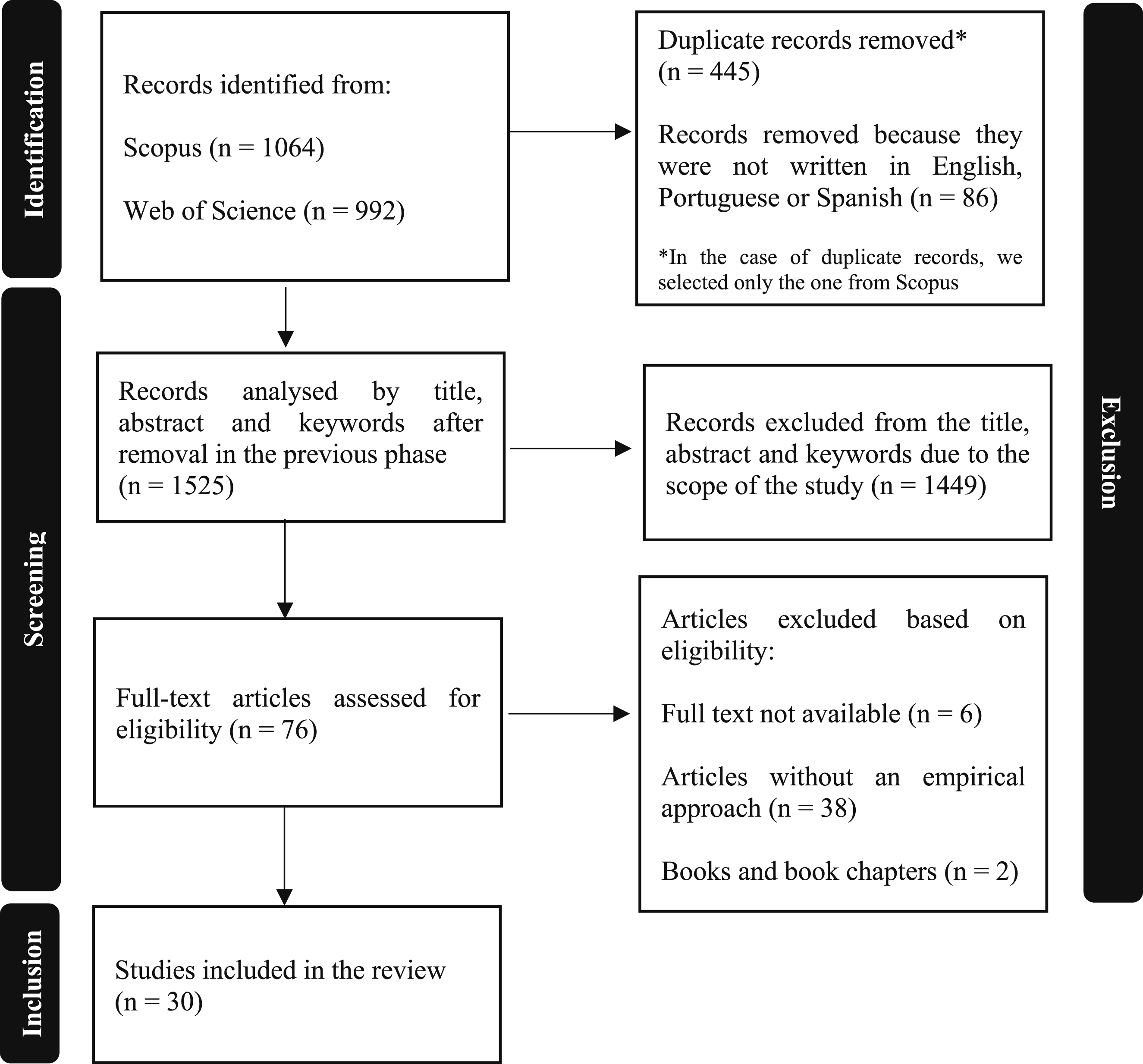
Phase I: Identification of Relevant Studies
We delineated the objectives for this scoping review in accordance with the recommendations proposed by Arksey and O’Malley (2005). This research focuses on empirical articles, specifically primary studies, that have been published in peer-reviewed journals and are indexed in the Web of Science and Scopus databases. The selection of these databases was informed by their recognised quality control mechanisms, extensive indexing of high-impact journals, and their wide acceptance as standards in social sciences and media studies research (Costa et al., 2026; de-Lima-Santos & Ceron, 2024). The emphasis on these platforms was intended to guarantee the methodological rigour and comparability of the study with other scoping reviews.
However, it is acknowledged that an exclusive focus on Web of Science and Scopus may result in the under-representation of research published in non-indexed journals. This includes grey literature and scholarship originating from non-English-speaking regions and the Global South (Paez, 2017). This restriction could potentially reinforce a Global North bias, since both databases are known to structurally favour research from Western countries and from English-language journals (Tennant, 2020). However, due to inconsistencies in quality control and difficulties in systematic retrieval and review, grey literature and other databases were not included. This limitation must be considered when interpreting the results.
We established these criteria for inclusion: empirical articles released from 1866 to 2025 in English, Spanish, or Portuguese (languages the authors are proficient in), publications in peer-reviewed journals, and studies concerning journalism and euthanasia. During the first half of October 2025, we executed a search that encompassed the title, abstract, and keywords of the articles, identifying the studies present in the two databases. After several refinements, the final search strategy was established as follows: (media OR news OR journalis*) AND (euthanasia OR ‘assisted* dying’ OR ‘assisted suicide’). This search returned 1,064 records from Scopus and 992 records from Web of Science (Figure 1). We removed duplicate records (n = 445) as well as those not written in English, Portuguese, or Spanish (n = 86). In the case of duplicate records, we selected only one, specifically from Scopus.
Phase II: Selection of Studies for Inclusion
As demonstrated in Figure 1, the selection of studies occurred in two steps: a screening phase followed by an eligibility phase. The initial phase generated 1,525 records, which were reviewed based on titles, abstracts, and keywords relevant to the study’s focus, leading to the exclusion of 1,449 records that were unrelated to journalism and euthanasia. In the next phase, we examined all 76 texts in detail to evaluate their eligibility. We eliminated records that were not accessible in full text (n = 6), those lacking an empirical approach (n = 38), and those released as books or book chapters (n = 2). After completing the first two stages, we obtained a corpus of analysis consisting of 30 publications.
Phase III: Collecting, Summarising, and Reporting the Results
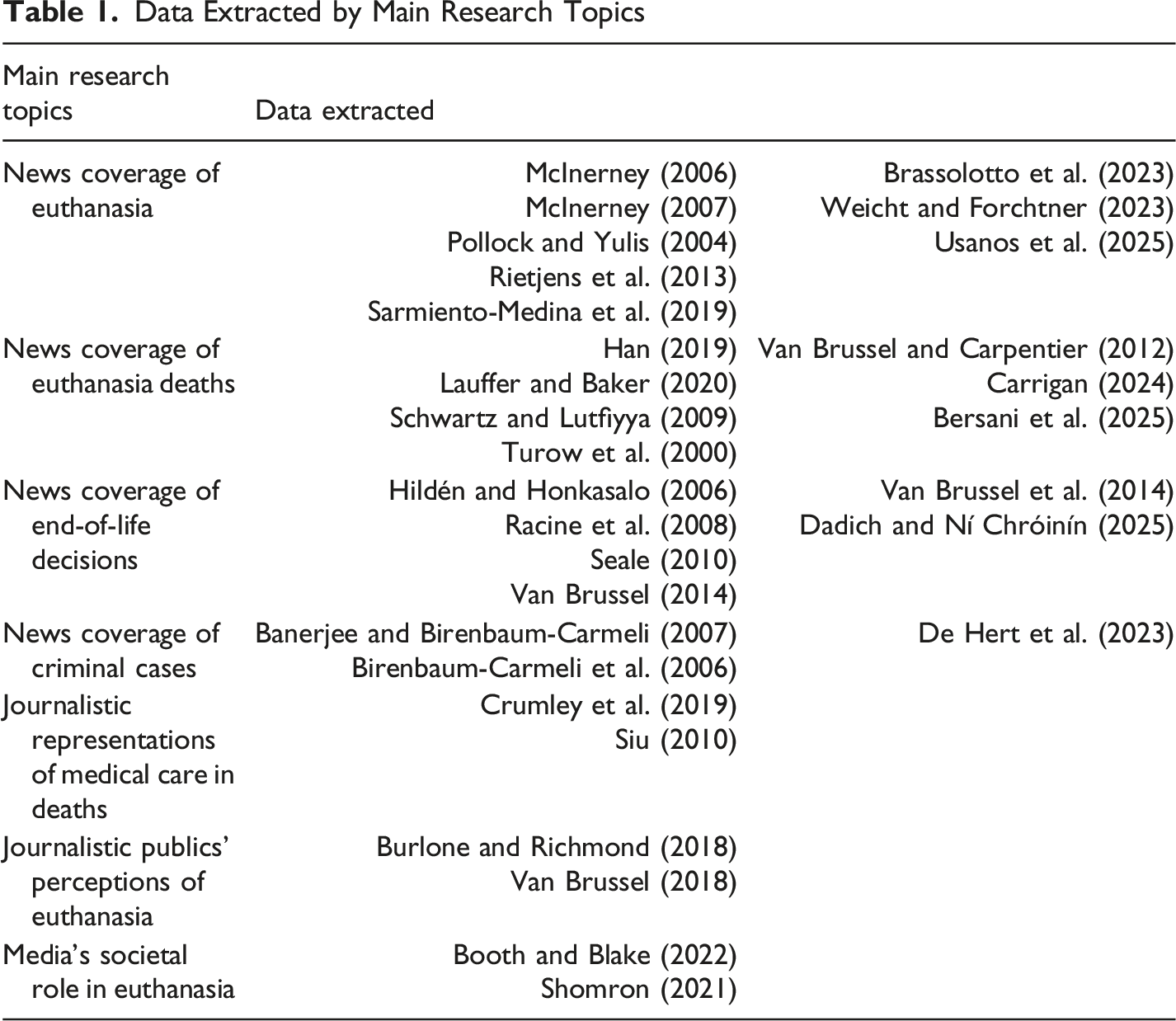
Data Extracted by Main Research Topics
Results
General Characteristics of the Studies
The first study on journalism and euthanasia was published in the last year of the 20th century (Graph 1). After three years without any scientific knowledge, the second study was published in 2004, and there was another break the following year. The scientific community showed interest in the topic between 2006 and 2010, publishing nearly a third of these studies (30.0%). These periods coincide with significant debates and legislative developments in euthanasia policy worldwide. For instance, Belgium and the Netherlands were the first countries to implement the euthanasia law in 2002 (Walsh, 2024). These legal changes may have stimulated academic interest in understanding media representations and journalistic coverage of these evolving practices. Number of Publications per Year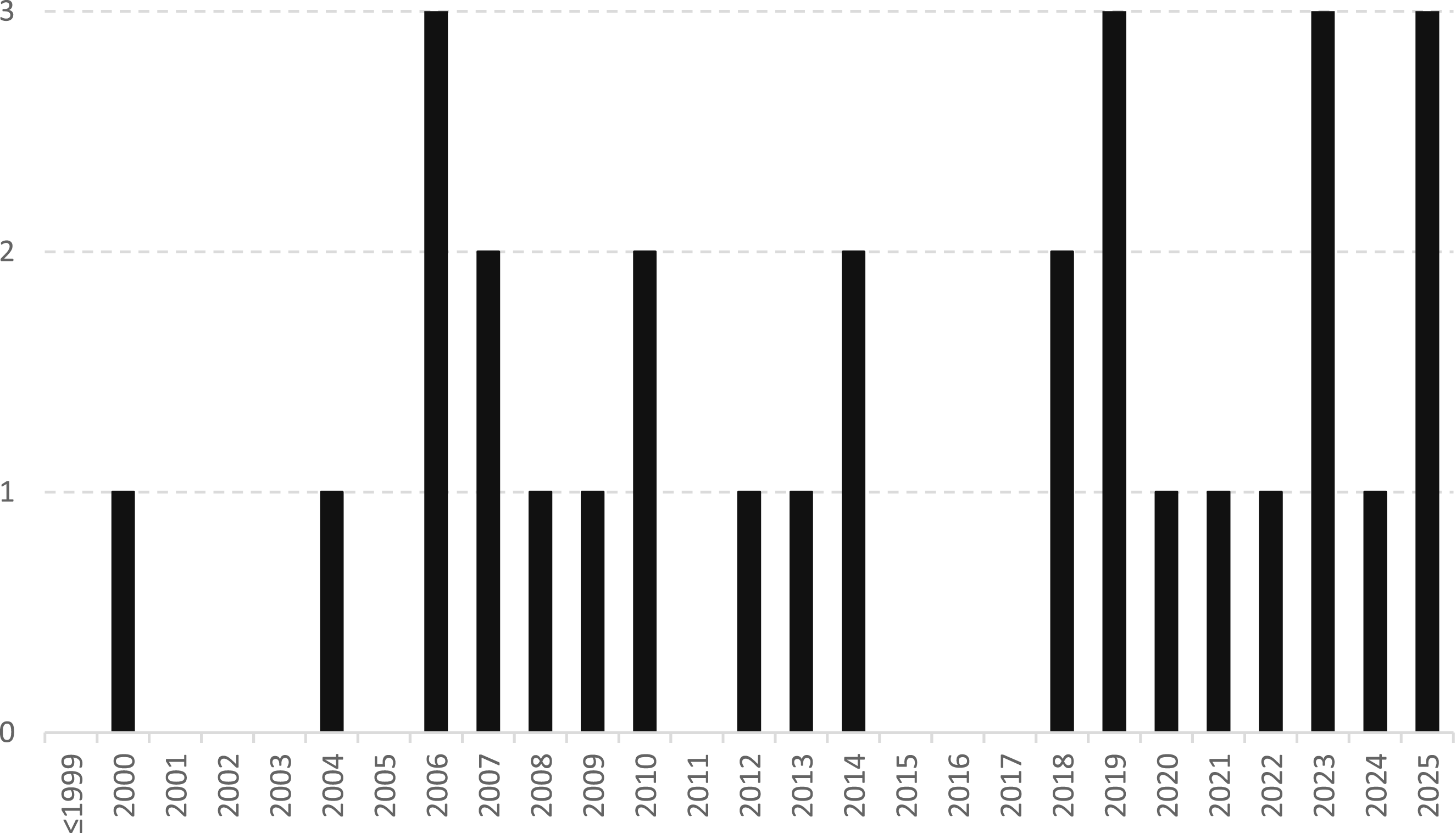
A publication gap from 2015 to 2017 demonstrated the ongoing instability that followed a decline in production after 2010. These phenomena are consistent with the patterns characteristic of event-driven research cycles that have been documented in the field of communication studies (Mredula et al., 2022). Research suggests that academic publication patterns in sensitive social topics often mirror ‘rising tides’ phenomena, where collective attention shifts dramatically during major events compared to typical periods (Lin et al., 2014). This fragmentation may also indicate the reactive nature of media research, which has been observed to surge during periods of heightened social controversy or landmark legal cases (Kalyanam et al., 2016).
From 2018 onwards, the average number of publications per year increased to 1.9, accounting for 50.0% of the total number of studies. This resurgence aligns with global trends towards the liberalisation of euthanasia legislation and renewed public debates surrounding end-of-life practices. International research has documented significant changes in end-of-life practices over time (Mroz et al., 2022), particularly following policy implementations.
Articles Per Scientific Journals
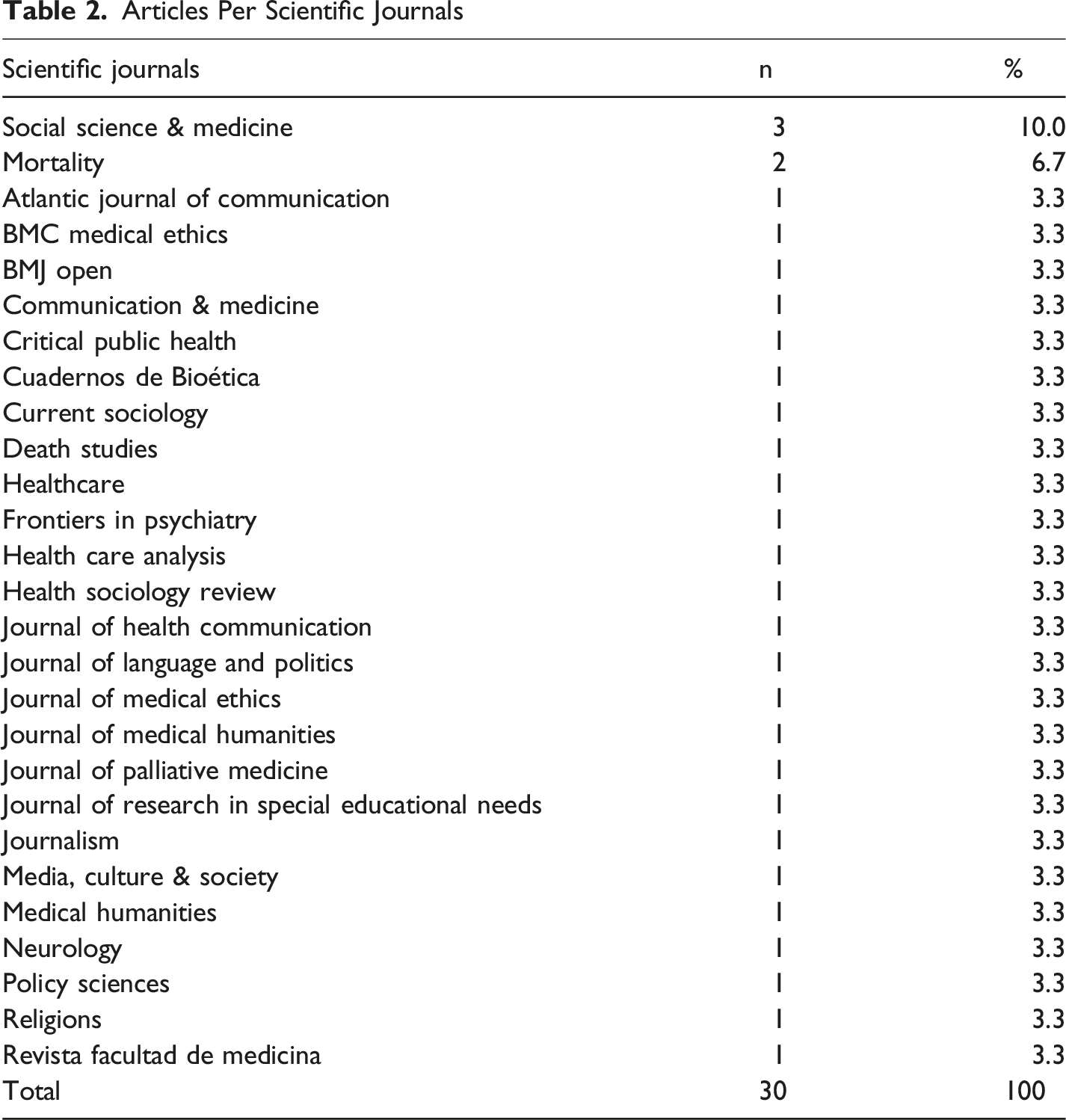
The marked dispersion observed across a range of publication venues brings to light several salient characteristics of the field. Firstly, the prominence of Social Science & Medicine, a high-impact interdisciplinary journal, suggests that research at the intersection of journalism and euthanasia is primarily conceptualised within health communication frameworks rather than as a distinct media studies speciality. The prevalence of Mortality as the second most frequent venue signifies an acknowledgement of thanatological perspectives in the interpretation of media portrayals of end-of-life concerns. The substantial variation observed across 25 individual journals reflects the interdisciplinary and emerging nature of this research domain. This kind of fragmentation is common in new academic fields where researchers haven’t yet set clear boundaries between disciplines or preferred ways to publish their work. This dispersion of publication may also reflect the sensitivity of the topic, with researchers seeking out specialised venues that align with their institutional contexts or target audiences. These publics may include medical professionals, ethicists, media scholars, or policymakers. However, such fragmentation may limit the cross-pollination of ideas and the development of theory within the field.
Journals per Scientific Domain
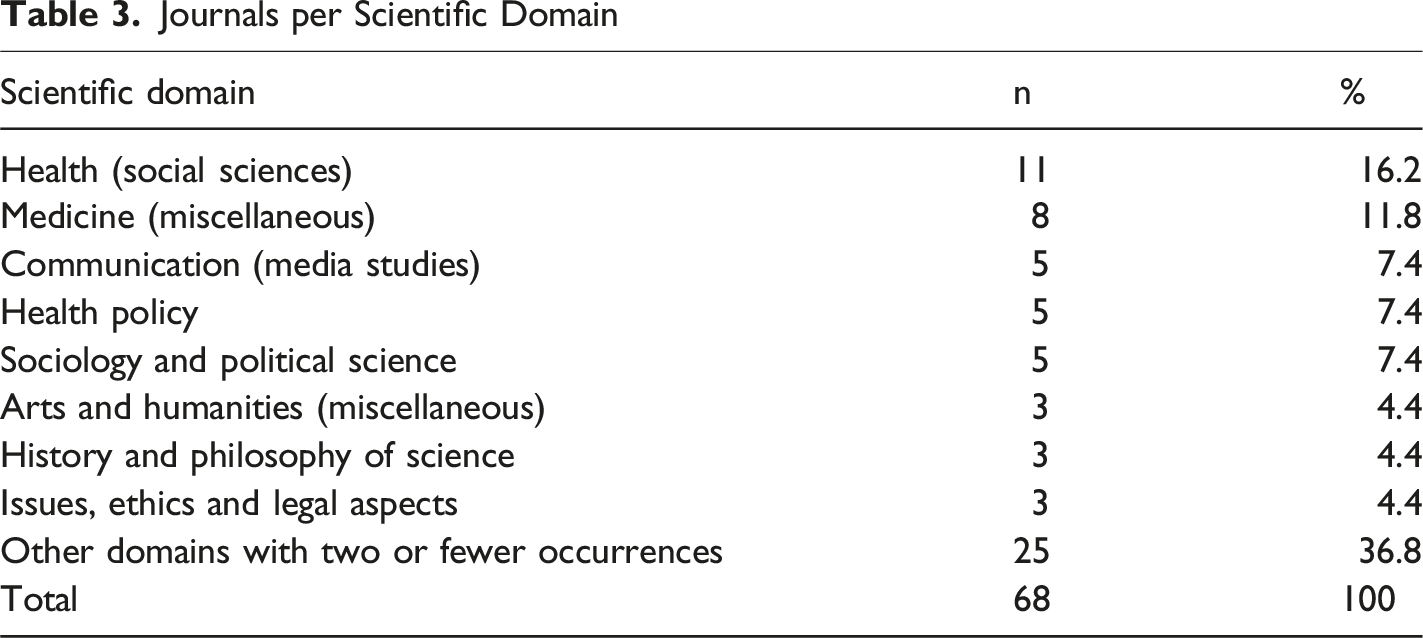
This distribution highlights the inherently interdisciplinary character of research on journalism and euthanasia. The health-related and medical domains constituted much of the sample, thereby emphasising the field’s significant association with public health, palliative care, and bioethics. Concurrently, the notable presence of communication studies signifies an escalating scholarly cognisance of the media’s agenda-setting function in shaping intricate end-of-life deliberations. The presence of diverse domains such as sociology, political science, and health policy suggests that researchers view euthanasia through a multidisciplinary lens. Rather than considering it solely as a biomedical issue, it is also recognised as a topic embedded in broader social, cultural, and political matrices. This finding corroborates earlier bibliometric analyses indicating that emerging interdisciplinary fields frequently facilitate connections between otherwise distinct research communities. Such interdisciplinary connections have been demonstrated to both encourage innovation and present challenges to methodological and theoretical standardisation (MacLeod et al., 2019). While such diversity is suggestive of a richness of perspectives, it can also result in fragmented research agendas and difficulties in developing cumulative knowledge.
Frequency of Keywords
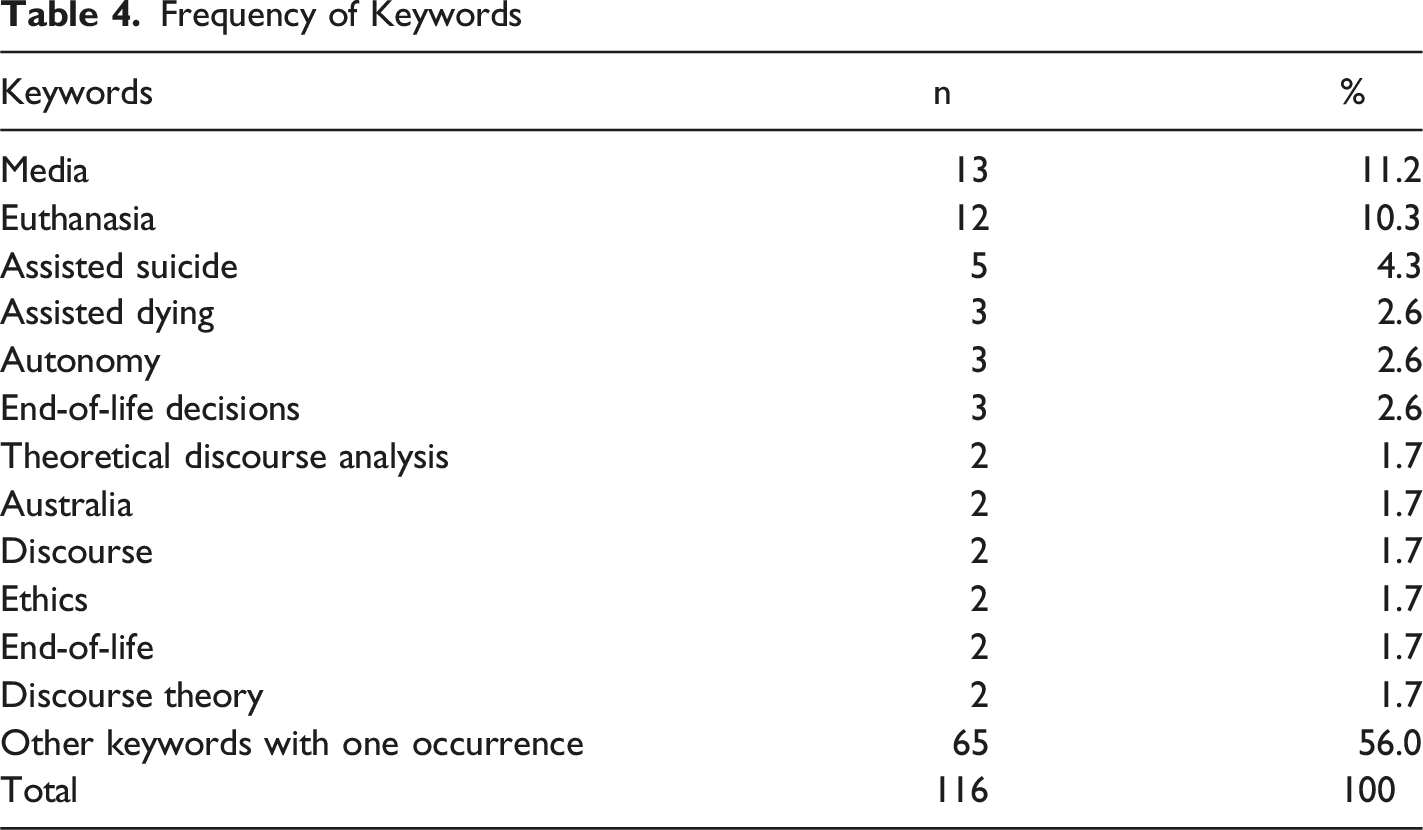
The prevalence of these two core terms emphasises their status as the fundamental organisational concepts upon which this research area has been developed. However, the presence of 77 distinct keyword categories, with the two most frequent terms accounting for only 21.5% of occurrences, reveals substantial terminological diversity and potential conceptual fragmentation within the field. This dispersion indicates that researchers have not yet converged on a standardised terminology or a shared analytical framework for studying journalism’s role in euthanasia discourse. Such heterogeneity in keywords is a hallmark of emerging interdisciplinary fields, where scholars draw upon a range of disciplinary traditions. Each tradition is characterised by its own conceptual apparatus and preferred terminology (Tobi & Kampen, 2018).
The body of scientific research on journalism and euthanasia spans 13 geographical contexts (Graph 2), including three transnational comparative studies: one between the USA and the United Kingdom (UK) (n = 1; 3.3%), one encompassing the UK, France, Spain, and Ireland (n = 1; 3.3%), and another comparing Australia and New Zealand (n = 1; 3.3%). The most frequently studied countries were Belgium (n = 6; 20.0%), the USA (n = 5; 16.7%), and the UK (n = 5; 16.7%). Overall, the analysis reveals a pronounced concentration of research in the Global North (n = 27; 96.4%), reflecting a significant geographical imbalance in the field. Colombia stands out as the only Global South country represented (n = 1; 3.6%), highlighting the limited inclusion of non-Western perspectives in existing scholarship. Number of Publications per Country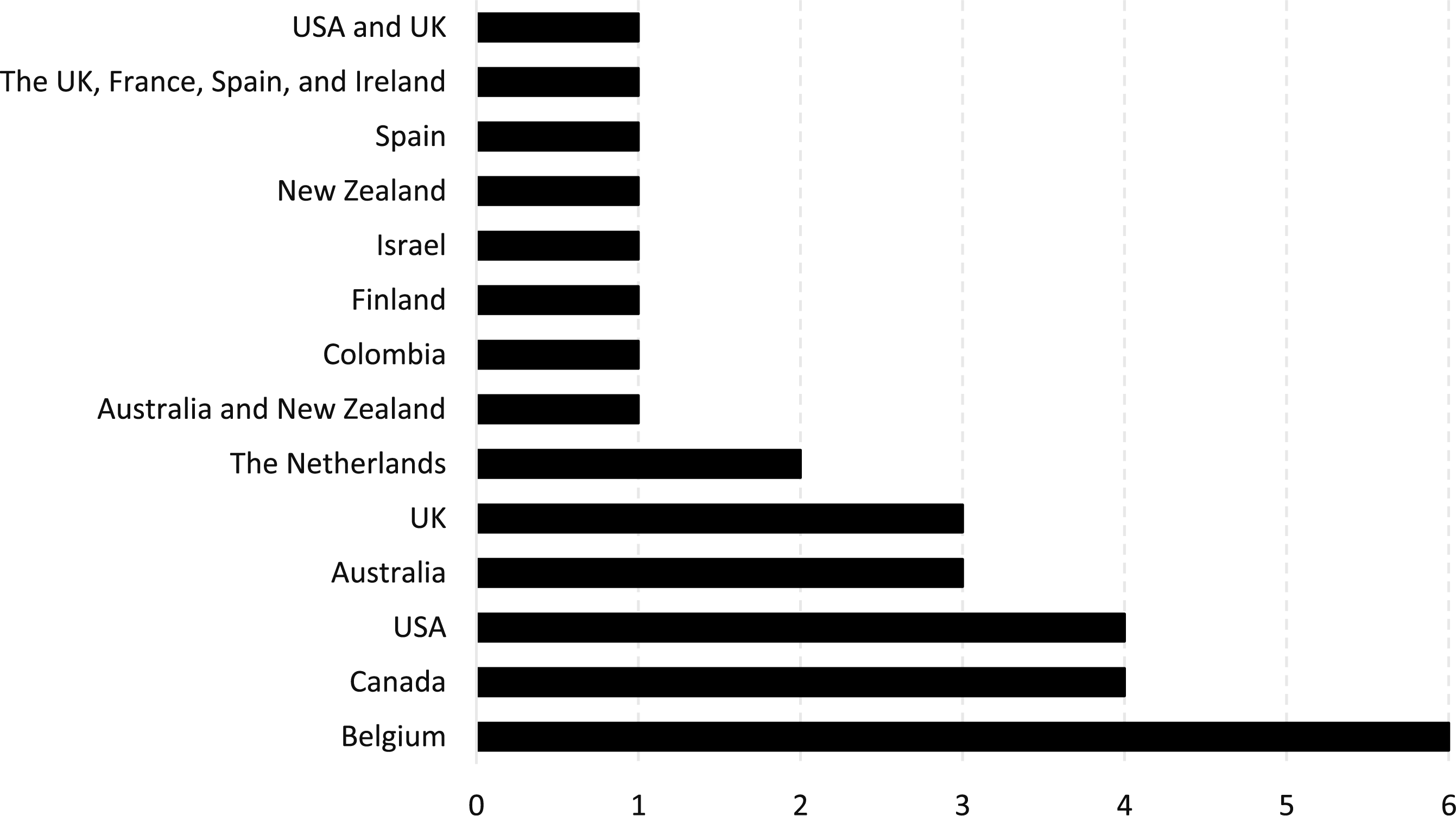
This geographical distribution reveals a profound Global North bias in journalism and euthanasia research. This predisposition reflects broader structural inequalities in academic knowledge production. The preponderance of studies focusing on Belgium, the USA, and the UK corresponds directly to countries where euthanasia has been legalised or is the subject of extensive debate. This suggests that research attention follows legislative developments and established legal frameworks. Belgium’s prominence in this regard is particularly notable given its early adoption of euthanasia legislation in 2002 and subsequent liberalisation of practices. As a result, it has become a focal point for examining media coverage of established euthanasia systems (Mroz et al., 2022).
The near-total absence of Global South perspectives represents a critical limitation in understanding how journalism mediates end-of-life debates across diverse cultural, religious, and socio-economic contexts. This geographic concentration may reflect multiple factors: English-language publication bias in indexed databases, resource disparities in academic research infrastructure, and the reality that formal euthanasia legislation exists predominantly in Western nations (Tennant, 2020). However, this skewed focus risks the universalisation of Western frameworks for understanding death, dying, and media representation. Alternative cultural narratives and practices around end-of-life care that exist in the Global South are marginalised by this focus (Santos, 2007).
Research Methods Used by Scholars
Methods of Analysis
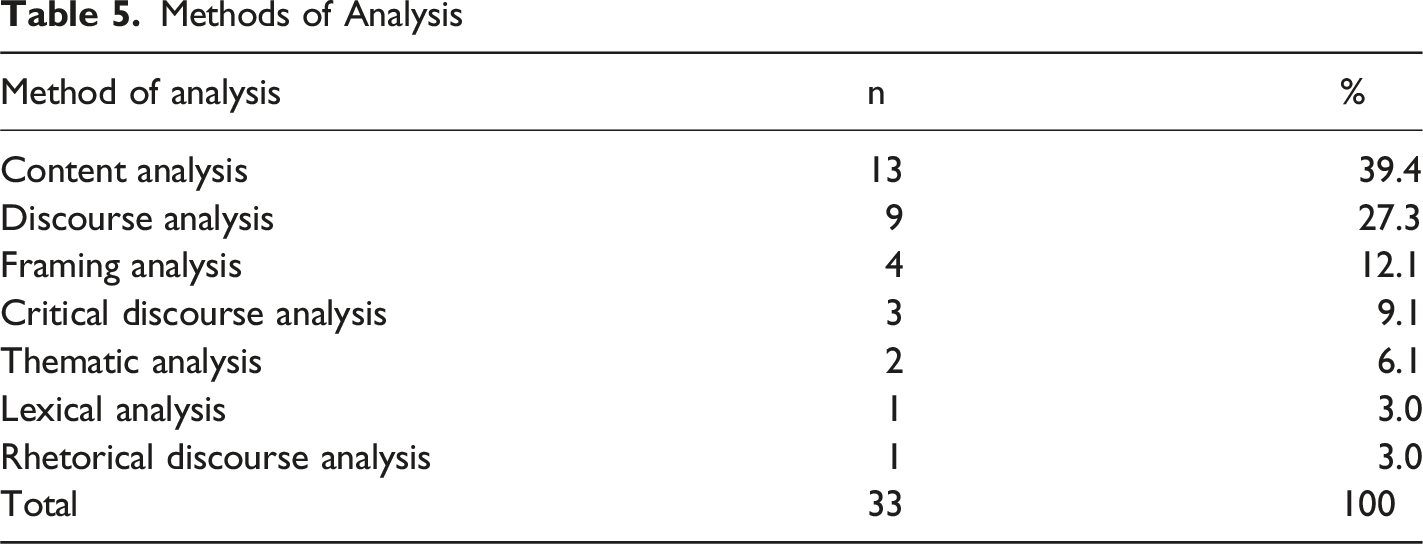
The preponderance of qualitative methodologies reflects the field’s emphasis on understanding the processes of meaning-making, interpretive frameworks, and discursive constructions in media representations of euthanasia. This methodological preference finds congruence with the inherently interpretive nature of journalism research, wherein scholars endeavour to elucidate the way stories frame intricate ethical issues and influence public comprehension. The employment of content analysis and discourse analysis in numerous instances serves to illustrate the commitment on the part of researchers to the systematic examination of media narratives. This objective is pursued with a view to unveiling patterns in the coverage provided, the framing strategies employed, and the ideological positioning of the media (Gorp et al., 2021). The increasing use of mixed methods approaches within the field points to a growing methodological sophistication, suggesting that researchers are coming to recognise the value of combining interpretive depth with quantifiable patterns. This triangulation enables scholars to map both the ‘what’ (e.g., frequency of coverage and prominence of sources) and the ‘how’ (e.g., narrative structures and rhetorical strategies) of journalism’s engagement with euthanasia. This provides more comprehensive insights than either approach alone (Tobi & Kampen, 2018).
In the absence of a preponderance of purely quantitative studies, there is a potential for exploration of uncharted opportunities. These opportunities may include large-scale comparative analyses, longitudinal tracking of media attention, and statistical modelling of the relationships between media coverage patterns and shifts in public opinion. These quantitative approaches complement the existing qualitative research by unveiling broader trends across specific times, media outlets, or national contexts. These trends are often challenging to discern through in-depth textual analysis of smaller samples.
Types of Data
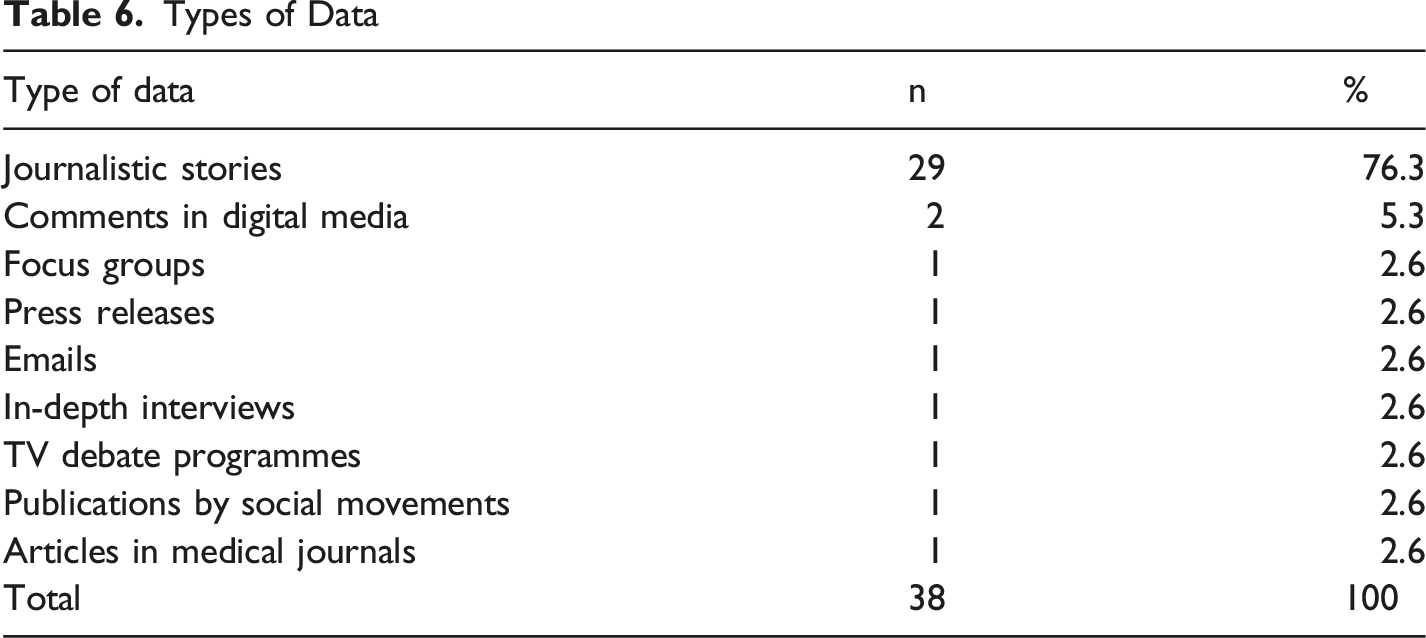
The overwhelming reliance on news stories as primary data demonstrates a predominant focus among researchers on journalistic output rather than on production processes, audience reception, or the broader media ecosystem. This text-centric approach aligns with traditional media studies paradigms that privilege content analysis, facilitating the systematic examination of framing patterns, source selection, and narrative construction in euthanasia coverage. However, this emphasis on stories may inadvertently reinforce a transmission model of communication that underestimates the active role of audiences in interpreting and negotiating media messages about end-of-life issues (De Hert et al., 2023; Rietjens et al., 2013). The gradual incorporation of more diverse data types—such as digital comments and social media content—could be a potential shift toward understanding participatory media environments, where audiences actively shape and contribute to public discourse (Mredula et al., 2022).
Dimensions of Analysis
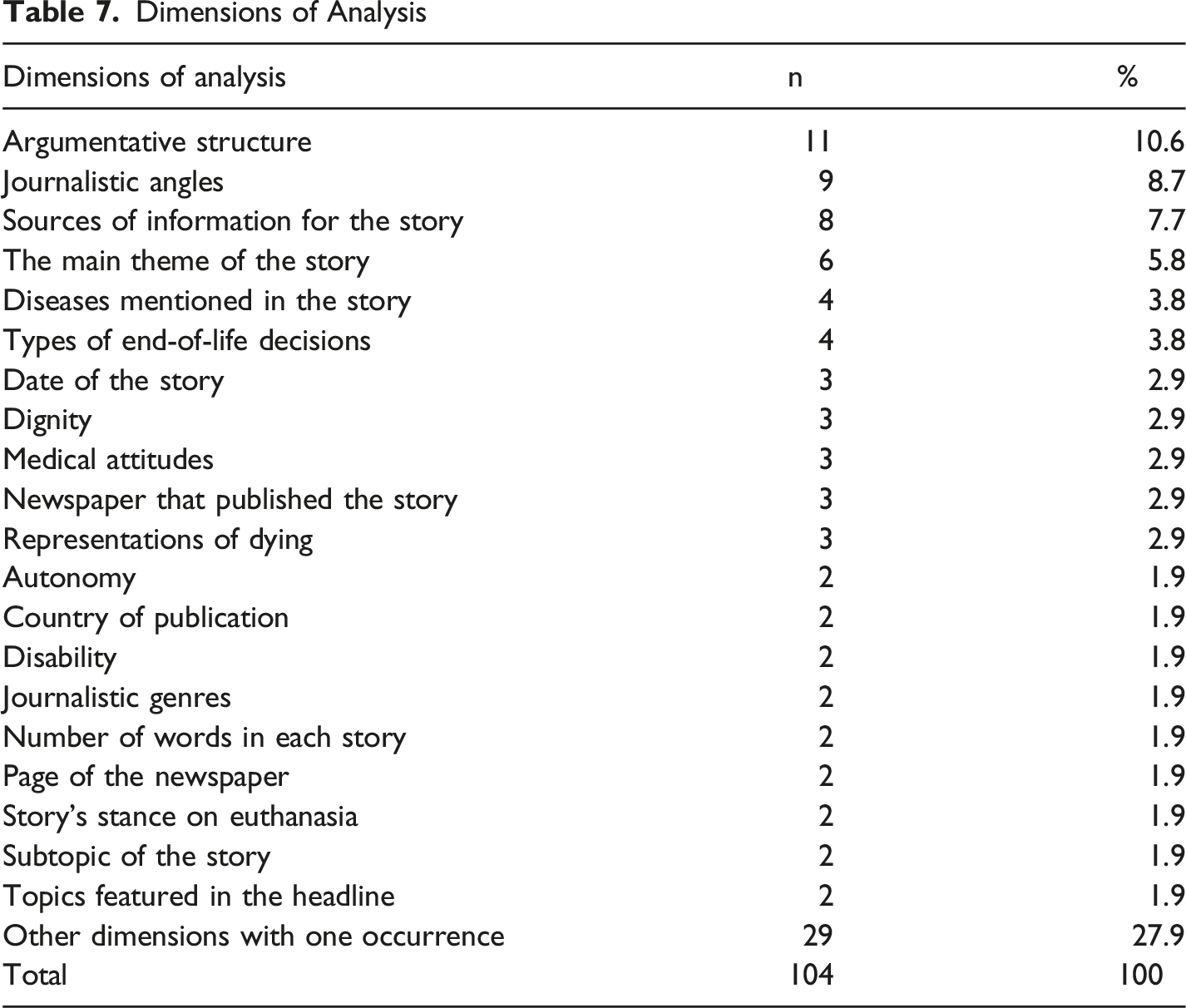
The multiplicity of analytical dimensions emphasised here denotes the complexity and nuance required to study journalism’s engagement with euthanasia. The prevalence of argumentative structure analysis can be attributed to scholars’ focus on how media texts construct persuasive narratives around end-of-life choices. This field draws on frameworks from rhetoric and discourse studies to reveal implicit ethical positions and value-laden framings. The focus on journalistic angles points to an interest in the lenses – such as human interest, conflict, or morality – that journalists utilise to frame euthanasia debates. This approach resonates with classic news value theory in the field of communication research. Analysis of information sources highlights the critical role of expert voices, personal testimonials, and institutional statements in shaping public understanding of euthanasia. This aligns with source credibility theories in health communication (Gorp et al., 2021; Rietjens et al., 2013). The observation that 29 dimensions emerge only once indicates a paucity of consensus on core analytical frameworks and the potential for overextension in the application of diverse, idiosyncratic lenses. This heterogeneity may impede cumulative theory development. The presence of disparate dimensions can make it difficult to compare findings or build on prior studies. Furthermore, this paradigm shift suggests an exploratory phase within the field, wherein researchers engage in experimentation with diverse conceptual tools prior to the establishment of robust, shared frameworks.
The research topics in the sample were as follows: news coverage of euthanasia (n = 8; 26.7%), euthanasia deaths (n = 7; 23.3%), end-of-life decisions (n = 6; 20.0%), criminal cases (n = 3; 10.0%), journalistic representations of medical care in deaths (n = 2; 6.7%), journalistic public perceptions of euthanasia (n = 2; 6.7%), and the media’s societal role in euthanasia (n = 2; 6.7%). The impact of the research was assessed through citation analysis using Google Scholar. The citation counts were retrieved on 11 October 2025. The initial theme was the most frequently cited, with a total of 203 citations (32.5%). The second theme was cited 98 times (15.7%), while the third received 197 citations (31.5%). The fourth theme garnered 35 citations (5.6%), the fifth had 23 citations (3.7%), the sixth collected 55 citations (8.8%), and the seventh theme recorded 14 citations (2.2%).
The distribution of topics and their citation impact reveal several key insights. Firstly, the most prevalent and frequently cited theme in news coverage of euthanasia reflects the foundational role of journalistic content in setting the agenda and shaping scholarly interest in the field. Its high citation count suggests that studies examining general media framing have become essential reference points for subsequent research. Secondly, the almost equivalent citation impact of news coverage of end-of-life decisions highlights strong academic engagement with the ethical and policy dimensions of euthanasia reporting. This emphasises the importance of contextualising euthanasia within broader end-of-life care debates. Conversely, news coverage of euthanasia deaths, although ranking second in frequency, exhibits a comparatively modest citation impact. This finding suggests that case-specific analyses may appeal to a niche audience but attract less interest from the broader scholarly community. Topics such as criminal cases and medical care representations, whilst less frequent, still contribute critical insights into legal and clinical framings of euthanasia, as evidenced by their mid-range citation numbers. The higher citation rate for public perceptions compared to medical care representations suggests an increasing focus in academic circles on audience reception and the societal impact of media messages. Finally, the relatively low citation impact of the media’s societal role indicates an underexplored area that is ripe for further investigation, particularly given its potential to bridge media studies with public policy analysis. The alignment between the frequency of topics and the impact of citations indicates that dominant themes, such as general news framing and end-of-life decision coverage, have achieved both prevalence and influence. These themes can be considered intellectual anchors within the field. Conversely, the less frequently cited themes illuminate emergent or specialised subfields in which future research has the potential to broaden the theoretical foundation and enhance the practical relevance of the field.
News coverage of euthanasia centres on how the media’s frames of death are directly linked to the claims of social movements advocating the decriminalisation of euthanasia (McInerney, 2006). Pollock and Yulis (2004) sought to explore the influence of the geographical characteristics of the cities covered by the media on these frames. Subsequently, McInerney (2007) investigated whether these portrayals would change with the practice’s legalisation. Usanos et al. (2025) focused on analysing news coverage prior to the legal regulation of euthanasia. In addition, a substantial number of studies analysed news coverage only after the approval of euthanasia and the possible extension of the law’s criteria (Brassolotto et al., 2023; Rietjens et al., 2013; Sarmiento-Medina et al., 2019; Weicht & Forchtner, 2023).
In relation to the second topic (news coverage of euthanasia deaths), the analysis focuses on specific case studies of individuals who have chosen to anticipate death through euthanasia in their respective countries (Bersani et al., 2025; Van Brussel & Carpentier, 2012). Additionally, the literature examines the experiences of individuals who have relocated to access this practice (Carrigan, 2024; Han, 2019; Lauffer & Baker, 2020). The case studies include prominent figures such as Australian scientist David Goodall and American activist Brittany Maynard. Studies were conducted to analyse the conditions advocated for euthanasia and the transition from episodic frames (the campaign to decriminalise euthanasia) to thematic frames (issues and beliefs underlying the end of life). Furthermore, Turow et al. (2000) sought to quantify the media attention bestowed upon each recorded euthanasia death, in addition to the way the respective journals covered the events. Schwartz and Lutfiyya’s (2009) contribution focused on the potential of disability narratives to legitimise the demand for euthanasia.
News coverage of end-of-life decisions analyses the frames selected by journalists. Scholars have attempted to measure the accuracy of information on diagnoses, prognoses, and end-of-life decision-making in countries where the practice of euthanasia was illegal (Hildén & Honkasalo, 2006; Racine et al., 2008; Seale, 2010). Others explored the same points, but in countries where the practice was already legal (Dadich & Ní Chróinín, 2025; Van Brussel, 2014; Van Brussel et al., 2014). Besides euthanasia, end-of-life decisions include withdrawing life support, providing terminal sedation, and moving to hospice care, among others.
The fourth topic focuses on the news coverage of criminal cases. In this topic, the literature analyses the coverage given to court cases of illegal euthanasia deaths. It identifies the judicial elements favoured in the defence and condemnation of the crime and those involved. The cases under discussion pertain to instances wherein family members have intentionally caused the death of their relatives. This phenomenon occurs in countries where euthanasia is illegal (Banerjee & Birenbaum-Carmeli, 2007; Birenbaum-Carmeli et al., 2006). Finally, De Hert et al. (2023) examined the first criminal case in which euthanasia was applied to a psychiatric patient in Belgium, during a time when there was no legal consensus or regulation on how to define psychological suffering.
The fifth theme focuses on the way medical care is represented in cases of euthanasia in the media. Crumley et al. (2019) analysed the differences in coverage during the discussion of decriminalisation and after its approval and implementation. Conversely, Siu’s (2010) study sought to ascertain the congruence between media portrayals of American physician Jack Kevorkian and the stances articulated within the scientific literature and social movement publications by the medical community. Jack Kevorkian, who is also known as ‘Dr Death’, was an advocate for euthanasia who was imprisoned for assisting a patient to die.
The penultimate theme focuses on the perceptions of euthanasia among journalistic publics. Burlone and Richmond’s (2018) study examined the audiences’ reflections prior to approving euthanasia in Canada. The authors conducted a content analysis of the opinions expressed in letters to the editor. An additional contribution focused on the ways in which readers receive, mobilise and contest the narratives presented in euthanasia stories. This publication focuses on Belgium, which was among the first countries to legalise euthanasia worldwide (Van Brussel, 2018).
In the final theme, entitled ‘The societal role of the media in euthanasia’, the potential influence of journalism on societal change was the focus of studies. To achieve this objective, an analysis was conducted of the way users of social media expressed themselves in the participatory spaces dedicated to news concerning the subject of euthanasia (Shomron, 2021). Furthermore, an investigation was carried out into whether these users identified with the questions expressed in personal narratives that intersected with the themes of ageing and disability (Booth & Blake, 2022).
An analysis was made of the terms most frequently mentioned in publications as being synonymous with euthanasia. The most frequent terms are ‘voluntary’ or ‘active euthanasia’ (n = 27, 30.0%), ‘assisted suicide’ (n = 22, 24.4%), and ‘end-of-life decisions’ (n = 11, 12.2%), as illustrated in Graph 3. The prevailing tendency among studies in this field is to provide explanations for the various terms, irrespective of the category under investigation. The mean number of terms per publication was 3.0. Synonymous Terms With Euthanasia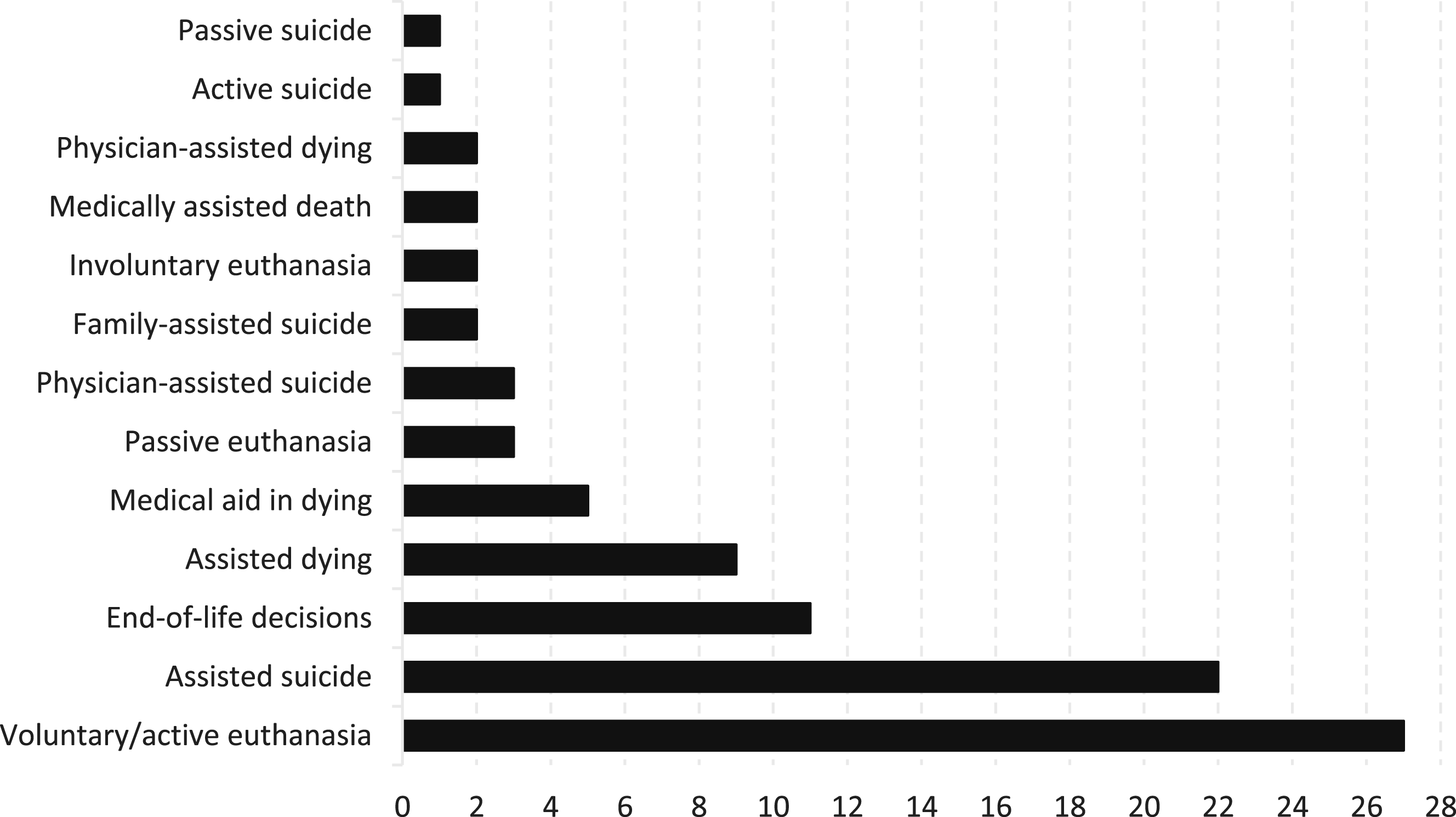
The terminology analysis reveals both conceptual convergence and ongoing semantic diversity within the field. The prevalent use of the terms ‘voluntary or active euthanasia’ and ‘assisted suicide’ reflects a shared focus on deliberate end-of-life interventions. This focus can be seen as reflecting the ethical and legal distinctions that are central to bioethical debates. Concurrently, the substantial presence of ‘end-of-life decisions’ indicates that researchers frequently extend their scope to encompass associated practices. These include palliative sedation and refusal of life-sustaining treatment. Such practices serve to illustrate the fluid boundaries between euthanasia and adjacent end-of-life care concepts. The mean of three terms per publication demonstrates that scholars routinely clarify terminology, which is critical given cross-national variations in legal definitions and cultural understandings of euthanasia. Yet, the coexistence of multiple synonymous terms without standardised usage may impede effective synthesis of findings and the development of a unified theoretical framework.
Discussion
This scoping review mapped how media studies have examined the relationship between journalism and euthanasia. The findings of this study provide evidence of an emerging field characterised by thematic richness. However, the field is also marked by fragmentation in theory, geography, methodology, and analytic focus. We synthesise key insights thematically and integrate framing theory, agenda-setting, and mediatisation perspectives below. In doing so, the epistemic consequences of a pronounced Global North bias are also explored.
Media Framing and Argumentation
Most studies concentrate on the argumentative structure and journalistic framing of euthanasia debates, reflecting a broader scholarly interest in how news media construct narratives around this issue. According to framing theory, the media selectively emphasise certain aspects of reality to advance particular interpretations of events or topics (Entman, 2007). In the context of euthanasia coverage, recurring frames include themes such as ‘individual autonomy,’ ‘alleviation of suffering,’ and ‘medical progress’ (Banerjee & Birenbaum-Carmeli, 2007; Birenbaum-Carmeli et al., 2006; Hildén & Honkasalo, 2006; Weicht & Forchtner, 2023). Pro-euthanasia narratives frequently highlight self-determination and promote the ideal of a ‘good death’ (Lauffer & Baker, 2020; McInerney, 2007; Rietjens et al., 2013; Sarmiento-Medina et al., 2019; Van Brussel, 2014; Van Brussel & Carpentier, 2012). In contrast, opposing frames tend to emphasise the importance of investing in palliative care and protecting vulnerable populations (Usanos et al., 2025). These framing choices can shape public discourse by privileging specific moral perspectives while marginalising alternative viewpoints.
Agenda-setting theory further sheds light on the association between legal debates and scholarly attention (McCombs et al., 2014). For instance, there is a demonstrable link between the peaks in publication and historic legislative developments. This suggests that both media and policy agendas contribute to the direction of academic inquiry. However, beyond episodic coverage, there is a paucity of studies that examine issue salience over time or the impact of media prominence on public attitudes. A failure to do so suggests a missed opportunity to connect content analyses with longitudinal measures of opinion change.
Interdisciplinary Coherence and Mediatisation
Our domain analysis reveals that research on euthanasia is predominantly anchored in the fields of health, medicine, and health policy, while communication studies remain comparatively marginal. From the perspective of mediatisation theory, social institutions—such as medicine and law—are increasingly influenced by media logic, understood as the process by which journalistic norms and formats reshape the practices of other social domains (Strömbäck, 2008). The peripheral position of communication disciplines suggests that euthanasia is primarily investigated as a biomedical or policy issue, rather than as a media-mediated social process. This disciplinary imbalance limits the field’s ability to critically assess how journalistic routines, news values, and platform-specific affordances shape public discourse and reporting on end-of-life matters.
The diversity of methodological and analytical dimensions—reflected in 77 keyword categories, 23 journal domains, and seven distinct analytical approaches—indicates that the field remains in an exploratory phase, marked by a lack of methodological convergence. Interdisciplinary research must navigate the tension between breadth and coherence (Tobi & Kampen, 2018). In this context, mediatisation theory offers a unifying analytical framework by encouraging scholars to examine how media logics—such as personalisation, dramatisation, and a focus on novelty—shape euthanasia coverage across different socio-cultural and institutional settings.
Geographic Bias and Epistemic Consequences
A significant proportion of research, specifically 96.4%, focuses on the Global North. The countries that are the primary focus of these studies are Belgium, the USA, and the UK. This concentration perpetuates a Western epistemic framework in which secular, institutionalised conceptions of euthanasia dominate. It is important to note that this process risks reinforcing a colonial knowledge hierarchy that sidelines non-Western perspectives. These perspectives are shaped by distinct cultural, religious, and socio-political realities (Santos, 2007). By focusing exclusively on cases where euthanasia is legalised, the extant literature fails to consider how media in countries without formal euthanasia laws frame end-of-life issues. This limitation constrains theory development to contexts with similar legal histories and media systems. From an epistemological perspective, this imbalance hinders the development of a universally applicable theory of journalism and euthanasia. Future research is required to adopt comparative, cross-regional designs that examine how different regulatory environments, news infrastructures, and audience literacies produce divergent media framings and public engagements. It is only through such diversity that the field can transcend its Western locus and generate context-sensitive insights.
Methodological Implications and Future Directions
The predominance of qualitative content and discourse analysis reflects a scholarly emphasis on interpretive depth in the study of euthanasia media coverage. While mixed-methods approaches are beginning to gain traction, their development and application remain limited. Quantitative studies—such as longitudinal analyses of issue attention cycles and social media analytics of public responses—hold promise for elucidating the relationship between media coverage intensity and shifts in policy or public opinion (Crumley et al., 2019; Van Brussel, 2018). Such approaches could significantly contribute to advancing the field’s engagement with agenda-setting theory. Notably, there is a marked absence of production-focused research, including newsroom ethnographies or interviews with journalists. Mediatisation theory highlights the importance of such studies for understanding how journalistic routines and institutional constraints shape media content. Expanding the range of data sources to include editorial guidelines, professional training materials, and in-situ newsroom observations could help bridge the gap between media logic and media output, offering a more comprehensive account of how end-of-life issues are constructed in the media.
Conclusion
This study was designed to fill a gap in the existing literature by systematically reviewing scientific research on journalism and euthanasia. Empirical evidence reveals pronounced thematic, methodological, and geographical asymmetries in media coverage of the topic. As a complex and ethically charged health issue, euthanasia poses substantial challenges for accurate and balanced reporting. One recurrent factor contributing to these shortcomings is the limited presence of journalists with specialised training in health communication, which often leads to oversimplified framing and the omission of essential contextual information. The absence of adequate technical and ethical expertise to address such a sensitive subject undermines the credibility of media reporting and restricts the public’s ability to form informed, reflective opinions on end-of-life decisions.
In this context, several concrete improvements are recommended. Firstly, it is essential that journalism curricula incorporate specialised modules on health communication and end-of-life reporting. These modules can include training on medical terminology, ethical frameworks, and the complexities of bioethical debates. Secondly, there is a need to establish professional development programmes that are designed to enhance the competencies of journalists in the coverage of sensitive health topics. These programmes could include workshops and mentorship with healthcare professionals and bioethicists. Thirdly, it is recommended that news organisations develop specific editorial guidelines for euthanasia reporting that emphasise balanced coverage, source diversity, and the responsible presentation of personal narratives. Fourthly, collaboration between journalism schools, medical institutions, and ethics committees appears to be a necessary component for the establishment of evidence-based reporting standards. Finally, media outlets have a responsibility to consider the establishment of specialised health journalism teams, with dedicated training and resources, to ensure comprehensive and accurate coverage of complex end-of-life issues.
This scoping review reveals both temporal and geographical gaps that warrant greater scholarly attention. In several countries where euthanasia has been legalised and regulated—such as Luxembourg, Australia, and Ecuador—there is a notable absence of studies examining media coverage before and after legislative approval. The adoption of comparative and quantitative research methodologies could help bridge this gap by enabling a more precise delineation of reporting patterns and transformations within journalistic cultures. The development or application of systematic indicators—such as source selection, tone, framing, and argumentative structures—would further enhance analytical rigour and comparability across contexts. Additionally, the near absence of research on the Global South exposes a persistent epistemic hierarchy that limits understanding of the cultural diversity and complexity surrounding euthanasia worldwide. Addressing this imbalance is essential to fostering a more inclusive, globally representative body of knowledge on media and end-of-life issues.
The research published in the journals under consideration was found to be concentrated in specific areas of scientific study. These journals were observed to be relevant to the field of media studies but not to the field of journalism and euthanasia per se. The preponderance of articles in health and medical journals suggests that journalism is predominantly regarded as a conduit for disseminating information, rather than as an independent academic object of study. This framework may reflect the perception among communication journals that journalistic coverage of euthanasia primarily falls within the realms of health, death, and dying. This perception complicates the publication of research that examines journalistic processes and practices. This epistemological marginalisation of communication has two primary consequences. Firstly, it restricts the depth of analysis concerning journalistic practices. Secondly, it limits the scrutiny of the dynamics of public reception and social contestation associated with media discourse.
In an era marked by a rising incidence of cancer and widespread media discourse on end-of-life suffering, it is crucial to understand how audiences respond to news coverage of euthanasia. Prior studies have demonstrated that media portrayals of death—whether natural or violent—significantly shape public perceptions by amplifying existing anxieties, reinforcing pre-existing attitudes, and sometimes desensitising audiences. It is important to investigate whether similar effects occur in the context of euthanasia, particularly concerning its influence on the social and political legitimisation of the practice. Future research should prioritise examining the challenges faced by journalists and editors covering euthanasia and identifying strategies to foster more informed, ethical, and socially responsible journalism. Advancing knowledge in this field requires not only analysing media content but also improving journalistic standards to ensure responsible reporting on such sensitive issues.
Footnotes

Funding
The authors disclosed receipt of the following financial support for the research, authorship, and/or publication of this article: This study is supported by the Fundação para a Ciência e a Tecnologia, 2023.04877.BD; UIDB/03126/2020.
Declaration of Conflicting Interests
The authors declared no potential conflicts of interest with respect to the research, authorship, and/or publication of this article.