



Abstract
Experiencing the death of a loved one is a stressful and disruptive event that can have short-term and long-term detrimental effects on the grief, mental health, and social functioning of the bereaved individuals. Grief camps represent a relatively novel form of support. However, little is known about their effectiveness. The systematic review (PROSPERO: #CRD42024547094) adhered to the PRISMA guidelines and aimed to investigate the effectiveness of grief camps on the grief and psychosocial functioning of participants. Searches in six databases (Medline, Scopus, Web of Science, PsycINFO, Embase, CINAHL) identified 31 relevant studies published between 1991 and 2022. Narrative synthesis of the study findings indicated a positive impact of grief camps on the grief and psychosocial functioning of bereaved individuals, and participants’ feedback indicated that grief camps are an acceptable intervention. Further research in various locations and across different age groups may broaden our understanding of the effects of grief camps.
Introduction
Bereavement is defined as the experience of losing to death a person to whom one is attached, including parents, spouses, or other loved ones (Hansson & Stroebe, 2003; Stroebe et al., 2007). In most cases, individuals eventually come to terms with the bereavement and continue with their lives carrying the loss of a significant person. However, some bereaved people struggle to recover and the impact of grief can manifest in both psychological and physical ways (Stroebe et al., 2017). Research indicates that bereavement is associated with an increased risk of mental health problems and suicidal behavior (Stroebe et al., 2007; Thimm et al., 2020).
Various grief interventions have been developed to help bereaved individuals improve their physical and psychological health, and to address social isolation (Asgari et al., 2023). Interventions include, but are not limited to, peer support groups, pharmacological therapy, and psychological counseling. Grief camp is a term used to describe a relatively novel form of intervention, consisting of a structured, therapeutic program designed to support bereaved individuals and families (American Camp Association, 2018; Clute & Kobayashi, 2013; National Centre for Childhood Grief, n.d.). Grief camps typically combine traditional camp activities (such as outdoor games, arts and crafts, and team-building exercises) with grief interventions like peer groups, one-on-one counseling, and activities focused on processing grief (American Camp Association, 2018; Clute & Kobayashi, 2013). Grief camps can promote active communication with family, friends, and the community through group interventions (Creed et al., 2001). Bereaved individuals can also receive personalised and multidimensional support through counselling sessions and grief-processing programmes within the camp (Clute & Kobayashi, 2013). Expected outcomes of grief camps include deeper impacts on participants, such as equipping them with coping skills for handling grief, enabling them to manage other challenging emotions and to maintain healthy living (Bachman, 2013). As the literature on grief camps is expanding, synthesis of current evidence is needed to investigate the potential effectiveness of grief camps on the grief and psychosocial functioning of participants.
To address this gap, this review has the following research question: what is the reported impact of grief camps on the grief and psychosocial functioning of participants? As such, this review synthesizes the reported outcomes of grief camps, including provision of meaningful support to bereaved participants, and it may serve as a reference for professionals and organizations involved in providing grief support. It may inform further research and enhance intervention measures and camp activities, ultimately improving the quality of services offered to bereaved individuals.
Method
This systematic review followed the PRISMA guidelines (Page et al., 2021), and was prospectively registered with PROSPERO, number CRD42024547094, May 25, 2024. The search string was built using the concepts of grief and grief camps. It combined terms such as “grief” “bereave” “mourn” and their derivatives and related terms with “retreat” “residential treatment” “grief camp” “camp” and their derivatives and related terms. Databases used included Medline, Scopus, Web of Science, PsycINFO, Embase, and CINAHL.
The Medline search string combined search words and MeSH was as follows: (Grief/ or grie*.mp. OR Bereavement/ or bereave*.mp. OR mourn*.mp.) AND (retreat*.mp. OR residential. mp. or Residential Treatment/ OR grief camp*.mp. OR camp. mp. OR camps. mp. OR camping. mp. or Camping/). The Scopus search string was as follows: TITLE-ABS-KEY ( grie* OR mourn* OR bereave* ) AND ( TITLE-ABS-KEY ( retreat* OR camping OR residential ) OR TITLE-ABS-KEY ( “grief* camp*” ) OR TITLE-ABS-KEY ( “residential treatment” ) ). The Web of science search string was as follows: ALL=(grie* OR mourn* OR bereave*) AND (ALL=(retreat* OR camping OR residential) OR ALL=(“grief* camp*“) OR ALL=(“residential treatment”)) (exact search). The CINAHL search string was as follows: (retreat* OR camping OR residential OR grief* camp* OR residential treatment ) AND ( mourn* OR grie* OR bereave* ). The search string was slightly adjusted for different database formats, while the search strategy remained consistent.
The search was conducted in June 2024 and was limited to English publications in peer-reviewed journals, without restrictions on publication year or location. Three researchers (JC, KK, KA) used Covidence to screen the search results. The screening process occurred in two steps. First, JC removed the duplicates and the three researchers screened the references based on title and abstract. Next, the three researchers screened the potentially eligible full texts against the inclusion and exclusion criteria. Discrepancies were resolved through discussion. The references of the retrieved papers and existing reviews were manually searched to identify additional studies. Figure 1 presents the search and selection process. PRISMA Flow diagram.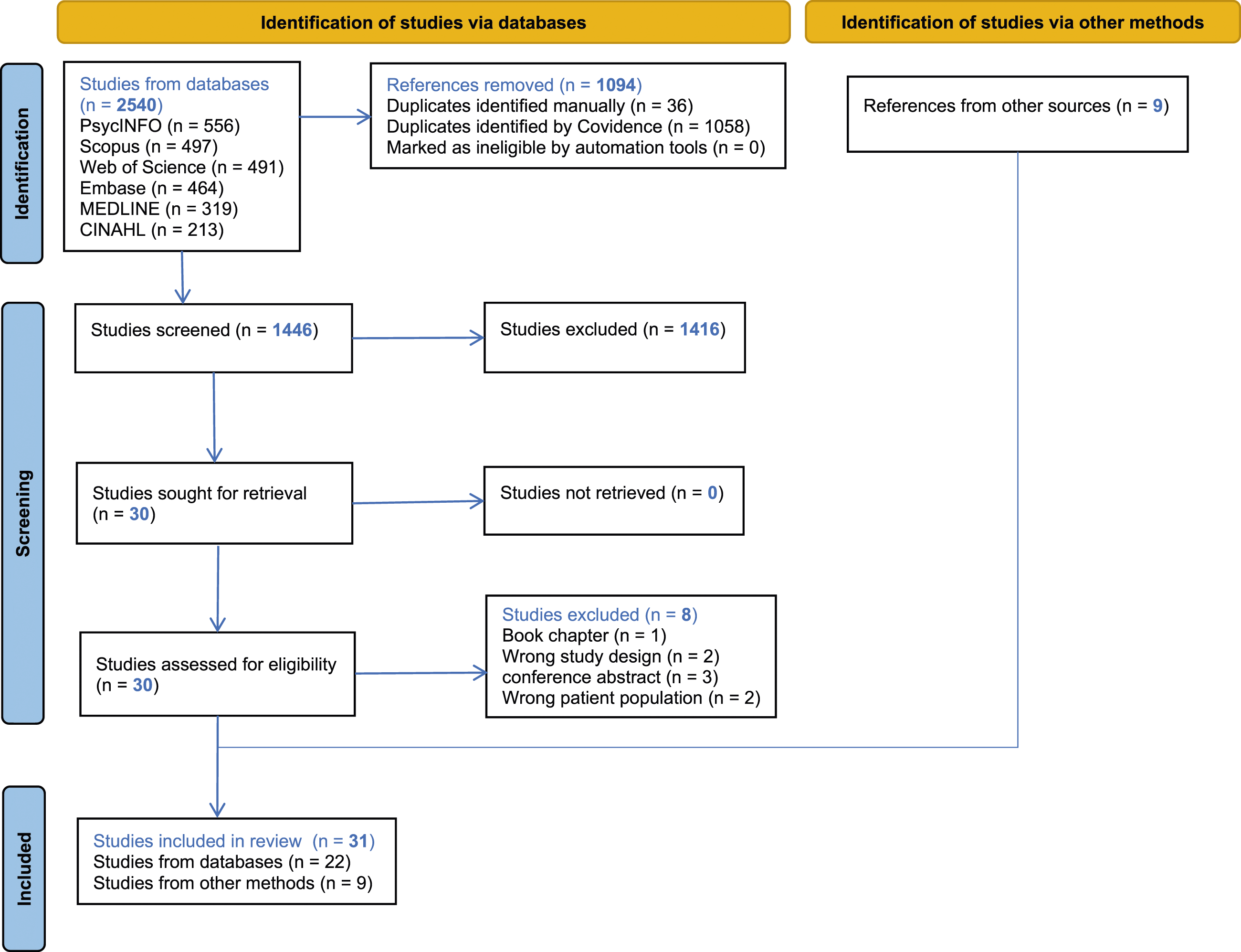
Inclusion and Exclusion Criteria
Studies were included if the study: (1) population consisted of bereaved individuals participating in a grief camp; (2) provided empirical data on grief, mental health and/or grief camp-related outcomes; (3) did or did not include a comparator; (4) was published as a full-text paper in a peer-reviewed journal in English. Studies were excluded if the study: (1) did not involve bereaved individuals; (2) did not involve grief camp interventions; (3) did not provide data on bereaved individuals after attending grief camps; (4) used other methods such as case studies or literature review; (5) was not published as a full-text peer-reviewed paper in English.
Data Extraction
The three researchers collaboratively extracted the following data from the included studies: author (year)/location, sample size for each group, age (mean, standard deviation, range), gender distribution (male/female/other), time since bereavement, relationship to the deceased, type of loss, setting, characteristics of the camp/intervention, duration, outcomes/measures/timepoints, and main results.
Data Synthesis
We anticipated substantial heterogeneity regarding variables, such as age and gender distribution, time since bereavement, relationship to the deceased, and characteristics of the interventions, which precluded pooling the statistical data. As eligible studies report both quantitative and qualitative data, we adopted a narrative synthesis approach which is recommended in case of heterogeneity across studies (Popay et al., 2006).
Quality Assessment
All included studies were assessed using the Mixed Methods Appraisal Tool (MMAT) Version 2018 (Hong et al., 2018). The MMAT is an evaluation tool designed for systematic mixed studies reviews, specifically addressing qualitative research, randomized controlled trials, non-randomized studies, quantitative descriptive studies, and mixed methods studies (Hong et al., 2018). It includes the Checklist and the Explanation of the criteria. The answers to the MMAT questions are categorized as Yes, No, and Cannot tell (Hong et al., 2018). Each study must answer two initial screening questions, S1 and S2, which determine whether there is a clear research question and whether the collected data can address the question (Hong et al., 2018). If either S1 or S2 is assessed as No or Cannot tell, further evaluation is unnecessary (Hong et al., 2018).
In the subsequent assessment, different types of studies are evaluated based on five specific questions (Hong et al., 2018). The questions 1.1 to 1.5 are for qualitative studies, the questions 2.1 to 2.5 are for quantitative randomized controlled trials, the questions 3.1 to 3.5 are for quantitative non-randomized studies, the questions 4.1 to 4.5 are for quantitative descriptive studies and the questions 5.1 to 5.5 are for mixed methods studies.
According to the MMAT (2018), the results of the evaluation can be expressed as an asterisk (*) or a percentage (%) based on the answers. For example, one “Yes” out of five questions would equate to 1 * or 20% quality criteria met, and two “Yes” would equate to 2 ** or 40% quality criteria met, three “Yes” would equate to 3 *** or 60% quality criteria met, four “Yes” would equate to 4 **** or 80% quality criteria met, five “Yes” would equate to 5 ***** or 100% quality criteria met.
Since the MMAT (2018) does not provide a clear classification of low, medium, and high quality, this review categorises the quality of studies based on the percentage of “Yes” answers to the five questions (excluding the two initial screening questions, S1 and S2): 100–75% is classified as high quality, 74–50% as medium quality, and 49–0% as low quality. The flexibility of the MMAT lies in its ability to provide specific questions for different types of studies, allowing for a concise and clear comprehensive assessment of articles in a systematic review.
Results
Study Characteristics
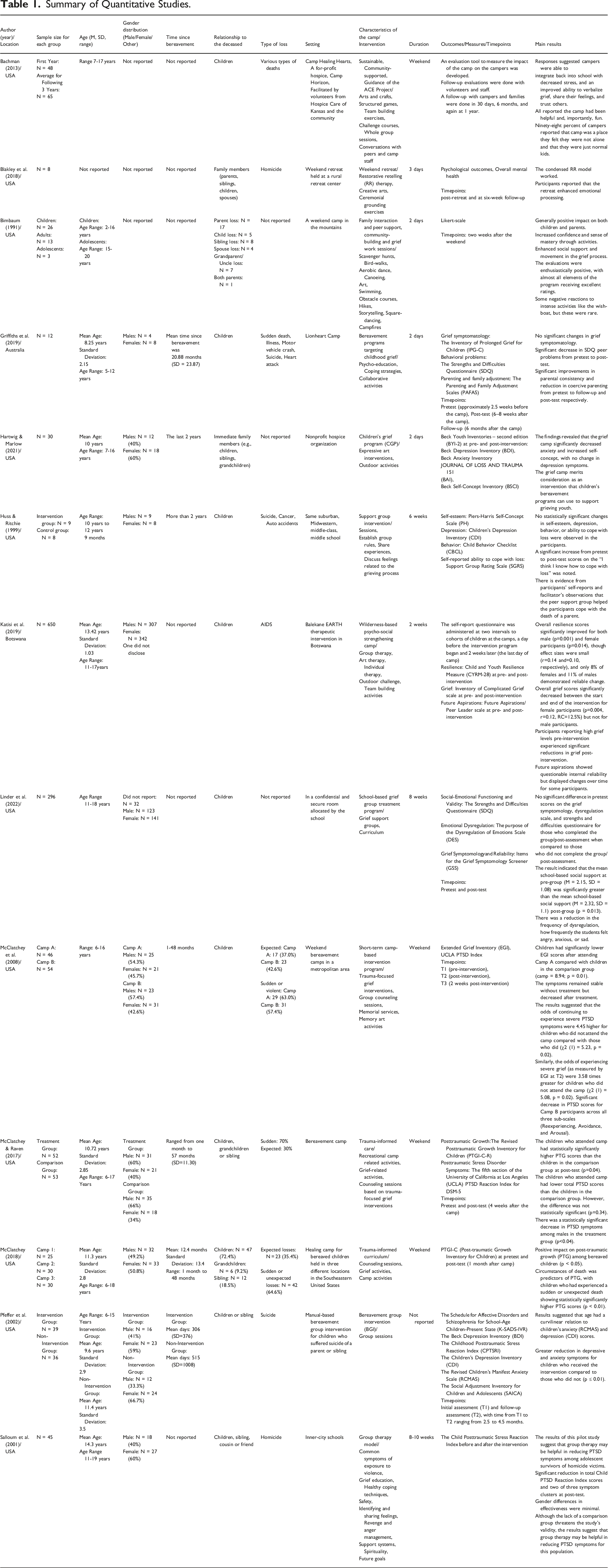
Summary of Quantitative Studies.
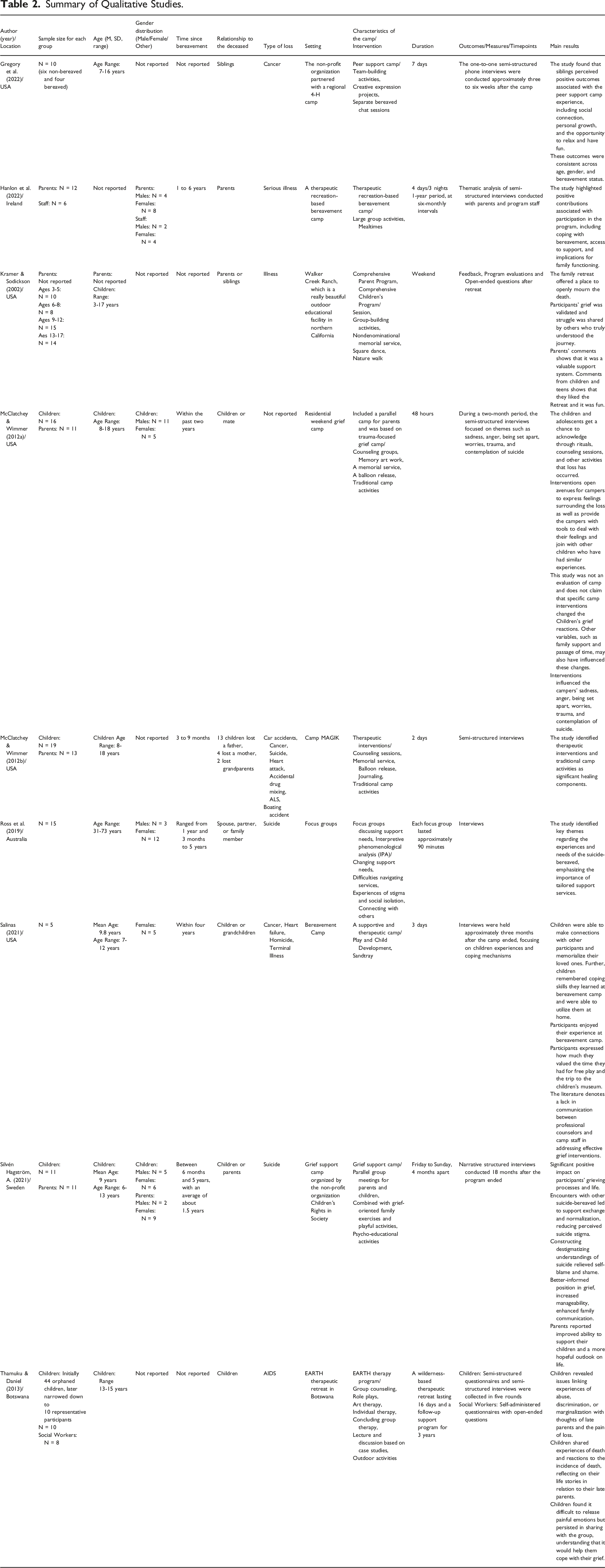
Summary of Qualitative Studies.
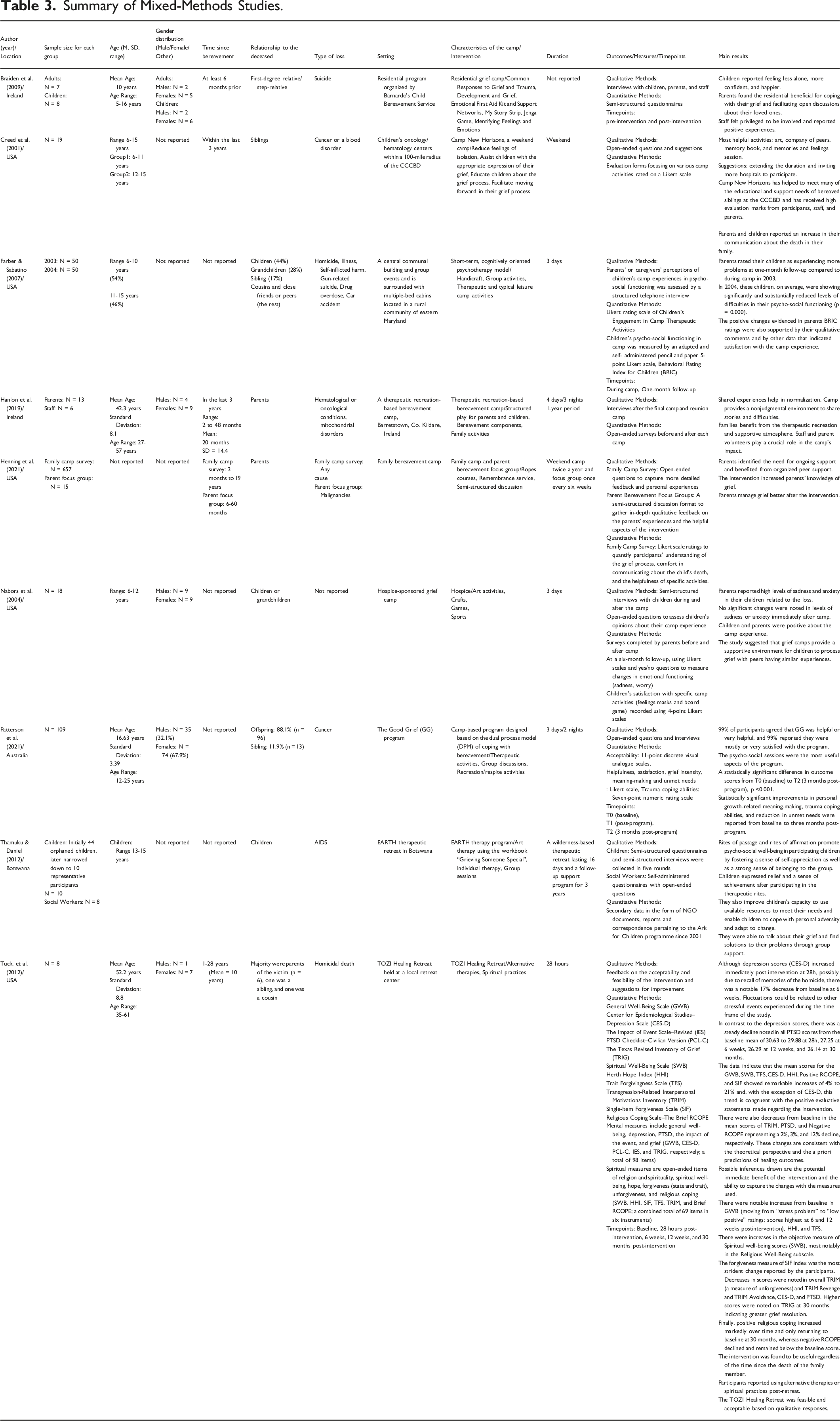
Summary of Mixed-Methods Studies.
Study Quality
Quality Assessment.
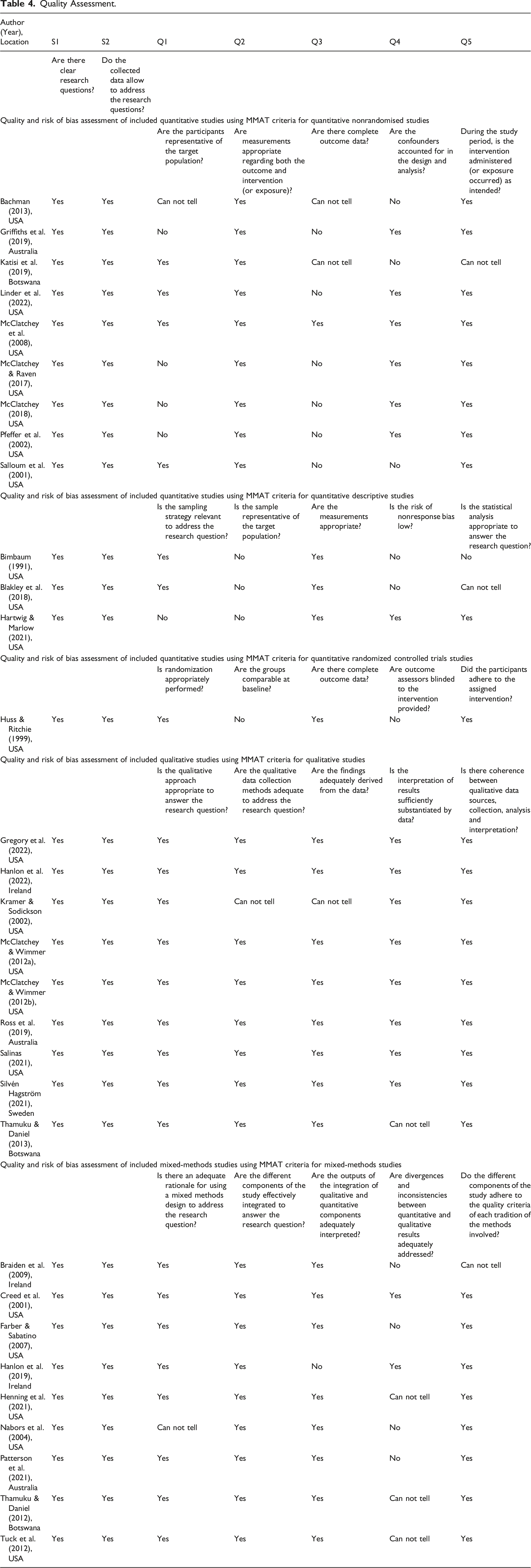
Each type of study included different weaknesses. In the quantitative non-randomised studies, although most presented the primary outcomes, eight out of nine did not meet the assessment criterion for complete outcome data. None of the three quantitative descriptive studies met the criterion for sample representativeness due to factors like insufficient sample size or regional limitations. The only quantitative randomised controlled trial did not meet the criteria for baseline comparability between groups and blinding. Two out of nine qualitative studies did not meet the assessment criteria for the appropriateness of data collection methods or the adequacy of data supporting all outcomes. In the mixed-methods studies, seven out of nine did not meet the criterion for consistency between qualitative and quantitative findings.
Target Population
Most studies focused on children and adolescents, with only a few including adults (Hanlon et al., 2019, 2022; Henning et al., 2021; Patterson et al., 2021; Tuck et al., 2012). The reported ages of the populations ranged from 2 years old (Bimbaum, 1991) to 73 years old (Ross et al., 2019), with the most common age range being 6–12 years. Regarding gender distribution, no studies reported genders other than male and female. In most studies, there were more female participants than male.
Of the 31 studies, 13 did not report the time since bereavement. Among those that did, the shortest reported time was one month (McClatchey, 2018; McClatchey et al., 2008), and the longest was 28 years (Tuck et al., 2012). Most of the target populations in the studies had lost a parent or guardian (e.g., grandparents or uncles), while some had lost a sibling, cousin, friend, child, or spouse.
The types of loss reported in the studies could generally be categorised into two groups: expected losses and sudden/unexpected losses. Expected losses included those due to chronic illness, malignant tumors, AIDS, and cancer, while sudden/unexpected losses included those caused by homicide, suicide, drug overdose, traffic accidents, and heart disease.
Interventions
All included studies employed grief camp interventions, although there were some differences in the specific activities and schedules. Three of the studies evaluated the EARTH therapeutic intervention in Botswana and its outcomes (Katisi et al., 2019; Thamuku & Daniel, 2012, 2013). The EARTH program mainly targeted orphans who had lost their parents to AIDS, providing them with a two-week grief camp intervention (Katisi et al., 2019). Another five studies focused on individuals who had lost loved ones to suicide, addressing their grief and psychological issues (Braiden et al., 2009; McClatchey & Wimmer, 2012a; Pfeffer et al., 2002; Ross et al., 2019; Silvén Hagström, 2021). Addressing specific features of this type of bereavement, these studies reported targeted interventions addressing experiences of stigma and social isolation (Ross et al., 2019). Three studies targeted individuals who had lost loved ones to homicide (Blakley et al., 2018; Salloum et al., 2001; Tuck et al., 2012). These studies reported specific activities, such as sessions on common symptoms of exposure to violence and on revenge and anger management (Salloum et al., 2001).
Most studies included activities which may be typical of traditional camps, such as team-building activities (working together to complete tasks), arts and crafts (creative expression of emotions), and outdoor activities (such as boating, hiking, and group dancing). Activities specific to grief camps included grief education (identifying feelings and emotions, expressing grief), grief support groups (sharing and discussing experiences and feelings in groups), counselling sessions (individual guidance and support), memorial services (collectively remembering loved ones), and individual therapy.
The reported duration ranged from 28 hours (Tuck et al., 2012) to 10 weeks (Salloum et al., 2001). Most interventions were weekend camps, with a total of 12 studies having a duration of two days. Six others had a duration of three days (Blakley et al., 2018; Farber & Sabatino, 2007; Nabors et al., 2004; Patterson et al., 2021; Salinas, 2021; Silvén Hagström, 2021), three lasted for two weeks (Katisi et al., 2019; Thamuku & Daniel, 2012, 2013), and two others spanned four days (Hanlon et al., 2019, 2022). The duration of the other studies either fell within the aforementioned range or was not reported.
Grief Outcomes
Several studies have assessed the impact of grief camps as an intervention on participants’ grief. McClatchey et al. (2008) conducted a study on grief camps in the USA using the Extended Grief Inventory (EGI) to evaluate both participants and a control group. The results showed a significant reduction in EGI scores for participants (p = .01); individuals who did not attend the camp were 3.58 times more likely to experience severe grief (p = .02). This suggested that grief camps have a positive impact on alleviating grief and may help prevent severe grief experiences to some extent. In Botswana, Katisi et al. (2019) used the Inventory of Complicated Grief scale to assess participants before and after a grief camp intervention. Those with higher levels of grief before the intervention saw a more significant reduction in grief after the camp (Katisi et al., 2019). This indicated that grief camps may be more beneficial for individuals with higher initial levels of grief. Additionally, the study showed that female participants experienced a significant reduction in grief scores (p = .004, r = 0.12), while male participants did not (Katisi et al., 2019), which suggested that grief camps may have a greater effect on reducing grief symptoms in women than in men. However, Gregory et al. (2022) found no differences in the effects of grief camps across age, gender, or bereavement status in their study conducted in the USA. Griffiths et al. (2019) reported no significant change in grief status when using The Inventory of Prolonged Grief for Children (IPG-C) to evaluate participants in Australian grief camps before and after the intervention. Similarly, Linder et al. (2022), using the Grief Symptomology Screener (GSS), found no significant difference in grief symptoms between participants and non-participants in grief camps in the USA. Nabors et al. (2004) also reported that grief camps did not affect participants’ levels of grief. Unlike the assessment scales commonly used in quantitative studies, qualitative research mostly relied on interviews to evaluate bereaved individuals. Interestingly, in all the qualitative and mixed-methods studies included in this review, bereaved individuals responded positively when asked whether they found grief camps effective. Overall, qualitative findings indicated that grief camps had a positive influence on participants’ grief, including experienced improvements in their grief symptoms, grief processes, and daily lives (McClatchey & Wimmer, 2012a; Silvén Hagström, 2021). However, this finding differs from the results of some quantitative studies using assessment scales.
The studies also explored the impact of grief camps on participants’ understanding of grief and their ability to cope. Hanlon et al. (2022) highlighted the positive role that grief camps in Ireland played in helping participants cope with the pain of bereavement. Similarly, Silvén Hagström’ s (2021) study in Sweden demonstrated that grief camps aided participants in better defining and managing their grief. Henning et al. (2021) supported this view, suggesting that the interventions within grief camps increased participants’ awareness of grief, enabling them to handle it more effectively post-intervention. Furthermore, Bachman (2013) conducted pre- and post-intervention evaluations of participants in a two-day grief camp in the USA, revealing that these camps enhanced participants’ ability to express their grief. Kramer and Sodickson (2022) reported that participants were more inclined to share their experiences and inner struggles with others in the camp, compared to individuals in their everyday lives. This may be due to the camp providing more opportunities for relaxation and recreation (Gregory et al., 2022). Additionally, studies indicated that participating in grief camps with others who had similar experiences fostered empathy among participants, and the mutual support between peers helped them process their grief more effectively (Braiden et al., 2009; Nabors et al., 2004). Similar findings were reported by Thamuku and Daniel (2013; 2012), where participants initially struggled with grief, but through team support and shared experiences in the camp, their ability to cope with grief improved. Therapeutic interventions combined with traditional camp activities were highlighted as crucial components for achieving these positive outcomes (McClatchey & Wimmer, 2012b). Ross et al. (2019), in their study on grief camps for those bereaved by suicide, further emphasised the need for tailored support services to meet the specific needs of this group.
Psychosocial Outcomes
Some studies indicated that participants found the psychosocial sessions to be the most beneficial part of the grief camp intervention, with results showing an improvement in participants’ psychosocial health levels post-intervention (p < .001) (Patterson et al., 2021). This view is further supported by the findings of Farber and Sabatino (2007) and Thamuku and Daniel (2012), who reported that grief camps significantly reduced difficulties in psychosocial functioning (p = .000), fostering participants’ self-appreciation and sense of belonging, thus aiding them in recovering from the pain of bereavement. More specific psychosocial outcomes include posttraumatic stress disorder (PTSD), anxiety, and depression (Hartwig & Marlow, 2021; Huss & Ritchie, 1999; McClatchey, 2018; McClatchey et al., 2008; McClatchey & Raven, 2017; Pfeffer et al., 2002; Salloum et al., 2001; Tuck et al., 2012).
Many studies have provided evidence for the impact of grief camps on symptoms of PTSD. Tuck et al. (2012) noted that PTSD scores showed a steady decline when evaluated at different intervals: pre-intervention (mean PTSD score 30.63), 28 hours post-intervention (28.88), six weeks post-intervention (27.25), twelve weeks post-intervention (26.29), and thirty months post-intervention (26.14). This indicates that grief camps can effectively alleviate PTSD symptoms in bereaved individuals on a long term. Further evidence comes from McClatchey et al. (2008), who assessed the likelihood of severe PTSD symptoms in participants and non-participants, as well as changes in PTSD levels pre- and post-intervention. The results indicated that non-participants were 4.45 times more likely to experience symptoms than participants (p = .02) (McClatchey et al., 2008). Moreover, the PTSD scores of participants significantly decreased after the intervention (McClatchey et al., 2008). This suggests that grief camps not only improve PTSD symptoms but may also help prevent participants from developing severe PTSD responses. Additionally, a grief camp study targeting adolescents bereaved by homicide assessed participants before and after the intervention, found reduced PTSD symptoms after the intervention (Salloum et al., 2001).
Several studies have explored the impact of grief camps on anxiety, depression, self-concept, and self-esteem. Pfeffer et al. (2002), in their study of grief camps for children in the USA, assessed participants and non-participants. Participants experienced lower levels of depression and anxiety post-intervention (p ≤ .01) (Pfeffer et al., 2002). Furthermore, there was a curvilinear relationship between age and scores for anxiety and depression in children, indicating that grief camps have a positive impact on anxiety and depression, with age potentially influencing the effectiveness of the intervention. This relationship is not a simple linear one (i.e., where the impact increases with age), rather, the effect fluctuates across different age ranges. According to the relational curve, children aged 7–10 may experience the greatest reduction in anxiety and depression through play-based interventions in grief camps. The impact appears to decrease for children aged 11–13, while adolescents aged 14–16 may not benefit significantly from short-term interventions and may require long-term therapy and post-camp support (Hartwig & Marlow, 2021). Hartwig and Marlow (2021) assessed their participants before and after the intervention, and found a significant reduction in anxiety and an increase in self-concept, although there was no significant change in depression symptoms (Hartwig & Marlow, 2021).
Similarly, some research revealed no change in anxiety levels among participants following a grief camp (Nabors et al., 2004). Huss and Ritchie (1999) noted in their study that there were no statistically significant changes in self-esteem or depression before and after the intervention. In relation to the lack of change in anxiety and depression symptoms before and after grief camps, Tuck et al. (2012) suggested that while there was no change or even an increase in depression scores 28 hours post-intervention, this could be due to the emotional distress triggered by recalling memories of bereavement or other stressful life events during the study period. However, the same study also noted a significant reduction in depression scores by the sixth week after the intervention (a 17% decrease), suggesting that grief camps can have a positive effect on depressive symptoms over time. McClatchey and Wimmer (2012a) also noted that grief camps affected participants’ thoughts and emotions, such as anger, separation, worry, trauma, and suicidal feelings, further indicating the positive psychological impact of these camps on reducing negative emotions.
A few studies reported the reduction of grief camp participants’ stress levels (Bachman, 2013). Tuck et al. (2012) found that participants showed improvements in stress-related issues post-intervention, with these changes becoming more pronounced at six and twelve weeks after the camp, suggesting a potentially lasting effect.
Studies found positive impact of the grief camp intervention on resilience. Katisi et al. (2019), in their study of grief camps in Botswana, assessed participants before and after the intervention, with results showing significant increases in overall resilience scores for both females (p = .014) and males (p = .001). Braiden et al. (2009) similarly noted that participants in grief camps felt more confident and happier. This suggests that the activities provided in grief camps help participants build resilience, enabling them to better process negative emotions and enhance their self-confidence.
Another positive outcome is the rekindling of hope for the future and life itself. Silvén Hagström (2021) reported that grief camps helped participants regain hope for the future. In their study, Katisi et al. (2019) assessed participants before and after the intervention, with results showing increased aspirations for the future. Although the internal reliability of this result is uncertain, Katisi et al. (2019) aimed to examine the long-term impact of grief camps on participants’ future aspirations. While short-term assessments cannot provide definitive insights into participants’ ambitions for the future, post-camp evaluations did suggest that grief camps instill renewed hope for life and the future in participants.
Other reported psychosocial benefits include increased self-confidence and a sense of control over one’ s life (Bimbaum, 1991), reduced feelings of shame and guilt related to suicide for participants bereaved by suicide, leading to greater understanding and destigmatisation of suicide (Silvén Hagström, 2021), and enhanced mental well-being and forgiveness among participants bereaved by homicide, with significant psychological changes noted in their ability to forgive (Tuck et al., 2012).
Behavioral and Developmental Outcomes
Some studies suggest that the positive effects of grief camps on participants include social connections, personal growth, receiving support, and improved family functioning in behavioral and developmental aspects (Gregory et al., 2022; Hanlon et al., 2022).
Research from Hanlon et al. (2019) and Silvén Hagström (2021) both found that sharing experiences and interacting with others during the camp helped participants normalise their lives and social relationships. Bereaved parents improved their parenting skills, and families enjoyed a more therapeutic and supportive atmosphere. Additionally, Salinas (2021) and McClatchey and Wimmer (2012a) observed that participating in activities with others who had similar experiences enabled participants to establish stronger connections with others. Findings from Griffiths et al. (2019) also showed a significant reduction in peer problems post-intervention, indicating that grief camps’ peer support groups, or similar group interventions, effectively help participants restore and enhance their communication and social abilities. Grief camps provide a supportive environment for both therapeutic activities and entertainment, helping bereaved families as well. Moreover, participants who improved their social connections at the camp had higher post-intervention scores on the SDQ’ s social support measure (M = 2.32, SD = 1.1; p = .013) compared to pre-intervention scores (M = 2.15, SD = 1.08) (Linder et al., 2022). Bimbaum’ s (1991) study provided additional evidence that grief camps can strengthen the positive effects of social support, likely because participants became less isolated and more open to receiving care from others.
Bereaved participants, especially children, may have faced discrimination or marginalisation, leading to emotional withdrawal (Thamuku & Daniel, 2013). Blakley et al. (2018), in their study of grief camps in the USA, reported that participants demonstrated improved emotional regulation post-intervention. Linder et al. (2022) supported this view, noting a reduction in the frequency of emotional dysregulation, including feelings of anger, anxiety, or sadness. This suggests that grief camps help participants manage negative emotions, alleviate their impact, and promote emotional stability.
Grief camps help them cope with personal adversity and sudden life changes (Thamuku & Daniel, 2012). Post-intervention behavioral changes indicated that grief camps helped participants return to normal life, aligning with the study’ s qualitative findings (Farber & Sabatino, 2007).
Studies also evaluated posttraumatic growth (PTG). McClatchey and Raven (2017) found that participants’ PTG scores were higher than the control group post-intervention (p = .04), although the reduction in PTSD scores in participants compared to the control group was not significant (p = .34). This indicates that grief camps can promote posttraumatic growth, irrespective of PTSD symptoms. McClatchey’ s (2018) study also assessed posttraumatic growth in bereaved children, yielding positive results (p < .05). The study further suggested that the nature of the death was a predictor of PTG, with participants who experienced a sudden or unexpected death showing a significant increase in PTG scores (p < .01) (McClatchey, 2018).
Other studies have shown that participants continue to use trauma/grief coping skills learned in the camp after it has ended, contributing to their long-term ability to handle trauma (Patterson et al., 2021; Salinas, 2021). This suggests that grief camps offer potentially long-term benefits to participants’ trauma coping abilities.
Participants’ Perspectives on Grief Camps
Many studies, through qualitative methods such as interviews and open-ended questions, examined the views of participants and staff regarding grief camps. Numerous participants across studies have explicitly stated that they felt that grief camps are beneficial and effective (Bimbaum, 1991; Blakley et al., 2018; Creed et al., 2001; Gregory et al., 2022; Hanlon et al., 2022; Hartwig & Ritchie, 1999; Hartwig & Marlow, 2021; Nabors et al., 2004; Patterson et al., 2021). Participants often described camps as enjoyable and a place where they did not feel isolated, allowing them to fully engage in activities (Bachman, 2013; Creed et al., 2001; Kramer & Sodickson, 2002; Nabors et al., 2004; Salinas, 2021). In some studies, as many as 98% or 99% of participants agreed with this view, with the same percentages expressing high satisfaction with the intervention activities (Bachman, 2013; Patterson et al., 2021). Feedback from staff also indicated that they had positive experiences in the camps and gave high ratings to the activities provided (Braiden et al., 2009; Creed et al., 2001). Based on the results of interviews and open-ended responses, peer support groups were considered to be the most impactful aspect of grief camps (Gregory et al., 2022; Huss & Ritchie, 1999). In Salinas’ s (2021) study, child participants particularly enjoyed free play and visits to children’ s museums. Hanlon et al. (2019) found that in an Irish grief camp, both children and parents identified art, peer companionship, memory books, and memory and feelings sessions as the most helpful activities. Patterson et al. (2021) reported that in an Australian grief camp, participants considered the psychosocial programmes to be the most useful intervention.
However, some areas for improvement in grief camp interventions were identified. In Bimbaum’ s (1991) study, the “Wishing Boat” activity received negative feedback for being ‘too intense’. Salinas (2021) found that communication between professional counsellors and camp staff was lacking when it came to helping participants effectively address grief issues. In Henning et al.’ s (2021) research, parents requested ongoing support and organised peer support for families. Creed et al. (2001) suggested extending the two-day grief camp and involving more hospitals in the programme.
Discussion
The literature on grief camps has been expanding over the last decades. This systematic review aimed to provide a comprehensive synthesis of the effectiveness of grief camps in supporting bereaved individuals and included 31 studies published over 30 years. The demographic differences in the included studies mainly relate to age and type of bereavement.
Studies on children aged 6–12 by McClatchey et al. (2008) and Katisi et al. (2019) found that grief camps improved emotional regulation, social support, and grief symptoms. Among adolescents aged 13–17, Katisi et al. (2019) reported improvements in resilience and future aspirations, while Linder et al. (2022) found no significant changes in grief symptoms post-intervention. For adults, Hanlon et al. (2022) examined parents who had lost a child and found that grief camps enhanced their understanding of grief and improved communication among family members. As different age groups require different types of intervention support, future grief camps could adjust their activities to better meet these varying needs.
The types of bereavement covered in this review include the loss of loved ones due to chronic illnesses such as cancer and AIDS (Katisi et al., 2019), as well as traumatic losses caused by suicide or homicide (Salloum et al., 2001; Silvén Hagström, 2021). Different causes of bereavement may influence the specific support needs of bereaved individuals. For example, those who have lost someone to suicide may experience more severe social stigma and blame, whereas homicide survivors may struggle with anger and thoughts of revenge (Salloum et al., 2001). Therefore, designing specialised interventions for different types of bereavement may enhance the effectiveness of grief camps.
The type of camp included in the studies may also affect intervention outcomes. For example, Patterson et al. (2021) examined the “Good Grief Program”, which provides support for children experiencing all types of bereavement. Other camps are designed for specific bereaved groups, such as Braiden et al. (2009), which focused on suicide survivors and incorporated targeted psychoeducation on suicide stigma. Specialised camps tailored to particular bereavement experiences may offer more effective support.
There are variations in the findings across the included studies. Quantitative research typically employs standardised measurement tools, such as assessment scales, to determine the effectiveness of grief camps based on changes in bereaved individuals’ scores before and after participation. While many quantitative studies, such as McClatchey et al. (2008) using the Extended Grief Inventory (EGI) and Katisi et al. (2019) using the Inventory of Complicated Grief (ICG) scale, indicate the effectiveness of grief camps, other quantitative studies have reported no significant improvement in grief symptoms (Griffiths et al., 2019; Linder et al., 2022). These discrepancies may be attributed to demographic differences in the study samples, variations in measurement tools, or differences in the structure of grief camps.
In contrast, qualitative studies often use interviews, which provide deeper insights into participants’ experiences and offer suggestions for improvement. For example, Silvén Hagström (2021) did not report specific numerical changes but, through narrative structured interviews, demonstrated that bereaved individuals benefited from grief camps in ways such as improving their ability to cope with grief and developing a better understanding of death, ultimately supporting their grief processing and future well-being.
Mixed-methods studies incorporate both quantitative and qualitative findings, offering a more comprehensive evaluation. For instance, while Nabors et al. (2004) found no significant changes in anxiety and grief levels in their quantitative assessment, their qualitative findings indicated that bereaved individuals and their families had positive experiences in the grief camp and valued the supportive environment.
An analysis of the included studies suggests several factors that may be associated with the effectiveness of grief camp interventions on participants grief and psychosocial functioning. First, the activities within grief camps play a crucial role. Structured therapeutic activities tend to have a more significant impact, such as trauma-focused interventions (McClatchey & Raven, 2017), grief-related memory interventions (McClatchey & Wimmer, 2012a), and psycho-education (Griffiths et al., 2019). Creative and experiential activities, such as art therapy and outdoor challenges, have demonstrated positive effects in both qualitative and quantitative studies (Katisi et al., 2019; Thamuku & Daniel, 2013). Additionally, group-based interventions that foster social connections, such as peer support and group collaboration, have been identified as key components of effective grief camps (Huss & Ritchie, 1999; Ross et al., 2019; Silvén Hagström, 2021).
Regarding study designs, quantitative studies using standardised measurements were more likely to report statistically significant positive outcomes for grief camp interventions. Although mixed-methods studies sometimes found no statistically significant changes in quantitative assessments, their qualitative findings consistently highlighted bereaved individuals’ subjective positive experiences following participation in grief camps (Farber & Sabatino, 2007; Patterson et al., 2021).
Grief camps typically consist of group interventions. Krysinska et al. (2024) examined the perceived impact of a group-based grief intervention, and found that the intervention fostered peer support and emotional expression, which can alleviate grief-related symptoms, which is a finding consistent with the results of this review. Review of the literature also highlights the potential benefits of bereavement group interventions; however, the overall evidence of their effectiveness regarding participants’ grief is still weak (Maass et al., 2022). While group interventions can help bereaved individuals feel less isolated and normalize their grief reactions, they may lack a personalised approach (Johannsen et al., 2019).
Most studies in this review have been focused on grief camps for children and adolescents. The literature indicates that grief interventions tend to be more effective for children and adolescents with higher levels of grief and distress (i.e., therapeutic interventions) compared to those with lower levels (i.e., preventive interventions) (Hanauer et al., 2024; Rosner et al., 2010). Some studies in our review also reported positive impacts of grief camps on children’s high level of grief (e.g., Katisi et al., 2019) and PTSD (e.g., McClatchey et al., 2008). Further research is needed to examine the role of grief and distress levels of children participating in grief camps. In line with consensus best-practice recommendations on how best to support bereaved adolescents (Ross et al., 2021), several grief camps in this review also provided support to parents/guardians. This may contribute to the effectiveness of the intervention as it enhances the parents’ knowledge and skills to support their bereaved children (e.g., Pfeffer et al., 2002).
The needs of bereaved individuals may vary, at least partly, due to the type of bereavement, and several grief camps have been designed for particular groups, including people bereaved by suicide (e.g., Silvén Hagström, 2021), or homicide (e.g., Salloum et al., 2001). The metareview of Hofmann et al. (2024) identified several components of suicide bereavement interventions perceived as effective and similar components have been reported in (suicide) grief camp studies included in this review. These included the use of homogenous groups, manualized approaches, involvement of skilled facilitators and peer support, and psychoeducation (e.g., Braiden et al., 20090; Silvén Hagström, 2021). Potentially effective support for people bereaved by homicide also includes features that have been reported in studies of homicide grief camps (e.g., Salloum et al., 2001), such as manualized interventions, restorative retelling, and psychoeducation (Alves-Costa et al., 2021). Though these findings seem promising, further research is needed to examine the effect of grief camp interventions in alleviating the impact of traumatic types of bereavement.
The effectiveness of grief interventions is often associated with the duration of the intervention, with longer-term interventions generally producing better outcomes (Andriessen et al., 2019). Grief camps, as short-term interventions (weekend or three-day camps), can provide participants with emotional support and group interaction, impacting bereaved individuals’ grief and psychosocial well-being. However, the short duration may limit the depth of emotional expression and long-term support, meaning the effects may not be as profound or lasting as those of more structured interventions, such as cognitive-behavioral therapy (Kaiser et al., 2022). Nonetheless, this review found that grief camps help bereaved participants develop coping skills for grief, which may have lasting benefits. The positive effects of teaching bereaved individuals to express grief and develop coping skills has also been noted in the broader grief literature (e.g., Ross et al., 2021; Stroebe et al., 2001). Nonetheless, grief camps often lack long-term follow-up, which indicates a need for more longitudinal studies.
Several grief interventions, such as those based on cognitive-behavioral therapy (CBT), adapt a highly structured approach with clear steps and predetermined goals (Johannsen et al., 2019; Kaiser et al., 2022). In contrast, grief camps usually are less structured interventions, which offer more flexible activities and schedules to cater for the diverse needs of participants. Our findings indicate that combining therapeutic interventions with traditional camp activities is effective in improving grief, psychosocial, and behavioral outcomes for both individuals and families (e.g., McClatchey & Wimmer, 2012b). On one hand, offering interventions in a more flexible format may allow for a more personal approach, as compared to structured interventions, and may allow bereaved individuals to better express themselves and to participate more freely. On the other hand, such approach may affect effectiveness due to the lack of goal orientation and detailed planning, particularly for those in need of special type of support and guidance, such as those experiencing complicated grief (Kaiser et al., 2022). Further research may explore the balance of structured and unstructured activities needed in grief camps relative to the target group.
It has also been noted that grief interventions may involve various approaches, such CBT, complicated grief group therapy (CGGT), and art therapy (Asgari et al., 2023; Johanssen et al., 2019). These approaches mostly focus on unidimensional interventions: CBT addressing cognitive issues, CGGT focusing on alleviating grief, and art therapy concentrating on emotional expression and coping skills. In the 31 studies on grief camps, different interventions were integrated, such as art therapy and counselling. While multidimensional interventions may have positive impacts across different areas, it may also become difficult to untangle the effectiveness of each individual approach.
Implications for Practice
Several suggestions can be made for the future development of grief camps. First, activities should be tailored to specific age groups and type of bereavement to offer more personalised support. Second, extending the duration of camp activities could provide individuals and families with more time for relaxation and healing. Third, improving communication between camp staff and counsellors can enhance support for participants. Fourth, feedback from previous camps should be considered to refine activities and ensure their relevance to the needs of participants. Finally, creating more opportunities for families to participate in grief camps together can foster a supportive environment that encourages open communication and healing within the family unit.
Limitations
This systematic review focused on studies on grief camps from peer-reviewed English-language journals. Although this review includes qualitative, quantitative, and mixed-method studies, which provide a comprehensive understanding of the effectiveness of grief camps, differences in measurement tools may lead to variations in results. Qualitative studies focus on gaining a deeper understanding of participants’ experiences but may lack generalizability. Quantitative studies emphasize numerical changes; however, they may be insufficient in analyzing the complexity of grief and intrinsic emotional experiences. While mixed-method approaches integrate both aspects, variations in research methods and data analysis present challenges in synthesizing findings.
Additionally, the overall quality of the studies varied across low, medium, and high levels. Lower-quality studies may have greater bias and should be interpreted with caution. Future research on grief camps should adopt rigorous study designs and data collection methods.
While all studies utilised validated and reliable measures, confounders were not always addressed, as the studies did not control for interventions other than the grief camps. As such, participants’ outcomes might have been influenced by other interventions, such as counselling or general practitioner services, particularly in studies with longer follow-up periods.
Research reported in this review used mostly pre- and post-assessment design and controlled studies involving participants and non-participants, both of which have limitations. These include time bias as results obtained from pre- and post-intervention assessments may not accurately reflect the long-term impact of grief camps. The grief levels and psychological states of participants may change over time after the intervention, making the results appear more significant than the actual effect of the camp itself (Holland & Neimeyer, 2010).
There may be a regional bias in the population and interventions as 21 of the 31 studies were conducted in the USA. Additionally, most of the studies focused on children. There can be a financial bias, as some individuals interested in attending grief camps may be unable to afford costs associated with transportation and other expenses. There may also be selection bias as control group of non-participants may be less inclined to engage in interventions, such as grief camps, compared to the intervention group. Those who choose to attend grief camps may already be more willing to accept therapeutic interventions and may have stronger social support (Currier et al., 2008).
Conclusions
This systematic review found promising quantitative and qualitative findings, which suggest effectiveness of grief camps for bereaved individuals, particularly in areas of grief, psychosocial functioning, and behavioral development. Feedback from participants indicated that grief camps are an acceptable intervention that can contribute to improving their grief outcomes and psychosocial well-being. The overall quality of the studies was rated as moderate to high, making the results relatively reliable. Nonetheless, the research is skewed towards the USA and children, indicating a need for more studies in other regions and different age groups to better understand the effects of grief camps in a broader context.
Footnotes
Acknowledgements
The authors would like to thank Xi Liu, who was a MSci Epi student at the Melbourne School of Population and Global Health, The University of Melbourne, in 2022, for preparing an initial report on children’ s grief camps, which provided valuable information for this review.
Declaration of Conflicting Interests
The author(s) declared no potential conflicts of interest with respect to the research, authorship, and/or publication of this article.
Funding
The author(s) received no financial support for the research, authorship, and/or publication of this article.
