



Abstract
The Covid-19 pandemic has generated a situation where death is the most commonly used term by humans. The attitudes adopted towards the phenomenon of death are the result of existential life and the presented axiology. Looking at the death of a secular and spiritual person makes it possible to notice the existential and spiritual attitudes of two different social groups, interpenetrating one another and fulfilling different roles. The study used a diagnostic survey method using a standardized research tool in the form of the Attitude Profile Questionnaire for Death (DAP-R-PL) and an author’s questionnaire. In the light of the conducted research, it can be observed that priests experience the phenomenon of death more existentially and religiously. Laymen consider the problem of death in an existential way and are more afraid than priests. Both attitudes are part of everyday life because each of the groups participating in the research maintains its identity.
Introduction
Death is inscribed in human existence. The existential interpretation of death precedes the biology and ontology of life and is the principium of human reflection on this problem (Heidegger, 1994).
Man faces the death of others and ultimately experiences it himself. From the earliest times, reflection on death finds expression in culture, philosophy and religion. Death tried to tame various kinds of religious rituals of all civilizations, beginning with the archaic ones. Although death is not a rare or unusual event, it violates the cohesion of the community, causes anxiety and dismay, and throws you out of routine. The rituals of farewell, funeral and mourning were to restore normality and reestablish the injured community (Kołakowski, 2004). In recent decades, the subject of death has become the subject of scientific research in various disciplines: biology, psychology, sociology, philosophy and theology. A completely autonomous branch of knowledge was distinguished, called thanatology (Greek: thanatos - death, logy - knowledge, science). Within this field, various aspects of the phenomenon of death are studied in a scientific manner, including medical, philosophical and religious (Grzendzicki, 2009). Empirical research, which includes the issues of existential looking at death, helps to distinguish not only the relationship between attitudes and personality traits of an individual, but also allows to diagnose the sources of fear and analyze the (Jankowska, 2018, Ardelt, 2003; Clements, 1998; Dezutter et al., 2008; Di Mola & Crisci, 2001). Many months of the pandemic meant that people were confronted with the subject of death much more often and more intensely. Every day, news services began with the presentation of the data on the number of people infected and who died during the last 24 hours due to COVID-19. More and more people have experienced the departure of a loved one, family member or friend because of a past illness or complications. Death during a pandemic has reappeared as a reality that affects everyone, as a force that, despite the best intentions and advanced technology, cannot be eliminated, but only the range of its impact can be reduced. The behaviour, style of work, functioning and leisure of the society have changed. The restrictions and limits introduced by governments were intended to stop the spread of the coronavirus. The motivation was to protect the health and life of citizens and to try to prevent the development of a deadly disease. The existing situation generated new problems in the field of social life, influenced the mental health of many people, forced a change in behaviour and interpersonal relationships. Studies conducted in Germany, Austria and Italy at the beginning of the pandemic showed that women showed greater fear of the consequences of coronavirus infection than men, but no significant differences were observed between people declaring different world views (Spitzenstätter & Schnell, 2020). The elderly were the group at higher risk during the pandemic. Studies have noticed an increase in the fear of death (FD) in the seniors’ group (Khademi et al., 2020; Yao et al., 2020). One of the ways to limit the spread of COVID-19 was to maintain social distance, minimize contacts and meetings in larger groups. It also touched the life of religious communities. In many countries, places of worship were closed to the faithful, which in turn had a radical and negative impact on the religious coping and spiritual well-being of older people and increased the FD (Rababa et al., 2021). Religious communities reacted differently to the developing pandemic. Trying to comply with the recommendations of the state authorities, they changed the form of their members' participation in religious practices and used technologies that allowed the faithful to participate in prayer and formation meetings and services (Sulkowski & Ignatowski, 2020). When examining the problem of religiosity and its impact on the attitude of people towards death in the context of the COVID-19 pandemic, several important factors can be identified: religious doctrinal reactions, behaviour related to religion, prejudices and behaviour towards communities (Dein et al., 2020). The literature on the subject indicates that an important factor that influences a person’s attitude towards death is their religiosity, religious belief and belief system (Alhawari et al., 2019; Jackson et al., 2017). Religions deal with the subject of death in various ways, trying to give it sense and importance, proclaiming that man is destined to live and death is the transition to full life in God. The believer also has to face the fear of death, the feeling of helplessness, abandonment and pain in the face of the inevitable end. In faith, however, he hopes that death is not the last word, that a new perspective and another form of existence opens beyond the border of death (Iacobelli, 2008). The main purpose of this work was to examine the attitudes towards death in a group of clergymen in comparison with a group of laymen. Priests have frequent contact with the sick and dying, meet people who have lost their loved ones and preside over funeral ceremonies. Apart from the medical staff, they are a special group that confronts death on a daily basis. The time of the pandemic meant that on the one hand, pastoral care for the sick and dying was much more difficult. They expected support from their pastors in times of uncertainty and life threatening when saying goodbye to a loved one and experiencing mourning. Does the specificity of the priestly ministry significantly affect the attitude towards death among clergy? Do priests differ significantly in the way they experience fear of pandemic threats and death from other men? These are the questions that the authors of this text answer, showing that death is still an open research problem that generates various attitudes of existential behaviour.
Materials and Methods
The research was carried out using the Questionnaire Profile of Attitudes towards Death-revised version (DAP-R-PL) Authors: Wong, G.T. Reker, G. Gesser. Translations and adaptations into Polish were made by P. Brudek, M. Sękowski, S. Steuden. Works on the adaptation of the DAP-R to the Polish conditions began in 2012 after obtaining the authors’ consent. On the basis of two studies, the psychometric parameters of DAP-R-PL were determined, namely: factor structure, subscale reliability and theoretical validity (Brudek et al., 2018). The questionnaire contained 32 statements related to different attitudes towards death. The answers to the statements were given on a scale from 1 to 7, where 7 means I strongly agree; 6, I agree; 5, I rather agree; 4, it is difficult to say; 3, I rather disagree; 2, I disagree; 1, I strongly disagree. The answer key with appropriately assigned points includes five factors: (1). Fear of death (FD), which includes seven statements (contained in questions: 1, 2, 7, 18, 21 and 32): death is undoubtedly an unpleasant experience, the prospect of my death makes me anxious, it worries me, that death is inevitable, I am very afraid of death, I am terrified that death will mean the end of everything I know, I am worried about the uncertainty of what will happen after death. (2). Avoiding death (DA), which consists of five statements (from questions: 3, 10, 12, 19 and 26): I avoid the thought of death at all costs, whenever the thought of death comes to my mind, I try to push it away, I try not to think about death, I completely avoid thinking about death, I try not to have anything to do with the subject of death. (3). Neutral acceptance of death (NA), which includes the statements (assigned to questions: 6, 14, 17, 24 and 30): death should be seen as a natural, undeniable and inevitable event, death is a natural aspect of life, I am not afraid of death but I am not waiting for it, death is part of life as a process, death is neither good nor bad. (4). Acceptance of death (AA), which includes the answers (from questions: 4, 8, 13, 15, 16, 22, 25, 27, 28 and 31): I believe that after death I will be in heaven, death is connected with entering in a state of the greatest satisfaction, I believe that heaven will be a much better place than this world, death is union with God and eternal happiness, death brings the promise of a new and wonderful life, after death I look forward to meeting those I love again, I see death as a transition to eternal and blessed place, death frees the soul, the only thing that gives me relief in the face of death is faith in life after death, I look forward to a new life after death. (5). Escape from death (AE), which includes the statements (from questions: 5, 9, 11, 23 and 29): Death will end all my problems, death is an escape from this cruel world, death is salvation from pain and suffering, death is a release from earthly suffering, I see death as a release from the burden of life. When examining five factors, it took into account whether the study participants had had Covid-19, whether they knew someone who had died of coronavirus, whether they had comorbidities, and whether they had a risk of infection. These questions were included in the proprietary survey, which also included sociodemographic data and questions about the respondents' approach to the Covid-19 pandemic:
Are You Afraid of Infection and Getting Sick?
Are you afraid of infection and your loved one becoming ill?
Are you concerned about the economic impact of the epidemic?
Are you following the recommended precautions? (wearing a mask)
Are you following the recommended precautions? (handwashing)
The answers were given on a scale of 1–5 (1, no; 2, probably not; 3, it's hard to say; 4, rather yes; 5, yes).
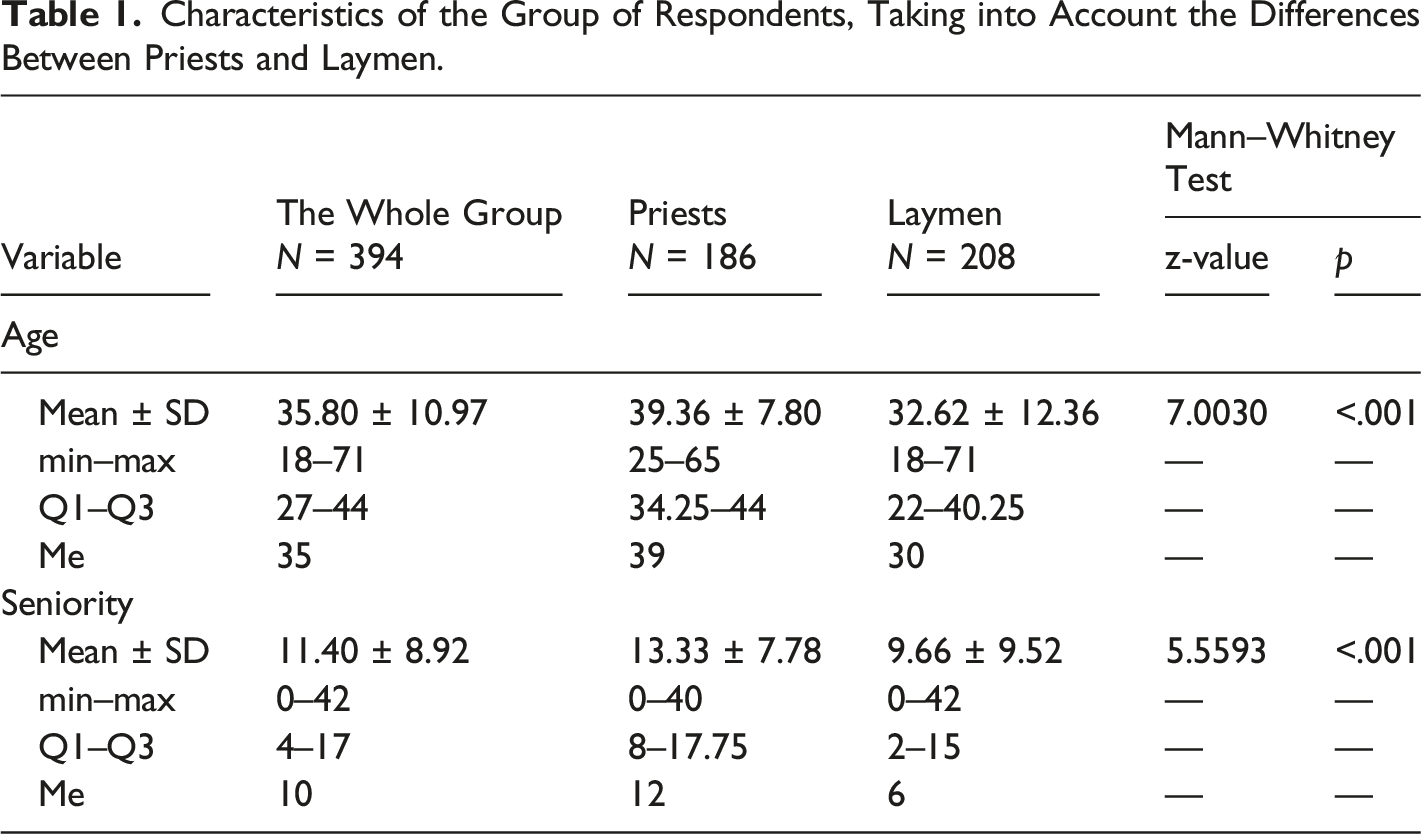
Characteristics of the Group of Respondents, Taking into Account the Differences Between Priests and Laymen.
Quantitative Characteristics of Priests and Laymen Participating in the Survey.
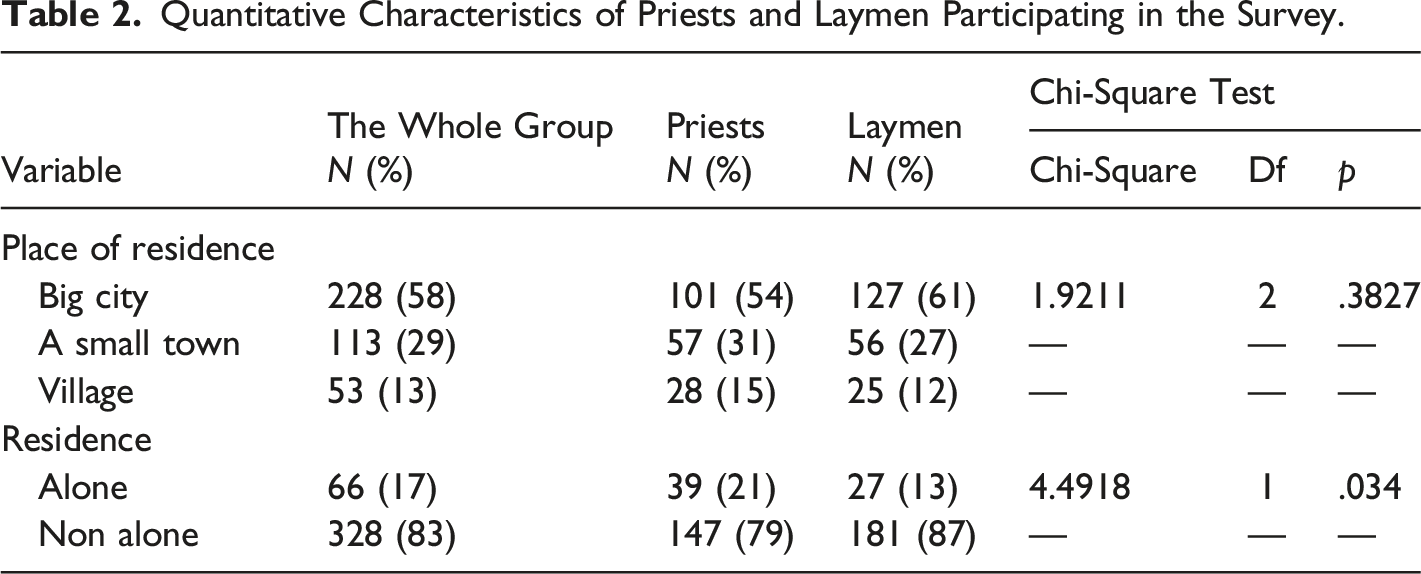
Among the surveyed priests, the following functions were most often given in the survey: 79 people (42%) were vicars, 43 people (23%) stated that they were priests, 7 people (4%) were religious, 3 people were missionaries, 3 people were priors, 4 people stated that they were the director of a church institution, 7 people were priests and others. Laymen included, among others, employees of such professions as IT specialist (9 people), driver (7 people), construction site worker (7 people), doctor (15 people), mechanic (8 people), teacher (12 people), student (27 people), policeman (2 people), lawyer (4 people), musician (3 people), plumber (4 people), physiotherapist (5 people), architect (3 people), pensioner (2 people), artist (2 people) and others. The survey also asked laymen about their financial situation, 40 people (19%) assessed it as very good, 106 people (51%) good, 52 people (25%) average, 8 people (4%) bad and 2 people (1%) very bad. The Cronbach’s alpha measure was used to measure the scale reliability of the survey. Quantitative data are given as mean ± SD and percentages. One-sample Kolmogorov–Smirnov test showed that none of the analysed distributions is close to the normal distribution (p < .05), therefore the Mann–Whitney test and the Kruskal–Wallis test were used to analyse the differences between the distributions. The Pearson correlation coefficient was used to test the correlation between the DAP-R-PL factors. A significance level of .05 was adopted for all tests.
Results
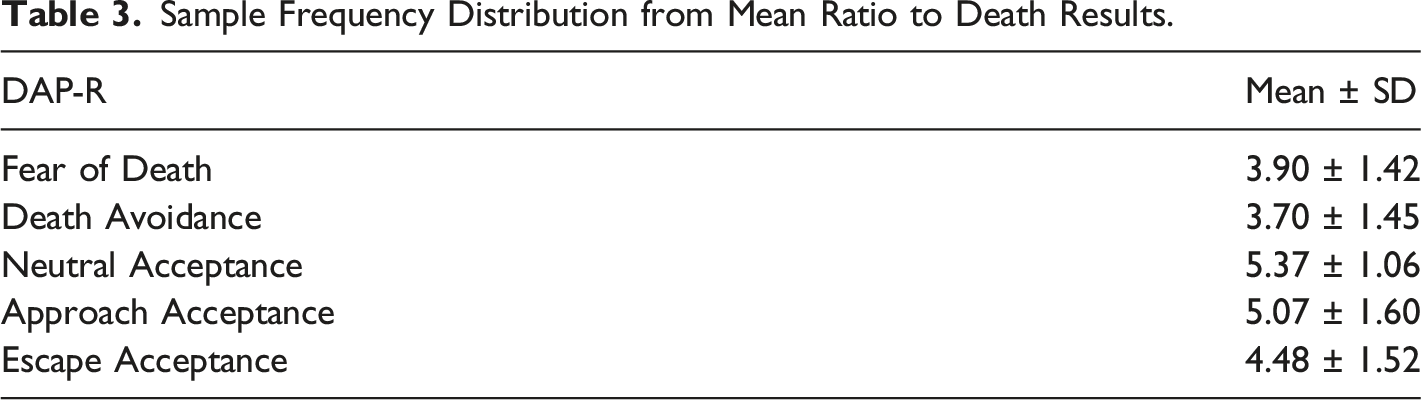
Sample Frequency Distribution from Mean Ratio to Death Results.
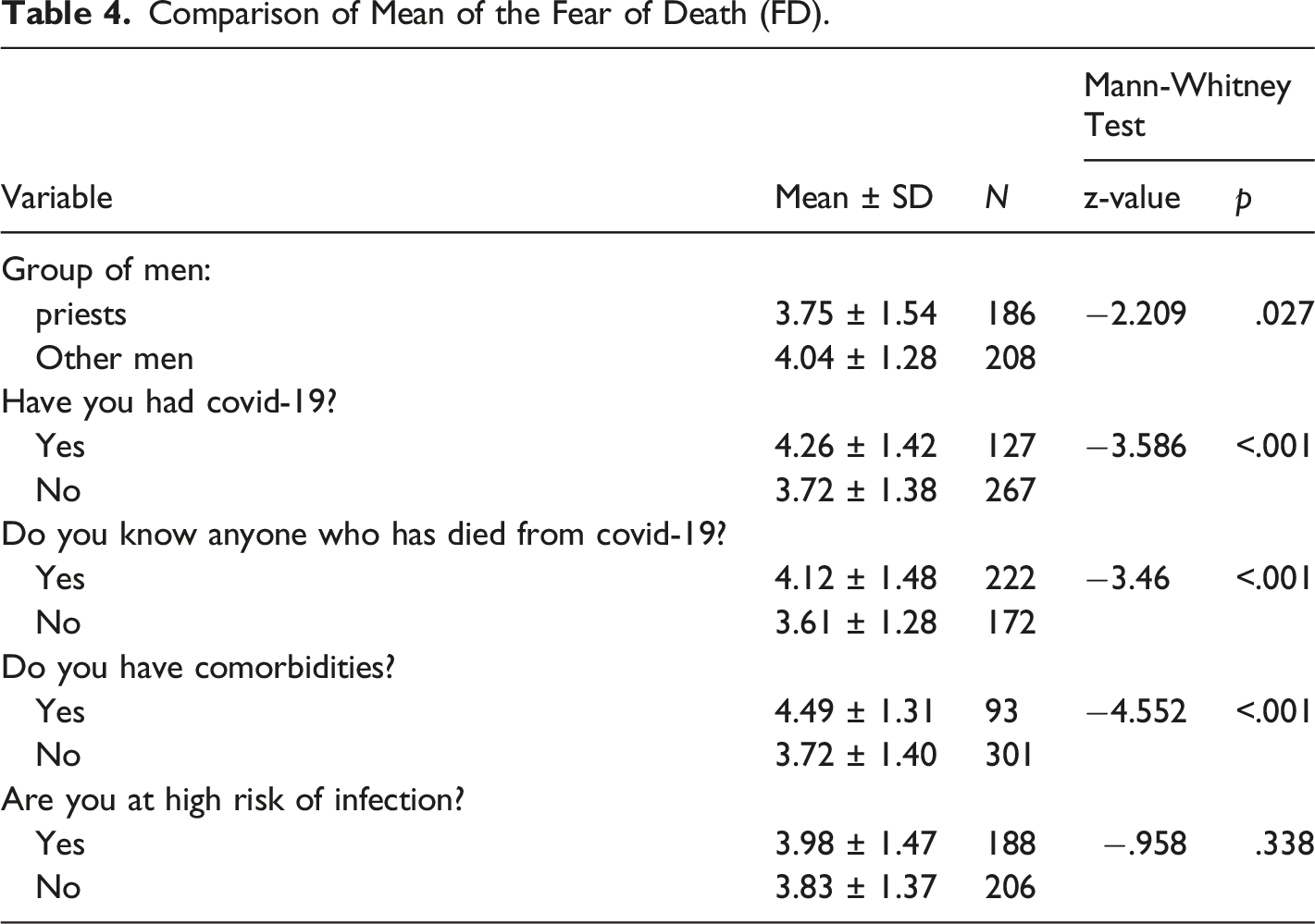
Comparison of Mean of the Fear of Death (FD).
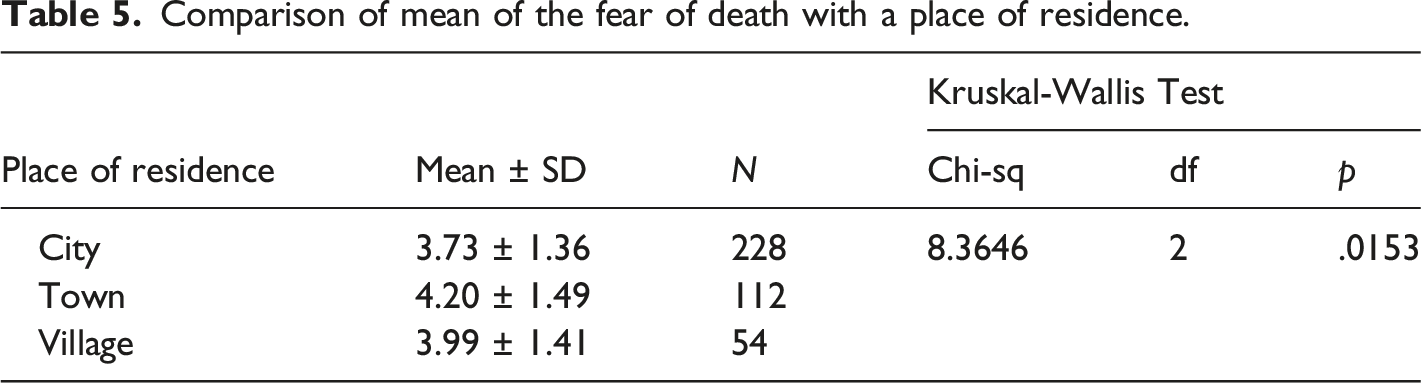
Comparison of mean of the fear of death with a place of residence.
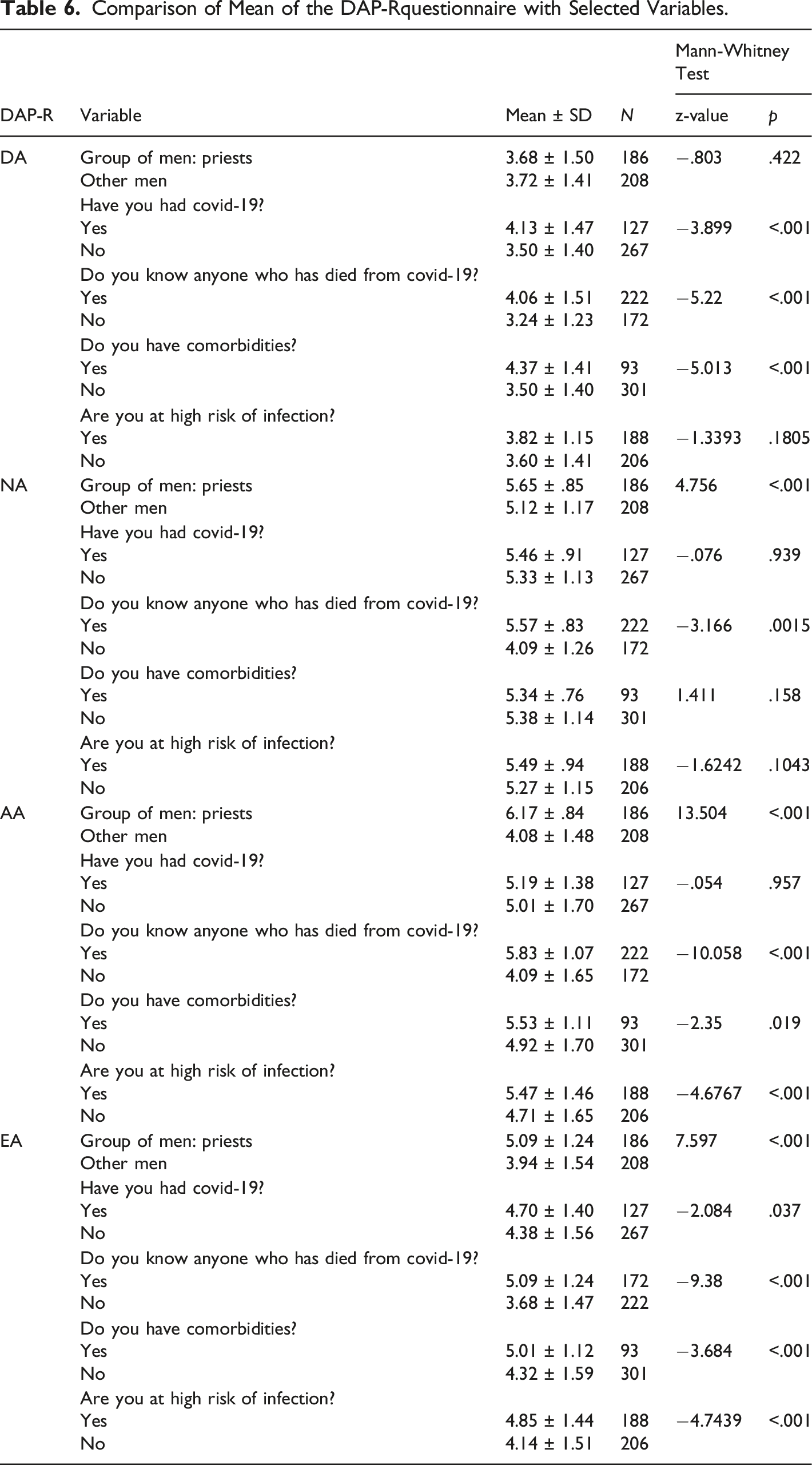
Comparison of Mean of the DAP-Rquestionnaire with Selected Variables.
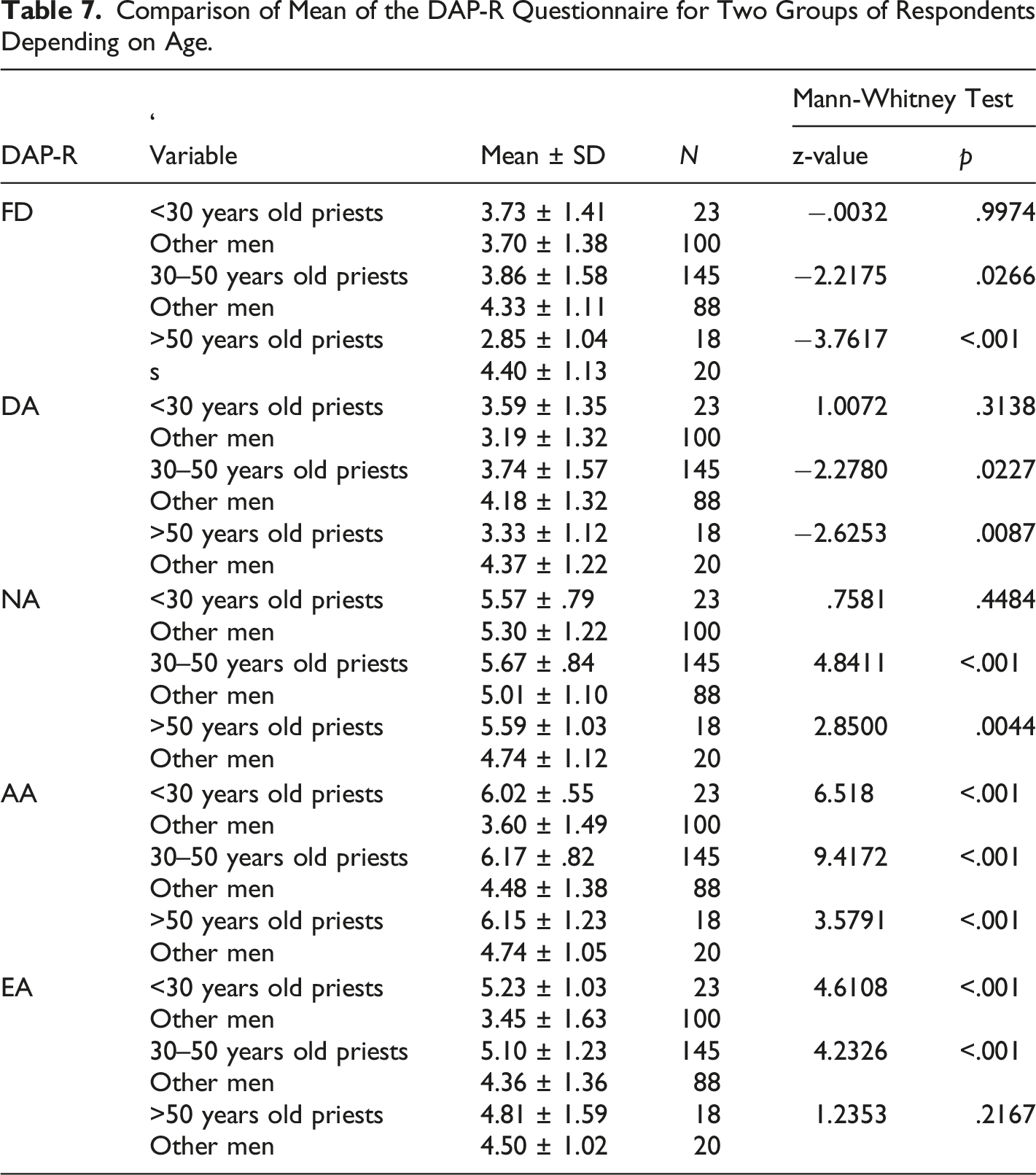
Comparison of Mean of the DAP-R Questionnaire for Two Groups of Respondents Depending on Age.
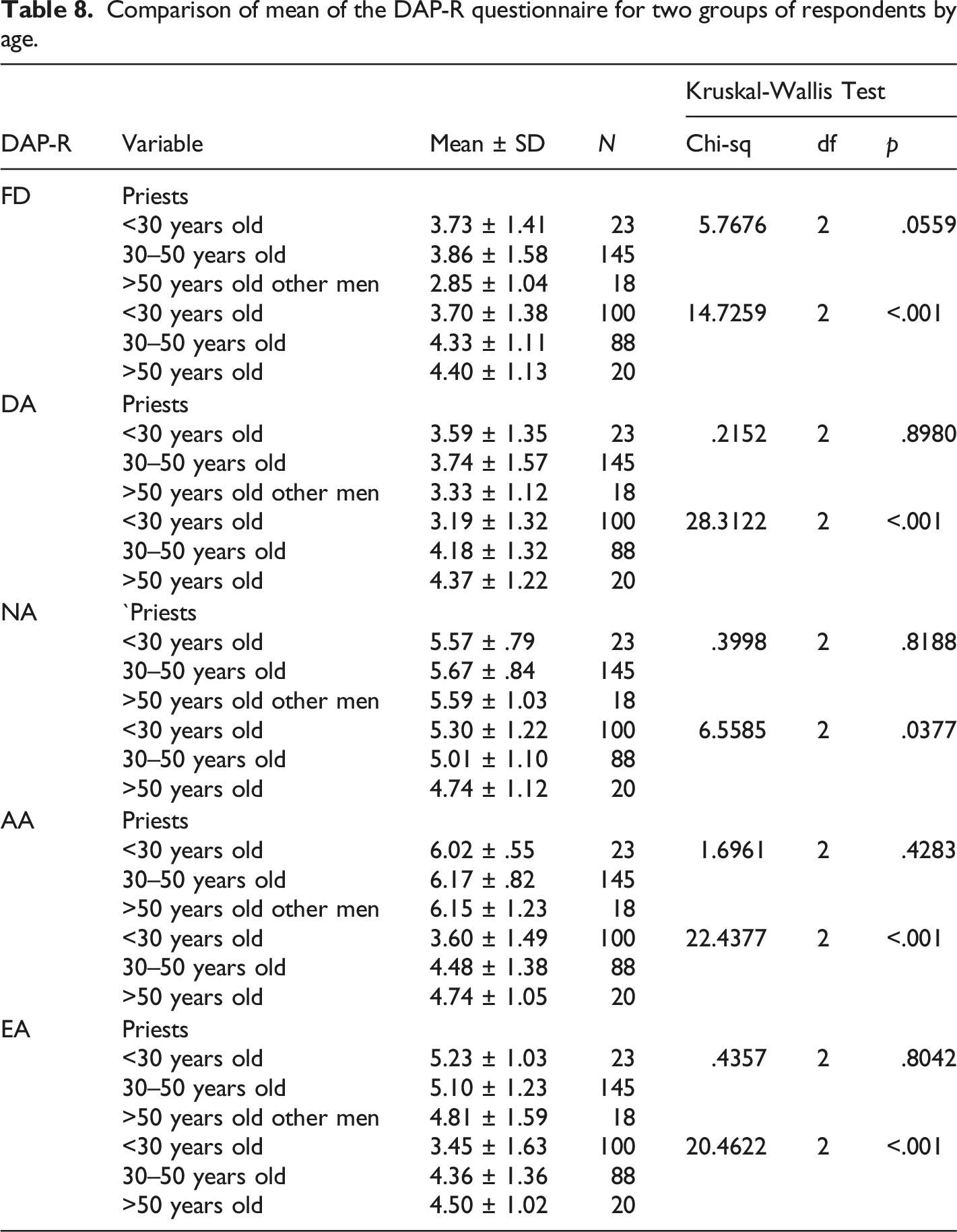
Comparison of mean of the DAP-R questionnaire for two groups of respondents by age.
Comparison of mean of the DAP-R questionnaire by age of all respondents.
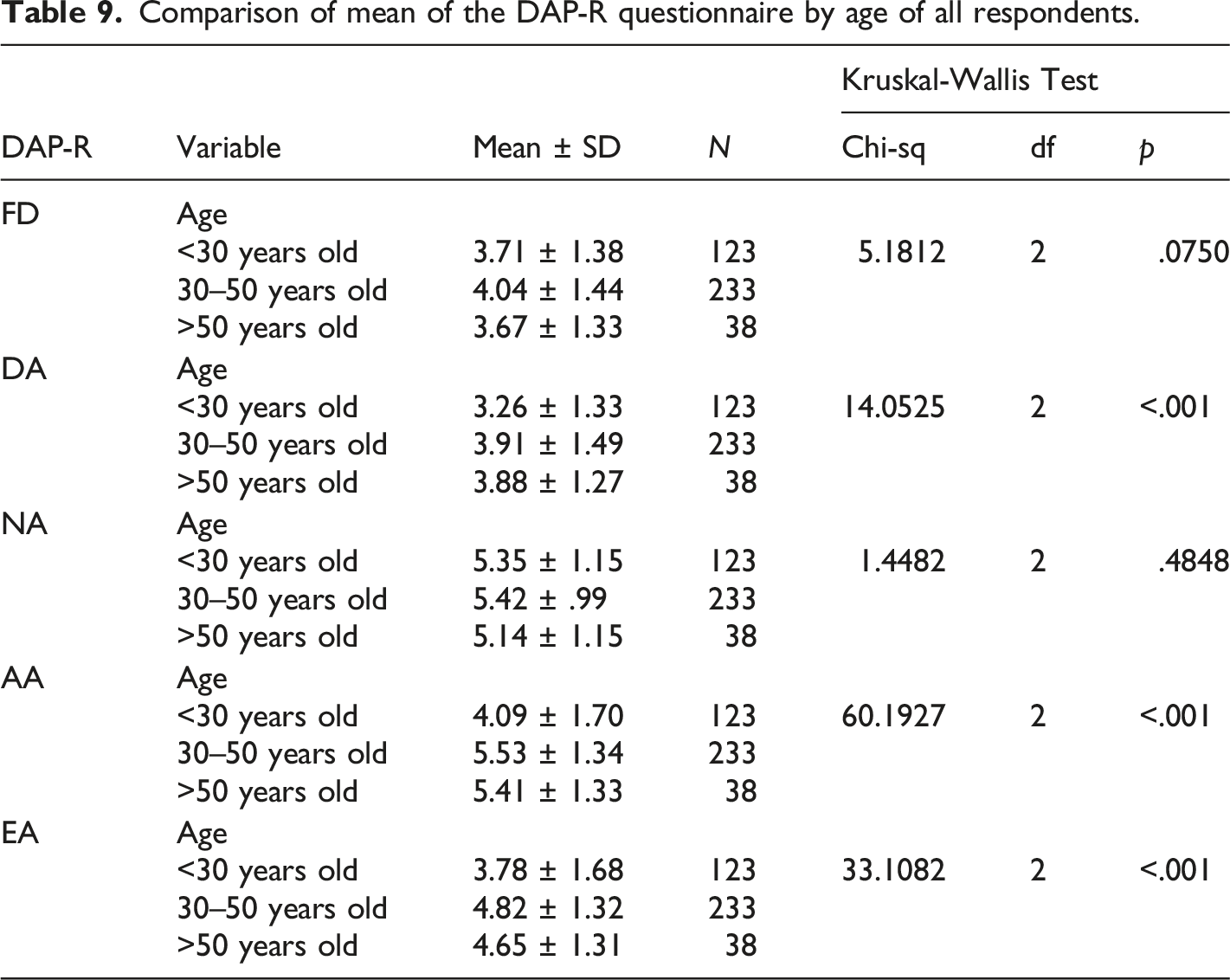
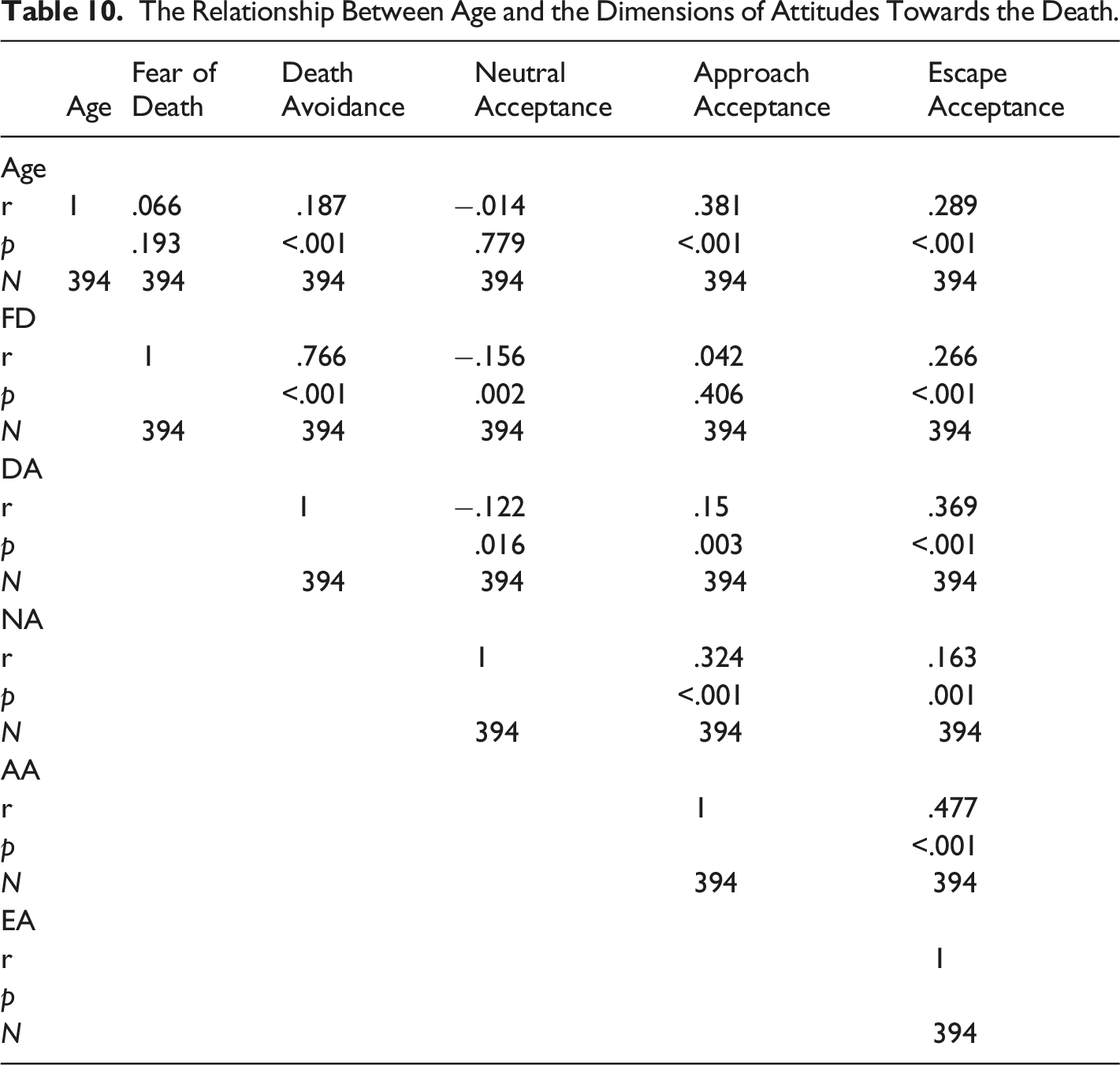
The Relationship Between Age and the Dimensions of Attitudes Towards the Death.
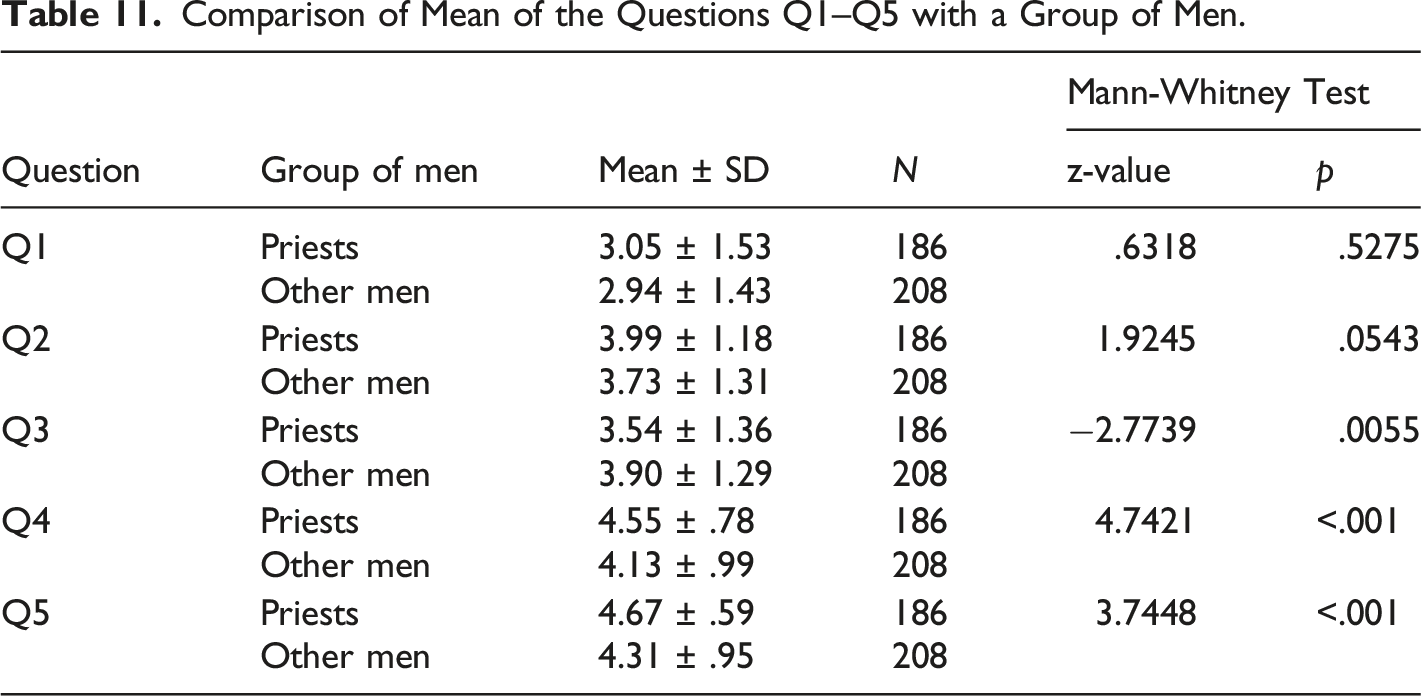
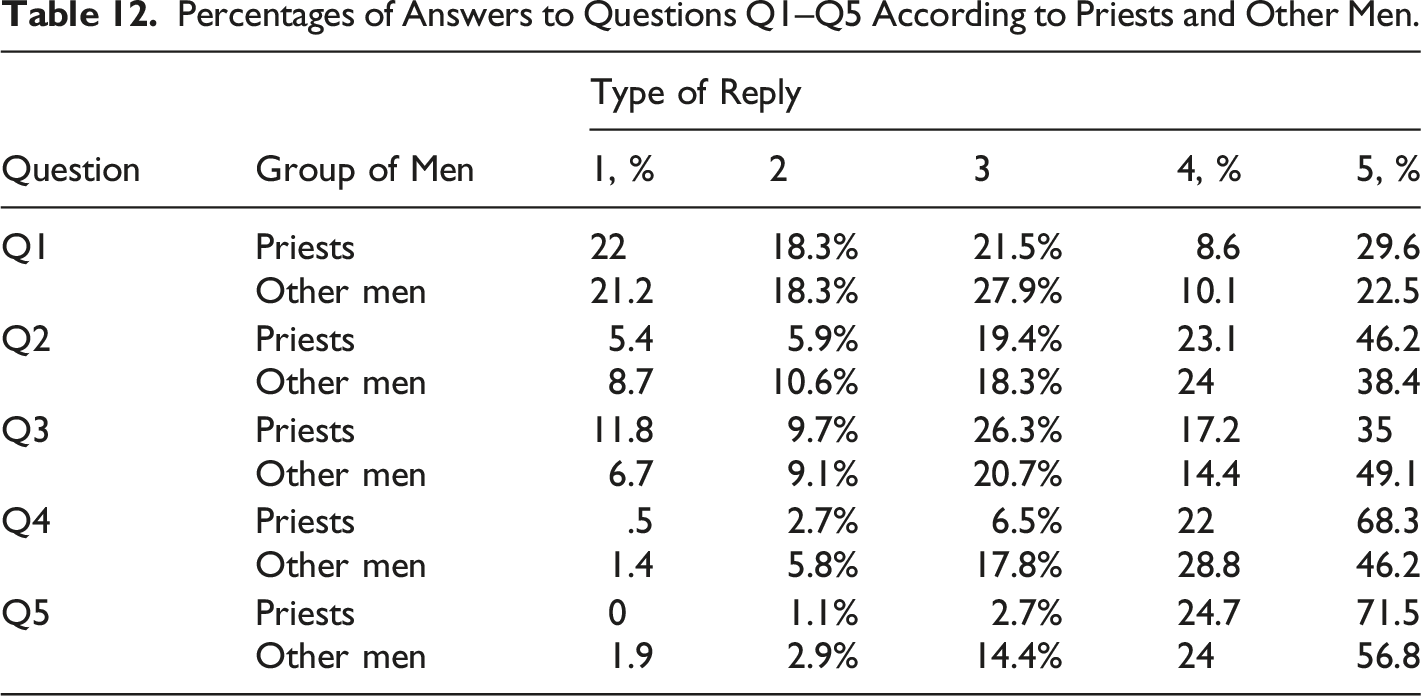
Additionally, in addition to the survey of attitudes to death, the survey asked respondents the following questions about the coronavirus pandemic: [Q1] Are you afraid of infection and getting sick? [Q2] Are you afraid of infection and illness of your loved one? [Q3] Are you concerned about the economic impact of the epidemic? [Q4] Are you following the recommended precautions? (wearing a mask) [Q5] Are you following the recommended precautions? (handwashing)
Comparison of Mean of the Questions Q1–Q5 with a Group of Men.
Discussion
In this study, the overall results show that laymen are more afraid of death than priests. The observed process may confirm the thesis that due to their profession, clergy are used to this problem daily. Moreover, religious practices performed by clergymen can reduce the feeling of fear of death. Other studies around this problem indicate that a positive spiritual state is a good predictor of death fear (Rababa et al., 2021). Still, other studies reveal that the near-death experience (NDE) may be immediate and related to the sensation of disembodiment (Tassell-Matamua & Lindsay, 2016). Bearing in mind the attitude of laymen who expressed a higher degree of FD, the research presents the moral (religious) attitudes of men during the Covid-19 pandemic and indicates the respondents’ sense of responsibility for their family in the face of life-threatening factors (especially death) (Schiffer et al., 2021). The above position is in opposition to research conducted in North America, where it was shown that religious people showed negative correlations between the fear of death and religiosity (Jong & Halberstadt, 2017). Considering the attitudes of Neutral Acceptance, Approach Acceptance and Escape Acceptance, research indicates higher values in clerical responses. The obtained data on the attitudes of priests, on the one hand, define their existential approach to avoiding death, and at the same time show a religious view of death, which seems to be a natural process for them. Looking globally at the situation caused by the pandemic, some areas of the world (e.g. Italy) and the attitudes of clergymen observed on the basis of various studies are not easy to interpret. In many situations, the presented attitudes of clergymen can only be argued by the influence of spiritual values generated from faith. The above behaviour is confirmed, inter alia, by the results of research conducted among 12 priests from the area of Italy (Testoni et al., 2021), where the clergy related their existential and spiritual experiences in interactions with the dying. The results of the studies generate the thesis that people are religious because they fear death (Jong & Halberstadt, 2017). On the other hand, other studies show that religion can influence the perception of death. This opinion is shared by nearly 93% of respondents who believe that religion is also the easiest way to explain the meaning of life and suffering (Guzowski et al., 2013). The results of the own research indicate that respondents more often indicated the perspective of avoiding death (DA) when one of their loved ones died as a result of Covid-19. Similar behaviours were noticed in other studies, where the attitude of avoiding death appeared even more intensively when the respondents lost someone from their loved ones especially at a young age (Peteet, 2020). Research carried out in Pakistan reveals that the fear of death is eliminated by practised religion, the sense of inevitable death of every human being, existential precautionary measures, self-confidence, as well as by not entirely true interpretations of the disease and avoiding the topic of death (Yasin, 2020). It should be added that the appropriate education of the society has a large impact on the attitude towards Covid-19 and its effects. Research in Iran reveals that nearly 78% of respondents have sufficient knowledge of Covid-19, and 70% believe that the virus will be defeated (Ghaderi et al., 2021). Based on the data obtained from own research, it should be noted that the respondents who previously underwent Covid-19, as well as those who knew someone who fell ill or had comorbidities, are characterized by an attitude of a greater fear of death. The highest values in the group of respondents are noted in the attitudes of Death Avoidance, Approach Acceptance and Escape Acceptance. In the space of the collected own data on the fear of death, reports from other studies that included the associative relationship between anxiety, fear of death and the well-being of the respondents are interesting. The results show that in addition to general psychological problems, the pandemic influenced the existential benefits in the form of greater care for life, better personal relationships and concern for health (Cox et al., 2021). Following the path of care for life, it is worth recalling studies that show the role of spiritual care, which, according to the respondents, is an important element of holistic care for health, especially in the field of coping with illness, coming to terms with suffering and death (Roman, et al., 2020). Taking into account the age of the respondents, it should be noted that for the DA factor lower values were shown by participants under 30 years of age, and higher values in the 30–50 age group. This shows a certain philosophy in life, namely, that the young generation can cope with the phenomenon of death by adopting an attitude of a certain distance from this problem and avoiding talking about death. The youngest respondents adopt similar behaviours towards the factors AA and EA, pointing to their religious axiology, which can generate spiritual strength, as well as an existential escape that can end all human problems with the moment of death. The above attitudes correspond with the results of research that says that conscious awareness of death generates defensive behaviour in humans that make sense because they suggest that death is not a problem but is a normal process of human existence (Pyszczyński et al., 2020). Taking into account the place of residence of the research participants, it should be noted that respondents from small towns have a greater fear of death. On the other hand, residents of large cities show less fear. Based on the results of research, it has been observed that priests show an attitude of greater concern about the infection and contracting of Covid-19 by someone from their loved ones. Laymen keep their distance in this regard. The responses of the respondents regarding the fear of the economic consequences of the pandemic were interesting. Priests are optimistic in this respect, while laymen are concerned about their material resources. The collected data shows that clergy more often follow epidemic recommendations than laymen. This may indicate that laymen do not want to be limited by external protective measures and, consequently, want to feel at ease in their daily existence. The above position corresponds to the research which showed that the respondents are not entirely convinced of the effectiveness of protective masks and believe that it is not necessary to use them (Wang et al., 2020). Other research reports indicate that men appear to be less likely to wear face masks, believing it to be a sign of weakness (Mahalik et al., 2021). On the other hand, reports from studies conducted in six countries (China, Japan, Italy, Korea, the UK and USA) indicate that respondents perceive wearing a mask as an effective means of dealing with a pandemic (Fujii et al., 2021).
Conclusions
The general results of the conducted research indicate that attitudes towards death in the perspective of five dimensions depend on the chosen state of life. Laymen fear death more and approach it in an existential way. Priests present an existential-spiritual attitude and show higher values in the following attitudes: Neutral Acceptance, Approach Acceptance and Escape Acceptance. Moreover, the clergy more often follow epidemic recommendations. The youngest participants of the research present a conservative attitude towards the problem of death. Both groups of respondents present positive attitudes towards the phenomenon of death, which is part of their everyday existence in the space of their social role.
Footnotes
Declaration of Conflicting Interests
The author(s) declared no potential conflicts of interest with respect to the research, authorship, and/or publication of this article.
Funding
The author(s) received no financial support for the research, authorship, and/or publication of this article.
Ethics approval and consent to participate
The study was approved by the Bioethics Committee of the Pomeranian Medical University registered under No. KB-0012/52/04/2021/Z.
