



Abstract
Poly(ether-ether-ketone) (PEEK) is a high strength and high temperature-resistant plastic with good potential for medical use. The addition of hydroxyapatite (HA) can improve the mechanical performance and biocompatibility of PEEK. However, little study has been done on solid-state foaming of PEEK or PEEK-based composites due to the semicrystalline nature and high processing temperature requirement. In this study, the solid-state foaming behavior of PEEK/HA composite is studied using supercritical
Introduction
In recent years, poly-ether-ether-ketone (PEEK) has become a popular candidate for bone implants. Traditionally, titanium (Ti) and titanium alloys are the main materials used for bone implant; however, these materials suffer from limitations, such as releasing harmful metal ions that could cause osteolysis and allergenic effects.1,2 PEEK is a high temperature-resistant plastic with good chemical stability, matching mechanical strength as human bone, and X-ray transparency. However, neat PEEK prevents osteointegration with surrounding bone tissue, and can lead to fibrous encapsulation.3,4
Several methods have been proposed to improve the bioactivity of PEEK. These include increasing surface roughness to improve the osteoblast adhesion,5,6 adding organic/inorganic or other mineral phase such as hydroxyapatite (HA) or
Traditionally, porous PEEK/HA composites have been mainly fabricated using solvent casting, salt leaching, and additive manufacturing. Uddin et al. used solvent casting and salt leaching methods to create high porosity scaffold of PEEK/HA composites. 13 Zheng et al. used a twin extruder to fabricate PEEK/HA filaments and then employed selective laser sintering to print porous scaffolds. 11 These methods can generate interconnect porous PEEK/HA structures; however, they either used an organic solvent to dissolve PEEK before salt particles were added or did not have enough resolution to create the pore size that is suitable for bone tissue engineering. Dissolving PEEK in organic solvent could leave residual solvent in the PEEK matrix that prevents proper cell growth.
Solid-state foaming is an organic solvent-free gas foaming process that is able to achieve high porosity structures.14,15 During the foaming process, the pore size and porosity of the polymer foam can be controlled by adjusting the gas foaming parameters.
16
However, currently, gas foaming is mainly used for amorphous plastics with a low melting temperature, such as polycaprolactone (PCL), polymethyl methacrylate (PMMA), and polyimide (PI).16–18 There has been little research on solid-state foaming of PEEK or PEEK-based composites. PEEK is a semicrystalline polymer with high mechanical properties and a high melting temperature. Its foaming performance is different from amorphous polymers. In a previous study, Yang et al.
19
examined the foaming behavior of PEEK with different crystallinity and thermal histories. It was found that foaming of high crystallinity PEEK yielded small cells of about 5–10 um, which are generally considered too small for bone tissue engineering. Li et al.
20
used the microcellular extrusion foaming method with
In this study, we investigate the solid-state foaming behavior of PEEK/HA composites using supercritical
Experimental setup and procedure
Figure 1 shows a schematic of the experimental setup and procedure. PEEK pellets were obtained from Victrex (Grade 450G) and hydroxyapatite powder from Sigma-Aldrich. The pellets and powder were mixed using a Thermal Science Minilab II twin extruder at 370 Experimental setup and procedure.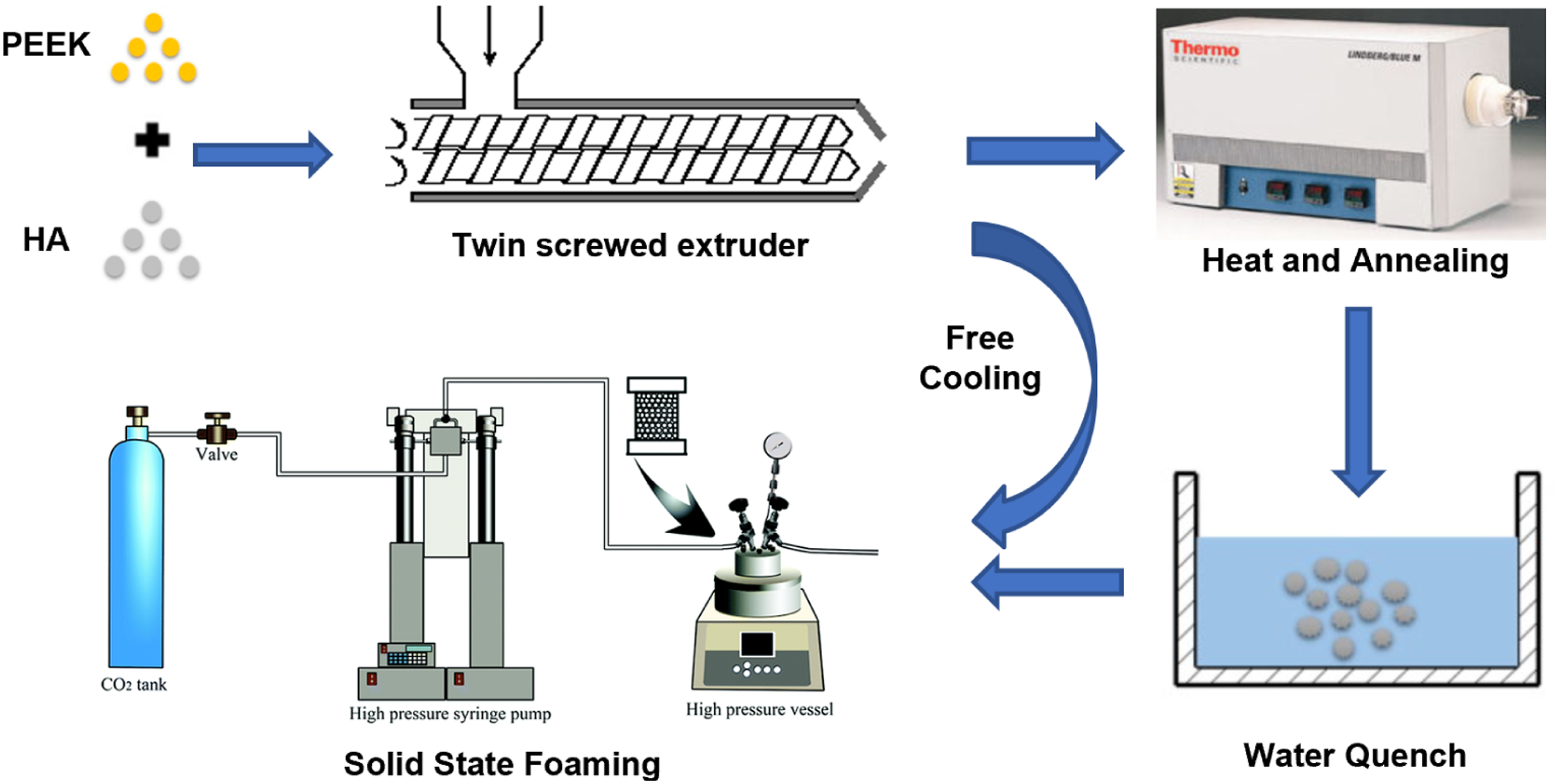
The crystallinities of the PEEK and PEEK/HA samples were both assessed using differential scanning calorimetry (DSC) with a temperature range from 25 to 400

For foaming, the PEEK/HA samples were first saturated at 20 MPa and 35
The morphology of foamed PEEK/HA samples was examined with a scanning electron microscope (SEM). The samples were also tested using DSC after foaming to study the effect of foaming on crystallinity. Compression tests were conducted to characterize the mechanical properties of both non-foamed and foamed PEEK/HA composites.
Results and discussion
Effect of quenching
The DSC results for both as-extruded and quenched samples are shown in Figure 2. Comparing as-extruded neat PEEK with 10% HA composite in Figure 2(a), the crystallinity of composite is clearly higher. The crystallinity of as-extruded neat PEEK samples was determined to be 28% and that of as-extruded PEEK/HA composite was 33%. This is probably due to the heterogeneous nucleation effect of hydroxyapatite particles during the solidification process. DSC results for (a) as-extruded samples; (b) quenched samples.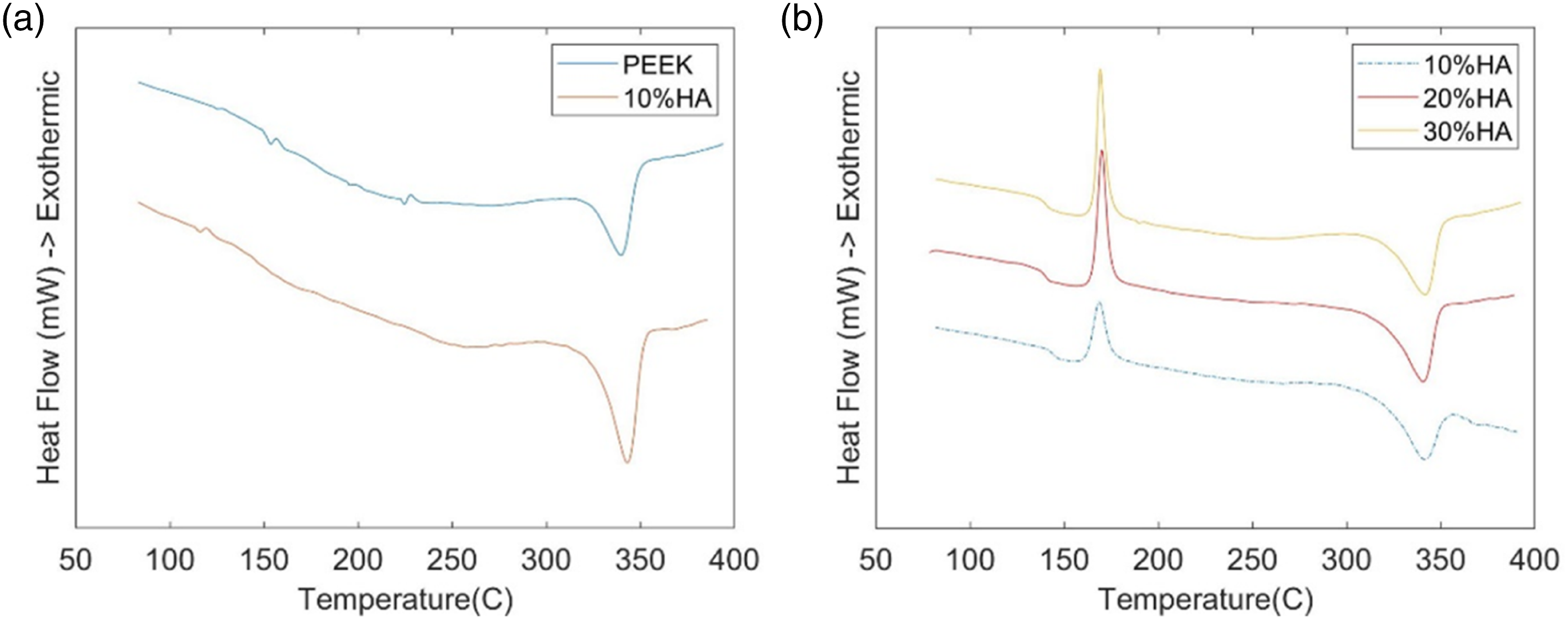
The DSC results for quenched PEEK/HA samples are shown in Figure 2(b). A significant difference of quenched samples than as-extruded samples is that a cold crystallization peak appears at around 175 (a)-(d) Free cooled PEEK samples with 0%, 10%, 20%, and 30% hydroxyapatite, respectively, (e)-(h) quenched PEEK samples with 0%, 10%, 20%, and 30% hydroxyapatite, respectively.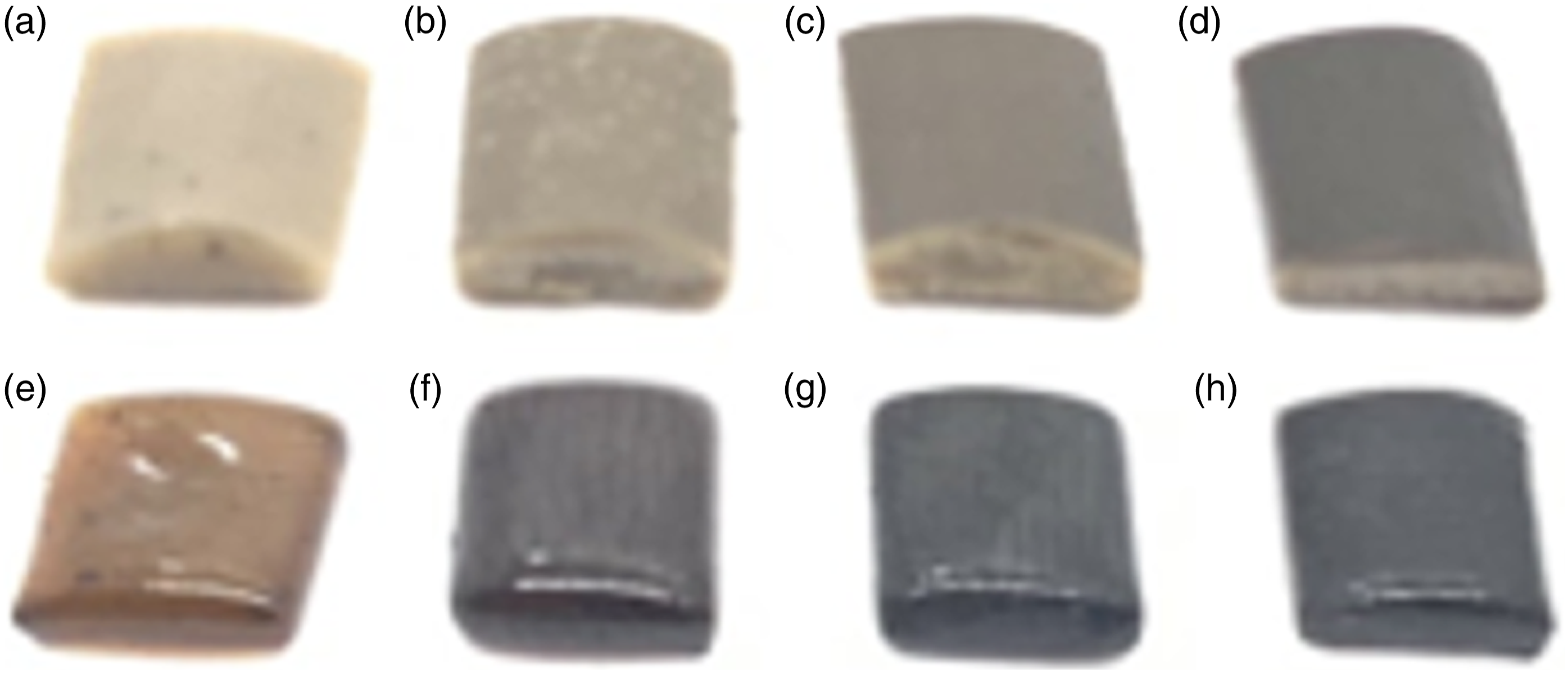
Gas saturation results
Figure 4 shows the gas concentration of as-extruded and quenched PEEK/HA samples with time. The center line represents the average gas concentration, and the shaded area shows the range. As shown in Figure 4 the equilibrium gas concentration of as-extruded PEEK/HA composites is around 4%, and it takes about 96 hours to reach the equilibrium. All samples reached similar gas concentrations, regardless HA contents in the sample. This may be because HA particles are porous and will absorb gas as well as the PEEK matrix. This saturation behavior is the same for quenched samples, where all the samples reached similar equilibrium gas concentrations. However, the quenched PEEK/HA samples reached the equilibrium gas concentration in only 48 hours, much faster compared with as-extruded samples. The equilibrium gas concentration of the quenched samples reached 6%, which is significantly higher than that of as-extruded samples. This result shows that the reduction of crystallinity can significantly improve the gas absorption behavior of PEEK. Gas saturation. behavior of as-extruded and quenched PEEK/HA samples.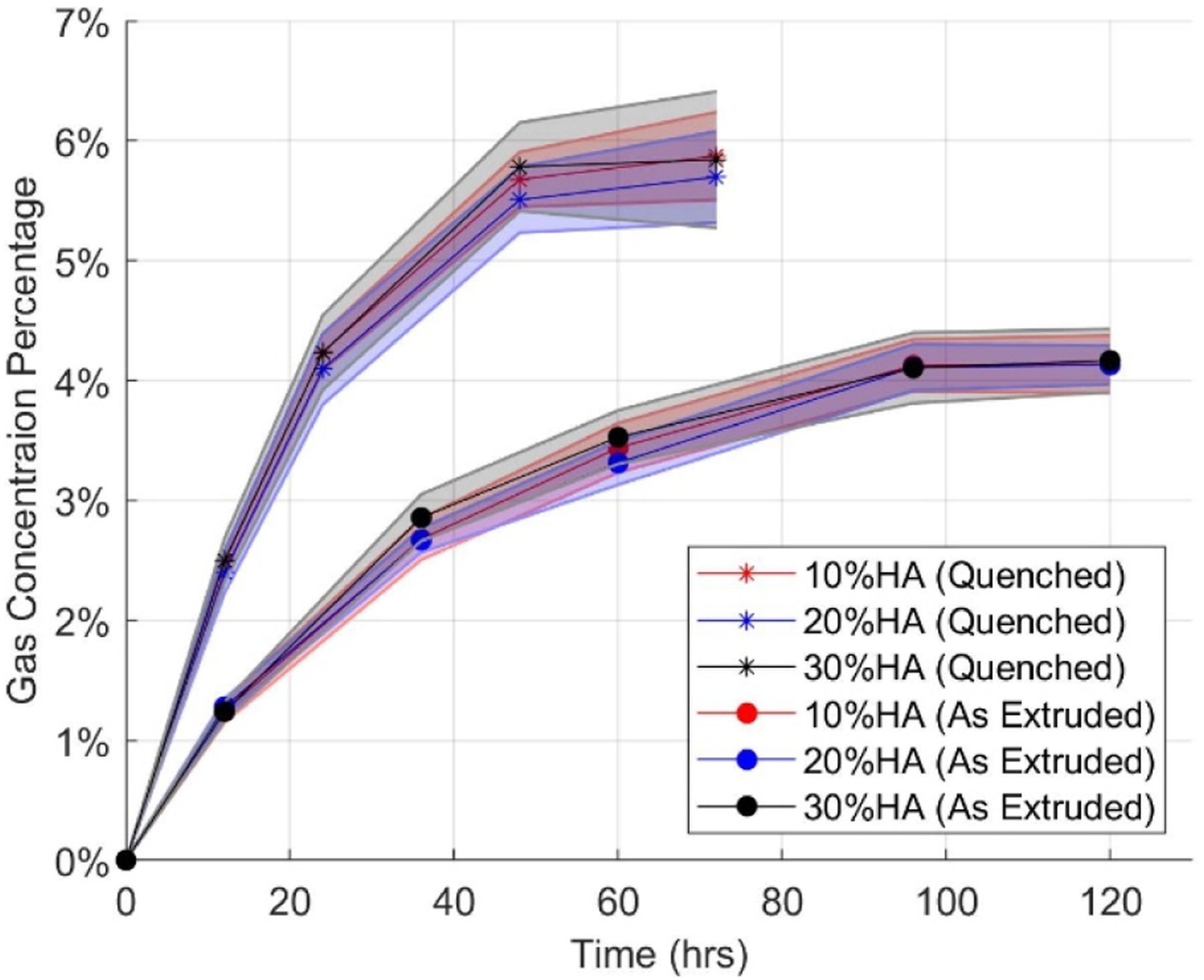
Foaming behavior of Poly(ether-ether-ketone)/hydroxyapatite composites
After full saturation, composite samples were foamed at 300, 330, and 360 Foaming result for as-extruded 20% HA samples at (a) 300 Foaming results of quenched samples with 10% HA (a, b, c), 20% HA (d, e, f), and 30% HA (g, h, i), each sample of the group foamed at 300 Mean pore sizes and cell densities of foamed PEEK/HA samples. Pore size distributions for: (a) as-extruded 20% HA samples, (b) quenched 10% HA samples, (c) quenched 20% HA samples, and (d) quenched 30% HA samples.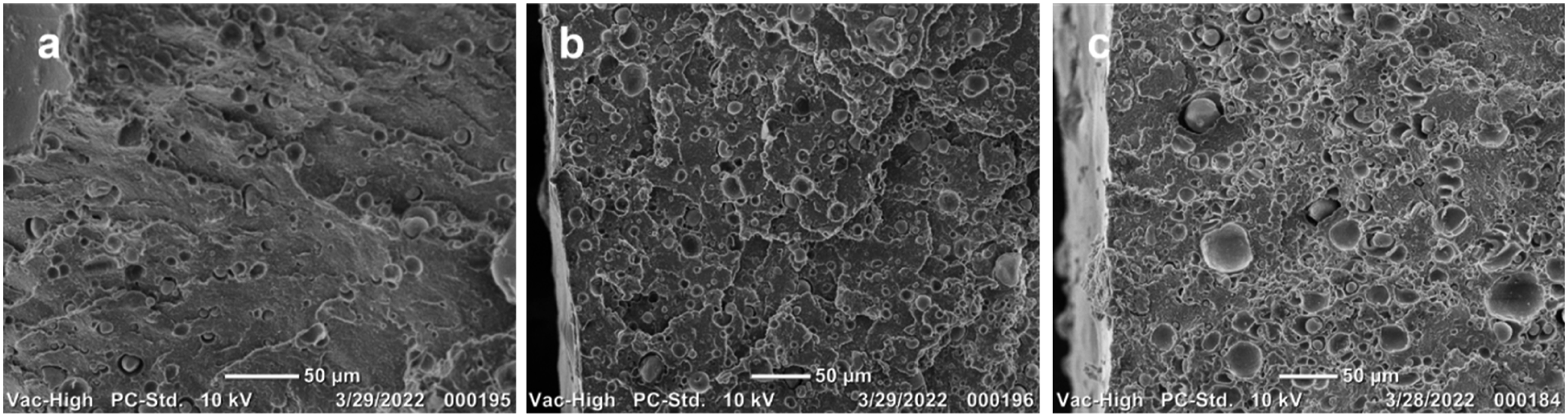
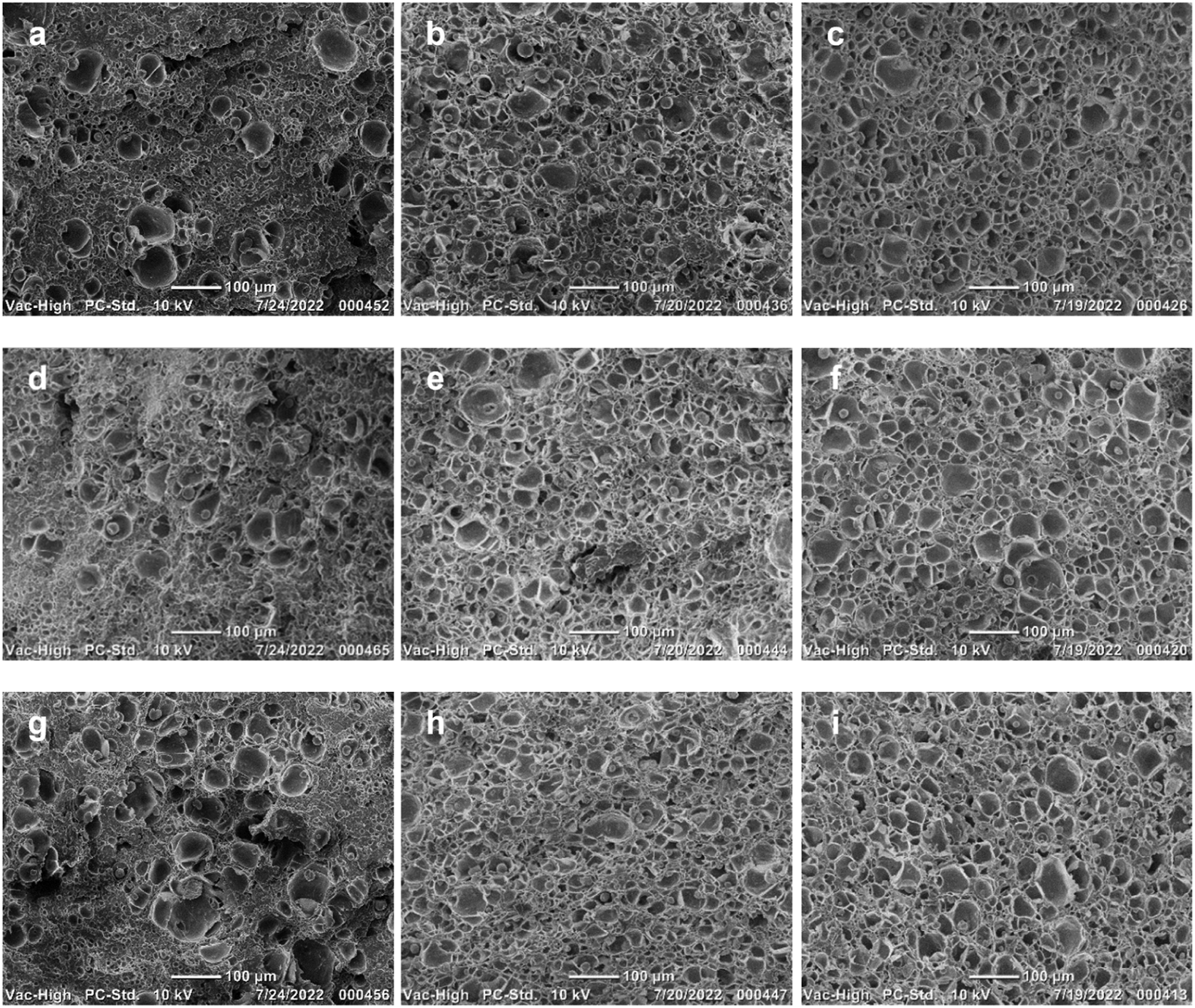
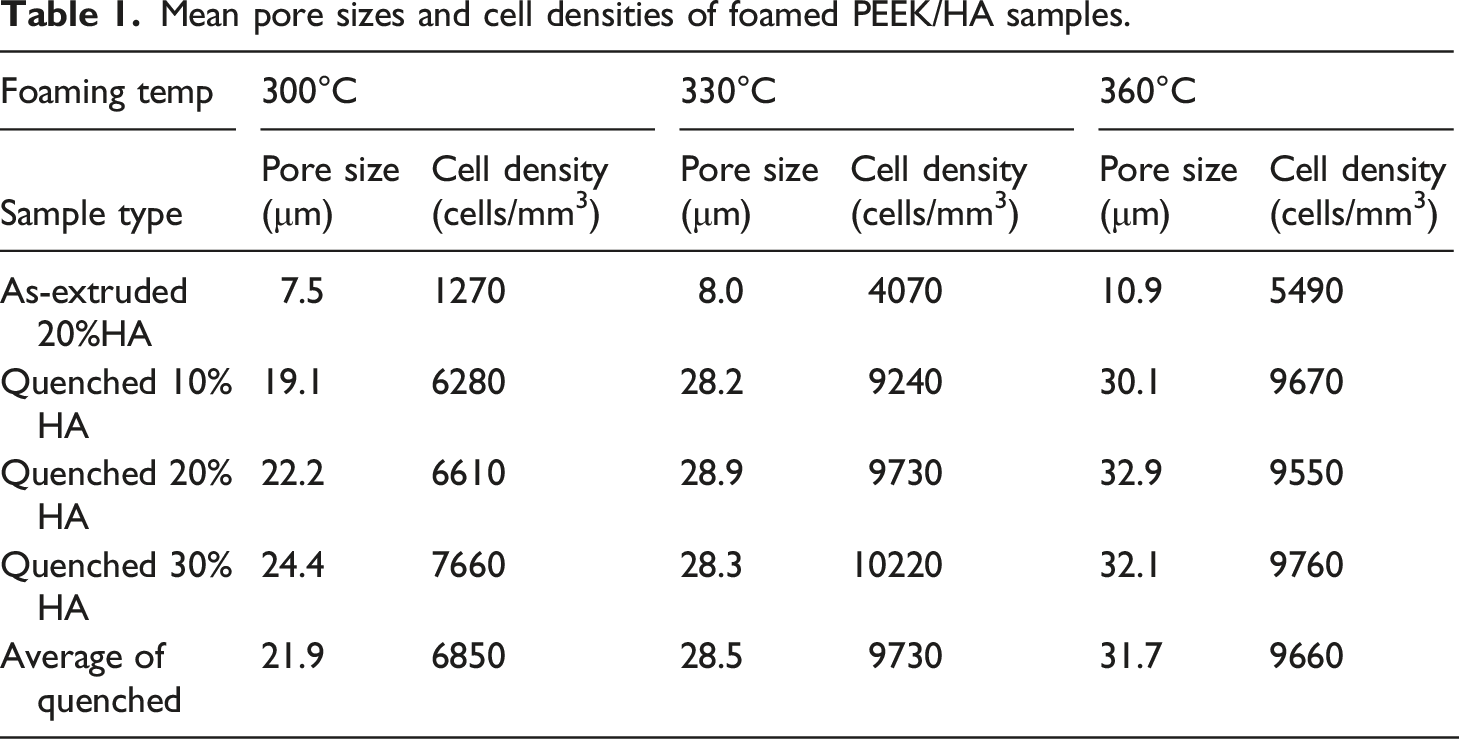
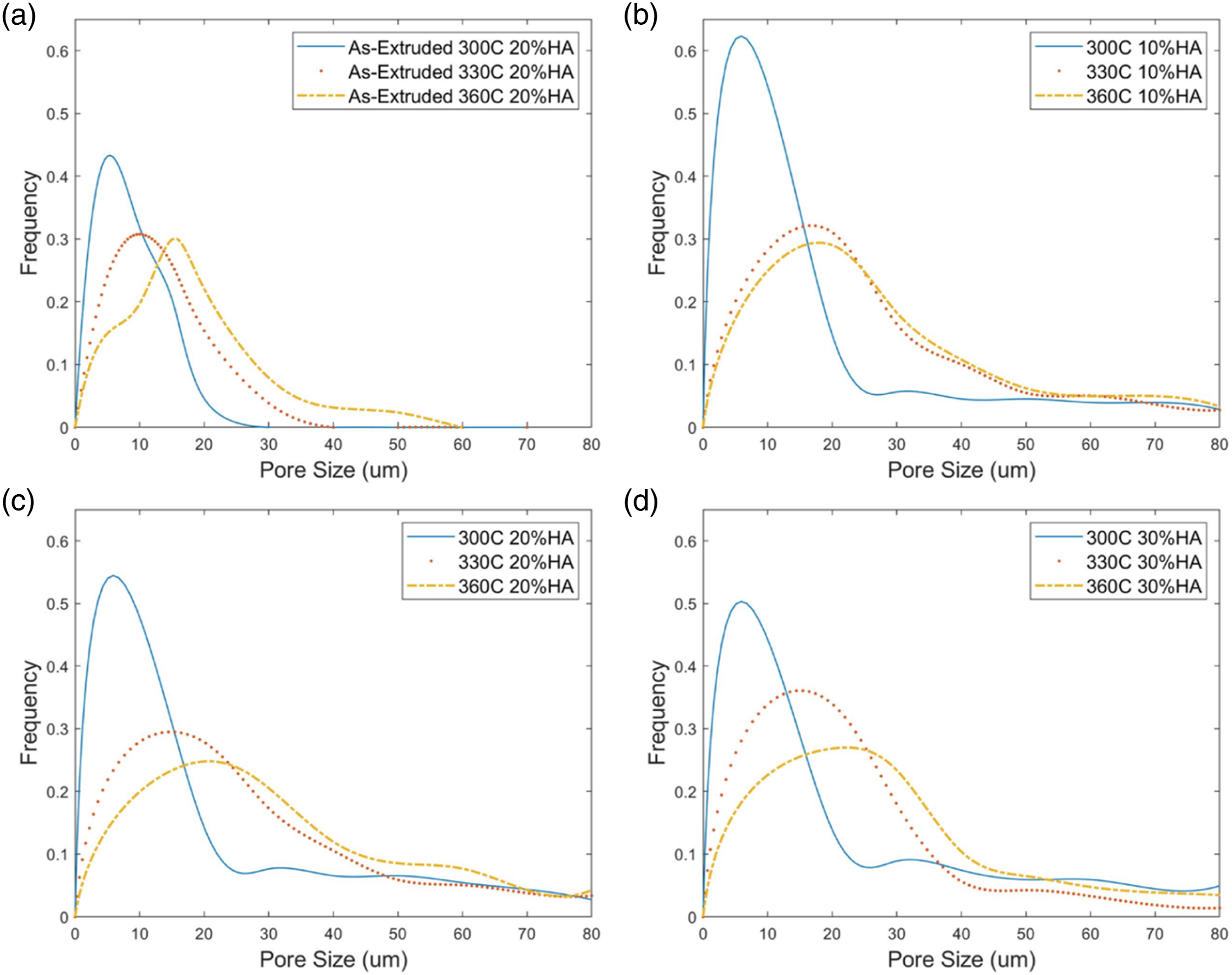
With a lower crystallinity, the cell size and cell density of the quenched samples are significantly increased compared with those of as-extruded samples. The foam cells are densely packed across the entire cross section. However, when the foaming temperature is at 300
In addition to foaming temperature, the effect of foaming time is studied by foaming the quenched 20% HA samples at 330 Foaming result for 20% HA composite at 330 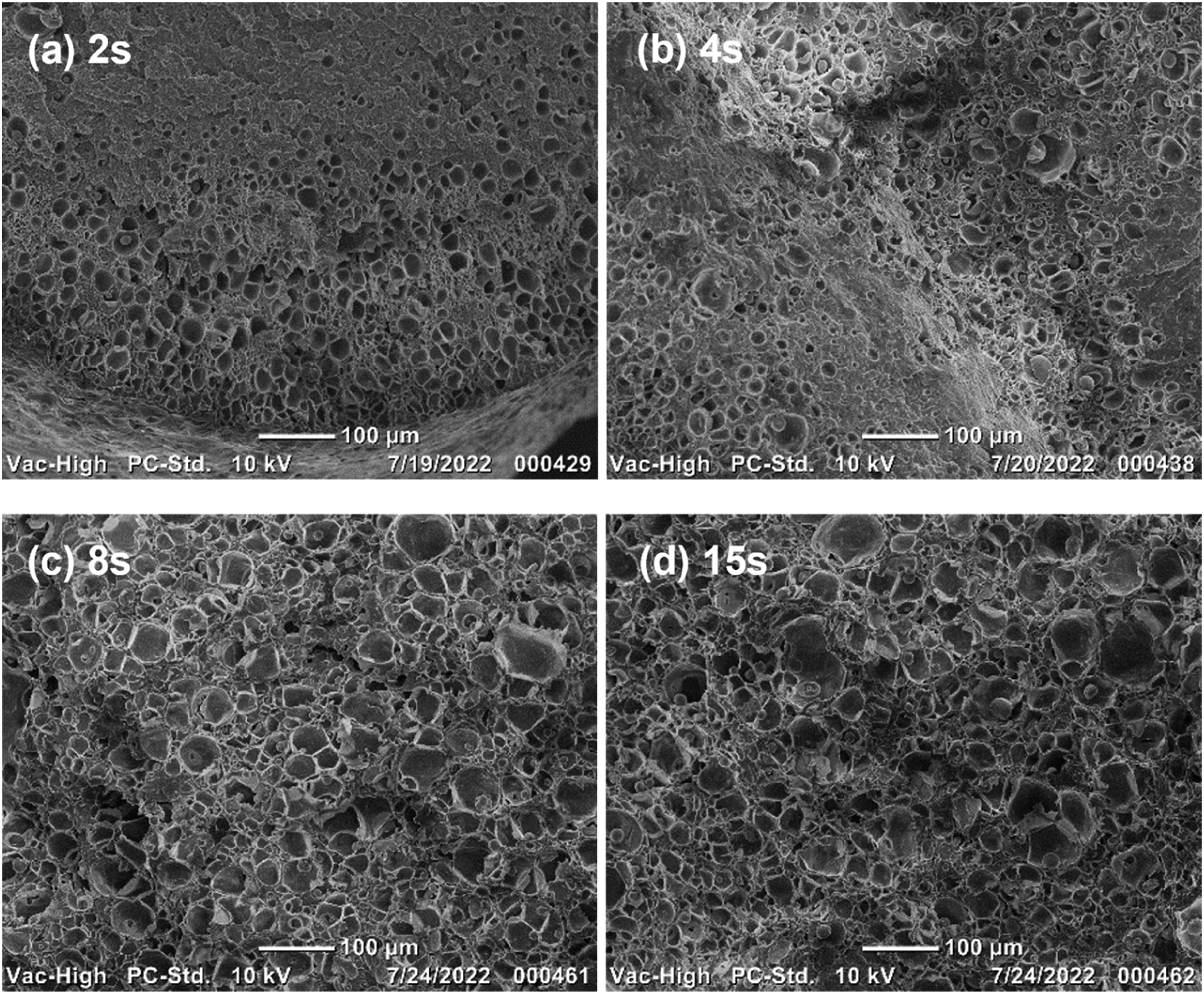
Porosity and crystallinity of foamed Poly(ether-ether-ketone)/hydroxyapatite composites
The porosity of foamed PEEK/HA samples was estimated based on the sample volume expansion after foaming. Figure 9(a)–(c) show the results for samples foamed for 8 sec at different temperatures. The porosity of PEEK/HA composites foamed at 300 Porosity of foamed samples with different foaming temperature and time.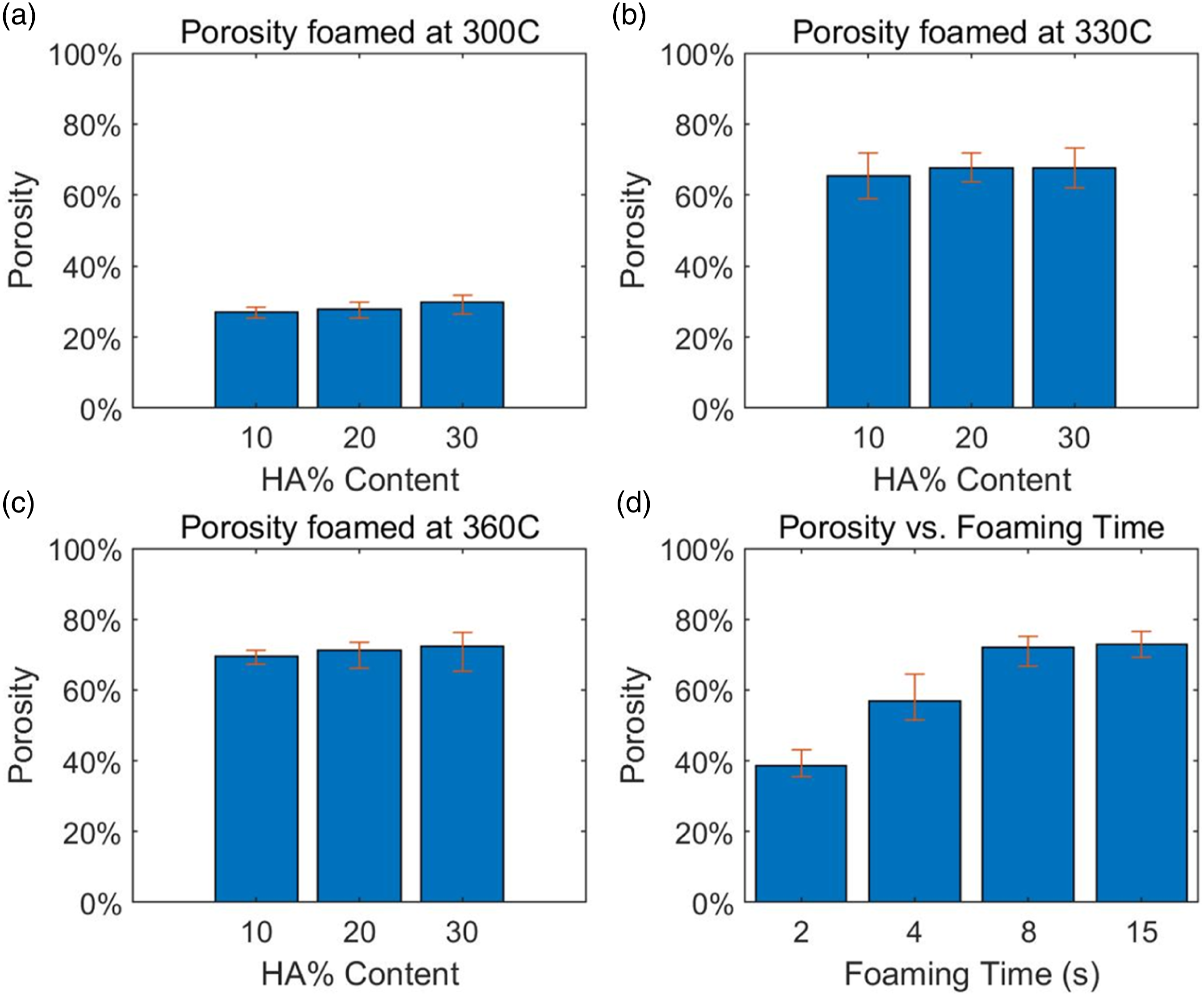
DSC tests were conducted on foamed PEEK/HA composites to examine the crystallinity after solid state foaming. The results are shown in Figure 10. Although the samples were quenched to reduce the crystallinity before saturation and foaming, the cold crystallization peak that characterizes the amorphous PEEK disappeared after solid-state foaming. The final crystallinity of the samples after foaming recovered to 17% and 21% for 10% HA and 20% HA samples, respectively. A previous study has found that solid state foaming can induce crystallization of semicrystalline polylactic acid (PLA).
18
The same phenomenon is observed for PEEK in this study. DSC results of PEEK/HA samples after foaming.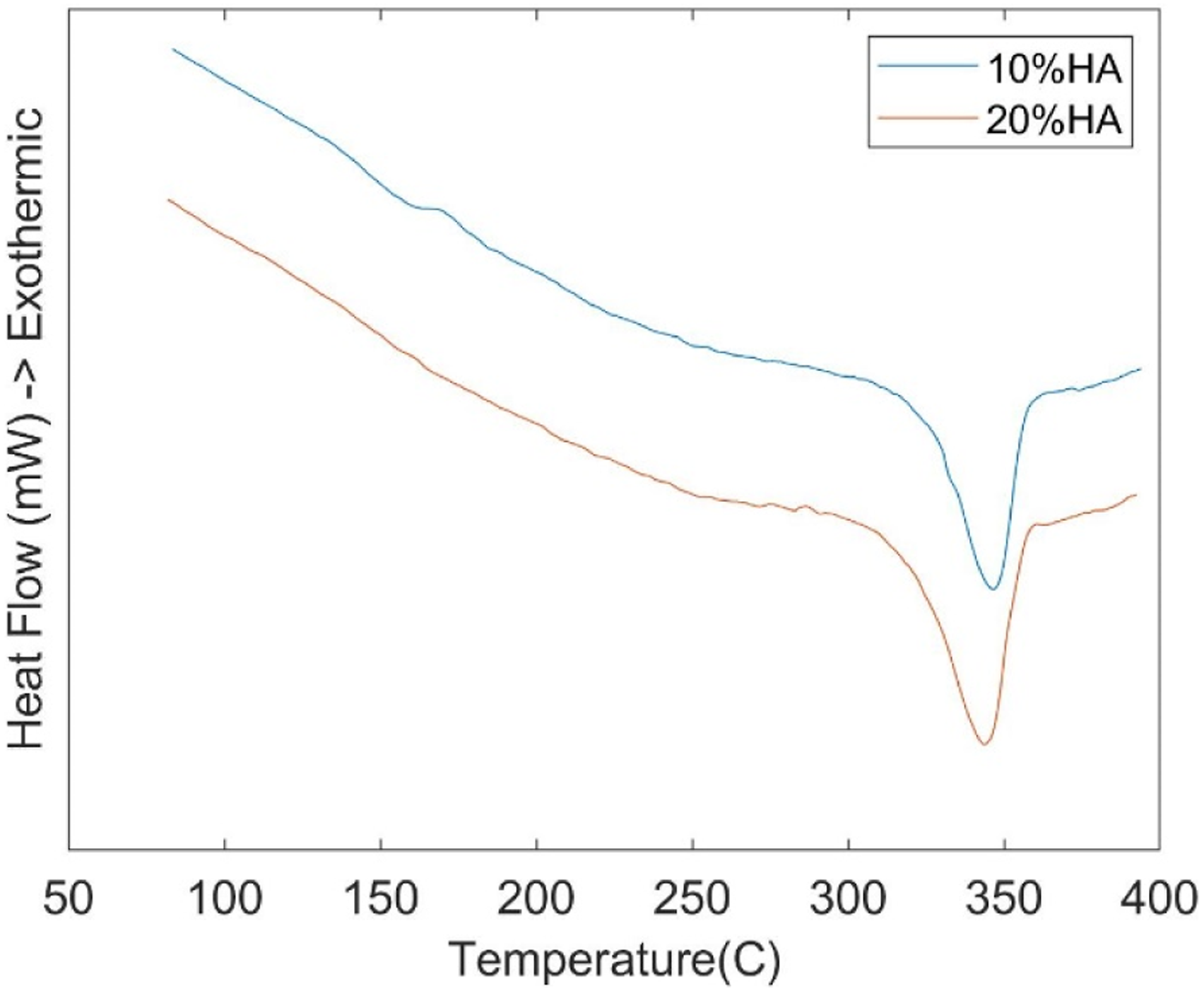
Mechanical properties of Poly(ether-ether-ketone)/hydroxyapatite composites
The mechanical properties of both non-foamed and foamed PEEK/HA samples were tested on a Instron 5980 mechanical tester. Due to the sample size limitation, a compression test was conducted on the 3 mm × 5 mm surface of prism samples. A constant strain rate of 0.5 mm/min and a preload of 10 N was used. The stress-strain curves for non-foamed PEEK/HA samples are shown in Figure 11, and Table 2 shows the compressive strength and elastic modulus results. Both the compressive strength and elastic modulus were improved with the addition of hydroxyapatite. The compressive strength increased by about 70% and the stiffness increased by 65% with the addition of 30% HA. Table 1 also compares non-foamed PEEK/HA samples with human cortical bones. It can be seen that the compression strength of non-foamed PEEK/HA can be easily adjusted to match that of cortical bones, while the stiffness is lower than that of human cortical bones. Compression test results of non-foamed samples. Mechanical properties of non-foamed PEEK/HA composites.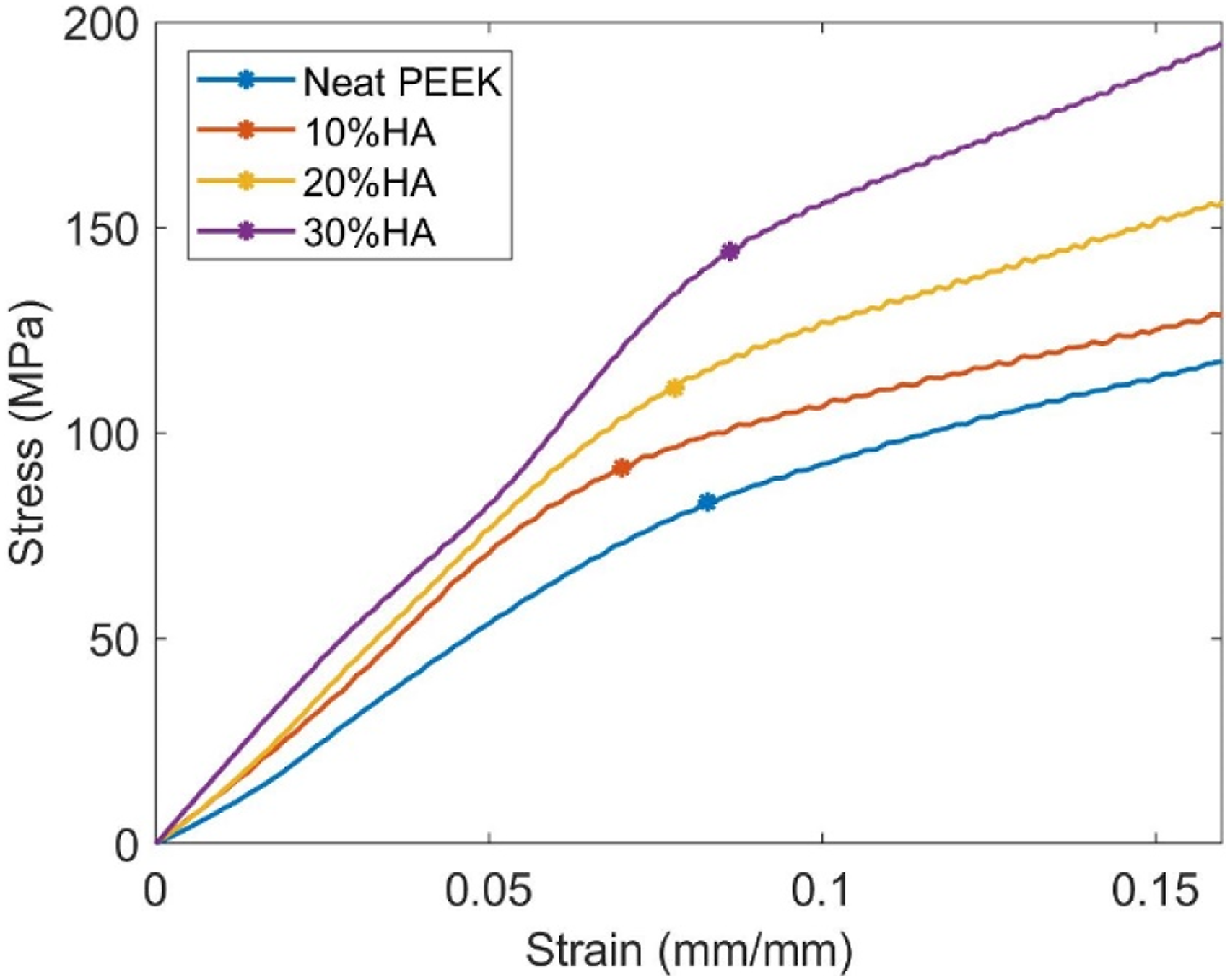

For foamed PEEK/HA samples, the mechanical properties are greatly dependent on the porosity. The compressive test is done with 20% HA samples of different porosities after foaming, and the results are shown in Figure 12(a). Both the elastic modulus and the compressive strength reduced as the porosity increased. The compressive strength was 18.5 MPa for the 50%, 13.7 MPa for the 60%, and 7.5 MPa for the 70% porosity samples, respectively. To compare the results for different HA loadings, samples with a porosity around 70% were chosen. The compression test results for these foamed PEEK/HA samples are shown in Figure 12(b) and Table 3. It can be seen from Table 3, by adding 30% HA the compressive strength of foamed PEEK/HA samples could increase by up to 50% and the stiffness could be doubled, comparing with neat PEEK with the same porosity. The strength of foamed PEEK/HA can be adjusted to match that of human trabecular bones, which typically have a porosity of 75%–95%. The elastic modulus of the PEEK/HA sample, however, is still lower than that of human trabecular bones. Compression test result for foamed samples: (a) different porosity with 20% HA; (b) different HA content with 70% porosity. Mechanical properties of foamed PEEK/HA composites.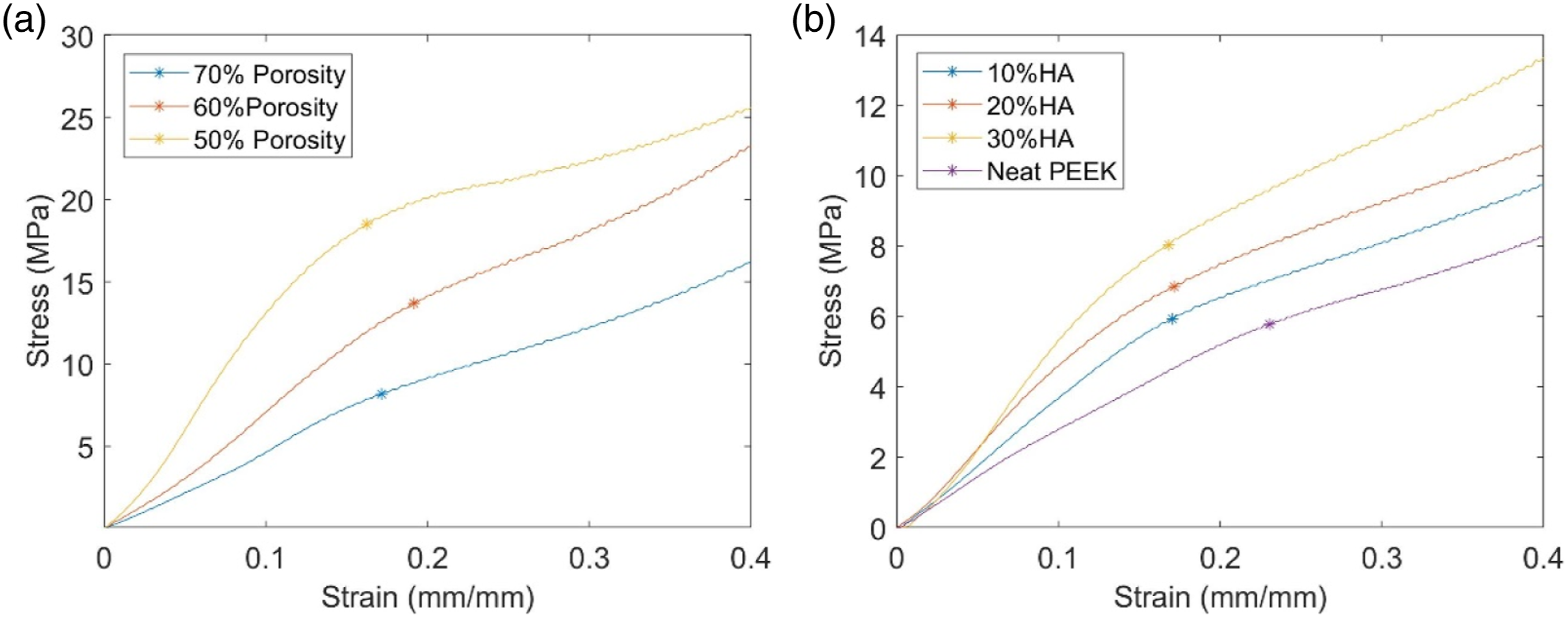
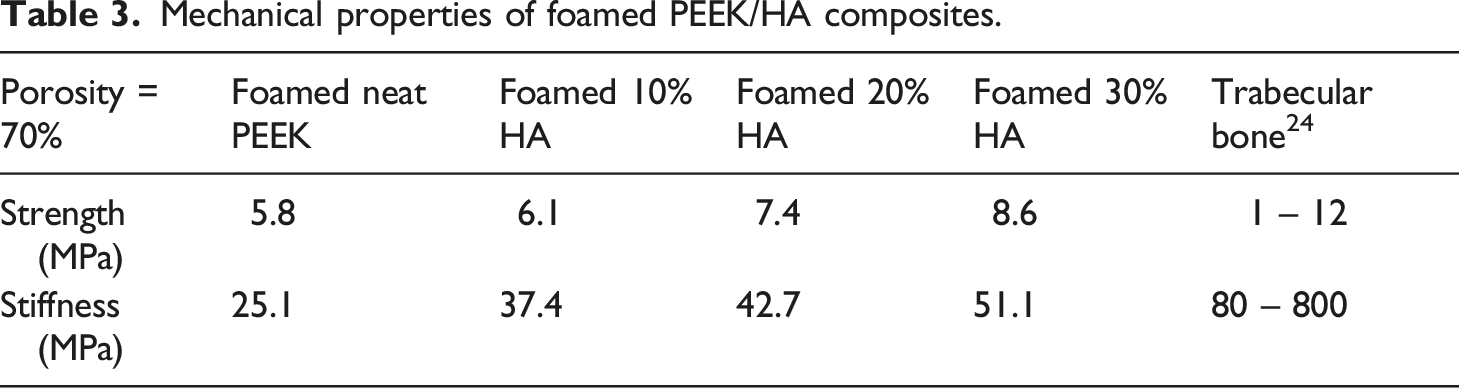
The low stiffness of the foamed PEEK/HA samples could be due to two reasons. First, the stiffness of porous PEEK structure is generally in the range of 20-200 MPa,11,21,25,26 depending on the porosity. The porous PEEK/HA structure reported in this work has a similar stiffness compared to those with the salt leaching method, which was about 50 MPa. Another possible reason is the low crystallinity in the PEEK/HA samples in this study. PEEK is a semicrystalline polymer, and its mechanical strength is dependent on crystallinity. Commercially available PEEK normally has a high crystallinity of 35%. However, the foamed PEEK/HA samples only had 21% crystallinity. Improving PEEK crystallinity will help increase the stiffness of the foamed PEEK/HA samples.
Conclusions
The solid-state foaming behaviors of PEEK and PEEK/HA composite are studied in this research. High porosity and large cell size are hard to achieve with as-extruded PEEK because of the semicrystalline nature of the polymer. Thus, a quenching process is applied to reduce the crystallinity of PEEK and to achieve better foaming results. Foaming temperature is found to be the most influential factor on the cell size and porosity of the PEEK/HA foams. Addition of hydroxyapatite has little effect on the saturation and foaming behavior when compared with neat PEEK. Heterogenous gas bubble nucleation enhanced by adding HA particles only dominates in the foaming process when the foaming temperature is low. However, by adding the HA particles, the compressive strength and elastic modulus of PEEK can be greatly improved for both foamed and non-foamed samples. After foaming, the crystallinity of PEEK recovers to the same level as before quenching. The compressive strength of the foamed PEEK/HA is similar to that of human trabecular bones, and the stiffness is slightly lower. This study developed a method to achieve high porosity PEEK/HA foams using the solid-state foaming method. It paves the way for further research on using porous PEEK for medical implant applications.
Footnotes
Declaration of conflicting interests
The author(s) declared no potential conflicts of interest with respect to the research, authorship, and/or publication of this article.
Funding
The author(s) disclosed receipt of the following financial support for the research, authorship, and/or publication of this article: This work was supported by the John T. MacGuire Endowment, Walker Department of Mechanical Engineering, The University of Texas at Austin.
