




Abstract
Co-managed protected areas globally provide economic and environmental benefits through an equal partnership with communities. However, the African context of natural resource co-management differs, necessitating further research. This paper examines if the co-management of iSimangaliso World Heritage Site’s natural resources in South Africa leads to sustainable use. Qualitative research was conducted via semi-structured interviews and random surveys were conducted with Khula Village residents. The results suggest partial success with challenges such as poaching, non-compliance, communication gaps and gender differentiation over land ownership. Some recommendations include transparency from the co-management committee with residents, education and empowerment programmes on co-management, and involvement of all residents, including non-landowners in co-management decisions for resource protection.
Introduction
Globally, protected areas are a key strategy for protecting natural resources and preventing degradation. New forms of collaboration between governments and community stakeholders have emerged (Ronchi et al., 2019). Co-management of natural resources is seen as an appropriate approach to address land restitution issues, as it allows for land use and conservation protection (Gilmour, 2016). Co-management seeks to provide both socioeconomic and ecological benefits, and local communities are frequently involved as partners in co-management to increase their representation, empower marginalized groups, build trust and promote social learning (Ward et al., 2018). This co-management approach involves sharing power between governments and resource users, who have certain rights and obligations (Coleman and Stern, 2018; Tuan et al., 2017), and a shared responsibility between these parties for natural resource management (Ullah et al., 2022a). Fischer et al. (2014) states that co-management is gaining popularity to promote natural resource management sustainability. Despite high hopes, it has often been under-explored and practised preventing natural resource-related conflicts, particularly in Africa (De Pourcq et al., 2015). Communities have been recognized and actively participate in natural resource co-management programmes (Oliveira et al., 2021; Ullah et al., 2022b). In Bangladesh, the Forest Department incorporated this approach into their conservation policies to increase local participation and achieve ecological sustainability and livelihood improvement. This resulted in many benefits, such as increasing local and institutional capacity, local participation (especially by women), reduced deforestation, and improved economic, social and environmental outcomes of forest conservation (Begum et al., 2022; Gilmour, 2016). However, co-management may be complicated due to different expectations from each participant or group (Gregory and Grant-Smith, 2023). To reduce conflicts, government institutions, landowners and managers should be involved early in the decision-making process, granting communities ownership and acceptance of solutions, thereby fostering more sustainable decisions. Co-management can improve local communities’ socioeconomic conditions by using natural resources sustainably and fairly (De Vente et al., 2016).
There appears to be a gap between global and African contexts of natural resource co-management requiring further research. In Africa, external donors and governments may not devolve responsibilities and equitable sharing of natural resources, leading to conflicts (Ogoma et al., 2020). Various authors agree that devolution, decision-making and benefit-sharing should be central (Garza-Gil et al., 2020; Linke and Bruckmeier, 2015; Trimble and Berkes, 2013). However, in Africa, these principles may be curtailed (Chinangwa et al., 2016), with governance shared between state and non-profit organizations (Baghai et al., 2018). Marginalized communities may disregard natural resource regulations due to inequalities (Domínguez and Luoma, 2020). Thus, co-management cannot be applied uniformly due to varying circumstances and stakeholder attitudes (Lombard et al., 2020). Local communities may be disempowered due to a lack of genuine participation in decision-making, benefit sharing, and access to natural resources (Snyman and Bricker, 2019). In some cases, they may disregard rules due to perceived long-term impacts on access and use (Lombard et al., 2020). Co-management, which could facilitate effective natural resource management, may be hindered by distrust among users, government officials and nongovernmental organizations (Ebel, 2020; Murunga et al., 2021).
In South Africa, since the coming of democracy, there have been legislative efforts to enable co-management of natural resources approaches. Historically nature conservation in South Africa is complicated resulting in forced removals and conflicts with local people (Hansen, 2013), In addition to the Native Land Act (1913), the Native Trust and Land Act of 1936 dispossessed African people of land to make way for nature preservation and agricultural production (Musavengane and Leonard, 2019). In the post-apartheid regime, it became evident that a (legislative) strategy was needed that provided tenure land security on a collective or group base (Pienaar, 2017). For example, Section 24 of the Constitution of the Republic of South Africa guarantees everyone the right to a healthy and safe environment protected for the benefit of current and future generations such as by promoting conservation and secure ecologically, sustainable development, and use of natural resources (Constitution of the Republic of South Africa, 1996). The latter is crucial in that it emphasizes the importance of ensuring secure ecologically sustainable development and the use of natural resources while also promoting justifiable economic and social development. Other legislation, such as the National Environmental Management (NEMA) Act 107 of 1998, allows for the formation of co-management in South Africa. NEMA is relevant to the co-management approach because it promotes natural resource sustainability and cooperative governance in environmental management. The act also promotes fair and equitable access to natural resources, as well as equitable sharing of benefits derived from natural resource utilization (NEMA, 1998). Despite legislation, the implementation of co-management practices proves to be a challenge since democracy and deserves investigation.
The iSimangaliso Wetland Park (IWP) in KwaZulu-Natal, South Africa, has co-management natural resource agreements with several communities living adjacent to the park. This paper focuses on Khula Village, where agreements were formed after successful land claims. Despite the implementation of the Integrated Management Plan (IWP, 2021 [2017]), there are still challenges to enable protected areas, such as illegal development, bush meat trade, gill netting, and unauthorized harvesting of iNcema reeds (Juncus kraussii). This study examines why the co-management method has been ineffective in reducing unsustainable natural resource usage within the park. It also explores whether Khula Village residents understand what co-management is and what role they play in it. The goal is to identify the co-management challenges impeding sustainable resource use and suggest ways to improve the approach. This paper is divided into several sections, including this introduction. The second section delves into the historical context of co-management of natural resources in the IWP. The third section provides a global overview of co-management. The fourth section outlines the methodology used in this paper. The fifth section presents the results, followed by a discussion and conclusion, and finally recommendations.
Historical context and co-management of natural resources within the IWP
In 1999, the United Nations Educational Scientific and Cultural Organization made IWP South Africa’s first World Heritage Site (Ramasar, 2014). The mission of IWP is to protect and present its world heritage values for current and future generations, while also benefitting communities living in and near the park through tourism and related development (Ramasar, 2014). The IWP Management Authority manages the park on behalf of the national government, delivering programmes to achieve the site’s mission (Department of Environmental Affairs and Tourism, 2009). Before its designation as a World Heritage Site, iSimangaliso was a collection of protected areas managed by the KwaZulu Natal Provincial Parks Board. Historically, conflicts have arisen between conservation authorities and the local communities due to resentment over the forced removals from their lands for the establishment of the former Greater St. Lucia Wetland Park (Gumede, 2009; IWP, 2021 [2017]).
The most recent forced removals in South Africa occurred between the 1960s and 1983, when much of the land was lost to conservation, military zones and commercial forestry plantations (IWP, 2021 [2017]). This limited people’s free access to natural resources, leading to a decrease in their livelihoods (Mesencho, 2013). Nustad (2020) reports that many of these communities rely heavily on natural resources for their livelihood. To address the injustice of forced removals, the democratically elected South African government enacted the Republic of South Africa Constitution (as discussed above) and several other laws to carry out constitutional provisions (Ntshona et al., 2010). This allowed people who had been affected by previous forced removals to reclaim their land (Bezerra and Paphitis, 2021). To manage the IWP on behalf of the state, the iSimangaliso Wetland Park Authority (IWPA) was formed after the IWP was designated a World Heritage Site. The Park is co-managed by IWPA representatives and the land claims committee, which consists of community tribal authority members.
The IWP settled 14 land claims between 1998 and 2013 (IWPA, 2010). In successful land claims, the title was transferred to the claimant communities, however with limited user rights (Hansen et al., 2015). To ensure the continuity of conservation of the IWP, certain trade-offs had to be made, meaning the communities could not return to their land; instead, they entered into a co-management agreement with the managing authority (Paterson, 2011). Yet, tensions between impoverished residents and conservationists remain, posing a significant challenge to iSimangaliso (Maseko and Moyo, 2022) due to the misalignment of perceptions between the community and conservation authorities regarding natural resource co-management (Mahlaba, 2021). For co-management to be effective, Thomlinson and Crouch (2012) argue that good working relationships must be established. As Baker and Chapin (2018) point out, the ability to manage natural resources effectively is dependent on the interaction models between the central government and the local communities. However, very little is known about the effectiveness of the government’s co-management approach at the iSimangaliso Park.
Co-management of natural resources: global overview
As an approach, natural resource co-management can largely reduce conflict between biodiversity and socioeconomic goals (Ward et al., 2018). In addition, economic incentives in this approach can reduce reliance on wild-captured natural resources (Campbell et al., 2013). For example, a study conducted at Indonesia’s Karimunjawa National Park, which is a model of adaptive management with economic, legal, and participatory incentives, found that self-organized village institutions were best for addressing stakeholder conflicts (Campbell et al., 2013; McLain et al., 2018). In Pakistan, the government initiated the Billion Trees Afforestation Project to restore forest landscapes and improve rural livelihoods. The forest department involved local communities through Village Development Committees and Joint Forest Management Committees in the planning and implementation of major forest-related decisions (Ullah et al., 2022a). While the establishment of co-management across the globe indicates a close link with biodiversity conservation and recognizing the needs of the natural resource users, in Africa the same cannot be said as most cooperative arrangements are externally initiated to the exclusion of the local resource users. There is a clear trend in Africa where co-management initiatives are designed, funded, and implemented by external donors, with respective country governments acting as administrators (Ogoma et al., 2020). Various authors like Garza-Gil et al. (2020) and Trimble and Berkes (2013) to mention a few, agree that devolution of responsibilities, decision-making powers and equitable sharing of benefits should be at the centre of effective co-management. However, in Africa, these powers appear to be curtailed by government agencies and non-organizations (Chinangwa et al., 2016).
However, co-management of natural resources may not always achieve the desired goals. For example, the Vietnamese government’s efforts to protect and expand the size and number of Special Use Forests, biodiversity has been unsuccessful (Dung, 2017; Truong, 2017) due to the final decision-making power of management remaining in the hands of the provincial government (Subroto et al., 2021). As a result, forest-dependent people have declining access to resources, with a lack of fair representation in forest-related decisions (Dung et al., 2013). In yet another case, Garza-Gil et al. (2020) found that a historical lack of fisher participation in decision-making in Calacia, Northwest Spain, resulted in weak fishing management and inadequate protection for marine resource conservation. To address this issue, the European Commission has suggested that fisheries should be more actively involved in decision-making to ensure that adopted measures better reflect local conditions (Qiu and Jones, 2013). These cases demonstrate that for co-management to be effective, local communities must be given genuine opportunities to participate and be included in decision-making.
Methodology
Case site location
The research was conducted at the IWP and its neighbouring community of Khula Village in the north coast of KwaZulu Natal, South Africa. Mtubatuba, a small town, provides basic services to the area. The IWP, spanning 220 kilometres along the Indian Ocean and covering more than 330,000 hectares (Gumede, 2009; Hansen, 2013), stretches from Kosi Bay to the Mozambican border in the north and Maphelane located south of the St Lucia estuary. Khula Village is situated along the western edge of the park, next to the park boundary (Figure 1). The IWP falls under the uMkhanyakude District Municipality, one of the poorest and most deprived municipalities in the country (IWP, 2021 (2017)). Khula Village is part of the local municipality of Mtubatuba, which has a population of 175,425 people. Over 80% of households are poor, with only 13% of the economically active population formally employed (IWP, 2021 (2017)). Most Khula Village residents work in the St. Lucia Town in private tourist facilities, such as tour guides, waitresses, assistants, cleaners, and shop attendants. Others are self-employed selling crafts along the road and in the market, or running other small businesses (Gumede, 2009).
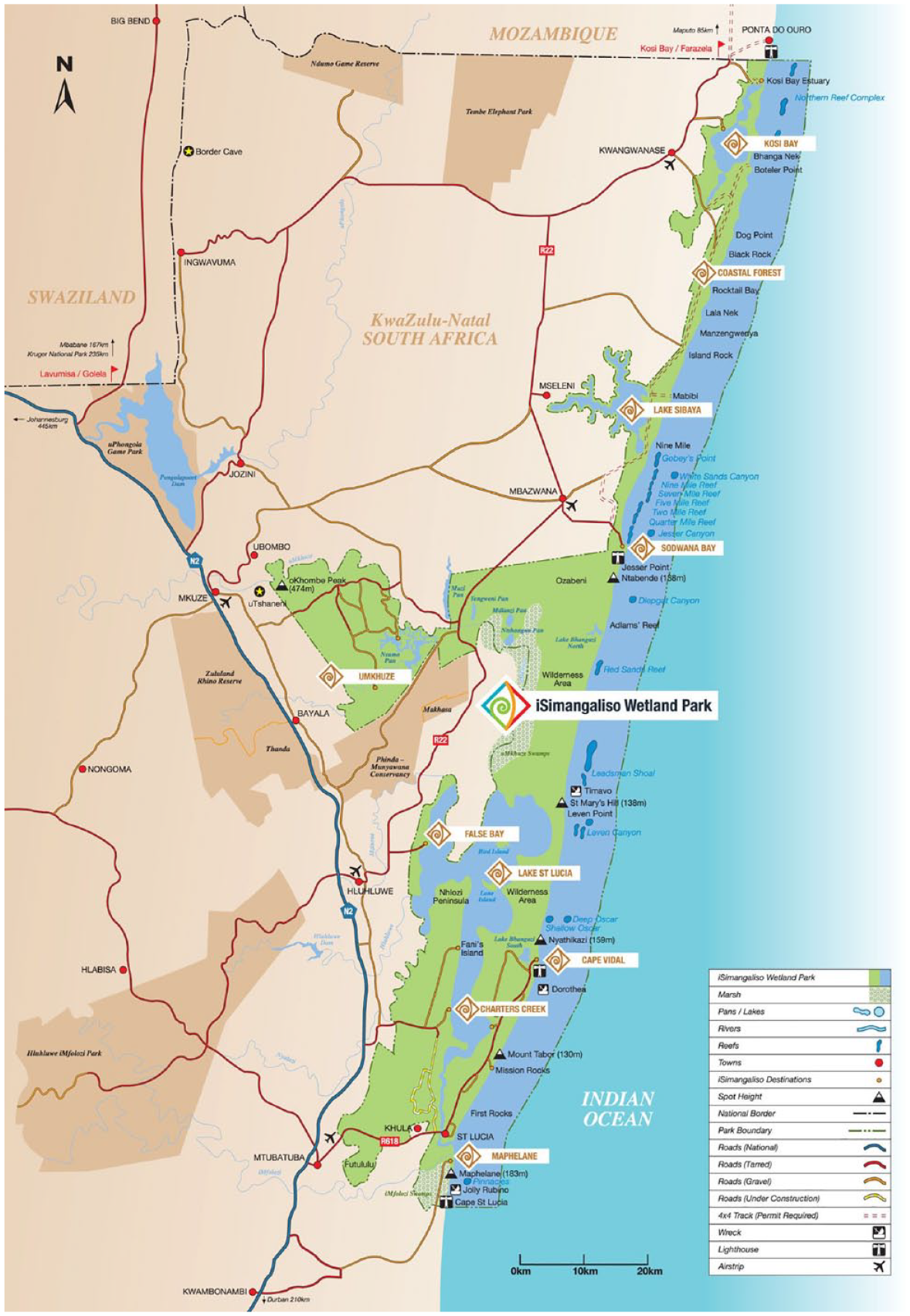
A map showing the relative location of Khula in relation to the iSimangaliso Wetland Park.
Research approach and techniques
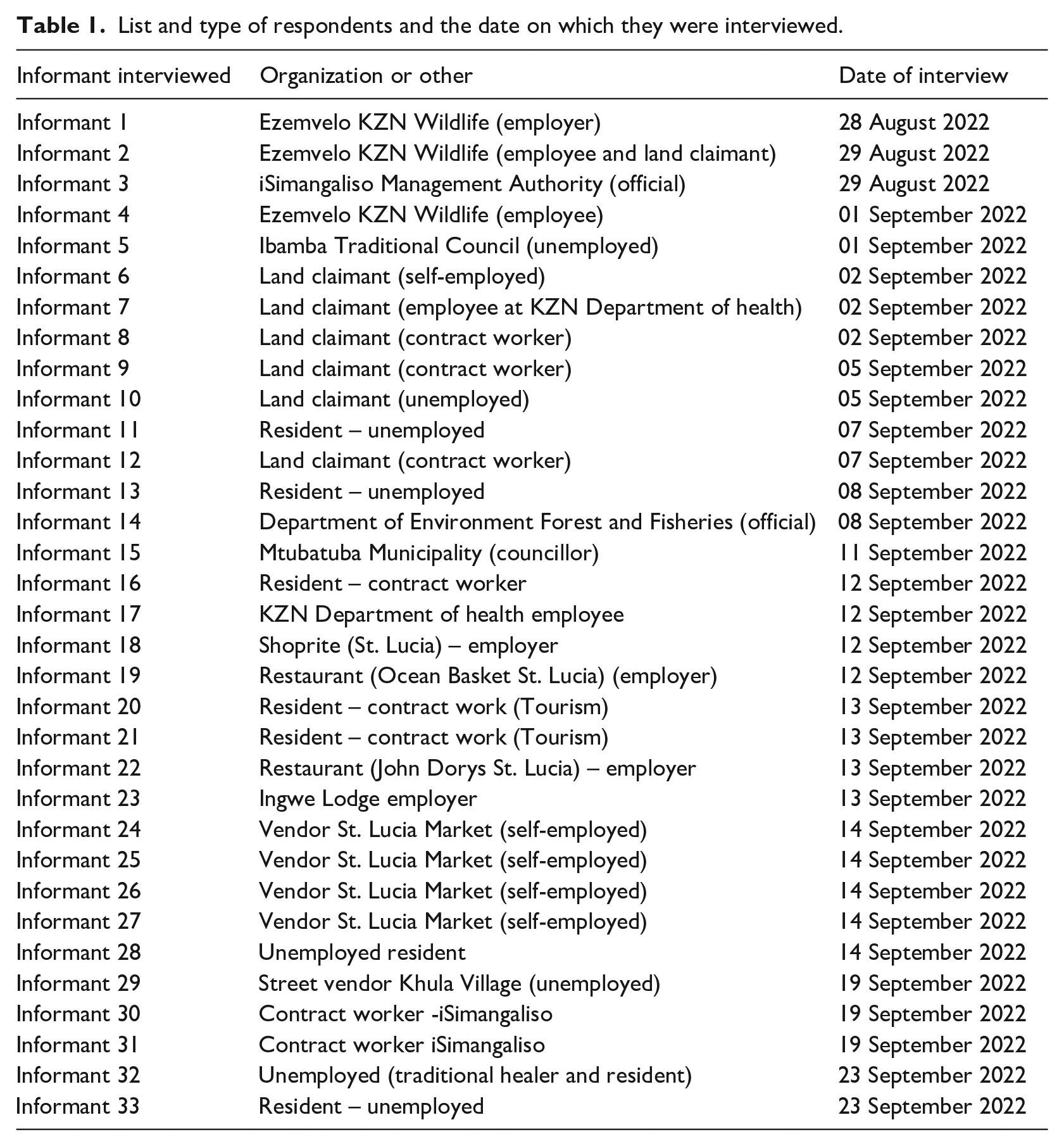
The research involved using a mixed methods approach. First, a case study research design was chosen for this research, using the case of Khula village, to examine co-management of natural resources. This research design allows for the use of multiple data sources, such as interviews, direct observations, and participant observations, to increase data credibility (Ebneyamini and Moghadam, 2018). A qualitative research approach was used, which allows for an in-depth understanding of the underlying reasons, attitudes and motivations behind various human behaviours (Rosenthal, 2016). Semi-structured interviews were conducted over several weeks, from August to September 2022, with 33 informants, including traditional and council residents, other community residents, tourism businesses, local and provincial government officials, conservation organizations such as Ezemvelo KZN Wildlife, and employees from iSimangaliso Community Conservation (refer to Table 1). Purposive sampling and a snowballing technique were used to secure informants. The semi-structured interviews were conducted until data saturation was reached, meaning that the researcher/s no longer received new information from informants, and the data collected became redundant from previously collected data (Sebele-Mpofu, 2020).
List and type of respondents and the date on which they were interviewed.
In addition, a household survey was conducted with Khula Village residents (landowners and non-landowners) to gain random perspectives about the co-management of natural resources. Due to the limited funding and time constraints, the goal was not to obtain a large sample size of the population, but rather to obtain information from those who may not necessarily be directly involved in the natural resources co-management, but still rely on natural resources. A simple random method was used to select participants to distribute surveys, with 33 surveys distributed. To ensure accuracy, the interviews were transcribed, interpreted and analysed using a grounded theory approach to identify common themes, while the survey results were placed in Microsoft Excel, with graphs and diagrams generated. To maintain ethical integrity, participants were asked to sign an informed consent form and provided with complete information about the study, so that they could make an informed decision about participating. All information gathered from study participants was kept confidential, with participants’ names and addresses kept anonymous.
Results and analysis
This section will first present the demographic data obtained from the community survey (Part 1) to gain a better understanding of the community, dealing with (1) Gender and age and implications for land ownership and co-management of natural resources and (2) Educational levels, employment, and their influence on co-management of natural resources. This will be followed by (Part 2) a presentation of the main themes generated from data analysis from the interviews. Only three main themes are presented here, including (1) Knowledge about co-management, (2) Role and responsibilities in the co-management of natural resources, and (3) Challenges of co-management of natural resources. Links are made between the data sets and cross-section analysis is done, when necessary, with selected interview quotes drawn upon where necessary to support the results narrative. There are also links and overlaps between the themes generated.
Part A: demographic information
Gender and age: implications for land ownership and the co-management of natural resources
Among the respondents surveyed, all were African, with 31 being South African and 2 being Mozambican. Of the 33 respondents, 24 were male, representing 73% of the sample, while 9 were female, representing 27% of the sample. It was noted by some respondents that in traditional customary laws, males typically inherit land from their elders in the family. In many rural areas, a man intending to start a family is given a piece of land on which to build their home. In most cases, only married men are allowed to own land. This has led to a higher interest in land ownership tenure among men compared with women, who often have fewer land ownership rights. This has significant implications for the co-management of natural resources.
Most respondents were middle-aged. Among the respondents, 15.1% were aged between 18 and 25 years, all of whom were male. The age group between 25 and 29 years was represented by 6% of the respondents, one male and one female. The respondents aged between 30 and 40 years consisted of 33.3%, with eight males and three females. The respondents aged between 41 and 50 years were represented by 21.2%, with four males and three females. The age groups between 51 and 60 years were represented by 24.2%, consisting of six male and two female respondents. Unlike gender, age did not seem to be a factor for land ownership, although as mentioned above it was male skewed. This indicates that men have more leverage for the co-management of natural resources.
Educational levels, employment and influence on co-management of natural resources
Most of the respondents had a high school education, followed by tertiary education, which was not surprising given that most respondents were not elderly. Four respondents indicated that their educational level was only at primary school level, and 17 had a high school education. Twelve respondents indicated that they had a tertiary-level education. Respondents who had achieved only a primary education were mainly elderly and relied heavily on subsistence farming. Those who had a high school level of education were mainly younger and engaged in a variety of activities, such as working in retail shops, the tourism industry, or as iSimangaliso and Ezemvelo employed as contract workers. The 12 respondents with a tertiary education were mainly employed by Ezemvelo, iSimangaliso, government departments, the municipality, or were unemployed and looking for jobs.
Out of the 33 respondents, 33.3% were permanently employed in various sectors such as restaurants, retail shops, bed and breakfasts, and 27.3% were temporary or seasonal workers mostly employed by iSimangaliso for programmes such as alien plant control and environmental monitors, or by Ezemvelo KZN Wildlife during the fire season. 18.2% of the respondents were self-employed, mainly street vendors, while 21.2% were unemployed. There was a need to integrate community traditional knowledge into natural resource co-management, but this received less attention from conservation authorities. In total, 33.3% of the respondents indicated that they or their family members participated in the co-management of natural resources in the iSimangaliso, while 67% said they were not participating in the co-management of natural resources in the iSimangaliso. Most of the respondents who indicated that they participated in the co-management of the natural resources in the iSimangaliso were either from the claimant families, indunas or employed in the IWP.
Park B: main themes from interviews conducted
Knowledge about the co-management of natural resources
Most of the respondents interviewed had limited knowledge about the co-management of natural resources, with only 13 respondents (39%) having some knowledge. For instance, Informant 2 stated that ‘Co-management is working together to take care of the environment’, while Informant 9 noted that it is ‘. . . about helping each other to manage natural resources’. However, most respondents (61%) were not aware at all of what co-management involved. After they were given explanations and examples of the concept, most community respondents commented that since the land belonged to their ancestors, they deserved to be actively involved in the management of their resources and the sharing of the benefits. Informant 11 noted during the interview: ‘When we were fighting for the land, we fought together but today we are not regarded as the land claimants [and] are excluded from the benefits coming from the iSimangaliso management’.
Based on the responses of the survey, it appears that a significant proportion of the informants (75%) were unaware of the members who sat on the natural resources co-management committee. Many respondents indicated that since the passing of the previous induna (chief), they have not been informed of a community representative appointed to the committee, although some were aware of an acting headman. This suggests a lack of communication between the community representative and the wider community regarding the management of natural resources. One community informant noted that among stakeholders involved in the co-management of natural resources in iSimangaliso were the iSimangaliso Park Authority, the Ezemvelo KZN wildlife and representatives from Khula Village, the Zwenelisha Bhangazi Trust and Dukuduku community. All three informants employed by the Ezemvelo KZN Wildlife and the IWP knew about natural resources management and the associated committee. They concurred that it was a form of management of natural resources that involved multiple stakeholders including the iSimangaliso management authority, traditional leadership representing the community and the land claimants. Informant 3 an official from iSimangaliso explained the importance of the Natural Resources Committee:
This form of management allows the management authorities to engage with the communities in terms of decision-making regarding conservation issues such as natural resource use and opportunities it presents to the community, infrastructure development and its impact to the community and . . . social development opportunities.
It is worth noting that those who reported being aware of co-management of natural resources were primarily employees of the managing authorities, co-management participants, and land claimants. This suggests that a significant portion of the community is excluded from actively participating in the co-management of natural resources. This situation is not sustainable, as most community members are engaged in activities that harm natural resources, and they do not feel responsible for the conservation of these resources, as they are not part of the co-management process. This exclusion may contribute to the continued destruction of natural resources. Therefore, it is crucial to involve a more extensive range of community members in the co-management of natural resources to ensure their active participation and promote a sense of ownership and responsibility. This approach will be essential in fostering sustainable practices and ensuring the long-term conservation of natural resources.
Roles and responsibilities of stakeholders in the co-management of natural resources
The results of the survey indicate that most respondents, particularly those who were ordinary community members with no leadership positions, did not have a clear understanding of the roles and responsibilities of the stakeholders involved in co-managing natural resources. Specifically, 60.6% of the sample (20 respondents) reported that they did not know the role of the community in co-managing natural resources, while 39.4% (13 respondents) indicated that they did. In contrast, respondents with prominent positions in the community, land claimants, and those working for either Ezemvelo KZN Wildlife or iSimangaliso demonstrated a more in-depth understanding of the roles and responsibilities of stakeholders involved in co-managing natural resources. This greater understanding was likely due to their active participation in various community structures that allowed them to learn more about co-management. According to Informant 21 noted:
. . . it is very difficult to understand who is doing what, we are only told about how to conserve nature and what not to do . . . No one ever comes to us to inform us what is happening. That is why we are not sure of what we are supposed to do as a community, for us to know what our responsibilities are we need to be involved and be informed in the decision making.
Another Informant 11 indicated that leaders also influenced and controlled the management of natural resources but only for a short period during the year:
The community leadership determine the fee to be charged for the collection [of natural resources] and manage the process of collecting money, payment of personnel and transport. However, this only occurs in April and May, thereafter the community has very few other activities in the co-management of the natural resources as they are not engaged on the daily management of the park.
According to most respondents interviewed, Ezemvelo KZN Wildlife and the IWP Management Authority were perceived as responsible for protecting and conserving natural resources. However, many respondents noted that Ezemvelo has been actively preventing the community from harvesting natural resources for their own use. This has resulted in some community members being prosecuted for violating these restrictions. When iSimangaliso became a stakeholder in the co-management, these restrictions became even stricter, which some respondents found surprising and led to resentment towards the managing authorities. Three respondents, including two from Ezemvelo KZN Wildlife (Informants 2 and 4) and one from iSimangaliso (Informant 3), mentioned that they provide advice on conservation aspects to ensure a functioning partnership, including policies, guidelines and co-management structures for resource use. However, one respondent (Informant 28) highlighted the importance of management authorities collaborating with the community to ensure effective co-management of natural resources.
The responsibilities of Ezemvelo KZN Wildlife and iSimangaliso Management authority to the co-management is to monitor and manage the resources sustainably and implement laws whenever it’s necessary. Also it is to engage communities all the time in the decision-making and protect the resources through educating the community members as the entity who is equipped with knowledge in conserving the natural resources.
Many people lacked education on natural resource conservation. Most respondents (26 in total) did not understand the responsibilities of the community in co-managing natural resources. The concept of co-management was disconnected from the community, and non-landowners had limited influence on decision-making, despite their use of natural resources. This led to disregard of conservation laws by non-landowners. Conservation authorities were mostly staffed by non-residents, limiting community members’ opportunities for skill development. A land claimant (Informant 10) indicated that:
That is why we are not employed. Some of us do not have the skills wanted to work at iSimangaliso. We see people we do not know come and work here. We only do small jobs . . . they [conservation authorities] lacked the full capacity they need to engage more with the community and . . . iSimangaliso wetland parks should implement programmes related to conservation and natural resources management.
Most respondents (i.e. 28) believed that the representatives on the co-management committee (Board) did not truly represent the needs of the landowners or the community. They tended to agree that people on the board only represent their interests and not those of the community. Informant 28 indicated that: ‘Representatives benefit while the community is neglected. Benefits are only shared among representatives and no benefits go to the community at large’. However, officials from iSimangaliso and Ezemvelo disagreed, arguing that community representatives were appointed by members of the community and truly represented their needs. Nevertheless, it is unclear how these representatives were chosen since residents were unaware of them. The focus of conservation organizations on protecting natural resources has overshadowed efforts towards more inclusive co-management that addresses community needs. This lack of community involvement has resulted in ongoing challenges such as illegal collection of natural resources.
Challenges of co-management of natural resources in iSimangaliso
In addition to the above themes, respondents noted further challenges for the co-management of natural resources in the iSimangaliso. Some challenges included the growing demand for natural resources (33); non-compliance by the community for the co-management of natural resources in the iSimangaliso (13); lack of communication between the community, induna and the iSimangaliso management authority (30); lack of benefit sharing and access to resources (30); a lack of accountability by iSimangaliso (19); infighting among community members (6); and community members involved in illegal activities (27).
Accountability and communication
Community members expressed that the iSimangaliso authority was not accountable to them and had forgotten that they were the landowners. This led to residents feeling ignored and unheard. Officials, however, believed that the community had an entitlement mentality towards the park, making it challenging to hold them accountable for illegal activities. They noted that the park had rules and regulations that must be followed. In addition, the lack of conflict management mechanisms was highlighted by most respondents, as they felt unheard when expressing their dissatisfaction with park issues. As Informant 9 stated:
That is why we protest whenever we want to show our anger because there is no conflict management in place. The only thing they do is to call the police, Ezemvelo and at times soldiers on us to stop us from raising our concerns. When they do call meetings, they call to tell us what they want not what we want as the community.
The respondents identified poor communication between the community, induna and the iSimangaliso management authority as a major challenge, resulting in limited community participation. Informant 12 noted that community representatives do not represent their views and do not provide feedback, attending meetings only to be informed of decisions. Most respondents called for improved communication by the committee and its representatives to keep residents informed, and open discussion on the election of community representatives. Respondents also stressed the need for transparent and equal sharing of benefits. Some highlighted that excluding people from decision-making in the co-management of natural resources would continue to pose a challenge for addressing poaching in the park.
Lack of benefit sharing and access to resources
Some residents noted that they did not have access to ‘their’ land, since they are not allowed to gather resources freely, and most residents stopped having livestock because they did not have grazing land. If the representatives participated in a meaningful manner in this co-management, they would have been heard and a portion of land allocated for their needs. As Informant 28, an elderly, noted about how lack of access to resources has affected his livelihood:
Before the park was proclaimed . . . I fed my family with the fish and collected firewood from the forest and planted vegetables, fruits . . . close to the lake as the soil was most fertile there . . . We had livestock as the land was sufficient . . . All that is gone, but we are told this is our land. How can it be our land if we are not allowed to use it and benefit from it? . . . These days is so expensive making it very difficult to buy meat and yet we have a lot of animals in the forest . . . .
A traditional healer (Informant 32) noted frustration in not having access to natural resources to collect medicinal plants for healing purposes:
We are no longer allowed to do that [collect medicinal plants from the forest], what they should have done was at least allocate some area for us as medicinal users where we can collect our medicinal plants. We even have a problem when we go to the beach as some of our rituals are performed at the beach, such as cleansing, and we are told we are not allowed to perform our rituals. If we cannot use the sea for our traditional rituals how are we supposed to heal our people?
Another Informant 33 further added that only a selected few benefitted from natural resources:
The only people benefiting are those connected with iSimangaliso but not the community as a whole, and it is strange that there are only a few now benefiting as we used the land for many things like collecting firewood, hunting, grazing as a community, not only the families said to be the land claimants. However, when the community needs to benefit, only a few individuals benefits and this is not fair.
Previously, residents who had an agreement to use the land for grazing their cows were stopped from doing so, and people continue to be arrested for grazing livestock with their dogs. This lack of conflict resolution mechanism further supports the argument (as mentioned earlier) that Ezemvelo KZN Wildlife and iSimangaliso have not put in place any conflict resolution mechanism. Most of the respondents believe that when conflicts arise, the community has no choice but to engage in protest as the only mechanism to voice concerns. However, Informant 1 from Ezemvelo KZN Wildlife indicated that the community members overutilize the resources and do not cooperate. While the authorities stated that the community had access to the natural resources if they had the necessary permits, most residents were unhappy with the rules restricting their use of natural resources. However, the community opposed the use of permits.
Infighting among community members
Six respondents also noted that there was infighting among community representatives, particularly among those representing land claimants in the co-management committee. This was due to some members refusing to give up their positions despite not providing tangible results and suspicions of personal benefits. This has led to frustration and mistrust among landowners and the wider community. Informant 10 noted:
Everyone who is in power does not want to leave power. This indicates that those [representing] . . . the community are not willing to relinquish power. These people are appointed or appointed themselves as we do not know who appoints them and how long they should be our representatives, and this is a major problem as once they are comfortable, they forget about us . . . .
Another Informant 7 who is from a land claimant (family) reported that:
There have been challenges of infighting among the land claimants over the tenure of committee membership. This has affected the functioning of the committee in a negative way which impacts negatively on the realisation of the beneficiation of the land claimants as much time is devoted to the infightings instead of focusing on the committee programs geared towards benefiting the community.
Furthermore, the challenge of infighting among community members was identified by most respondents, primarily community members. The disagreements among members regarding who should benefit and who should not have a significant negative impact on natural resource co-management. A stable and trustworthy partnership among stakeholders is crucial for successful co-management of natural resources. The sense of deception among residents led some to resort to illegal activities, which put the existence of co-management at risk. The co-management was intended to ensure the sustainable use of natural resources.
Community involved in illegal activities
A total of 27 respondents indicated that the co-management has not been effective in addressing sustainable natural resources in the park. All the respondents stated that there were still many people involved in illegal activities, including poaching. The other three respondents indicated that it was difficult to say as there were successful programmes such as the iNcema harvesting (education programme). However, they could not help but notice that even though this was in place people continue to harvest iNcema illegally and, gill nets usage remained a challenge. Informant 29 noted that: ‘High unemployment in our village leads to people stealing, killing animals for meat and fishing in the lake. What can we do there is nothing here for us’ Another Informant 28 indicated that:
There are no clearly defined user rights in the co-management. iSimangaliso allowed us to continue farming at Mfolozi [but] . . . the next thing we know we were arrested for clearing the area for gardening by Ezemvelo KZN Wildlife. So, what exactly is happening here? . . . many people in our village, people we know are involved in poaching, killing animals and selling it and the fish caught by gill nets so this is still continuing. High unemployment and poorly defined natural resource user rights came up frequently by respondents. This is a major problem for the co-management of natural resources in the IWP, as with the high unemployment rate in the area, more people turn to natural resources for survival, while poorly defined user rights pose a risk to the co-management. Without carefully determining user rights, there is a high risk of excessive use of natural resources by the community.
The inability of most respondents (28) to comment on whether the conservation objectives of natural resources were met was largely due to the community’s exclusion from participating in the development of a management plan. Many respondents have previously stated that they are only informed of decisions made by managing authorities and thus do not understand what the conservation objectives are and what their responsibilities and roles are in ensuring that those objectives are met. Informant 21 stated that:
Even though the co-management of natural resources objectives in terms of conservation has been met to a certain degree through the protection of the park, and the provision of some form of opportunities and skills development to the community, there is still a big gap between the managing authority’s objectives and the realities of the communities residing alongside the park. So long as you have poverty on the fence line of the park there is always a high risk of poaching thus putting the conservation efforts at risk.
Discussion, conclusion and recommendations
Despite the formation of co-management committees to manage natural resources within the IWP, these have largely been unsuccessful in ensuring the protection of these resources. This can be attributed to cultural, socio-economic, and skewed relationships within the co-management committee. For instance, there is an unequal interest in land ownership tenure among men and women, with the latter having fewer land ownership rights. Married men are allowed to own land, making it difficult for women to gain secure land ownership. In addition, results show that those who are less educated tend to rely more on natural resources and subsistence farming to sustain their livelihood, due to a lack of employment opportunities. This means that the education level of the respondents has a direct impact on the effectiveness of co-management of natural resources, as those with higher levels of education have a greater chance of gaining formal employment outside their community. Those who are less educated and less skilled are unable to effectively participate in natural resource co-management, due to a lack of technical skills. Thus, unlike other countries, such as Vietnam, Pakistan, Indonesia, Bangladesh and Spain, co-management in Africa also has cultural implications – is dependent on education levels and has gender implications associated with cultural practices.
Most of the respondents had limited knowledge about the co-management of natural resources, and this was due to a lack of communication and representation from the committee to the rest of the community. Those with prominent positions in the community, land claimants, and those working for either Ezemvelo KZN Wildlife or iSimangaliso displayed a greater understanding of the roles and responsibilities of the stakeholders in the co-management. However, communication between the managing authorities and the community was poor, with only a few members actively engaged. This failure for effective co-management of natural resources was similarly noted in Vietnam, where communities were not genuinely involved in decision-making processes. The focus on co-management of natural resources was mainly aimed at land claimants and not the community at large, meaning non-landowners had little influence over decision-making, even though they use a lot of the resources. This resulted in residents (non-landowners) disregarding laws governing natural resources and engaging in illegal activities. The focus on the protection of natural resources by conservation authorities was stronger than a more inclusive co-management approach that involved the residents. This communication gap limited community members’ ability to understand their roles and responsibilities in co-managing natural resources, which could have negative consequences for conservation efforts. Therefore, it is essential to improve communication and engagement between managing authorities and the wider community to ensure that all stakeholders understand their roles and responsibilities in co-managing natural resources.
The following recommendations are made for improvement towards effective co-management of natural resources:
Increased participation should be encouraged by conservation authorities, ensuring that all members of the community, including females, are included in the natural resource management process. As Barahona and Molinet (2021) note, natural resource co-management should be understood as a governance approach in which power is equally shared by all stakeholders, including end users.
Furthermore, stakeholder communication should be prioritized and encouraged by the management committee. Co-management should not simply be a top-down approach that only considers land claimants but should involve the community in all aspects of planning and development for co-management of natural resources. There is a need for better communication and collaboration between the managing authorities and the community regarding natural resource management. The community’s perspective on the use of natural resources needs to be considered, and policies and guidelines should be developed in collaboration with the community to ensure their involvement in co-management efforts. Such efforts are necessary to address the resentment that some community members feel towards the managing authorities and to ensure the sustainable conservation of natural resources. As Wamukota et al. (2012) highlight, co-management aims to promote equitable benefits and responsibilities with end users, with the assumption that they will be committed to sustainable resource use, that they will be able to organize collectively to achieve effective resource management, and that management will be more efficient because actions will take place at the local level.
The managing authority must rigorously initiate education and empowerment programmes for residents, as well as establish and formalize co-management structures at the community level to drive awareness campaigns, ensure transparency, and improve trust between all stakeholders. Community empowerment should be at the centre of the co-management of natural resources to diversify income streams and reduce over-reliance on natural resources.
To address the opposition to the use of permits that have led to illegal activities, a clear and collective process of resource evaluation, resource allocation, resource availability, periods of harvest, costs of harvest, and related benefits must be examined to ensure effective co-management of natural resources and halt non-compliance activities. The value attached to natural resources by users and management authorities must be assessed regularly to align the value of the resources with current needs, allowing conservation authorities to set realistic targets when making decisions on sustainable natural resource utilization. This assessment can occur through effective prioritization of land use planning by all stakeholders and collectively involving strategic and systematic management of land to balance conservation goals with other land uses. This will ensure that land is managed and allocated in a way that minimizes environmental degradation, protects biodiversity, and sustains ecosystems while accommodating human needs and development.
Footnotes
Author’s note
Siboniso Duma is now affiliated to Ezemvelo KwaZulu-Natal Wildlife, iSimangaliso Wetland Park World Heritage Site.
Funding
The author(s) received no financial support for the research, authorship and/or publication of this article.
