



Abstract
The precise measurement and extraction of characteristic parameters during the cigarette combustion process is paramount for a comprehensive understanding and efficient regulation of cigarette combustion. In this work, a novel three-dimensional extraction method for characteristic parameters in cigarette combustion has been proposed. The method overcomes the limitation of the traditional single camera to obtain image information due to incomplete field of view, and obtains the complete information of the cigarette combustion process by arranging synchronized cameras distributed around the circumference. The dynamic characteristic parameters of cigarette combustion, including burning line width, burning line uniformity and burning rate could be determined in real-time accurately. To verify the accuracy, the method has been applied to three different types of cigarettes. Results showed that the 3D reconstruction-based method can provide more accurate and reliable data for research in the field of cigarette combustion, offering foundational resource for further research into constituent release during cigarette combustion.
Introduction
In the field of cigarette industry, the study of cigarette combustion stands as a crucial area of investigation due to its multifaceted implications, including cigarette product development, smoke toxicity reduction, environmental sustainability, and regulatory compliance.1,2 Cigarette combustion characteristics play a pivotal role in product design and development.3,4 Researching combustion allows for the optimization of cigarette design to achieve desired burning properties, such as uniformity of burn, ash appearance, and smoking sensation. 5 Moreover, by revealing the mechanisms of combustion processes, the methods for minimizing the formation of toxic compounds and improving smoke filtration systems could be proposed. This would contribute to harm reduction initiatives aimed at reducing the adverse health effects of smoking on both smokers and bystanders.
Central to the study of cigarette combustion are various characteristic parameters that elucidate the dynamics of the combustion process. These parameters encompass variables such as cigarette burning rate, burning line width, burning line uniformity combustion temperature, combustion products composition, and aerosol particle emission.6,7 Experimental techniques such as spectroscopy, thermography, and gas analysis are commonly employed for acquiring data on these parameters.8,9 Furthermore, advancements in imaging technologies, including high-speed cameras and infrared imaging, facilitate real-time monitoring and analysis of cigarette combustion dynamics. These technologies enable researchers to discern subtle variations and transient phenomena with unprecedented precision.
Cigarette combustion characteristics parameters, including burning rate, burning line width, and burning line uniformity, are typical indicators used to describe the quality and variability of cigarette combustion.10–13 Currently, the measurement of these parameters primarily relies on image recognition technology under a single-camera perspective.14,15 A visual detection system composed of a single industrial camera and a corresponding light was developed for online cigarette measurement of roundness. 16 The burning rate refers to the speed at which a cigarette burns, and it provides crucial information about the combustion behavior and efficiency of the cigarettes. 17 Burning line width and burning line uniformity are the width and uniformity of the burning residue formed during cigarette combustion, and they reflect the consistency of burning and the distribution of heat during the combustion process. 18 The images are captured by one camera from a fixed perspective and analyzed by the image recognition algorithms to extract the relevant parameters. 19 However, the single-camera system often encounters challenges in capturing comprehensive spatial information, leading to limited perspectives and potential inaccuracies in data interpretation. Moreover, the reliance on conventional image processing techniques for extracting relevant combustion parameters may impede the discernment of nuanced features and transient events, thereby constraining the depth of analysis and insights gleaned from experimental observations.
In light of the shortcomings associated with conventional data extraction techniques, the proposition of a circumferential distributed synchronous strategy heralds a paradigm shift in the realm of cigarette combustion research. By leveraging multi-camera setups positioned circumferentially around the combustion source, this innovative approach aims to achieve holistic coverage of the combustion process from multiple vantage points simultaneously. Through synchronized data acquisition and fusion, the circumferential distributed synchronous strategy promises enhanced spatial resolution, temporal coherence, and data completeness, enabling researchers to unravel the intricacies of cigarette combustion with unprecedented clarity and granularity. Moreover, the integration of advanced image processing algorithms and machine learning techniques holds the potential to automate data analysis and facilitate real-time feedback, expediting the pace of discovery and innovation in cigarette combustion research. By embracing these advancements, researchers can overcome the challenges associated with single-camera perspectives and get new insights into the complex dynamics of cigarette combustion. This, in turn, facilitates improvements in cigarette design, quality control, and regulatory compliance, ultimately contributing to public health and safety initiatives related to smoking.
In this work, a novel three-dimensional dynamic extraction technology of cigarette combustion characteristic parameters is proposed. The cigarette combustion image recognition system with three industrial cameras for complete information has been designed and built up. Moreover, the strategy of parameter extraction and three-dimensional reconstruction for burning rate, burning line width and burning line uniformity are realized. In order to verify the accuracy of this technology, the combustion characteristics of three different sizes of cigarettes were tested. In all, the proposed innovative approach provides more accurate, comprehensive, and insightful combustion characteristic parameters, promoting the advancement of the cigarette product development.
Experiments
Test sample preparation
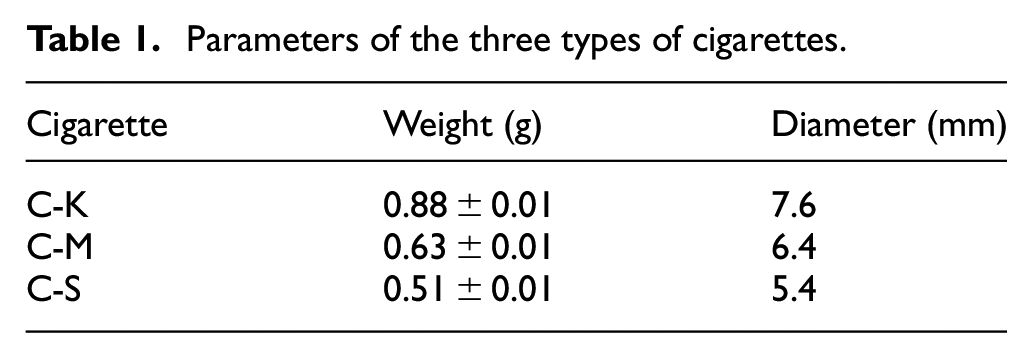
The extraction of characteristic parameters of cigarette combustion based on machine vision and image recognition is significantly influenced by the apparent morphology and internal filling of cigarette samples. However, the data discrepancies due to these defects could not reflect the combustion characteristics of the cigarette samples. Therefore, prior to experiments, it is necessary to perform the sample selection. The detailed selection process is as follows. Firstly, cigarettes with external defects such as wrinkles, curling edges, and punctures on the cigarette paper surface are eliminated. Secondly, the selected cigarette samples are equilibrated in a stable environment with a temperature of (22 ± 1)°C and a relative humidity of (60 ± 2)% for 48 hours. Finally, the cigarette samples undergo a weight selection process. The total weight of 40 randomly selected cigarettes is measured by a high-precision electronic balance, and the average weight (m) is calculated as the reference with a standard interval of ±0.01 g. Thus, the selection criterion for cigarettes is defined as m ± 0.01 g. To validate the universality of the proposed method in this work, three types of cigarettes are selected as the research objects with different weights and sizes. Cigarette raw materials as well as cigarette paper materials are identical. The detailed parameters of the three cigarettes are listed in Table 1.
Parameters of the three types of cigarettes.
Experimental system
To achieve the dynamic acquisition of combustion characteristic parameters during the cigarette burning process, a novel recognition and processing system for cigarette combustion was proposed originally as shown in Figure 1. The system mainly consists of two parts including a cigarette smoking control system and a cigarette image recognition system. In detail, the cigarette smoking control system is modified by a single-channel smoking machine to meet the current standards for cigarette smoking. The cigarette image recognition system enables continuous measurement of the combustion state, allowing for data collection throughout the entire process of cigarette burning. As depicted in Figure 1(b), the cigarette image recognition system mainly consists of three adjustable camera traveling tracks, three industrial cameras, and six parallel light sources.
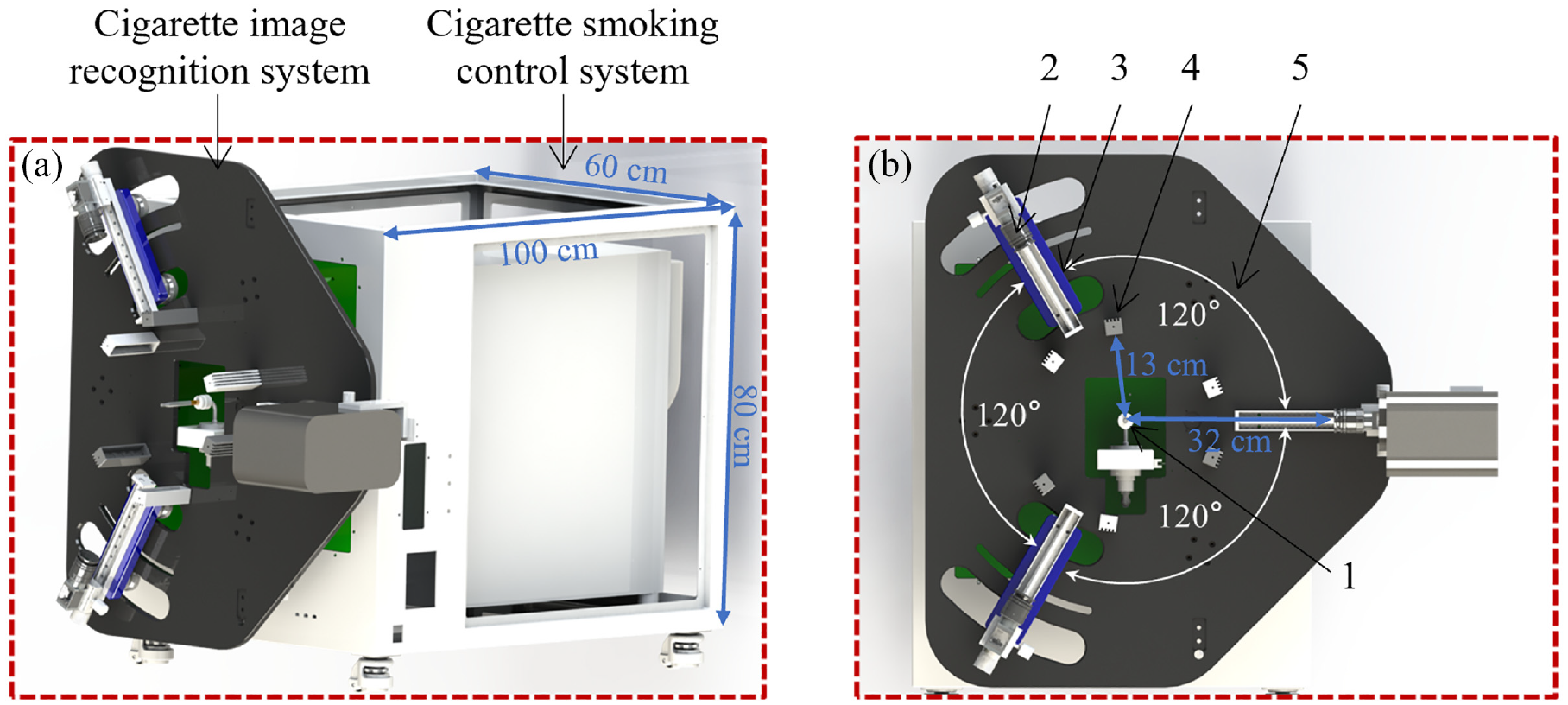
Schematic of the experimental system: (a) cigarette combustion system and (b) details of the cigarette image recognition system: 1 – cigarette; 2 – industrial camera; 3 – camera traveling track; 4 – parallel light source; 5 – background plate.
The adjustable camera traveling tracks feature knobs at the base for the precision adjustments of 1 mm with an effective traveling range of up to 200 mm. Therefore, the integrity and clarity of the different types of cigarette images could be ensured by adjusting the focal plane. In general, this system is distinct by its broad applicability, flexible adjustment, and high precision.
The six parallel light sources are self-designed array-type illuminators. Ideal lighting conditions should ensure uniform illumination and moderate intensity, maintaining consistent brightness across the image while avoiding overexposure or underexposure. 20 Unlike point sources that provide localized illumination, parallel light sources provide uniform illumination. Cigarette images obtained under two light source conditions are shown in Figure 2. To provide image materials that are easy for intelligent processing and recognition, parallel light sources are arranged at a 30° angle on each side of each camera. 21
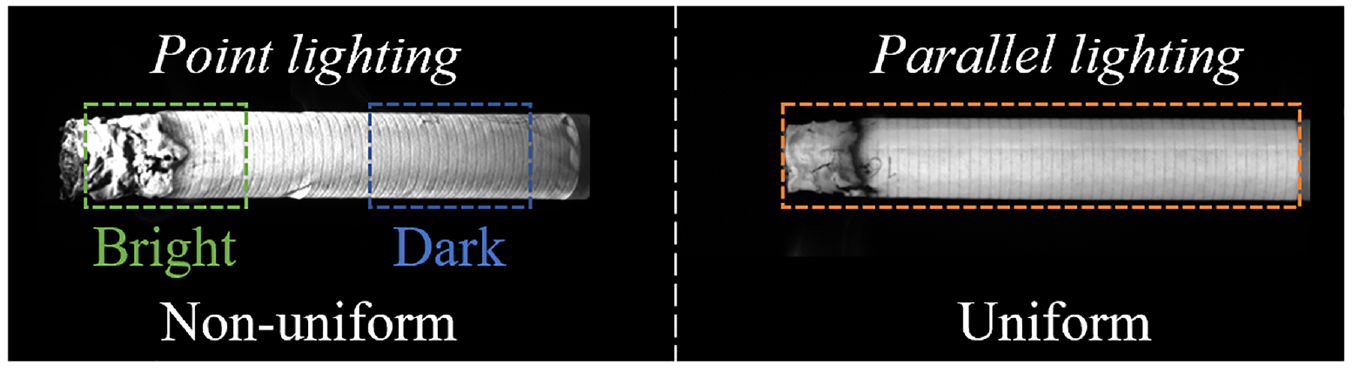
Comparison of cigarette images under point and parallel light sources.
The Basler industrial cameras are fixed at camera traveling tracks with a frequency of 5 Hz, capturing five frames per second. This frequency fulfills the requirement of capturing the dynamic changes of cigarettes during the negative combustion and smoking process. In cigarette combustion studies, the capture of dynamic features is very critical because there are various rapid changes in the combustion process, such as burning line position, temperature gradients, etc. The image resolution for each industrial camera is 1024 × 768 pixels, which is adequate for observing and measuring changes in the cigarette surface. 22 This is essential for identifying the edges of burning lines, and obtaining coordinate information and other parameters. To ensure that all three cameras are recording in sync, an integrated controller is used for triggering. This means that when one camera starts recording, the other two cameras start recording at the same time to ensure that the same instantaneous combustion image is captured. In detail, Arduino is chosen as the core controller. Before the experiment, the host computer can set the acquisition time and acquisition frequency for the controller chip through the COM port. According to the received acquisition time, acquisition frequency and other information, the core controller sends the signal to the three cameras at the same time for shooting. When the experiment is finished, the core controller stops the signal output and the three cameras stop shooting.
Traditional methods of cigarette image acquisition typically employ a single camera to capture images during the combustion process. However, due to the cylindrical structure of cigarettes, a single camera cannot capture the complete image of the surface, which would potentially lead to the absence of partial combustion characteristics. To overcome this limitation, a circumferentially distributed three-camera acquisition scheme was designed to record the images of the cigarettes simultaneously. As shown in Figure 1, three cameras are distributed around the circumference of the cigarette, and each camera captures a cigarette image of 180°. Synchronized recording of three cameras is achieved through triggering signals by an integrated controller. Subsequently, the recorded images are reconstructed in three dimensions to obtain the complete image of 360°. This azimuthally distributed three-camera synchronized acquisition scheme offers the advantage of providing more comprehensive and accurate combustion images. Figure 3 displays images captured synchronously by the three cameras during the cigarette burning process. It is evident from the images that although the variations in the burning line position are similar across the three viewpoints, obvious differences in burning line width and uniformity still exist. This indicates that through the collaborative operation of multiple cameras, a more comprehensive understanding of the cigarette combustion process can be achieved by capturing detailed variations from different perspectives for further analysis.
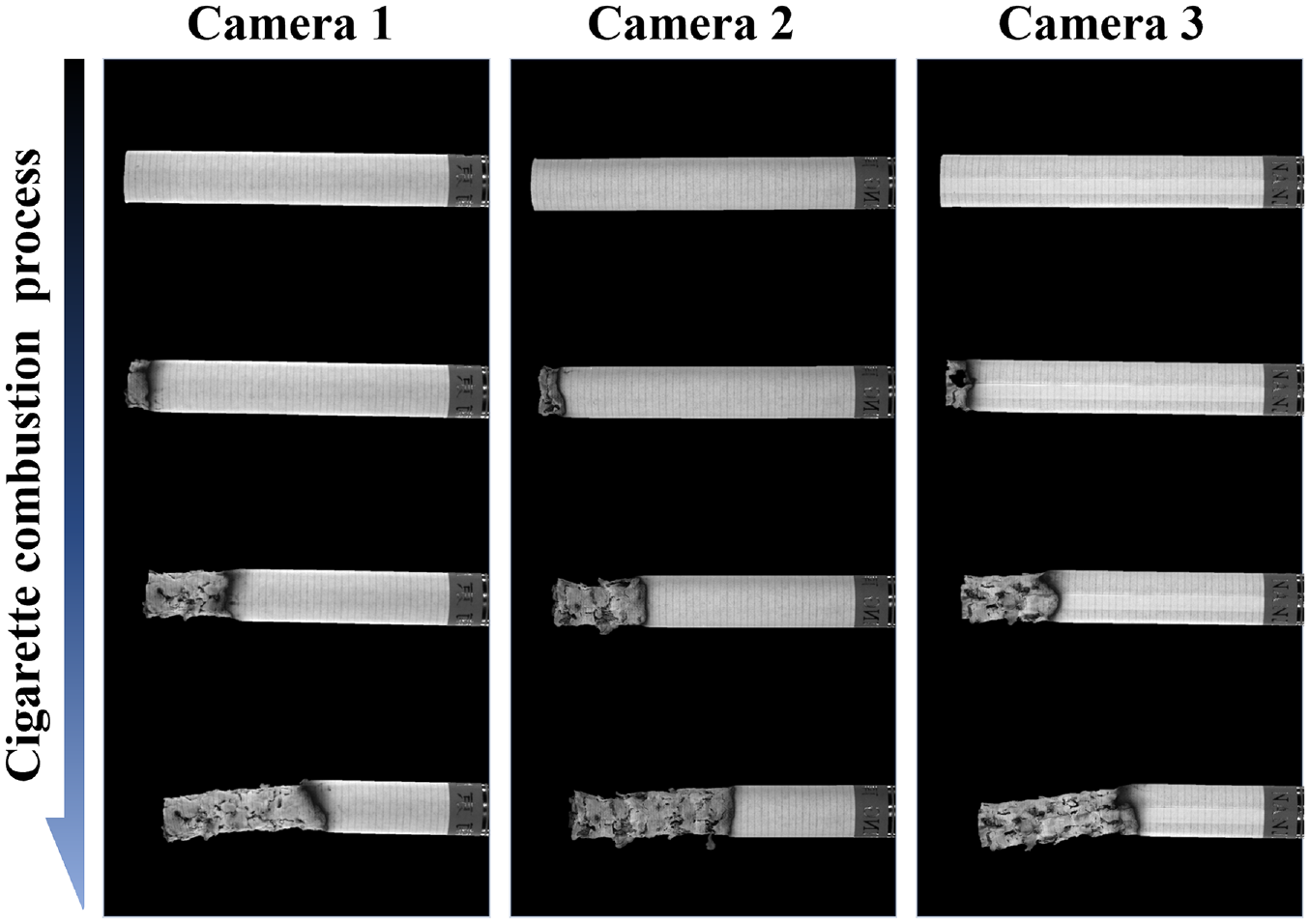
Cigarette combustion images of the three circumferentially distributed camera.
Data analysis
Recognition of cigarette burning images
The key to extracting cigarette combustion features lies in the accurate recognition of images. 18 As shown in Figure 4(a), the burning cigarette can be divided into three typical zones: the burned zone, the burning line, and the unburned zone. Dynamic changes in the position and shape of the burning line occur along with the cigarette combustion process. Therefore, it is extremely important to achieve real-time acquisition of positional and shape information of the burning line. The detailed treatment is described as follows. First, Gaussian filtering is applied to smooth the original cigarette combustion image and reduce the impact of noise. Second, the filtered image is transferred from the grayscale image into the binary one with only two kinds of pixel values of black (255) and white (0). The goal of this step is to partition the image into object (burning line) and background (burned region and unburned region) to facilitate contour detection. Basically, an appropriate threshold value should be employed to discriminate the burning line from the background. Moreover, the threshold should be constant for the following image process under the same experimental conditions especially the lighting conditions. Figure 5 shows the binarized images obtained under different threshold values. It can be observed that when the threshold is too small, some information about the burning line is ignored. On the other hand, some cigarettes are incorrectly identified as the burning line as the threshold value is too large. With the proper threshold value, the burning line region could be accurately identified. Afterward, the information on the burning line region is calculated and stored based on the image processing toolbox of Matlab.

Where G(x, y) is the value of the Gaussian filter at the pixel position (x, y), (x, y) are the coordinates of a pixel in the image, and σ is the standard deviation of the Gaussian distribution, which controls the degree of smoothing (larger values of σ result in more smoothing).
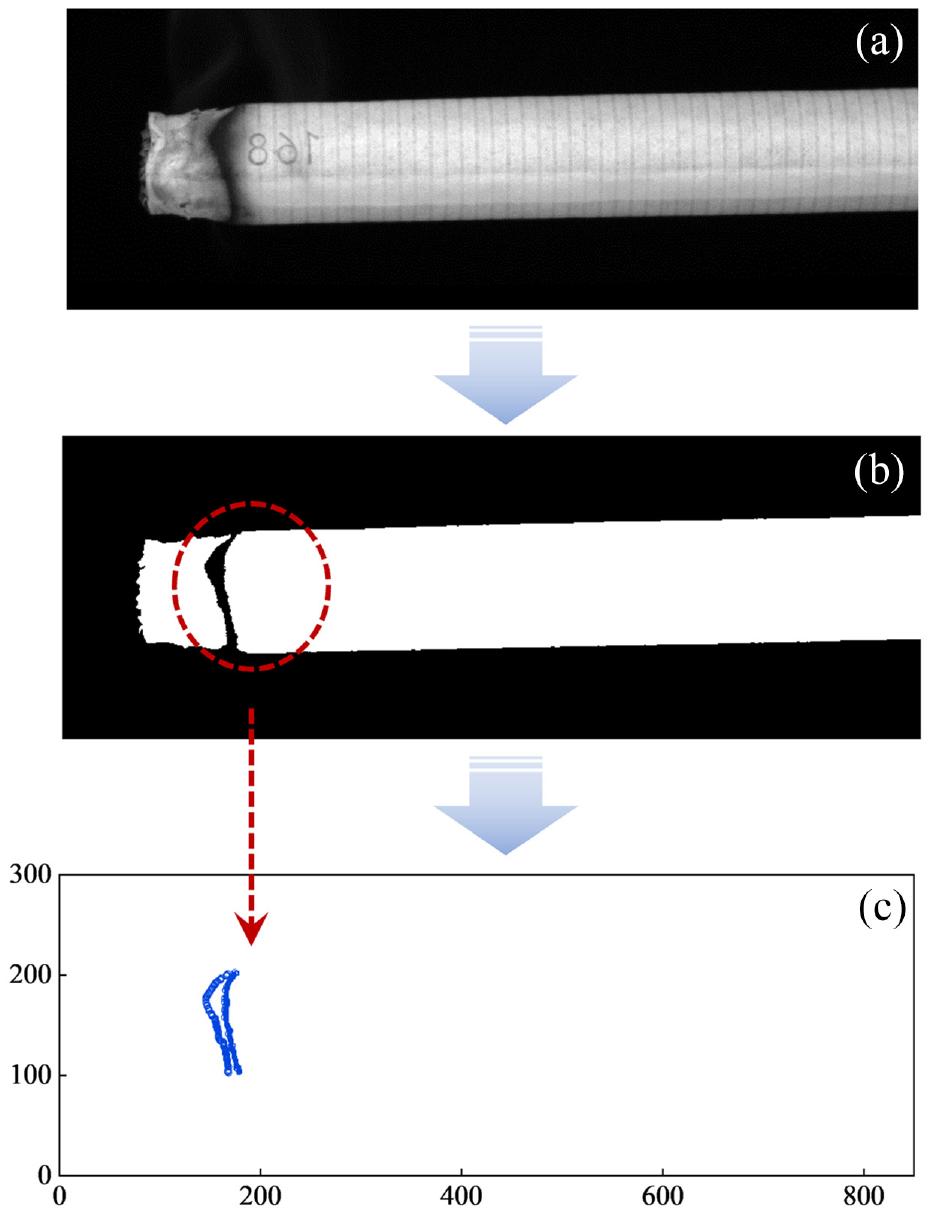
Method for the feature extraction of cigarette burning images: (a) cigarette figure, (b) binary image, and (c) carbon line.
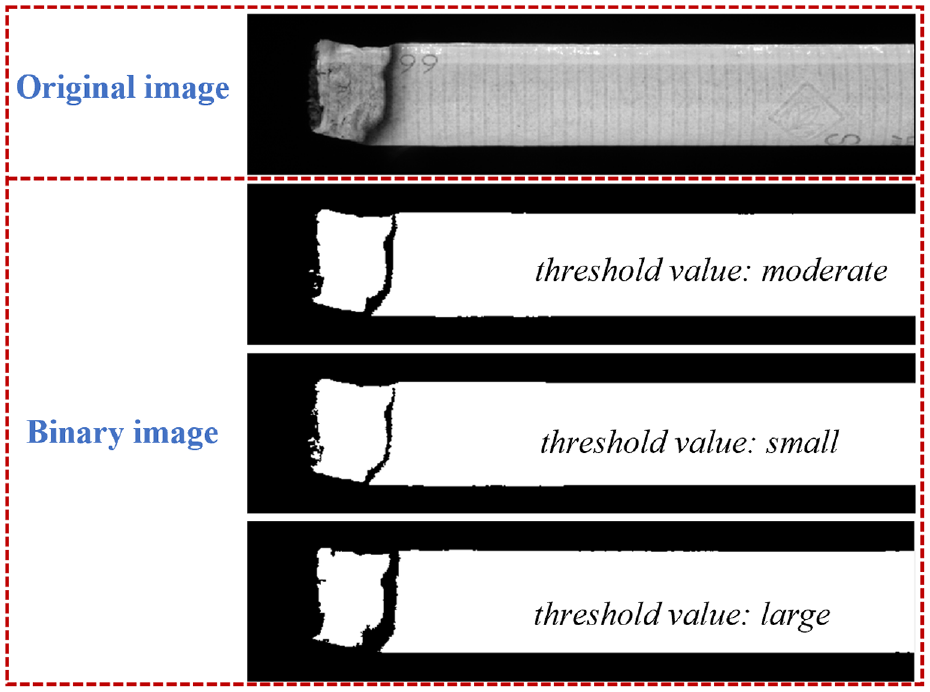
Recognition of burning line with different threshold values.
Calculation of burning line characterizations from the single camera
Since the information on the burning line region has been obtained, the parameters including the burning line width, the burning line uniformity and the burning rate could be determined as shown in Figure 6. For the images from the single camera, the detailed calculation method was listed below.
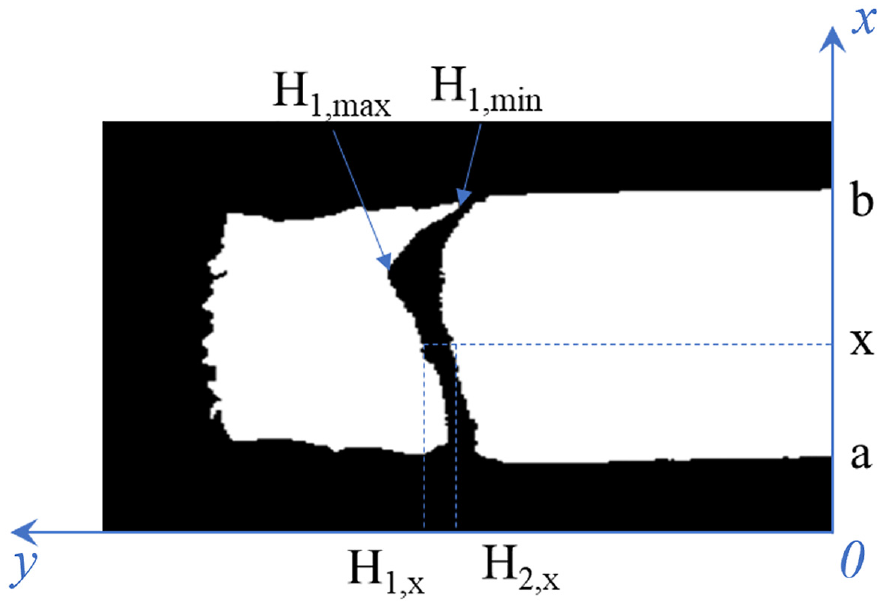
Calculation for the burning line properties.
The burning line width is calculated as:

Where a and b are the starting and ending x-axis coordinate of the burning line while H1,x and H2,x are maximum and minimum values of the y-axis coordinate of the burning line at the x position.
The burning line uniformity is obtained as:



Where Hmax and Hmin are maximum and minimum values of the y-axis coordinate at the burning line region.
The burning rate is calculated as:


Calculation of burning line characterizations from the three-dimensional reconstruction
The intelligent recognition technology of cigarette images described above can realize the calculation of feature parameters under the viewpoint of a single camera. In this work, we could further obtain the complete feature parameters by three-dimensional reconstruction of images from three cameras. The center region of the burning line data of the cigarette images recorded by each camera are extracted, and then the data from the three cameras are integrated to obtain the complete feature parameters (Figure 7).
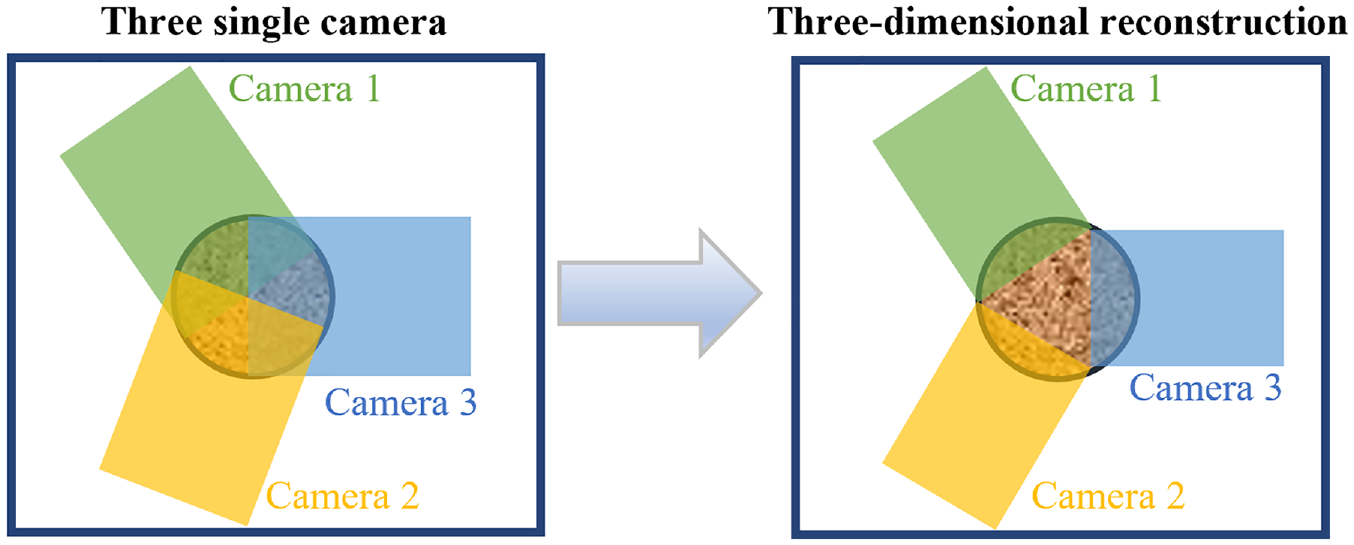
Schematic of three-dimensional reconstruction of cigarette image.
The burning line width of three-dimensional reconstruction is calculated as:

Where c represents the number of the cameras and l represents the length of the edge that not to be calculated.
The burning line uniformity of three-dimensional reconstruction is obtained as:



The burning rate of three-dimensional reconstruction is calculated as:


Result and discussion
Burning line width
The real-time variation of the width of the burning line from the single camera during cigarette combustion is shown in Figure 8. It can be significantly found that there exists a large difference in the burning line width between the smoldering phase and the pumping phase. The burning line width in the smoldering stage fluctuated in a small range. At the moment of puffing, the burning line width increases sharply, and then decreases rapidly after the puffing. This pattern is consistent for all data for the three types of cigarettes. Moreover, for each type of cigarette, there are differences in the width of the burning lines obtained through the three cameras, which can also be verified by the details presented in Figure 3. At the same moment, the burning state of cigarette in the circumferential direction is affected by several factors, such as air flow direction, tobacco filling state and cigarette paper characteristics, which will result in unavoidable fluctuations of burning line width. 23 This is apparent for these three types of cigarettes by comparing the data in Figure 8(a) to (c) (C-M), (d) to (f) (C-K), and (g) to (i) (C-S), respectively.
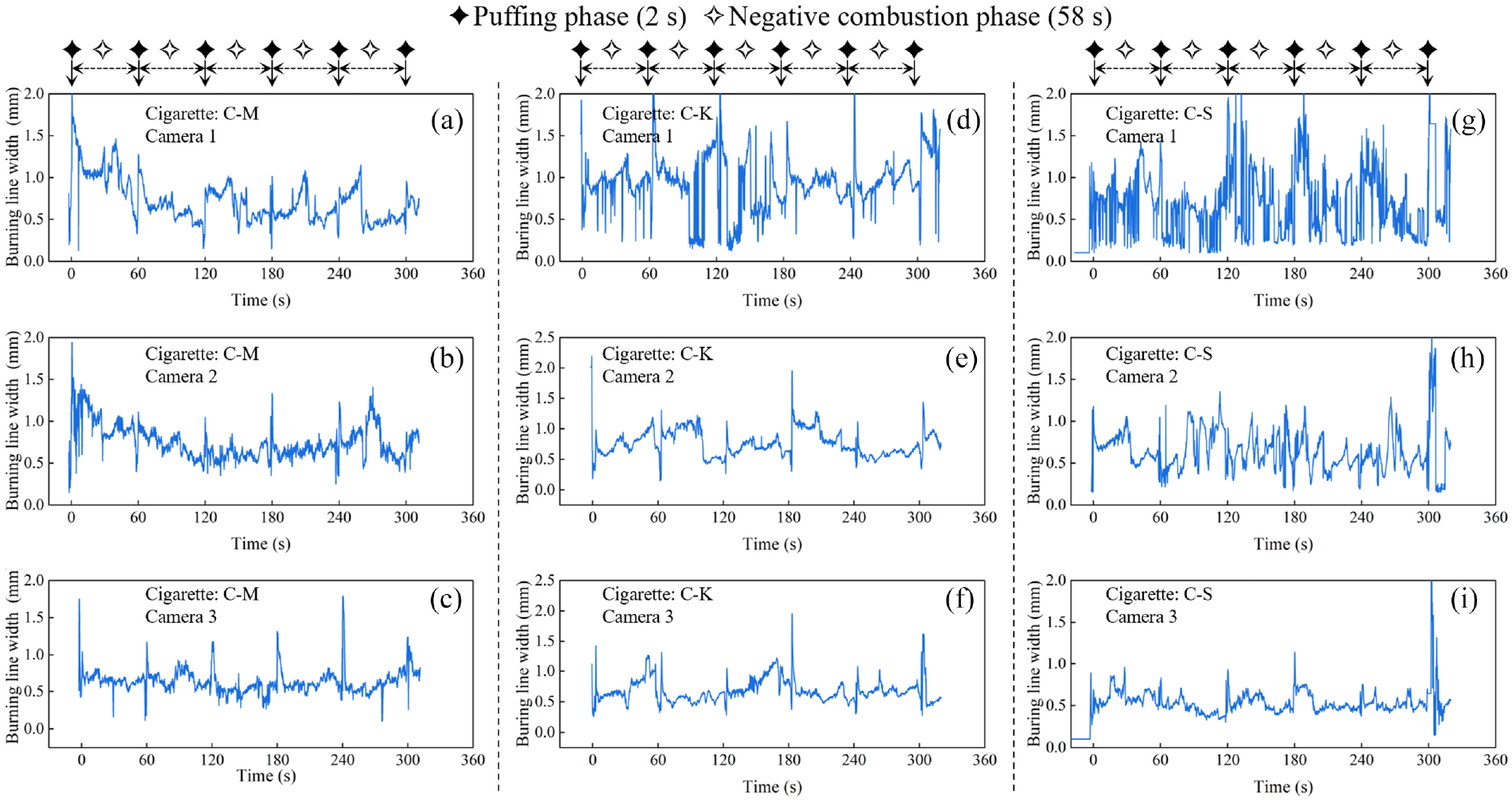
Dynamic cigarette burning line width versus time for the three cameras.
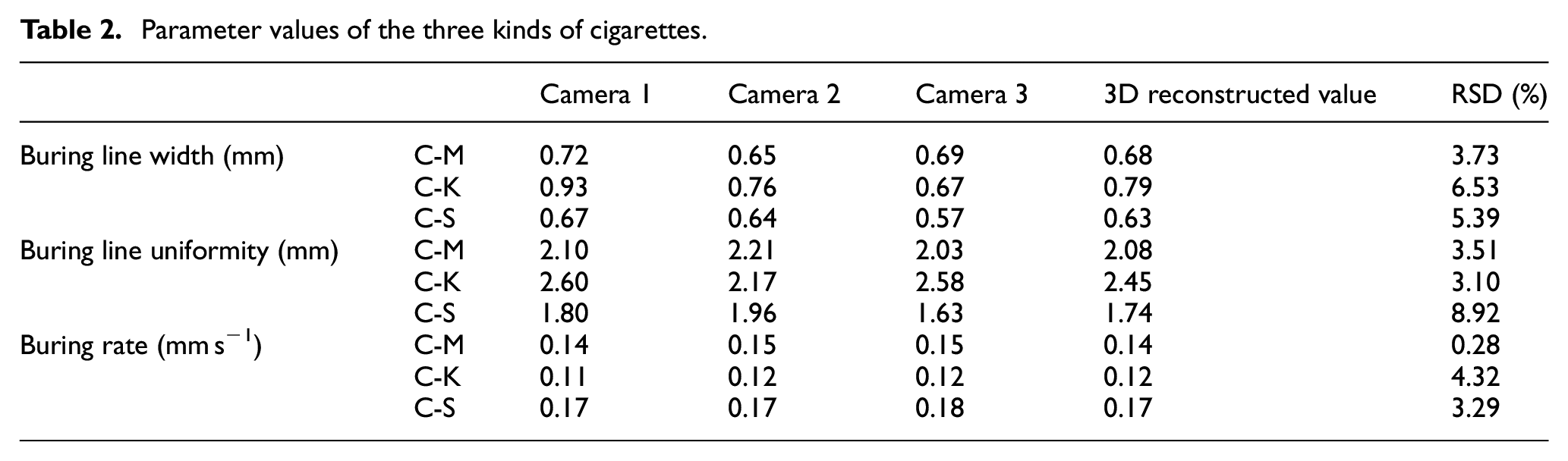
The complete burning line width during cigarette combustion is obtained by three-dimensional reconstruction using the above data in Figure 8 and the results are shown in Figure 9. Compared to the single camera, there was little change in the burning line width in the negative combustion phase while there was an obvious increase in the burning line width in the puffing phase. To verify the accuracy of the 3D reconstruction, the average burning line widths was calculated as listed in Table 2. The average burning line widths calculated using the three cameras are in general agreement with the results of the three-dimensional reconstruction with the relative standard error less than 10%.
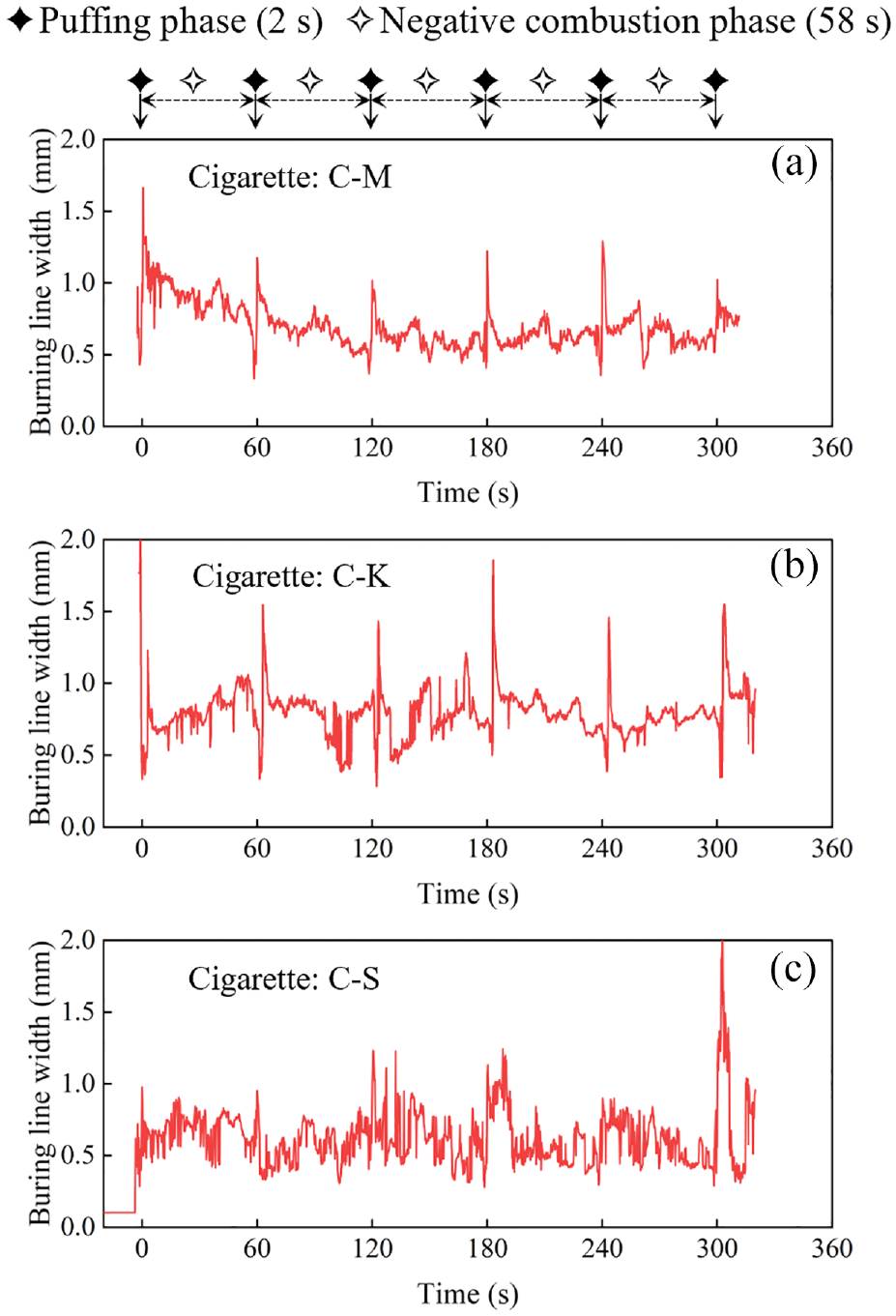
Dynamic three-dimensional reconstructed cigarette burning line width versus time.
Parameter values of the three kinds of cigarettes.
Burning line uniformity
The real-time variation of the uniformity of the burning line from the single camera during cigarette combustion is shown in Figure 10. Similar to the burning line width, the value of burning line uniformity increases at the moment of puffing which means that the burning line is less uniform, and then decreases rapidly at the stage of smoldering with fluctuations. In contrast, the fluctuations in burning line uniformity are more dramatic at the stage of smoldering, which is related to the characteristics of cigarette paper. 24 The burning line uniformity obtained from the three cameras varies greatly in magnitude, which also directly indicates that the burning line uniformity is inconsistent in different directions. The obvious phenomenon can be seen from the cigarette image at the same moment in Figure 3. The burning line uniformity is very large in Figure 3(a-1) while the burning line uniformity is very small in Figure 3(b-1).
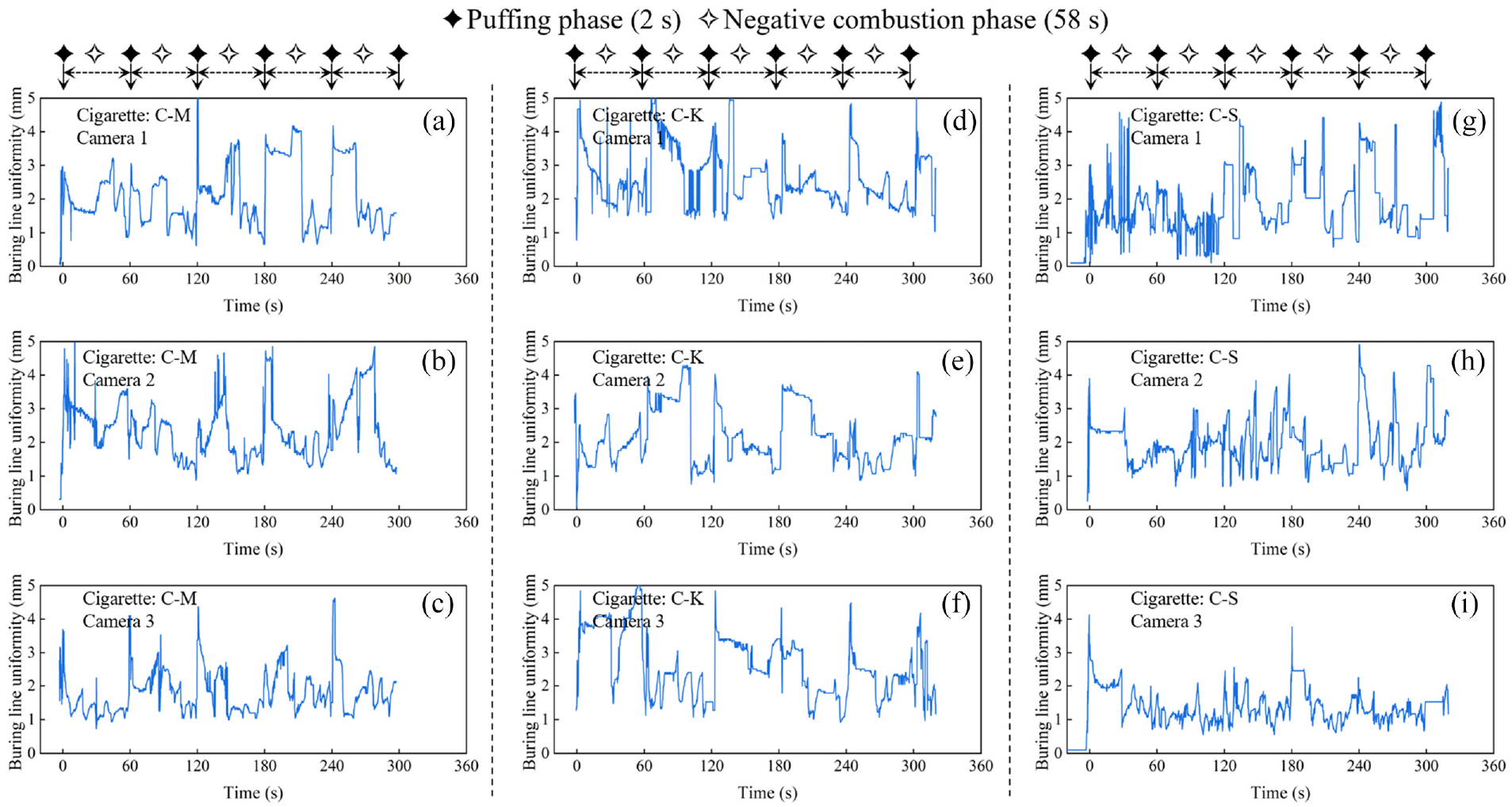
Dynamic cigarette burning line uniformity versus time for the three cameras.
The complete burning line uniformity during cigarette combustion is obtained by three-dimensional reconstruction using the above data in Figure 10 and the results are shown in Figure 11. The regularity of the burning line uniformity, which could not be obtained from the single camera data, is revealed. In the puffing stage, due to the sufficient oxygen supply, the cigarette burns vigorously with the cigarette paper burning quickly, resulting in the unevenness of the burning line. As a result, the burning line uniformity increases steeply to 3–4 mm. The burning line uniformity slowly decreases to 1–2 mm after the end of the puffing stage, which is completely different from the sudden change in the single-camera data, and it also reflects the integrity of the data from the three-dimensional reconstruction.
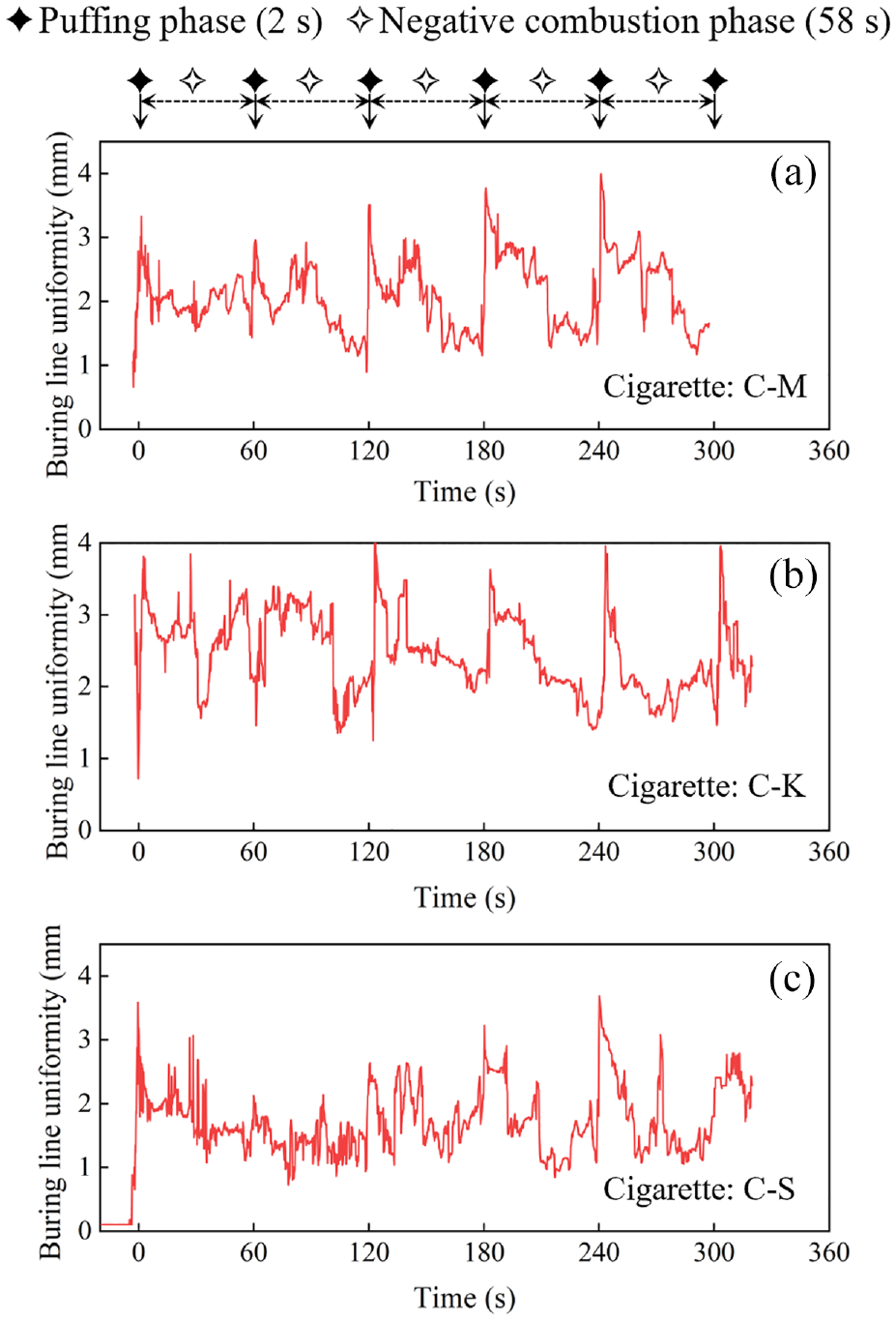
Dynamic three-dimensional reconstructed cigarette burning line uniformity versus time.
Burning rate
The burning rate of cigarettes refers to the speed at which a cigarette is consumed per unit of time. This metric holds significant importance in studying the combustion characteristics of cigarettes and evaluating the burning performance of cigarettes. Measurement of the burning rate provides crucial insights into the combustion behavior of tobacco products, including the generation of combustion by-products and the release of smoke constituents. Research into the burning rate helps to understand the environmental and health impacts of cigarette combustion, providing scientific grounds for improving the design and production of combustion products to reduce harmful emissions during combustion, thereby safeguarding public health.
The real-time burning rate from the single camera during cigarette combustion is shown in Figure 12. The burning rates calculated from the three perspectives show a consistent regularity. The cigarette burning rate in the negative burning phase is very small with a value of less than 0.5 mm/s, whereas in the two-second puffing phase, the cigarette burning rate increases to between 1 and 4 mm/s with variations in different puffing port sequences and different camera views. For example, the burning rate during the fourth puff of camera 1 is 3.8 mm/s, the burning rate during the fourth puff of camera 2 is 1.2 mm/s, and the burning rate during the fourth puff of camera 3 is 2.8 mm/s. This variation at the same moment is due to the circumferential variability of cigarette combustion, which is mainly caused by several factors: (1) the randomness of the cigarette filling structure inside the cigarette leads to the differences in the combustion state at different locations; (2) the aerosol produced by cigarette combustion changes the internal airflow channels of the cigarette, affecting the internal flow field and combustion; 25 (3) the pressure drop and temperature inside the cigarette change with the cigarette combustion process, resulting in changes in the intensity of combustion at different moments of puffing. 26
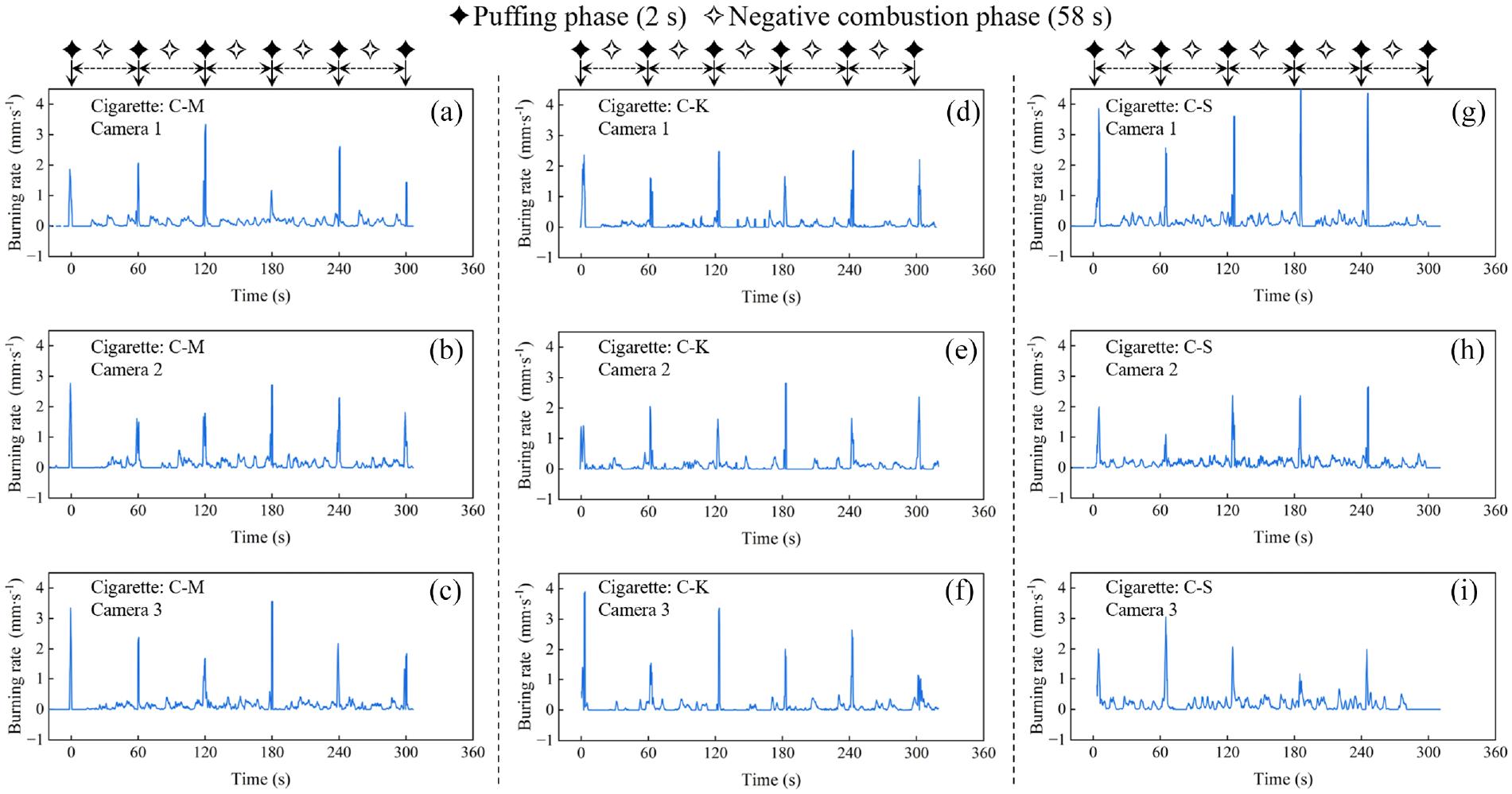
Dynamic cigarette burning rate versus time for the three cameras.
The complete burning rate during cigarette combustion is obtained by three-dimensional reconstruction using the above data in Figure 12 and the results are shown in Figure 13. The burning rate of cigarettes in the negative combustion phase remains concentrated below 0.5 mm/s, and the burning rate of cigarettes at the puffing stage is between 1.5 and 3 mm/s. This is consistent with the results in the single view. However, distinctive features emerge among different puff sequences for the three-dimensional reconstruction burning rate, characterized by an initial increase in the 2 and 3 puff sequences followed by a decrease in the 4–6 puff sequences for the burning rate. It is noteworthy that data from the first puff is not included in the study because the data is collected at smoldering and may be subject to external interference. From the second puff onwards, as combustion progresses, the unburned length of the cigarette diminishes, resulting in reduced draw resistance and intensified burning under equivalent puffing conditions. Yet, aerosol particles continuously release out during combustion and block the microchannels within the tobacco filler structure, leading to an increase in draw resistance and a decline in cigarette burning rate.
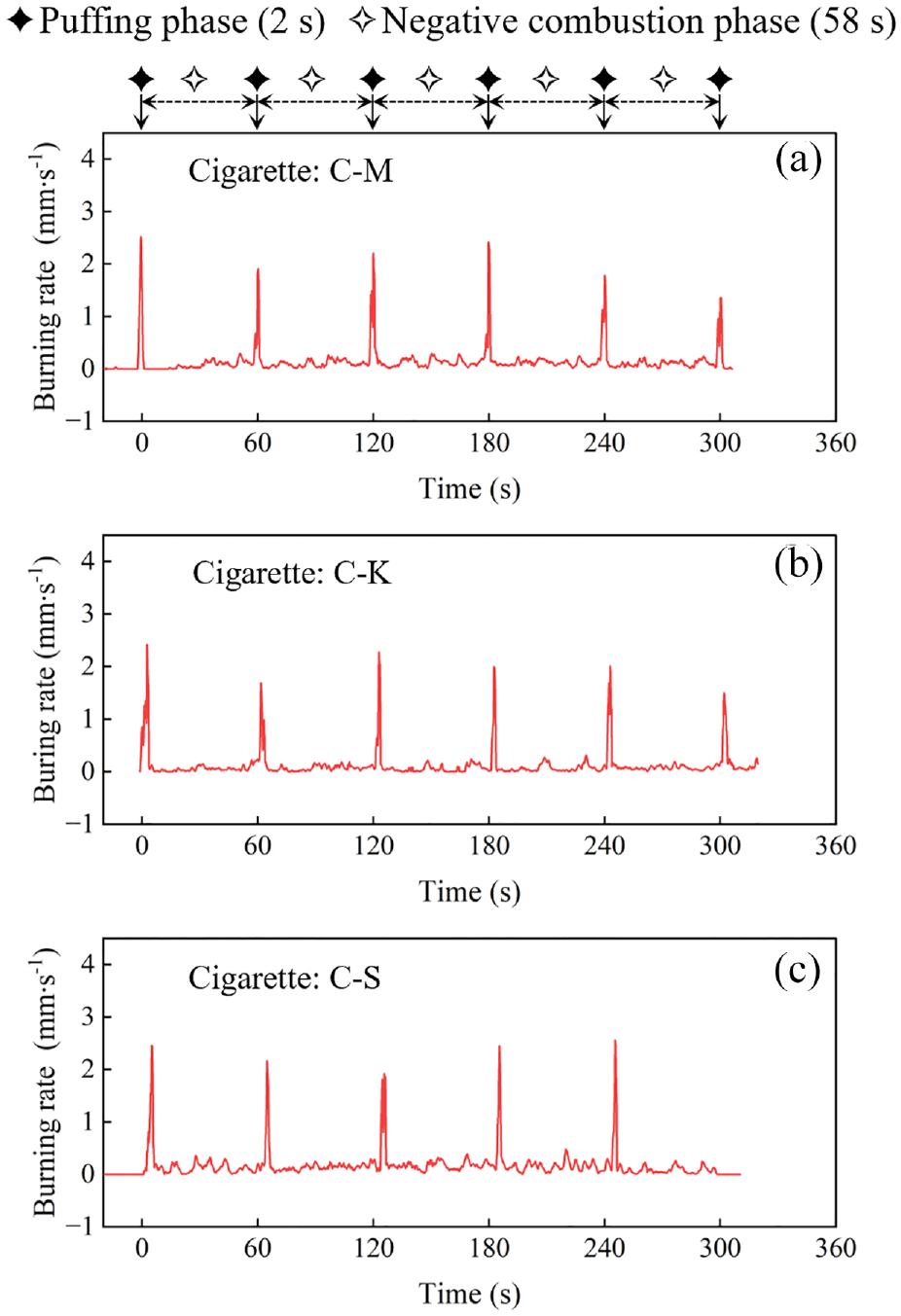
Dynamic three-dimensional reconstructed cigarette burning rate versus time
Conclusions
In this work, a three-dimensional extraction method of characteristic parameters in the cigarette combustion process is proposed. The method overcomes the limitation of the traditional single camera to acquire image information by arranging circumferentially distributed synchronized cameras to capture all the information about the cigarette combustion process. The dynamic characteristic parameters of cigarette combustion, including burning line width, burning line uniformity and burning rate are obtained by an intelligent image recognition method. The method has been applied to three different sizes of cigarettes and validated. This cigarette feature parameter extraction method based on three-dimensional reconstruction technology can provide more accurate and reliable data for the research in the field of cigarette combustion.
Footnotes
Declaration of conflicting interests
The author(s) declared no potential conflicts of interest with respect to the research, authorship, and/or publication of this article.
Funding
The author(s) disclosed receipt of the following financial support for the research, authorship, and/or publication of this article: The research was supported by key research and development project of China National Tobacco Corporation (110202202036), and the science and technology project of China Tobacco Jiangsu Industrial Co., Ltd. (H202205).
Informed consent/Ethical considerations
This article does not contain any studies with human or animal participants. There are no human participants in this article and informed consent is not required.

Data availability statement
Data sharing not applicable to this article as no datasets were generated or analyzed during the current study.