



Abstract
This research paper presents the development and implementation of an integrated condition monitoring and fault detection system for AC induction motors using a combination of sensors, GSM communication, and a cloud-based Internet of Things (IoT) platform. The proposed system aims to enhance industrial motors’ operational reliability and efficiency by providing real-time data monitoring and early fault detection. The key components of the system include temperature, vibration, current, voltage, and speed sensors, which are strategically placed to gather critical motor performance data. These sensors feed data to an Arduino-based control unit responsible for sensor data acquisition and processing. To ensure timely response to anomalies, the system is equipped with an alarm system and GSM alerts, which notify designated personnel in case of abnormal motor behavior. Moreover, the paper incorporates remote monitoring capabilities, enabling users to access motor health data and real-time status from a distance. Historical data is also stored for analysis and comparison through the integration of a cloud-based Blynk-IoT platform. Additionally, the system facilitates RPM control and utilizes relay modules for seamless motor control and protection. The proposed system was tested and validated using Proteus for circuit diagram simulation and Arduino for sensor coding. The results demonstrate its effectiveness in detecting abnormal motor behavior and its potential to prevent catastrophic failures by enabling predictive maintenance. The proposed system successfully detects and displays abnormalities in important parameters like vibration, temperature, speed, three-phase currents, and voltages with 99% accuracy.
Keywords
Introduction
Product creation is crucial for market survival in the contemporary industrial age. Therefore, if there is any disruption, there could be a loss. Machine malfunctions that affect the production system are the most frequent interruption in industries. If a machine fault is initially discovered, we can save ourselves from a significant loss by fixing it quickly. 1 A common kind of electric motor that uses the electromagnetic induction theory is the AC induction motor. It is ideal for a range of commercial and industrial applications and is extremely effective and dependable. An overview of the AC induction motor’s main parts is shown in Figure 1.
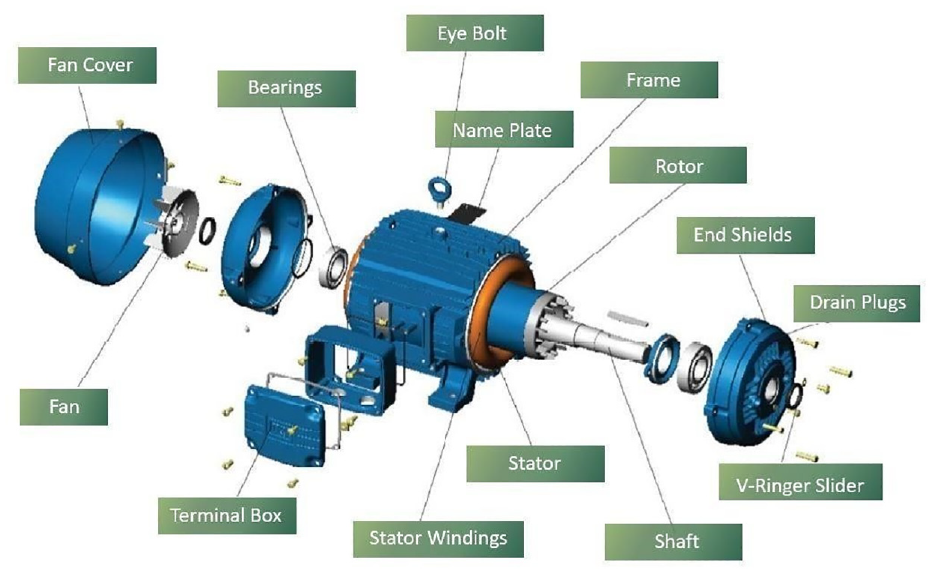
Induction motor parts. 2
According to this study’s findings from the IEEE, the most common types of induction motor problems are bearing faults (42%), stator faults (28%), rotor faults (8%), and others (22%)2,3Additionally, according to EPRI, the likelihood of a defect occurring is 41% for a bearing problem, 36% for a stator fault, 9% for a rotor fault, and 14% for others, 4 as shown in Figures 2 and 3.
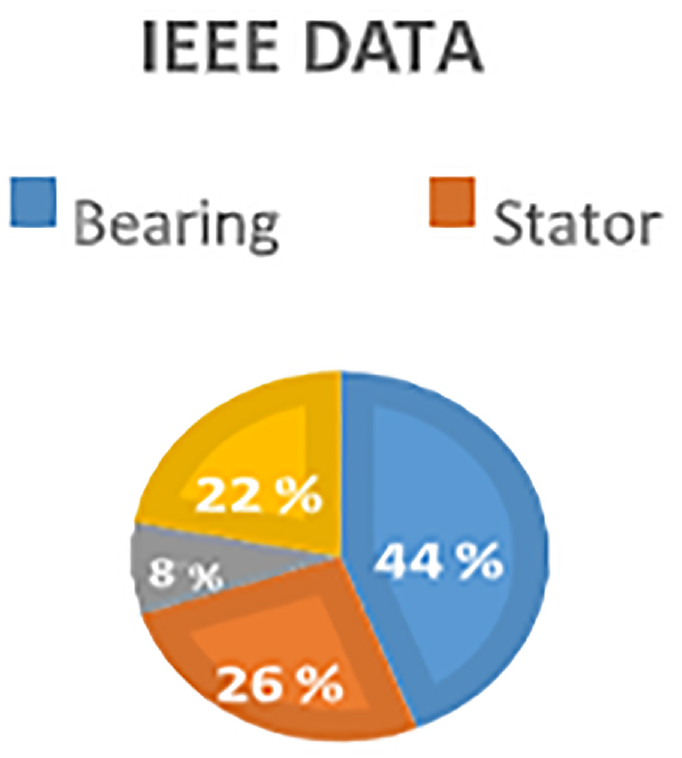
Components of the induction motor failure measured in percentage. 4
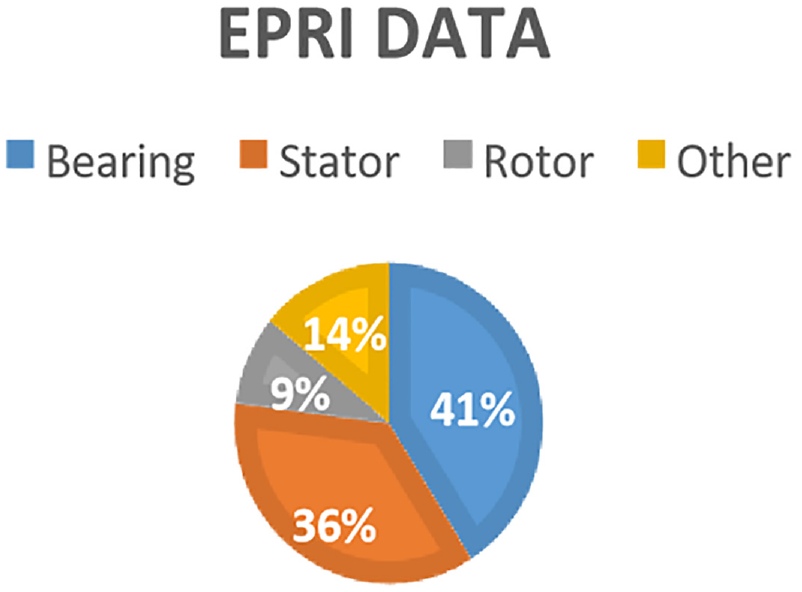
Induction motor failure percentage. 4
An Industry Assessment Study (IAS) was conducted by the General Electric Company in the US and the Electric Power Research Institute in Canada to evaluate the reliability of powerhouse motors. 5 The data of this study provided a significant quantity of information on motor failures on a sample of 4797 motors, 1227 failed motors, and 872 failed motors (motors that malfunctioned at least once). The average percentage of the most common types of faults is shown in Table 1 and Figure 4.
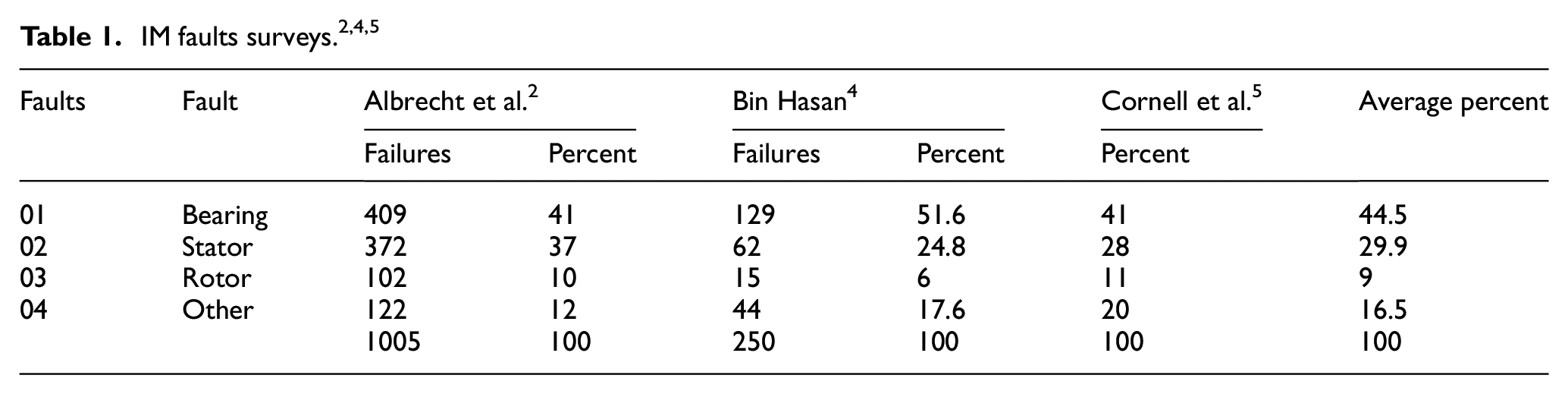
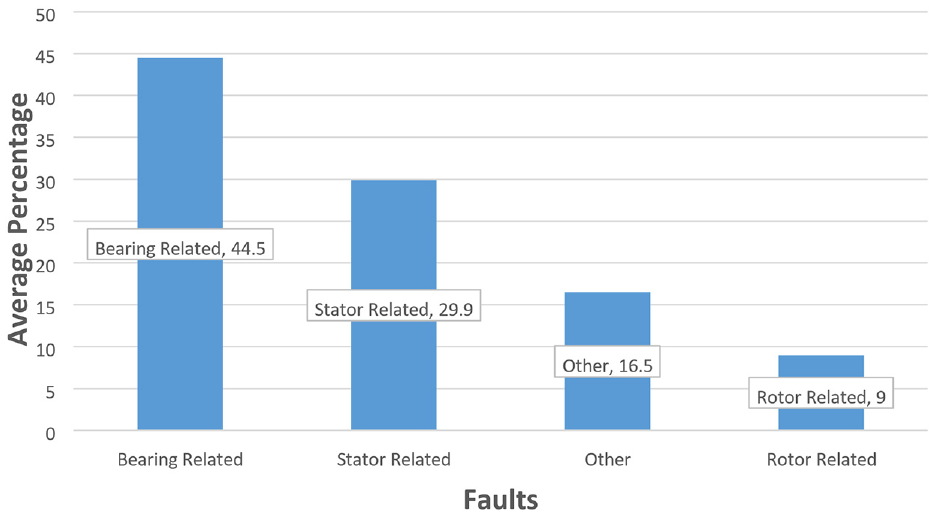
Distribution percentage of failures.
Types of faults in induction motors
According to the three studies, stator-related issues and bearing defects are the two types of induction motor issues that occur most frequently (Figure 5). In every study, the same conclusions were drawn. It was shown that both stator windings and bearings are responsible for the vast majority of electrical machine flaws, which make up around 40% of all errors. 6 Stator faults typically include abnormal connections, winding turn-to-ground faults, opening or shorting of windings, and core-related faults. The rotor faults include typically winding-related faults, bearings and gearbox-related issues, eccentricity faults, alignment faults, and broken rotor faults.
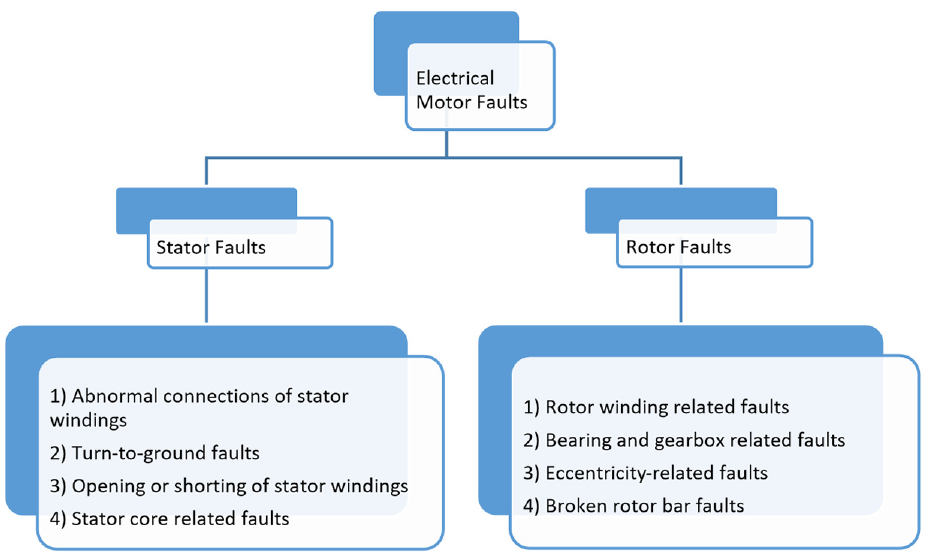
Types of electrical motor faults. 6
Although the bulk of failures are due to other sources, about 10% of the issues are caused by rotors. Five faults will be looked at in this section as shown in Figure 6, two of which are secondary faults that correspond to the other faults. 7 The sources may be categorized into internal and external. The internal sources are further divided into Mechanical and Electrical. The external sources may be further divided into Electrical, Environmental, and Mechanical. The further classification of the types is shown in Figure 6.
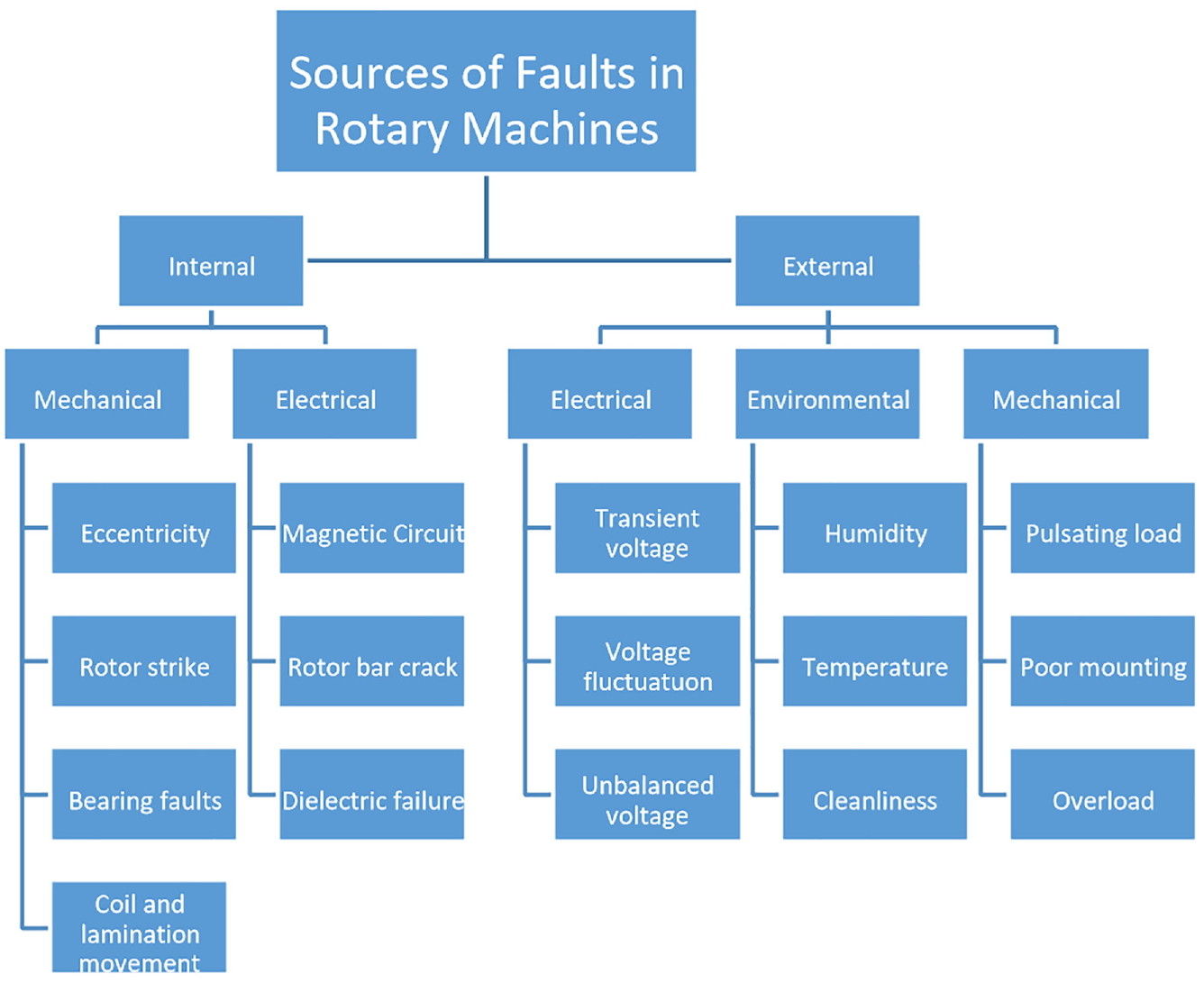
Sources of faults in rotary machines. 7
A brief discussion on these is given below:
Bearings faults
Proper maintenance is essential to ensure the reliable operation of AC induction motors. Regular inspection, lubrication, and monitoring of motor parameters such as temperature, vibration, and current can help identify potential faults or performance deviations. Since induction motors rely heavily on their bearings for proper operation, problems with these parts may have a serious impact on the motor’s performance and the device’s dependability. Induction motors often have bearing problems that might need expensive repairs, cause downtime, or even cause the motor to die. These flaws may cause the system to overheat, make unusual sounds, or vibrate more than usual. Problems with lubrication are among the most common forms of bearing defects and may lead to premature wear, overheating, and increased friction. In addition, contamination of the bearings with dust, filth, and moisture may hasten their deterioration.
Bearing failure identification is a major bottleneck in the management of bearing problems. Predictive maintenance and condition monitoring methods, greatly aid in the detection of issues before they become catastrophic. The sooner the repairs are made, the less likely it is that expensive replacements will be needed. Figure 7 shows some samples of normal and faulty bearings. 8
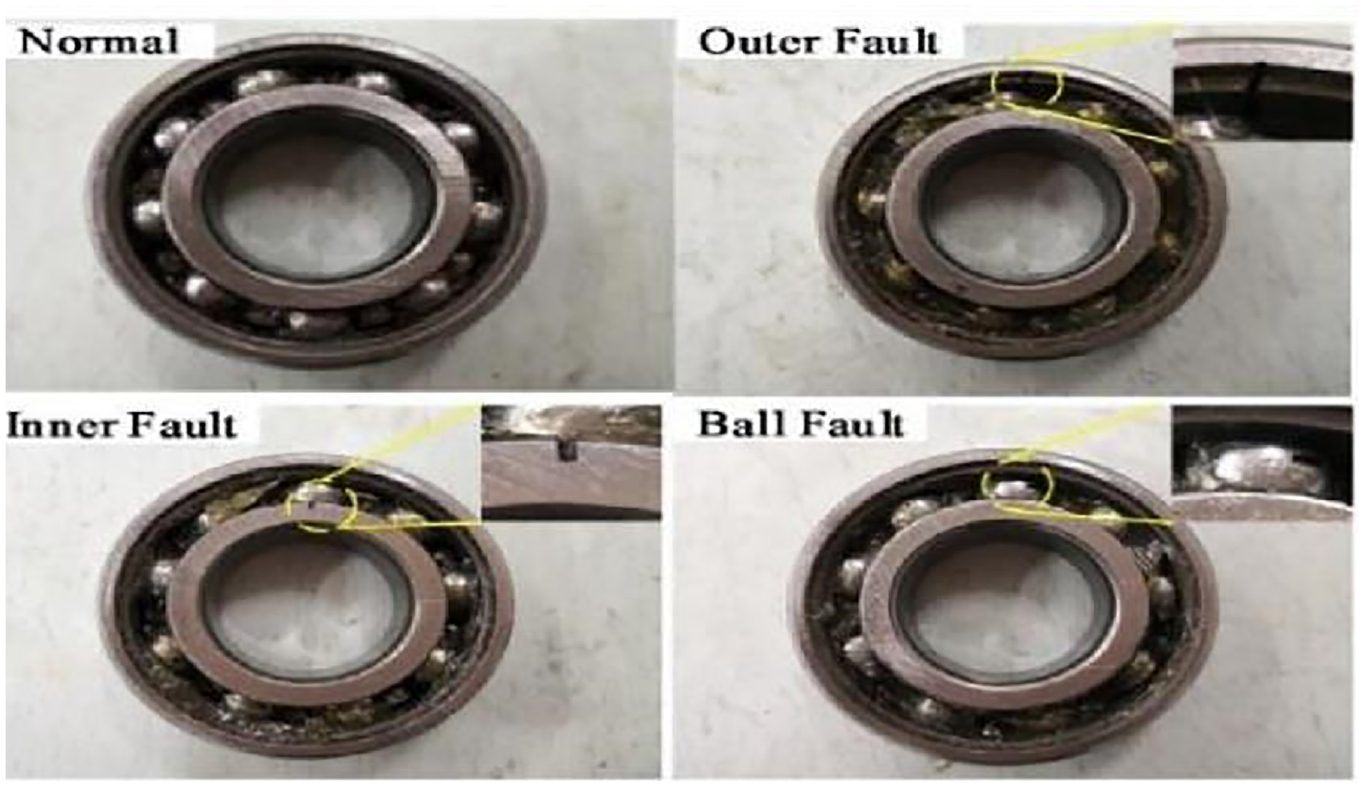
Bearing faults in IMs. 9
Rotor faults
Induction motors with damaged rotors are a major problem in manufacturing and other commercial settings (Figure 8). These defects may have a major impact on the equipment’s functionality, dependability, and efficiency. Abnormal sounds, increased vibrations, and shifts in torque are just some of the signs that the rotor is having problems. These problems might cause inefficiency in operations or perhaps motor failure if not fixed. 10
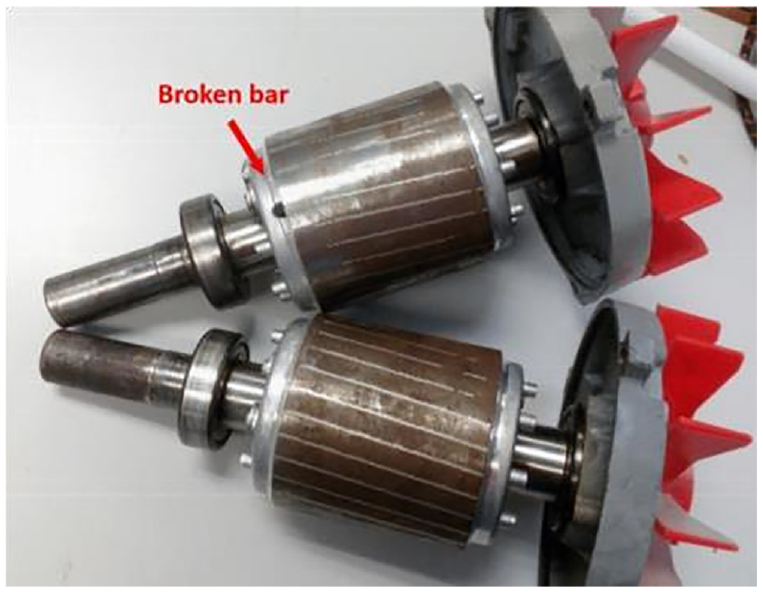
Rotor faults in IMs. 11
Rotor defects include fractured rotor bars and end ring issues occur often. Mechanical stressors, such as heat cycling and overloading, may crack rotor bars, which can disrupt the motor’s magnetic field. This might cause more vibrations and an imbalance in the current. However, rotor bar breaking may be more severe if the rotor itself is compromised by end-ring difficulties such as cracks or disconnections. Serious damage may be avoided if rotor flaws are detected in a timely manner. Rotor problems may be detected before they cause downtime by using predictive maintenance strategies which may help pinpoint the source of an issue, facilitating more precise servicing. 12
A broken bar causes several effects in induction motors. A well-known effect of a broken bar is the appearance of the so-called side-band components in the frequency spectrum of the stator current. These are found on the left and right sides of the fundamental frequency component. Consequent speed ripples caused by the resulting torque pulsations give rise to the right-side band and the lower sideband component is caused by electrical and magnetic synchronism in the rotor cage of an induction motor. The frequencies of these sidebands “Fb” are given by:

where “s” is the slip in the per unit and “f” is the fundamental frequency of the stator current (power supply). Other electric effects of broken bars are used for motor fault classification purposes including speed oscillations, torque ripples, instantaneous stator power oscillations, and stator current envelopes.
Stator faults
The stator is a crucial part of the motor that generates the rotating magnetic field that powers the motor’s motion. If the stator were to malfunction in any way, it might significantly reduce performance and cause interruptions in commerce. Increased vibrations, unusual motor behavior, and reduced efficiency are common outcomes of stator-related problems. 13
Common causes of stator failure include open circuits and short circuits in the windings. Overheating and excessive current flow may occur in the event of a short circuit, which can be caused by damaged insulation or mechanical wear and tear. However, open circuits cause electrical windings to become disconnected, which results in erratic currents and inefficient energy conversion. Losses and vibrations in a motor may be exacerbated by flaws in the stator core, such as loose or improperly laminated lamination.
Electrical faults
Some of the most common electrical problems with induction motors include voltage fluctuations, insulation failure, and imbalances in the phase current. Uneven distribution of the three phases of the motor may lead to phase imbalances due to unbalanced loading and/or overcurrent in one or more phases. Motor performance and reliability may be significantly impacted by voltage fluctuations. Alterations to the electrical system or problems with the motor might be outside causes. Insulation failures in motors, including insulation failures and winding-to-ground failures, may have serious consequences. Overheating, poor efficiency, and fire risk might arise from electrical shorts, ground faults, and phase-to-phase faults. Detecting problems with the motor as soon as possible is essential for minimizing losses and maximizing uptime. 14
Environmental factors
The longevity, efficiency, and performance of induction motors are all significantly affected by their surrounding environment. One of the most important aspects of our surroundings is the weather. The longevity and performance of the motor might be compromised by exposure to either extreme of temperature. Overheating may damage insulating materials and affect the motor’s windings, while increased friction and decreased lubrication efficiency in the bearings can occur at low temperatures. Dust, grime, and wetness are other potential environmental hazards. The accumulation of dust and other debris on the motor’s internal components may cause premature wear and potentially hazardous electrical issues. 15
Moisture may reduce the life of a motor by causing insulating failure, corrosion, and contamination of internal components. Motor performance may also be negatively impacted by mechanical shocks and vibrations in the workplace. Physical damage to the motor and its related equipment may be caused by mechanical shocks, but misalignment, bearing difficulties, and insulation damage can be caused by excessive vibrations.
Vibration analysis
Analysis of vibrations may provide useful information regarding the health of a motor’s various parts, such as the rotor, stator, bearings, and other movable elements. Problems including misalignment, imbalance, and faulty bearings, as well as more advanced problems like faulty rotor bars and stator cores, are easily detected. Each kind of fault has a unique vibration pattern that may be identified using analytical techniques and complex software. By keeping an eye on the motor’s vibrations and interpreting the data collected, maintenance crews may catch issues before they negatively impact the motor’s performance, dependability, or lifespan. In industries where these motors are mission-critical, predictive maintenance is a must for ensuring the public’s safety and the business’s productivity. 16
Gaps, uneven material density, corroded, deformed, broken, and inconsistent component sizes all contribute to unbalance. Inaccurate installation, distortions, and poor assembly are the main causes of misalignments. Unwanted vibrations and force apparition are further effects of worn components.
Current analysis
Abnormal current in electrical equipment can result in several problems. Broken rotor bars, open and short circuits in the stator windings, and broken end rings are a few of them. These defects may result in uneven stator voltages and currents, oscillating torque, reduced efficiency, overheating, excessive vibration, and torque loss, among other effects. This section discusses four types of induction motor issues: broken rotor bars, inter-turn short circuits in stator windings, bearing difficulties, and air-gap eccentricity. 17
Temperature analysis
Temperature faults in AC induction electric motors occur when the motor’s temperature exceeds safe operating limits, which can lead to performance degradation, minimize lifespan, and potential motor failure. These faults are typically caused by factors such as overloading, inadequate cooling, high ambient temperatures, or insulation degradation. To monitor and detect temperature faults in AC induction electric motors, temperature sensors are strategically placed on the motor to measure and monitor the temperature. The sensor data is acquired by data acquisition units, which collect and transmit the temperature readings. Using appropriate algorithms and techniques, the collected data can be analyzed to detect abnormal temperature patterns, trigger alarms, and enable preventive maintenance actions to avoid motor damage and ensure reliable operation. 18
Mathematical modeling of induction motor
When working with a three-phase power supply, the following equations emerge from using a conventional induction motor 19 :



A reference frame that rotates in sync with these three-phase voltages is transformed along the d-q axis in only two phases. Applying these equations could lead to the desired result.
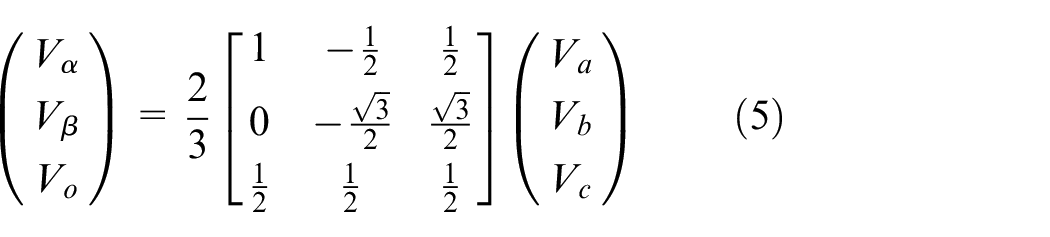
Voltages along the direct and quadrature axes are thus:

The variables, ds-qs and dr-qr circuits of a two-phase machine must be shown in a de-qe frame that rotates at the same rate as the machine. Here are the equations for the stator circuit:


are the connections to the stator flux along the q-axes and d-axes, respectively. The transformation of equations (6) and (7) into de-qe frames is then performed as


The variables in the equations are all in a revolving shape, at We = 0, the stationary form of equations (8) and (9) is restored, and the final components represent the speed emfs induced by the axis’ rotation. When the leading angle is 90°, the flux linkage in the de and qe axes causes emfs in the qe and de axes. If the rotor is not moving, that is, Wr = 0, then the rotor equations for a doubly fed wound rotor IM will reflect the stator equations and are given by


in which the stator serves as the point of reference for all parameters and variables. The d-q axes that are attached to the rotor move at a speed of We–Wr relative to the synchronously rotating frame, because the rotor moves at a speed of Wr = 0. This allows us to rewrite the rotor equations in the de-qe frame in this way:


The flux linkage expressions in terms of the currents can be written similarly to those in equations (15)–(20). Using equations (15)–(20) in equations (9)–(14), the electrical transient model of the IM in terms of v and i is given in matrix form as in equation (21); in the inverse form, the i–v matrix could be written as in equation (22).






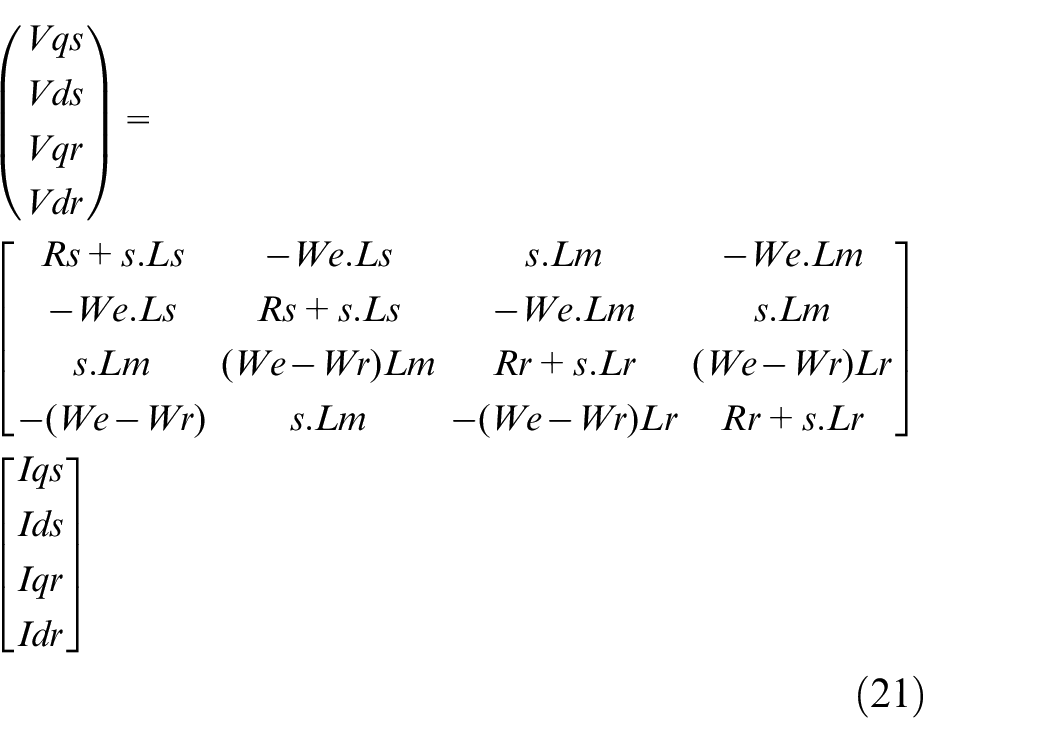
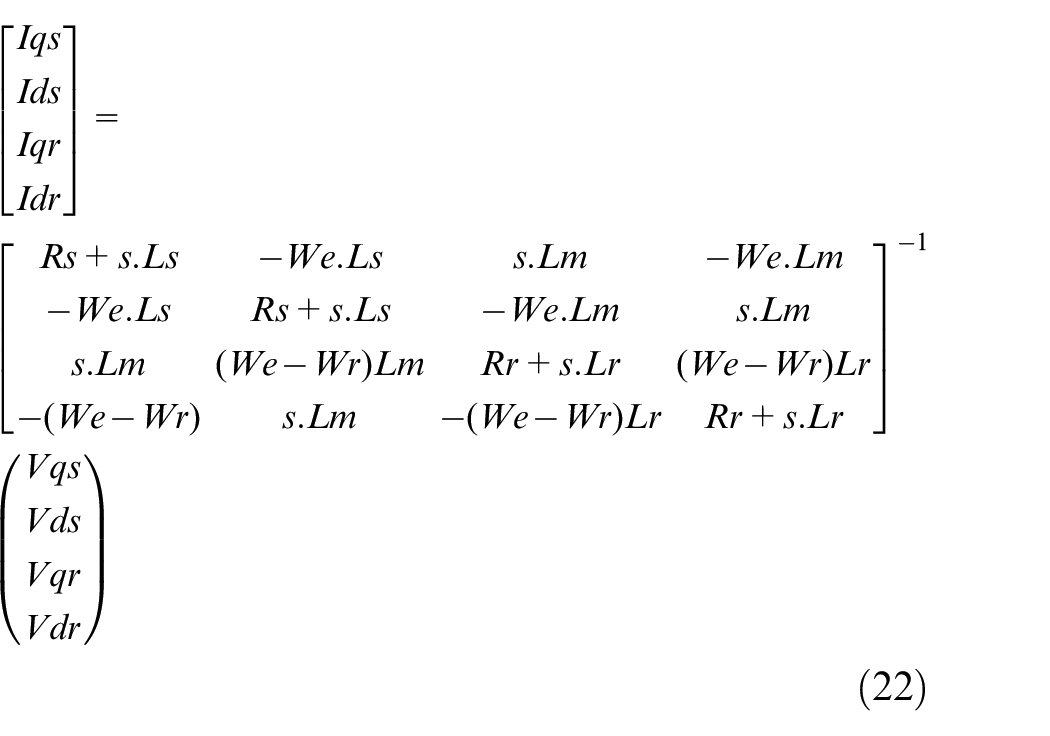
In (7)–(22), superscript “s” indicates that the variables are in the stationary reference frame. Furthermore,

where J stands for the inertia of the rotor, Tl for the torque applied to the load, and
Additionally, IM modeling places a premium on torque development. This version will be more generically written and will connect the d-q variables. The following is a vector representation of the torque that may be expressed using equation (19):

By breaking down the variables de–qe into their individual components we get:

In addition to the torque relations given above, the following additional torque expressions may be obtained:




The fluxes in the stator and rotor are shown as follows:




The currents in the stator and rotor may be represented as follows:




Where,

Ultimately, in a three-phase system, the currents in the stator and rotor are calculated using the following transformation:

And

Condition monitoring
For many industrial systems, condition monitoring (CM) is being taken into consideration. This method of maintenance involves monitoring the machine’s health to look for any anomalies and only performing maintenance when necessary. When any fault situation occurs, mechanical components often produce an aberrant transient signal. According to reports, 99% of mechanical problems have clear signs. The machine malfunction might be located using these signal indications. When compared to conventional patterns of maintenance and inspection, CM is a more effective strategy since it is based on condition monitoring of the equipment. This is because decisions regarding maintenance, servicing, or replacement are made based on the actual state and health of the components. 20
These sensors will be used to identify electrical motor defects, aiding in the planning of preventive maintenance.
Vibration
Current
Temperature
Speed
Voltages
GSM
Vibration analysis calls for an extensive understanding of the many types of vibration, their sources, their causes, what may be detected by vibration, their forces, their critical levels, and other factors. Knowing the system’s weak areas, where to place the accelerometers, and what sort of information they produce, are also crucial.
Literature review
Much research has been done recently on the application of the Internet of Things (IoT) for the health monitoring and defect detection of industrial AC induction motors, which have been the subject of prior searches by numerous authors.21–24 Every factory needs a strict plan to get the best performance from its industrial machinery. Regular maintenance extends the life of the equipment, but too much of it results in higher costs and more downtime. As a result, there is a pressing need to refine fault diagnostic procedures so that the root of the problem may be identified. Productivity and quality have become the focal points of contemporary manufacturing. Monitoring the health of electrical equipment might help save money on repairs by spotting problems before they become costly to fix. All sectors have found motors a useful tool for meeting their operating needs. When it comes to contemporary machinery, induction motors are by far the most popular. 25 Problems with a machine should be detected and diagnosed early on via the use of condition-monitoring tools. By preventing unplanned power outages, early failure detection technology might save money on repairs to motors. Therefore, methods have been developed and implemented for routine machine diagnostics and status monitoring for induction motors. Predictive maintenance (PM) makes use of condition monitoring effectively. Experts are required for condition-based monitoring since only they can properly evaluate data and determine whether or not conditions are safe. Fault characteristics and machine behavior may be affected by a wide variety of events, making early detection and characterization of worsening issues challenging. 26
Study 27 assesses the state-of-the-art and practical applications of fault-tolerant control systems (FTCS). The primary goal of an FTCS is to keep the system stable throughout operation with little or tolerable performance loss due to component failures. Many different sensor and actuator problems are described in detail in this study. Analysis 28 looks at how combining compressor fault-tolerant control (FTC) with anti-surge control (ASC) might boost system dependability in the face of component failures. It describes the compressor surge phenomena, its causes, and the possible harm it might do. Compressors outfitted with state-of-the-art surge control systems have surge avoidance algorithms whose function and application are described. In Amin and Mahmood-ul-Hasan, 29 a linear regression-based observer active fault-tolerant control system was proposed and in Amin and Mahmood-ul-Hasan, 30 a hybrid FTC was proposed with Kalman filters and hardware redundancy for the internal combustion gasoline engine for sensor faults. Machine learning methods are described for fault detection and FTC design in intelligent fault-tolerant control (IFTC). 31 This study summarizes findings from a survey of research on the development of FTC that makes use of machine learning, deep learning, and transfer learning techniques.
Study 32 provides an online platform for predictive maintenance that allows for better real-time condition monitoring of rotating equipment such as bearings and induction motors. More precise information regarding the kind and location of rotor problems may be gleaned from vibration signatures than from current signatures. An interactive dashboard displays the highest, median, and minimum temperatures experienced by the motor. The proposed technology is meant to provide remote, real-time monitoring of any metric of interest. 33 The motor might fail or operate less efficiently if the temperature is consistently greater than usual. Therefore, frequent temperature checks are required. Mykoniatis 34 described the process of creating a real-time status monitoring system for industrial low-voltage motors using the IoT. The suggested system may transmit data to a data logging center via a wireless network, and it can also monitor temperatures and detect vibrations in industrial motors. Several industrial processes may now be efficiently monitored and controlled thanks to the combination of machine learning and the IoT (IoT), as described in Gawde et al. 35
Moshrefzadeh 36 developed a method for differentiating between load and speed-independent equipment health problems. He came up with a novel method called spectral amplitude modulation (SAM), which draws attention to separate signal components at various intensities. A novel approach to monitoring the characteristics of a three-phase induction motor using machine learning and IoT was presented in research study. 37 The proposed system employs a number of sensors to monitor environmental conditions such as vibration, temperature, humidity, voltage, and current. The experimental results validate the proposed framework as a valuable tool for industrial motor monitoring and control due to its ability to accurately forecast motor issues.
Study 3 presented the idea of remotely activating and deactivating a water pump by cell phone. Most farmers now get their irrigation water from wells or other underground sources. For this, they will need the Arduino and GSM modules used in the project in addition to the sensors. The farmer will be able to start and stop the engine using this. Study 38 aims to update the settings on the central server and to construct the electronic hardware with the ATMEGA Microcontroller already installed in the submersible pump. Parameters including temperature, voltage, and current swings are monitored. Control system features such as dryness, overload, and short circuit protection are controlled by the system’s advanced detecting water tank controllers. Many studies suggest that IoT-based predictive maintenance is beneficial. The quantifiable data was provided in publications on IoT predictive maintenance by PwC and McKinsey. The use of predictive maintenance helped to reduce maintenance costs by 40%. The equipment uptime was reported to be improved by 9%, boosting equipment productivity. Risk, health, environment, and quality were reduced by 14%. The asset life was increased by 20% for most organizations. Plant equipment repairs and reconditioning became quicker with the help of IOT-based predictive maintenance strategies. After 1 year of IoT predictive maintenance, 500 plants’ Mean Time to Repair (MTTR) was improved by 60%. The cost of the saved spare component expenses was reduced by 30% by keeping them only when needed. IoT predictive maintenance increased the Return on Investment (ROI) by reducing downtime, maintenance costs, and productivity. 39
The literature review suggests that, in the previous industrial revolution, most authors were working on their research papers with a focus on a few faults like vibration and temperature, but they did not have predictive maintenance techniques. They managed their problems and resolved them manually without having proper solutions. However, according to Industrial Revolution 4.0, authors worked on predictive maintenance with few sensors, but their solutions were very expensive and could not be applied to underdeveloped countries. In this paper, we have proposed a solution with reduced cost, exploring many parameters such as temperature, voltages, current, and controlling the RPM of the motor. We have worked on many parameters which are minimizing the labor work, time, faults predicted alarm, and predictive maintenance especially:
Cost with good reliability.
Temperature Sensor
Vibration Sensor
Current Sensor
Voltage Sensor
Speed Sensor
Alarm system
GSM alert
Remote monitoring
Previous records
RPM control
Relay modules
Cloud-server Blynk IoT (easy to understand)
Overall, this study promotes greater productivity, decreased downtime, and cost savings in motor-driven applications. It also advances industrial automation and predictive maintenance procedures. The suggested system’s adaptability makes it simple to use in a variety of industrial situations, which has substantial advantages for manufacturers and maintenance specialists looking to maximize the performance and dependability of AC induction motors.
Further contents of the paper are organized as follows: research methodology is described in section 3; section 4 presents the experimental setup; results and discussion are presented in section 5. Finally, the article is concluded in section 6.
Research methodology
Sensors (Temperature, Voltage, Vibration, and current) will be monitoring the monitored system (Electric Motor) continuously and the signal will be processed through a controller. The controller will extract the behavior of the coming signal from the sensor and will compare it with the behaviors of the signals already saved in the database and will identify the Fault.
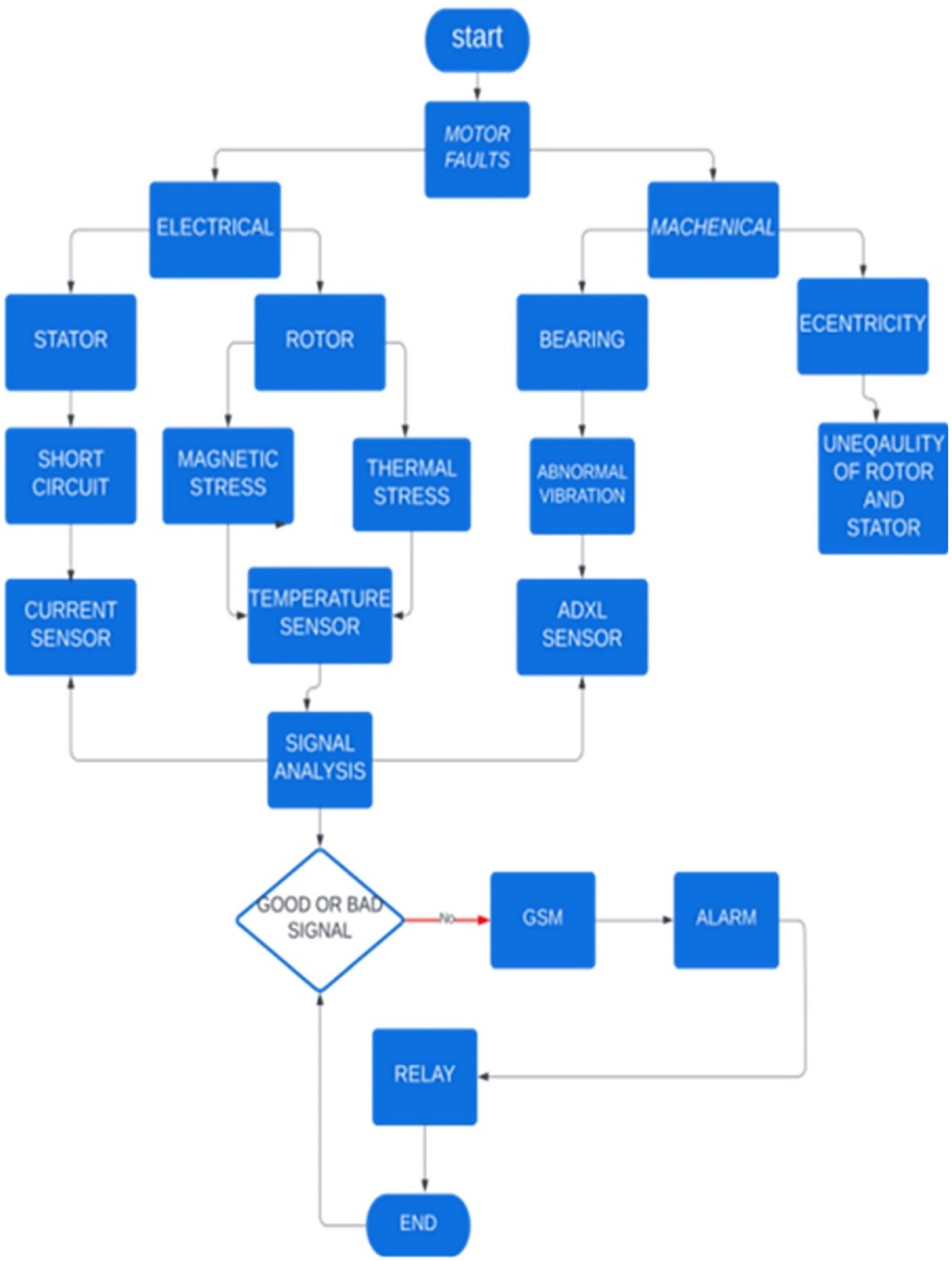
Flowchart.
Experimental setup
In Figure 10, the circuit diagram shows a simple IoT-based health monitoring system for a three-phase AC induction motor in Proteus. The diagram shows the voltage, current, and temperature measurement portions as the input and the LCD as the output. The system uses vibration and current sensors to measure the motor’s condition and transmits the data to a cloud server for analysis. The cloud server can detect and diagnose motor faults and send alerts to users if necessary.
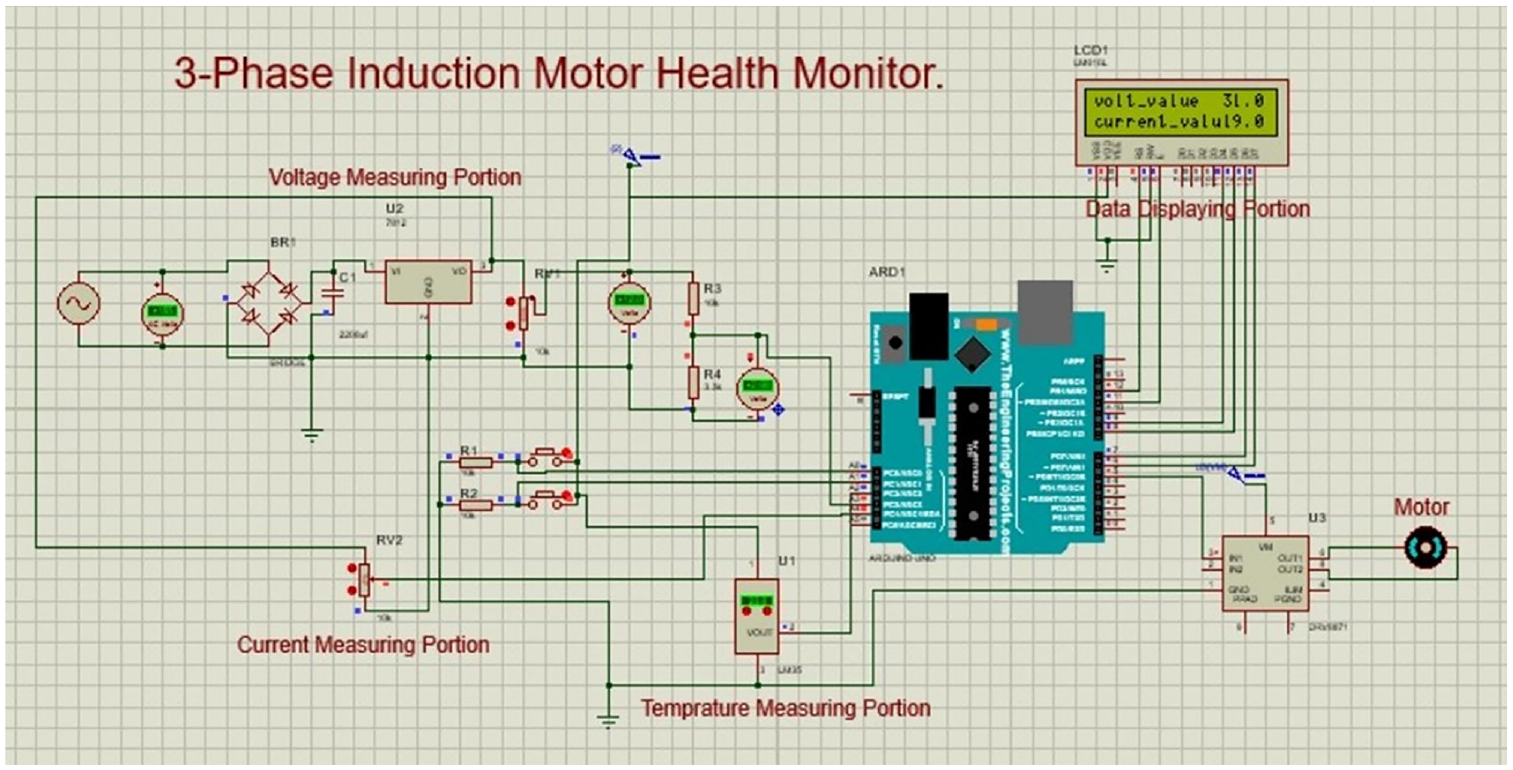
The simulation circuit diagram in Proteus.
The system works as follows:
The vibration and current sensors are attached to the motor.
The sensors measure the motor’s condition and transmit the data to the IoT gateway.
GSM for message alert.
The IoT gateway transmits the data to the cloud server.
The cloud server analyzes the data to detect and diagnose motor faults.
If a fault is detected, the cloud server sends an alert to the user.
The system is simple, effective, and affordable. It can be used to detect and diagnose a wide range of motor faults and can help to prevent motor failures.
Figure 11 shows how real-time monitoring of AC induction motors utilizing GSM messaging and cloud computing may dramatically increase their dependability, efficiency, and safety. Sensors detect the operating characteristics of the motor, such as voltage, temperature, vibration, current, and RPM, and transfer the data in real-time to a cloud-based server. If any of the measurements are outside of typical ranges, the server analyzes the data and provides notifications to users. This enables users to take corrective action early on, avoiding significant harm or delay.
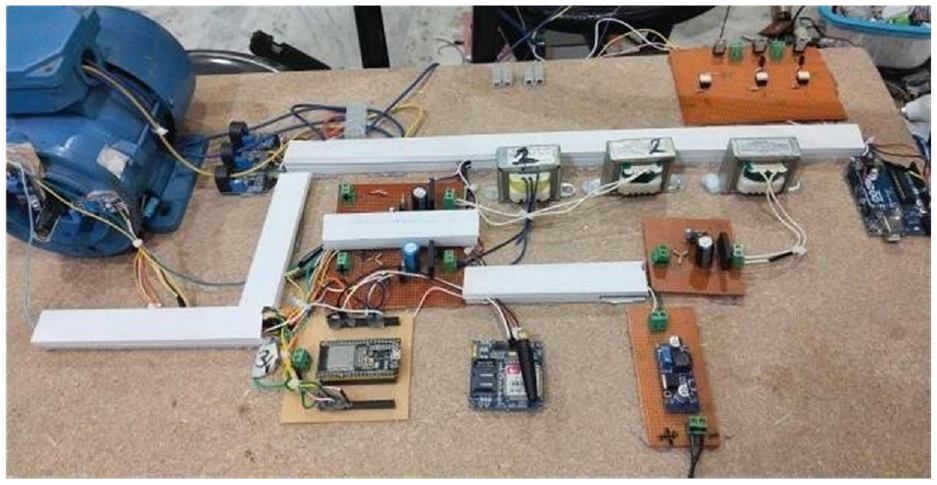
Hardware implementation.
One of the most important advantages of this system is its ability to detect faults early. Users may spot possible faults before they cause serious harm by monitoring motor data in real time. For example, if the temperature of the motor begins to climb over typical limits, the system may transmit a warning to the user, allowing them to take remedial action such as lowering the load on the motor or cleaning the cooling fins.
Another advantage of this method is that it can increase proactive maintenance. Users can spot patterns that may suggest an approaching failure by monitoring motor characteristics over time. For example, if the motor current progressively increases, it may signal that the bearings are beginning to wear out. The user may then plan a maintenance examination before the bearings fully fail and the motor fails.
This solution can also assist in reducing downtime and increasing overall machine availability. Users may avoid serious breakdowns that might take days or even weeks to fix by recognizing and addressing motor defects early on. This can result in considerable cost savings and increased plant productivity.
In addition to the benefits listed above, the usage of cloud computing in this system gives a number of additional benefits, including scalability, security, and simplicity of use. To handle varied numbers of motors or users, the system may be readily scaled up or down. The data is saved in the cloud and is accessible from any location with an internet connection. Users may easily monitor the data and receive warnings thanks to the web-based interface.
Overall, real-time monitoring of AC induction motors using GSM messaging and cloud computing is a potent technology that may be utilized to dramatically improve these motors’ dependability, efficiency, and safety. This system can assist users in saving money, increasing productivity, and decreasing downtime.
Results and discussions
The IoT-based health monitoring system created for commercial AC induction motors has shown promise and the ability to improve motor performance and issue finding. Comprehensive data to track the motor’s health has been made available through the integration of numerous sensors, including temperature, vibration, current, voltage, and speed sensors. Potential problems and irregularities were effectively identified by the system, which promptly raised alerts to notify operators. Real-time access to crucial motor data was made possible by the introduction of remote monitoring and GSM alerts, enabling prompt reactions to emergent problems even from faraway places. Additionally, by reducing superfluous stress on the motor, the RPM control system is beneficial in maximizing energy usage and increasing motor lifespan. The paper’s findings point to the possibility of predictive maintenance techniques, which might result in cost savings by preventing unscheduled downtime and cutting repair costs. Additionally, the cloud-based solution utilizing the Blynk IoT platform has provided scalable and secure data storage. Overall, the findings demonstrate the considerable influence of IoT technology in industrial motor applications, opening the path for improved industrial sector productivity, dependability, and preventative maintenance. In Figure 12, the Blynk server shows the output of all sensors output like three-phase voltages, phase currents, the temperature, and the speed of the motor.
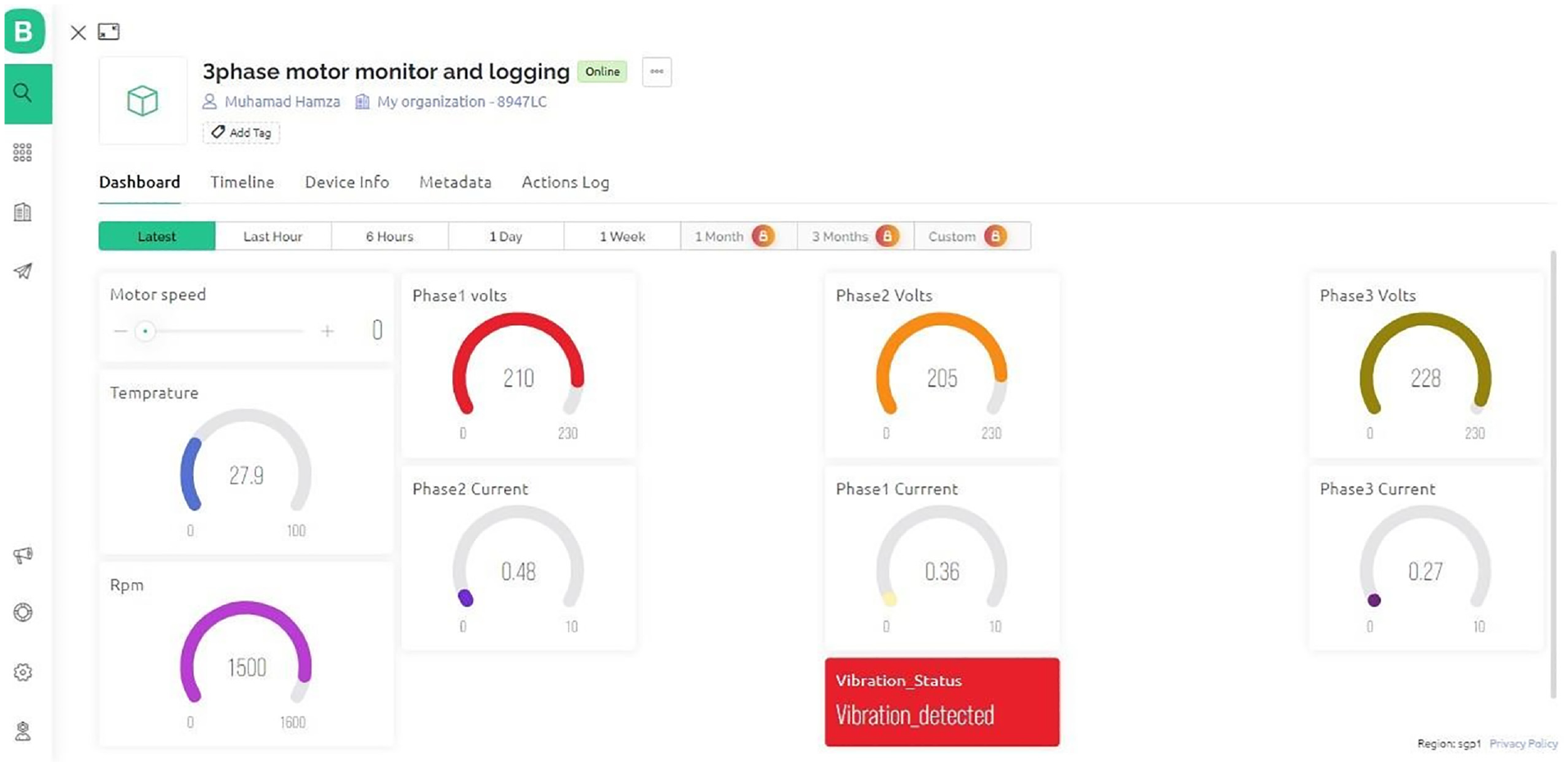
Blynk IoT output.
The Blynk mobile app serves as the primary interface for users to monitor and control the motor. The Blynk library offers a variety of pre-built widgets that can be customized to create a tailored user interface. To connect the hardware components with the Blynk app, the microcontroller or data acquisition system is programed to integrate the Blynk library. This enables the microcontroller to establish a connection with the Blynk cloud server, facilitating the exchange of data between the hardware and the app. The Blynk platform also offers a notification feature that can be configured to send alerts to users based on predefined conditions or thresholds. Users can set specific thresholds for motor health parameters, and if any parameter exceeds the defined limits or if a fault is detected, notifications can be sent to the Blynk app. These notifications enable users to stay informed about critical events and take immediate action if necessary. Integration with cloud services allows for the storage and retrieval of motor health data. The collected data can be logged and stored in the cloud, enabling historical analysis and the generation of reports based on the collected data. This cloud integration also facilitates remote access to motor health data, allowing stakeholders to monitor the motor’s performance from anywhere and at any time.
In Figure 13, GSM in health monitoring of AC induction motor enables remote data transmission from sensor-equipped motor to cloud-based servers. It allows real-time monitoring and fault detection, providing timely alerts to maintenance personnel, ensuring proactive response, and preventing potential breakdowns. For alarming purposes, we installed a GSM for this which alarms us if there is any fault like a temperature increase or voltage increase, this GSM will give us messages on our device and alert us.
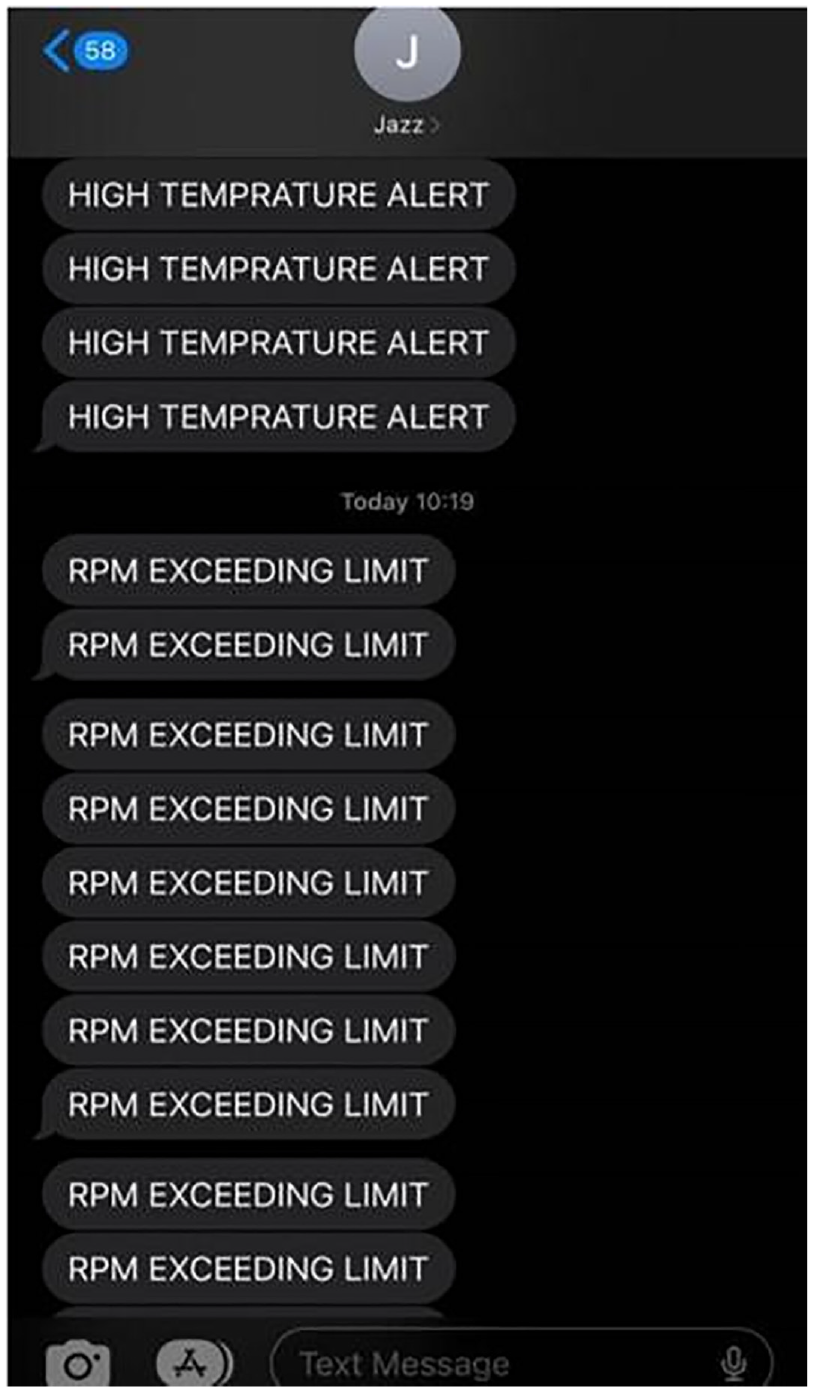
GSM based alerts.
The suggested technique is resilient to a wide range of situations and disruptions. It has been tested in the following circumstances:
The suggested technique was able to detect and diagnose motor problems in all these scenarios.
Here are some instances of how the suggested technique has been tested in different scenarios/disturbances:
Overall, the suggested strategy has been demonstrated to be resistant to a wide range of situations and disruptions. It can detect and diagnose motor defects under a wide variety of operating situations.
Comparison with existing techniques
The comparison with existing techniques demonstrates that our IoT-based health monitoring and fault detection system for AC induction motors offers significant advantages in terms of comprehensive data coverage, real-time monitoring, predictive maintenance capabilities, and scalability. By leveraging IoT technology, our approach addresses the limitations of traditional methods and contributes to enhancing the efficiency and reliability of industrial motor operations. In most of the existing research based on CM of IMs, manual control was being performed by the industries. However, in the Industry 4.0 revolution, the internet is playing a pivotal role in remote CM. We have implemented CM based on IoT in this study. IoT has revolutionized industrial systems by enabling connectivity, data exchange, and automation. Study 3 presented the idea of remotely activating and deactivating a water pump by cell phone. For this, Arduino and GSM modules are needed in the project in addition to the sensors. The farmer will be able to start and stop the pump using this. In order to capture and track the induction motor’s vibrations in real-time, 22 suggested an IoT-based solution in which the effects of vibration are examined using a decision-support system employing log data and the Nave Bayes classifier. In addition to alerting the user to the motor’s specific operating state, the suggested decision support system calculates the critical vibration level.
In our paper, we are controlling the speed of the motor and through this, we can control the high voltage and vibration of electrical motors.
IoT allows for remote monitoring and control of industrial equipment, including AC induction motors.
A central control system may receive continuous monitoring and transmission of motor data including temperature, vibration, current, and voltage.
Remote access enables real-time monitoring, data analysis, and remote control or adjustment of motor settings.
In contrast, our IoT-based system integrates multiple sensors strategically placed across the motor, providing extensive coverage of critical parameters. The IoT framework enables seamless data acquisition, analysis, and visualization, offering a holistic view of the motor’s health in real time. Our IoT-based system allows continuous monitoring and remote access to motor data. This enables predictive maintenance, where potential faults can be identified and addressed proactively, and reduces unplanned downtime and maintenance costs. Our IoT-based system includes cloud-based storage and real-time data analysis. Data is instantly transmitted to the cloud server, where advanced analytics and machine learning algorithms can quickly detect abnormalities and trigger immediate alerts to operators, ensuring timely response to potential faults. Our IoT-based approach utilizes wireless communication, reducing the need for complex wiring and offering greater scalability and adaptability to various industrial environments. It allows for easy integration with existing IoT infrastructure and offers the potential for expansion and connectivity to other industrial systems.
Conclusions
The research conducted in this paper yielded several significant findings, which provided valuable insights into the effectiveness and practical application of the implemented system. The key findings included improved fault detection, enhanced predictive maintenance, real-time monitoring and alerting, cost savings and operational efficiency, and applicability across industries. The comparative analysis of the IoT-based health monitoring and fault detection method with other approaches reinforced its effectiveness and unique contributions. The integration of IoT technologies and advanced analytics enhanced motor reliability, reduced downtime, optimized maintenance schedules, and generated cost savings. The study underscored the significance of embracing IoT-based solutions in the realm of motor health monitoring, aligning with the principles of Industry 4.0. The proposed system successfully detected and displayed abnormalities in important parameters like vibration, temperature, speed, three-phase currents, and voltages with 99% accuracy.
Future research directions may include the implementation of advanced machine learning and deep learning algorithms to predict the remaining useful life of electrical motors for effective predictive maintenance.
Footnotes
Appendix
Acknowledgements
The authors would like to acknowledge the support of the deanship of scientific research at Najran University, Ministry of Education, Kingdom of Saudi Arabia for this research through a grant (NU/ RG/SERC/12/29) under the Funding Committee of the deanship of scientific research at Najran University, Kingdom of Saudi Arabia.
Declaration of conflicting interests
The author(s) declared no potential conflicts of interest with respect to the research, authorship, and/or publication of this article.
Funding
The author(s) disclosed receipt of the following financial support for the research, authorship, and/or publication of this article: This research was supported by the Deanship of Scientific Research at Najran University through a grant (NU/ RG/SERC/12/29).

Data availability statement
Data sharing not applicable to this article as no datasets were generated or analyzed during the current study.