



Abstract
Migration is a bigger option for earning and livelihood in Odisha either for push factors or pull factors, for which people move to other states in search of work and better wages. But COVID-19 emerged as a crippling blow for which huge reverse migration is being noticed in the state. So the study tried to investigate labour supply and employment opportunity in rural areas due to COVID-19-led reverse migration and to examine the impact of COVID-19 on employment status, income profile and livelihood of returned migrants in Odisha. The study also discusses the possible measures to create alternative livelihood by rebuilding the rural economy after COVID-19. Both secondary and primary data are used in the study. Descriptive statistics and regression model are used in the study to examine the vulnerability of migrants during the period of COVID-19. The study found a sudden rise in labour supply with a huge scale is catch sight of the rural economy of Odisha. Job loss is the biggest problem faced by migrants followed by income loss. The study found that income of migrants, household income excluding migrants and nature of work have significant impact on the vulnerability of migrants.
Introduction
COVID-19 is an existential threat to the health and livelihood of millions of people around the world as well as in India. The coronavirus pandemic has triggered massive reverse migration in the country. The COVID-19-led migration is the second largest mass migration in India’s history after the country’s partition, when 14 million people were displaced (Inamdar & Thusoo, 2020). Every year, a substantial number of people migrate to larger cities of different states to seek employment opportunities to earn bread and butter for their families. COVID-19, the country is beholding the second largest mass migration in its history after the Partition of India in 1947. Migrant workers are usually employed in informal, low-skilled, risky jobs in the field of agriculture, construction and domestic work. The Periodic Labor Force Survey (PLFS) 2017–2018 shows the estimated number of Indian workers in 2018 was 471.5 million, out of an estimated 1,358 million. There were 114.2 million workers earning regular wages or salaries, 115.0 million casual workers and 242.3 million remaining self-employed. Migration is an integral part of the Indian economy and constitutes a significant share of the country’s GDP. Out of 482 million workers in India, about 194 million are permanent and semipermanent migrant workers as per the 2011 Census. The pattern of India’s migration is much skewed. Uttar Pradesh and Bihar constitute the highest out-migrants in India, while most of the migrated people moved to Maharashtra and Delhi (Acharya & Acharya, 2020). Odisha is one of the economically backward states of India and a major contributor to the migrant labour force. Migration is a prominent option for earning and livelihood in Odisha, for which people move to other states in search of work and better wages. The state suffers from distress migration, mostly from south-western areas, like the KBK districts, due to the unavailability of work in these areas. As per the newspaper, media sources within the state, many people from rural western Odisha as well as the coastal belt migrated to the urban part as well to the state capital and other cities largely in search of employment. According to the Indian PLFS 2017–2018, the state labour force participation rate was 48.3% as opposed to the national average of 49.8%. There were 13 lakh migrant workers in Odisha who, for various causes, had migrated to different parts of the country (Office of the Registrar General & Census Commissioner, 2011).
Millions of Odisha people depart from their residence to cities with the aim of a better job, greater work prospects and better quality of life each year. Pull factors like the expectation of employment with higher wages facilities in a better working condition in cities or urban areas in one hand and on the other hand, push factors like poverty, massive unemployment, lack of opportunities, depletion of natural resources, natural disasters and overcrowding of agriculture in rural areas are significant reasons for which rural–urban migration of workers take place in India. The literature on migration economics gave due emphasis to the ‘push’ factors as operated at the place of origin and ‘pull’ factors of the destination for the processes and outcomes of migration (Bhagat, 2018). The social disparities in rural areas belonging to particular class and caste generally are landless agricultural labourers, and to meet the increasing household’s expenditures, they prefer to move to cities (Choudhary, 1991) in comparison to those who are economically well-off. With a large number of reasons, the main reasons for migration are seasonality and low employment, small landholdings, low incomes and indebtedness in villages (Saha et al., 2018).
Odisha is more prone to a natural disaster as it is located at the coastal belt, and in the last decade, Odisha has witnessed, suffered and also revived from a number of natural disasters, including floods, cyclones, tornadoes and droughts year after year. COVID-19 emerged as another crippling blow to the state this year. This pandemic affects all sections of society, and one of the severely affected groups among them is migrant workers. Due to the nationwide lockdown, migrant labourers found themselves in the void of job loss and tried to return to their native places by any means (Haan, 2020). Odia migrant workers are returning to Odisha every day. There are 582,684 Odia people who returned to Odisha as of till 29 June 2020. These workers’ lives are not rosy even during normal times and usually live a low quality of life and face challenges to acquire basic amenities for survival; thus, this unprecedented situation has worsened their conditions. Lacking employment and resources, food shortages and closing down public transit, thousands of migrant workers were forced to walk hundreds of miles back to their hometowns. Forced reverse migration from urban to rural areas would dramatically affect rural India’s demographics, culture and economy.
Theoretical Linkages of Migration and Economy
Development theories and literature had recognised the relationship between migration and development for a long time (Srivastava et al., 2020). With complete and accurate information by the individuals about expected income of two places, migration is economically rational and helpful for economic development (Harris & Todaro, 1970). Poor unemployed persons are forced to migrate from their home place to industrialised urban places due to structural disequilibrium in the economy. Different socio-economic reasons like marriage, movement of earning person, in search of employment, etc., are the main cause of migration (Kandhare & Bharadi, 2019). The economic growth of the most economically advanced states in India is largely backed by the hard work put on by migrant workers (Damani et al., 2020). By the hardship work by these migrant workers, the state and population of that state get advantages in multiple ways (Bhagat et al., 2020; ILO Monitor, 2020). Migrant workers are characterised by unskilled, low paid, working in hazardous environments and deprivation of any form of social security and safety nets. According to official employment figures, the Indian factories had around 100 million internal migrant workers, with a major effect on India’s economy (Deshingkar & Akter, 2009). Rural migrant workers primarily operate in temporary, unskilled work, characterised by low wages, job insecurity and economic vulnerability, common characteristics of informal work environments (Zeitlyn et al., 2014). So these workers are more vulnerable to any adverse situations like the current pandemic COVID-19.
COVID-19 and Migration
The world is witnessing huge economic and social losses for COVID-19 pandemic (Asian Development Bank, 2020). Every section of the economy got pressure due to this pandemic, and among them, poor informal and migrants are the most vulnerable group (Bhagat et al., 2020; Thomas, 2020). Lack of proper contract about the job worsens the living condition of these workers for job losses and fear of job losses . The risk of job loss is higher for those working in unorganised sector, and those who do not have proper contracts (Khanna, 2020). It is all-important for the government to facilitate adequate measures in order to mitigate the negative impact of unprecedented economic inactivity (Damani et al., 2020). Thus, it is also important to take care of marginalised vulnerable groups in this crucial time period.
Globally more than 25 million jobs would be threatened due to the spread of the coronavirus as estimated by ILO. It has been seen that many employers are terminating the employment of their workers without any prior notice or have stopped the salary of their existing employees (ILO, 2020a). According to the Centre for Monitoring Indian Economy, over 122 million people in India lost their jobs in April 2020, a vast majority of them being small traders and wage-labourers. In a study by Azim Premji University’s Centre for sustainable employment, 80% of urban workers have lost employment, while farmers and self-employees in the non-farm field have been significantly reduced in their incomes. The revenue wasted by marginalised sections of India’s labour force during the 2 months of the lockout will be as high as ₹4 lakh crores, or approximately 2% of the country’s annual gross domestic product (Thomas, 2020). So the country is witnessing a huge number of job losses in the informal sector due to COVID-19. Due to no work and income source, migrants are facing many difficulties in access to food, nutrition insecurity and other necessary items. Migrant workers are more in the form of seasonal and cyclical. Thus, the local authorities’ improper identification of these workers makes difficulties in access to city services such as ration card, relief benefit etc. Thus, they are often deprived of government initiatives to curb the negative impact of the lockdown of poor people. The break in the functioning of economic activities and restriction in movement are hindering the supply chain management of goods and services (Rapone, 2020). The health issue of migrant workers also is highly concerned due to the lack of safety nets and suitable residential (Damani et al., 2020). COVID-19 pandemic has given rise to a sequence of harmful emotional responses and emotions in the community at risk. The COVID-19 pandemic has the potential to cause chronic psychological manifestations like depression, anxiety, panic disorder and psychosomatic manifestations (Qiu et al., 2020; Rajan et al., 2020). The COVID-19 lockdown in India has created an anomalous humanitarian crisis for internal migrants (Srivastava, 2020). With the aforementioned studies, some questions arising to a general mind are as follows.
Research Questions
How COVID-19 put migrants in an unfavourable position?
Do migrants face any socio-economic challenges after reverse migration?
What are the possible measures to create alternative livelihood by rebuilding the rural economy after COVID-19?
With the above questions in mind, the proposed study aims to investigate the following objectives.
Objectives
To investigate labour supply in rural economy due to COVID-19-led reverse migration in Odisha.
To examine the impact of COVID-19 on employment status, income profile and livelihood of returned migrants in Odisha.
Data and Methods
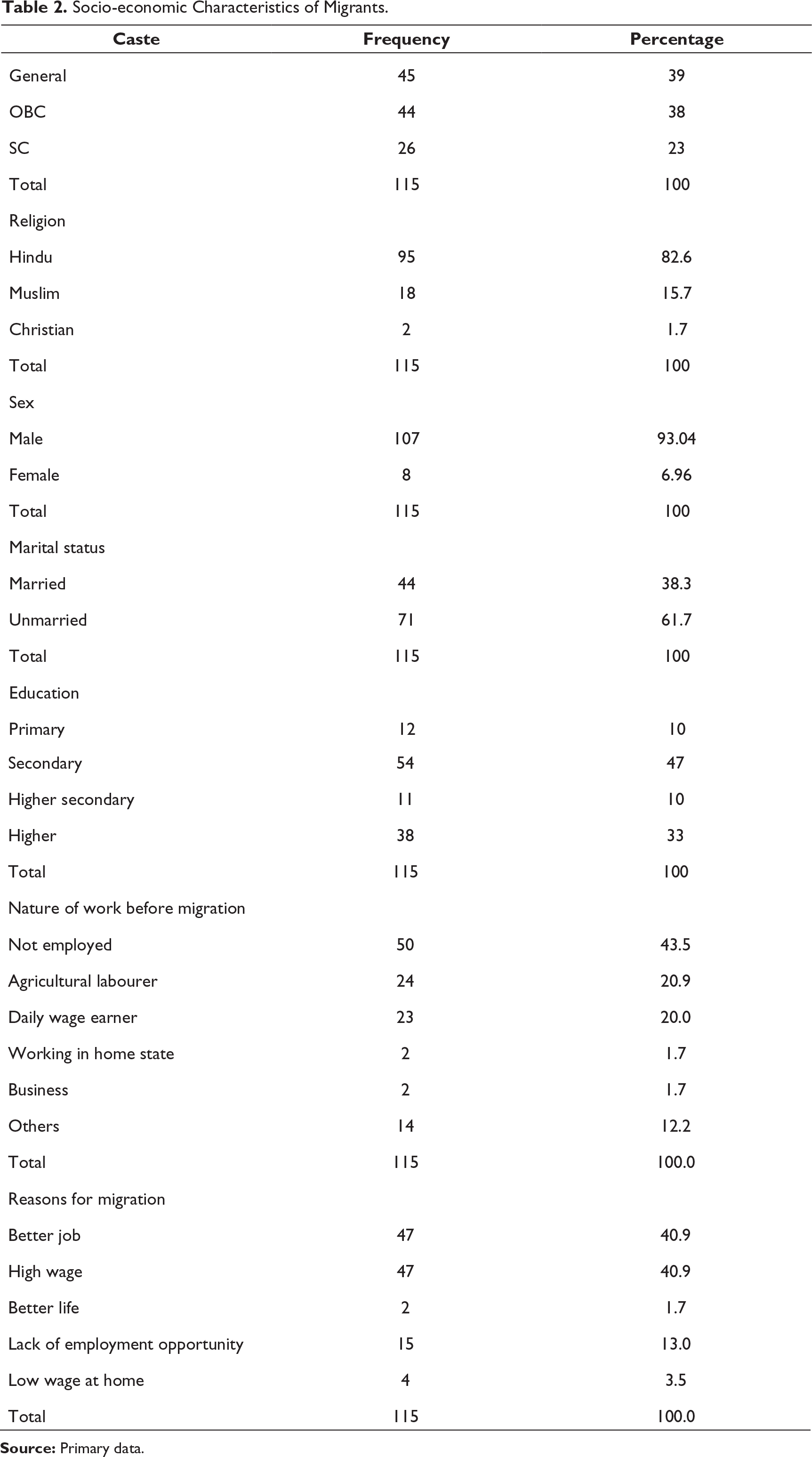
The study is an analytical one. Both secondary and primary data are used in the study. Secondary sources of data and information are used to explore and answer the research questions of this study. The secondary data are collected from the Ministry of Health and Family Welfare, World Health Organization, National Sample Survey reports, Odisha Economic Survey, etc. Further, this study’s major findings have been analysed by drawing the ideas and arguments from various books, articles, reports, journals, etc. Primary data are collected from returned migrants to Odisha. So purposively, the study considered returned migrants to Odisha during COVID-19 through the snowball sampling technique. A total of 115 returned migrants come under the purview of the study all over Odisha. The information about loss of income, current occupation and employment opportunities is collected from respondents through the direct personal interview method. Descriptive statistics such as percentage, frequency, average and a regression model are used in the study.
To examine factors affecting the extent of vulnerability of migrants, the study has used a multivariable regression model. The functional form of the model is given below.
Index of vulnerability = f (education of migrant, own income, household income excluding own, nature of work, days worked after reverse migration)

where IOV (index of vulnerability) is a composite variable of index score of nine variables in ordinal scale.
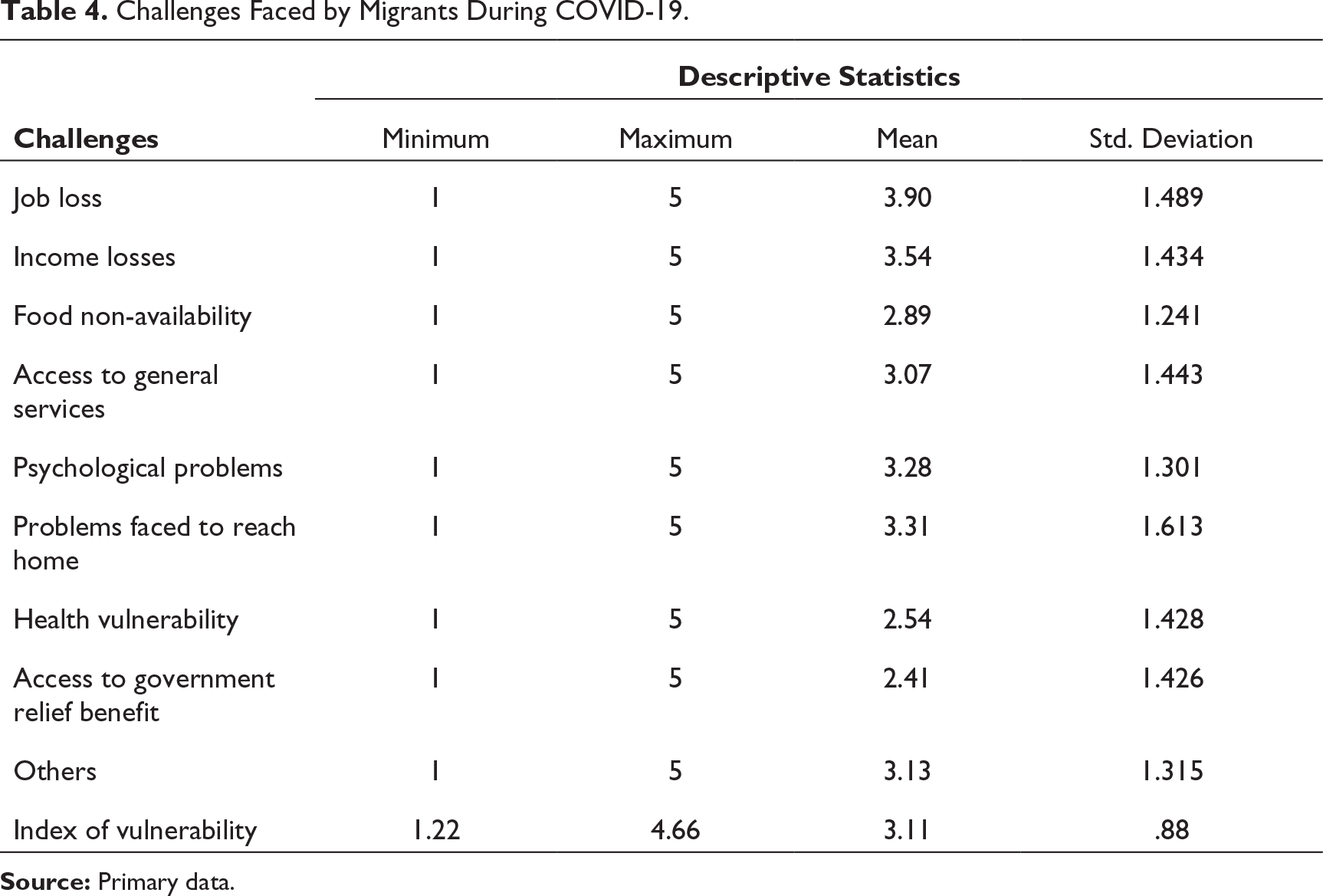
The parameters used in the vulnerability index are shown in Table 4. The index is formed by taking a score of nine parameters on a rating scale of 1–5. The average score of those nine variables is taken as the index of vulnerability. One component of the index is job loss which has highly troubled most of migrants with improper or no contracts. Job losses put heavy pressure upon migrants. Likewise, income loss is another precarity parameter faced by migrants. Those who lost their job had no doubt lost their income and also those who were still with job, were paid reduced amount. Loss of income negatively impacted consumption patterns and brought out economic crisis for them. The restriction on movement resulted in problems to avail food. Likewise, access to general services was also affected for migrants generally living at urban areas. The fear of virus spreading and shutdown of major economic activities had created psychological and mental complications about health and economic vulnerability. Migrants also had faced difficulties in reaching home. The closure of transportation facilities forced migrants to adopt any means of transportation by which they suffered. Health issue during the period, particularly the spread of the coronavirus among migrants, was another challenge. Improper identification at destination raised the problem to avail government relief, and as well at home, many could not avail relief benefits. All other problems faced by them are considered as other problems. By considering the above nine problems faced by migrants, we structured the vulnerability index.
Edn: Years of schooling of returned migrants Owninc: Income of migrants HHInc: Household income excluding migrants NW: Nature of work, takes value 1: skilled 0: unskilled DW: Remunerative days worked after return ε: Rrror term
Reverse Migration to Odisha and Challenges Faced by Them
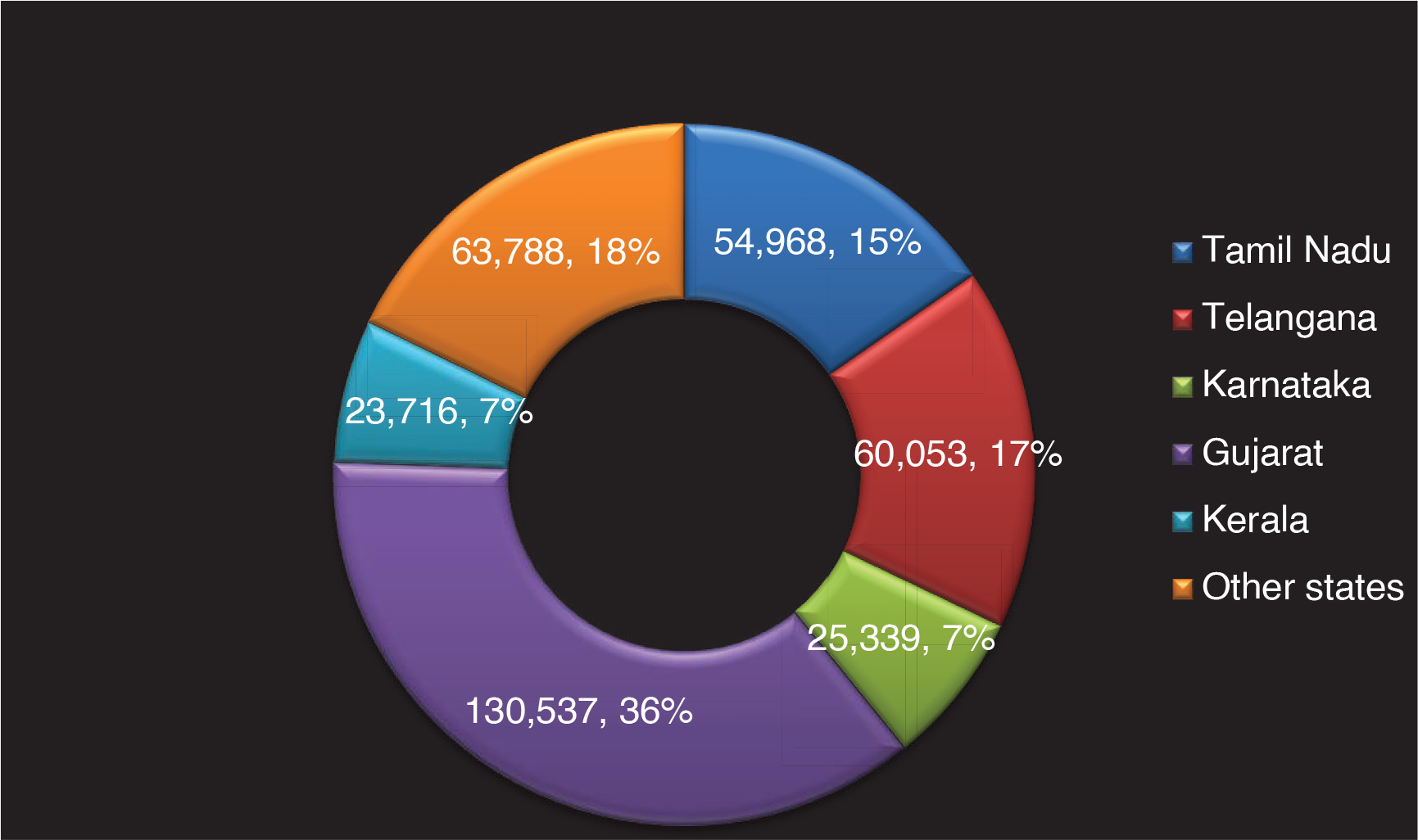
It is worth mentioning here that many migrant workers employed in the unorganised informal sector had returned to their home state due to different reasons during this COVID-19 pandemic. Loss of job, fear of coronavirus spreading and non-accessibility to general services were the important reasons for reverse migration all over the country. People flooded to their villages from the urban part in huge numbers. As a result, working population in the rural economy jumped all of a sudden. An instantaneous rise in labour supply took place in the rural economy of the country. Odisha, as a state with large out-migration, had suffered during the reverse migration due to COVID-19 both in the aspect of management to outbreak spreading of virus and economically mitigating the unemployment rate issue. There has been a large group of people returning to the state from different parts of the country for which labour supply in the rural economy has increased. The detail of reverse migration from different states and to different districts of the state is shown in Figure 1.
Returnees to Different District and From Different States by Road (by 19th September).
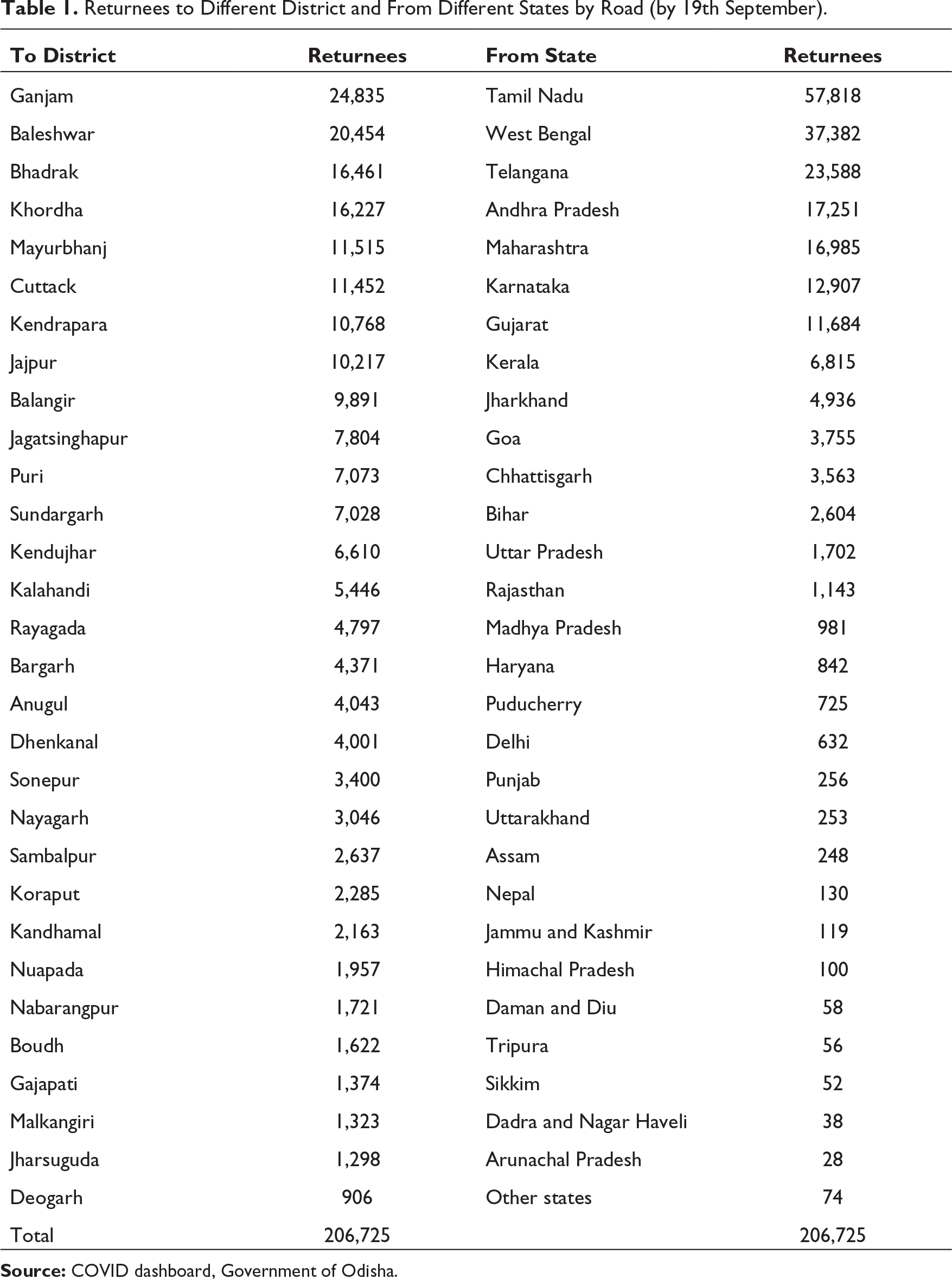
Table 1 depicts that people from different parts of the country attempted any means of transport either by bus, train or by personal vehicle by the road to reach their home state during COVID-19 lockdown. The district-wise reverse migration can be noticed here, where Ganjam district has highest followed by Baleswar and Bhadrak districts. The highest number of people returned from Tamil Nadu state, followed by West Bengal and Telangana by road. A total of 206,725 people have returned to Odisha from different parts of the country by road during this pandemic period. It indicates that some particular districts have experienced a large instantaneous increase in the workforce. And these workforces are prepared to work in their home state which leads to an increase in the labour supply of the area.
Socio-economic Characteristics of Migrants.
Job Satisfaction at Destination With Reasons (in Percentage).
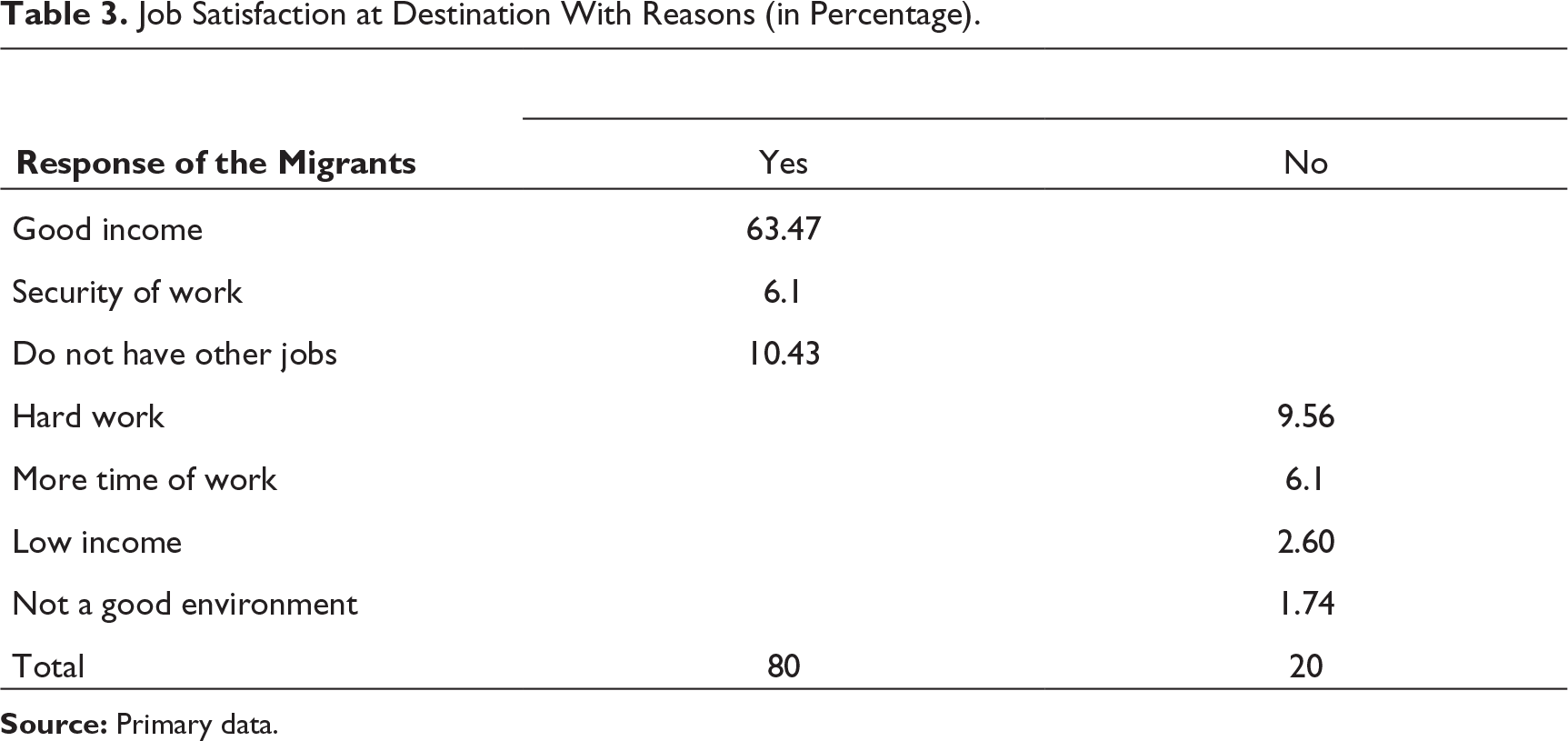
Table 3 depicts that 80% of migrants were satisfied with their job. And a good amount of income was the single most important reason for their job satisfaction. The security of work and lack of having other jobs were some other causes behind respondents’ job satisfaction. About 20% of the migrant respondents were not satisfied with their jobs. The reasons behind the non-satisfaction of the job were hard work, more work and low income.
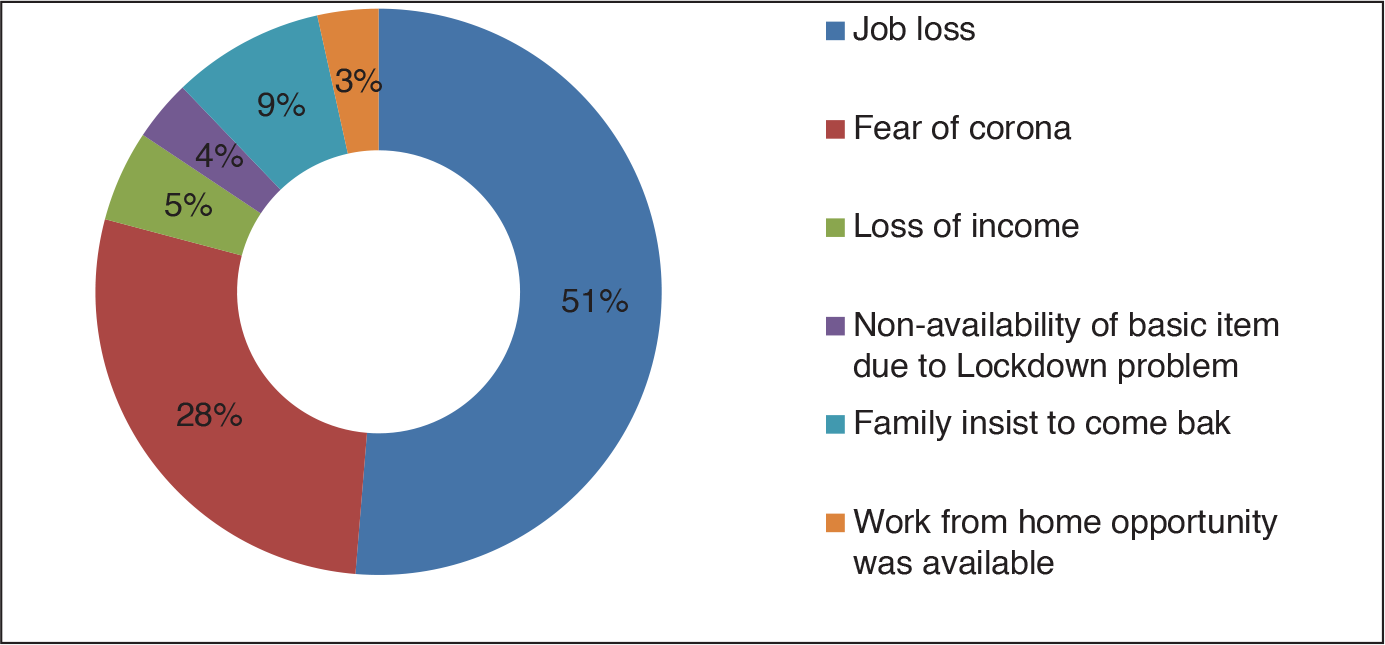
The coronavirus pandemic emerged as a devastating force on the economic, social aspects of the world. One of the highly affected groups during the period are the migrants. The situation forced them to go back to their native place due to different reasons. Migrants reversed from the destination state to home state on a huge scale for different reasons as shown in Figure 2.
Challenges Faced by Migrants During COVID-19.
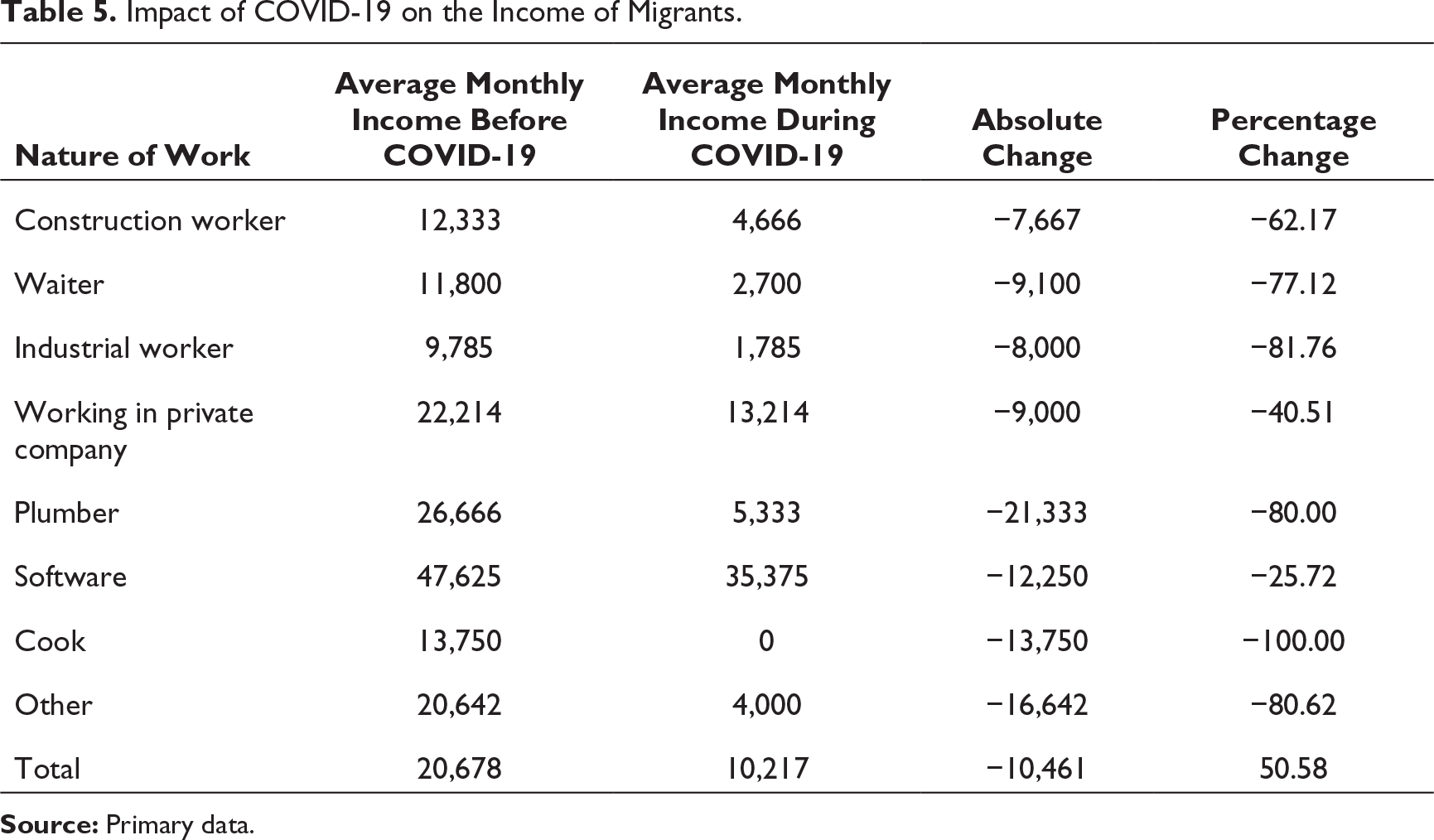
Impact of COVID-19 on the Income of Migrants.
Regression Results.
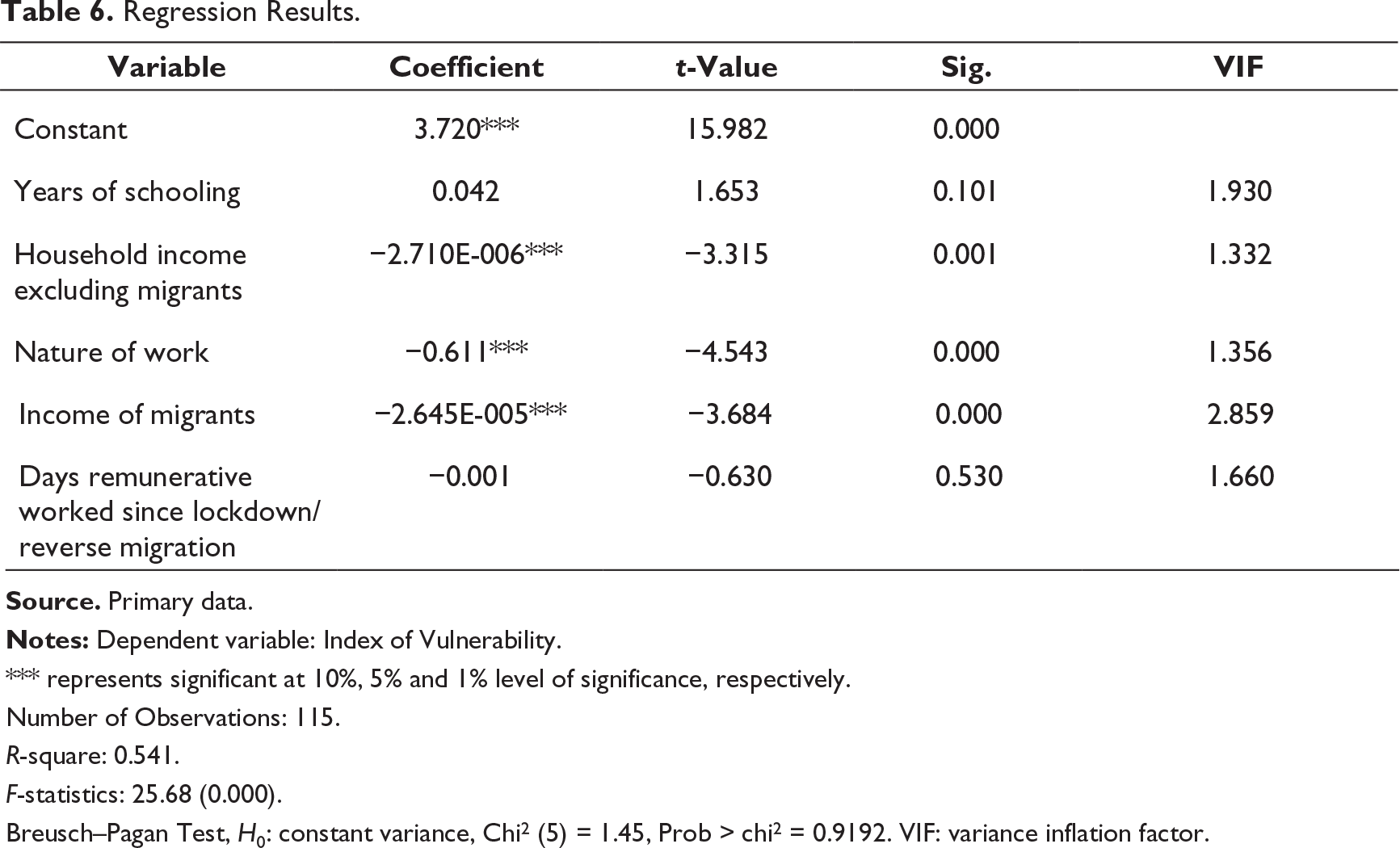
*** represents significant at 10%, 5% and 1% level of significance, respectively.
Number of Observations: 115.
R-square: 0.541.
F-statistics: 25.68 (0.000).
Breusch–Pagan Test, H0: constant variance, Chi2 (5) = 1.45, Prob > chi2 = 0.9192. VIF: variance inflation factor.
The model reflects that the income of migrants, the income of households excluding migrants and the nature of work have a significant impact on the vulnerability of migrants. Years of education have a positive impact on the index of the vulnerability of migrants, but not statistically significant. Household income excluding migrants has negative significant impact on index of vulnerability at 1% level of significance. Nature of work in the model is a dummy variable, which takes the value 1 for skilled migrants and 0 for unskilled. Nature of work has a negative significant impact on the vulnerability of migrants at 1% level of significance. If the migrant is a skilled one, the index of vulnerability decreases by 0.6. The income of migrants also has a negative significant impact on the index of vulnerability at a 1% level of significance. Remunerative days worked since reverse migration has a negative impact on the index of vulnerability but not statistically significant. Migrated people have heterogeneous characteristics, and numerous factors are responsible for migration. Though it seems mentioned explanatory variables may have a correlation, but it was observed that some persons having better education level are getting a low level of income compared with less educated. Likewise, the nature of work also has the same situation. Though there is a relation between independent variables, but it is not that strong enough among migrants having very heterogeneous characteristics. The issue of multicollinearity can be ignored here as every variable has very less VIF. The heteroscedasticity issue was also considered in the model and the residuals were plotted in the scatter plot, but no definite pattern was noticed in the figure. Still, the study goes for the Breusch–Pagan Test and found the model’s absence of heteroscedasticity.
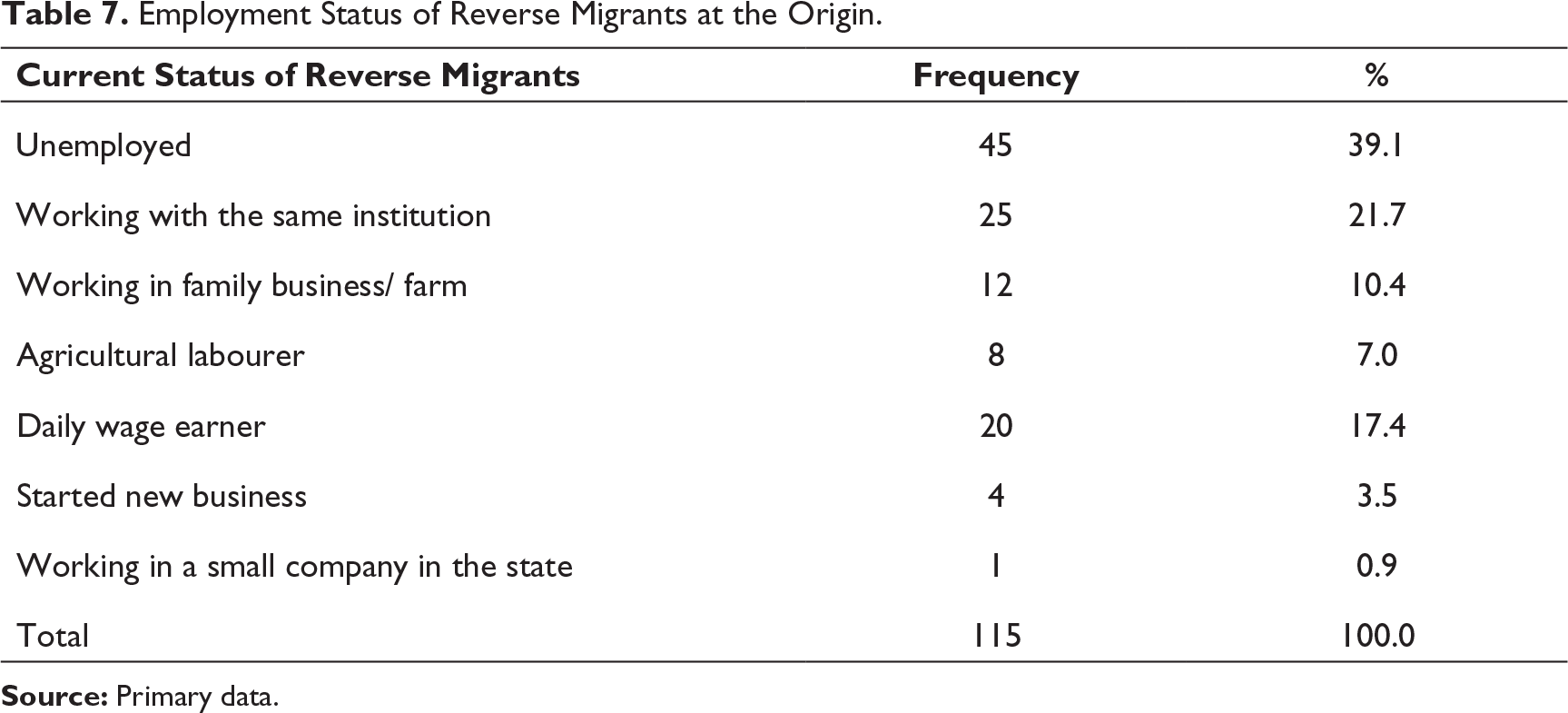
Employment Status of Reverse Migrants at the Origin.
Challenges Faced by the Reverse Migrants in the Home State After Return.
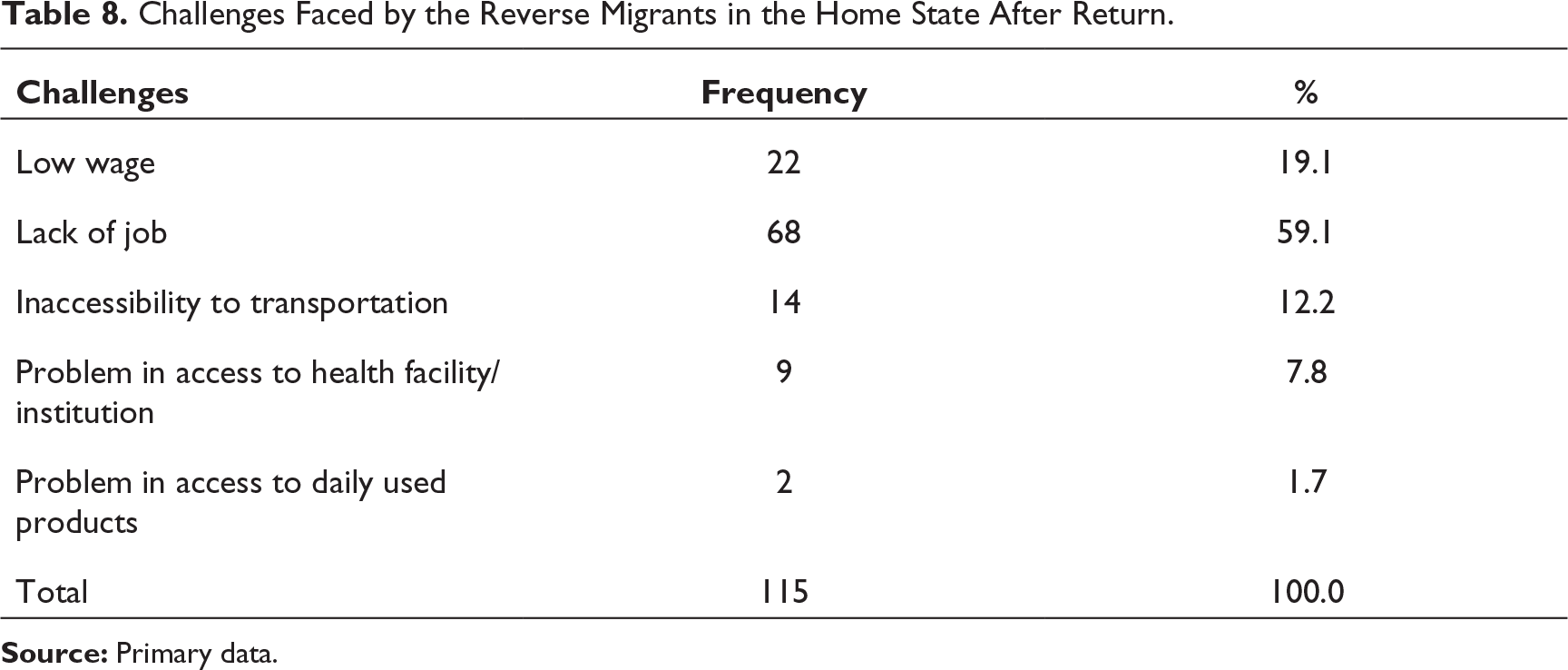
Lack of job is the most important challenge (59%) faced by returned migrants in the home state. Some of the respondents (19%) have said that they are getting low wages in the home state compared to the state where they were staying. Some other challenges like inaccessibility to transportation, health institutions and daily used products are different issues faced by those returned migrants.
COVID-19 is unprecedented health and economic crisis, which hinders economic development and poverty reduction. In this crucial time period, the government is intervening to minimise the COVID-19 lockdown’s adverse effect. The government has adopted the multiapproach method to tackle the problem. On the one hand, it tried to improve the health system and imposed lockdown to reduce the spread of the virus and take care of infected persons while providing financial packages to vulnerable groups. Ministry of Labour and Employment has issued an advisory to employers of public and private establishments (including ministries and departments) to extend their coordination by not terminating their employees, particularly casual and contractual workers, from their job or reduce their wages (ILO, 2020b).
The role of government in a country’s social and economic condition increases in the time of natural disasters like the current COVID-19 pandemic. In this situation for the welfare of the state, the Government of Odisha has increased the coverage of poor beneficiaries under the State Food Security Scheme (SFSS) to ₹5 lakhs. This programme became helpful to many poor and daily wage earners, who were unable to earn in lockdown. In the time of lockdown, many migrant workers followed any means, either by walking or by cycling, to reach their native place. At that time government of Odisha had provided relief to those migrants by opening temporary camps to provide food and drinking water on the roadside. The government also tried to help migrant workers of Odisha living in different parts of the country due to lockdown by setting 30 helpline centres. To co-ordinate with other state governments, senior IAS officers of the state were appointed as nodal officers to provide food and relief in their respective states. But when time goes on, and still COVID-19 spreading could not be stopped, the government of Odisha tried to bring back those migrant workers of Odisha residing in different parts of the country. In response to this 6 lakh migrants have registered with the state government portal to stay in institutional quarantine centres after their return. In the state, a number of 17,647 temporary medical centres have been prepared in 6,798 Gram Panchayats. A total number of 826,079 beds have been arranged in these centres to provide temporary COVID-19 health services in rural areas. The government has projected a minimum expenditure of ₹120 for each adult and ₹100 for a child under 14 years per day in their quarantine centres for food expenses. Along with that, those migrants will get a personal hygiene kit of ₹300, which would include a toothbrush, paste, soap, sanitary pad, mug, masks, oil and basket. In addition to that, an amount of ₹2,000 would pay to those migrants who would complete institutional quarantine as a financial incentive.
The government of Odisha is thinking about generating employment for a large number of people, specifically farmers, daily wage earners and migrants, by which the economy will be revived. To execute the above idea, government has announced ₹17,000 crores package to generate jobs for poor farmers and returned migrant workers from different parts of the country on the eve of the BJD government’s first anniversary in its fifth term (Indian Express, 2020). This financial package is named Special Livelihood Intervention Plan, scheduled to be operational in June 2020 and will continue up to March 2021. This package aimed to help those who have been severely affected during the COVID-19 lockdown, especially in rural areas. To make migrant workers more technical, ₹140 crore will be used for the skill development of 40,000 migrant workers returned from different parts of the country by the Panchayati Raj Department.
Opportunities and Way Forward
The important matter of concern here is to deal with the post-COVID-19 crisis. The economy is facing increasing unemployment and reverse migration. Migrants are facing different difficulties related to life and livelihood. So it should be the concern of authorities to provide basic amenities, food and healthcare facilities to migrant workers. And policy to be formulated in such a manner to absorb these returned migrants to the home place and urban employment. Intensification and diversification of agriculture through irrigation improvements could hold migrants in rural areas with productive employment. India’s agriculture sector was able to withstand the critical phase, and surplus grains in the economy helped to reassure the citizens. Therefore, this can be an opportunity for India to focus on this sector to cater to the world food market’s needs and emerge as a leader. Since the workers have migrated to their homes and will remain for at least a year or more, thus they can be engaged in agriculture and allied activities such as poultry, animal husbandry, dairy, medicinal plants, sericulture (cultivation of silkworms to produce silk), apiculture (maintain honey bees for the production of honey and the wax), floriculture (uses: aromatic soaps, incense sticks, cosmetics, perfume and pharmaceutical industry) and fisheries. Along with the farm sector, regular employment opportunities in the nonfarm sector to build the linkage between production, consumption and factor market be strengthened. Using locally available raw materials, supply chain disruption can be addressed, and demand creation can be planned for rural areas by self help groups (SHGs) platform. The government should facilitate the credit linkage to these SHGs and agencies, including farmer producers. Vertical integration is an arrangement in the supply chain where different parts required to produce the final product are shared among different industries. This arrangement helps cost reduction, lessens workload and time involved in the process of production.
Another key step to revive the rural economy is to boost the medium, small and micro enterprises (MSME), labour intensive, seems to be an appropriate alternative for rural employment generation. Strengthening MSME sector could absorb more labour as this sector is a labour-intensive sector. By this process, the unemployment problem could be minimised, and production will be increased in the economy. Productive utilisation of local resources will occur at the time of production, and employment will be increased. To articulate the process, there is the need for skill enhancement of those migrants. Under the Skill India Mission, these workers should be imparted with training (in plumbing, electrical works, IT-related, etc.) to develop new skills to upscale themselves. Therefore, a comprehensive employment policy combined with the industrial policy is necessary to address transformation, boost real wages in rural areas, ensuring industrial development and taking skill issues into consideration.
MGNREGA scheme can act as a boost to the employment scenario in the rural economy. Several projects can be undertaken under the umbrella of MGNREGA, which will see multiple benefits like employing the workers, developing rural areas and bringing a productive environment in the area. It is a cost-effective method to which requires minimum expertise and provides numerous benefits. Along with social protection in terms of best wage rates and relatively less exploitative working arrangements for workers to be considered. Migrant workers who return to their native villages and plan to find alternative livelihoods should be encouraged to invest in medium- and long-term livelihood options. Apart from this, credit should be made available to the migrant workers through the primary agricultural co-operative societies, commercial banks, a special line of credit and Kisan credit cards with ease in processing with zero rates of interest. Providing counselling to migrant workers will help the stranded migrant workers to make logical decisions rather than emotionally charged ones during these difficult times.
The problem with the government is it does not have reliable data on this migrant workforce. The figures available are entirely obsolete. The absence of authentic data is bound to hamstring the government in making preparations for this workforce’s return. There is an urgent need to create a database for the migrant workers. At the panchayat level, a system should be created for the registration of every migrant worker. This would help the government to extend benefits to the workers during any crisis like the COVID-19.
Conclusion
Migrants have been severely affected by COVID-19 spreading and lockdown due to loss of jobs and income. As a result of this, a huge reverse migration is being noticed all over the country and, more particularly, less developed states like Odisha. The workable population has increased due to huge reverse migration, for which labour supply has increased in the rural economy. After returning, those people are facing many problems, one of the important of them is lack of job opportunity. And many of them are working at a low-level wage rate. The dimension of the vulnerability of returned migrants is numerous. Those people’s average monthly income has drastically declined, which is a matter of concern from the standard of living point of view. Migrants having less income by own or by family persons suffered the most in this unpleasant period. Not only economically but also at the mental level, those migrants are surviving under heavy pressure. Greater unemployment among those is a serious matter of concern from the economic and social point of view. Many returned migrants also remain excluded from government benefits for ‘neither here, not there’ status. A crisis always provides an opportunity for ‘building back better’: these consist of essential social protection, availability of information about structure and status of migrants and constructing progressing economic structure with the availability of a large workable population. Effective policy response for engagement of those people in rural areas could curb the adverse effect of COVID-19 on migrants. The government of Odisha’s suitable mechanism is to reinstate migrants into the labour market, ensuring them social security in any socio-economical or health-related undesirable situations.
