



Abstract
Objective
To propose a model of how attentional effort varies over time in a vigilance task and how this effort relates to subjectively inferred context. To propose an estimation methodology and test the empirical validity of the proposed model in a naturalistic dataset.
Background
Attentional effort in a task can vary based on how an individual subjectively perceives the task context. However, both attention exertion and subjective context perception are not directly observable. We present a methodology for estimating a structural model that explicitly incorporates subjective models of context perception and attention allocation policies. To our knowledge, this is the first methodology to estimate a structural model of attentional effort dynamics.
Method
A Bayesian model of attentional allocation that integrates subjective perceptions of task-relevant context is developed. An estimation methodology based upon expectation-maximization algorithm is proposed to uncover how the allocation of attentional effort is adapted to subjectively perceived context.
Results
The methodology is applied to a naturalistic dataset of Major League Baseball umpire decisions, revealing context perception (i.e., how umpires infer game situations) and attention allocation policy (i.e., how umpires adjust attentional effort). Model reveals that umpires adjust attentional effort based on inferred game criticality and status bias.
Conclusion
This work advances understanding of vigilance failure by providing a structural account for contextual inference determines attentional effort. The estimated model closely tracks empirically observed decision accuracy patterns in a naturalistic dataset.
Application
The proposed model enables counterfactual predictions, allowing exploration of hypothetical interventions to improve decision accuracy in environments that require sustained attention.
Keywords
Introduction
Tasks that require sustained attention over prolonged periods, are prone to performance degradation, and the resulting errors often stem from lapses in attention by human operators (Hancock, 2017; Warm et al., 2008). These errors range from minor oversights to serious failures, as seen in radar monitoring (Mackworth, 1950), quality control (Badalamente & Ayoub, 1969), airport baggage screening (Ghylin et al., 2007), and radiological image interpretation (Taylor-Phillips et al., 2015). While classic theories attribute declines in sustained attention to the depletion of finite cognitive resources over time (Grier et al., 2003; Warm et al., 2008), recent evidence challenges this view. For instance, in a study of expert radiologists performing prolonged breast cancer detection tasks, diagnostic accuracy was found to improve with time on task (Taylor-Phillips et al., 2024). Recent models argue instead that attentional effort is dynamically and strategically allocated based on perceived reward, motivation, and cost, rather than diminishing resource availability (Esterman & Rothlein, 2019; Fortenbaugh et al., 2017; Hockey, 2011; Wang et al., 2022).
A central factor in this strategic allocation of attentional effort is context. Rather than being shaped solely by cognitive load or task demands, research has shown that contextual learning can rapidly and automatically influence the instantiation of a given attentional set, indicating that attentional control can be modulated by learned contextual cues (Cosman & Vecera, 2013). Studies show that attention guidance is dependent on stimuli appearing in behaviorally relevant contexts (Britt et al., 2025). In fact, the notion of context is key to explaining how humans adaptively perform complex learning and memory tasks, making context-driven behavior a longstanding focus in psychology and neuroscience (Gershman, 2017). For example, context-dependent cognitive processing underlies human abilities to perform complex tasks, influencing spatial navigation (Gulli & others, 2020; Julian & Doeller, 2021; Plitt & Giocomo, 2021), problem solving strategies (Weitnauer et al., 2023), motor planning and execution (Heald et al., 2018, 2021; Wolpert & Kawato, 1998), learning and decision making (Geerts et al., 2024), cognitive control mechanisms (A. G. Collins & Frank, 2013), and memory structure and generalization (Franklin et al., 2020).
Although context profoundly influences cognitive processes and decisions, it is frequently hidden or only indirectly observable, reflecting subjective perceptions, beliefs, and internal states that are resistant to direct measurement (Heald et al., 2023). For example, in professional sports officiating, an umpire’s internal sense of game importance or momentary bias, although not directly observable, can influence vigilance fluctuations and consequently their judgment and accuracy. These internal states are often reflected in situational features such as pitch count or game score, which act as external cues to the underlying context. A growing body of research has formalized inference processes using probabilistic models, showing that people rely on environmental cues to infer such latent structure (Gershman, 2017; Gershman & Beck, 2017; Heald et al., 2023). Yet, the question of how these inferred beliefs influence the deployment of cognitive resources, such as attention or effort, remains less well understood. While studies show that reward effects on attention are context-dependent (Bourgeois et al., 2016; Pessoa, 2015), the context is usually predefined by the experimenter (e.g., a reward cue or task condition), limiting the relevance of the model to naturalistic environments. Further, few existing frameworks formally link the inferred context to control processes, limiting our ability to model and predict how individuals regulate attentional effort in response to situational demands.
This work seeks to bridge this theoretical gap by proposing a Bayesian framework that integrates context-inference models with mechanisms of attention regulation in vigilance tasks. Building upon Gershman’s probabilistic framework of context-dependent learning (Gershman, 2017) and theories of attentional effort grounded in executive control and strategic allocation (Kurzban et al., 2013; Thomson et al., 2015), we propose that individuals form subjective beliefs about the context based on observable task features, and dynamically adjust attentional effort according to these inferred contexts. Throughout this paper, we use the term “attention” to denote vigilance, understood as the regulation of cognitive engagement over time, rather than spatial attention or orienting.
Overview of the Proposed Framework and Analysis
Figure 1 provides a conceptual overview of our model. The agent has access to observations Contextual inference and attention control.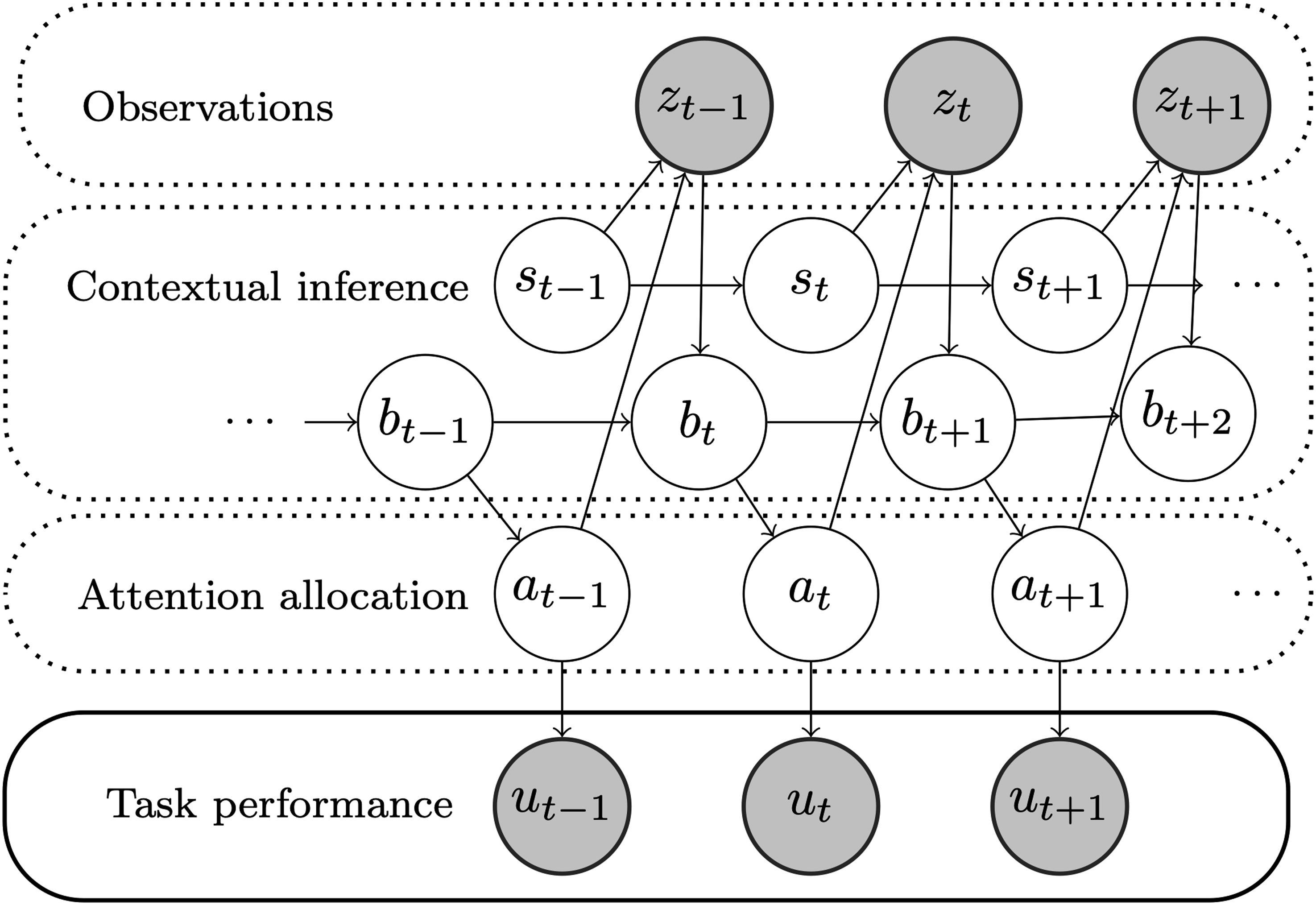
Application to Naturalistic Discrimination Task Dataset
We apply our method to a naturalistic dataset of Major League Baseball (MLB) home plate umpire calls to investigate the dynamics of attentional effort. In baseball, home plate umpires must classify each pitch as either a “ball” (outside the strike zone) or a “strike” (within the strike zone); see Figure 2(a). Despite extensive training, umpires occasionally make incorrect calls. MLB publicly provides pitch-level data via the PITCHf/x system, which precisely tracks pitch trajectories and various game features. Crucially, the dataset includes ground-truth classifications derived from high-resolution camera systems (MLB, 2025). Results from our model of attentional allocation. (a) Visualization of a strike zone with umpire call errors from a real game. The black outline represents the official strike zone boundary. The orange area highlights the region close to the strike zone boundary where most umpire call errors occur. (b) The plot shows the probability of an umpire (Umpire II in this study) making a correct call as a function of the distance from the strike zone boundary (x-axis), comparing predictions from the high-attention model (green) and low-attention model (red).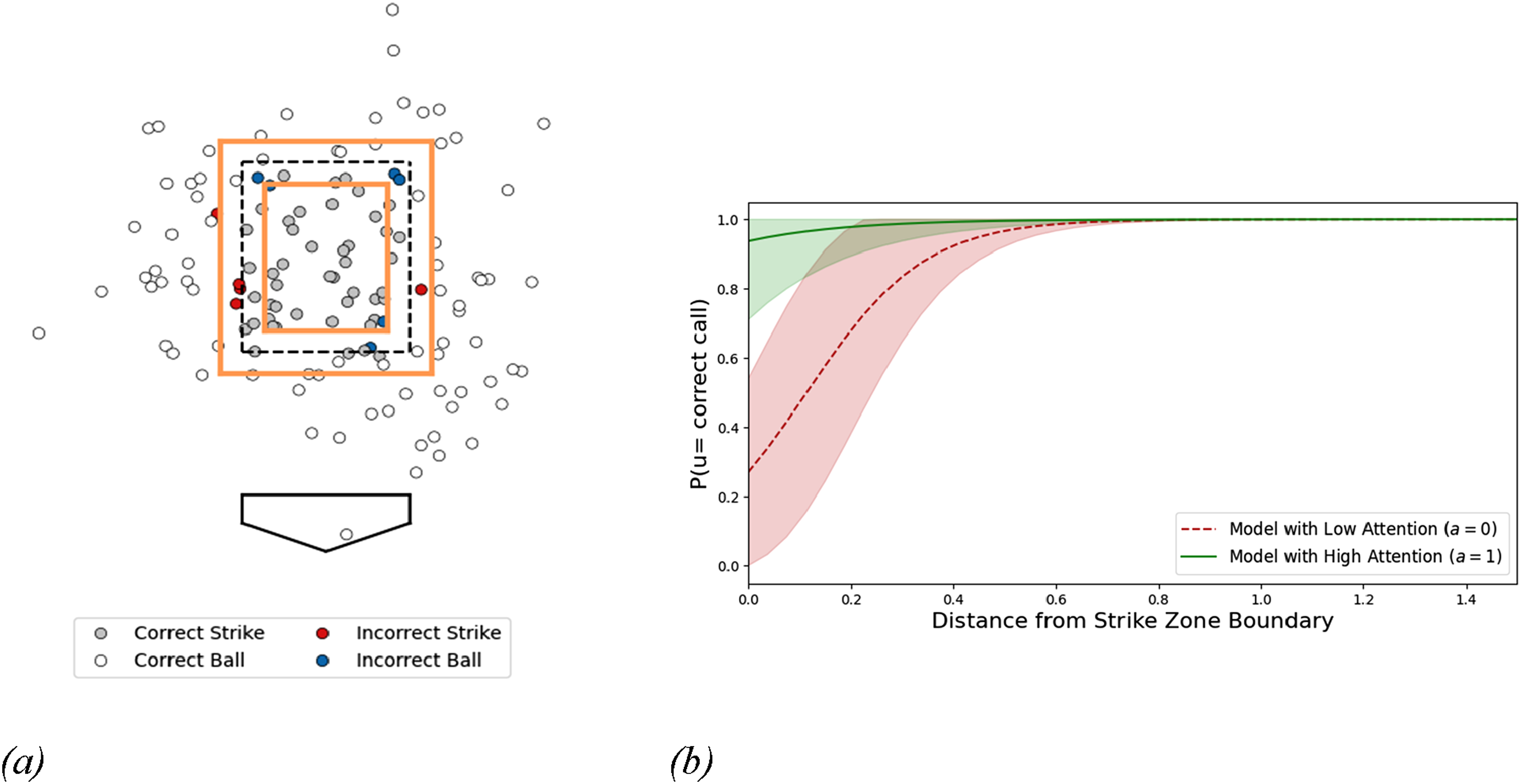
A substantial body of research explores how observed accuracy correlates with observable factors such as pitch speed, location, and pitcher status (Archsmith et al., 2025; Flannagan et al., 2024; Kim & King, 2014; Mills, 2014; Parsons et al., 2011). For example, Archsmith et al. (2025) models observed accuracy as a function of “leverage,” a composite measure capturing the stakes of each play. The authors argue that attention operates as a depletable resource, citing evidence that high effort early in a game correlates with increased errors later on.
However, this interpretation is problematic for at least two reasons. First, observed accuracy is not a direct measure of attentional effort, which remains an inherently latent construct. Second, the observed correlation between leverage and accuracy may simply reflect changing game conditions rather than shifts in effort. In high-leverage situations, pitchers often target the strike zone’s edges more aggressively, making pitch calls more difficult. The resulting higher error rates may stem from task complexity, not reduced attentional engagement. Therefore, any model linking accuracy to strategic effort modulation must carefully account for such contextual confounds.
Our structural model addresses these issues directly by incorporating (i) an attention allocation policy that describes how umpires dynamically adjust effort based on inferred context, shown in Figure 2(b) and (ii) a model of subjective context perception that captures how umpires internally represent game situations, shown in Figure 3. Our findings show that high attentional engagement yields high observed accuracy regardless of task difficulty. In Figure 2(b), a high-attention policy (green line) leads to high accuracy even for borderline pitch locations, whereas a low-attention policy (red line) consistently results in lower accuracy. This pattern aligns with sustained attention theories linking mind wandering to performance declines (Mrazek et al., 2012; Smallwood et al., 2004) and increased susceptibility to bias (Demanet et al., 2013). The figure shows related probabilities across different game contexts 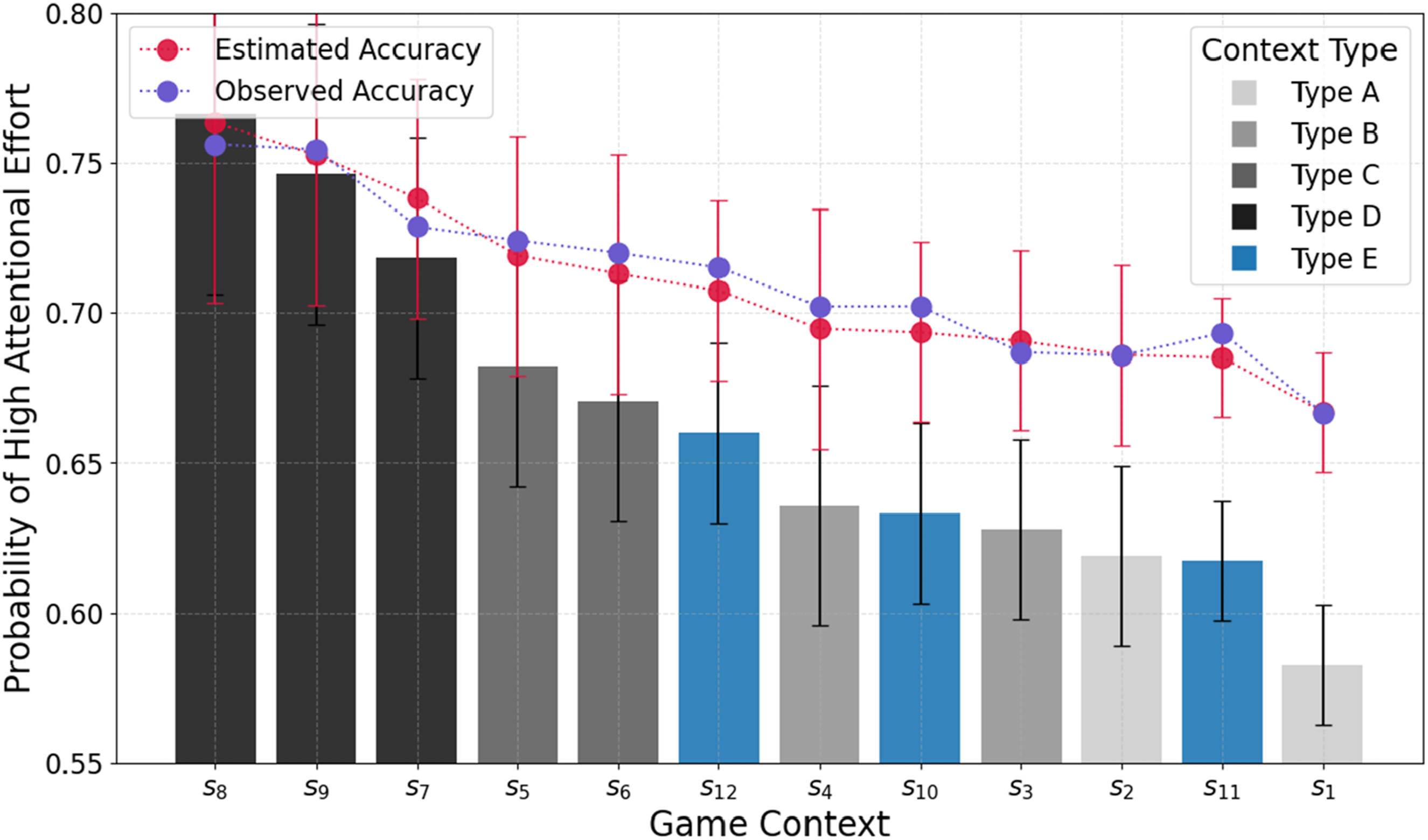
Figure 3 lustrates how subjectively perceived context, according to our model, determines the level of attentional effort. For instance, in Type D contexts (dark grey bars), umpires are predicted to allocate high attention with high probability. In contrast, in other contexts (e.g., Type E in blue or Type A in light grey), the model predicts low-attention levels. A detailed discussion of these context types follows in the section “Evidence from a Naturalistic Dataset” below. Notably, unlike prior regression-based approaches (MacMahon & Starkes, 2008), our model identifies previously overlooked features, such as pitcher reputation (Type E), as important drivers of attention allocation.
Perhaps most significantly, our structural model enables counterfactual predictions, simulations of hypothetical scenarios not directly observed in the dataset. This includes, for example, the effects of targeted incentives designed to improve performance. Laboratory studies suggest that enhancing performance-based rewards can counteract vigilance decrements and sustain attention (Esterman et al., 2016; Massar et al., 2016). Our model offers a principled framework for forecasting the impact of such interventions.
In the following sections, we begin by introducing our model, which links subjective context inference to a reward-based attention policy. We then present a variation of the EM algorithm to estimate attention allocation, followed by the discussion of results from the naturalistic dataset and a counterfactual analysis illustrating the benefits of context-sensitive attention modeling.
A Model of Context-Dependent Attention Allocation
Let the vector
The context Let Let While objective task performance Note that as As the agent has a subjective model of the context state variable To summarize, our model describes how an agent (e.g., the umpire) allocates attention for undertaking a task (e.g., classification). At every period, the agent perceives a set of visible cues about the task, denoted by

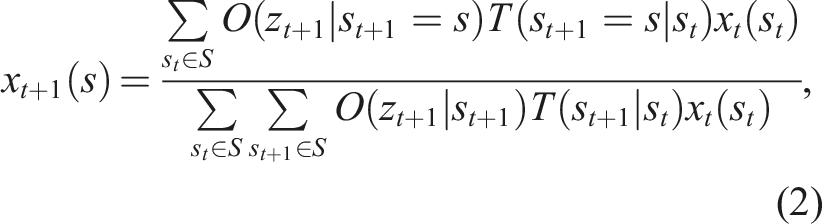

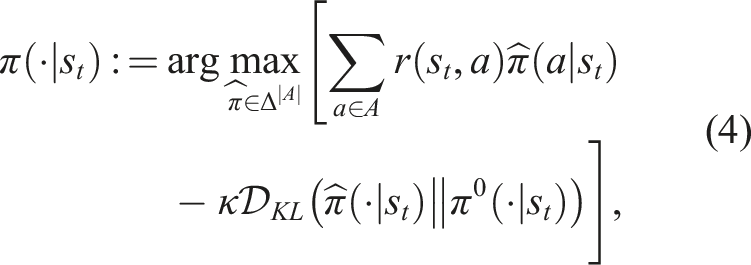
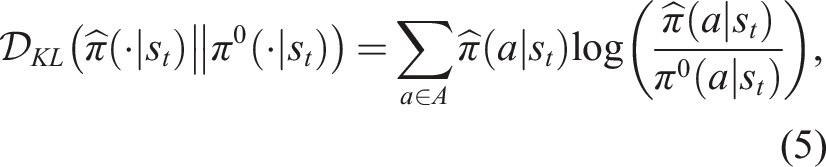

Estimation Methodology
The primitives of the model described in the previous section can be stacked into a single vector parameter

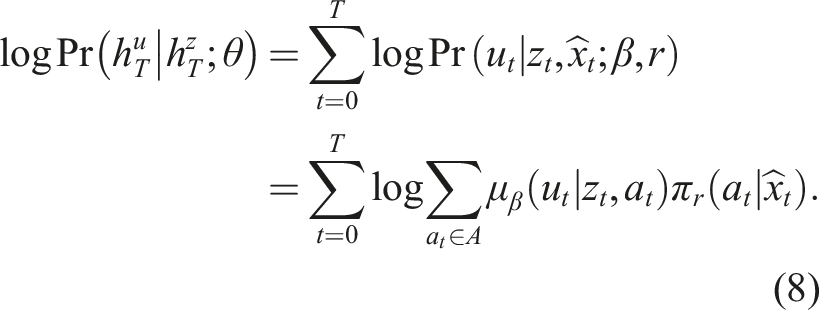
Since
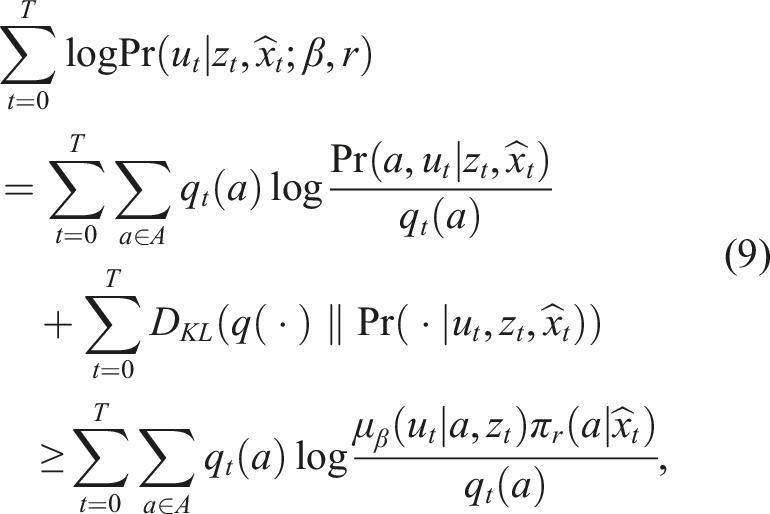
In our framework, Bayesian inference operates in two ways. At the behavioral level, it represents how the agent updates beliefs about latent contexts. At the methodological level, it is implemented through an EM-based procedure that approximates Bayesian inference over latent states and parameters. This Bayesian component is paired with a classical call precision model, in which the relationship between attention effort and decision precision (
Illustration with Synthetic Data
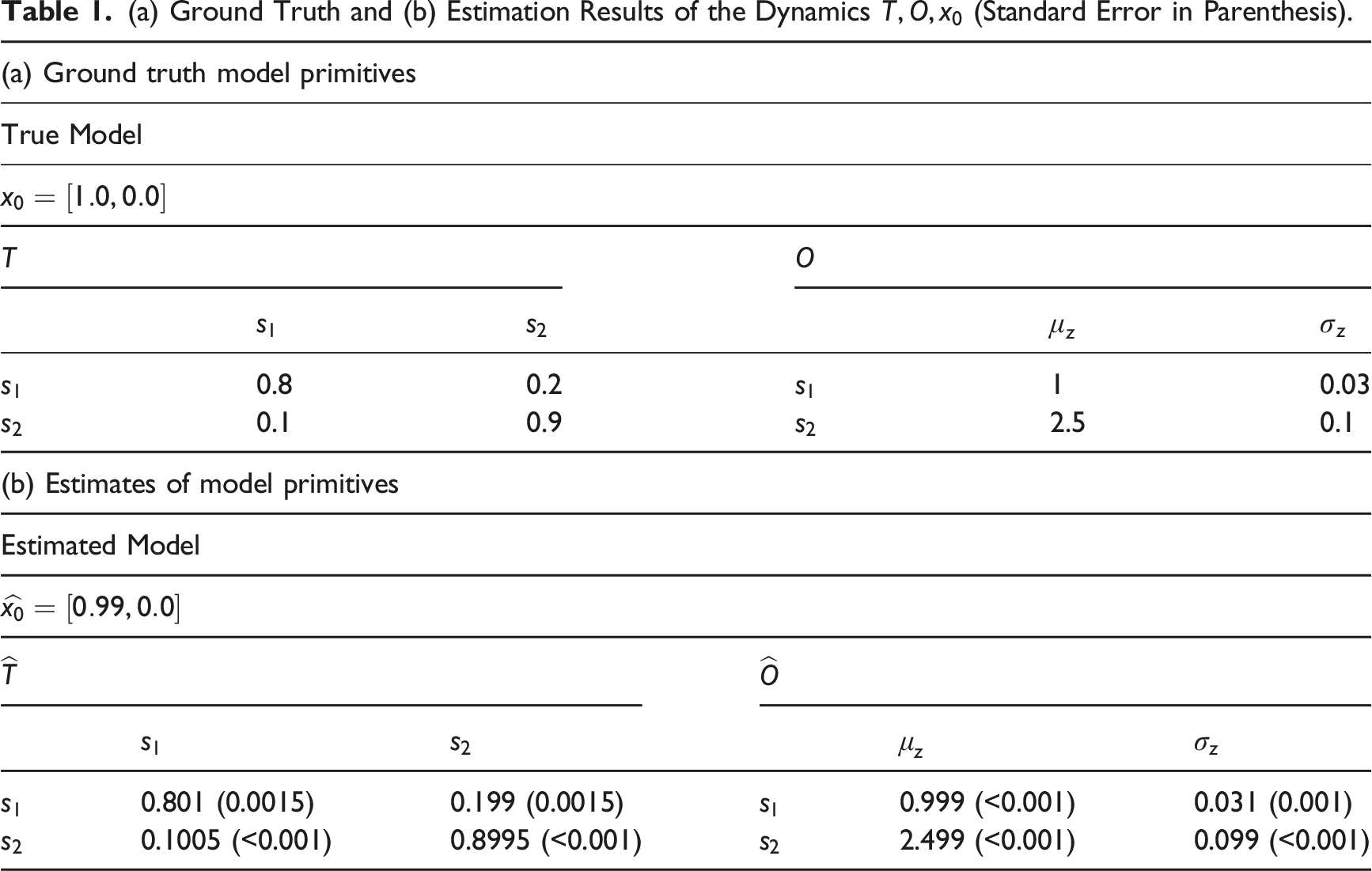
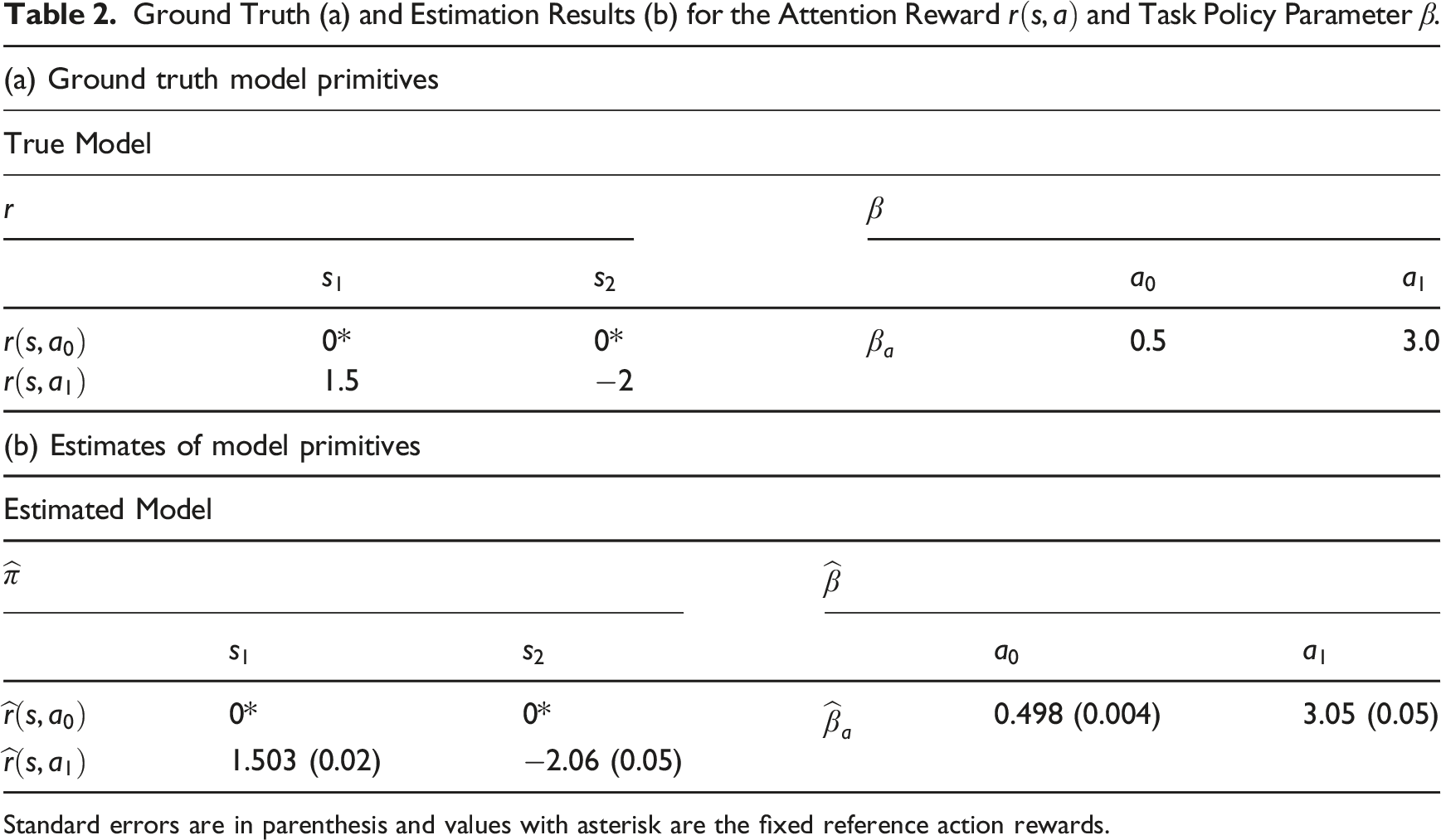
We test our model and estimation using a synthetic experiment with two contexts and a single observable variable Illustrative Example of Attention and Task Policies with two hidden contexts. (a) Attention Policy (Reward function): In context 1, action (a) Ground Truth and (b) Estimation Results of the Dynamics 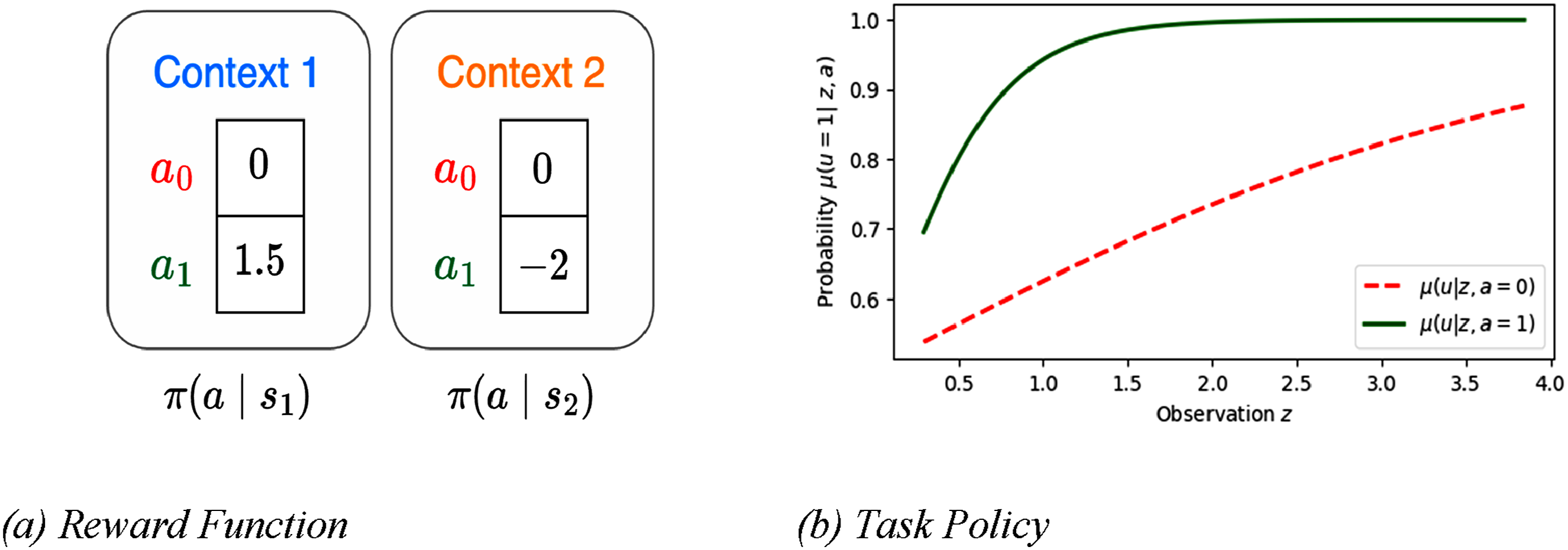
Ground Truth (a) and Estimation Results (b) for the Attention Reward
Standard errors are in parenthesis and values with asterisk are the fixed reference action rewards.
Evidence from a Naturalistic Dataset: Umpire’s Classification Task in Major League Baseball
We obtain pitch-level data for all MLB games from seasons 2008 to 2022 from MLB’s website (MLB, 2025). This dataset allows us to study attentional processes in a natural, real-world setting, where decisions carry real consequences, providing insights that extend beyond what can typically be observed in controlled laboratory experiments. It includes game details such as the identities of the home/away team, the players and season type. The pitch level details include pitch type (fastball, curveball, etc.), situational variables (inning, runs, etc.) and pitch outcomes. We restrict our analysis to regular season games and eliminate games that are suspended (e.g., due to inclement weather) and games that go into extra innings. This decision was primarily made to ensure consistency in game duration and remove potential outliers.
Rather than aggregating data across umpires, we focus on individual umpire decisions. As of 2022, umpire accuracy ranges from
The Umpire Model
Observations for Contextual inference
Following recent studies on umpire accuracy (Green & Daniels, 2014; Kim & King, 2014; Mills, 2014), we consider game related factors (
Attention Allocation
We consider umpire attention allocation as a binary action where
Call Accuracy Model
To model call accuracy, we incorporate pitch characteristics that influence the relative difficulty of making accurate calls, such as pitch type, speed, and proximity to the strike zone boundary (Flannagan et al., 2024; Kim & King, 2014). Pitch types are represented by categorical variables 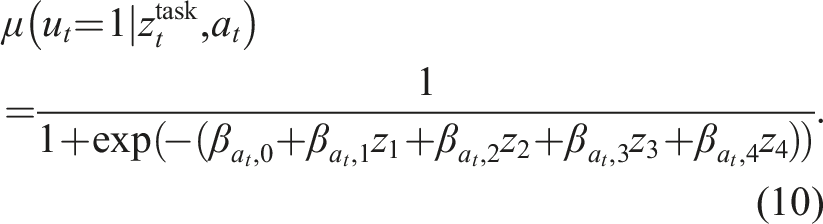
Reward Function
We model the reward for each context action pair such that
Validation
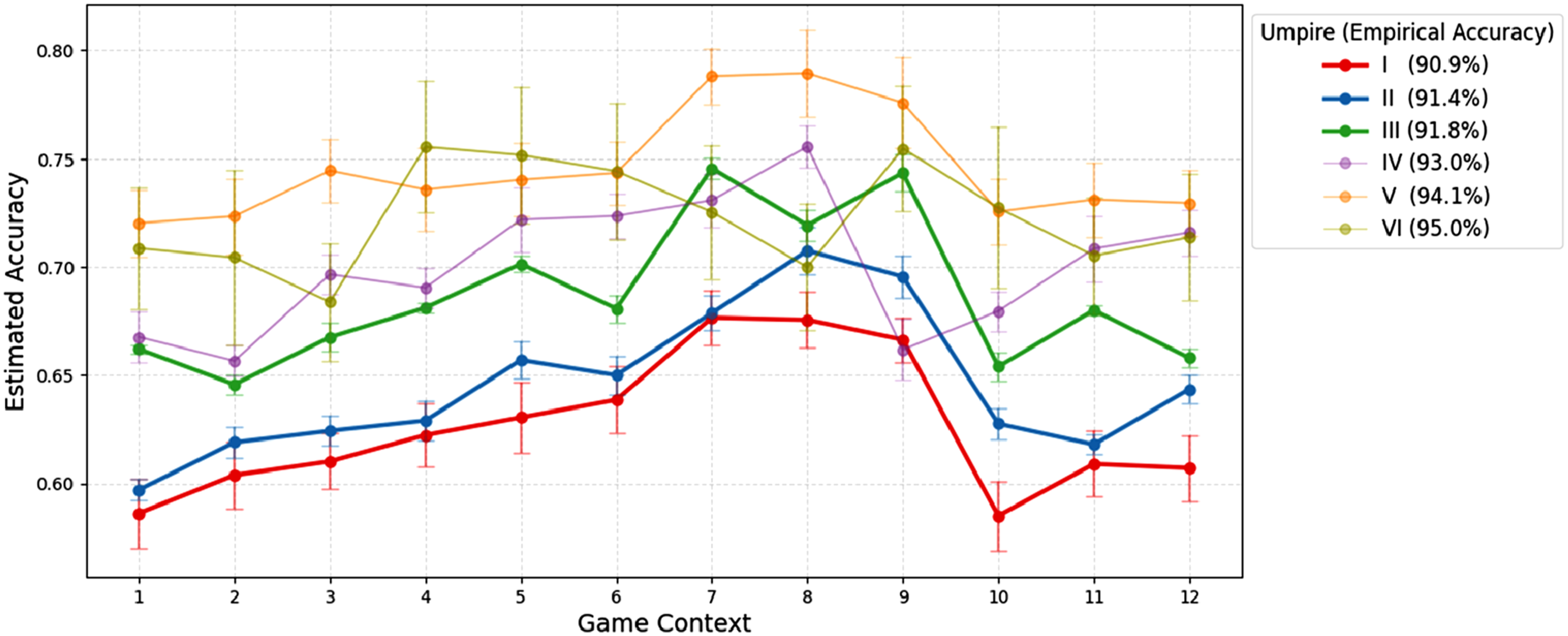
We begin by presenting the model’s validation results, establishing its descriptive adequacy relative to observed umpire decisions. We compare the model’s estimated accuracy patterns (red dotted lines in Figure 3) with empirically observed call precision across different game situations (blue dotted lines). The close alignment between these estimates and real-world decisions suggests that our model effectively captures how attention allocation shapes call accuracy under varying contexts. To assess the model’s robustness, we apply it to six umpires (Umpires I–VI), ordered by career accuracy from 90% to 95%. Each accuracy level is represented by an umpire with a sufficiently large call volume to ensure reliable estimation. In the context inference phase, we find that the inferred latent contexts are highly consistent across umpires. The differences in the estimated dynamics are minimal, on the order of 1e-3, indicating that the model captures a shared underlying structure of game contexts.
Furthermore, the model’s estimated accuracy patterns consistently align with observed performance across individual umpires (see Figure 5). In addition, our estimated probability of correct calls increases across umpires in a way that aligns with their overall career accuracy. For instance, in context 1, the estimated accuracy values for pitches located at the boundary ( The bar plots represent the probability of choosing the high-attention policy, Estimated probability of correct calls (y-axis) by Umpires for pitches at the boundary across different game contexts (x-axis). The overall career decision accuracy is presented in parenthesis.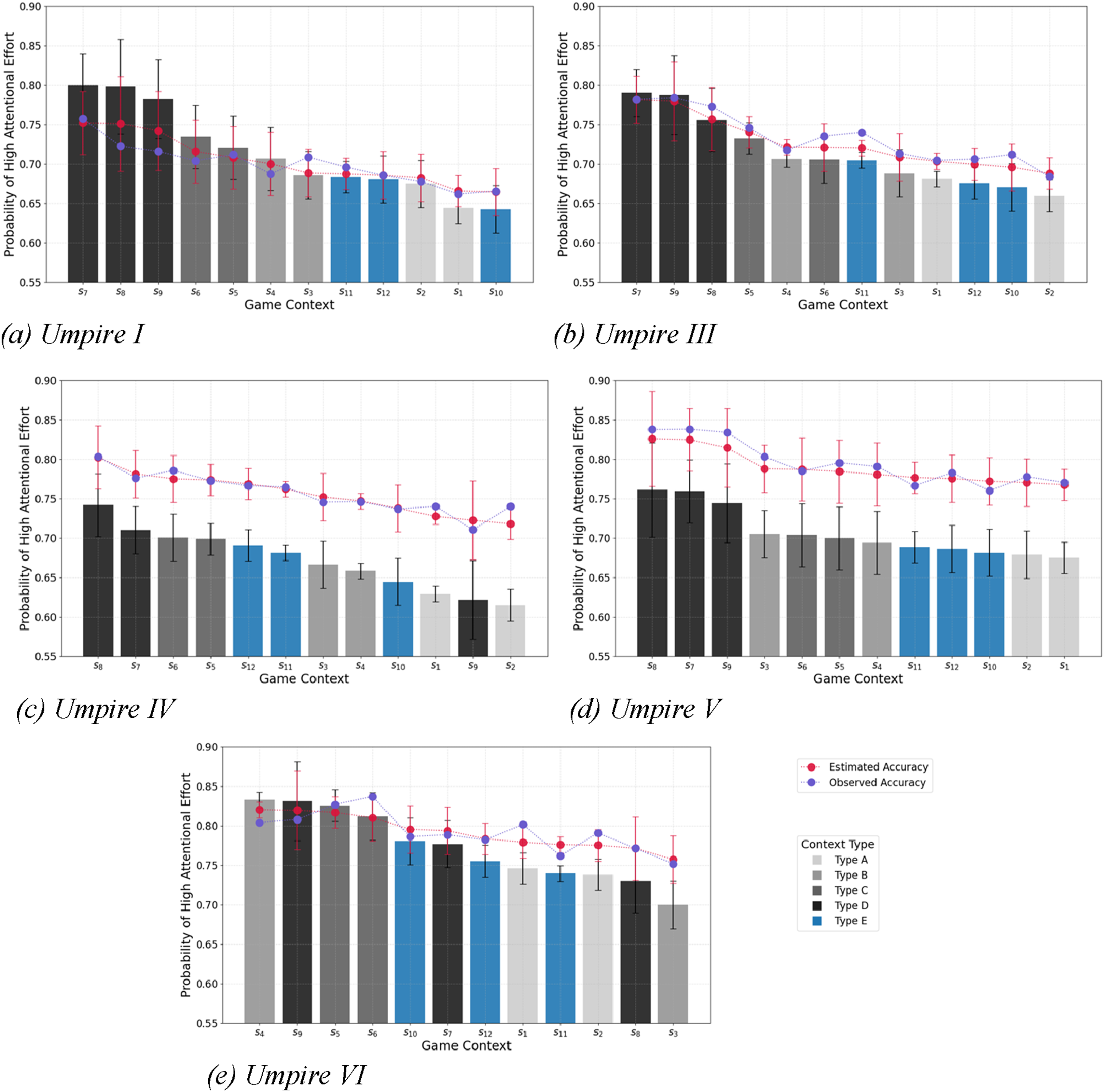
Estimation Results
For illustration purposes, we focus on the estimation results of Umpire II. The results for other umpires share a similar pattern, which can be found in Section Validation. The number of contexts is unknown a priori, so we estimated models with different numbers of hidden contexts, ranging from 2 to 20, and evaluated them using AIC, BIC, and likelihood scores. While increasing the number of contexts improves model fit, we aimed to balance model complexity and interpretability without overfitting the data. After assessing redundancy, context specificity, and estimation stability, we selected a model with 12 contexts as an interpretable and robust choice. The detailed model selection process is provided in the Appendix.
Context Profiling
Figure 7 shows how the 12 identified contexts are categorized into five distinct types (A–E) to enhance interpretability. As research suggests that umpires may exhibit different judgment when officiating pitches by high-status pitchers (Kim & King, 2014), Types A–D encompass game situations involving non-high-status pitchers (i.e., not All-Star players), whereas Type E represents all pitches from high-status players. Classification of Game Contexts identified for Umpire II dataset. This figure illustrates the categorization of 12 identified game contexts into 5 distinct types (A–E). Types A–D, represented by varying shades of grey, depict increasing levels of game criticality for non-high-status pitchers. Type E, shown in blue, represents situations involving high-status pitchers. Each context type is further divided based on the side of the inning (top or bottom). The top three most probable observations for each context are displayed in the table, ordered by their probability of occurrence.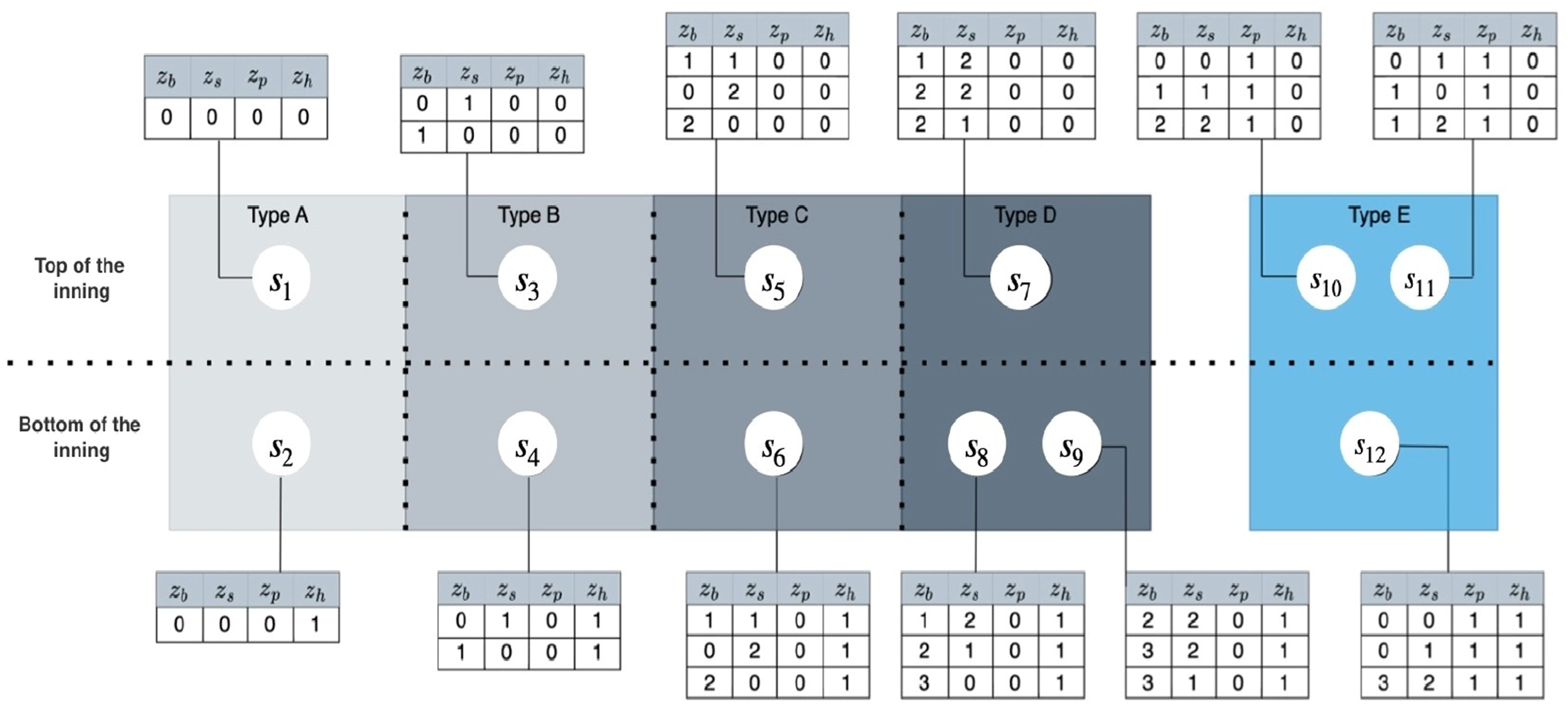
Contexts, Observations and Observation Probabilities.
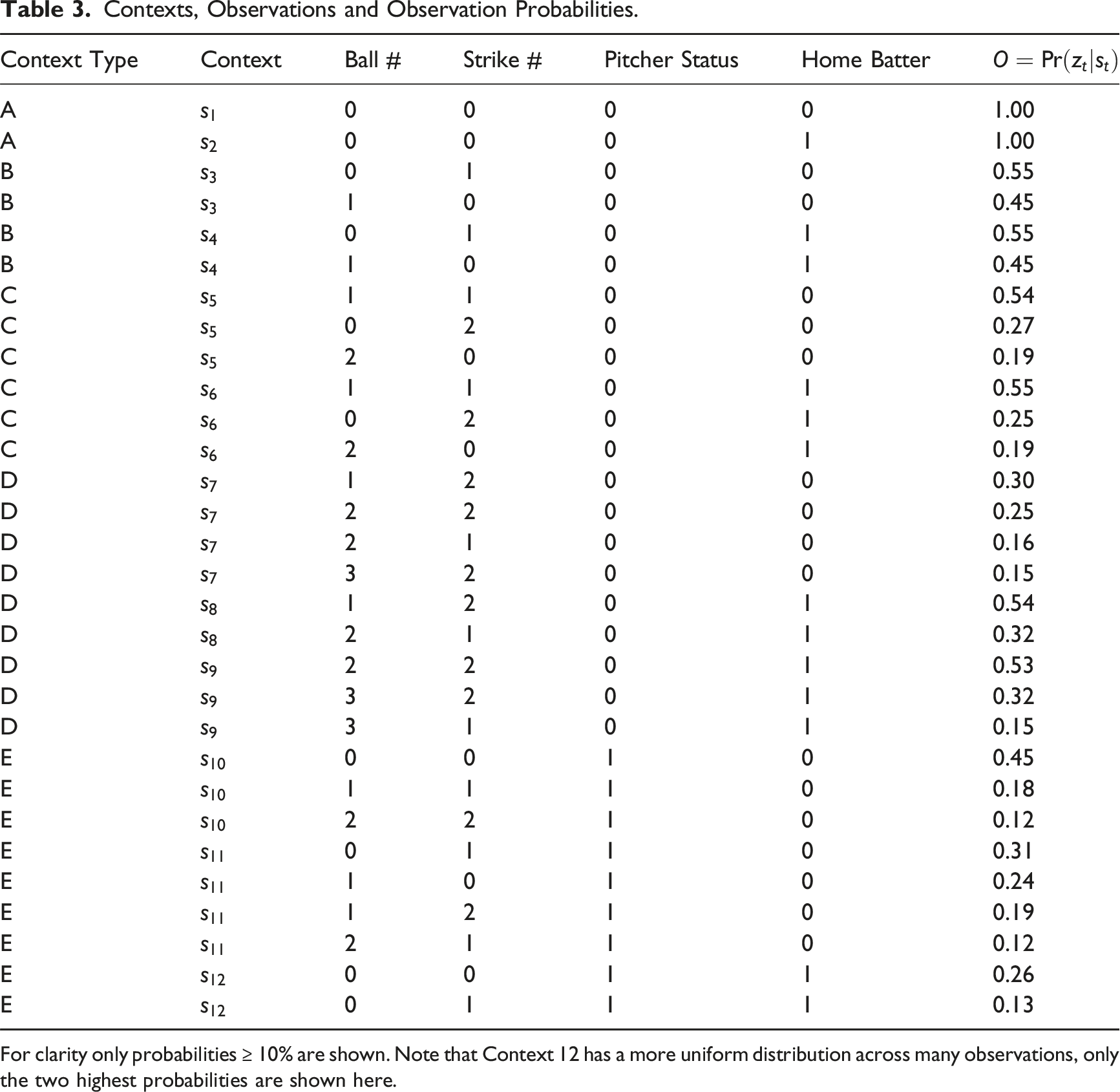
For clarity only probabilities ≥ 10% are shown. Note that Context 12 has a more uniform distribution across many observations, only the two highest probabilities are shown here.
Figure 8 illustrates the transitions of unobserved context within an inning across different pitcher status scenarios. Figure 8(a) and 8(c) represent top and bottom of the inning, respectively, played by non-high-status pitchers. In these cases, context progresses from Type A to Type D, reflecting increasing criticality as the at-bat advances. Figure 8(b) and 8(d) represent top and bottom of the inning, respectively, played by high-status pitchers. Notably, in these scenarios, the context remains relatively stable, with the type not changing for extended periods. This stability justifies dedicating a separate type (Type E) to high-status pitchers. Transitions of Umpire Decision Contexts During a Game. This figure displays the transitions of unobserved contexts throughout an inning, based on pitches from a real game officiated by umpire II. The y-axis represents the 12 identified contexts, while the x-axis shows the sequence of pitches. The progression from Type A to Type D reflects increasing criticality in at-bats, while high-status pitchers exhibit more stable context dynamics compared to their non-high-status counterparts.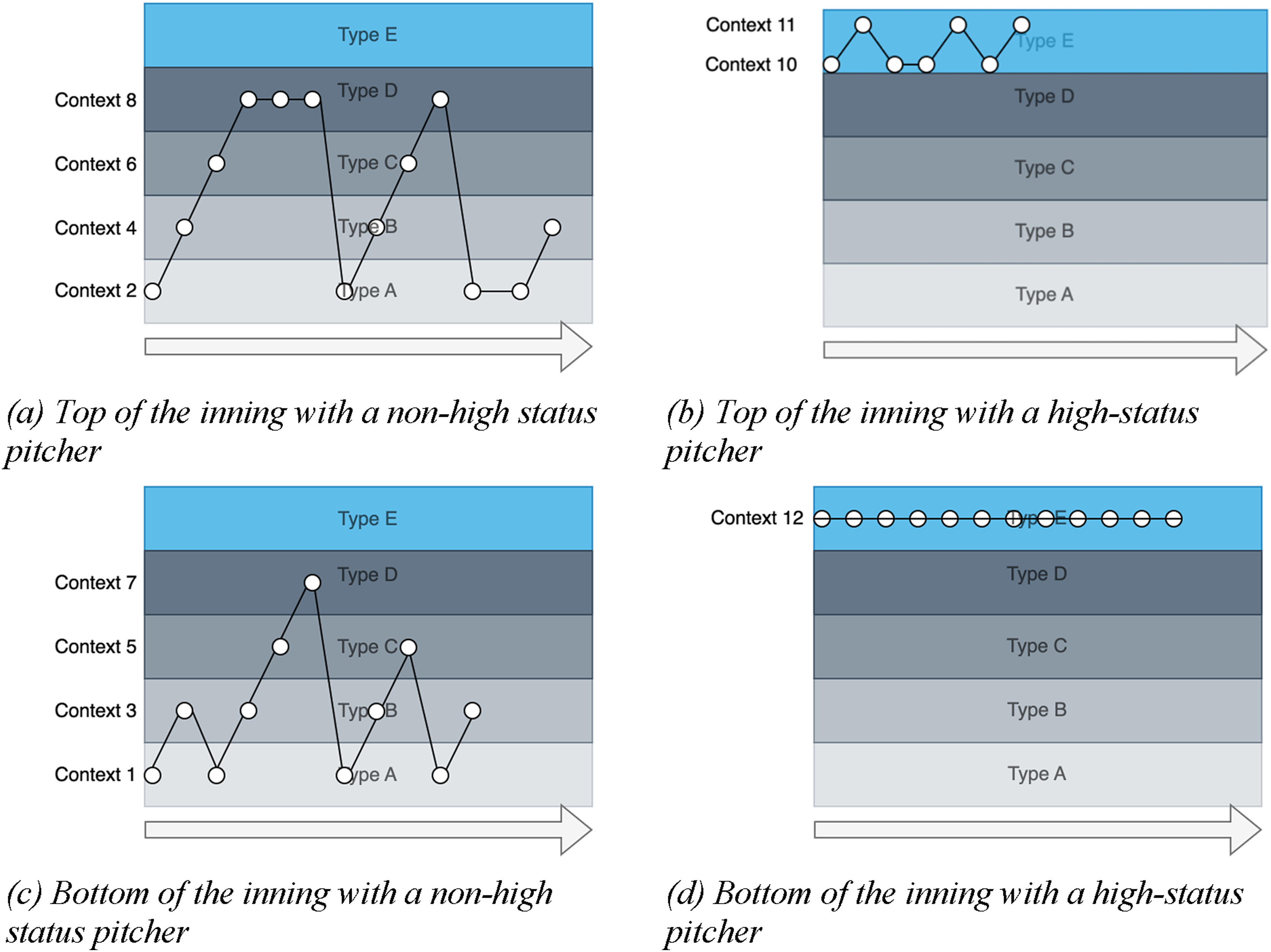
Attention Allocation Policy
Reward Estimates

Task Performance
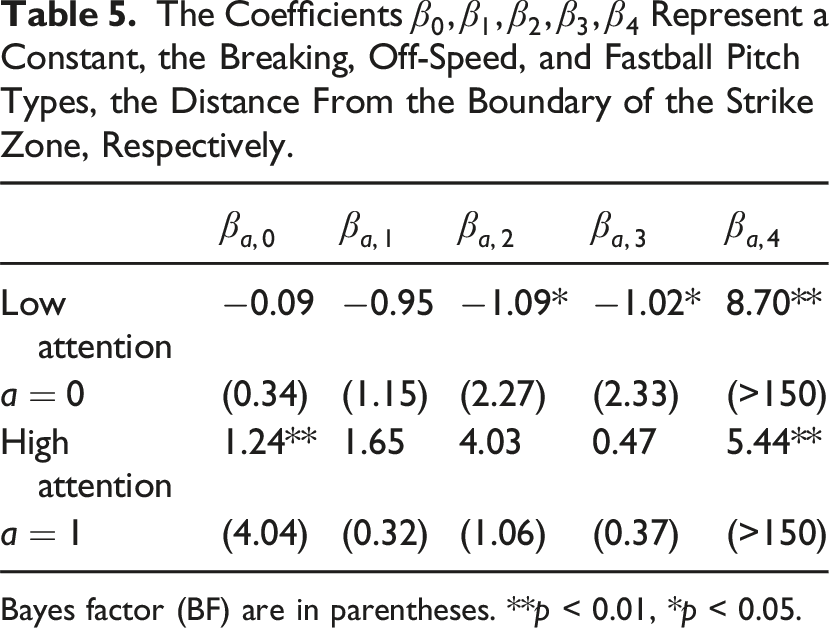
The Coefficients
Bayes factor (BF) are in parentheses. **p < 0.01, *p < 0.05.
By combining the estimation results for both dynamics and rewards, we find that both contextual factors
In a nutshell, these estimation results reveal that umpires adjust attentional effort in systematic and strategically interpretable ways: increasing effort as game situations become more consequential, and responding differently to contextual cues such as ball count and pitcher reputation. These behavioral patterns align with our model’s core premise that attention allocation in a vigilance task is sensitive to inferred task importance and cognitive biases. Importantly, the latent structures inferred by the model were stable across individuals, while still allowing for individual variation in policy and performance, suggesting a shared underlying attentional framework modulated by agent-specific strategies. This supports the value of structural modeling in revealing how context inference and sustained effort allocation jointly shape real-world decision accuracy, beyond what traditional statistical models can capture.
Discussion
Incentive-Based Interventions on Decision Accuracy
The 2009 collective bargaining agreement between MLB and the umpire union introduced performance incentives based on PITCHf/x data to motivate umpires to call strikes more consistently with the official rulebook definition. That said, these incentives are restrictive in that they cannot adapt to other factors in addition to umpire performance, such as player status induced performance biases. Our model can inform quantitatively how to reduce player type related biases in umpire officiating games, by offering monetary incentives for certain type of players. Consider umpire II, whose call accuracy against high-status pitchers (Type E) is 87% (which is relatively low), showing that umpires tend to favor elite pitchers by deviating from the optimal strike zone (Kim & King, 2014). To counter this, we introduce a hypothetical incentive that increases the reward of Type E decisions to 4 (from 0.54, 0.47, and 0.66 for contexts 10–12), raising the perceived benefit of exerting attention effort and making correct calls in this context. Under these adjusted rewards, the model predicts a revised attention and task execution policy, which results in a substantial improvement in accuracy from 87.05% to 98.19%, as shown in Figure 9. This shows that targeted incentives can effectively attenuate biases, leading to a more equitable and rulebook-consistent officiating process, and is aligned with studies showing that umpires’ ball-strike calling patterns have shifted in alignment with the implementation of these monitoring and training enhancements (Flannagan et al., 2024; Mills, 2017). Lab-controlled studies manipulating motivation have provided support for this, showing that performance-based rewards can enhance sustained attention (Esterman et al., 2016; Massar et al., 2016). In particular, maintaining consistent motivation, such as through the anticipation of a potential reward, has been shown to eliminate vigilance decrements and significantly reduce attentional lapses. Predicted umpire decision accuracy under varying levels of incentive-based rewards for calls involving high-status (Type E) pitchers: The x-axis represents the hypothetical reward values assigned to calls in these contexts, while the y-axis shows the model-predicted accuracy. As the perceived benefit of exerting attentional effort increases, so does the predicted accuracy, illustrating the potential effectiveness of targeted incentives. Note: The y-axis does not start at 0 to highlight variability in umpire performance. Because accuracies of professional umpires are concentrated in the upper range, restricting the axis improves visibility of error differences.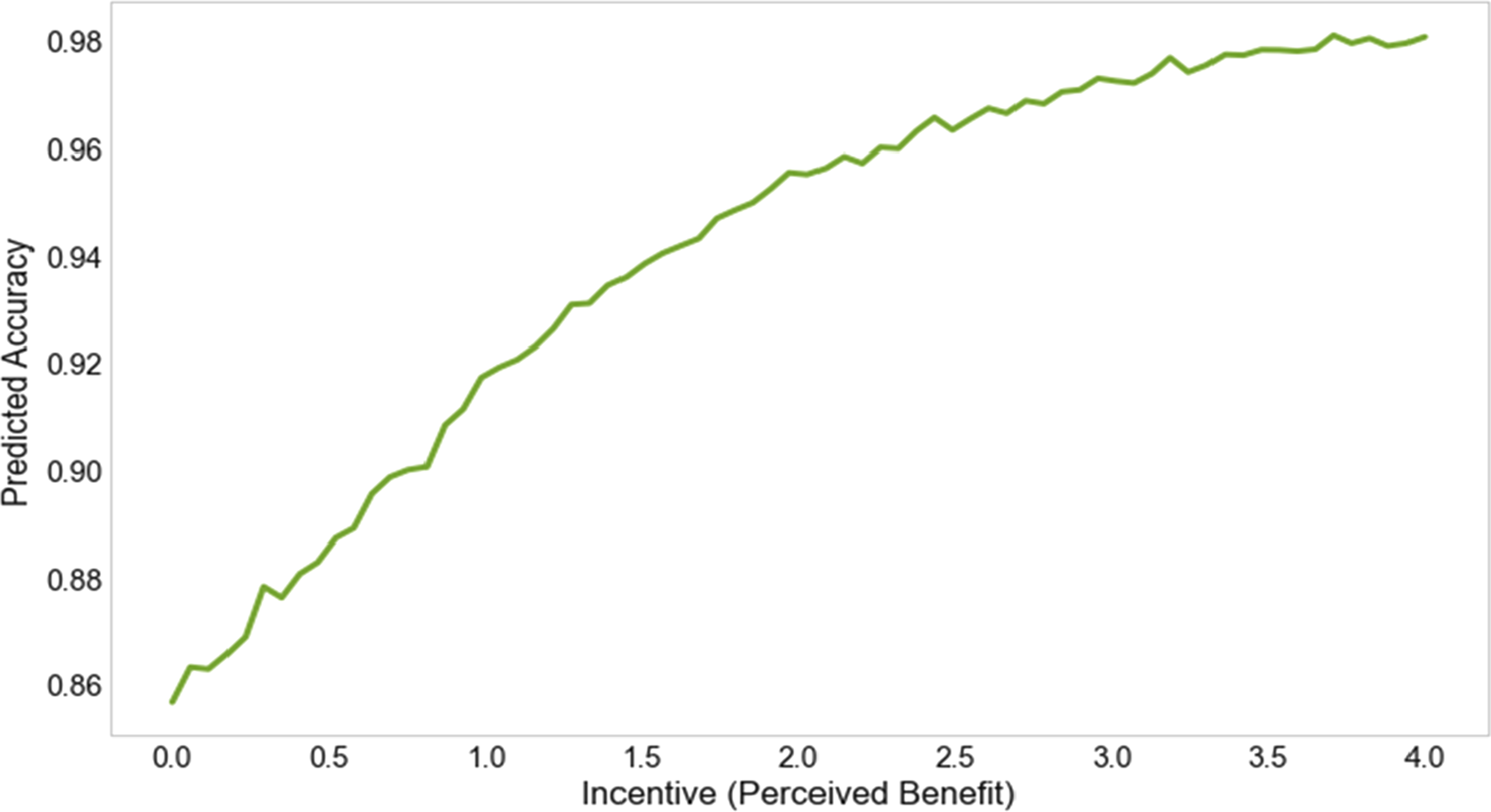
Cross-Agent Heterogeneity in Attention and Decision Policies
Reward Estimates
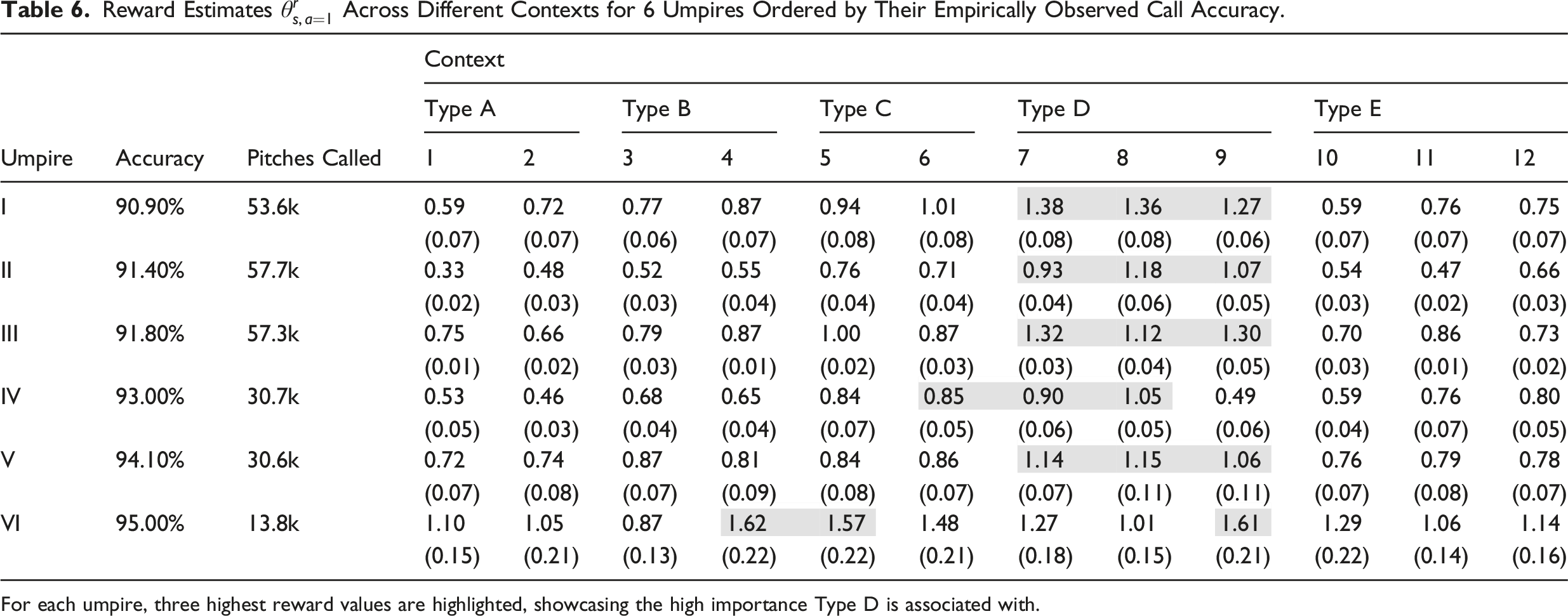
For each umpire, three highest reward values are highlighted, showcasing the high importance Type D is associated with.
Task Policy Estimates for 6 Umpires Ordered by Their Empirically Observed Call Accuracy.
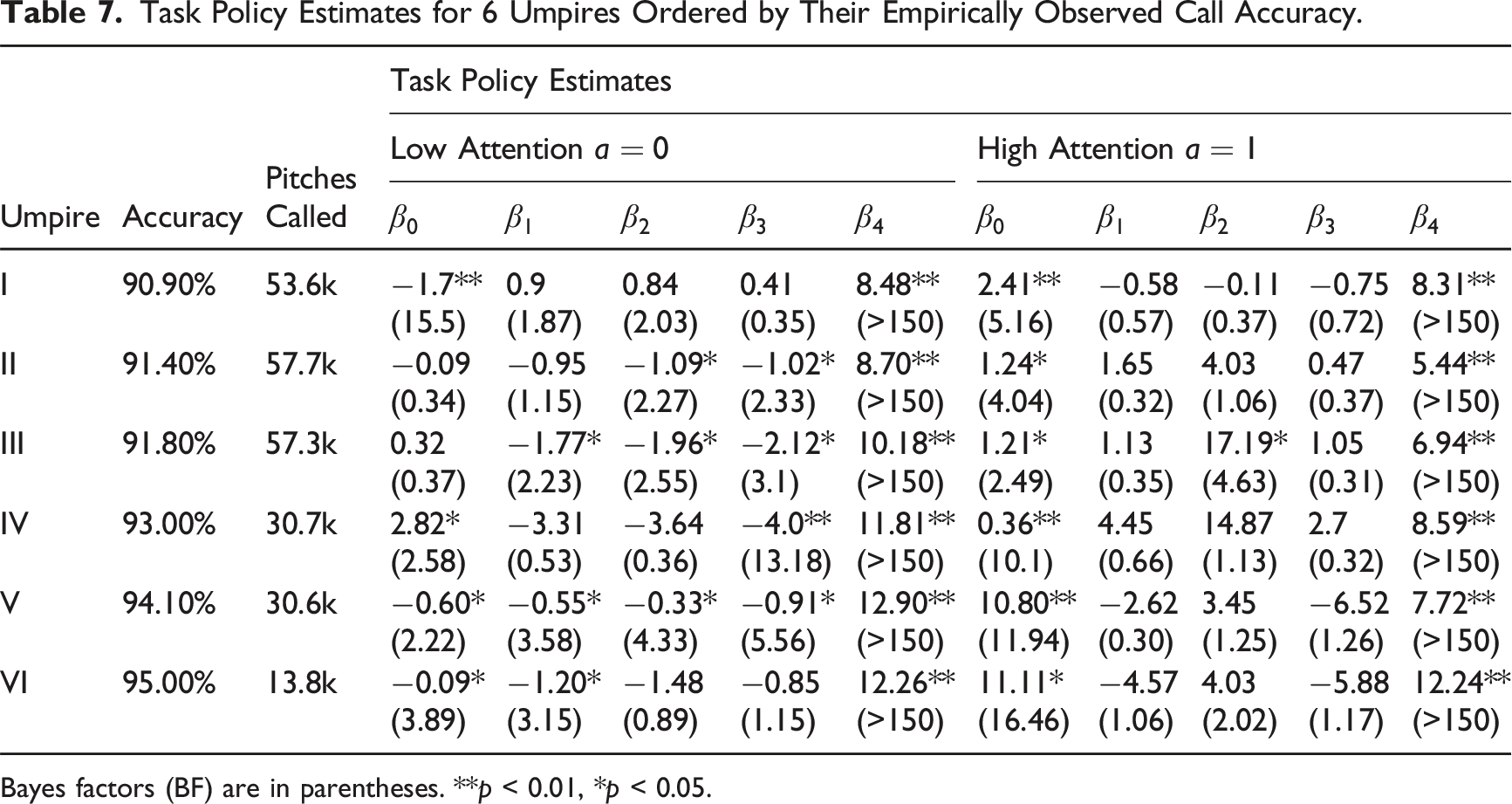
Bayes factors (BF) are in parentheses. **p < 0.01, *p < 0.05.
Conversely, in the low-attention model, the effects of pitch types are more varied. When statistically significant, these variables often show a negative relationship with the likelihood of a correct call, with Umpire being an exception to this trend. This pattern aligns with attention control theories positing that attention functions as a regulatory mechanism, allocating resources more effectively in response to increased task complexity and uncertainty.
Contribution and Generalization Across Domains
Our model extends vigilance research by formalizing context as a central determinant of attentional effort. Context captures the task environment and situational conditions under which vigilance is sustained, offering a structural account of how both contextual and noncognitive factors (e.g., task difficulty) shape behavior and vary across individuals. Unlike existing approaches (Esterman & Rothlein, 2019; Fortenbaugh et al., 2017; Hockey, 2011), our framework estimates context and reward from observed behavior, treating attentional effort as a latent policy shaped by inferred utilities. This allows us to explicitly model how decision makers trade-off the costs and benefits of attentional engagement under varying circumstances. We model attention as a binary variable (low versus high), reflecting the well-established contrast between task engagement and lapses such as mind wandering (Mrazek et al., 2012; Smallwood et al., 2004). While interpretable, this specification is not restrictive: the allocation model in equation (4) can be extended to multiple discrete effort levels, allowing future work to capture graded vigilance dynamics.
A persistent challenge in vigilance research is ecological validity. Most studies rely on artificial laboratory tasks with constrained stimuli, limiting the generalizability to real-world environments (Taylor-Phillips et al., 2024). We address this gap by validating our model on naturalistic data, showing that structural estimation of attention and reward is feasible outside the lab. Another ongoing question in vigilance research concerns the design and evaluation of interventions and countermeasures, for example, breaks, incentives, or environmental modifications aimed at sustaining attention (McGough & Mayhorn, 2023; Ross et al., 2014; Waldfogle et al., 2021). Our structural model enables researchers to perform counterfactual analyses to examine how altering incentives or environmental factors might improve vigilance.
Although our empirical application centers on MLB umpire decisions, the framework generalizes to other critical domains with sufficient observational data. In radiology, performance-based vigilance measures, such as detection accuracy (Taylor-Phillips et al., 2024), serve a role analogous to umpire call accuracy. A rich literature identifies contextual variables that shape attention allocation, including characteristics of lesion such as size, contrast, visibility, and location; the prevalence of abnormalities; expertise and training; and cognitive biases such as satisfaction of search (Berbaum et al., 1990; Kundel & Nodine, 1975; Wolfe et al., 2007). These dimensions provide analogs to our “game context” features. System-level factors (Krupinski, 2010), such as display resolution and image quality, affect detection performance, much as the speed and location of a pitch affect the difficulty of umpire judgment. Our model can be similarly extended to airport security screening, where vigilance is measured by the detection of prohibited items (Meuter & Lacherez, 2016). Across these domains, our model provides a generalizable structure for inferring latent attentional states and evaluating how environmental contexts and task costs shape vigilance, helping to bridge laboratory-based vigilance theory with real-world, safety-critical applications.
Latent Context Capacity
The number of latent contexts humans can represent remains an open question in cognitive psychology (Heald et al., 2023). While some models assume that this number is known in advance (Heald et al., 2018), such an assumption can be unrealistic in naturalistic settings where context boundaries must be learned. Inference models based on latent cause theory allow for a theoretically unbounded number of contexts but are limited in practice by memory and computational constraints (Gershman et al., 2010).
In our work, we consider several candidate values for the number of hidden contexts and evaluate them using model selection criteria (such as AIC and BIC). While these techniques offer principled guidance, they do not guarantee recovery of the true underlying capacity, which is likely dynamic and individual-dependent, particularly in complex, noisy behavioral data. Nonetheless, our model captures meaningful variation in behavior and supports useful predictions or interventions. Future work could explore more flexible approaches that infer the number of latent contexts from the data.
Conclusion
This paper advances theoretical understanding of vigilance failure by introducing a Bayesian model that formalizes how attention is dynamically allocated in response to inferred context. Integrating principles from vigilance theory, decision making under uncertainty, and probabilistic inference, the model provides a principled account of how individuals regulate attentional effort in sustained attention environments. Applying this framework to MLB umpire decisions reveals that attention allocation is context sensitive and systematically influenced by situational factors (e.g., pitch count) and social cues (e.g., pitcher status), highlighting the interplay between perceived task-criticality and reputational bias. These findings refine existing models of executive control by demonstrating how latent contextual beliefs shape attentional effort in real-world settings. Future research may build on this foundation by exploring how internal states such as fatigue, cognitive load, or emotional valence interact with contextual beliefs to guide sustained attention in high-stakes decision making. Future models could also examine how attention adapts to real-time feedback. Recent advances in scalable MCMC for coupled hidden Markov models (Touloupou et al., 2020) provide an extension to our EM-based inference section, enabling a richer characterization of uncertainty.
Key Points
• A Bayesian model is developed to infer how decision makers allocate attention, adapting dynamically to perceived context in vigilance tasks. • The model estimates latent contexts from observable task features, capturing how individuals perceive situational factors. A modified Expectation-Maximization (EM) algorithm is introduced to estimate attention allocation policies based on objective measures of task performance. • Analysis of MLB umpire decisions reveals that attention allocation varies with game context, with umpires exhibiting increased focus in high-stakes situations. • The model enables counterfactual predictions, allowing for the evaluation of decision making under hypothetical scenarios and different contextual influences.
Supplemental Material
Supplemental Material - A Structural Model of Attentional Effort Dynamics: Evidence From a Naturalistic Discrimination Task
Supplemental Material for A Structural Model of Attentional Effort Dynamics: Evidence From a Naturalistic Discrimination Task by Lekhapriya Dheeraj Kashyap, Zhide Wang, Yanling Chang, Alfredo Garcia in Human Factors.
Footnotes
Declaration of Conflicting Interests
The authors declared no potential conflicts of interest with respect to the research, authorship, and/or publication of this article.
Funding
The authors disclosed receipt of the following financial support for the research, authorship, and/or publication of this article: This research was partially supported by National Science Foundation awards #2048395, #2236477, and Army Research Office (ARO) under grant W911NF-22-1-0213.

Data Availability Statement
Supplemental Material
Supplemental material for this article is available online.
Author Biographies
References
Supplementary Material
Please find the following supplemental material available below.
For Open Access articles published under a Creative Commons License, all supplemental material carries the same license as the article it is associated with.
For non-Open Access articles published, all supplemental material carries a non-exclusive license, and permission requests for re-use of supplemental material or any part of supplemental material shall be sent directly to the copyright owner as specified in the copyright notice associated with the article.
