




Abstract
Objectives:
To gain insight into children’s health-related knowledge and understanding of Severe Acute Respiratory Syndrome Coronavirus 2 (SARS-CoV2) and COVID-19, and measures adopted to mitigate transmission.
Design:
A child-centred qualitative creative element embedded in an online mixed-methods survey of children aged 7–12 years.
Setting:
Children participated in the study in six countries – the UK, Australia, Sweden, Brazil, Spain and Canada.
Method:
A qualitative creative component, embedded in an online survey, prompted children to draw and label a picture. Children were recruited via their parents using the researchers’ professional social media accounts, through known contacts, media and websites from health organisations within each country. Analysis of the form and content of the children’s pictures took place.
Results:
A total of 128 children (mean age 9.2 years) submitted either a hand-drawn (n = 111) or digitally created (n = 17) picture. Four main themes were identified which related to children’s health-related knowledge of (1) COVID-19 and how it is transmitted; (2) measures and actions to mitigate transmission; (3) places of safety during the pandemic; and (4) children’s role in mitigating COVID-19 transmission.
Conclusion:
Children’s pictures indicated a good understanding of the virus, how it spreads and how to mitigate transmission. Children depicted their actions during the pandemic as protecting themselves, their families and wider society.
Background
The World Health Organization (WHO) declared SARS-CoV2 a Public Health Emergency of International Concern in January 2020 (WHO, 2020a) and a pandemic on 11 March 2020 (WHO, 2020b). Different approaches to reducing transmission have been implemented worldwide (Garcia de Avila et al., 2020), with social distancing measures being a vital part of mitigating the pandemic (Salama, 2020). During the pandemic, children have been required to stay at home and limit their contact with family members and friends. Children’s access to formal education has been variable, with some children engaged in remote schooling, while others had limited access to the means to engage in remote education. In many countries, children were disconnected for many months from their usual school and social routines and have been described as a forgotten group in the COVID-19 pandemic (Save the Children, 2020).
Reports suggest that throughout the COVID-19 pandemic, children have experienced higher levels of mental ill health (Loades et al., 2020; Nearchou et al., 2020), poorer diet and reductions in cardiovascular fitness (Dunton et al., 2020; Xiang et al., 2020). Children with pre-existing vulnerabilities or who are socio-economically deprived have been highlighted as particularly at risk of poorer health and well-being outcomes as a result of the pandemic (Jones et al., 2020; López-Bueno et al., 2021). While uncertainty remains about children’s infection and transmission rates (Munro and Roland, 2020), there is consensus that children tend to experience milder infection than adults (Götzinger et al., 2020; Laws et al., 2021). Most research to date relating to children and the pandemic has focussed on children’s experiences of lockdown (Idoiaga et al., 2020), their psychosocial needs (de Miranda et al., 2020; Idoiaga et al., 2020; Jiao et al., 2020) and their adaptation to, and coping with, what is being described as the ‘new normal’ (Liu and Fleisher, 2020; Ratten, 2020; Salama, 2020). There has been less focus on how, or if, children have engaged with the plethora of information about COVID-19 and their understanding of the measures to prevent the transmission of the virus.
There has been an ‘infodemic’ (Okan et al., 2020; WHO, 2020) or ‘tsunami’ (Hua and Shaw, 2020) of information about the pandemic, with large quantities of information and misinformation relating to transmission. Means to mitigate transmission and information about potential treatments are being shared both formally and informally through various media and routes, such as television, social media and word of mouth (Hua and Shaw, 2020). Many countries have adopted key slogans and imagery to promote core health messages and to guide people to adhere to safe behaviour. These public health messages have changed over time to reflect the dynamic nature of the pandemic.
In adult populations, evidence has revealed ‘problematic’ knowledge and misconceptions of public health advice during previous pandemics (Di Giovanni et al., 2004) and how pandemics can exacerbate inequalities in access to trustworthy public health information (Chu et al., 2020). These issues have been evidenced more recently in relation to COVID-19 and there has been a call for clearer public health campaigns and messaging (Okan et al., 2020) to enhance health literacy about COVID-19. In many countries, children have been reliant on their parents for information and knowledge about COVID-19 and have shown information gaps that need to be filled about the pandemic (Bray et al., 2021); children have also been excluded from key health messaging efforts in some countries (Rowland and Cook, 2020).
Health-related knowledge, understanding and an appreciation of how children interact with health messages (Bhagat et al., 2018) are important elements in health literacy, and recent work recognises how good health literacy can empower children to understand the world and the context of daily life and enable them to make sound health decisions of benefit to themselves and others (Bröder et al., 2017). This international study arose from a collaboration between academics in six countries: the UK, Australia, Sweden, Brazil, Spain and Canada. The research, framed by the concept of health literacy, aimed to provide insight into children’s health-related knowledge and understanding of the measures adopted to mitigate the transmission of COVID-19. This paper is based on an analysis of drawings and pictures created by children during the initial months of the pandemic.
Methods
Study design
As part of a larger mixed-methods online survey study, whose findings are reported elsewhere (Bray et al., 2021), we invited children to draw, label and share a picture via Survey Monkey in response to the question ‘Why are we all trying to stay at home during the coronavirus?’ As children in one country (Sweden) continued to attend school throughout the pandemic, this question was altered slightly to read ‘Can you draw a drawing that explains how we should act during the coronavirus epidemic?’
Embedding drawing within a survey provided an opportunity for creative expression and enabled the use of a ‘wide angle lens’ (Braun et al., 2020: 3) to capture the richness and diversity of children’s perceptions and understandings. Drawings, as a child-centred research approach, enable access to children’s thoughts and opinions (Horstman and Bradding, 2002) and can be understood as doorways into children’s worlds (Ångström-Brännström and Norberg, 2014; Carter and Ford, 2013; Driessnack, 2005).
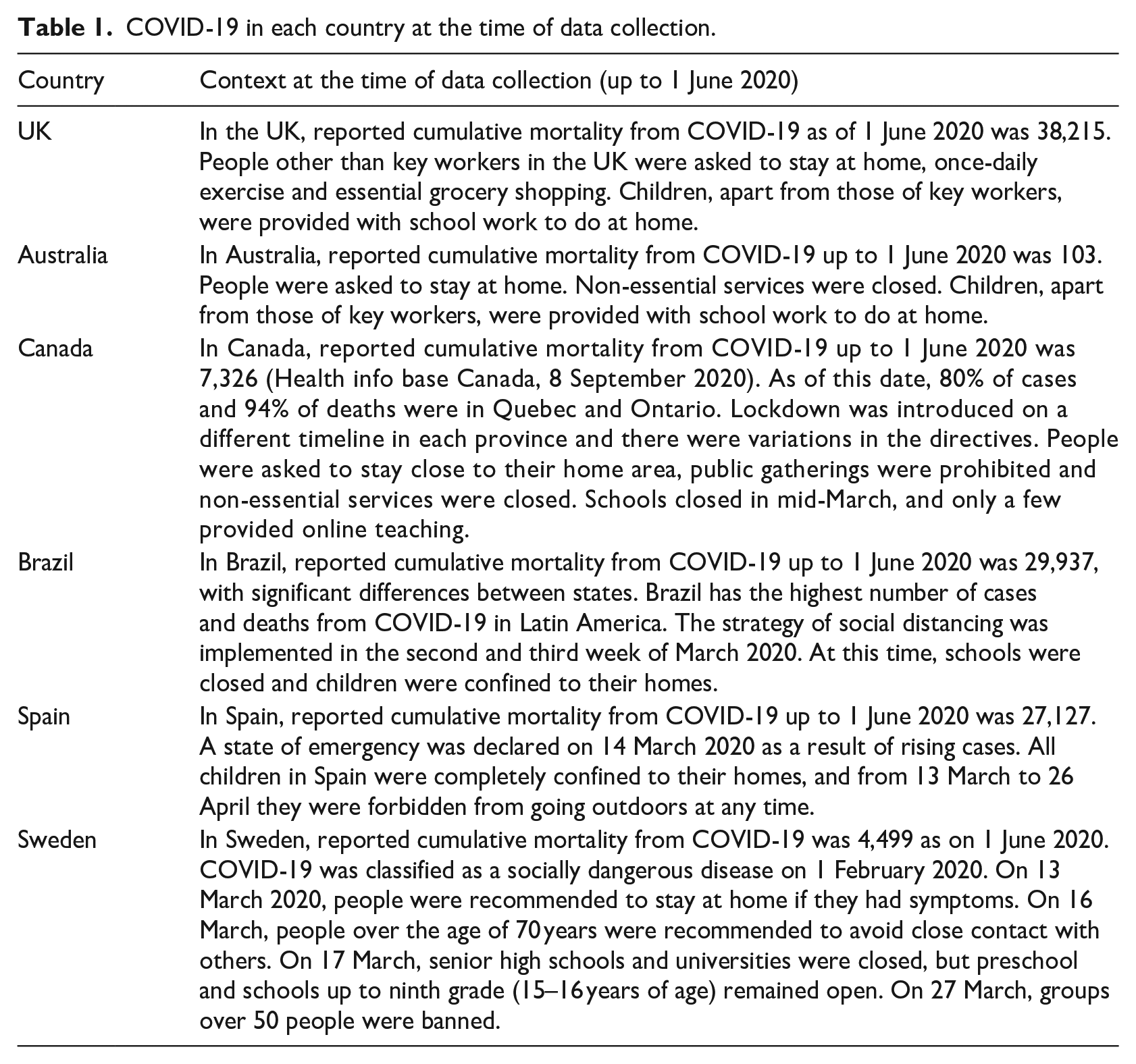
The survey asked children their age and the area in the country they lived in but did not ask for information such as names or personal details. In instances where children did include identifiable information in their drawings or pictures, the team electronically edited them so as to blank the details. The survey itself was made available in Spanish, Portuguese, French and Swedish. The survey opened in the UK (9 April 2020), Australia (20 April 2020), Canada (27 April 2020), Brazil (29 April 2020), Spain (3 May 2020) and Sweden (22 May 2020). Data collection closed within all countries on 1 June 2020. A brief overview of the context within each participating country is provided in Table 1. The countries involved in the study were those accessible to the research team in terms of existing professional networks and time available.
COVID-19 in each country at the time of data collection.
Consultation with children
The survey was developed and pre-tested with nine children aged 8–16 years of age in the UK, who were known to the researchers and/or were part of an existing health consultation group (The Forum). This consultation, conducted remotely, helped shape the language used and overall layout of the survey. Young people in Spain, Sweden and Canada of a similar age to the participants reviewed the translated survey and checked whether the language was clear and accessible to the context of their country.
Sampling and recruitment
Children aged 7–12 years of age in the UK, Sweden, Brazil, Spain, Canada and Australia were invited to take part in the survey. Children were recruited via channels targeted at parents via researchers’ professional social media accounts, through known parent networks, and information posted via the researchers’ organisations.
Analysis of the children’s pictures
Our analysis of the form and content of the children’s pictures was informed by Guillemin’s (2004) framework for the analysis of drawings. However, we chose to exclude some of Guillemin’s questions as we wanted to avoid over-interpretation. The selected categories were used to construct a framework of questions, which facilitated cross-country comparison.
What is being shown?
What words are used?
What relationships are established between the components of the image?
What colours and materials are used?
What is being represented?
What are our overall impressions of the picture?
Throughout, we were conscious that the questions we asked children to respond to in their pictures would have influenced their choices about what to include and feature. Two team members from each country independently analysed each child’s picture, and researchers only analysed drawings from their own country. Each country team noted when children replicated key government messaging or imagery within their pictures. The interpretations and themes developed from each country analysis were then discussed, challenged, reaffirmed and refined until consensus was reached between all research team members in participating countries.
Ethical approval
The study was approved by ethical review boards at the lead researchers’ academic institutions in each participating country: UK (Edge Hill University, Ref: CYPF 23), and Australia (University of Tasmania, Ref: 21702), Brazil (UNESP – Botucatu Medical School Ref: 3.994.298) and Canada (University of Quebec in Outaouais Ref: UQO 2010-1163). The ethical review of the study in Sweden was undertaken by the Swedish Ethical Review Authority (Etikpövningsmyndigheten) Ref 2020-02351. The decision was advisory since the study was not considered to be covered by the Ethics Review Act. In Spain, review was not deemed necessary by the research institute’s ethics committee.
We attended to matters of ethical responsibility throughout the process of designing and administering the survey. The information sheet and text at the beginning of the survey provided an explanation of what taking part in the study involved. While we did not ask parents to provide written consent for their child’s participation in the survey, we asked all children before completing the survey to check that their parents were happy for them to take part.
It was made clear to children that by submitting the survey, they were agreeing to take part in the project and were happy for their answers and pictures to be used as part of the study. While the survey did not ask any questions of a particularly sensitive nature, we acknowledge that children were completing the survey at a time when they may have been experiencing anxiety or worry about the COVID-19 pandemic. So, at the end of each survey, there were links to child-centred support websites of relevance in each country.
Findings
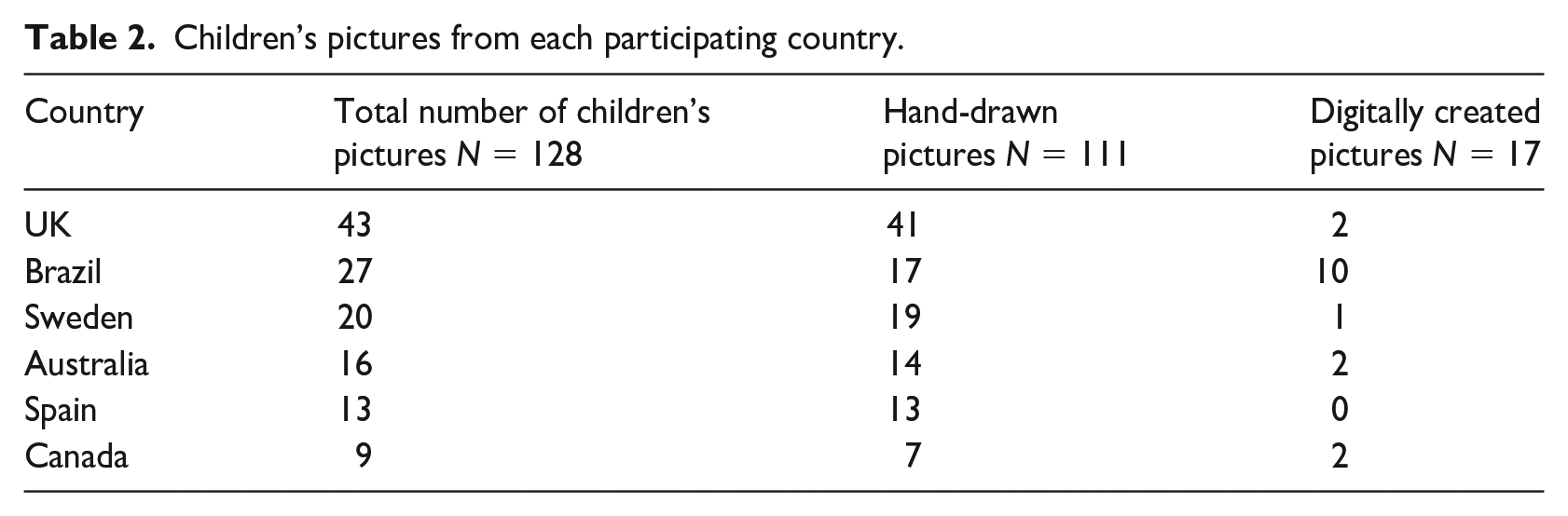
Of the 390 children who participated in the survey, 128 (aged 7–12 years; mean age, 9.2 years; SD, 1.6) submitted a picture (Table 2). Most pictures were hand-drawn (n = 111), but some were digitally created (n = 17). The words and text reported here are taken from the explanatory labels the children included in their submitted pictures. The pictures are labelled in this paper according to a child’s country and the picture number from that country’s dataset. When a child’s text from their picture is referred to, but the picture has not been included in the paper, the text is still labelled by the child’s country and the child’s picture number and it is indicated that the picture itself is not included within the paper.
Children’s pictures from each participating country.
Key findings that developed from the analysis of the pictures suggest that children had a good understanding of SARS-CoV2 and their role in reducing the spread of COVID-19 (washing hands, maintaining social distancing) and that many of the pictures demonstrated a strong grasp of causality. We were mindful throughout the analysis to not over-interpret the content and meaning in children’s pictures. However, in each of the four themes below, we discuss how children’s specific context (e.g. public health messages and imagery from national public health campaigns) may have influenced their pictures.
‘It is like a fire burning down the world’ – depictions of SARS-CoV2 and how it is transmitted
Many of the children’s pictures showed a good level of understanding of the virus. Of the 128 pictures, 57 included an obvious image of SARS-CoV2; many of these (n = 52) depicted its familiar spikes (Figures 1 and 2) and/or its colour as green (n = 23). The virus was usually described and labelled as threatening, ‘devilish’ (Brazil, picture 5 not shown) or as having an ‘evil laugh’ (Figure 3). Children showed the virus spreading ‘like a fire burning down the world’ (Australia picture 2 not shown) and chasing people while saying ‘Come here, I want to infect you’ (UK picture 29 not shown).
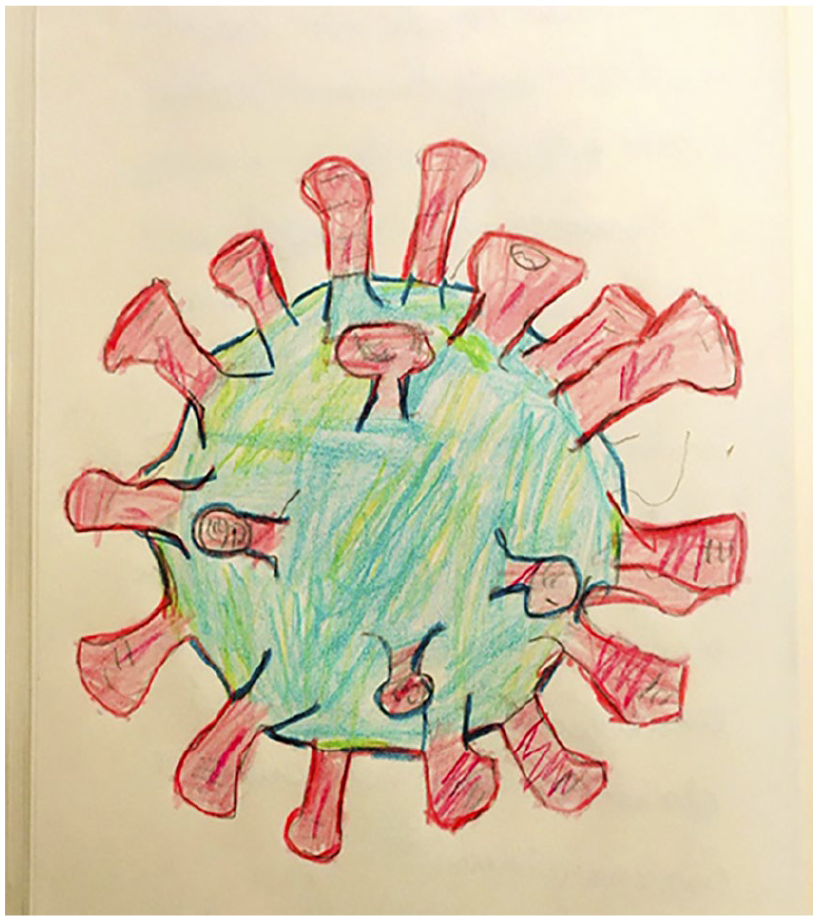
Spain picture 5.
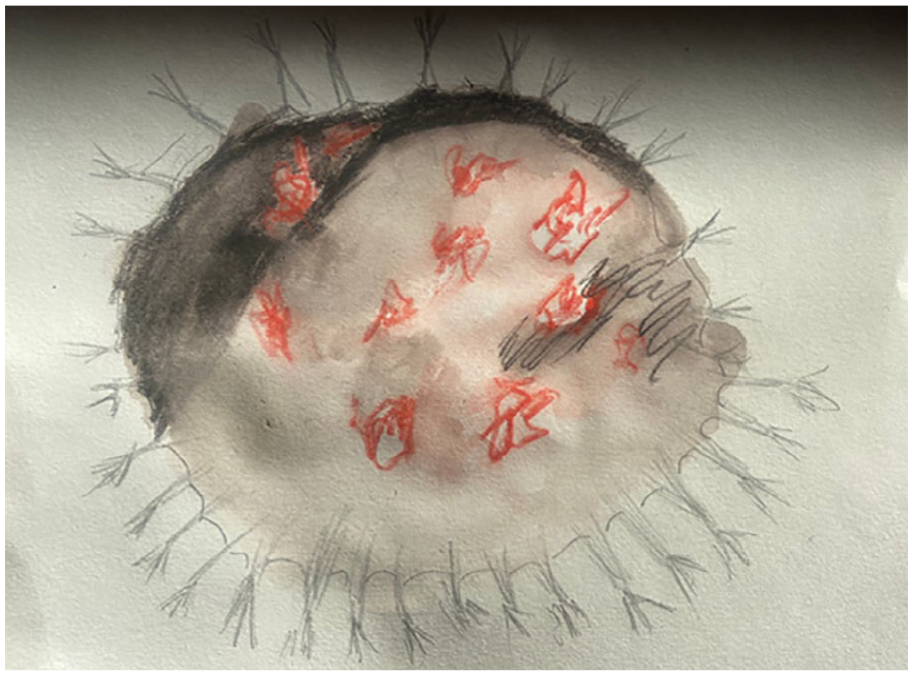
Australia picture 3.
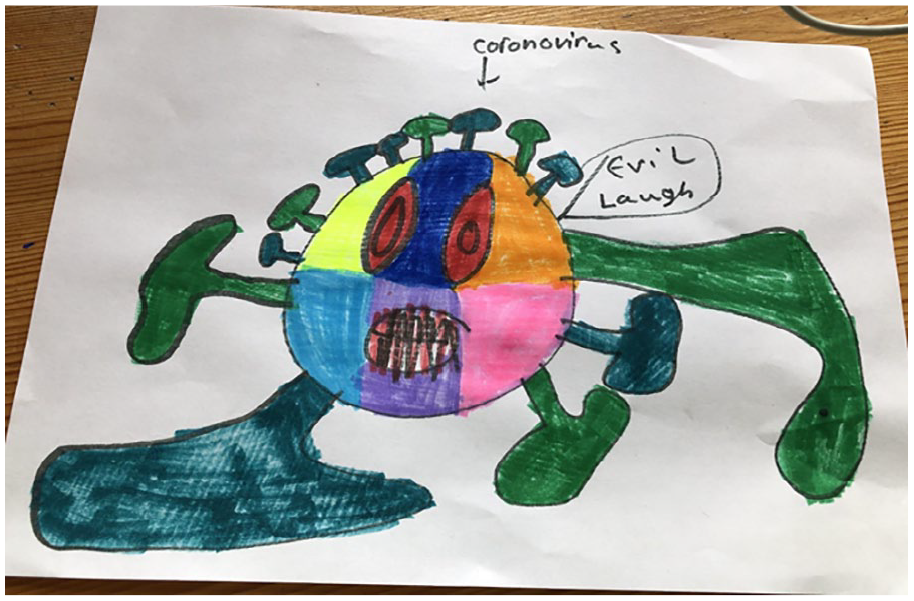
UK picture 2.
Children included details of how SARS-CoV2 is transmitted and these pictures were often explanatory and many demonstrated connections and relationships between ideas (Figures 4 and 5). Many pictures showed how the virus could be transmitted in droplet form via sneezing ‘Atishoo. Spreading germs, spreading germs to another person’ (UK picture 4 not shown), ‘cough coughing’ (Australia picture 15 not shown) and through handling infected objects (Australia picture 7 not shown). Children’s pictures also showed how far the virus can travel through the air to then infect another person (Spain picture 6 not shown), with the 2-m distance featuring heavily in many of the images (Figures 6 and 7).
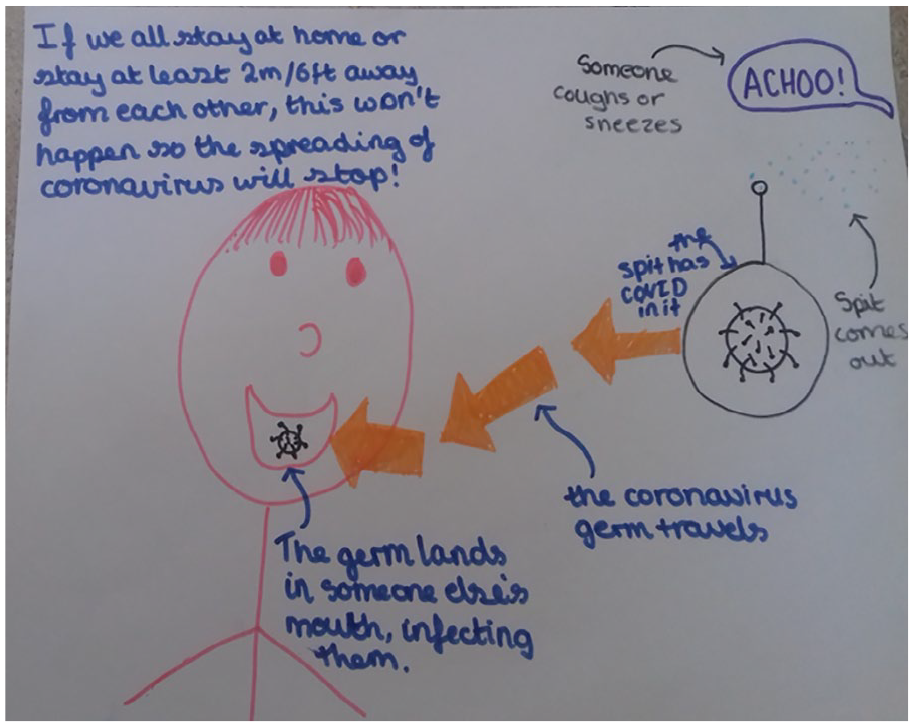
UK picture 28.
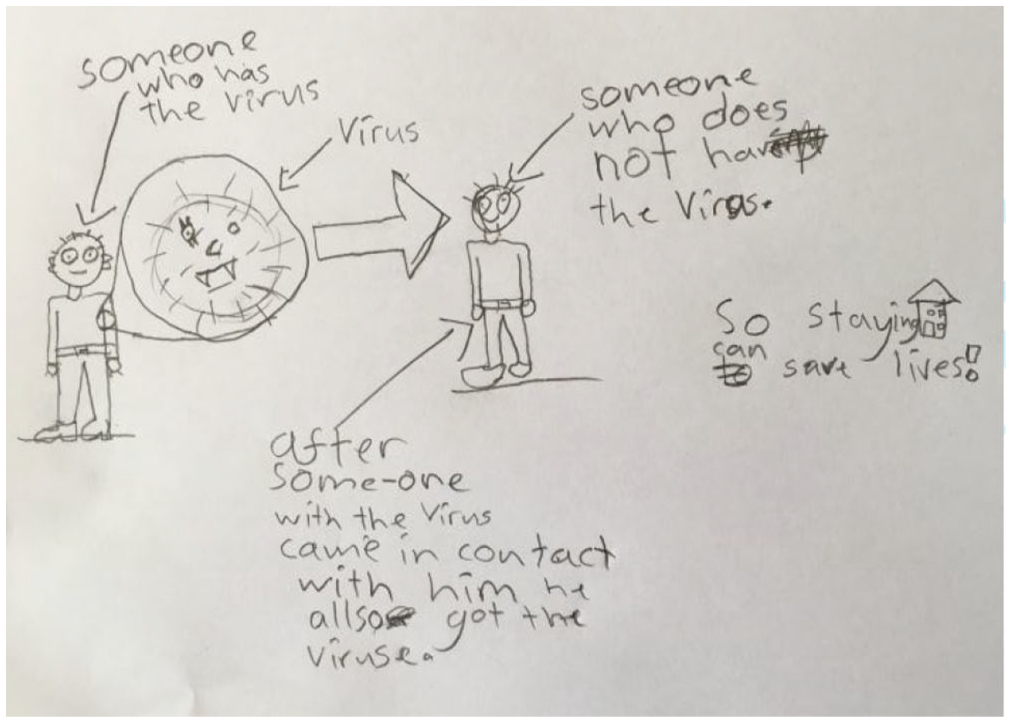
Australia picture 5.
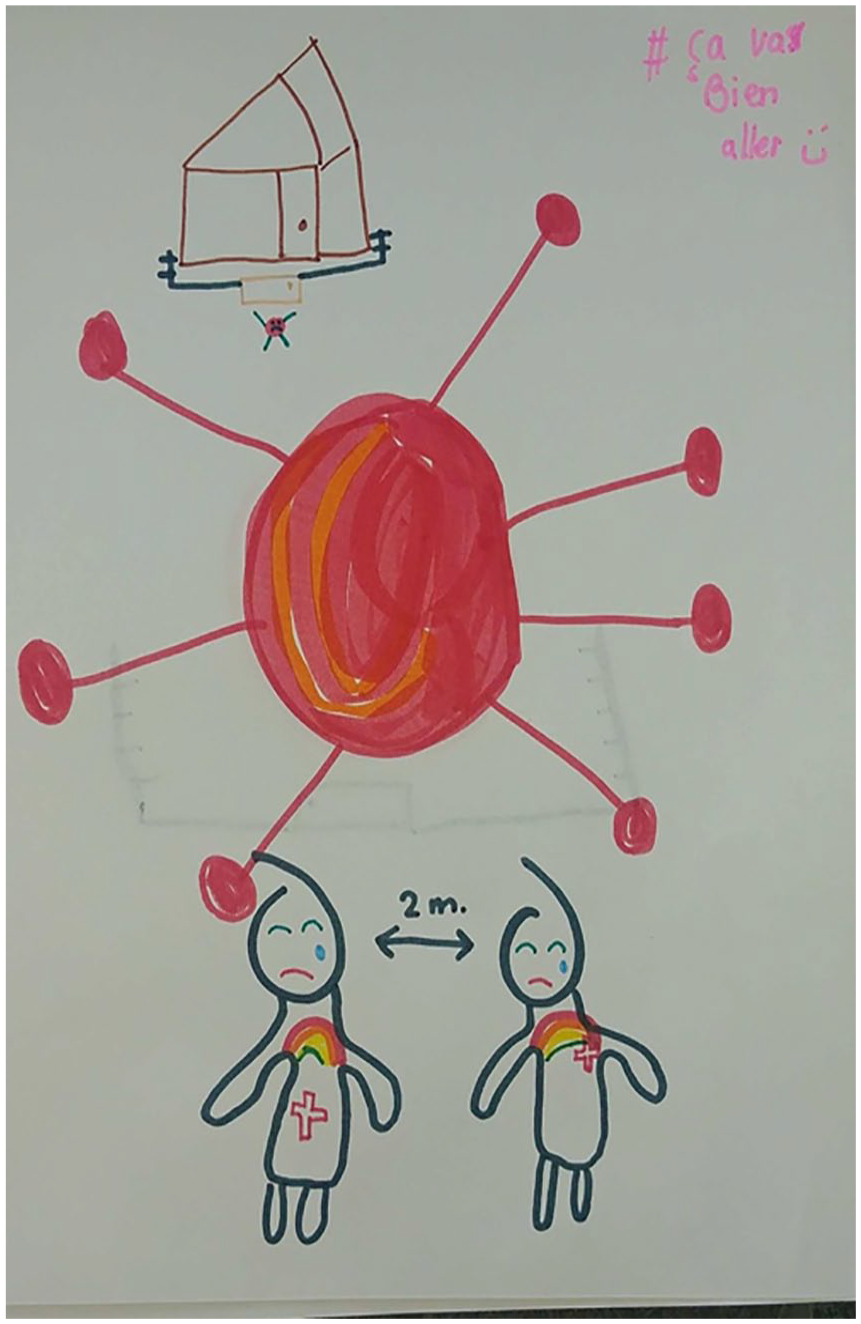
Canada picture 8.
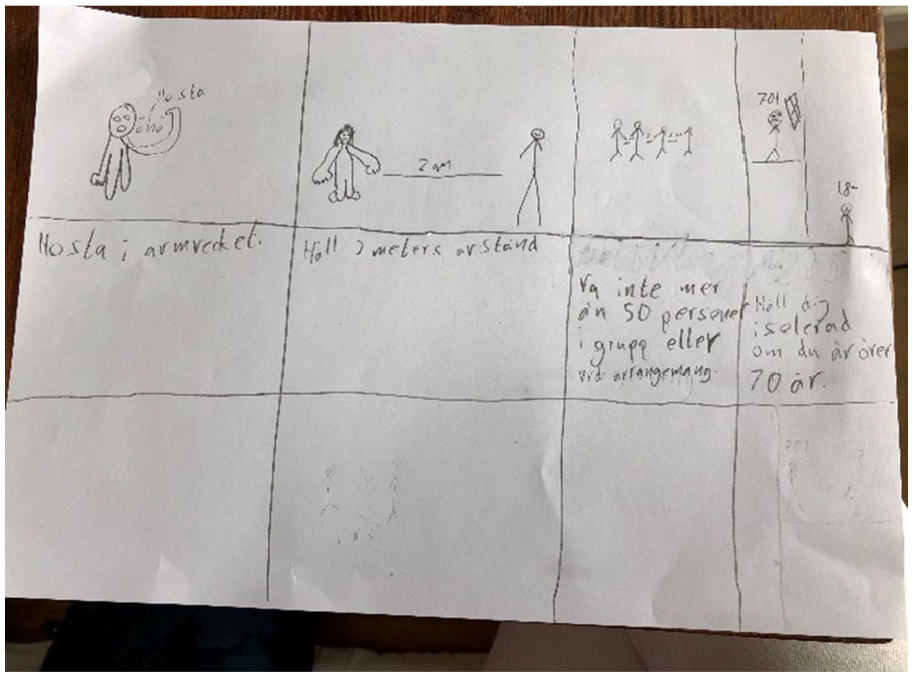
Sweden picture 4 [cough in the elbow pit, keep 2 m distance, no more than 50 people in a group or at an event, stay isolated if you are over 70 years old].
Some of the pictures demonstrated how one infected person could infect many people causing a rise in cases and death rates (Figure 8). Pictures included clear links between a person catching the virus and ‘needing an ambulance’ (UK picture 5 not shown), ‘then you go to hospital’ (Figure 9) or ‘end up dead’ (UK picture 30 not shown).
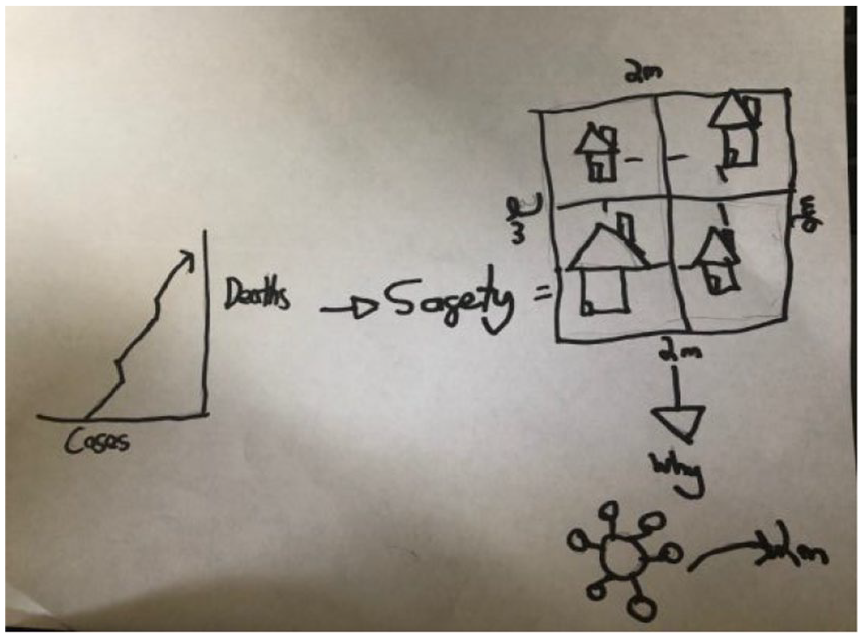
UK picture 3.
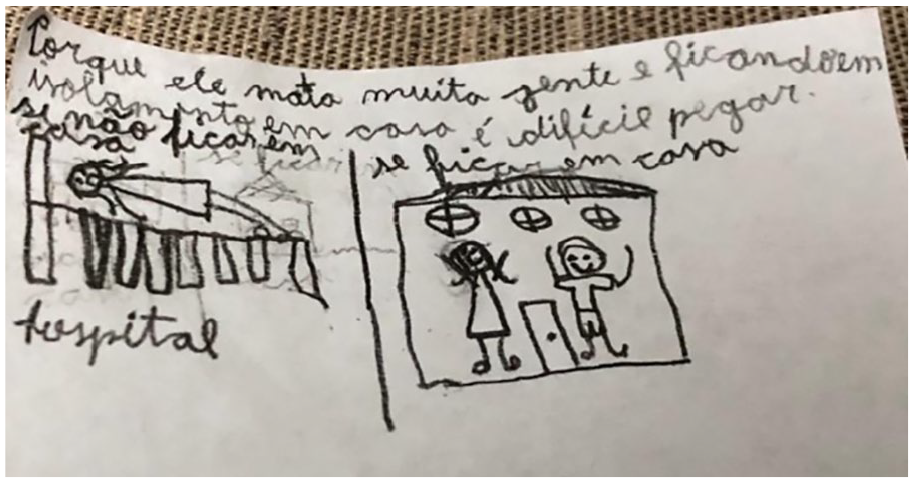
Brazil picture 12 [If you don’t stay at home, you go to hospital].
‘Stopping the spread’ – children’s depictions of measures and actions to mitigate transmission
There were many portrayals of means to mitigate the spread of the virus, such as washing hands (Figures 10 and 11) and the use of hand sanitiser (Figure 12). The labels and text within the drawings highlighted that children understood the importance of ‘everyone staying 2 m away from each other’ (UK picture 25 not shown), ‘keeping distance’ (Sweden picture 19 not shown) and ‘covering your nose when coughing or sneezing’ (Brazil picture 11 not shown), ‘sneezing into your elbow’ (Sweden picture 6 not shown) and ‘not shaking hands’ (Sweden picture 11 not shown). Slogans such as ‘Catch it, bin it, kill it’ (UK picture 27 not shown) were featured within a few of the children’s pictures from the UK as ways to prevent the spread of coronavirus. These were part of official UK government messaging.
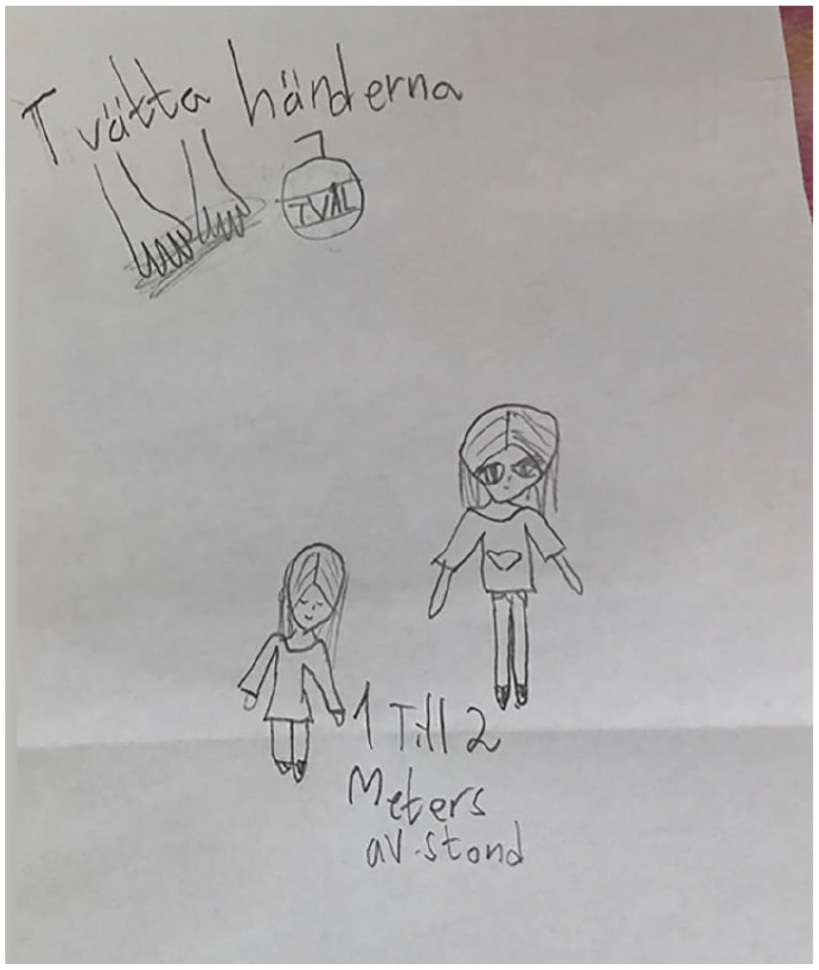
Sweden picture 10 [All must keep at least arm’s length from each other].
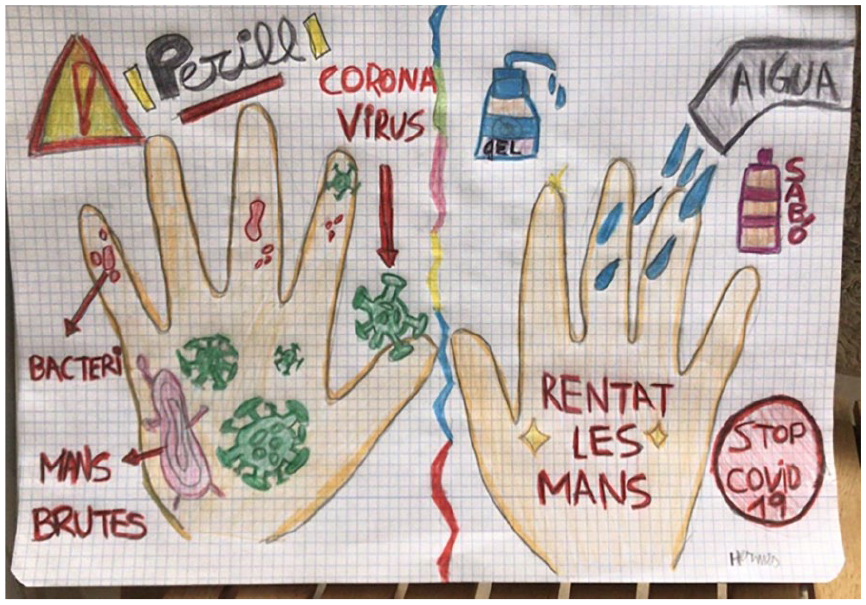
Spain picture 7 [coronavirus, wash your hands, danger, water, soap].
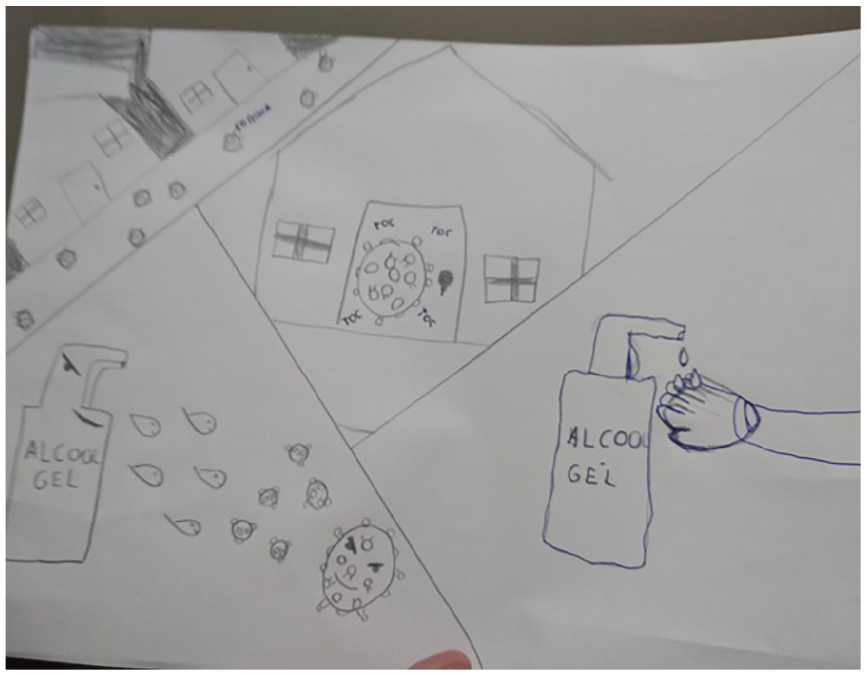
Brazil picture 4.
Some of the children’s pictures depicted people smiling and being in public spaces (Figures 13 and 14) labelled as having COVID-19. These images seemed linked to children’s understanding of the virus being invisible, where ‘symptoms might not show’ (Australia picture 9 not shown) and still be spread despite the person having them being happy and well.
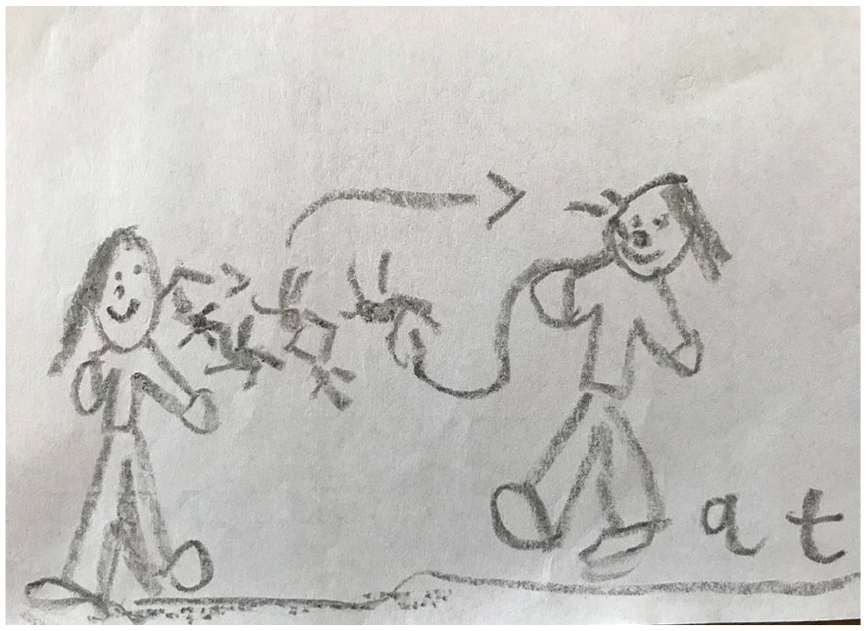
Canada picture 2.
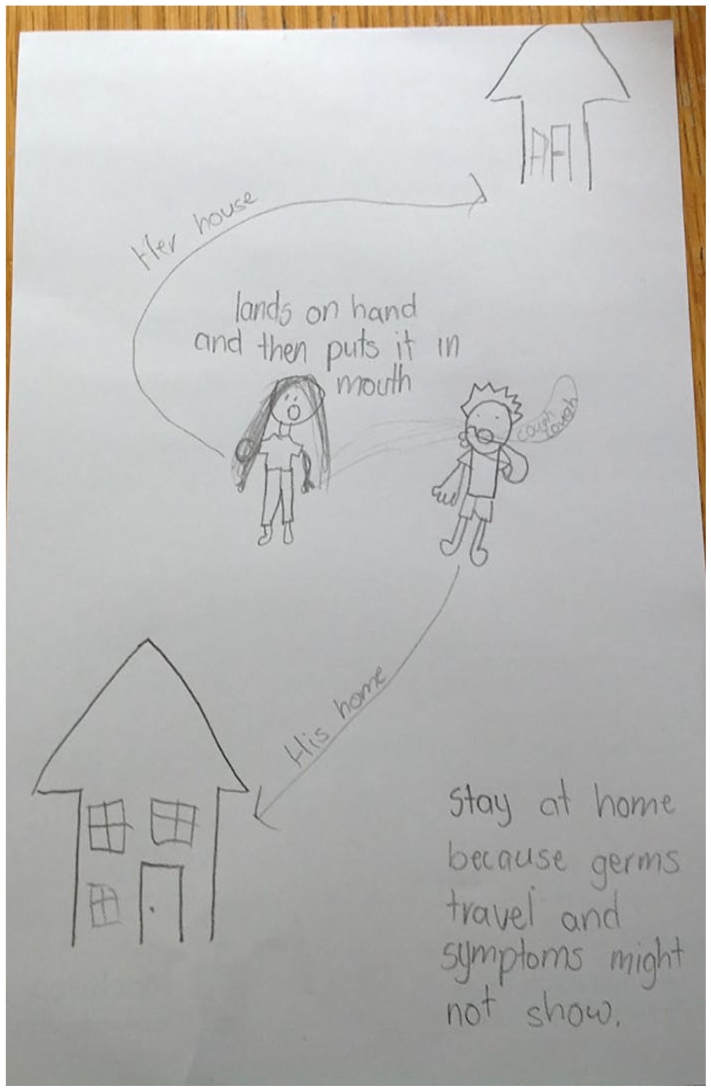
Australia picture 9.
In many pictures, particularly from Spain, Brazil and Sweden, children drew masks on people (Figure 15), pets (Figure 16) and the planet (Figure 16). This occurred despite masks only being mandatory at the time of the study in Brazil and Spain. None of the pictures from children in the UK included images or reference to masks.
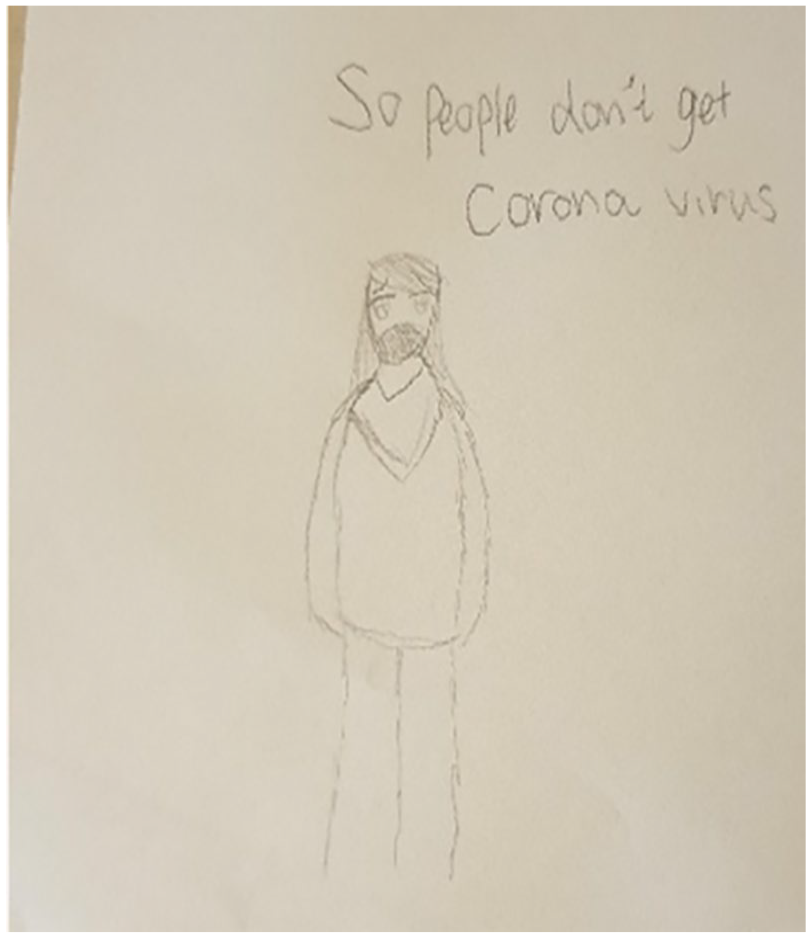
Australia picture 13.
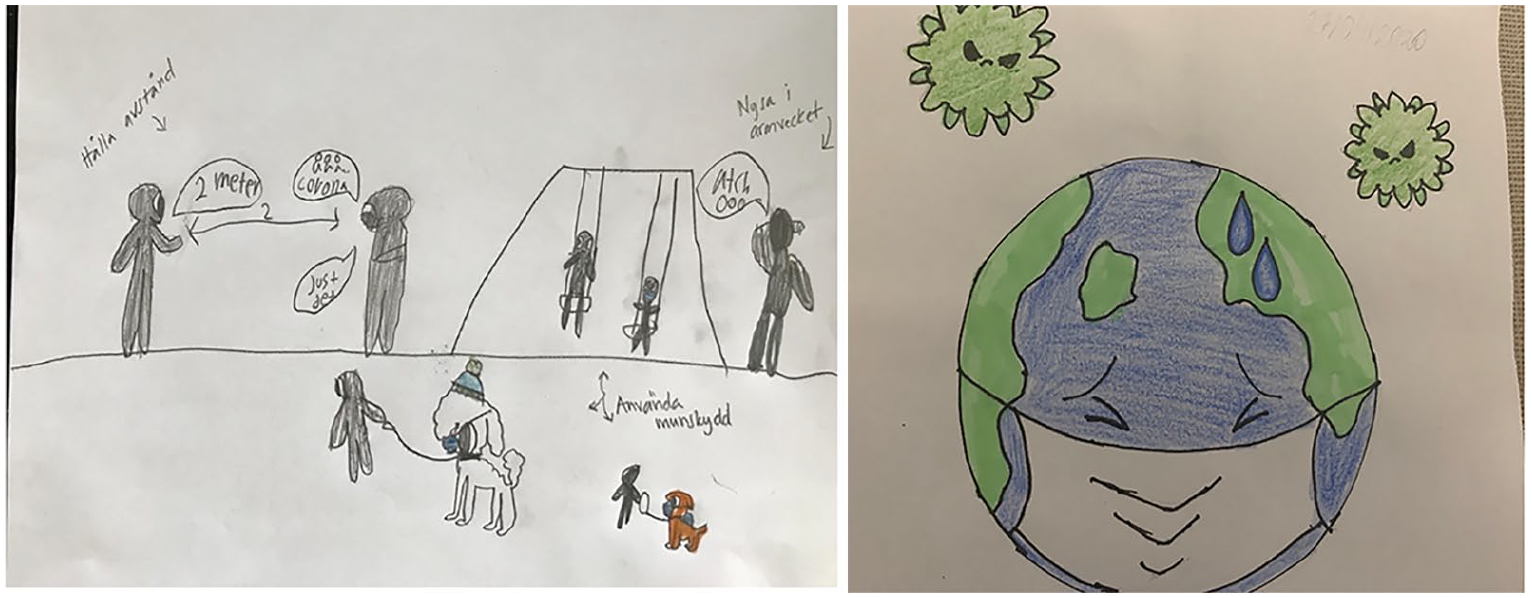
Sweden picture 19 [keep your distance, ooo corona, sneeze/cough in your elbow, use mask] and Brazil picture 27.
‘Staying at home to stay safe’ – children’s depiction of places of safety during the pandemic
Children’s pictures from all of the participating countries, apart from Sweden, depicted children inside their homes and in their gardens, many showing faces looking out from windows in the house (Figure 17). Home was described by many of the children as a place of safety that was impenetrable to the virus, ‘if you are in a house, germs cannot spread to you’ (UK picture 4 not shown), ‘bacteria cannot touch me as long as I stay home’ (Figure 25 ‘the virus cannot go inside’ (Spain picture 10 not shown). Many of the children’s drawings featured slogans such ‘stay inside’, ‘stay at home’, which aligned with public health messaging from within their country, such as from within the UK ‘stay home, save lives’ (UK picture 13 not shown), ‘stay home to stay safe’ (UK picture 24 not shown), Australia to ‘stay inside to save lives!’ (Australia picture 5 not shown), Brazil ‘Stay home to stay safe’ (Brazil picture 9 not shown) and in Spain with the inclusion of the hashtag ‘#QuédateEnCasa’ [Stay home] (Figure 18), as a public message. The home as a place of safety, in some cases, extended to include the garden; in these cases, the garden was depicted as being boundaried and separate to being outside (Canada picture 4 not shown).
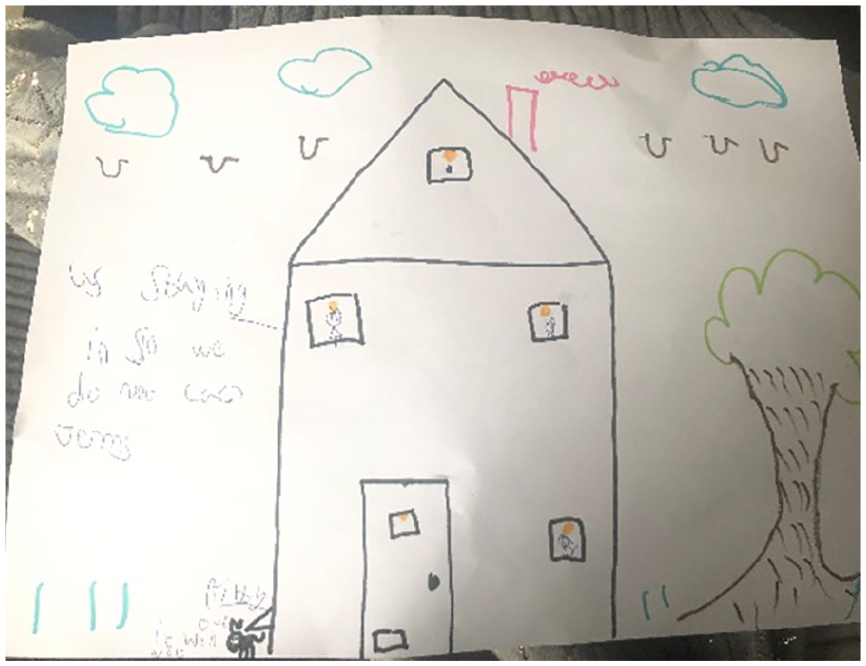
UK picture 31.
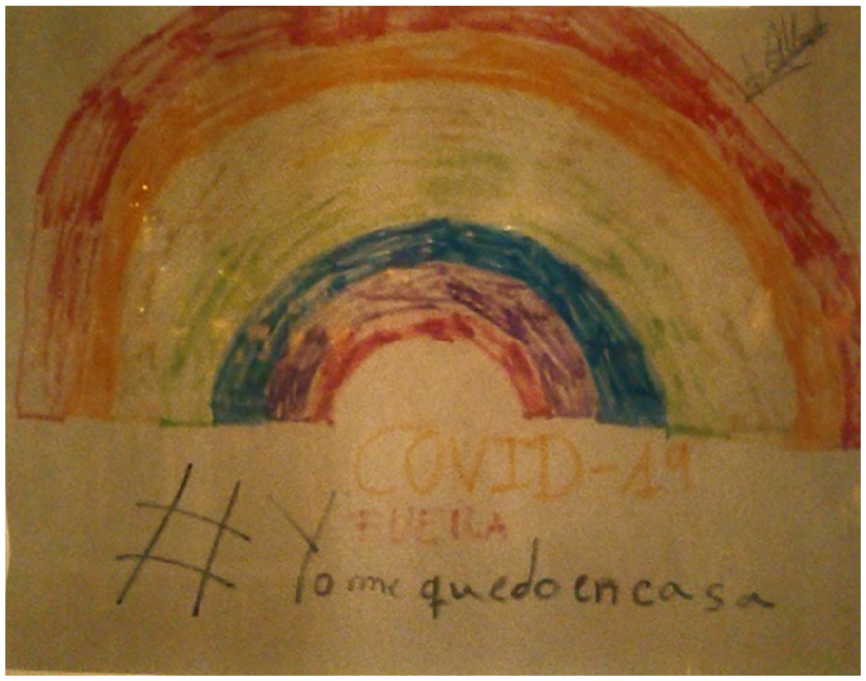
Spain picture 2 [I’m staying at home, strength and COVID-19].
Most of the pictures from the UK, Spain, Brazil, Canada and Australia showed that being outside was associated with risk. The safety of home in these pictures was in contrast to outside the boundaries of their house, which was often depicted as surrounded by SARS-CoV2, either as many small viruses (Figure 19) or a single large virus outside their home (Figure 20).
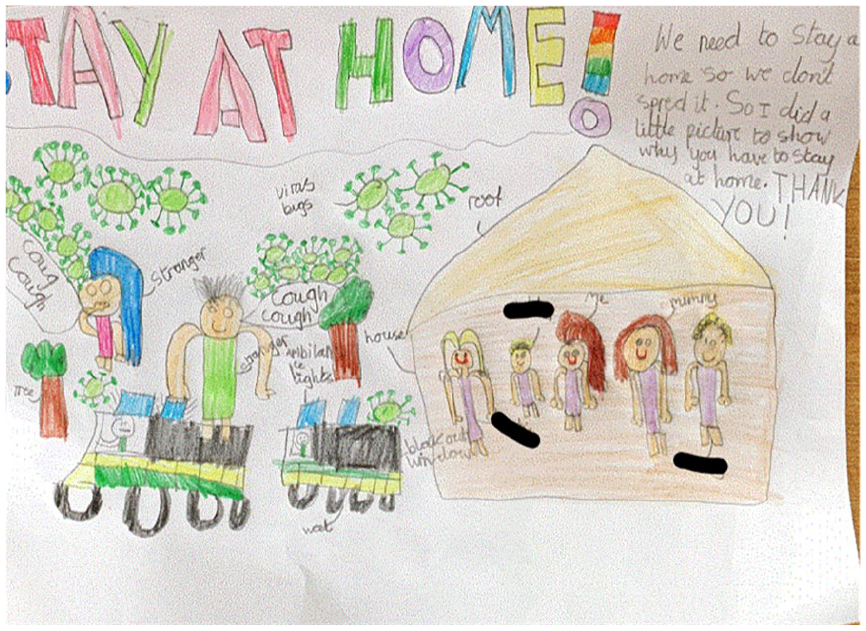
UK picture 24.
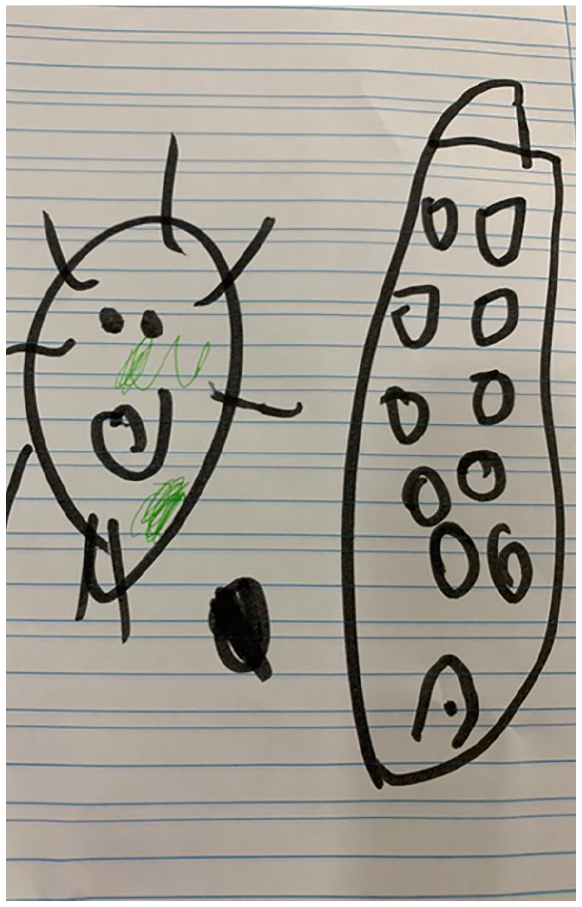
Brazil picture 15.
The risk of being ‘outside’ was revealed by children drawing infected people on the streets around their home, or the dangers of being exposed to the virus while shopping for groceries (Figures 21 and 22).
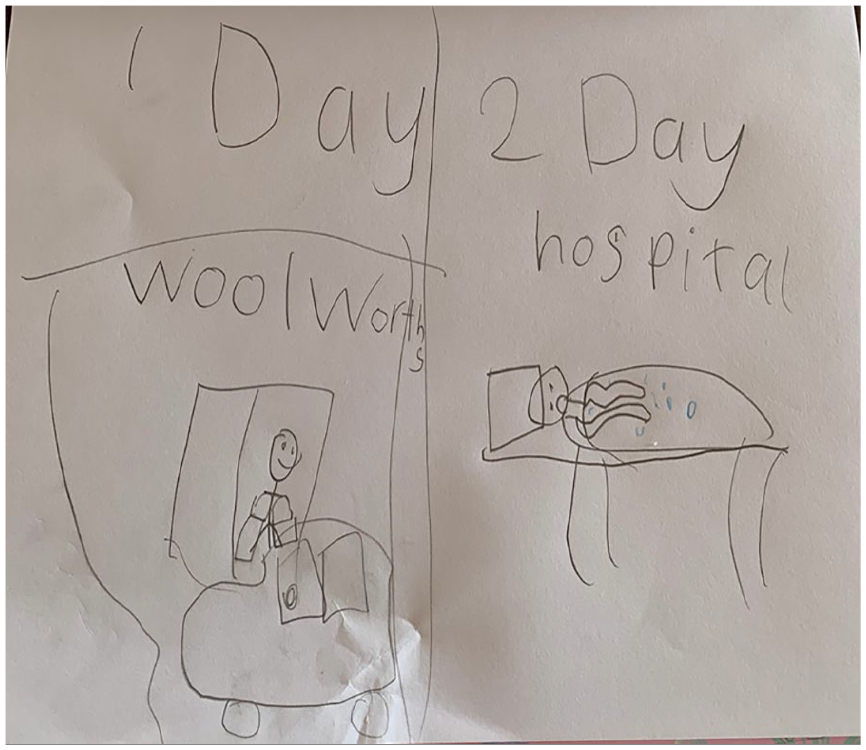
Australia picture 4.
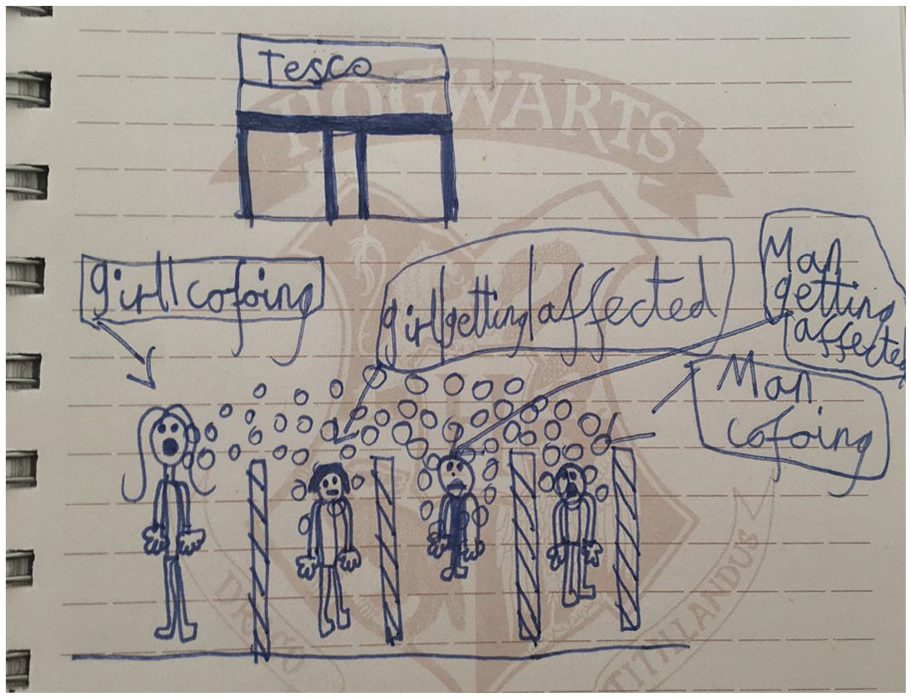
UK picture 11.
In contrast to pictures from the UK, Spain, Brazil, Australia and Canada, the pictures of children from Sweden depicted feelings of safety associated with being in outside spaces (Figure 23), ‘keeping on being outdoors with outdoor activities’ (Figure 23) as long as they ‘don’t hang out with others so much’ (Figure 23). This is in line with guidance within Sweden that although children should not be ‘in groups of more than 50 persons’ (Figure 7), they are encouraged to be outside in open spaces.
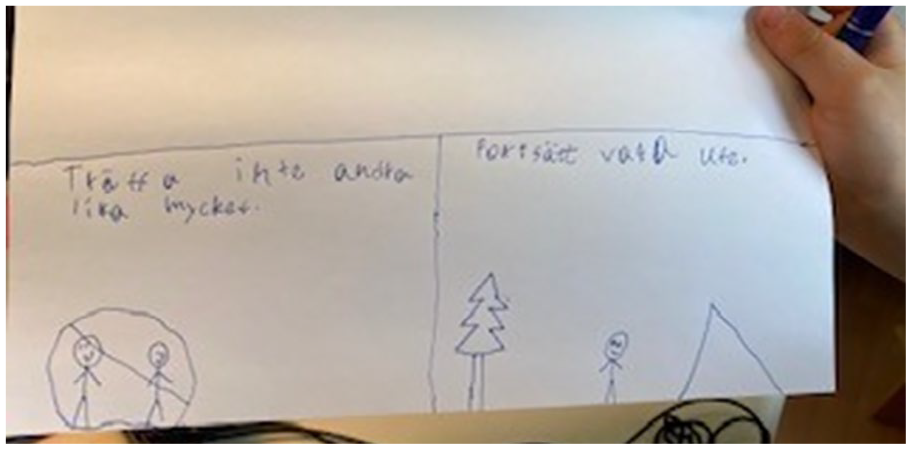
Sweden picture 3 [Don’t hang out with others so much, keep on being outdoors].
Many children portrayed themselves as being ‘happy’ with smiling faces, while adopting stay at home guidance (Figures 24 and 25).
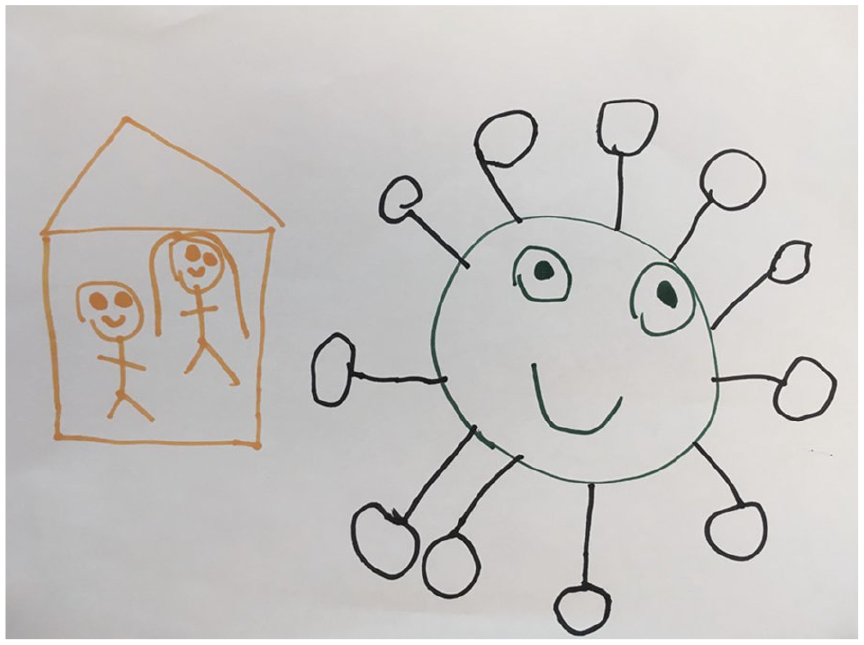
UK picture 32.
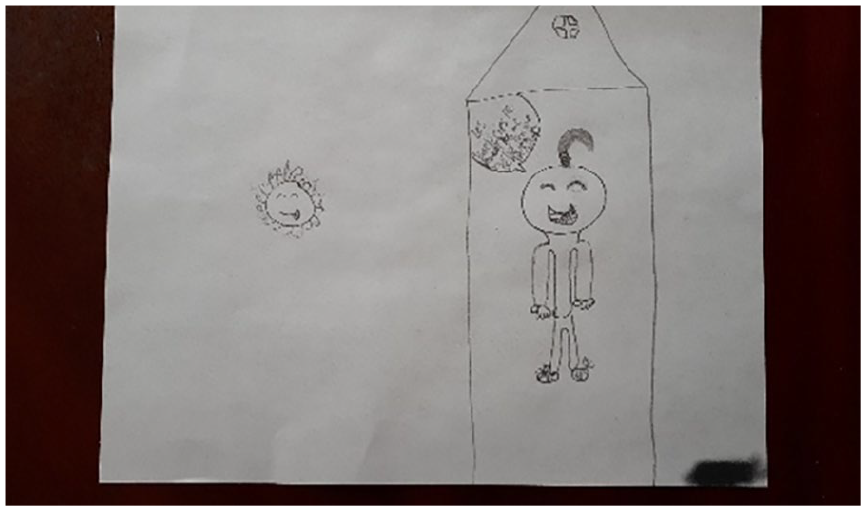
Canada picture 7 [Bacteria cannot touch me if I stay in the house].
However, some children created pictures that seemed to suggest they felt constrained and sad by social distancing rules and the requirement to stay at home (Figure 6), and how they missed not being able to see or be with close friends and family members such as grandparents (Figure 7).
‘Protecting myself, my family and protecting others’ – children’s depictions of their role in mitigating transmission
Children’s pictures signalled an understanding of the multiple reasons why they were asked to stay at home and/or maintain social distancing. Many pictures provided explanations that children were following guidance to ‘be safe’ (Australia picture 8 not shown) and ‘stay safe’ (UK picture 40 not shown) to not be exposed to the virus and become ill themselves. Many images also acknowledged how children were staying at home to protect other members of their family and to ‘keep the old people in my family’ (UK picture 1 not shown) safe. Pictures also depicted that children were staying at home or maintaining social distancing to ‘keep everyone SAFE!!!. NHS [National Health Service], one lunged people or people who have bad lungs, old people, people with cancer, fat people’ (UK picture 41 not shown), staying home to ‘stop the spread’ (Canada picture 9 not shown).
Children also described their actions as protecting more vulnerable people within their community from ‘getting it and dying’ (UK picture 26 not shown) and that people ‘may have died just because you didn’t stay at home’ (UK picture 15 not shown). There was a sense from some of the children’s pictures that they were acting in line with guidance to ‘protect’ (Canada picture 3 not shown), ‘look after each other’ (UK picture 36 no shown), ‘take care of each other’ (Sweden picture 13 not shown) and to ‘not give the disease to others’ (Canada picture 5 no shown). Many of the children’s pictures from within the UK included labels suggesting their actions were to ‘protect the NHS’ (Figure 26), which was a key public health message used during the pandemic in the UK.
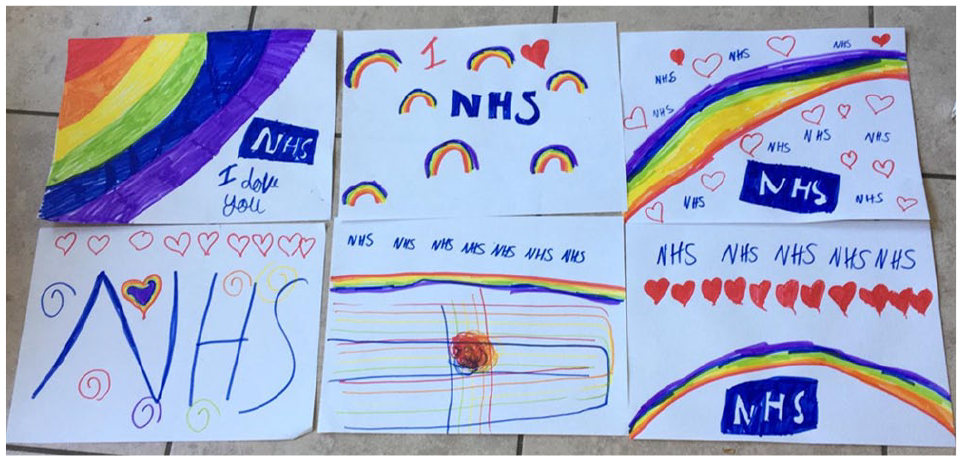
UK picture 43.
Children’s pictures from the UK and also Spain (Figure 27) included images such as rainbows. Some drawings from Sweden paid tribute to health professionals by decorating their images with a star on the chest (Sweden picture 5 not shown) and images of hearts (Sweden picture 16 not shown, Sweden picture 20 not shown).
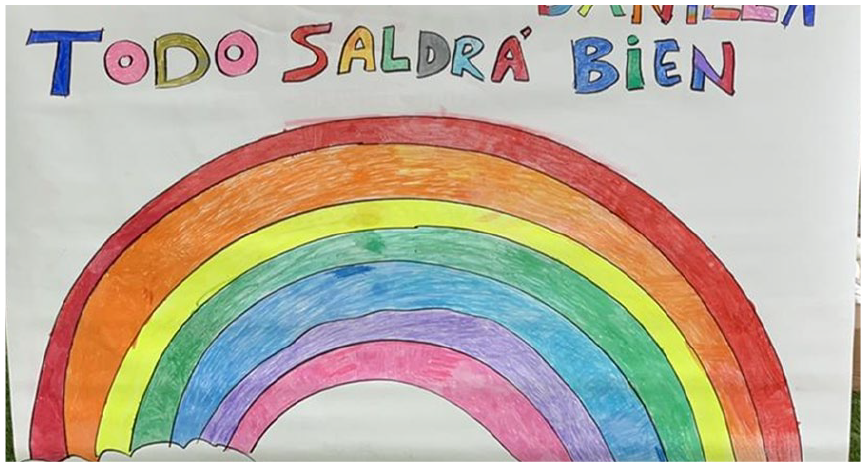
Spain picture 9 [All is going to be fine].
In Canada, some children’s images included key phrases and messages used during the pandemic such as ‘#ca va bien aller’ [it’s going to be fine] (Figure 6). In Australia, however, generic national messages or slogans about health services were not reflected in the pictures.
Discussion
This analysis of children’s pictures from six countries, has aimed to provide insight into children’s health-related knowledge concerning COVID-19 and measures to mitigate SARS-CoV2 transmission. Current research has revealed that children have been made to feel anxious, worried and concerned about COVID-19 (Brooks et al., 2020; Garcia de Avila et al., 2020; Idoiaga et al., 2020). However, to date, there has been little investigation of the health-related knowledge that children have about the pandemic, even though information and understanding are important in helping children make sense of a situation (Save the Children, 2020; Stein et al., 2019) and understand what is happening within the world (Idoiaga et al., 2020).
‘Stopping the spread’, children’s depictions of SARS-CoV2, how it spreads and actions to mitigate spread
Many of the children’s pictures implied they had a good understanding of SARS-CoV2 and COVID-19 and the measures required to reduce transmission. This counters some of the literature suggesting that measures to prevent spread are not well understood by children (Vessey and Betz, 2020). The ability of children to understand important elements of an infectious disease outbreak has been evidenced before in relation to severe acute respiratory syndrome (SARS) (Koller et al., 2010). This paper adds to this understanding in relation to the COVID-19 pandemic by showing how the images and labelling within some of the children’s pictures demonstrated an ability to link knowledge and ideas of how the SARS-CoV2 spreads and how transmission can be reduced. Although some of the pictures included only simple depictions of the virus and limited content, we did not see any content, which reflected misunderstandings or misconceptions about COVID-19, as has been reported by children lacking information in previous pandemics (Koller et al., 2010).
‘Staying at home to stay safe’; children’s depictions of places of safety linked to public health messaging during the pandemic
Working with pictures from different countries and contexts allowed us to examine potential contrasts between the responses in relation to places of safety. In majority of cases, children depicted being inside and being at home as safe and providing protection from the virus; while in Sweden, being outside was portrayed as safe and healthy. Children’s health-related knowledge seemed linked to their awareness of key slogans and public health messaging within their country. In their images, children replicated slogans such as ‘stay home, stay safe’ and ‘protect the NHS’ within their pictures, which suggests that aspects of these mainly adult-directed, public information campaigns were seen, or shared and picked up by children. Apart from Sweden, where some focussed education has been provided within schools, there was little evidence of child-centred government public health messaging within the other participating countries. Information tailored for children was mainly developed by individual institutions and organisations (NSPCC, 2020) and health teams (Canadian Paediatric Society). Key documents on how public health messages should be created and shared during a pandemic tend to focus on information for the ‘public’ without identifying meaningful and separate strategies for children (Centres for Disease Control and Prevention [CDC], 2007). After the SARS outbreak in 2003, there was criticism that children had been largely absent from government planning processes (Koller et al., 2010) and this lack of acknowledgement of children’s participation rights seems to have been replicated within the current pandemic (Rowland and Cook, 2020).
‘Protecting myself, my family and protecting others’; children’s depictions of their role in the COVID-19 pandemic
Many of the children’s pictures depicted how they were helping to reduce the spread of the virus to protect other more vulnerable people within their community. Children frequently portrayed themselves as doing so by staying at home or maintaining social distancing for the good of the wider community. There seemed to be a sense of altruism in some of these pictures, whereby children were forfeiting their freedom for the greater good, despite these sacrifices often being unacknowledged (Rowland and Cook, 2020). Altruistic attitudes have been reported in previous pandemics (Chu et al., 2020) and young people have acknowledged their role as part of a bigger, collective effort to control the spread of coronavirus (Abel and McQueen, 2020; Riiser et al., 2020).
The majority of the pictures did not indicate the high levels of anxiety reported by children in Brazil (Garcia de Avila et al., 2020) or the sadness or constraint reported in other research with children from Spain (Idoiaga et al., 2020). Despite some pictures including children being stuck inside their houses and separated from friends, school and society, many reflected positive views of being safe and being with family. Rainbows were particularly evident in pictures from the UK and Spain, where the rainbow was used as a symbol of hope, displayed to cheer people up and convey a message of solidarity (Mathers, 2020) and togetherness (Anderson, 2020). However, most academic discussions relating to community togetherness and connectedness (Abel and McQueen, 2020) do not acknowledge the role or contributions of children in achieving this cohesion.
‘So I did a little picture to show you’ – children’s engagement with the research method
Asking children to draw and label a picture proved a valuable way for us to explore an aspect of children’s health-related knowledge of the pandemic. Our study used a draw and label method aligned to the more established methods of draw, write and tell (Angell et al., 2015) and draw and write (Backett-Milburn and McKie, 1999), which has been shown to be particularly relevant to explore how children’s ideas are interlinked (Pridmore and Lansdown, 1997). This paper adds to the body of evidence that using drawings is a feasible and valuable method for children to express their ideas, perspectives and knowledge. However, we offer words of caution about how such images are interpreted. Without the accompanying first-hand account of a child, we were careful to not over-interpret, misinterpret or assume knowledge and understanding when this did not exist, for example, when a portrayed image was simply copied rather than constructed.
Limitations
Despite the strengths of this investigation, we are aware of some limitations. Although asking children to ‘draw and label’ their pictures helped them to add useful details to the images, our findings are limited as we did not access children’s verbatim accounts of the meanings implicit in their drawings. It was also impossible to know to what extent parents may have influenced their child’s pictures, by prompts and directions.
Importantly, the children’s pictures submitted came from a subset of a convenience sample of children from the six countries involved in this project. The recruitment process, which used professional networks known to the researchers may have resulted in selection bias. The findings reported here are, therefore, suggestive rather than definitive with respect to what children more generally might think.
Conclusion
This study is the first to our knowledge to use a draw and label method to explore children’s health related knowledge and understandings of SARS-CoV2, COVID-19 and measures to mitigate transmission. Children’s pictures revealed a good level of understanding of these issues and their role in the pandemic. In most participating countries, images showed children ‘staying at home’ to protect themselves, their families and their communities, with the world outside being portrayed as place of danger and risk. These data, collected during the early months of the pandemic, reflect how many children were aware of public health messaging, despite these efforts being targeted mainly towards adults. Future public health messaging regarding COVID-19 should include more child-centred information at national and community levels. The efforts of children to mitigate and respond to COVID-19 transmission at individual, family and community levels require greater acknowledgement and respect.
