



Abstract
While many environmental psychologists have relied on the Wildlife Value Orientations (WVOs) scale to understand the individual patterns in cognitions and behaviors related to wildlife, limits in scope constrain its application across other topics. Conversely, Ecological Dominance Orientation (EDO), defined as preference to maintain an anthropocentric arrangement between humans and the natural environment, has demonstrated applicability across a variety of contexts. Despite both constructs being applied in the field, the relationship between the two constructs remains understudied. We sought to understand the associations between EDO and WVO within the context of support for lethal control of deer within two communities located in Georgia, USA. Results suggest that EDO strongly predicted WVOs and had a strong, positive direct and indirect effect on support for lethal control. Future research centered on EDO may help bridge our understanding of individuals’ beliefs about wildlife and other parts of the natural world.
Introduction
Environmental psychologists are increasingly seeking ways to better understand how individuals’ thought processes influence environmentally related issues (Bamberg, 2013; Gifford, 2014; Tam, 2013). This research is increasingly important because modernization and other cultural shifts transform the interconnections between wildlife populations, ecosystems, and the dynamics of human social, economic, and institutional systems (Decker et al., 2017; Riley et al., 2002). Paired with these shifts, many parts of the world have witnessed a notable emphasis on participatory governance of natural resources as a reflection of the desire to involve the public more directly in democratic processes such as wildlife management (Fung, 2015). These cultural changes necessitate environmental psychologists to adopt more holistic and inclusive approaches to protect people, ecosystems, and resource flows valued by society (Rabinowitz & Conti, 2013). In this study, we investigate how individual dispositions and value orientations influence the acceptability of interventions with consequences for natural resource management and communal living with wildlife.
Within the environmental psychology sub-field of human dimensions of wildlife management, many environmental psychologists have relied on the Wildlife Value Orientations (WVOs) conceptual framework to gain insight into the diverse array of values and beliefs that individuals and societies hold concerning interactions with wildlife (Jacobs et al., 2014, 2022; Teel & Manfredo, 2010). The WVO conceptual framework also seeks to categorize individuals into different value orientations to better understand their motivations and behaviors in relation to the natural world (KC et al., 2021; Schroeder et al., 2021). Researchers contend that individuals differ in their beliefs about consumptive use of wildlife, rights of non-human species, and human superiority (Manfredo et al., 2020; Vaske et al., 2011). Studies suggest that wildlife values can predict specific cognitions, such as attitudes toward wildlife, wildlife interactions, and wildlife management actions (Ghasemi & Kyle, 2022; Hermann & Menzel, 2013; Jacobs et al., 2014; Kolandai et al., 2023). Similar research demonstrates WVOs’ usefulness in tailoring effective conservation strategies, developing informed policies, and crafting educational initiatives under specific contexts that resonate with different segments of the population (Freeman et al., 2021; Miller et al., 2018; Teel & Manfredo, 2010).
Although the WVO cognitive framework has demonstrated usefulness in specific contexts, the relationship of wildlife values with other social-psychological factors that create and reinforce individual perspectives and value manifestations remains underexplored (Jacobs et al., 2022; Rahmani et al., 2023). Furthermore, cultural value orientations such as the WVO conceptual framework have been criticized as essentializing, over-applied, and universalist (Craig & Douglas, 2006; Kagiçibasi, 1997). Connecting the WVO framework to other individual difference measures which may be generalizable across domains can help develop and connect fundamental principles that transcend contexts and disciplines. Understanding these connections is crucial for identifying patterns in human cognition and may provide a more nuanced perspective on how general environmental values and dispositions shape more specific beliefs concerning wildlife (Kim et al., 2017; Waytz et al., 2010). Therefore, research that connects previous findings related to wildlife values to more generalized beliefs about the natural world will serve as a valuable foundation for addressing complex challenges.
One such framework that has helped environmental psychologists better understand how humans perceive the natural world is Ecological Dominance Orientation (EDO). Ecological Dominance Orientation is an individual difference measure that relates to an individual’s “general preference to establish and maintain an anthropocentric and hierarchical arrangement between humans, nonhuman animals, and the natural environment” (Uenal et al., 2022). Scholars posit EDO as an interrelated but psychologically distinct construct from Social Dominance Orientation (SDO), which measures an individual’s general preference for hierarchically organized social arrangements (Milfont et al., 2018). Ecological Dominance Orientation also captures an overarching and generalizing hierarchical perspective encompassing the relationships between humans, non-human animals, and the natural environment (Uenal et al., 2022). Researchers assert that an individual’s orientation plays a significant role in shaping acceptance of “legitimatizing myths,” or values, beliefs, and ideologies that provide moral justification for both cultural structures and individual behaviors (Sidanius & Pratto, 2012). Research suggests that adherence to legitimizing myths shapes cognitions toward a variety of topics, such as attitudes toward climate change mitigation policies, endorsement of pro-environmental collective action, and beliefs about environmental risks (Hyers, 2006; Leung & Koh, 2019; Milfont et al., 2013).
While EDO and related frameworks have been increasingly applied in the fields of environmental psychology (Stanley et al., 2019; Uenal et al., 2022), its relationship with domain specific measures such as WVOs remains understudied. Based on theory, it is possible that domination-oriented wildlife values serve as a form of legitimizing myth that rationalizes exploitation of natural resources. Thus, the primary purpose of this study is to evaluate the relationships between EDO and WVO to examine if dominance orientation is a predictor of beliefs, values, and behaviors pertaining to interspecies and human-environment relations. Based on previous research, we specifically sought to investigate how EDO serves as an upstream contributor to individuals’ conceptualization of wildlife values as well as their wildlife-specific attitudes. In this study, we investigate the associations between EDO, WVOs, and support for lethal white-tailed deer (hereafter deer; Odocoileus virginianus) management interventions among suburban and semi-rural residents in Georgia, USA. In doing so, we sought to further our understanding of the cognitive processes relevant to human-wildlife interactions while also contextualizing individuals’ values toward wildlife within a cumulative body of theory related to intergroup relations and conflict. We hope that our findings will further energize the integration of interdisciplinary research into primary scholarship related to human dimensions of wildlife.
Ecological Dominance Orientation
Ecological Dominance Orientation is an individual difference characteristic emphasizing a preference for human mastery and control over the natural world (Uenal et al., 2022). This orientation represents a strict anthropocentric hierarchy, where humans are regarded as superior to other elements of the natural world. Scholars suggest individuals with high EDO likely perceive other parts of the natural world as a hierarchical, highly competitive arena where species must dominate and exploit other species for survival (Panno et al., 2018; Ucar et al., 2023). As a dispositional trait, EDO reflects an individual’s inherent psychological traits, tendencies, or predispositions and may influence individual attitudes and beliefs across various contexts. Unlike value orientations, an individual’s predisposed traits may not always be explicitly conscious and may emerge in response to specific circumstances or stimuli. Studies have shown that individuals with a high EDO tend to exhibit a more utilitarian perspective, emphasizing the exploitation of natural resources for human benefit (Uenal et al., 2022). Individuals with strong dominance orientation are also likely to hold values tied to economic growth, industrialization, and technological advancement (Panno et al., 2018).
Ecological Dominance Orientation is grounded in extensive research based on Social Dominance Theory (SDT). Social dominance theory is a comprehensive framework that posits that individuals and groups within a society are predisposed to form and maintain hierarchical social structures, with some groups exerting dominance over others (Ho et al., 2012; Pratto et al, 1994). The overriding framework suggested by SDT assumes that social hierarchies are innately universal and that individuals differ in their SDO or their preference for inequality among social groups (Ho et al., 2015; Zubielevitch et al., 2023). The original formulation of SDT identified the categories of age, sex, and other arbitrary sets of differences (race, ethnicity, or nationality) as the primary principal hierarchical axes where power differences are associated with inequality (Pratto et al, 1994). Uenal et al. (2022) suggested that ecological dominance is a potential fourth axis of hierarchical differentiation separate from the three original axes of ageism, sexism, and racism theorized in SDT. While interrelated with the other three axes, EDO uniquely pertains to hierarchal differences between humans, non-human species, and the natural environment (Ucar et al., 2023). Uenal et al. (2022) first demonstrated the interrelationship between EDO and SDO both within and between different contextual domains, while also demonstrating EDO’s ability to uniquely predict the adoption of pro-environmental behavior. Further research lends support to the notion of EDO as a unique predictor by showing its predictive utility after controlling for the effects of SDO, anthropocentrism, and other forms of human supremacy beliefs (Uenal et al., 2022).
Despite the increasing acceptance of EDO as an important predictor of anthropocentric beliefs and attitudes toward environmental, intergroup, and related behaviors (Milfont et al., 2018; Stanley et al., 2021; Stanley & Wilson, 2019), EDO’s influence on WVOs has not been studied. Clarifying this relationship is important, given the predominance of the WVO framework in much of the human dimensions of wildlife literature. Investigating this relationship can help clarify the antecedents of wildlife-specific attitudes and their relationship with other more generalizable orientations pertaining to intergroup relations and hierarchy formation.
Wildlife Value Orientations and Ideology
Value orientations are intricate networks of core beliefs that function as mental representations of a person’s world and are closely related to ideology (Schwartz, 2007). Ideology represents a set of cognitive, affective, and motivational beliefs that, when shared among a group, help them understand meaning, know who they are, and relate to one another (Jost, 2006; Pratto, 1999). Scholars contend that ideologies are reflected in the value orientations, or pattern of direction and intensity of basic beliefs held by a cultural group (Inglehart et al., 1998; Manfredo, 2008; Passini, 2020). Wildlife value orientations encompass a spectrum of beliefs that individuals hold toward wildlife, reflecting their perceptions of the importance and role of wildlife in their lives and society (Fulton et al., 1996; Whittaker et al., 2006).
Researchers have identified mutualism and domination as the predominant wildlife ideologies among the general public in the United States, with a minority of the population holding distanced or pluralist orientations (Manfredo, Teel, & Zinn, 2009; Teel & Manfredo, 2010). Domination reflects an ideology centered on mastery of nature and the superiority of humans over wildlife (Manfredo, Teel, & Zinn, 2009). Those with a domination-oriented perspective may prioritize human well-being over the welfare of wildlife and believe that humans possess the fundamental right to use wildlife for human benefit (Miller et al., 2018). Scholars suggest that the predominance of dominance orientation among Western cultures may be associated with Judeo-Christian religion, Western European colonialism, and the expansion of capitalist ideals (Hand & Van Liere, 1984; Manfredo, Teel, & Hentry, 2009; Pattberg, 2007). In contrast, mutualism represents an egalitarian ideology hallmarked by an emphasis on equality and a view that animals possess similar characteristics to humans, and therefore deserve rights and compassion (Abidin & Jacobs, 2019; Freeman et al. 2021). Individuals with strong mutualism orientations may prioritize coexistence and mutual welfare between humans and wildlife (Freeman et al., 2021; Jacobs et al., 2014). Scholars suggest that mutualism-oriented individuals may be more likely to emphasize the importance of wildlife rights and welfare in consideration of the needs of humans (Teel & Manfredo, 2010).
While the WVO conceptual framework is frequently utilized by human dimension researchers to understand wildlife-specific beliefs, the upstream antecedents directing one’s wildlife values are understudied. The lack of previous inquiry has led to uncertainty in how wildlife values may relate to other important socio-psychological and dispositional factors. One potential explanation may be their ecological dominance motivations.
Lethal Wildlife Management
Deer demonstrate high adaptability to anthropogenic landscape changes and disturbance (Bowman, 2011). Consequently, high deer densities have become increasingly common in suburban and exurban areas (Urbanek & Nielson, 2013). Deer management in these areas is often limited because of safety and public relations concerns, hunting restrictions, and conflicting social attitudes (Boehne et al. 2024; Curtis, 2020; Sullivan & Messmer, 2003). Over the past two decades, a considerable number of studies have been undertaken to explore the human dimensions of deer management, including public perceptions, values, and attitudes concerning the challenge of deer abundance (Urbanek & Nielsen, 2012; West & Parkhurst, 2002). Deer can cause substantial damage to crops, gardens, and landscaping, leading to economic losses for property owners. Deer populations also pose several potential risks, including over-browsing of native forage, vehicle collisions, and disease transmission between deer and farmed livestock.
In areas where deer are abundant, communities frequently find themselves grappling with the consequences of deer-related property destruction. Deer-related conflicts have been shown to create considerable tensions between stakeholder groups, constituents, and community members (Butfiloski et al. 1997). Experts suggest growing diversity shifts in wildlife-specific beliefs may exacerbate these conflicts, especially when lethal deer management is used (Doerr et al., 2001; Urbanek, 2011). Many communities attempt to mitigate deer-related issues via sharpshooting and controlled hunts (Williams et al., 2013). However, lethal management often faces public scrutiny and communities may turn to non-lethal management techniques such as exclusion, repellents, or education (Curtis, 2020; Raik et al., 2003) to mitigate deer-related issues. Thus, with the effective yet controversial nature of lethal deer management, more research is needed on the psychological mechanisms leading residents to support or oppose this type of deer management.
Current Study
With the controversial nature of lethal deer management in mind, this study sought to understand the associations between EDO and WVO within the context of support for lethal control of deer. Researchers across disciplines have connected individuals with strong dominance orientations with value orientations that promote strict hierarchy and exploitation of perceived outgroups (Milfont et al., 2018). Previous studies suggest dominance orientations have an antagonistic relationship with values that promote tolerance or egalitarianism (Feather & McKee, 2008, 2012; Vilar et al., 2020). Conversely, individuals with weak dominance orientations may be less accepting of interventions that imply harm or use of violence to maintain power dynamics between groups.
In the context of wildlife management, we suggest dominance orientations may influence the development and manifestation of specific wildlife values and orientations in addition to affecting support for killing wildlife. We posit that individuals with strong dominance orientations may be likely to adopt domination-oriented wildlife values that serve to rationalize exploitation of wildlife and reinforce a human-dominated ecological hierarchy and feelings of mastery over nature. Additionally, individuals with strong dominance orientations may be more likely to support killing wildlife in contexts where personal property or other resources are under threat and oppose interventions that promote egalitarian values such as non-lethal deer management. Conversely, individuals with low dominance orientation are more likely to ascribe to mutualism-orientated wildlife that attenuate anthropocentric hierarchy and may be less accepting of interventions methods that imply lethal management of wildlife. We offer the following hypotheses regarding the interrelationships between the constructs:
H1: Ecological Dominance Orientation will have a positive association with WVO-Domination Orientation and a negative association with WVO-Mutualism Orientation.
H2a: WVO-Domination Orientation will have a positive association with support for lethal management interventions.
H2b: WVO-Mutualism Orientation will have a negative association with support for lethal management interventions.
H3: Ecological Dominance Orientation will have a positive direct association with support for lethal management interventions.
H4: Ecological Dominance Orientation will have a positive indirect association with support for lethal management interventions via WVO-Domination and WVO-Mutualism Orientation.
Materials and Methods
Study Site
Our study was conducted in one suburban and one semi-rural residential community in the state of Georgia, USA. We classified each community based on its population density and the presence of deer-human conflicts. We defined a suburban community as a residential community with a population density between 251 and 965 people/km2 and a semi-rural community as a residential community with a population density between 15 and 251 people/km2 (Theobald, 2004). Community 1, a residential community located on the northern fringe of the Piedmont ecoregion in Roswell, GA, met the suburban community criteria with a population density of approximately 965 people/km2 based on 2020 census data (U.S. Census Bureau, 2023). Community 2, a residential community located on the southern range of the Appalachian Mountains in Jasper, GA, met the semi-rural community criteria with a population density of approximately 75 people/km2 based on 2020 census data (United States Census Bureau, 2023). Both communities had experienced significant deer-human conflicts in the past and had reached out to the Georgia Department of Natural Resources for help managing deer in their community.
Data Collection
We selected respondents using two sampling methodologies that best fit the nature of each community. With Community 1 being a traditional suburban community, we used census-guided systematic random sampling to distribute a representative number of questionnaires in each of the community’s census blocks (Boley & McGehee 2014; Palardy et al., 2018). However, Community 2’s mountainous landscape made census-guided systematic random sampling impractical. Instead, we utilized their central mailroom to conduct a mail-based surveying effort after digitizing their community directory to nearly census the community.
We collected survey data using a mixed-mode design that followed accepted research methodology (Dillman, 2014). The University of Georgia’s Institutional Review Board reviewed and approved the survey purpose, protocol, and questionnaire. We surveyed Community 1 from May 18th to 31st, 2023 and Community 2 from June 16th to August 1st, 2023. For Community 1, we distributed 500 questionnaire packets and 563 QR-code questionnaire postcards using a standardized protocol. For Community 2, we initially distributed a questionnaire packet that contained a personalized cover letter, survey questionnaire, and a pre-paid business-reply envelope to residents who included a valid address to the community’s mailroom or preferred alternative address (n = 755, 59 respectively). Additionally, we hand-delivered questionnaires to households that did not include a valid mailing address in the 2023 community directory (n = 16). We sent out reminder emails on June 26th, 29th, and July 10th, 2023.
Proposed Measures
The analysis presented in this paper focused on respondent’s EDO, WVOs, and support of lethal deer management techniques. We measured EDO using a 7-point iconographic scale proposed by Uenal et al. (2022; Figure 1). The single-item EDO scale has demonstrated discriminate validity with similar but unique constructs such as social dominance orientation, human supremacy beliefs, anthropocentrism, and right-wing authoritarianism (Uenal et al. 2022).
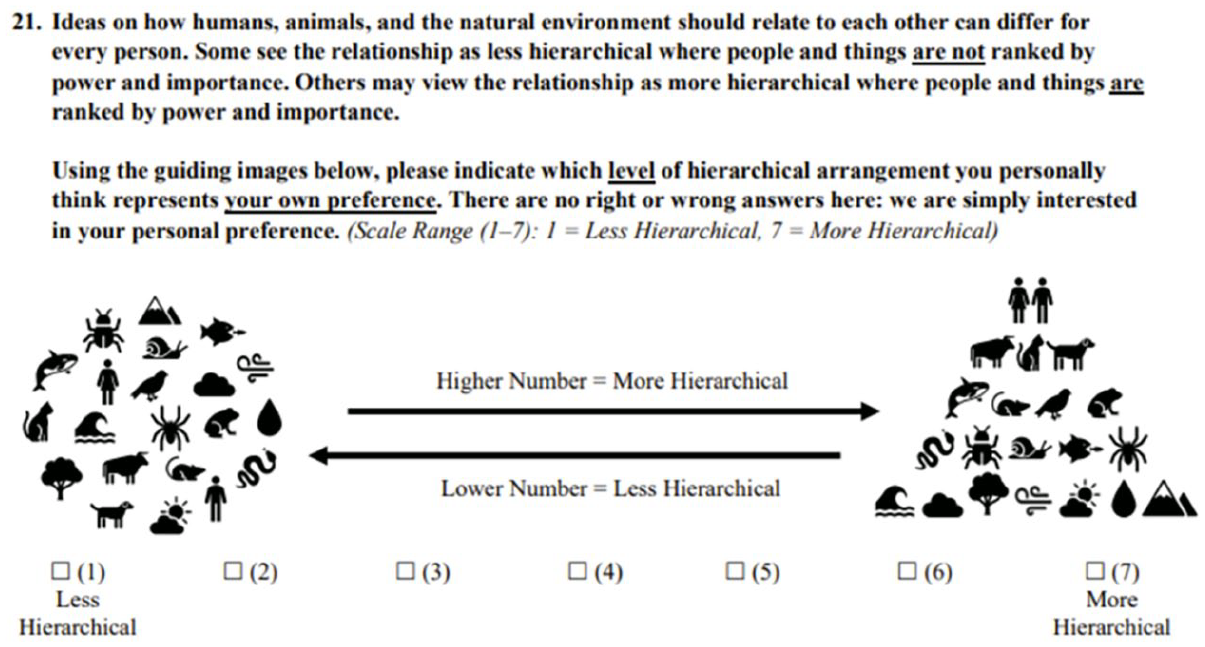
Ecological dominance orientation scale as proposed by Uenal et al (2022).
We measured WVOs using 14 items derived from Keener-Eck et al. (2020). We measured WVOs items using a 5-point Likert scale ranging from strongly disagree to strongly agree. We used an abbreviated form of the WVO scale due to space constraints on the survey instrument and the desire to reduce the response burden on respondents (Boley et al., 2021). Lastly, resident support for lethal deer management was measured with a single item 5-point scale that ranged from very unsupportive to very supportive.
Data Analysis
We tested our stated hypotheses using a series of structural equation models (SEM) and followed the two-step technique proposed by Anderson and Gerbing (1988). Structural equation modeling is a statistical technique that uses both factor analysis and multivariate regression to analyze the structural relationship between multiple variables and constructs (Ullman & Bentler, 2012). We first assessed construct validity for all proposed latent constructs using confirmatory factor analysis using the lavaan package (Rosseel, 2012) in Program R 3.6.2 (R Core Team, 2019). We report factor loading, Average Variance Explained (AVE), and reliability in evaluation of the fit of our proposed measurement model. As EDO was measured using a single item, we also evaluated a 2PL model to assess discriminate validity among the EDO and WVO factors.
After establishing construct validity, we estimated the full structural model using the maximum likelihood method (Enders & Bandalos, 2001). We used bootstrapping with 5,000 iterations with replication to estimate the confidence intervals for each estimated direct and indirect effect (Cheung et al., 2024). We evaluated the fit of the proposed measurement and structural models using the chi-squared test of exact fit, and the approximate indices recommended by Kline (2015), and relative to the combinatorial rule recommended by Hu and Bentler (1999). Specifically, we considered a comparative fit index (CFI) of 0.95 and a standardized root mean square residual (SRMR) of 0.08 to indicate good fit. We also deemed the root mean square error of approximation (RMSEA) acceptable if the 90% confidence interval fell within the range of 0.05 to 0.08. In addition to the fit of the measurement model, we evaluated construct validity using the pattern of factor loadings, average variance explained (AVE) by the latent, and the composite reliability (CR). For convergent validity, we considered CR values greater than 0.60 (Nunnally & Bernstein, 1994), AVE values greater than 0.50 (Diamantopoulos et al., 2000), and standardized factor loadings greater than 0.40 (Brown, 2015) as acceptable.
Results
We distributed 1063 questionnaires (Npaper = 500 and Nonline = 563) among Community 1 and 893 (Npaper = 830 and Nonline = 63) among Community 2. We received a total response rate of 55.9% (55% and 57% respectively). Males, females, and nonbinary individuals comprised approximately 50%, 49%, and <1% of the respondents in Community 1 and 58%, 42%, and 0% in Community 2. Most respondents at both sites were primarily Caucasian/White. An overview of demographic data can be found in Table 1. We were unable to conduct telephone or mailed non-response checks due to funding and personnel limitations.
Self-Reported Sociodemographic Characteristics of the Respondents.
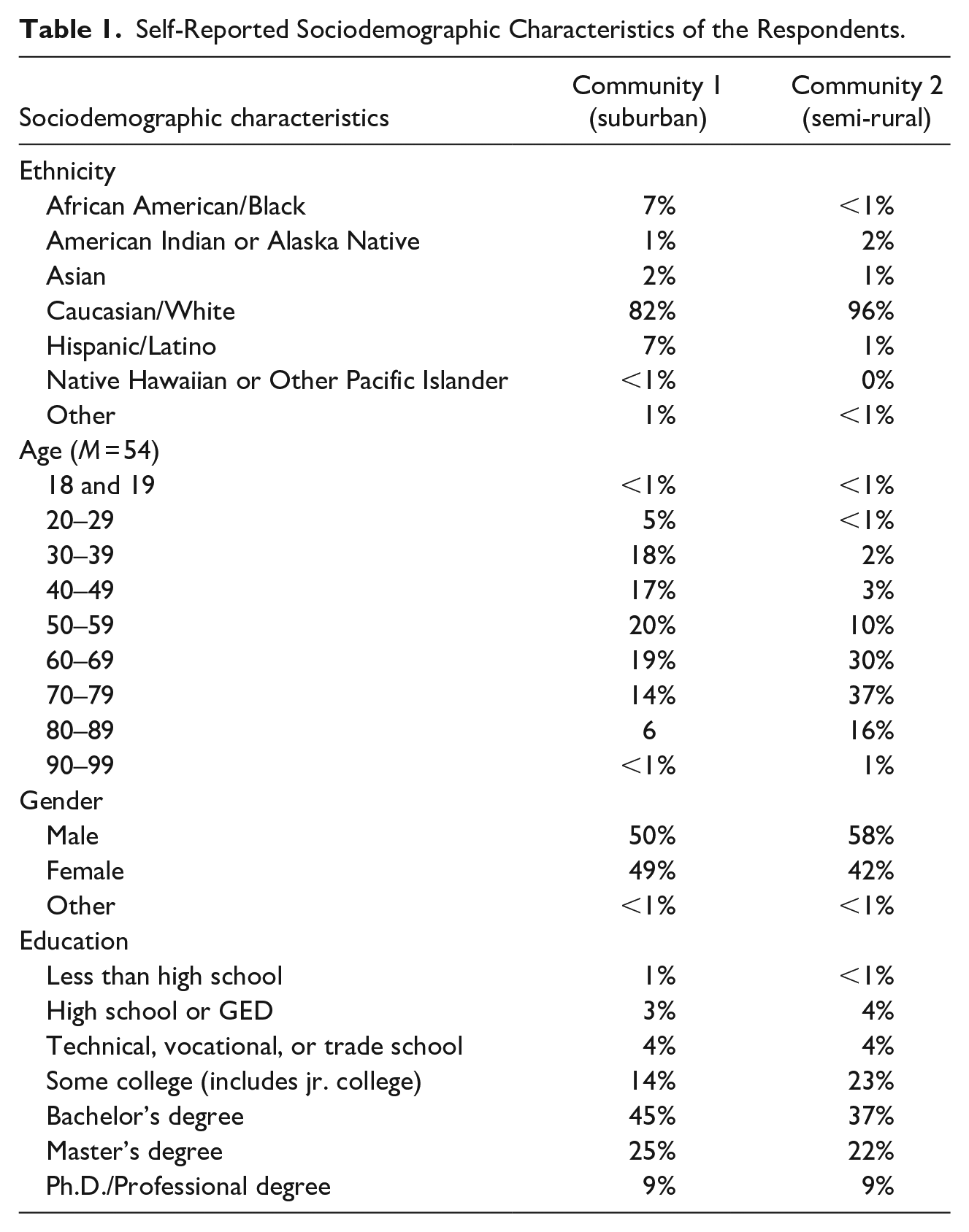
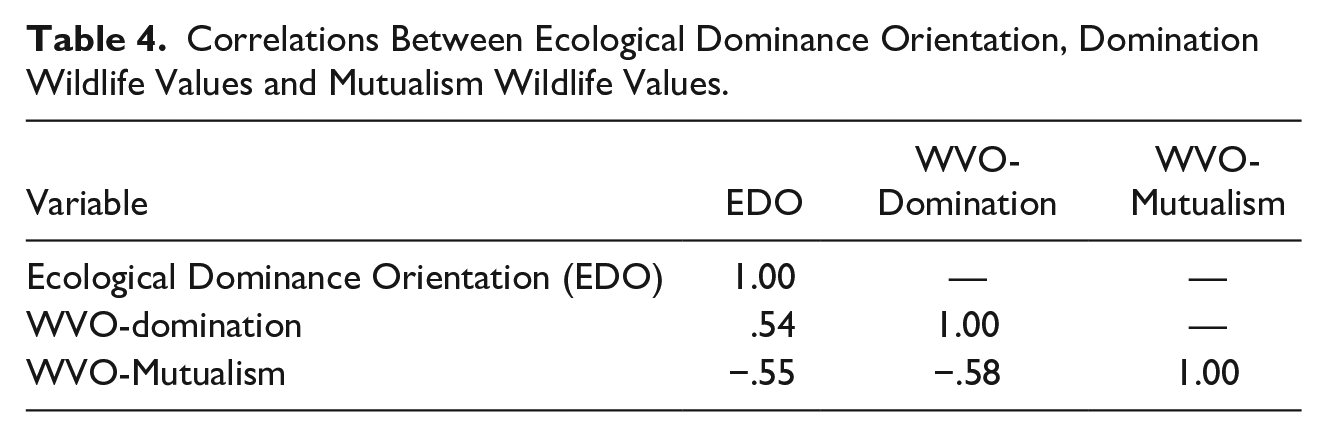
We first estimated the measurement model, allowing all pairs of latent variables to co-vary. Results suggested no modifications of the originally hypothesized model were required (Kline, 2015). The model demonstrated adequate validity relative to a priori criteria (Robust χ2 = 2252.86, df = 36, p < 0.001, Robust CFI = 0.97, Robust TLI = 0.95, Robust RMSEA = 0.06 ± 0.01). Constructs demonstrated adequate convergent validity based on CR, AVE, and factor loadings above .70, .50, and .70 respectively. Table 2 summarizes the measurement model results including item means and standard deviation, standardized factor loadings, and construct CR and AVE. We concluded that constructs demonstrated adequate discriminate validity based on the results of the two parameter IRT (2PL model; Table 3). Correlations among all proposed constructs included in the measurement model suggest an acceptable level of multicollinearity between proposed factors (Table 4).
Confirmatory Factor Analysis Results.
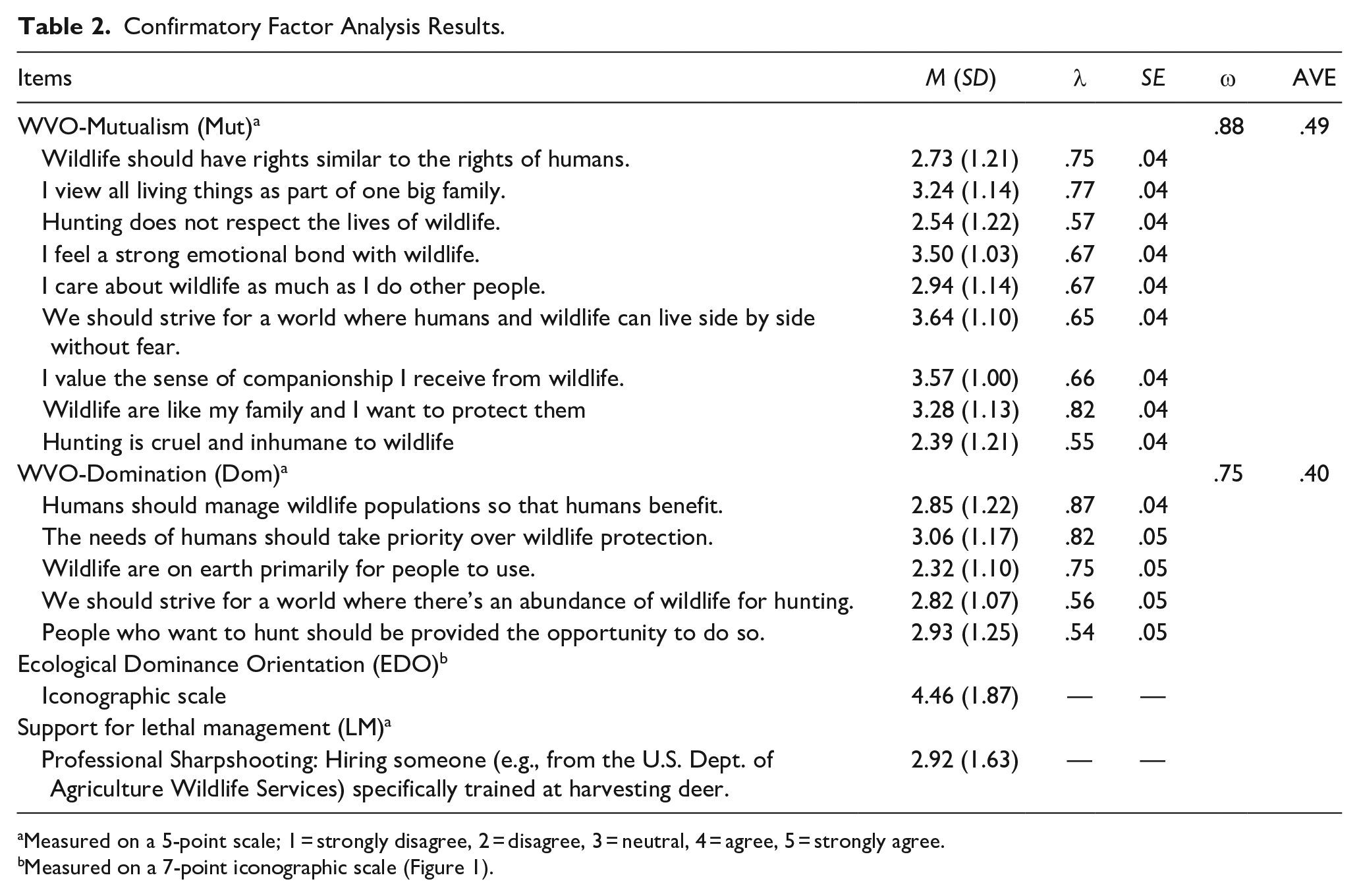
Measured on a 5-point scale; 1 = strongly disagree, 2 = disagree, 3 = neutral, 4 = agree, 5 = strongly agree.
Measured on a 7-point iconographic scale (Figure 1).
Comparison of Factor Loads Estimated Using a 2PL Multidimensional Model.
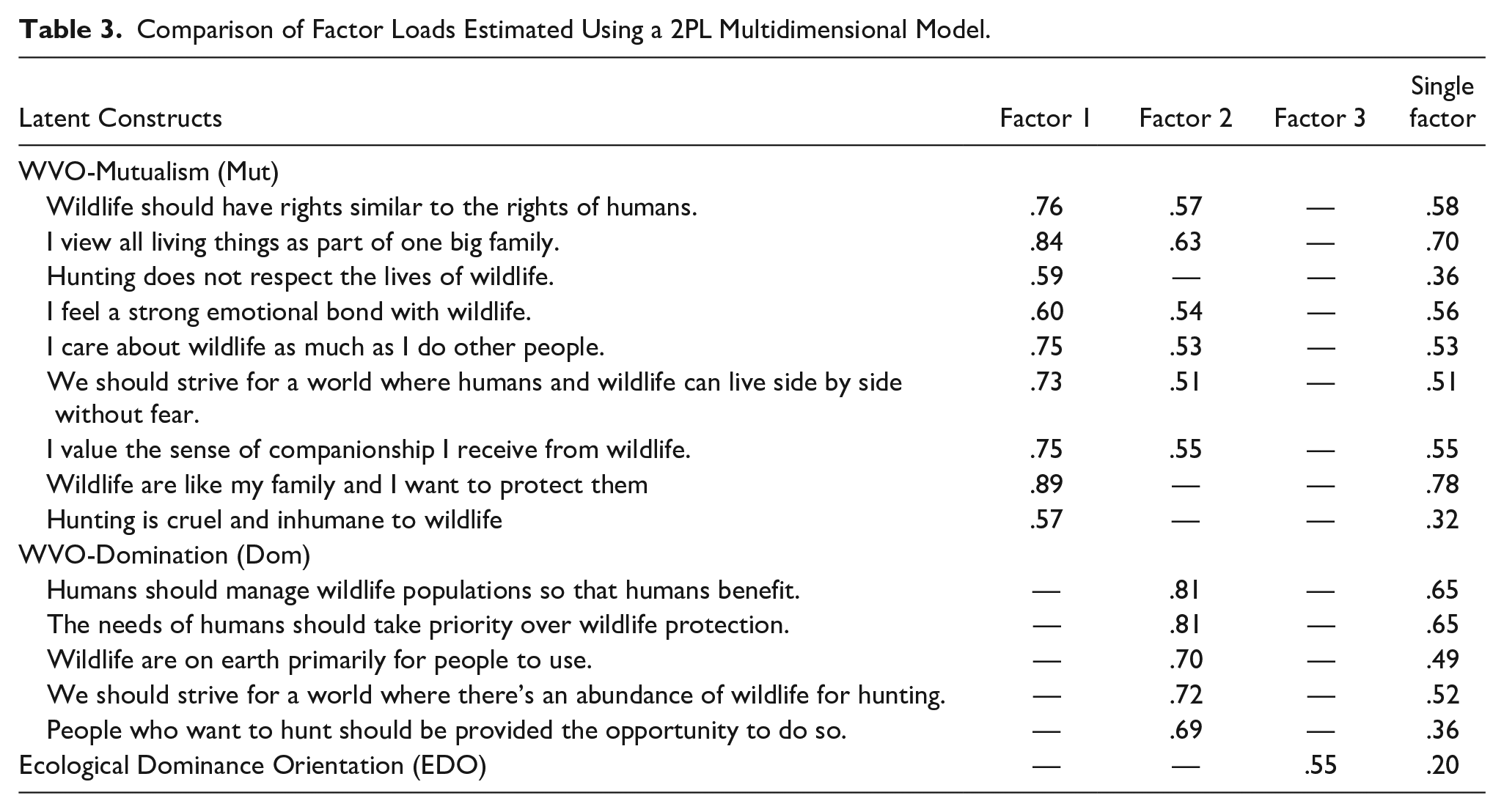
Correlations Between Ecological Dominance Orientation, Domination Wildlife Values and Mutualism Wildlife Values.
We tested the hypothesized structural relationships between latent constructs using a series of structural equations (Figure 2). The hypothesized structural model demonstrated adequate validity for the data (Robust χ2 = 2673.40, df = 36, Robust CFI = .95, Robust TLI = .96, Robust RMSEA = 0.06 ± 0.01). Table 5 contains a summary of structural model results. We report standardized coefficients to capture the relative effect size of coefficients. In line with hypothesis 1, EDO was found to positively predict domination orientation (β = .67, σ = .03, p < .01) and negatively predict mutualism orientation (β = −.53, σ = .03, p < .01). In support of hypothesis 2, WVO-Domination Orientation was found to positively predict support for lethal control measures (β = .21, σ = .10, p = .02), while WVO-Mutualism Orientation (2b) was found to negatively predict it (β = −.23, σ = .10, p < .01). Finally, our results suggest that EDO had a positive direct effect on support for lethal control measures (β = .15, σ = 04, p = .03).
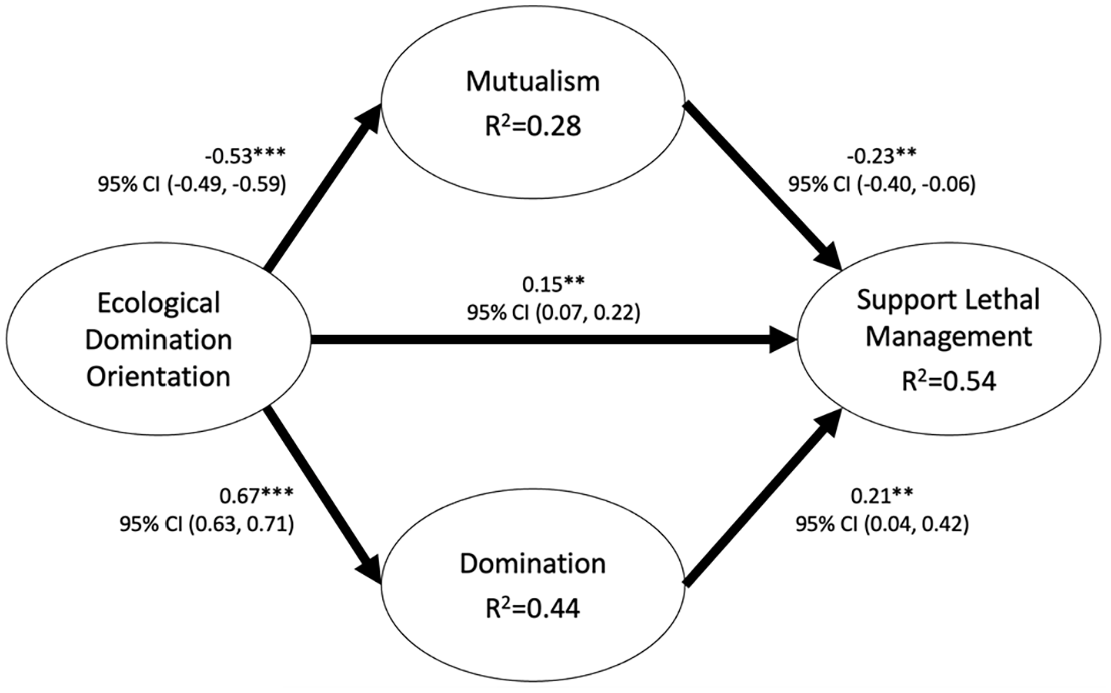
Summary of structural model results assessing the relationship between ecological dominance orientation, mutualism and dominance-oriented wildlife values, and support for lethal deer management using structural equation modeling (SEM).
Structural Model Coefficients Estimates.
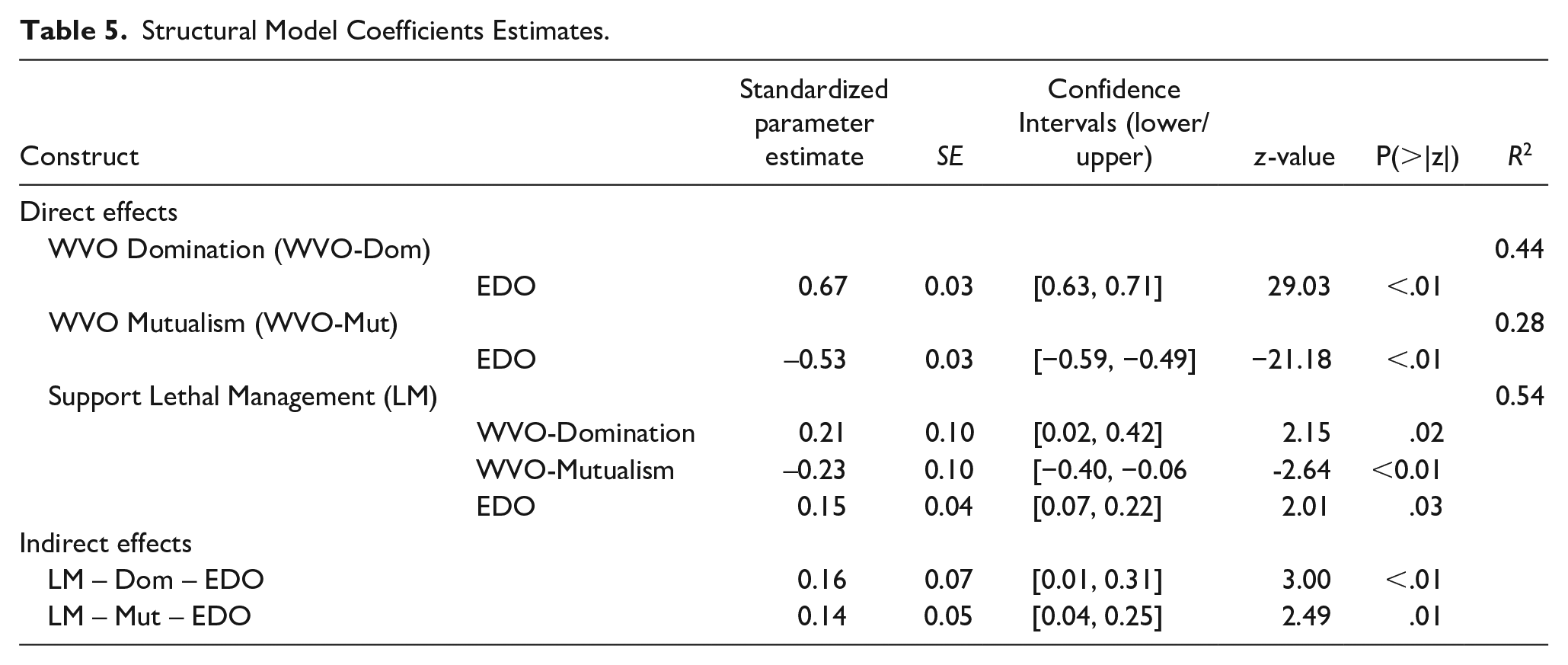
Finally, we also assessed the indirect effect of EDO on support for lethal control measures via mutualism and domination orientations. Indirect effects quantify the mediation effect between exogenous variables and the outcome variable. Our results suggest that EDO positively predicted support for lethal control via both WVO-mutualism (β = .14, σ = .05, p = .01) and WVO-domination (β = .16, σ = .07, p ≤ .01) orientations. EDO explained approximately 28% of the variance in mutualism orientation and 44% in domination orientation. Altogether, EDO and WVOs explained approximately 54% of variance in support for lethal deer control measures.
Discussion and Conclusions
In this study, we sought to investigate the associations between EDO, WVOs, and support for lethal control of deer among suburban and semi-rural communities in Georgia, USA. Results suggest that EDO strongly predicted both dominance and mutualism WVOs and had a significant positive indirect and direct effect on attitudes toward lethal control measures. Based on this study, we suggest that EDO may be an important cognitive antecedent of individual WVOs and wildlife-associated beliefs. Therefore, we believe ecological dominance is deserving of future assessment in the context of environmental psychology and the sub-field of human dimensions of natural resources research. Future research centered on EDO may help bridge our understanding of individuals’ beliefs about wildlife and other parts of the natural world.
This study provides support for the notion that wildlife-relevant attitudes and beliefs may be related to both domain-specific constructs directly related to wildlife, as well as upstream psychological mechanisms more generalizable across contexts (Deruiter, 2002; Gamborg et al., 2019; Rickenbach et al., 2017). In line with previous research, our results support the EDO iconographic scale as a practical way to assess individual preference for an anthropocentric, hierarchical arrangement between humans, nonhuman animals, and the broader environment situations and contexts (Uenal et al., 2022). This research builds on previous findings by suggesting EDO is uniquely predictive of wildlife-specific beliefs compared to the established WVO measures and may be more generalizable to other socially and ecologically relevant attitudes and behaviors.
We found EDO to be a reliable predictor of wildlife-specific attitudes. Importantly, EDO was not merely a proxy for ideological orientations such as the WVOs. Despite the documented importance of domain-specific value orientations, our results suggest that explicitly measuring ecological dominance motives provides complementary utility to the use of WVO measures for understanding individual attitudes about wildlife management. We suggest that the EDO measure may uniquely capture heterogeneity in establishing and maintaining anthropocentric, hierarchical relationships that may be unique to beliefs about consumptive use and ethical use. This result provides additional evidence of EDO as both an independent psychological factor distinct from WVOs and as a direct predictor of attitudes toward wildlife management behaviors.
We provide evidence that EDO is intimately related to an individual's WVOs, as we demonstrate that EDO is strongly predictive of domination and mutualist orientations. Social dominance theory states that individuals with strong dominance orientation generate justifications for their group’s favored status (Sidanius & Pratto, 2012). In line with this notion, we propose that utilitarian beliefs associated with domination wildlife values serve as a form of legitimizing myth that justifies natural resource exploitation as an inevitable part of an ecologically valid, natural system of human domination. This is supported by previous research that suggests that individuals justify exploitation of the natural world based on perceived superiority of human traits and features that facilitate utilization (Caviola et al., 2019; Jarmakowski-Kostrzanowski et al., 2021). Other environmental psychologists suggest that some conservative religious traditions may influence beliefs by upholding the belief that wildlife are divinely created to serve human interests (Jackson & Gibbings, 2016; Mcleod & Palmer, 2015; Yeshey et al., 2024). Taken together, this research strongly suggests that individual wildlife values may serve as an important legitimizing myth to justify behaviors designed to support or attenuate human dominance over the natural world.
The predictive power of dominance motivation toward group-based hierarchy is strongly supported in the literature (Dhont et al., 2016, Kteily et al., 2016, Sibley & Duckitt, 2010). Our research extends this notion by suggesting that a dominance-based framework is applicable in understanding beliefs about humans' place in the natural world and beliefs about the exploitation of wildlife. This study provides further evidence that individual dominance-oriented wildlife values may be representative of a strict hierarchical belief system where empowered groups use other groups (e.g., other animals) for their own ends (Ho et al., 2015). In addition to resource protection, individuals with a strong EDO may, therefore, view lethal wildlife management as a tool to exert supremacy over nature, especially when the person perceives wildlife encroachment to be a threat to resources or other things that humans value. Future research could investigate the role of legitimizing myths in defining ecological dominance motives.
While our study is the first to link EDO as a predictor of WVO and support for lethal wildlife control, there are several limitations associated with our study worth addressing. First, the study was conducted in the context of deer management in suburban and semi-rural Georgia and had high spatial and demographic homogeneity. Cross-cultural comparisons of WVOs and associated beliefs have been shown to differ both regionally and culturally (Jacobs et al., 2022). Therefore, we suggest that further research should assess the cross-culture validity of our findings, including in different contexts outside of lethal wildlife management. Second, our study only looked at the lethal side of suburban and semi-rural deer management. It is suggested that a similar model be run to see if the EDO and WVO have predictive validity over non-lethal deer management techniques such as habitat modification, eliminating supplemental feeding, the use of repellents, and education of community members.
For those within the discipline of environmental psychology, our results lend support to the use of the EDO iconographic scale as a practical way to assess individual preference for an anthropocentric, hierarchical arrangement between humans, nonhuman animals, and the broader environment situations and contexts. While we suggest that the single-item measure may be a more practical tool to implement than other multi-item scales, future research is needed to explicitly identify the strengths and limitations of the measure across a variety of contexts. Relatedly, our model provides a rather simple test of the relationships between EDO, WVO, and support for lethal deer management. Adding more socio-demographic and psychological constructs to the model would provide a fuller picture of how attitudes toward lethal deer management are shaped. This research furthers previous findings by suggesting EDO may be more generalizable to other socially and ecologically relevant attitudes and behaviors, making the measure a promising tool for future research in the field of environmental psychology. Future research could further clarify these relationships by extending this study to other environmental contexts, such as endangered species management, disease control, or other salient environmental topics. We argue that future work is essential to investigate the influence of dispositional characteristics and other mechanisms, such as social dominance motives and right-wing authoritarianism, which may contribute or diverge with ecological dominance motives and WVOs. This future research would bring together findings from diverse fields and help contextualize research questions within a cumulative body of theory applicable across contexts. Doing so will both contribute to the development of overarching theory while connecting this perspective to more nuanced differences unique to specific domains such as interactions with wildlife.
Footnotes
Declaration of Conflicting Interests
The author(s) declared no potential conflicts of interest with respect to the research, authorship, and/or publication of this article.
Funding
The author(s) received no financial support for the research, authorship, and/or publication of this article.
