



Abstract
There is an urgent need to better prepare educators to work in and for diverse and equitable schooling contexts. While previous research highlights how pre-service teachers may develop justice-oriented dispositions during formal preparation, less attention has been given to how candidates’ prior personal and professional experiences shape these commitments. This study addresses that gap through a qualitative document analysis of 115 written statements submitted by candidates enrolled in an employment-based, equity-oriented initial teacher education (ITE) program. Findings highlight the candidates’ nuanced understandings of equity and inclusion, grounded in lived experiences and professional roles in diverse community contexts. Using distributive and recognitive justice principles, the article examines what experiences candidates bring to their training that can function as foundational assets to develop socially just teachers. This research contributes valuable insights into how initial teacher education programs and school communities can better leverage these dispositions to advance education equity and social justice.
Keywords
Study Context
The context for this research is an employment-based initial teacher education (ITE) 1 program run by an Australian university. Grounded in principles of social justice, equity, and fairness (Cochran-Smith, 2003), the program aims to prepare teachers to provide high-quality learning opportunities for students from diverse backgrounds. In line with its mission, the program actively recruits ‘justice-oriented’ individuals from a variety of personal and professional backgrounds who are committed to working in marginalised school settings. The majority of enrolled candidates are graduates from fields outside of education, reflecting a deliberate effort to attract career changers. Successful candidates undertake an 18- or 24-month Master of Education degree while working in partner schools serving low socio-economic communities across metropolitan, regional, rural, and remote areas in two Australian states. As part of the program’s competitive selection process, applicants submit a written statement (approximately 500 words) explaining why they should be considered for admission. Applicants use these statements to articulate their motivations for teaching in low socio-economic communities; to describe the skills, knowledge, and life experiences they would bring to the classroom; and to affirm their commitment to social justice and equity. Many applicants include specific examples of personal circumstances or professional experiences that have shaped their views on fairness and inclusion. While the admission process also considers other components to determine candidates’ eligibility into the program, such as academic records, school-placement matching, and interviews with school principals, the personal statement is a pivotal element that allows candidates to convey their values and sense of moral purpose for teaching in underserved contexts.
This study is an analysis of the written statements of incoming candidates wishing to enrol in the employment-based program described above. To orient the reader, the article proceeds as follows. A review of pertinent literature is presented to situate the study. This is followed by presentation of the contributions of the current study, followed by considerations and scope. Next, an overview of the research methodology and design are described. The findings are then presented and discussed. The article concludes by offering recommendations for ITE providers and school leaders as steps toward nurturing teachers capable of equity-oriented practices.
Literature Review
The literature review examines three pertinent areas: (1) social justice and equity in ITE, (2) employment-based pathways to teaching, and (3) influence of prior experiences.
Social Justice and Equity in ITE
The concept of social justice in education is complex and often contested. In general, a commitment to social justice in education entails recognising and actively addressing the inequities and social barriers that affect students’ learning opportunities (United Nations. Department of Economic and Social Affairs, n.d). Equity is a closely related concept, referring to the goal of ensuring all students, regardless of their background or circumstances, receive fair and inclusive access to high-quality education (Varadharajan et al., 2021).
Cochran-Smith has described equity in education as both “enhancing access to equal educational opportunities and outcomes by ensuring high-quality teachers and education standards” and “a commitment to resist the deep societal structures that reproduce inequalities and inequity of access” (as cited in Becher, 2024, p. 478).
In ITE, teaching for social justice is often characterised by a deliberate intention to equip future teachers with the knowledge, skills, and dispositions to teach for equity and to advocate for marginalised students (Cochran-Smith et al., 2009; Keiser, 2016). Cochran-Smith et al. have defined teacher education for social justice as the “purposeful creation of learning experiences during pre-service teacher (PST) preparation that prepare teachers for social justice in K–12 educational settings and to support them as they try to live out this commitment as educators” (2009, p. 350). Much of the existing literature on social justice in ITE has focused either on the curriculum and pedagogies used within university-based programs or on the roles and responsibilities of teacher educators in shaping socially just practitioners (Cochran-Smith et al., 2009; Keiser, 2016; Mills, 2009).
Scholars argue that justice-oriented teaching should pervade the curriculum of ITE, rather than being treated as a stand-alone topic in a single course (Castro & Edwards, 2021; Mills, 2009). However, teacher educators are often torn between covering the traditional content and pedagogy expected in PST programs and dedicating time to critical social issues and equity-minded pedagogy. In the context of classroom teaching, Cochran-Smith et al. (2009, p. 349) addressed this tension by asserting that “teaching for social justice… reflects a central and essential purpose of teaching in a democratic society, wherein the teacher is an advocate for students whose work supports larger efforts for social change”. She argues that “the bottom line of teaching is enhancing students’ learning and their life chances by challenging the inequities of school and society” (Cochran-Smith et al., 2009, p. 350).
The literature on social justice education has outlined a range of actions that justice-oriented teacher educators may take. Keiser (2016, p. 29) emphasised the importance of defining what it means to be a justice-oriented’ teacher educator and for teacher candidates to learn how to apply the concepts of social justice both in and out of the classroom. This may include cultivating student agency and identity, culturally responsive teaching methods, creating safe and welcoming spaces, drawing on students’ cultural backgrounds and experiences as assets in the learning process, and consistently challenging deficit-based thinking that might lower expectations for marginalised students (Mills, 2009; Villegas, 2007). Selecting diverse curricular materials and fostering a collaborative classroom community that emphasises respect and equal participation is also recommended (Keiser, 2016; Truscott & Obiwo, 2021).
Employment-Based Pathways to Teaching
Many countries have turned to employment-based pathways to address persistent teacher shortages and to staff high-need schools, particularly in low socio-economic communities (Kwok et al., 2024; Redding & Smith, 2019). In contrast to traditional university-led pathways, employment-based models tend to be of a shorter time frame (Nilsson & Cederqvist, 2024; Ramot & Donitsa-Schmidt, 2021; Svajda-Hardy et al., 2024) with candidates receiving a salary or stipend during their studies, making the pathway financially feasible and attractive (Svajda-Hardy et al., 2024). Engagement with schools during study to support professional experience and teaching practices is another important characteristic of employment-based programs (Truscott & Obiwo, 2021).
Research on employment-based pathways to teaching programs has identified certain key elements related to social justice. These include commitments to community service, culturally responsive teaching and learning practices, and recruiting candidates from diverse backgrounds (McPhillips et al., 2023; Ramot & Donitsa-Schmidt, 2021; Truscott & Obiwo, 2021). Many who join these pathways are career changers. Findings from Varadharajan’s own research have consistently shown that career changers are strongly motivated by intrinsic and altruistic factors when switching to teaching (Varadharajan & Buchanan, 2021; Varadharajan et al., 2018). Some may be driven by a host of other intrinsic motivations, such as a desire to work with students with special needs or to give back to the community (Ramot & Donitsa-Schmidt, 2021; Svajda-Hardy et al., 2024). In a Swedish study of mid-career entrants into an alternative teacher education program, participants expressed “a sense of responsibility and a belief that education was crucial for students’ “growth” as key motivations for pursuing teaching” (Nilsson & Cederqvist, 2024, p. 10). This sense of moral duty and belief in the power of education are indicative of the altruistic dispositions that many career-change teachers bring to teaching. Moreover, program recruiters may frequently frame their mission in terms of addressing teacher shortages in high-need schools while also championing inclusivity and social justice which, in turn, draws applicants to these programs and causes.
The literature is not clear whether teachers prepared though such pathways remain longer or leave the profession early (Ramot & Donitsa-Schmidt, 2021). Reasons for high attrition rates may include facing challenging conditions at the schools where they begin teaching combined with a lack of appropriate support (Redding & Smith, 2019). However, other evidence suggests that well-designed alternative programs can improve retention by carefully screening for commitment and providing strong mentoring and peer support. For instance, teacher residency models have shown promise, in part by better preparing PSTs for the contexts of those schools (Kwok et al., 2024).
Influence of Prior Experiences
Much of the research in ITE has long recognised the power of prior experiences that individuals bring when they join teaching. Lortie (1975) suggests that individuals form ideas about teaching from their own years as students, even before formal training. Cochran-Smith et al. (2009) assert that teacher education candidates or new teachers should be encouraged to question traditional assumptions and practices to reach every student, particularly those historically marginalised. Through critical reflection on their experiences, PSTs learn to challenge the status quo in schooling. Building on Lortie (1975), Mills (2009) argues that the “predispositions teacher education students bring to teaching are a much more powerful socialising influence than either preservice education or later socialisation in the workplace” (p. 278).
However, most studies that examine social justice dispositions in ITE refer to experiences that occur during teacher preparation, rather than the influence of prior experiences. For example, McPhillips et al. (2023) report on a New Zealand-based employment-oriented teacher education pathway that incorporated cultural immersion learning experiences to prepare teachers for Māori and Pacific Islander communities. Truscott and Obiwo (2021) emphasise that experiences are important for shaping teacher dispositions, noting that carefully structured school-based experiences during teacher preparation can strengthen candidates’ commitment to teaching and equity. Research suggests that when PSTs engage deeply with the community and cultural context of their students, they are more likely to develop into change agents who advocate for education equity (Truscott & Obiwo, 2021). Moreover, experiencing firsthand the challenges and opportunities in under-resourced schools can transform future teachers’ perspectives on how to address inequity. A study by Conn et al. (2022) found that Teach for America participants who taught in low-income public schools became more optimistic about tackling education inequity through systemic solutions, for example, policy changes or community empowerment, and were less likely to adopt deficit views of students.
The use of written statements to capture candidates’ beliefs and experiences can be a powerful tool to understand their social justice dispositions and “indicate their goals or intentions to act in certain ways once they become teachers” (Lampert & Browne, 2022, p. 151). Indeed, their inclusion in ITE applications has become widespread in Australia, largely in response to national standards requiring programs to assess candidates’ personal attributes for teaching. This has led to the use of various non-academic selection tools; for instance, alongside written statements, the State of Victoria requires ITE applicants to complete the Casper situational judgement test. As part of a selective recruitment process, written statements could be viewed as a focus on “picking the right people” who bring experiences and commitments to the teaching profession (Mills, 2012, p. 269). As we note in the Considerations and Scope section, caution is necessary in the use and interpretation of written statements; however, their potential in social justice disposition contexts should not be underestimated. In a prior study of the program discussed in this article, Lampert and Browne (2022) analysed the written expressions of interest from an earlier cohort of candidates to understand their backgrounds and commitments. They found that candidates frequently reference personal experiences of disadvantage or witnessing inequity, as well as a desire to give back to communities, which aligned with the program’s justice-oriented ethos.
The cumulative message from existing research is that a teacher’s background and experiences, when harnessed fruitfully, can serve as important “precursors to their disposition to teach all students equitably” (Villegas, 2007, p. 376). Here we define dispositions as the values, beliefs, knowledge, understanding, and commitments that underlie their actions (Villegas, 2007). Moreover, research on career-change teachers shows that many such individuals seek to positively leverage their past career and life experiences in their teaching practice (Varadharajan & Buchanan, 2021).
Building on this premise, the present study posits that such prior experiences, knowledge, and beliefs can significantly shape how individuals conceptualise and eventually have the potential to enact social justice as program graduates and, later, as classroom teachers. Thus, understanding incoming candidates’ justice-oriented prior dispositions is crucial for anticipating how they might develop into equity-focused educators.
The Current Study
Despite the growing popularity of employment-based pathways into teaching, relatively few studies have examined how these programs explicitly embed social justice within their mission. Among those that do, even fewer have examined the knowledge and experiences that candidates bring with them at the point of entry into their courses. This gap in the literature is especially notable given the increasing number of career changers entering justice-focused ITE programs, bringing with them rich personal and professional histories. This study seeks to address the above gap. Unlike studies that focus on social justice beliefs during program coursework, this research captures candidates’ starting points, how they understand and articulate social justice before any formal teacher education has begun. In doing so, the study extends current knowledge of teacher preparation by demonstrating that pre-program experiences can function as foundational assets in the development of socially just teachers. It also reinforces the importance of recognising these dispositions from the outset, both within ITE programs and in the school communities where these teachers will eventually work.
Accordingly, this research is guided by the following question: What experiences and knowledge of social justice and equity do teacher education candidates bring that can function as foundational assets in the development of socially just teachers?
Considerations and Scope
It is important to acknowledge the conceptual and methodological boundaries of this research. First, candidates’ written statements are composed as part of a competitive application process, meaning they are inherently purpose-driven documents. While these statements offer valuable insights into candidates’ beliefs, values, and experiences, they must be interpreted with caution given the performative nature of application writing.
Second, this study focuses specifically on teacher candidates’ prior experiences, that is, the beliefs, motivations, and knowledge they bring into the program. It does not examine how these individuals’ understandings of social justice may evolve during their university coursework or school-based practice-based experience, nor does it evaluate the influence of program-specific pedagogies or mentors on their development. The focus is not to diminish the critical role that teacher education plays in shaping justice-oriented practice. Indeed, as Keiser (2016), Mills et al. (2019), and Villegas (2007) emphasise, social justice education is a continuum, stretching from pre-existing dispositions to the pedagogical and professional experiences acquired during and after formal training.
Methodology
The research was guided by a theoretical framework integrating distributive and recognitive social justice principles (Gale & Densmore, 2000; Mills, 2009; Young, 1990, 2001). Distributive justice prioritises equitable allocation of resources and opportunities, whereas recognitive justice focuses on the cultural and structural inequalities underpinning exclusion and marginalisation. Together, these principles informed our interpretation of how candidates articulated their commitments to social justice. Additionally, we drew upon democratic values, such as inclusivity, respect for diversity, civic participation, and compassion (Keiser, 2016), which enabled a nuanced analysis of how candidates engage with social justice ideals like “teaching to change the world” or “culturally responsive practice” (Villegas, 2007, p. 372). Experiential learning theory (Kolb, 2015; Kolb & Kolb, 2018) further framed our approach, positioning candidates’ personal and professional backgrounds as “concrete experiences” in the learning cycle. This lens enabled us to explore how reflection on past experiences informs justice-oriented intentions and future potential classroom practice.
Participants and Data Source
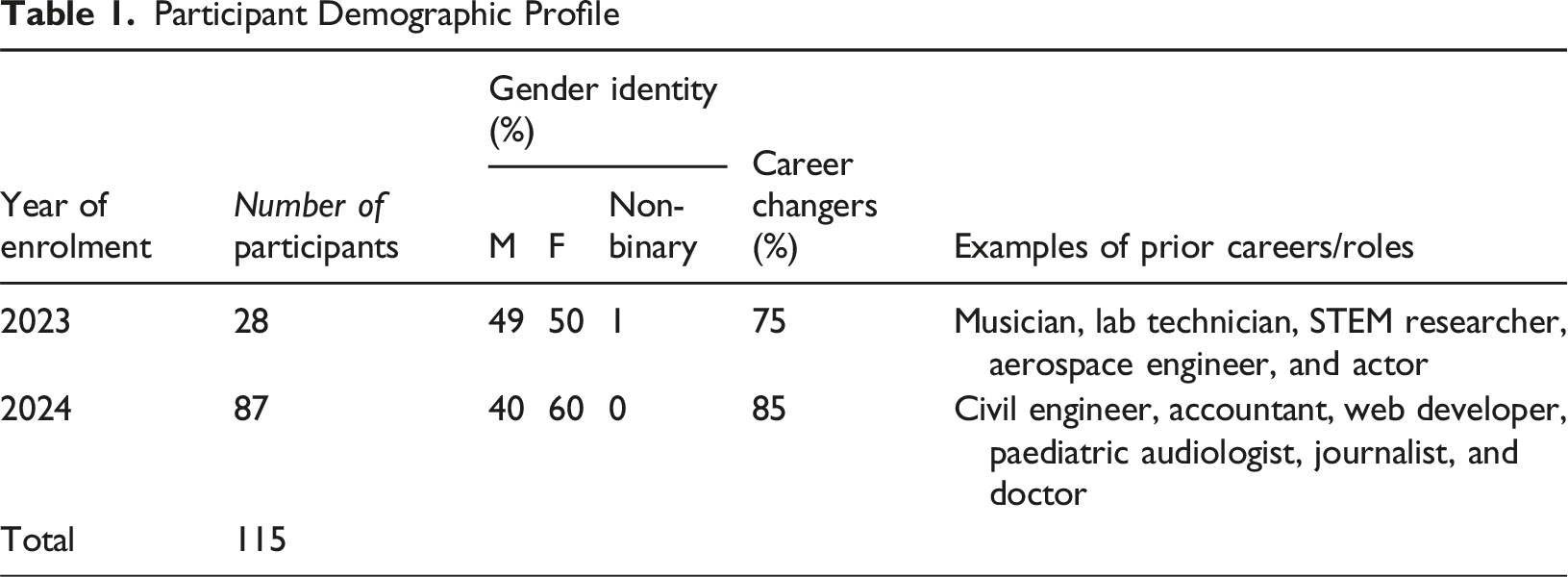
Participant Demographic Profile
Data Analysis
Employing a qualitative approach, we conducted an inductive thematic analysis as described by Miles and Huberman (1994). The iterative process involved the following steps: (1) Open coding: Each researcher independently read all statements and performed line-by-line open coding, focussing on content relevant to the research question, namely, references to personal and professional experiences and explicit beliefs related to equity and social justice. (2) Code comparison and consensus: We compared preliminary codes, discussed discrepancies, and developed a shared coding scheme. Although formal reliability statistics (e.g. Cohen’s kappa) were not calculated due to the qualitative nature of the analysis, we reached strong consensus on the final themes, ensuring consistency and rigour in data interpretation. (3) Thematic categorisation: Related codes were grouped into broader categories, ultimately identifying three thematic domains: (1) social justice knowledge and beliefs, (2) personal experiences shaping justice dispositions, and (3) professional experiences informing equity-oriented practice.
Researchers maintained detailed analytic memos documenting coding decisions and insights, providing transparency and rigour throughout the analysis.
Findings and Discussion
Nearly all candidates articulated some form of knowledge, belief, or value statement related to social justice in education. Over half of the statements (67 out of 115) explicitly expressed social justice knowledge and beliefs, and approximately two-thirds of the candidates (73 out of 115) described personal or professional experiences of disadvantage or marginalisation that have shaped their justice-oriented dispositions.
Social Justice Knowledge and Beliefs
Candidates voiced commitments to fairness, inclusion, and addressing inequities, with many describing a personal philosophy of teaching grounded in social justice principles. For example, one candidate wrote that they are “deeply committed to creating a classroom environment that nurtures academic achievement and instils values of empathy, equality, and justice”.
A recognition of inequity and a lack of fairness are reflected in the following two statements: I’ve always been concerned with social justice issues surrounding wealth inequality, and especially how low socioeconomic status can exacerbate every other form of injustice. There have been many times in the past where I have been frustrated from the lack of equality and fairness in both society and the education sector, and I am striving to become a teacher that makes their students feel like they matter individually.
Candidates connect an understanding of economic disadvantage with a broader justice perspective, recognising how material poverty intersects with multiple dimensions of inequity, and that education should be a vehicle for social change and equal opportunity.
A common thread in these belief statements is the ideal of removing barriers so that all students have equitable access and can succeed, which corresponds to a distributive justice stance that of ensuring equitable access to resources and opportunities (Gale & Densmore, 2000; Young, 2001). One application asserted “children’s access to quality education should not be defined by their economic status or location”. Another similarly stated that “every student regardless of their socio-economic status, deserves the chance to have the best opportunity at life”.
Candidates frequently mentioned the importance of providing inclusive learning opportunities and a “safe environment” for all learners, suggesting that they see part of a teacher’s role as actively counteracting any disadvantages students might face. In some cases, candidates identified concrete consequences of inequity in their communities to emphasise these points. For example, one candidate described the “cascading effect” of being in a low socio-economic region with limited resources, noting that they had “witnessed first-hand” how the lack of quality education contributed to higher student dropout rates and even youth involvement in crime. This observation was followed by the candidate stating that such structural challenges “underscores the urgency to keep students engaged in learning”. These insights demonstrate that candidates are not only aware of disparities but also understand the stakes involved in keeping and supporting marginalised students in school. This critical awareness aligns with findings by Truscott and Obiwo (2021), who observed similar social-justice consciousness in other PSTs.
Candidates’ knowledge and beliefs about social justice were expressed both in local and global terms. Locally, many framed their commitment in relation to specific communities or regions. For instance, one candidate explained “I lived in a rural and remote place with only 1000 people” and that this experience “made me want to give back to communities that are facing similar issues”. Another wrote, “I feel really drawn to help the children in [small] communities because they don’t get the same level of attention and care as a school in an urban or even regional community may get”.
These statements highlight a sense of responsibility they felt towards either their own community or towards communities similar to their own, indicating that their social justice orientation is partly rooted in place-based awareness of need.
Conversely, other candidates cast their aspirations in broader, even global, terms, as “A desire to create positive change in the world” and seeing “education as a powerful tool to break the cycle of disadvantage and create opportunity for all”. “I have always been passionate about making the world a better place through education”.
Whether focussing on the immediate community or on society at large, candidates consistently conveyed that becoming a teacher is, for them, a means to enact positive social change. In articulating these beliefs, candidates touched on both distributive justice concerns like equal access to quality education and recognitive justice concerns like respecting diversity, aligning with Young’s (1990, 2001) conceptualisation of social justice and Villegas’ (2007) emphasis on educators’ awareness of students’ varied backgrounds and tailoring needs informed by differences. One candidate stressed the “value of respect and not to judge a person” based on their circumstances. Another reflected that “life experience has taught me that every individual has unique needs with a solution tailored depending on that person’s need”.
Statements like “I am very passionate ensuring that students would get full access to information, education and knowledge that is appropriate for them’”, and “as an educator, I must tap into these experiences to foster an inclusive and empowering learning environment” demonstrate a commitment to differentiated support so that each learner with individualised needs can thrive.
Together, these examples show that candidates’ knowledge of social justice encompasses more than abstract ideals; it includes a practical understanding that equity involves not just recognising differences but ensuring the diverse needs of students are appropriately met.
Empowering students in order for them to have the agency and tools to create change was also emphasised by candidates. For example: Encourage young people to believe in their own capacity and build their sense of place and purpose in the world, grounded in a strong sense of their own identity. Students should feel seen and heard. Helping students develop the capacity to identify and redress injustice.
The above statements provide an insight not just into candidates’ knowledge about social justice but also into their understanding of how this knowledge can best be applied in classrooms, be it through equitable access to resources or empowering students to have agency.
Personal Experiences Shaping Justice Dispositions
Autobiographical accounts often provided a powerful rationale for their desire to teach in underserved communities. For example, one candidate wrote: Having grown up in [a region classified as low socio-economic], I know how hard it is for children to succeed in a low socioeconomic, regional area. Children who come from disadvantaged backgrounds are immediately faced with additional challenges to their schooling. As such, I believe it is imperative that these children have access to quality education.
Here, the candidate’s firsthand experience with a disadvantaged schooling context has clearly informed their belief in the importance of education equity. Another candidate who stated that they grew up “in one of the disadvantaged areas” also mentioned that their “personal journey has been deeply intertwined with a commitment to achieving educational equity in low socio-economic areas”.
These reflections illustrate how personal circumstances can cultivate a strong commitment to justice: individuals who experienced hardship or inequality in their youth often develop a determination to address those issues for the next generation.
Candidates also mentioned coming from non-dominant cultural backgrounds, single-parent households, or being part of marginalised groups, and how these experiences sensitised them to issues of fairness and inclusion. For instance, one candidate explained that they were “raised by an extremely hard-working single parent in a regional town” and that this upbringing instilled in them the belief “that it is every Victorian’s right to have access to a good education”.
Candidates introduced themselves and their perspectives through statements such as “growing up in [name of country], I have seen what poverty looks like and how education has given hope to street children in living a life they deserve”. As other stated, “I am a queer, non-binary postgraduate living and working (a town in regional Victoria)”, going on to express, “extreme enthusiasm for social justice, especially LGBTQIA+, mental health, First Nations concerns, and particularly the intersectionality of these issues”, and noted that they are “pPassionate about utilising my social justice skills to help regional Victoria”.
These powerful personal statements show how the candidate’s own place, identity, and experiences with intersectional issues (gender/sexual identity, mental health, indigenous issues) have fuelled a multifaceted commitment to social justice – one that they aim to channel into supporting others in their community.
Another participant similarly reflected on their early experiences, writing “perhaps because of my childhood, I’ve always been concerned with social justice issues surrounding wealth inequality, and especially how low socioeconomic status can exacerbate every other form of injustice”. This quote exemplifies experiential learning in action, with the candidate’s early life providing a concrete lesson in injustice that now informs their worldview (Kolb, 2015).
Candidates also described witnessing exclusion or lack of support in their own schooling, which in turn shaped their resolve to create more inclusive environments. One candidate shared, “I’ve witnessed firsthand the disparities in educational resources and opportunities between urban and regional areas. This has instilled a desire to contribute to the educational landscape in regional areas”.
By directly observing the gap between well-resourced urban schools and under-resourced rural schools, this individual developed a drive to devote their career to underserved regions.
Another candidly revealed, “as someone who was diagnosed with ASD as a child and is part of the LGBTQIA + community, I have had personal experience with an education system that wasn’t inclusive of my needs”.
This testimony underscores how personal experiences of marginalisation within schools, here, due to neurodiversity and gender/sexual identity, can galvanise a commitment to change.
Hence, across these personal narratives, we see that lived experiences of inequality, whether connected to poverty, geography, family circumstances, culture, or identity, have been formative for these aspiring teachers. The theme highlights the importance of recognising these experiences as strengths and as assets brought by non-traditional candidates – their life experiences and identity can provide the motivation and understanding that enrich their approach to teaching for equity.
Professional Experiences Informing Equity-Oriented Practice
Candidates cited professional and volunteer experiences that deepened their commitment to social justice and shaped their pedagogical intentions. Career changers referenced roles in education support, disability services, youth mentoring, or community programs that fostered inclusive values and practices. One candidate described their equity orientations due to their work as a disability support worker in outdoor education: “everyone should have the opportunity to engage in physical and outdoor activities, while removing any barriers to participation”. Here, the candidate’s professional work with people with disabilities shaped a clear pedagogical conviction: that all children, regardless of ability, deserve access to enriching physical education experiences.
Similarly, a candidate who had worked in multiple support roles – as an education support worker, a disability support worker, and as a professional musician and mentoring youth, wrote about “actively advocating for equality and inclusivity and supporting young people with disabilities in the community”.
Working in high-need educational settings prior to joining the program ignited or solidified candidates’ passion for teaching as a means of addressing inequity. One individual recounted their time working as a trainee in a school situated in a low socio-economic region, during which they “saw the effect of disadvantaged families either financially, physically, this has further cemented my want to become a teacher and help those in need in more ways than just education”.
Another candidate who had worked with high-needs students noted that they used “specialised teaching techniques to share and reinforce social skills for high-need students”, which they saw as part of their effort to “redress inequity within communities”.
Another wrote about involvement in a program delivering educational workshops to low-SES schools, and yet another described “touring over fifty schools in [a rural region] in twelve months, prioritising disadvantaged schools and towns with a high youth suicide rate”. Experiences like these not only heightened candidates’ awareness of the conditions in underserved schools but also gave them a sense of efficacy and commitment as they had already been working to support such communities and were resolved to continue that work through teaching.
Candidates also cited volunteering and community service roles as influential professional experiences. For example, one candidate described completing professional development courses on “managing challenging behaviour, working with students with a disability and working with children who have experienced trauma” and noted that, through this training, they came to recognise the immense challenges faced by children from disadvantaged backgrounds. This candidate concluded, “as such, I believe it is imperative that these children have access to quality education”, echoing the same language of moral imperative we saw in the personal experience theme.
Service-oriented roles contributed to candidates’ convictions about social justice and fostering equity across society. For example, one candidate discussed their “deep engagement in our local community through volunteering”, framing it as an expression of their “passion for social justice”. Another shared that, as a former “prison educator”, they developed an “ongoing commitment to learning, teaching & working towards a better educated, more equitable, sustainable and just world”.
In summary, the professional experience theme demonstrates that candidates’ justice orientations are not only rooted in who they are or what they believe but also in what they have done. Their prior jobs and volunteer work provided practical insights into inequities and allowed them to practice empathy, advocacy, and inclusive strategies, together with a commitment to continue these strategies as a teacher.
Through the narratives of personal and professional experiences and articulating their knowledge about social justice, candidates viewed teacher training and teaching as a continuation of their journey towards implementing social justice. Each theme, knowledge and beliefs, personal experiences and professional experiences, contributes to a holistic picture of the justice-oriented dispositions that candidates possess upon entry to the program. These dispositions, in turn, lay the foundations to further develop teachers who will work toward greater equity and inclusion in education. That is, the findings point to a commitment of the continuation of their social justice journey from knowing and experiencing to enacting, as is shown in Figure 1. The Social Justice Journey Model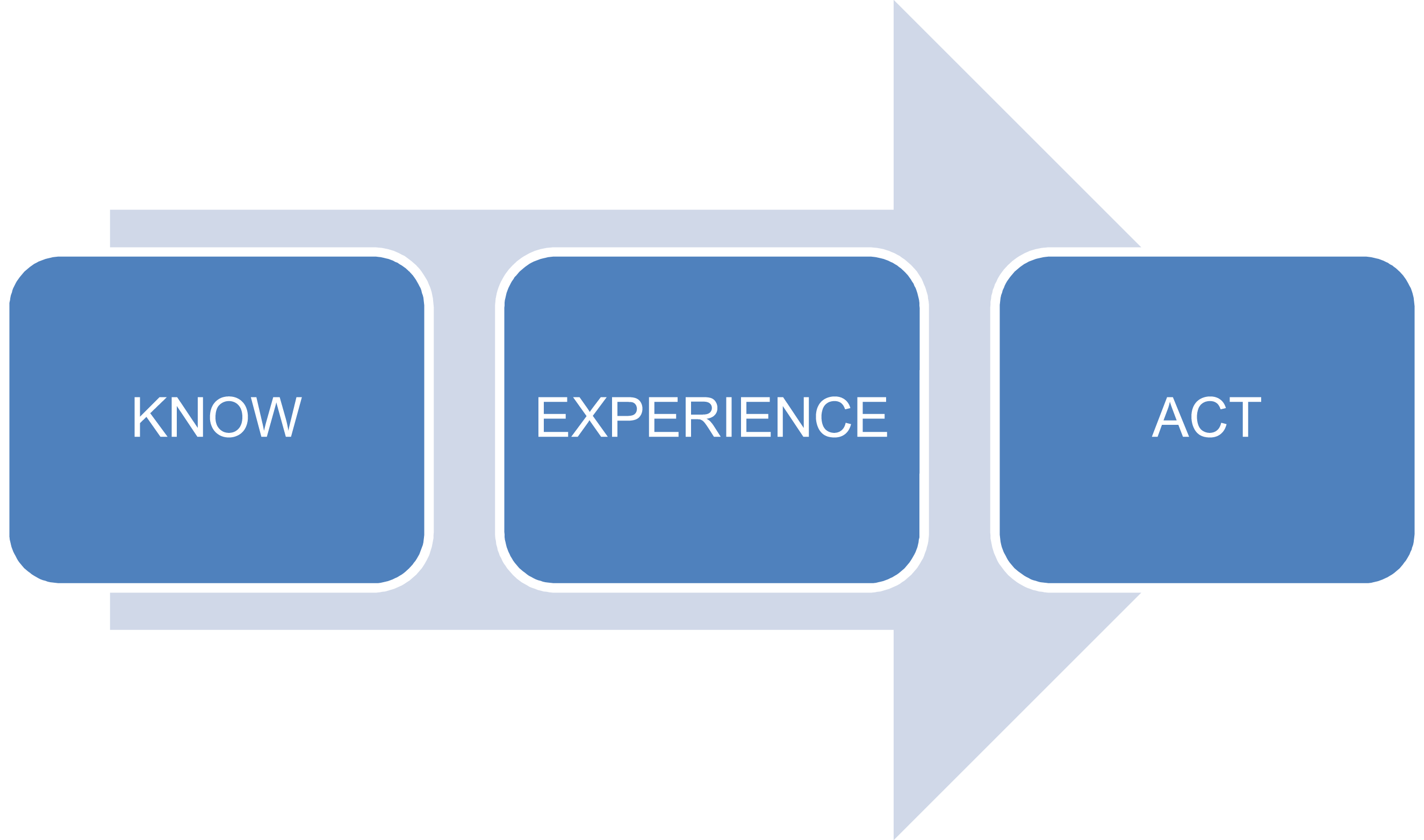
Analysis of candidates’ written statements reveals multiple conceptualisations of social justice and inclusion, encompassing both distributive and recognitive principles (Young, 2001). As Young (2001) argues, recognising structural inequity is a crucial step toward remedying systemic disadvantage. Moreover, by drawing connections between their lived experiences and systemic disadvantage and society’s unequal distribution of opportunities, candidates recognised and understood the broader structural causes of inequities – a perspective aligned with moving beyond recognition to what Mills (2009) calls a “critical or transformative engagement of difference”, engaging with the “deep structures that generate injustice” (p. 284).
Statements emphasised the importance of valuing and respecting diversity in education – echoing Villegas & Lucas’s call to “see resources for learning in all students rather than viewing differences as problems to be overcome” (as quoted in Mills, 2009, p. 284). Villegas (2007) similarly stresses preparing teachers for diversity, so that they do not view students of colour as deficient in some way.
A strong thematic element involved candidates’ commitments to empowering students through socially just teaching. Mills (2009) highlights teachers’ orienting towards recognitive justice when there is “provision of opportunities for [students] self-development and self-expression” (p. 22). Candidates expressed aims to cultivate student ownership and help develop the skills to counteract injustices (Gale & Densmore, 2000; Mills, 2009). This orientation reflects a strengths-based approach to social justice, conveying solidarity with underrepresented communities and a commitment to fostering student agency. Such intentions closely mirror the justice-oriented goals reported in other research; for instance, Cochran-Smith and colleagues found that pre-service teachers in their study were keen on “promoting critical thinking, expanding pupils’ worldviews, and maintaining high expectations for all pupils” (2009, p. 357).
Ultimately, a commitment to social justice must manifest in concrete practice, as “enactment of ideas and beliefs in real practice, with real pupils” is what truly matters (Cochran-Smith et al., 2009, p. 363). Or as Villegas notes, “the fundamental disposition of an educator whose practice is informed by principles of social justice is the tendency to act in ways that give all students access to knowledge” (2007, p. 375).
While actual classroom enactment remains outside of this study’s scope, candidates’ statements indicate a reflective process of drawing on their lived experience to shape and develop future pedagogical insights, consistent with Lortie’s (1975) “apprenticeship of observation” notion. For example, the intention to create an inclusive classroom, ensuring students have equitable access to resources and demonstrating a commitment to utilise their experiences and knowledge to redress inequity all point to moving along their social justice journey as noted in Figure 1. These instances together with the program’s alignment with social justice mission suggest they are likely to further deepen their equity commitments as they progress through ITE and consequently act upon their values as teachers. Kolb and Kolb’s experiential learning theory helps explain this: learning is “the process whereby knowledge is created through the transformation of experience” (Kolb, 1984, p. 38). Concrete experience is necessary for learning and acting. We posit that candidates’ knowledge about social justice and having a “bag” of concrete experiences stored with them when they enter the socially focused ITE program create a strong foundational asset to implement actionable strategies. Moreover, career changers, specifically, perceive their prior experiences as valuable resources to leverage in education (Varadharajan & Buchanan, 2021). Thus, candidates, who are equity-minded career changers, enter the ITE program that is designed with social justice objectives. They then demonstrate the potential to carry such ideals forward, reflecting Mills et al.’s (2019) notion of a “transformative” social justice journey. Their emerging understanding of how to teach for equity will inevitably be shaped and refined throughout their study and future interactions in classrooms, but it remains grounded in the beliefs and experiences they already hold.
Nevertheless, the intention-action gap combined with institutional constraints often complicates real-world enactment of justice-oriented teaching (Crawford-Garrett et al., 2021). Thus, caution is warranted when interpreting written commitments as direct predictors of classroom practice. Although future enactment is not captured here, the current findings emphasise the importance of recognising and carefully nurturing candidates’ predispositions as foundational elements to foster effective social justice practices.
Implications for ITE Providers and School Communities
This study provides crucial insights about justice-oriented dispositions shaped prior to formal teacher education, underscoring a shared responsibility between ITE providers and schools to nurture and extend these commitments.
For ITE Providers
(1) Recognise dispositions as foundational: Candidates lived experiences and values should anchor professional growth, not just background information. Curriculum and pedagogy should explicitly leverage these assets rather than assume a neutral starting point. (2) Make social justice explicit: Equity and inclusion must permeate coursework so that candidates consistently reflect on how their beliefs and experiences relate to broader systemic change. (3) Create guided spaces for transformation: Structured opportunities for critical reflection on how personal histories and experiences inform teaching and learning practices, including through case studies, workshops, and community engagement.
For Schools and School Leaders
(1) Value the “cultural wealth” of graduate teachers: Acknowledge both the historical and present life experience and community knowledge that new teachers bring as assets to the school community, particularly in marginalised or diverse settings. (2) Embed justice-oriented professional learning and mentoring: Offer induction and mentoring that support graduate teachers in navigating real-world complexities while remaining grounded in their justice commitments. (3) Foster a culture of collective responsibility: Encourage collaboration between leadership, staff, and community partners to ensure that socially just practices are supported collaboratively.
By collectively cultivating and reinforcing these dispositions across preparation and practice, ITE and schools can strengthen the capacity of the teaching profession to meaningfully address education inequities and foster a more just and inclusive system.
Conclusion
Schools are dynamic environments where social justice understandings continuously evolve through interactions among people, cultures, and pedagogical practices. Teachers play a central role in challenging systemic inequities and advocating for inclusive education. This study highlights how lived experiences of candidates, particularly career changers in employment-based, justice-focused pathways, serve as critical dispositional assets for socially just teaching. By analysing candidates’ written statements, the value, motivations, and histories they bring at entry are clearly evident. Recognising these experiences as foundational, rather than incidental, provides school leaders and teacher educators the opportunity to actively nurture these dispositions. Doing so not only reinforces teachers’ assets but also strengthens the broader goal of building an education system grounded in equity, inclusion, and justice.
Footnotes

Funding
The authors received no financial support for the research, authorship, and/or publication of this article
Declaration of Conflicting Interests
The authors declared no potential conflicts of interest with respect to the research, authorship, and/or publication of this article.