




Abstract

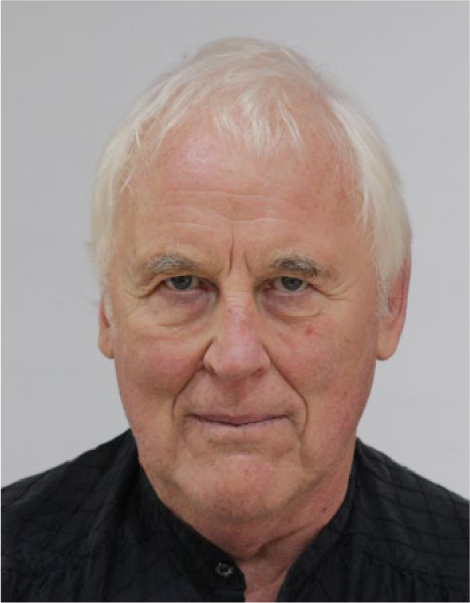
Professor Paul Mullen spent 13 years at the Maudsley and Bethlem hospitals and Institute of Psychiatry, first as a trainee then, for the last 5 years, as a consultant and senior lecturer. He became the professor of psychological medicine in Dunedin, moving 10 years later to become the foundation professor of forensic psychiatry at Monash University and director of the state’s forensic mental health services. After retiring in 2012, he worked with child protection and as principal medical officer to the state prison system. Professor Mullen spent a decade involved in research into the human pineal gland and the impact of the sleep wake cycle on hormonal rhythms. He later moved into epidemiological research studying the impact of child sexual abuse, stalking victimisation, and the relationship between psychotic illnesses and criminal behaviour. In clinical and phenomenological research, he has worked in the areas of jealousy, erotomania, querulous complaining and threatening behaviour. Recently, he has also carried out research related to risk assessment and management. In total, he has published over 200 peer-reviewed papers, 60 book chapters, and co-authored three books. Over the years, his work has been translated into many languages, including Japanese, German and Italian, reflecting his recognition internationally as an authority on forensic aspects of psychiatry.
Comparing notes with Professor Mullen on our Maudsley ‘experiences’, while supping in a Sydney café, it soon becomes evident that this is a man that doesn’t feel the need to filter anything – other than perhaps his coffee. Known for his eloquent insights into the minds of humans at their extremes, Paul is respected worldwide, and rightly so, for his unique observations of those that stalk and those that kill. His personal charm and lilting banter disguise a self-confessed lack of empathy, a deficiency that he regards as a strength, noting that it is a necessary tool for clarity of vision. Perhaps it is this and his tireless obsession with inquiry that have made him an academic beast to behold.
One of my fears for psychiatry is that we are allowing clinical practice to degenerate into a process which starts with a brief and superficial assessment, measured in minutes not the requisite hours, leading to a prescription, with continuing care often handed over to case managers of various professional hues. Anyone can do that, and they are welcome to it.
If psychiatry is to survive it has to stop patting itself on the back, stop allowing academics innocent of clinical experience to define its disorders, stop being agents of Big Pharma, be more informed and critical about research, use managers effectively while preventing them from determining clinical decisions, and, above all, stand up alongside our patients to demand the resources to provide decent services. Rebel sisters and brothers, speak up, act up and insist.
Footnotes
Declaration of Conflicting Interests
The author(s) declared no potential conflicts of interest with respect to the research, authorship and/or publication of this article.
Funding
The author(s) received no financial support for the research, authorship and/or publication of this article.