




Abstract
Introduction
The United States (US) holds the highest personal firearm ownership among industrialized nations, with implications for firearm-related deaths tied to increased per capita gun ownership and varying gun laws. This study examines the influence of gun law strength on legal firearm transactions, positing a correlation between stronger laws and reduced transactions. The analysis, focused on the stress-laden COVID-19 pandemic, evaluates handgun, long gun, and multiple gun transactions in 2020 and 2021 compared to 2018-2019.
Methods
The Giffords Gun Law scorecard categorized states into the top 25 “strong” and bottom 25 “weak” gun law groups. Multivariate linear regressions assessed the association between strong gun law states and monthly National Instant Criminal Background Check System (NICS) data from 2018 to 2021. The study queried NICS for handgun, long gun, and multiple gun transactions, comparing median monthly transactions in 2018 and 2019 to 2020 and 2018-2020 to 2021.
Results
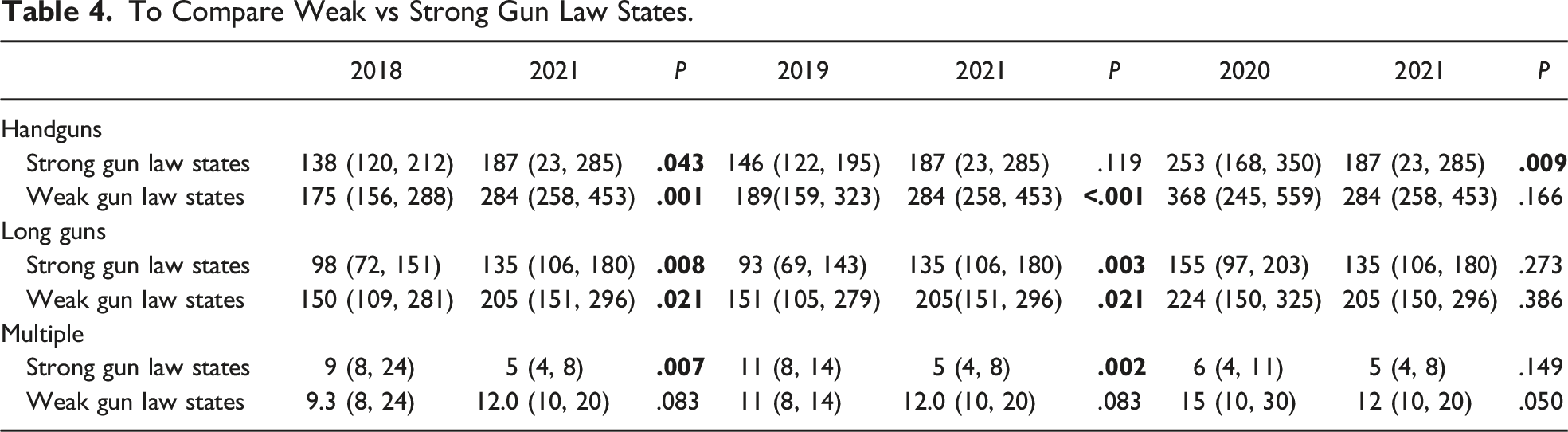
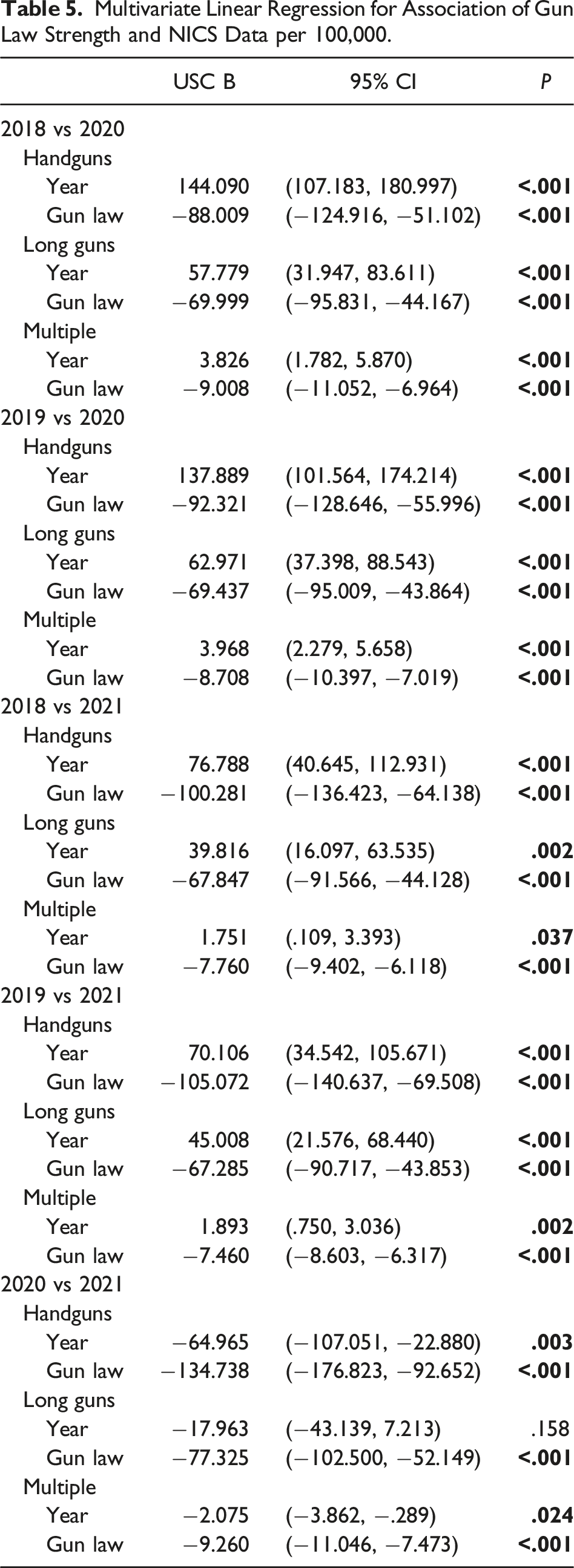
When evaluating gun law strength through multivariate linear regression models, stronger gun law states had fewer monthly NICS transactions for handguns, long guns, and multiple guns in 2020 and 2021 versus all comparison years (all P < .05). However, from 2018-2019 to 2020 and 2018-2020 to 2021, median monthly NICS transactions per 100,000 people for all gun types increased (all P < .05).
Conclusion
Stricter gun laws correlated with decreased firearm transactions in stronger law states, yet handgun, long gun, and multiple gun transactions increased during the pandemic years of 2020 and 2021. Therefore, strengthening firearm legislation may be protective against the proliferation of firearms, which warrants further research.
Introduction
Firearm violence is a growing public health epidemic in the United States (US), with more than 45,000 firearm-related deaths in the US during the year 2020.1,2 The US also maintains the highest number of privately owned firearms per person among all industrialized nations. 3 The coronavirus disease 2019 (COVID-19) pandemic has exacerbated this uniquely American problem, placing an excessive burden on society through economic and psychological stressors.4,5 To limit firearm violence, one must consider it within the framework of social determinants of health as well as racial and ethnic contexts, cultural, community, and regional differences, self-image, and demographics such as age and gender.6,7 For example, in addition to COVID-19-related stressors, the year 2020 had significant issues with police brutality, systemic racism, and social unrest, all factors that contribute to collective stress that can affect firearm violence.8,9 Other research also has found that “racialized economic segregation,” a product of the 1930s, increases the likelihood of firearm violence, with roughly 5% of city blocks accounting for as much as 50% of gun violence. 10 ”
Historically, firearm transactions have increased during times of mass shootings, terrorist attacks, and major economic and political events in the US.11,12 During the COVID-19 pandemic, 13 forty-three states and the District of Columbia issued stay-at-home orders. However, most US states and territories deemed firearm sellers as essential businesses that must remain open. 10 Therefore, it may not be surprising that there have been some reports demonstrating an increase in firearm violence and/or firearm purchases during the early stages of the pandemic.11,12,14-17 Despite these reports, there remains a scarcity of data regarding trends of legal firearm transactions, and more specifically, subset analyses of handgun, long gun, and multiple gun purchases, which may be acquired for different reasons.
Legislation and policy specifically aimed at regulating guns has been a contentious topic in the US, as we are one of two countries (the other being Mexico) to include the right to bear arms in our constitution. 18 The allowance for the legal purchase of handguns increases the risk of violent deaths, with both increased suicides and homicides. 18 Additionally, individuals in possession of a gun are more likely to be shot in an assault than those not in possession of a gun. 18 In contrast, a study in Canada found that gun regulations resulted in a drop in homicides committed with a firearm from 10% to 5%. 16 On the other hand, the toll on the US health care system during the COVID-19 pandemic was exponential as hospitals attempted to care for increased firearm violence as well as COVID patients.14,15,17,19
There are reports suggesting that stronger gun laws may help curtail firearm acquisition and/or injuries. 17 Surgeons, whether in community or academic settings, urban or rural areas, all encounter firearm violence within their communities. The injury patterns and patient populations for these firearms are somewhat distinct, with certain regions seeing more patients with injuries sustained by handguns, while others see more injuries caused by long guns. This analysis is, therefore, crucial in providing data on trends related to violence that may be specifically observed in different communities. Therefore, this study aimed to evaluate the effect of stronger gun laws regarding transactions of handguns, long guns, and multiple guns, with the hypothesis that stronger gun laws would be associated with fewer firearm transactions during this tumultuous time. Given the focus of this study on pandemic-related trends, we also aimed to assess trends in overall firearm-related transactions in 2020 and 2021 compared to 2018 and 2019.
Methods
This retrospective, de-identified database study was deemed exempt by the Institutional Review Board, and a waiver of informed consent was granted. No funding was provided for this study. We collected transaction data using the Federal Bureau of Investigations’ (FBI) National Instant Criminal Background Check System (NICS) database for the years 2018 through 2021. The NICS is publicly accessible and a part of the Federal Bureau of Investigation’s Criminal Background Check System which provides the number of firearm background checks by state from November 1998 to the present. The NICS database has been previously utilized in other research and records any firearm buyer in the system after conducting a background check on the buyer.11,20 Transactions occur when someone wishes to buy a firearm, “which collects the transferee’s name and descriptive data (eg, date of birth, sex, race, state of residence, country of citizenship), and elicits information that may immediately identify a transferee as a prohibited person; thereby, preventing the continuation of the NICS background check.”11,20 Essentially, background checks are the index step, and transactions are the subsequent purchase of firearms, with individuals being able to purchase more than one firearm. Consequently, someone could buy multiple firearms with a single background check, making the number of transactions potentially greater than the number of background checks.
In this study, the years 2020 and 2021 were designated “pandemic years.” Thus, the analysis compared 2020 to 2018 and 2019 (historical years) as well as 2021 to 2018-2020. We compared the pre-pandemic years of 2018 and 2019 with 2020, which was the year marked by mandatory lockdowns and quarantine. Then, we separately compared 2018-2020 to 2021, as 2021 was the year of vaccine rollout and community reopening. This allowed the study to independently assess trends in firearm purchases during these two distinct pandemic years compared to historical control groups. Regarding the definition of “transaction,” NICS defines the term as “background checks initiated by an officially licensed Federal Firearms Licensee or criminal justice/law enforcement agency prior to the issuance of a firearm-related permit or transfer.” 21 Data on the monthly number of handguns, long gun, and multiple gun transactions by state were recorded.
Next, the Giffords Gun Law scorecard, which researches and grades states based on the strength of their gun laws, was used to categorize states into the top 25 “strong” gun law vs the bottom 25 “weak” gun law states. 22 The rates of firearm transactions in the strong gun law states and weak gun law state groups were weighted per 100,000 individuals using 2018 to 2021 United States Census data. 23 This was done to control for different population sizes within each state and to also control for changes in populations year by year.
To evaluate the trends in legal firearm transactions before and during the COVID-19 pandemic, Mann-Whitney U tests were utilized to compare the median monthly NICS handgun, long gun, and multiple gun transactions from 2018 and 2019 to 2020 and then to 2021. To assess the role of gun law strength in these transactions, multivariate linear regressions were performed, utilizing variables that were selected based on review of existing literature and author consensus. Only models with a variance inflation factor (VIF) of 1, indicating no correlation or collinearity between independent variables, were reported in this study. Statistics were performed on IBM SPSS Statistics, 24 Version 26 (IBM Corp., Armonk, NY). Statistical significance was defined as P < .05.
Results
Handgun Transactions
National Data for Median Monthly NICS Transactions per 100,000 (2018 and 2019 vs 2020) Across the United States.
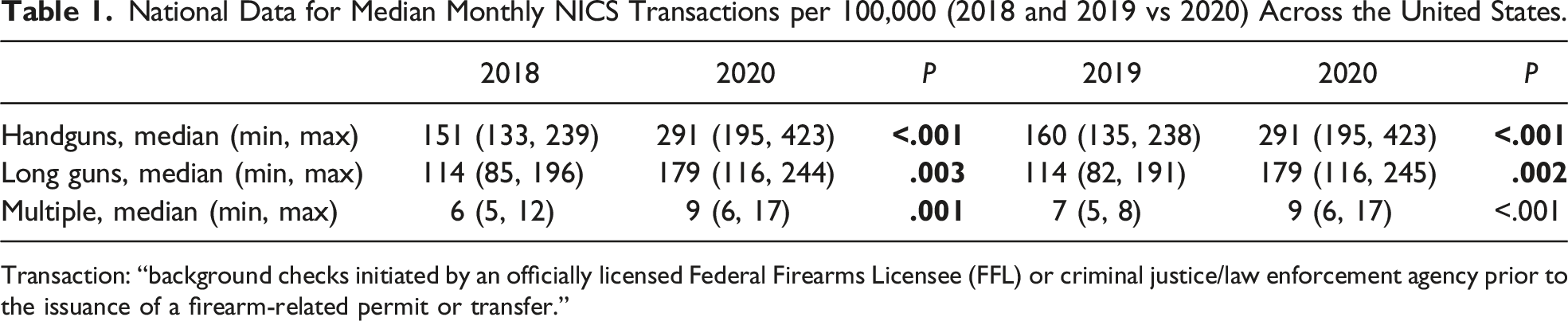
Transaction: “background checks initiated by an officially licensed Federal Firearms Licensee (FFL) or criminal justice/law enforcement agency prior to the issuance of a firearm-related permit or transfer.”
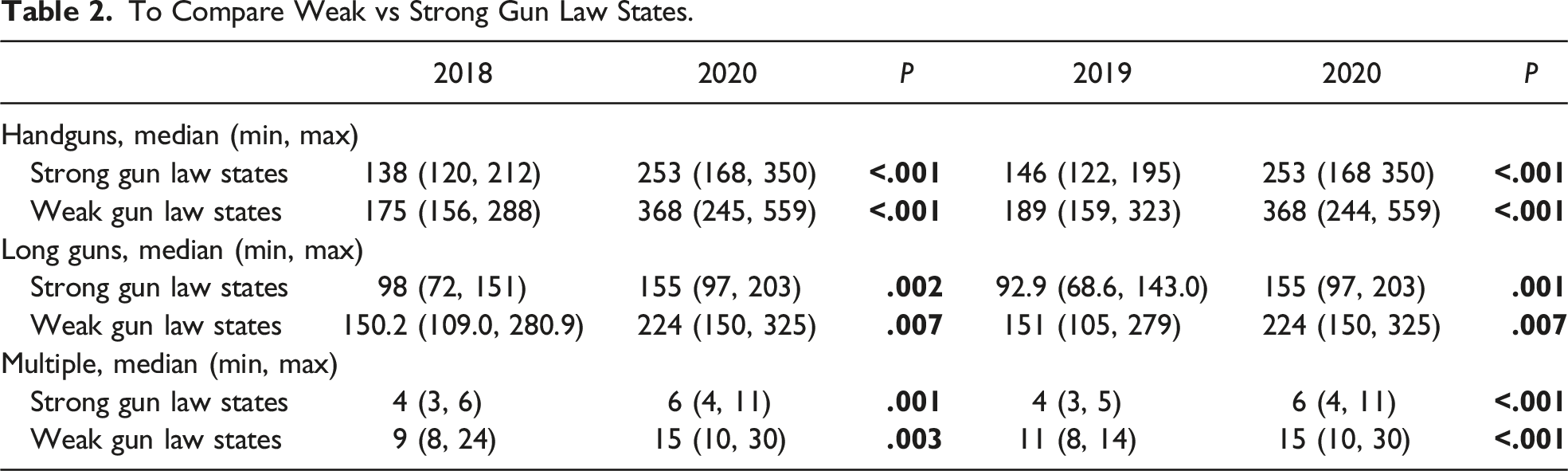
To Compare Weak vs Strong Gun Law States.
National Data for Median Monthly NICS Transactions per 100,000 (2018-2020 vs 2021) Across the United States.

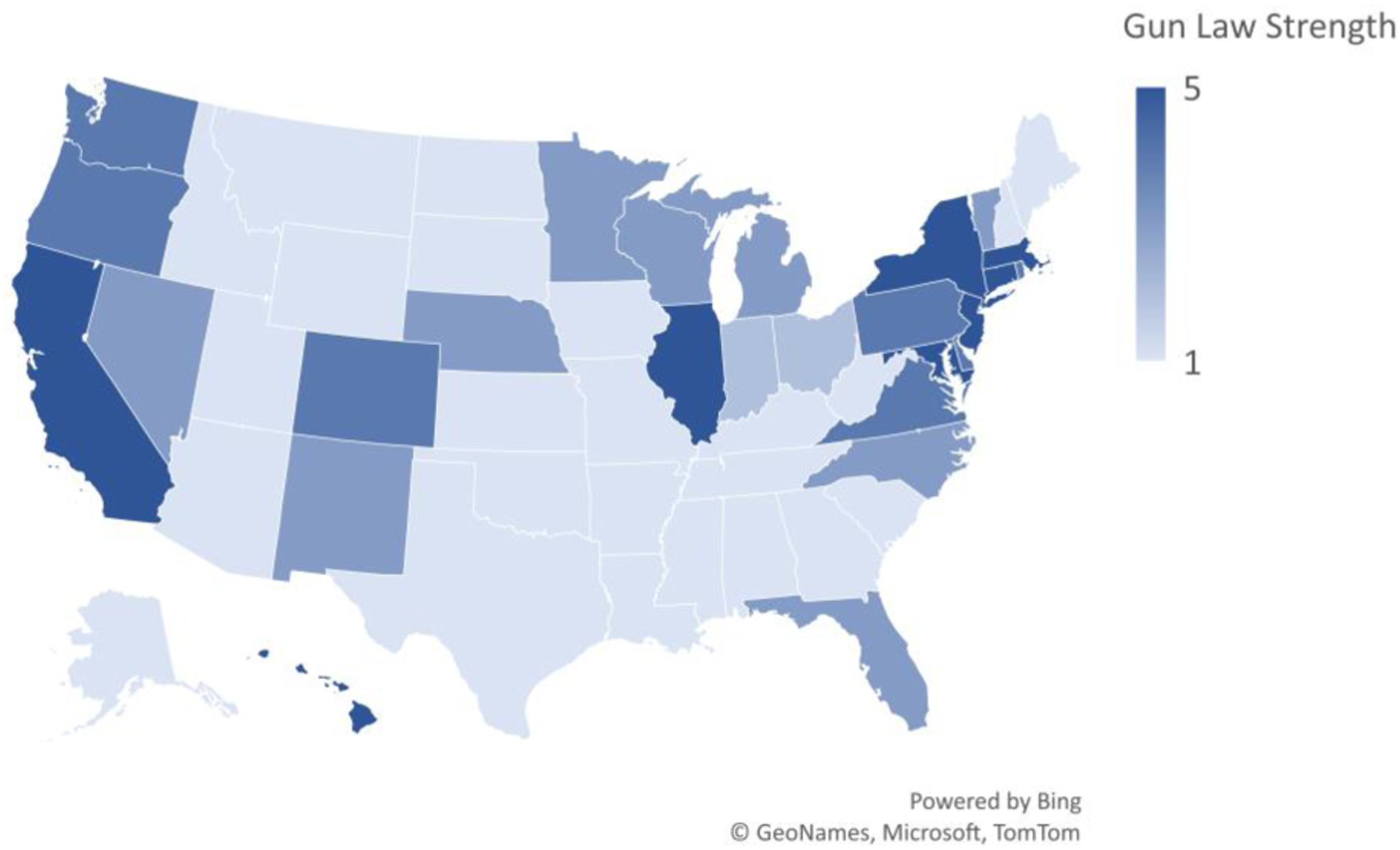
Gun law strength (1 = weakest, F states, 5 = strongest, A states).
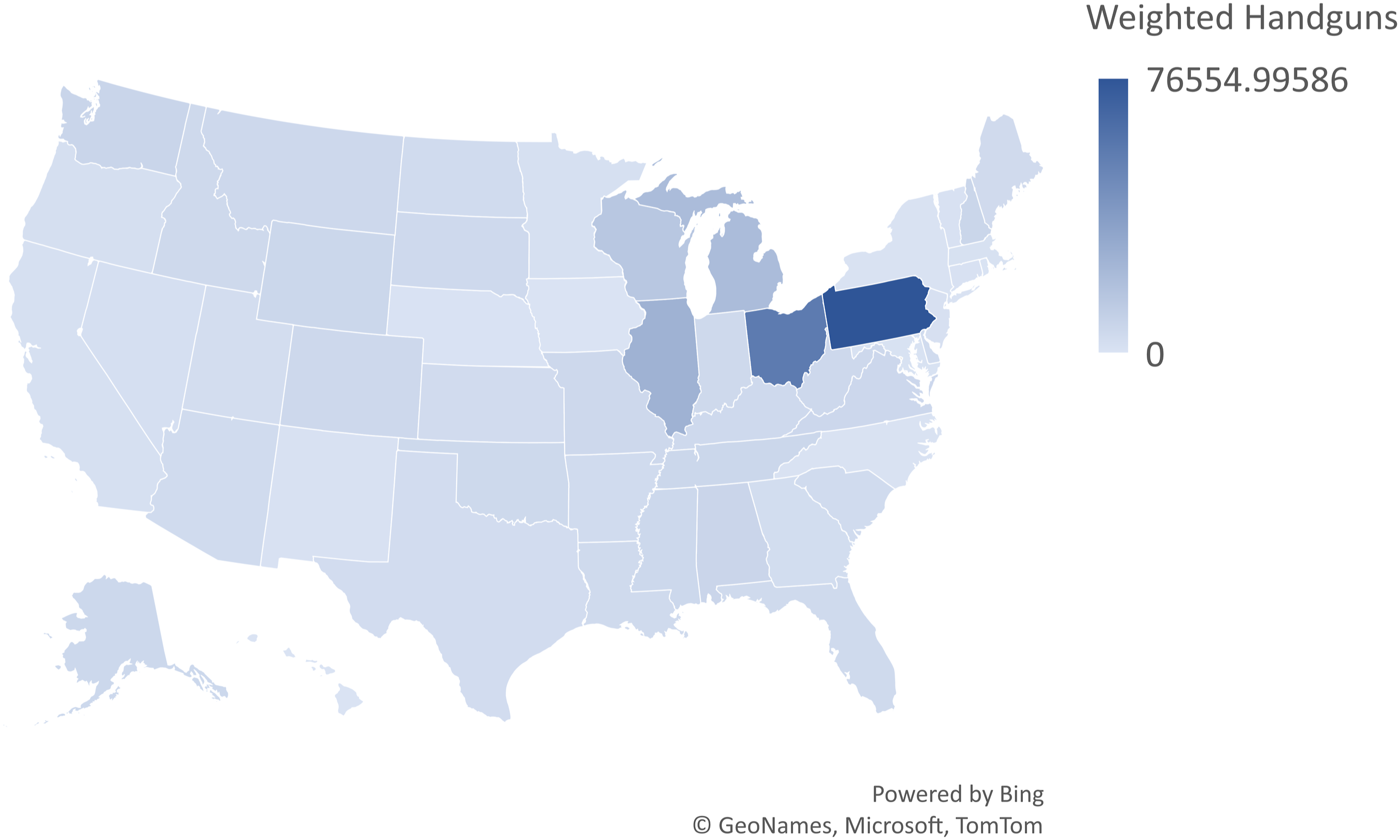
Handguns weighted per 100,000.
Long Gun Transactions
Median monthly NICS long gun transactions per 100,000 individuals increased in 2020 compared to 2018 (589,128 vs 373,004, P < .003) and 2019 (589,128 vs 372,810, P = .001), respectively. This corresponded with a 58% increase from both 2018 and 2019 (Table 1). In 2021, median monthly long gun transactions increased 42% from 2018 (531,500 vs 373,004, P = .013) and 43% from 2019 (531,500 vs 372,810, P = .001). However, compared to 2020, there was a similar number of long gun transactions in 2021 (531,000 vs 589,128, P = .386) (Table 3) (Figures 3 and 4). Long guns weighted per 100,000. Multiple guns weighted per 100,000.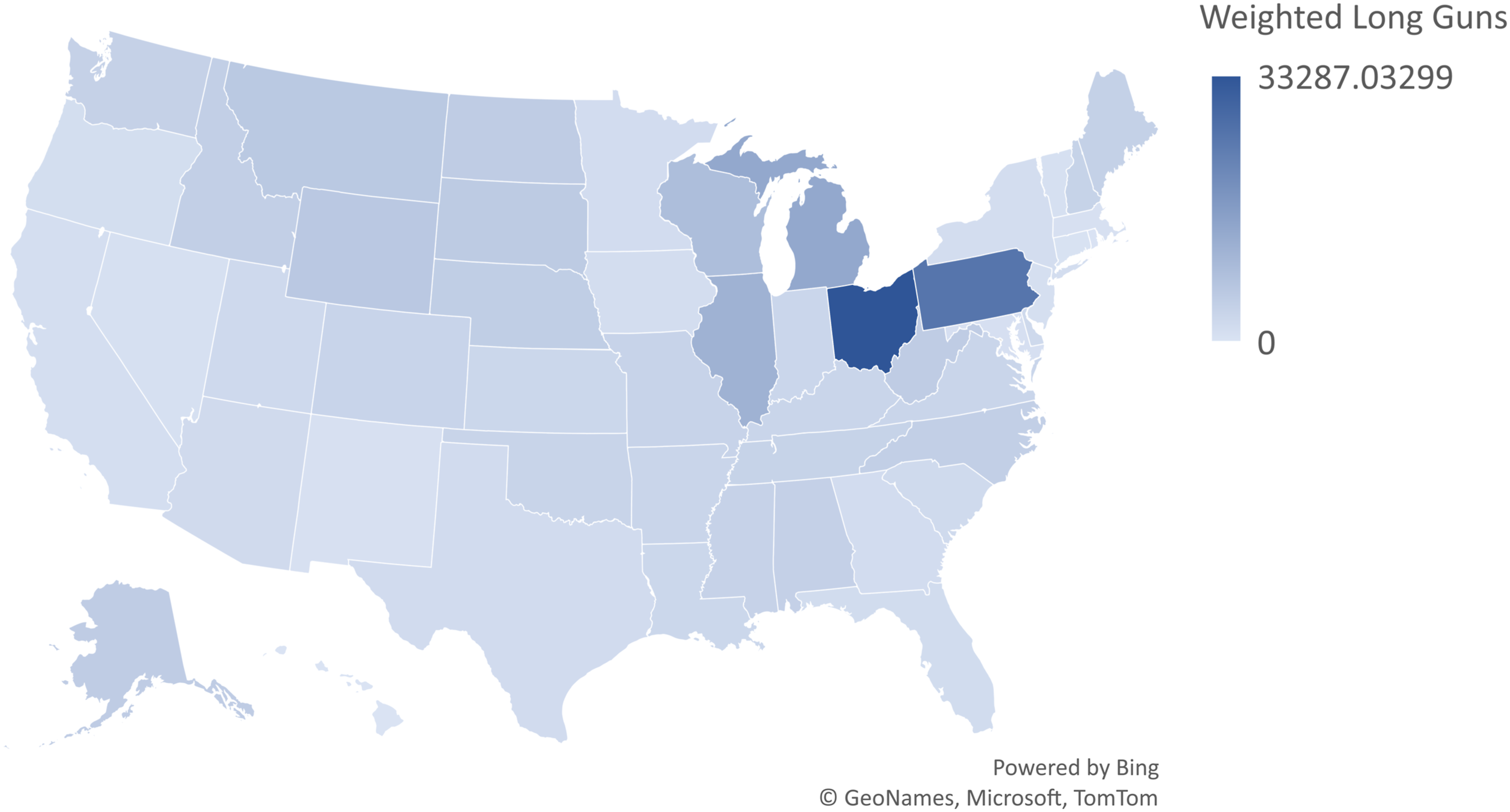
Multiple Gun Transactions
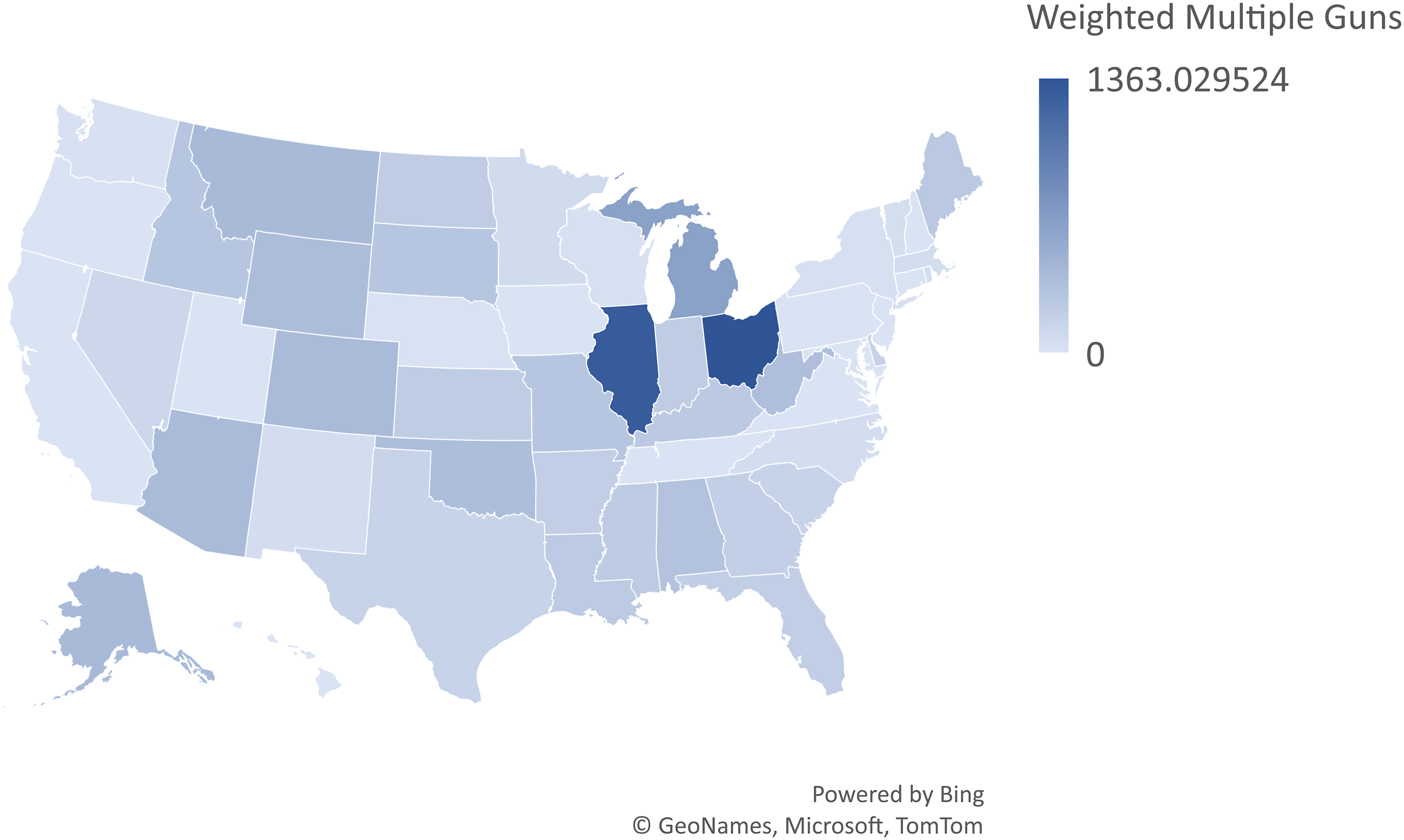
Median monthly NICS multiple gun transactions per 100,000 individuals increased in 2020 compared to 2018 (30,690 vs 18,647, P = .001) and 2019 (30,690 vs 21,211, P < .001), respectively. This corresponded with a 65% increase from 2018 and a 45% increase from 2019 (Table 1). In 2021, median monthly handgun transactions increased 31% from 2018 (24,347 vs 18,647, P = .021) and 15% from 2019 (24,347 vs 21,211, P = .015). However, compared to 2020, there was a similar number of handgun transactions in 2021 (24,347 vs 30,690, P = .073) (Table 3) (Figure 5). Median handguns overtime.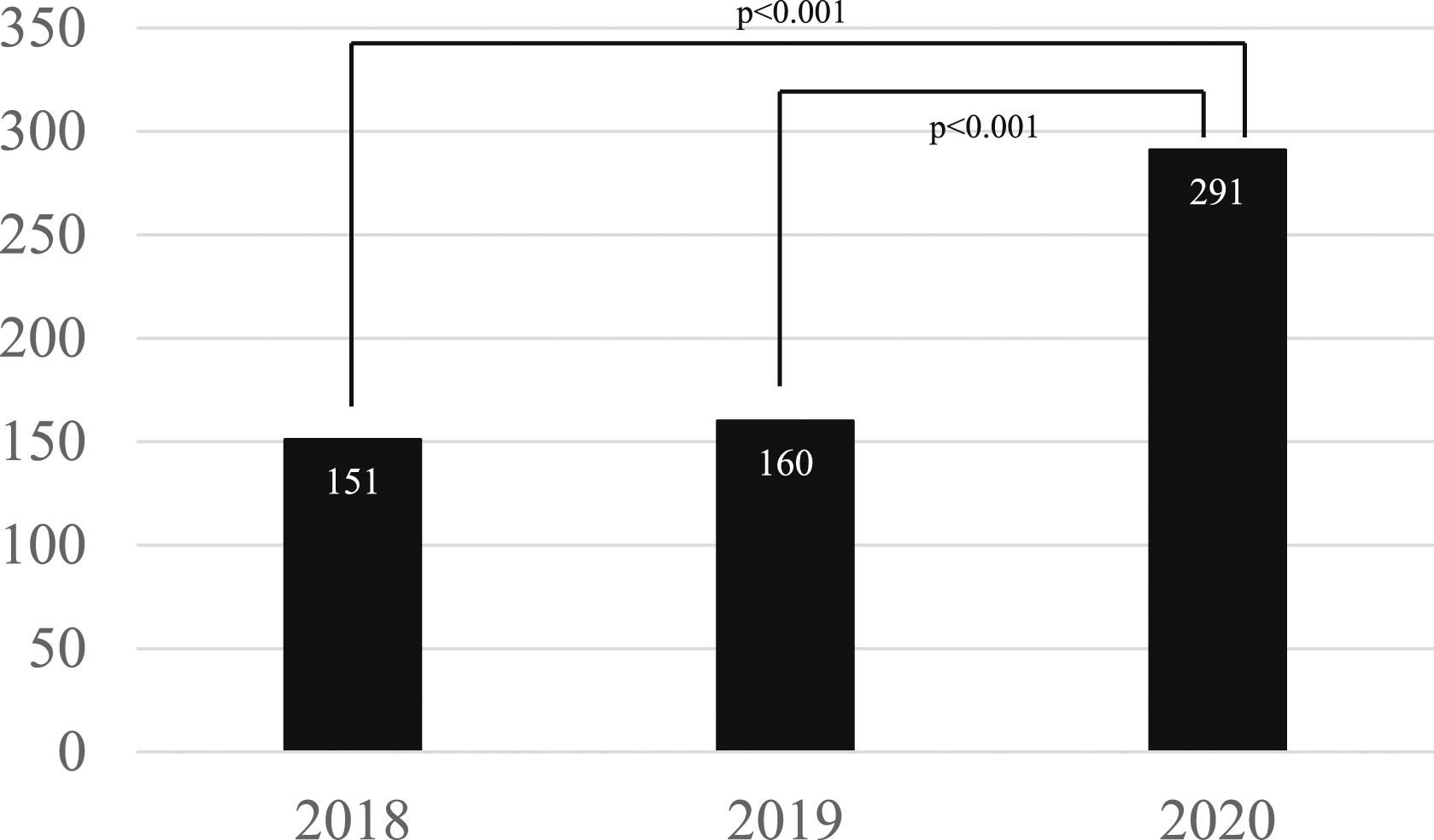
Gun Law Strength
To Compare Weak vs Strong Gun Law States.
Multivariate Linear Regression for Association of Gun Law Strength and NICS Data per 100,000.
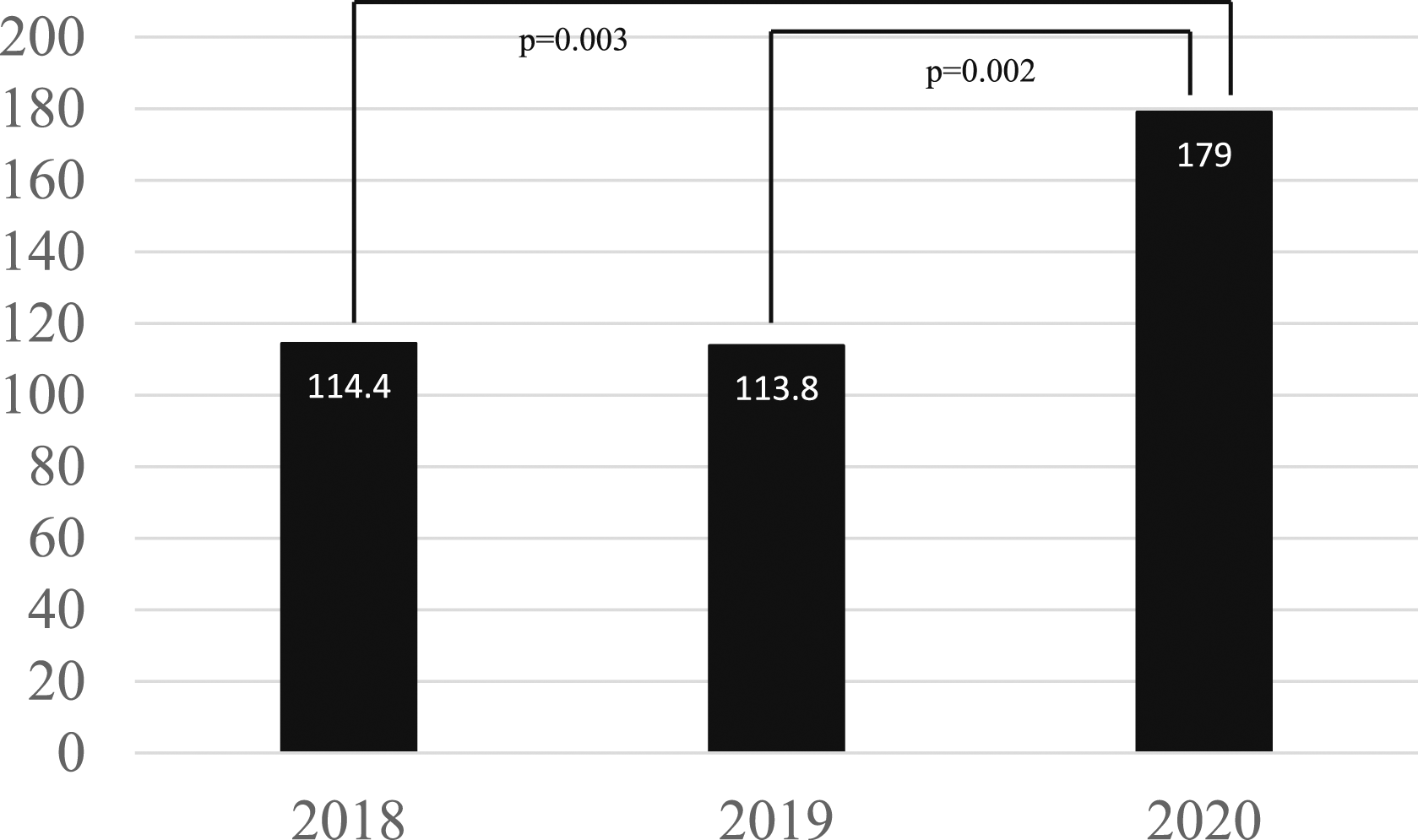
Median long guns overtime.
2020 Data (Mean ± SD).
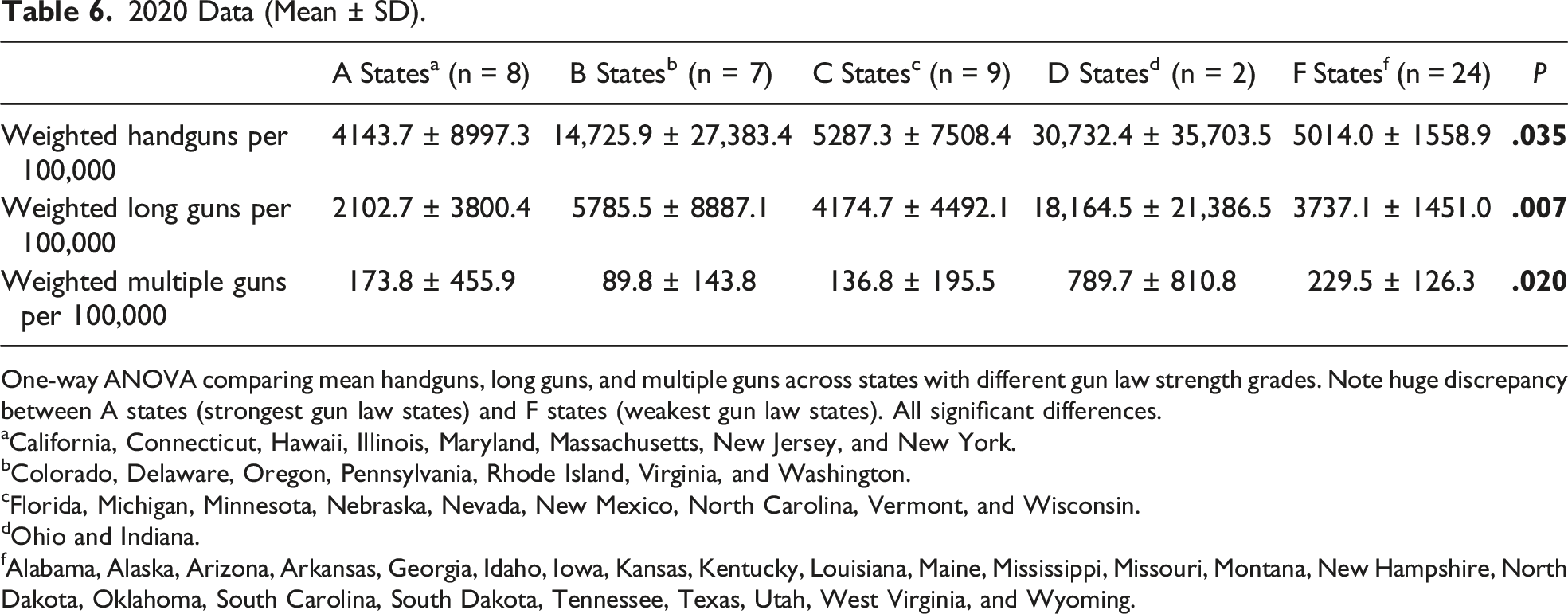
One-way ANOVA comparing mean handguns, long guns, and multiple guns across states with different gun law strength grades. Note huge discrepancy between A states (strongest gun law states) and F states (weakest gun law states). All significant differences.
aCalifornia, Connecticut, Hawaii, Illinois, Maryland, Massachusetts, New Jersey, and New York.
bColorado, Delaware, Oregon, Pennsylvania, Rhode Island, Virginia, and Washington.
cFlorida, Michigan, Minnesota, Nebraska, Nevada, New Mexico, North Carolina, Vermont, and Wisconsin.
dOhio and Indiana.
fAlabama, Alaska, Arizona, Arkansas, Georgia, Idaho, Iowa, Kansas, Kentucky, Louisiana, Maine, Mississippi, Missouri, Montana, New Hampshire, North Dakota, Oklahoma, South Carolina, South Dakota, Tennessee, Texas, Utah, West Virginia, and Wyoming.
Discussion
Firearms are an integral part of US history and a constitutional right, which is somewhat rare but not unique (ie, Mexico and Guatemala). 21 Monitoring access to firearms, and therefore their potential use, is crucial given the potential correlation between firearm prevalence and firearm-related deaths. 22 Also, firearm legislation may offer potential solutions, with previous reports suggesting that such legislation is associated with decreased firearm mortality. However, there is a lack of data on the granular level of firearm types (eg, handguns and long guns). 23 While firearm transactions increased across the US overall, when stratified by state gun law strength this national retrospective analysis found that stronger gun law states still experienced increased transactions of handguns, long guns, and multiple guns although significantly less so than weaker gun law states. Furthermore, the number of handgun, long gun, and multiple gun transactions all increased significantly in 2020 and 2021 compared to pre-pandemic years.
People cite various reasons for firearm purchases, including self-defense, perceived future purchasing restrictions, and recreational use 25 (ie, hunting or target shooting).26,27 Previous reports have suggested that the main reason for the increased rate of firearm sales during the COVID-19 pandemic was the perceived “need for self-defense” during times of crisis. 27 This has also been observed following highly publicized 5 mass shootings, which specifically led to an increase in handgun purchases. 17 This current study also found an increase in long gun transactions and multiple gun purchases, which are not typically associated with home self-defense. Although long guns are primarily used for recreational use, 80% of long gun owners also own a handgun. 26 Regarding women who own guns, 1 in 6 exclusively own long guns, with a major faction of women reporting they own their guns, including long guns, for protection. 6 An alternative explanation is suggested by Liu et al who in 2019 reported that spikes in long gun sales are linked to times when individuals believe gun control is imminent. 28
In conjunction with the COVID-19 pandemic, there was significant social and political unrest, increasing awareness of firearm violence, including violence against unarmed people of color. Many believed that gun control measures might be implemented in the US, potentially explaining the further increase in long gun purchases in 2020 and their sustained high levels in 2021. 28 In terms of multiple gun purchases, there currently exists no federal law limiting the number of firearms an individual can purchase in one transaction. 29 Consequently, multiple gun transactions, known as bulk purchases, have increased since 2018. Additionally, this increase in multiple gun purchases may also help explain the higher rate of long gun transactions, as prior reports have demonstrated that gun owners may believe that owning more firearms can provide safety during tumultuous times. 17
Given the increased firearm transactions, it is important to investigate methods to potentially curtail this trend. One often-cited solution is legislation, although there is a paucity of data regarding the true effect of legislation on firearm purchases. However, some reports suggest that legislation may be beneficial in limiting firearm transactions. 29 Supporting this, Reeping et al demonstrated that a 10-unit increase in the permissiveness of state gun laws, where 0 equates to totally restrictive and 100 correlates to completely permissive, was associated with a 9% increase in mass shootings. 29 What makes this data even more important is a finding by Bangalore et al who demonstrated that the number of privately owned guns can directly predict the rate of firearm mortality in each country. 30 Although this does not directly indicate causation and there may be nations that are aberrations from this type of data. 30 In addition, Wintemute et al found that increased rates of handgun purchases in California are specifically linked to firearm suicide and suicide overall. 31 Taken altogether, this suggests that legislation may have a role in limiting firearm transactions and thus the ability to help curtail the rising epidemic of firearm violence in the US.
This study has numerous limitations, including those inherent to its retrospective database design. First, NICS is run in conjunction with the FBI and the Bureau of Alcohol, Tobacco, Firearms and Explosives (ATF); however, the NICS database does not define long gun or handgun. Additionally, potential firearm purchasers were likely unable to purchase firearms at gun shows and private showings during the pandemic due to stay-at-home orders, potentially increasing the number of sales through the NICS system as it was the remaining avenue to purchase a fire. Privately manufactured guns, referred to as “ghost guns,” have surged by 157% during the pandemic. However, these guns are often acquired without background checks and thus are not included in this analysis. 32 In addition, NICS only includes legal firearm transactions. Firearms used in crime are disproportionately illegal purchases and the NICS database is unable to track illegal weapons because they are typically unregistered. 33 Furthermore, data in this study are not correlated with patient or crime data. Also, the retrospective design does not allow us to comment on causation regarding legislation and there is a myriad of confounders that may not be accounted for given the significant variation across states let alone counties within states. Another limitation is our study does not account for social determinants of health which certainly impact firearm violence as well as firearm transactions. This study also may suffer from an underestimation of firearm transactions in more remote communities. Though many firearm purchases in the US utilize the NICS system, there remains a significant number of purchases that do not. In fact, Miller et al found nearly 22% of firearms were purchased without a background check, thus bypassing the NICS system. 34 Finally, it is important to also note that state gun law grades are provided in grades of A-F by the Giffords Gun Law scorecard. However, this study categorized states into two groups, “restrictive” and “non-restrictive” legislation categories, to provide the most actionable assessment without making too granular of an assessment that would assign differences to extremes of legislation (eg, comparing grade A vs F). With the use of state law grades, we are also unable to account for cities that border a high-grade and low-grade state. Despite these limitations, this study is strengthened by its utilization of generalizable national data and the examination of multiple years of data.
In conclusion, this retrospective analysis of the National Instant Criminal Background Check System database demonstrated that stronger gun law states were associated with decreased handgun, long gun, and multiple gun transactions than weaker gun law states. Handgun, long gun, and multiple gun transactions also increased during the pandemic years of 2020 and 2021 when compared to 2018 and 2019. Therefore, strengthening firearm legislation may be a protective measure against the proliferation of firearms and, consequently, firearm violence. Future research is needed to evaluate this and trial increased firearm legislation in weaker gun law states to definitively determine if there is a beneficial effect.
Footnotes
Author Contributions
JN acted as the primary investigator and lead researcher, advising, and directing all other authors including helping with the study design, data analysis, and critical revisions of the manuscript. AP helped with study design, data collection, and data analysis; she was the primary author writing the manuscript. JS, AG, AQ, AK, CK, and MD all helped with the study design, analysis of data, and critical revisions of the manuscript.
Declaration of Conflicting Interests
The author(s) declared no potential conflicts of interest with respect to the research, authorship, and/or publication of this article.
Funding
The author(s) received no financial support for the research, authorship, and/or publication of this article.
Author’s Note
Presentations: Mini Oral at Western Surgical Association in 2022.