





Abstract
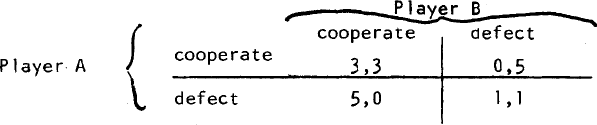
The table on p.32 of the article by lain McLean (‘Tit for Tat’ and Ethical Computers’ Politics, Vol. 2, No. 1 pp.31–35) was incorrectly printed, it should read:
candidates. This statement is of course made with in the context of a discussion of different electoral systems, but could nevertheless throw light on the E.S.O.
selection results discussed here. What of course it cannot do is to provide further explanation of the percentage of Labour MEPs who were female. For this we would need more data, especially on the type of constituency lost and won. Certainly the figure of 23.5 per cent of Labour MEPs is in stark contrast to the 3.0 per cent of women irrespective of party who were elected in 1979. However, this result, rather than being a comment upon the territorial base of the electoral system, is more probably a reflection of the lower status and priority given to the European Parliament elections by Labour's European selectorates.
In summary, the data adds qualified support to Denver's research in that sexual bias appears to be societal . The real problem is in attracting sufficient numbers of women as pirants rather than any aversion to selecting women on the part of all local selectors.
Get full access to this article
View all access options for this article.