






Abstract
Introduction:
Unilateral robot-assisted laparoscopic dismembered extravesical cross-trigonal ureteral reimplantation (RADECUR) has demonstrated previously to be effective and safe in patients with obstructive megaureter. 1 In this video we describe a first, to the best of our knowledge, technique of bilateral robot-assisted laparoscopic takedown ureterostomy and bilateral RADECUR.
Methods:
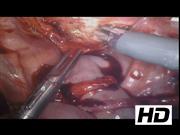
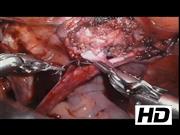
A 20-month-old infant was diagnosed with bilateral dysplastic kidneys with bilateral ureterohydronephrosis as a result of posterior urethral valve. Voiding cystourethrogram did not demonstrate reflux. Creatinine at birth was 2.3 mg/dL (203.37 µmol/L). After bladder drainage and anticholinergic treatment, creatinine continued to rise up to 4.5 mg/dL (397.89 µmol/L). As a result, he underwent bilateral loop ureterostomy on his third day of life. Afterward the parents started bladder cycling. After 8 months, creatinine increased once again, at which point peritoneal dialysis was initiated. Since urinary production was stable (estimated volume of 250–300 cc daily), which allowed maintaining quite liberal fluid intake and to get enlisted to the long waiting list for renal transplantation in Israel, this specific patient was requested to either undergo reconstruction of the urinary system (bilateral reimplantation) or bilateral nephrectomy; we have decided to proceed with takedown ureterostomy and bilateral reimplantation, while maintaining urinary output and fluid balance. His estimated bladder capacity was normal upon reimplantation; therefore, urodynamic study was not preformed. The patient was placed in a lithotomy position. A 12 mm umbilical camera trocar, two 8 mm robotic trocar, and 5 mm assistant trocar were placed. Through a small peritoneal window, bilateral takedown ureterostomy was made utilizing mainly cold scissors. Two stay stitches to the bladder were placed. Careful and meticulous extravesical transverse detrusorrotomy was performed and 5 cm submucosal tunnel was created. Bladder mucosa was open on the right side of the tunnel and ureterovesical anastomosis was preformed utilizing 5-0 Maxon interrupted suture. Double-J stent was inserted and anastomosis was completed. To avoid the ureteral sliding and retraction, mattress like stitch between detrusor and ureter was performed. Anchoring suture between the detrusor and the ureter was placed at the end of the submucosal tunnel. The same operation was performed on the other side. Detrusor was closed utilizing 4-0 V-Lock suture. At the end of the procedure, the bladder was filled to demonstrate that there was no leak and no kinking of the ureters. After completion of reimplantation, the ureteral stumps were removed. Posterior urethral value fulguration, circumcision, and hemodialysis port insertion were performed during the same operation.
Results:
Console time was 130 min. The patient was discharged on the following day. After the surgery, the patient was put on hemodialysis for 3 days and then returned to peritoneal dialysis. No special events were recorded during the follow-up. The patient is currently on the waiting list for kidney transplant.
Conclusion:
Bilateral RADECUR is safe, feasible, and reproducible. This technique allows performing bilateral surgery without fear of urinary retention with shorter indwelling catheter time and hospitalization than the other surgical approaches.
No competing financial interests exist.
Runtime of video: 4 mins 28 secs

Get full access to this article
View all access options for this article.