






Abstract
Introduction:
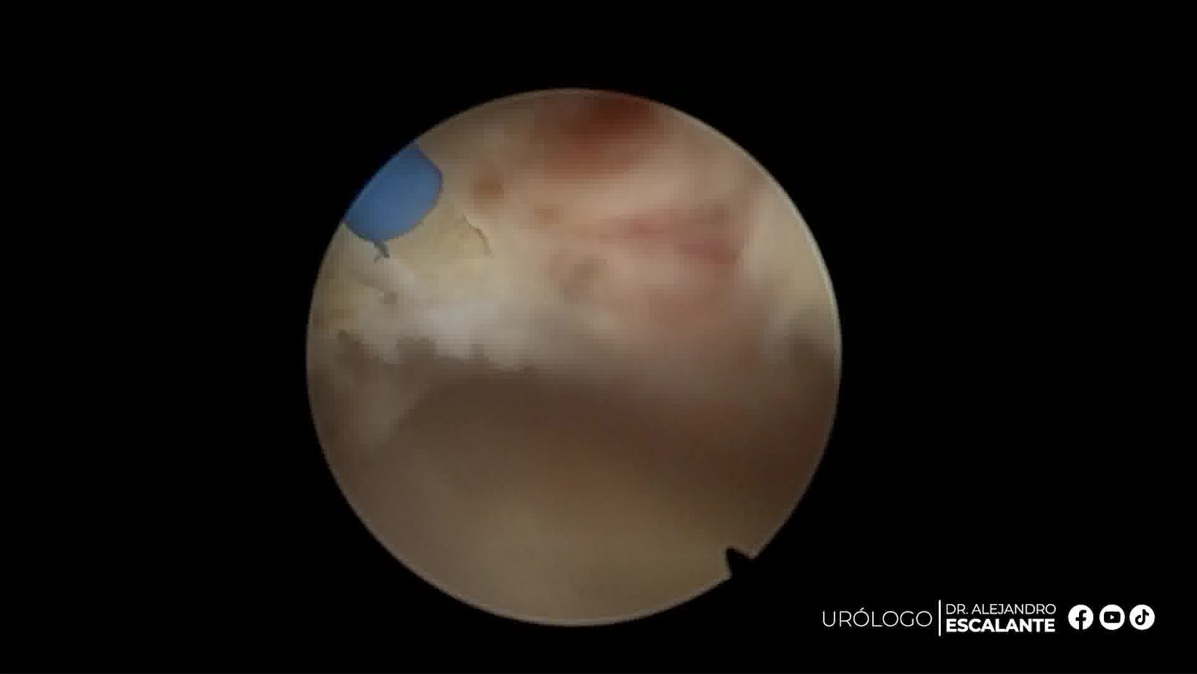
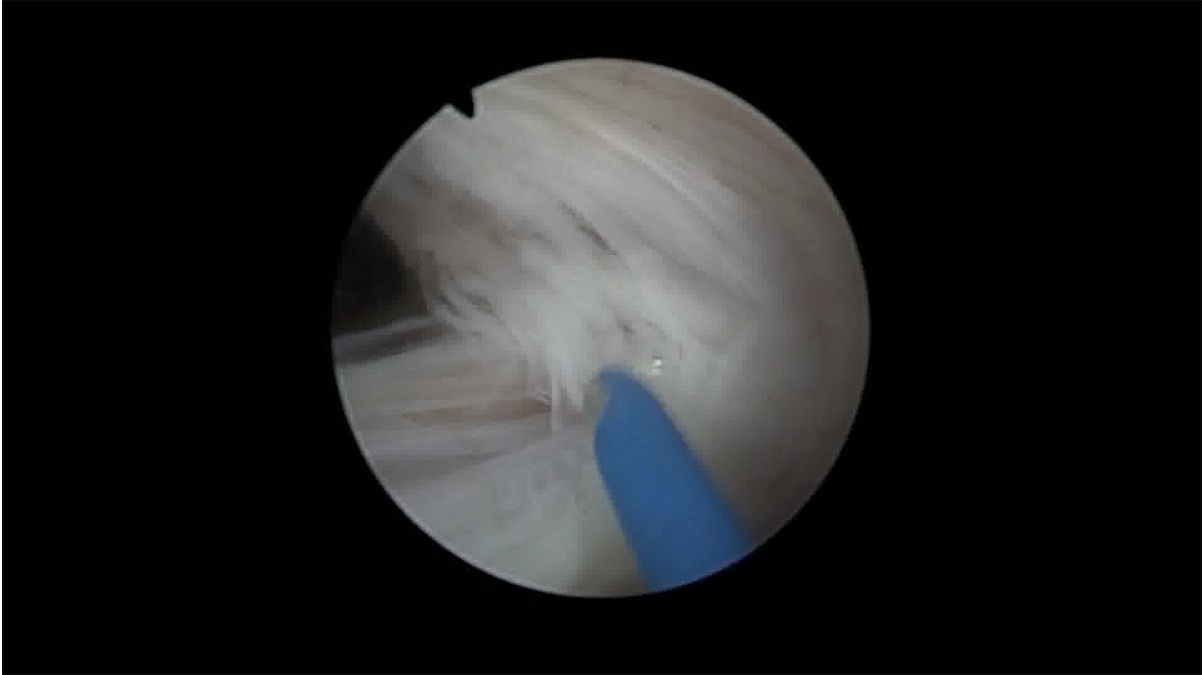
Benign Prostatic Hyperplasia and lower urinary tract symptons affect a substantial number of aging men and, although medical management resolves to a certain extent, surgical and minimally invasive interventions, such as laser enucleation of the prostate, have greatly improved, becoming probably the gold standard today. Challenges in existing techniques led to the development of Miniaturized Holmium Laser Enucleation of Prostate (MiLEP), aiming to minimizing bleeding, sphincter damage, and complications associated with traditional methods such as Transurethral Resection of the Prostate and Holmium Laser Enucleation of the Prostate. MiLEP involves a closed cavity enucleation method with a 22F or 18F resectoscope, a technique of progressive cutting and maintenance of the anatomical plane to improve observation and reduce bleeding.
Methods:
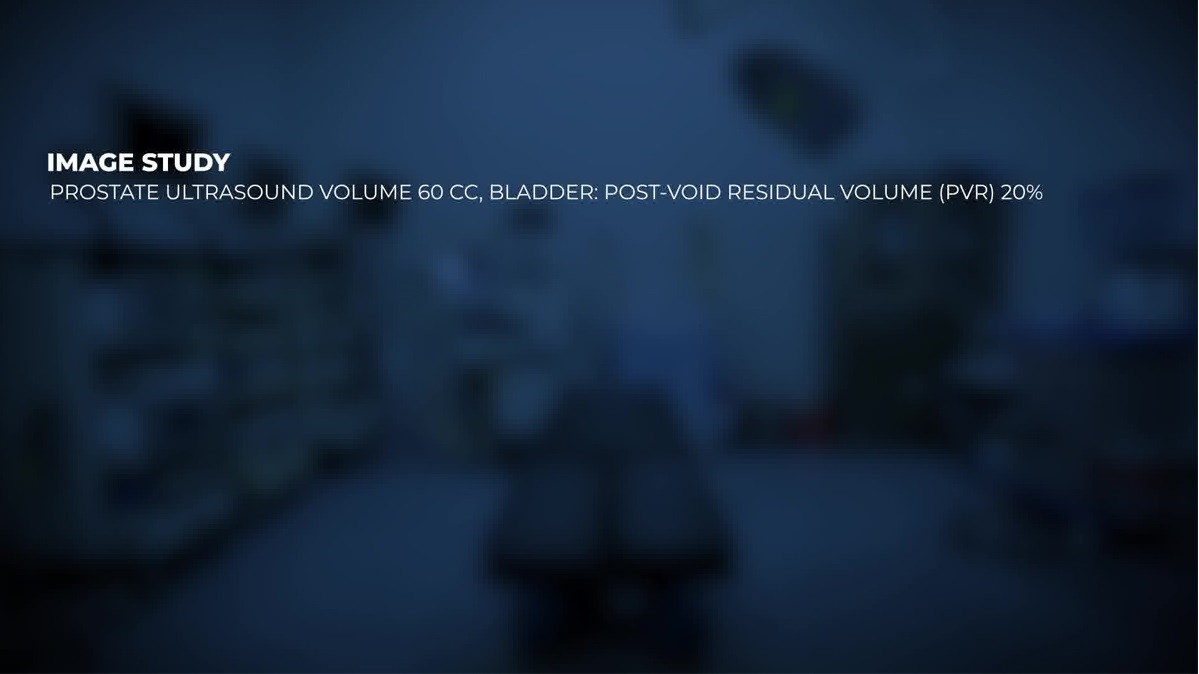
A 72-year-old man with a prostatic volume of 60 cc, with acute urinary retention for which he has been carrying a urinary catheter for more than a month. Before the event he presented nocturia three times, sensation of incomplete emptying, straining to urinate, pushing, and a weak urinary stream. An International Prostate Symptom Score of 25, a prostate-specific antigen (Total PSA) level of 4.53 ng/mL, (Free PSA) level 0.85 ng/mL, and a post-void residual volume 20% before urinary catheter. In the digital rectal examination, a prostate III degree 4 × 4 cm adenomatous, movable, without nodules. Hemoglobin preoperative 15.4 g/dL. creatinine 1.27, Qmax 19 mL/s, urinalysis, and uroculture negative. The procedure consists of the following nine crucial steps:
Results:
The operative time for MiLEP was 47 minutes, with specific times allocated to enucleation, coagulation, and morcellation. Intra- and postoperative bladder irrigation required 45 bottles of saline. The patient was catheterized for 1 day and discharged on the same day the catheter was removed. Twenty-four hours postoperative the hemoglobin was 14, and creatinine 0.8. At the medical checkup 7 days later, the patient denied hematuria, no urine incontinence, and normal urinary stream.
Conclusions:
MiLEP provides a direct and efficient means for authentic prostatic enucleation, distinguishing itself from open transvesical adenomectomy. The use of holmium laser ensures resection, vaporization, enucleation, histologic sampling, and effective coagulation, offering cost-effective benefits from reusable fibers and reducing hospitalization periods. Overcoming the initial learning curve, MiLEP becomes a straightforward and safe procedure.
Patient Consent Statement:
The authors have received and filed the patient's consent for video recording/publication in advance of the video recording of the procedure.
There are no competing financial interests.
Runtime of video: 9 mins 49 secs
Get full access to this article
View all access options for this article.