






Abstract
Introduction:
Transitioning from the da Vinci multiport (Xi) to the single port (SP) system for robotic simple prostatectomy requires a mindful recognition of the unique strengths and challenges of each platform. Certain tools, such as the tenaculum, are absent in the SP system, leading to adjustments in technique and strategy. Working transvesically rather than transabdominally involves reduced working space and retraction limitations, underscoring the need for a methodical approach to procedure execution. This video demonstrates a structured approach to shorten the learning curve and facilitate smoother and more reproducible outcomes in transvesical robotic simple prostatectomy.
Technique:
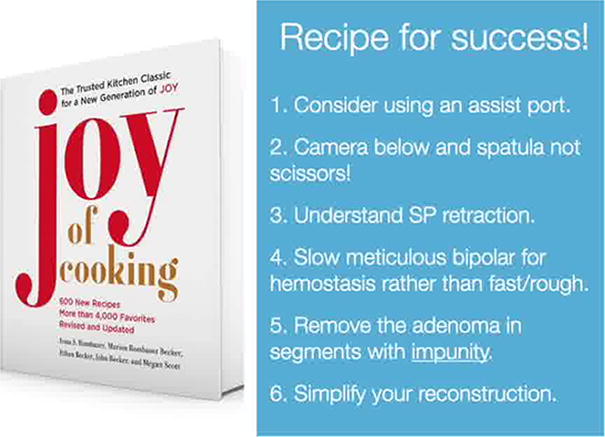
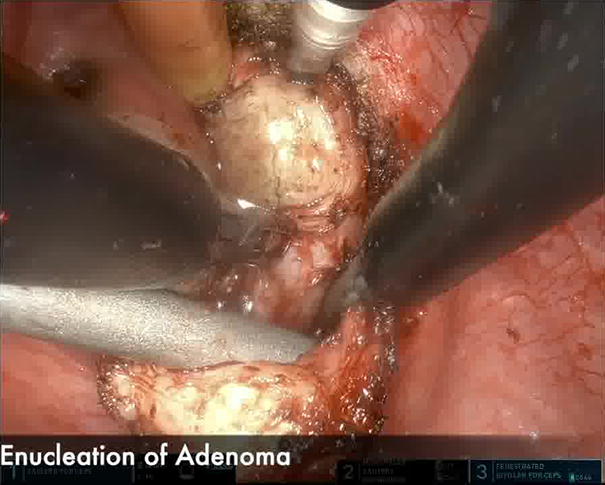
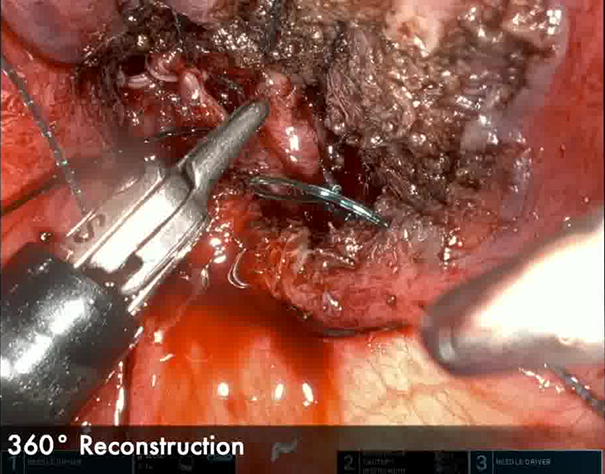
Performing a transvesical simple prostatectomy using the da Vinci SP (TV-RASP) requires careful consideration of technique and available instrument to optimize surgical outcomes. A key aspect of easing this approach involves the placement of a 5 mm balloon transvesical assistant port, which simplifies retraction and suction tasks, particularly for surgeons early in their learning curve. Insufflation pressure should always be kept at or below 10 mm Hg to minimize the risk of air embolism. The assistant suction serves as a vital tool for retraction, akin to its role in multiport transabdominal simple prostatectomy procedures. Meticulous use of bipolar energy to manage mucosal bleeding and capsular perforators facilitates optimal visualization and tissue manipulation, while the strategic deployment of the spatula allows for precise tissue incision when necessary. Leveraging the triple-arm functionality of the SP system offers great versatility in maneuverability and tissue handling within the constrained operative field. However, thoughtful arm placement and coordination are essential to ensure optimal exposure throughout the procedure, particularly in the compromised camera quadrant. Segmented resection of the prostate adenoma facilitates exposure, which minimizes the risk of capsular injury and ensures adequate space for subsequent reconstruction. A simplified 360-degree bladder neck reconstruction with single-armed barbed sutures minimizes bleeding postoperatively. Despite technical challenges, this approach offers a relatively forgiving learning curve and yields very favorable outcomes: minimal blood loss, short console time, and same day discharge without drains or continuous bladder irrigation.
Patient Consent Statement:
The Authors have received and archived patient consent for video recording/publication in advance of video recording of procedure.
No competing financial interests exist
.
No funding was received for this article.
Runtime of video: 8:00 mins.
Get full access to this article
View all access options for this article.