






Abstract
Introduction:
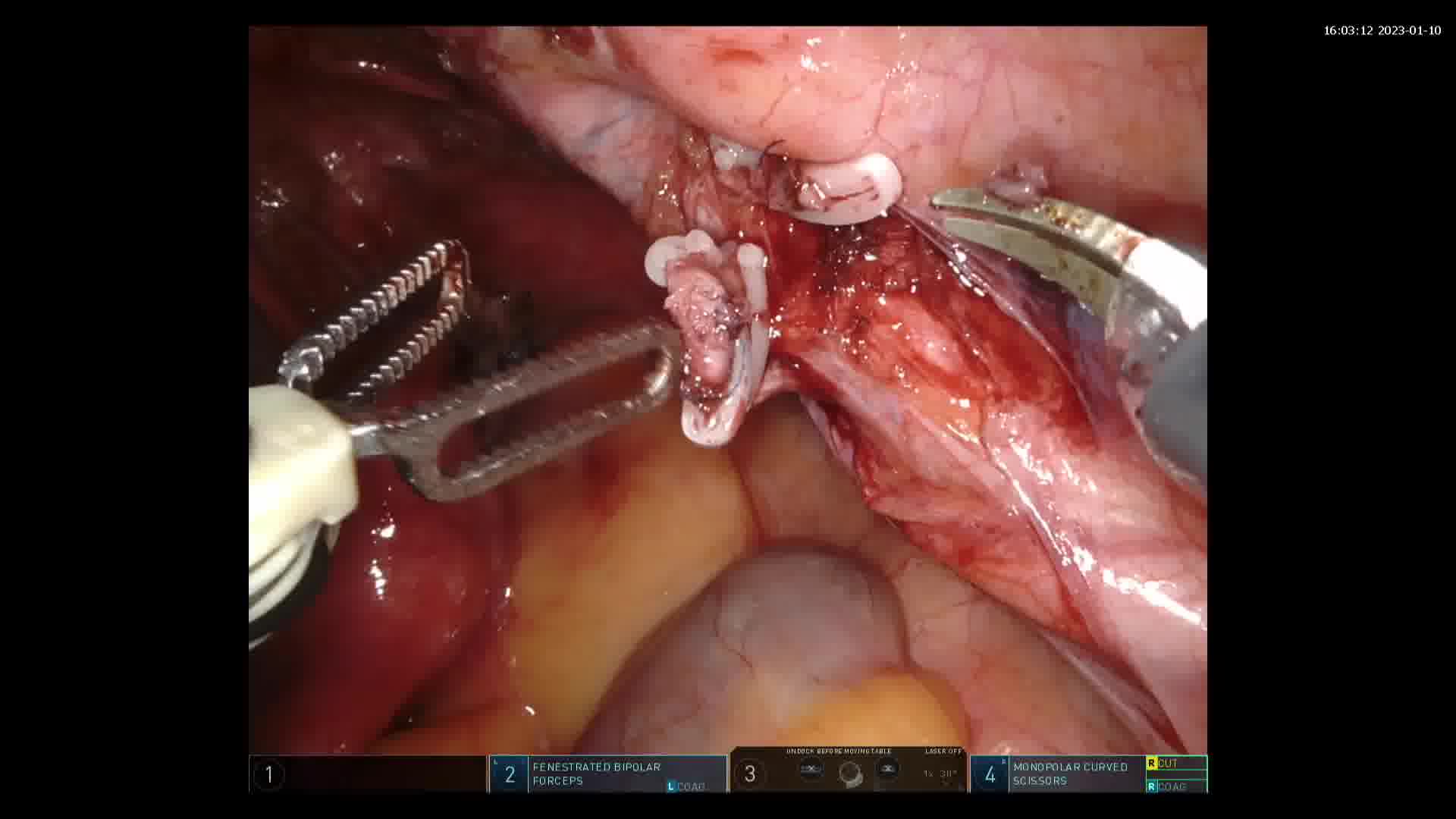
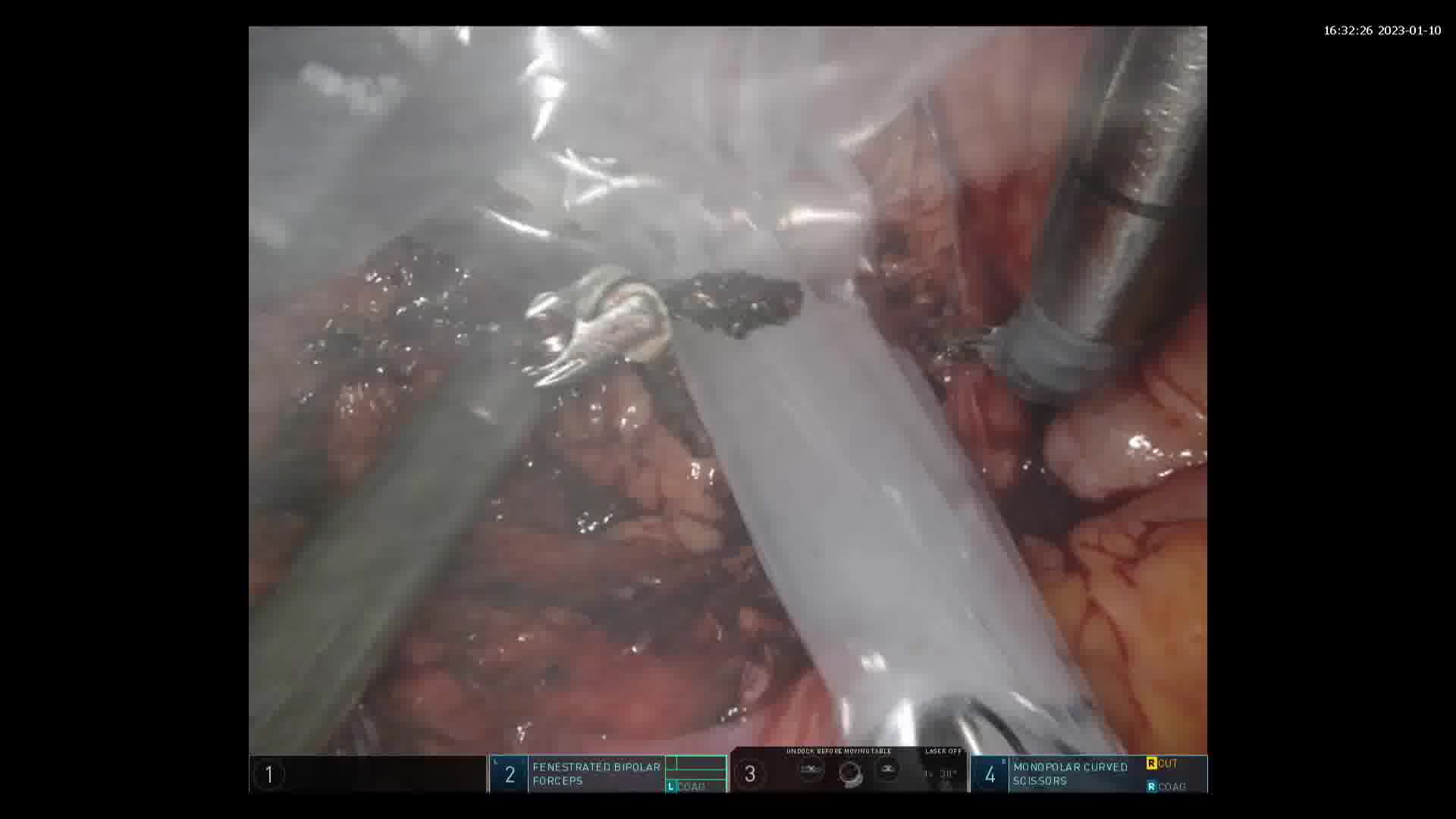
Graft nephrectomy is one of the challenging surgical procedures, and the most common indication for a graft nephrectomy is for a failed renal allograft. This procedure has been done by open technique traditionally. Herein we portray a video on robotic graft nephrectomy that was performed for a renal mass in the transplant kidney.
Materials and Methods:
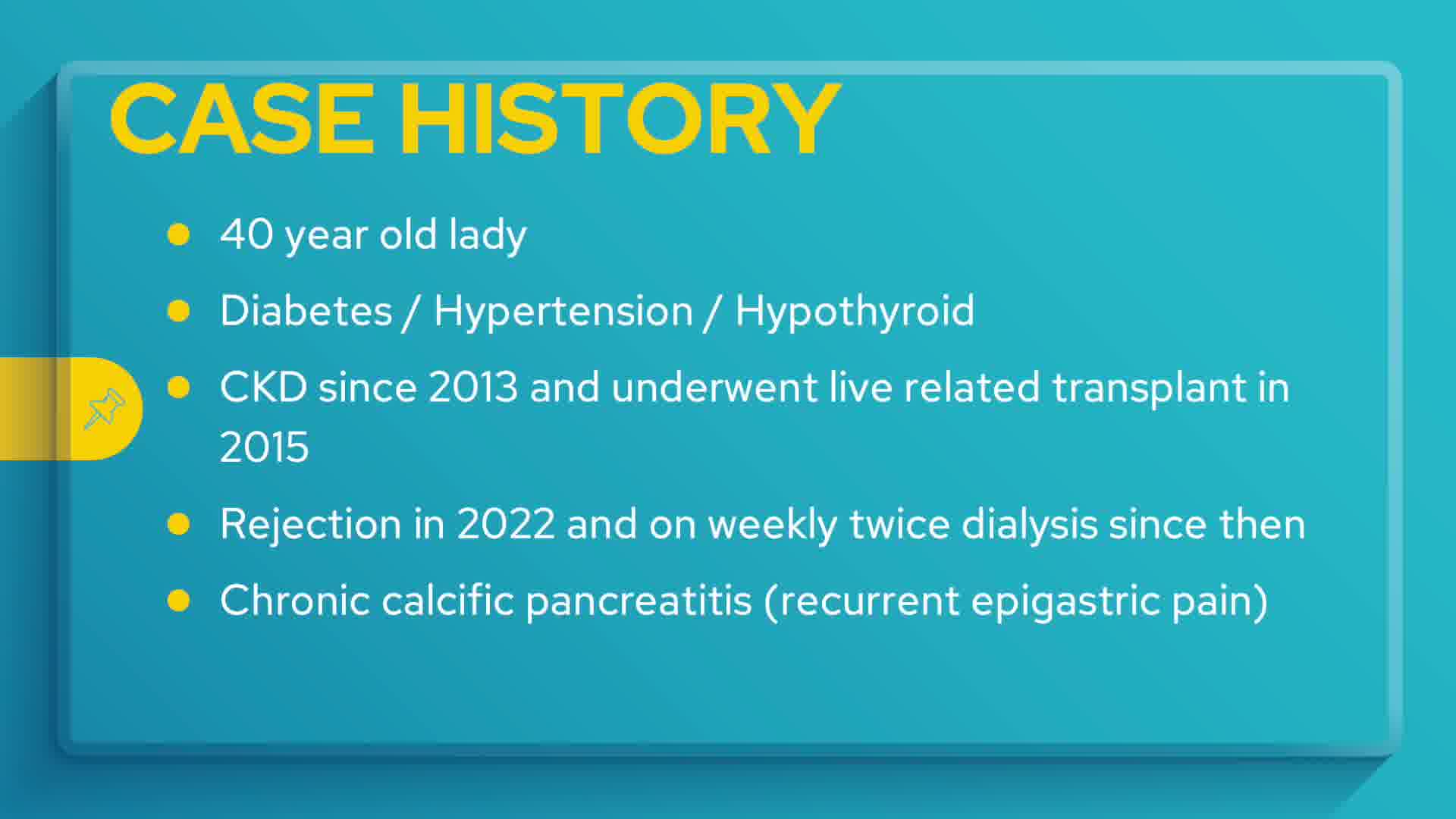
A 40-year-old lady with diabetes, hypertension, and hypothyroidism with chronic kidney disease since 2013 underwent live related renal transplant in 2015. She had rejection in 2022 and was back on dialysis since then. She had recurrent epigastric pain and was found to have chronic calcific pancreatitis, and imaging at that point revealed a mass in the graft kidney for which she was taken up for graft nephrectomy. Before the procedure, renal angiogram was reviewed by the radiologist so that it could aid in identification of the vasculature intraoperatively. The donor renal artery (single artery) was anastomosed to the internal iliac artery and donor renal vein (single vein) to the external iliac vein. The patient was placed in supine position with a slight tilt by a support on the left side so that the right side of the pelvis could be reached with ease. Based on the triangulation principle, the ports were placed (images are attached in the video).
Results:
The total operative time was 80 minutes and the robot dock time was 42 minutes with a blood loss of <50 mL. Postoperative period was uneventful and the patient was ambulated on the same day of surgery and was discharged the next day. The histopathology analysis was reported as renal cell carcinoma with tubulopapillary features with all margins negative (pT3a) and features of chronic allograft nephropathy.
Conclusion:
Though graft nephrectomy is technically demanding with a high potential for complications, with preoperative angiogram and patient counseling, robotic graft nephrectomy can be an attractive option. In obese patients, reaching the hilum using robotic graft nephrectomy is easier. Difficulties could occur when the graft artery is anastomosed with the external iliac artery making dissection and clipping of the graft renal artery tricky. More data can provide insight regarding the operative difficulties and outcomes in this challenging procedure.
The authors have received and archived patient consent for video recording/publication in advance of video recording of procedure.
No competing financial interests exists.
Runtime of video: 5 mins 18 secs
Get full access to this article
View all access options for this article.