






Abstract
Introduction:
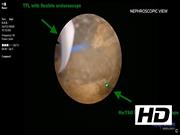
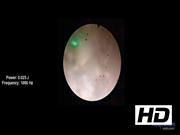
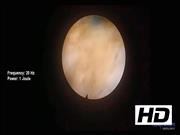
The super pulse thulium fiber (SPTF) laser has recently been acclaimed by more efficient lithotripsy activities, shorter laser, and treatment times demonstrated in preclinical testing and a small number of clinical studies. It is considered to be a game changer and plays a promising role in the future. 1 –5 There is limited information about its use beyond urolithiasis, and its optimum settings for multiple purposes are not yet clear. 6,7 We report our first experience with SPTF in different endoscopic urologic interventions, age groups, and evaluate urologists' first impressions using a 14-item questionnaire scored on a 5-point scale. This video demonstrates ablation of calix neck stenosis, bladder stone lithotripsy, and en bloc resection of bladder tumor, along with various stone interventions. Even its effectiveness in collecting system tumors and bladder stone has been reported in a limited number of patients and according to our knowledge, calix neck incision is the first in the literature.
Methods:
A one-day event was organized in which various urologic endoscopic procedures were selected and scheduled. Six patients from different age groups were included in the study. Sixteen urologists experienced in endoscopic laser interventions working in the department and at other hospitals in the province participated in the event. The planned interventions were ureteroscopic lithotripsy, retrograde intrarenal surgery and cystine stone in a pediatric patient, calyceal stone with calyx stenosis, endoscopic combined intrarenal surgery for complex staghorn stone, endoscopic cystolithotomy, and en-bloc bladder tumor resection. After the endoscopic laser interventions were completed, the first impressions of the active participants were evaluated using a 14-step questionnaire created on Google Forms (https://docs.google.com/forms/).
Results:
Interventions were completed in all cases. Sixteen urologists who participated in the event responded through the evaluation form. Assessment of the first impression of the participants of the SPTF was positive in that it provided operating room ergonomics in terms of size, portability, transfer, legibility, adaptability, and ease of use of the panel. Respondents were of the opinion that SPTF and lithotripsy were faster, retropulsion was less, soft tissue efficiency, surgical plan formation by separating tissues, and bleeding control were good. A significant majority of them reported that they would prefer SPTFL to other laser types, and their overall satisfaction with their user experience was favorable.
Conclusions:
With the first experience, SPTF seems to be effective in variegated stone patients and procedures, resection of calix neck stenosis and soft tissue interventions such as en bloc bladder tumor resection, and urologists experienced in the use of endoscopic lasers seem satisfied with their early impressions. Along with in-vitro and in-vivo studies to determine the optimum fiber types, power, and frequency settings to apply to this multipurpose device for varied purposes, there is also a need for long-term, multi-center clinical research on equipment durability, cost analysis, and patient and team safety, including research through a large number of patient groups.
No competing financial interests exist.
Runtime of video: 10 mins
Keywords
Get full access to this article
View all access options for this article.