






Abstract
Purpose:
To find and evaluate strategies to overcome challenges during robot-assisted kidney transplant (RAKT).
Materials and Methods
: We reviewed recordings of our 25 RAKT patients. We analyzed the intraoperative complications and strategies to overcome it. We also analyzed the challenges posed by RAKT and how to overcome them.
Results:
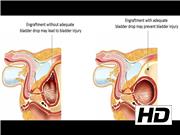
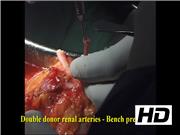
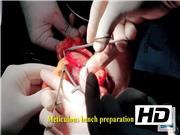
Creation of graft jacket is required to maintain proper cold ischemia of graft. Pfannenstiel incision as against Gelpoint has the benefit of being cheaper and provides prompt access in case of bleeding. During this engraftment, bladder should be well mobilized to prevent accidental injury to bladder. There should be proper tacking sutures to maintain proper orientation of graft. In case of graft anastomosed upside down, the donor ureter can be anastomosed end to end to native ureter. Bench preparation is appropriate for dual donor renal arteries anastomosed end to side. In case of mild plaque in external iliac artery, it can be fixed with Prolene sutures and internal iliac artery can be used for anastomoses in case of severe plaque in external artery. There should be meticulous bench preparation, ligating all tissue to prevent postclamp release graft surface bleeding, which may be difficult to control at times. Good peritoneal flap dissection and retroperitonealization of graft with windows are must for good graft biopsy if required postoperatively and prevent lymphocele formation.
Conclusion:
Although the feasibility has been shown, there is no standardization of procedure. These risk-reduction strategies would lead to safe better RAKT outcomes and be a boon to obese end stage renal disease patients.
No competing financial interests exist.
We have received and archived patient consent for video recording/publication in advance of video recording of procedure.
Runtime of video: 7 mins 1 secs
Keywords
Get full access to this article
View all access options for this article.