






Abstract
Introduction:
To assess the feasibility and functional outcomes of posterior reconstruction (PR) during robot-assisted radical cystectomy (RARC) with neobladder.
Materials and Methods:
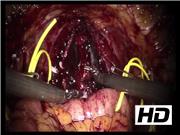
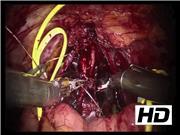
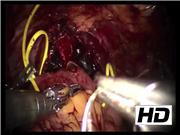
The data regarding patients undergoing a totally intracorporeal RARC with neobladder and PR for urothelial bladder cancer at Karolinska University Hospital between October 2015 and November 2016 by a single surgeon (P.W.) were reviewed. All patients received a PR associated with the neovesicourethral anastomosis during RARC. A running suture involving the Denonvillier's fascia, the rhabdosphincter, and the posterior side of the ileal neobladder neck is performed before the anastomosis. The primary outcome was urinary continence, defined as no leakage or use of a safety pad for minimal leakage during daytime and nighttime. The secondary outcomes were urinary leakage, intermittent catheterization, and complications directly related to the reconstructive steps.
Results:
Eleven male patients underwent RARC with PR associated with the neovesicourethral anastomosis in the study interval. The daytime continence rates were 100% at 6 and 12 months. The nighttime continence rates were 42% and 44% at 6 and 12 months, respectively. One urinary leakage from the urethrovesical anastomosis was treated conservatively. Two patients performed clean intermittent catheterization because of increased residual volume. The main limitations of our study include the retrospective design and the small number of patients.
Conclusions:
Our initial results show that the posterior reconstruction incorporated into the neovesicourethral anastomosis during RARC is a safe and feasible procedure with excellent continence rates. In our hands, it supported a careful suturing of the anastomosis as well as an uncomplicated catheter placement.
No competing financial interests exist.
Runtime of video: 1 min 43 secs
Keywords
Get full access to this article
View all access options for this article.