






Abstract
Introduction:
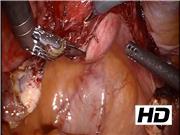
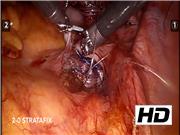
Robotic sacral colpopexy with mesh is a minimally invasive method to treat women suffering from pelvic organ prolapse with significant apical descent. 1 There are concerns about mesh, and fascia lata may avoid those concerns while offering equivalent outcomes.
Materials and Methods:
A prospective registry was examined for patients who chose to undergo robotic sacral colpopexy with fascia lata instead of mesh or porcine dermis. Patients were followed postoperatively to assess and quantify improvement in prolapse as well as monitor for complications associated with the procedure, including assessment of the patient's harvest site. Objective outcomes included pelvic organ prolapse quantification (POP-Q) examination and patient-reported outcomes included Urogenital Distress Inventory-6 (UDI-6), quality of life (QoL), and Incontinence Impact Questionnaire-7 (IIQ-7).
Results:
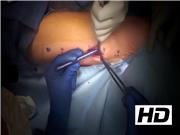
Eight patients from November 2017 to December 2018 chose to undergo fascia lata robotic sacral colpopexy. 2 All patients had at least 2 cm apical descent, median POP-Q stage 3. Two patients had a stage 2 cystocele (25%), five patients had a stage 3 cystocele (63%), and one patient had a stage 4 cystocele (13%). No patients in the postoperative examination had recurrence of their prolapse. POP-Q point C went from −5.1 ± 2.0 preoperatively to −8.0 ± 1.2 (p < 0.01) at a mean postoperative follow-up of 110 ± 103 days. On average 1.0 ± 1.2 pads were used during the preoperative period, improved to 0.3 ± 0.5 postoperatively. On average, patients had a UDI-6 score of 12.6 ± 4.2, IIQ-7 of 14.9 ± 8.5, and QoL score of 6.4 ± 2.4 (1 being best, 9 being worst). Postoperatively, UDI-6 was 4.9 ± 2.9 (p < 0.01), IIQ-7 was 4.8 ± 7.9 (p < 0.05), and QoL score was 3.4 ± 2.4 (p < 0.05). One patient had swelling in her lower extremity that warranted Doppler examination but did not show deep venous thrombosis. One patient had a postoperative seroma that has not resolved at last follow-up. Two patients had a muscle bulge at the harvest site not caused by seroma. One patient did have some noticeable bruising and discoloration at her harvest site as well, but did not have any swelling or pain. Average operating room time including hysterectomy and anesthesia was 290 ± 34 minutes (SEM). Harvest time ranged from 15 to 40 min (mean 25.9 ± 8.9 min). Five patients underwent a supracervical hysterectomy at the time of the procedure and one underwent total hysterectomy. Patients had a hospital stay of 1.5 ± 0.5 days.
Conclusion:
We present short-term experience with fascia lata robotic sacral colpopexy. No patients had recurrence of prolapse and the fascia lata harvest is associated with minimal complications. Fascia lata may be a viable alternative to mesh for robotic sacral colpopexy, but longer term randomized controlled trial data are needed.
This research was reviewed and approved by the Indiana University Institutional Review Board to ensure the protection of human subjects.
No competing financial interests exist.
Runtime of video: 6 mins 49 secs
Get full access to this article
View all access options for this article.