





Abstract
Introduction:
The first human trials with the 60 W green laser (KTP/532 nm) used in the treatment of lower urinary tract symptoms (LUTS) secondary to benign prostatic hyperplasia (BPH) were conducted in 1998. The term “photoselective vaporization of the prostate” (PVP) was introduced by Professor Reza Malek. PVP is an established, safe, and effective alternative to transurethral resection of the prostate for the treatment of BPH obstruction. Nowadays the majority of urologists are unaware of other approaches and techniques with green laser, apart from PVP.
Objectives:
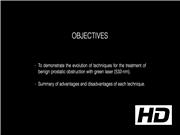
To demonstrate the evolution of techniques for the treatment of benign prostatic obstruction with green laser (532 nm) and to summarize the advantages and disadvantages of each technique.
Materials and Methods:
We review the main techniques for the treatment of LUTS secondary to BPH with green laser (532 nm), highlighting the advantages and disadvantages of each technique.
Results:
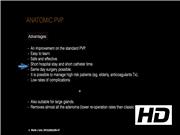
For the past 20 years, green laser technology has undergone a radical evolution leading to improvements in the console crystal, increased power, and modifications of the fiber, resulting in a more efficient procedure. “Anatomic” PVP, photoselective vapoenucleation of the prostate, ejaculation-preserving PVP, and green laser enucleation of the prostate (GreenLEP) represent different techniques that have evolved from classic PVP to improve its outcome.
Conclusions:
Green laser technology and techniques have evolved tremendously over the past two decades. Currently, anatomic PVP, vapoenucleation, ejaculation-preserving PVP, and enucleation provide several new treatment options depending on prostate gland size and patient preference. The green laser (532 nm) has evolved as a safe, effective, and appropriate source of energy for the treatment of benign prostatic obstruction.
Runtime of video: 7 mins 52 secs
The video was presented in the 32nd Annual EAU Congress, London, UK (March, 2017) and the 35th World Congress of Endourology, Vancouver, Canada (September, 2017).
Get full access to this article
View all access options for this article.