





Abstract
Introduction:
Although they usually present in childhood, renal congenital anomalies may present in adulthood. The literature is sparse on outcomes of adult patients treated with robotic partial nephrectomy for benign congenital renal anomalies. We present our outcomes and some tips and tricks that may facilitate robotic partial nephrectomy for congenital renal anomalies.
Materials and Methods:
Retrospective chart review of patients who underwent robotic partial nephrectomy for symptomatic benign renal congenital anomalies between 2010 and 2016. Demographic, perioperative outcomes, and resolution of presenting symptom were abstracted from patient charts.
Results:
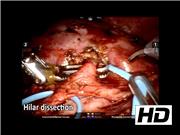
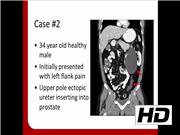
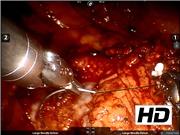
Six patients underwent a robotic partial nephrectomy for various benign renal congenital anomalies: atrophic upper pole/stone (two patients), ectopic ureter (two), and caliceal diverticulum (two). Median (interquartile range [IQR]) age was 35 years (range 33–37). Median (IQR) operating time and blood loss was 265 minutes (250–280) and 125 mL (100–187), respectively. Median (IQR) length of stay was 36 hours (35–38). The presenting symptom [pain (four patients), infection (one), and incontinence (one)] resolved in all patients after the procedure, with full preservation of renal function. One patient had a postoperative meatal stenosis that required a meatotomy. This video shows five tips and tricks that can help facilitate robotic partial nephrectomy for congenital renal anomalies.
Conclusion:
Robotic partial nephrectomy for symptomatic renal congenital anomalies is a safe and effective procedure at relieving the presenting symptom.
The authors have received and archived patient consent for video recording/publication in advance of video recording of the procedure.
No competing financial interests exist.
Runtime of video: 6 mins 50 secs
Get full access to this article
View all access options for this article.