





Abstract
Introduction:
The first human pure natural orifice translumenal endoscopic surgery nephrectomy was recently described, 1 but being technically challenging, its use in clinical practice at present is precluded. Hybrid procedures associating abdominal and natural orifice access can overcome such issues. 2 We present our initial series of transvaginal-assisted laparoscopic nephrectomy.
Materials and Methods:
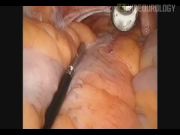
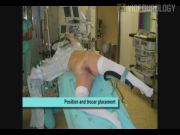
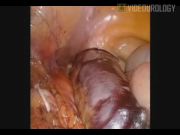
Between January and March 2010, women found to have nonfunctioning kidney were submitted to transvaginal-assisted laparoscopic nephrectomy in a single tertiary center. The video depicts a left nephrectomy: two abdominal ports (5 and 10 mm) were used to carry out the procedure as usual in laparoscopic nephrectomy; image was provided by a deflectable optic inserted through an extra-long 12-mm trocar placed transvaginally; a third abdominal port for liver retraction was used in right nephrectomy; the intact specimen was retrieved through the vagina. Patient characteristics and intra- and postoperative data were prospectively accrued; descriptive statistics (median, range) are reported.
Results and Conclusions:
Five nephrectomies were performed (two right and three left nephrectomies). Patient characteristics were as follows: age 53 (38–57), American Society of Anesthesiologists (ASA) physical status score 2 (1–2), body mass index 25.6 (23.1–30); two were previously hysterectomized. Operative time was 155 min (125–195), estimated blood loss 50 cc (50–250), and no intra- or postoperative complications occurred after a median follow-up of 2 months (1–3). Visual analog pain scale in the first 24 h was 1/10 (0–2) and analgesia discontinued thereafter; patients were discharged on postoperative day 2 (2–3). Transvaginal-assisted laparoscopic nephrectomy is feasible and safe; it reduces the number of abdominal ports and allows retrieval of the intact specimen with minimal scar, potentially reducing pain and need for analgesics.
The authors have nothing to disclose.
Runtime of video: 7 mins 24 secs
Note: This video was accepted for presentation at the 28th World Congress of Endourology and SWL.
Get full access to this article
View all access options for this article.