






Abstract
Introduction:
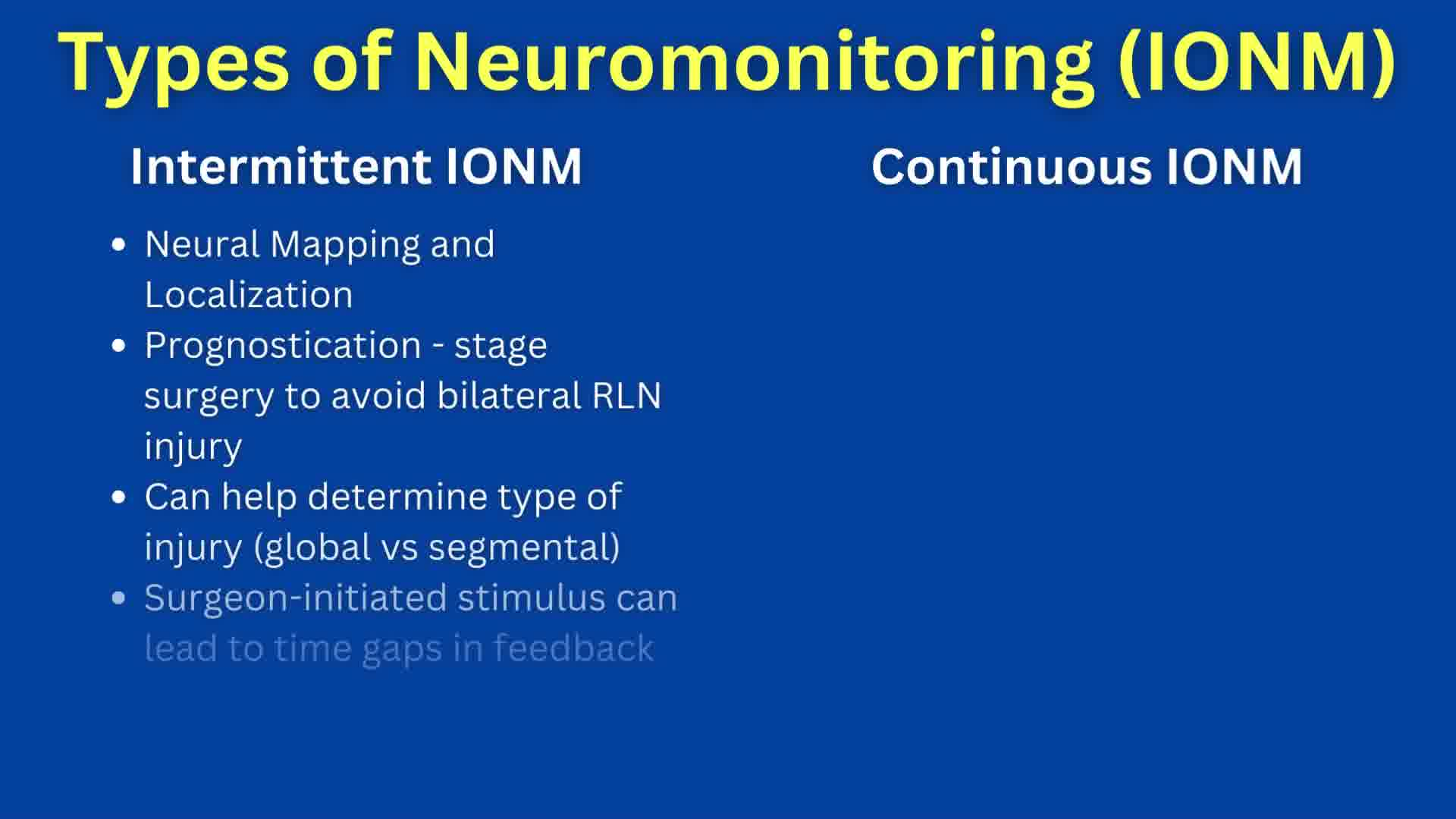
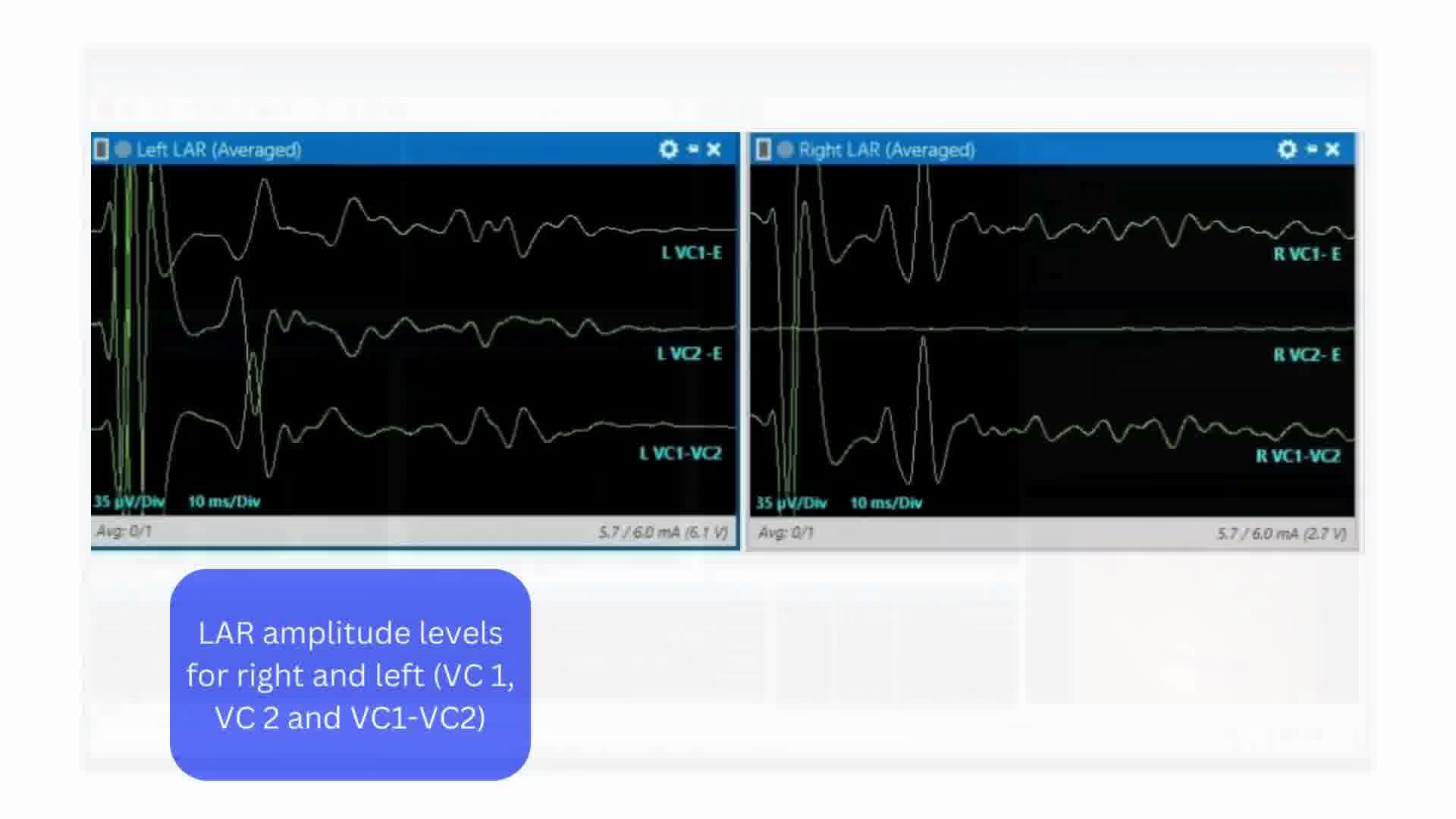
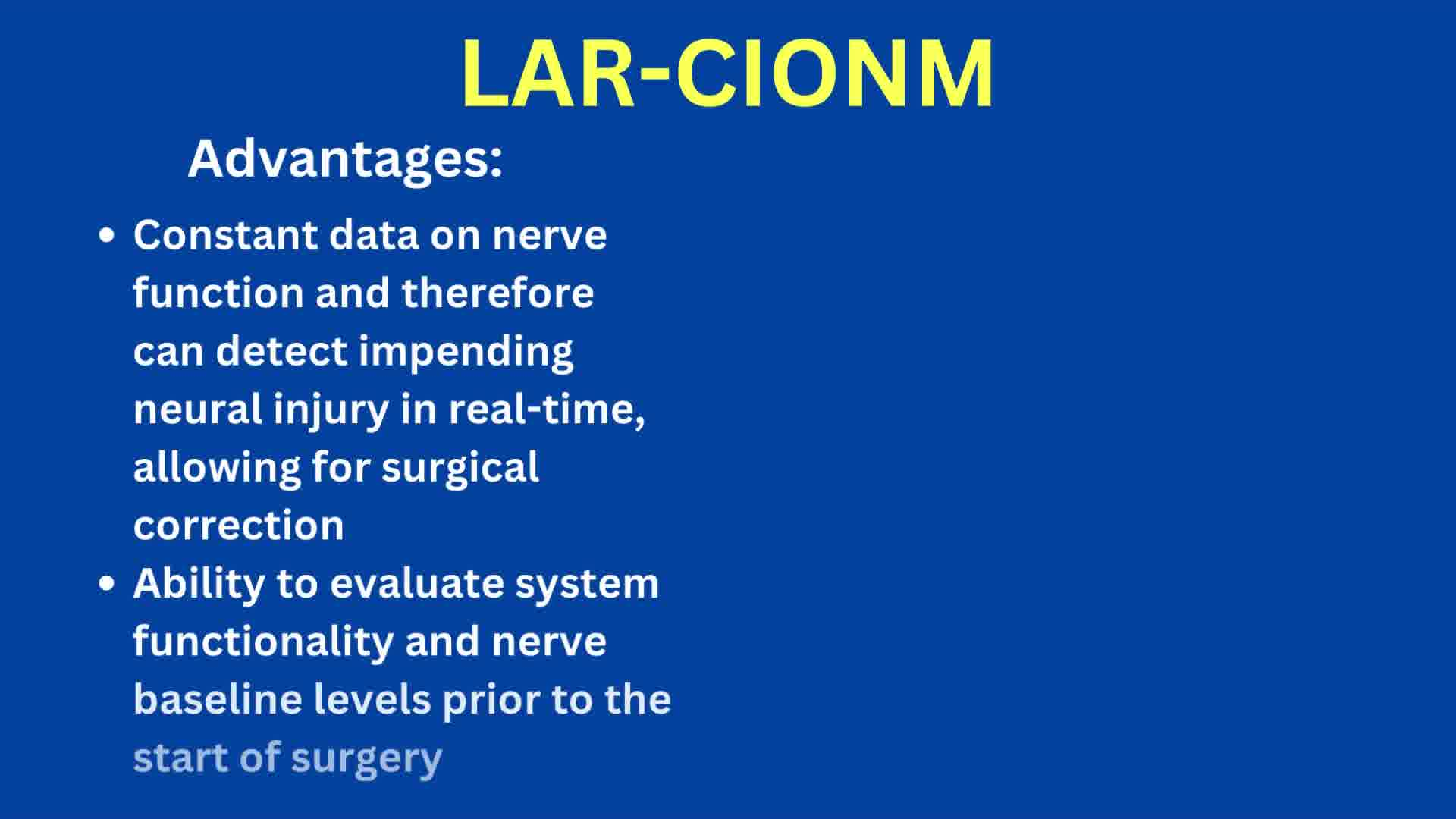
Intraoperative neuromonitoring in thyroid surgery has several different techniques that can be used with a goal to prevent nerve injury and predict postoperative recurrent laryngeal nerve function. This video aims to compare traditional intermittent neuromonitoring with continuous monitoring, specifically laryngeal adductor reflex monitoring.
Methods:
Both neuromonitoring techniques were captured for standard thyroidectomy cases, performed by the first and senior authors. Video was captured intraoperatively to illustrate the techniques described.
Results:
Intermittent and continuous laryngeal adductor reflex neuromonitoring techniques are directly compared using specific examples of their applications. The advantages and disadvantages of both techniques are explored to illustrate how they can be used in various surgical situations. Specifically, the neurophysiology behind each technique is discussed and how this impacts its utilization and interpretation.
Conclusions:
Intermittent and continuous neuromonitoring have complementary applications and ideally can be used in conjunction to provide the best patient outcomes. 1
No competing financial interests exist.
Runtime of video: 9 mins 12 secs
Get full access to this article
View all access options for this article.