






Abstract
Abstract
Introduction:
Do-It-Yourself (DIY) thyroid models, or “phantoms,” have been described to help specialty trainees obtain competency in ultrasound-guided fine-needle aspiration (UG-FNA) while preserving patient safety, but data regarding their creation are limited. The objective of this study was to review the landscape of existing thyroid phantoms and demonstrate their creation and application.
Materials and Methods:
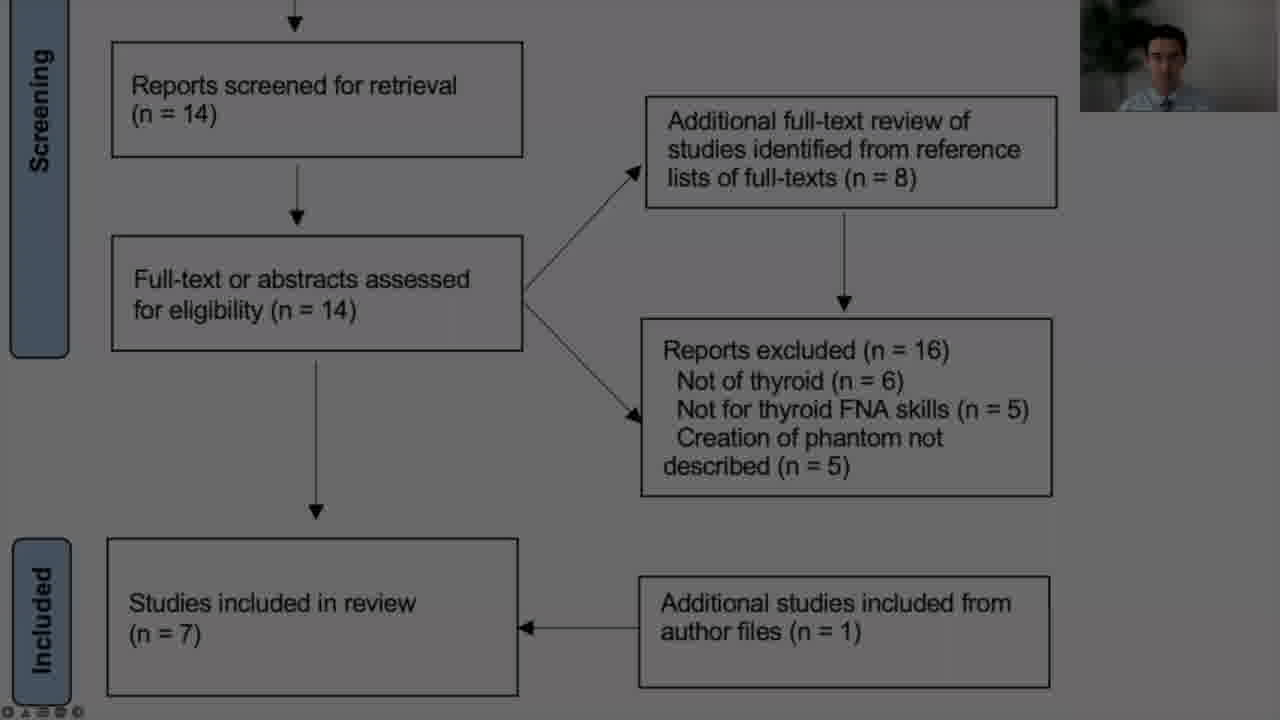
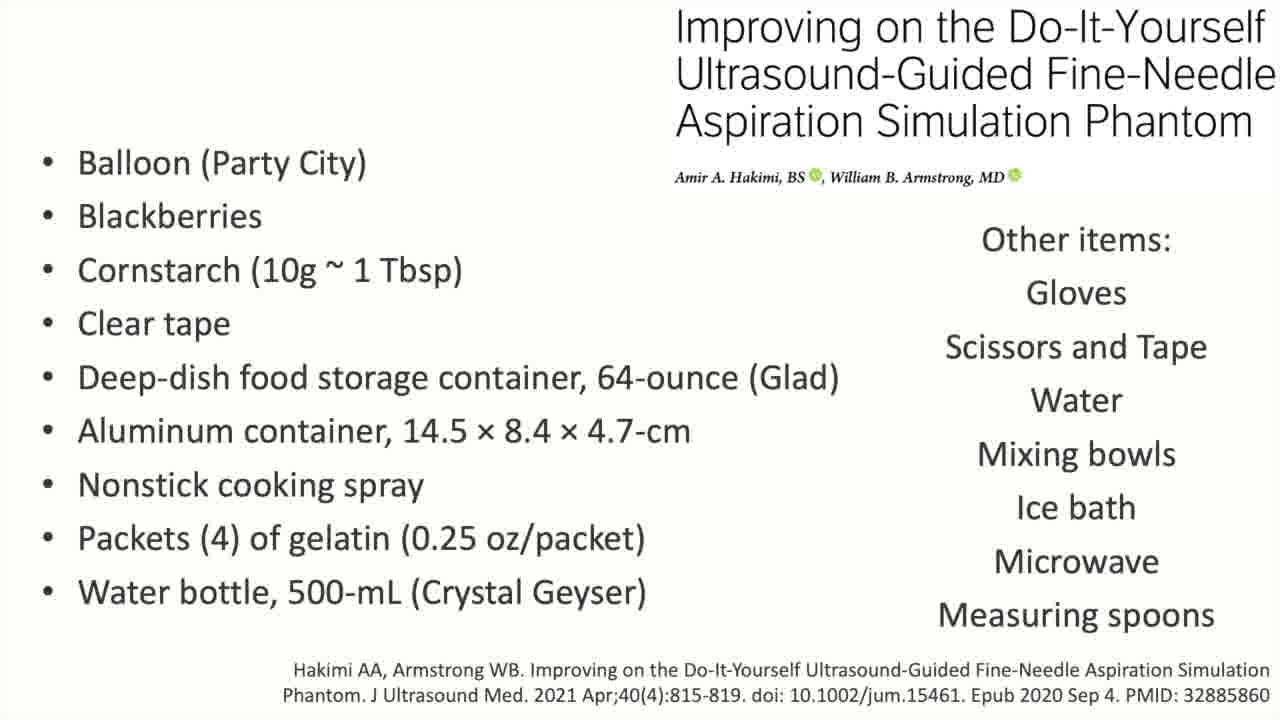
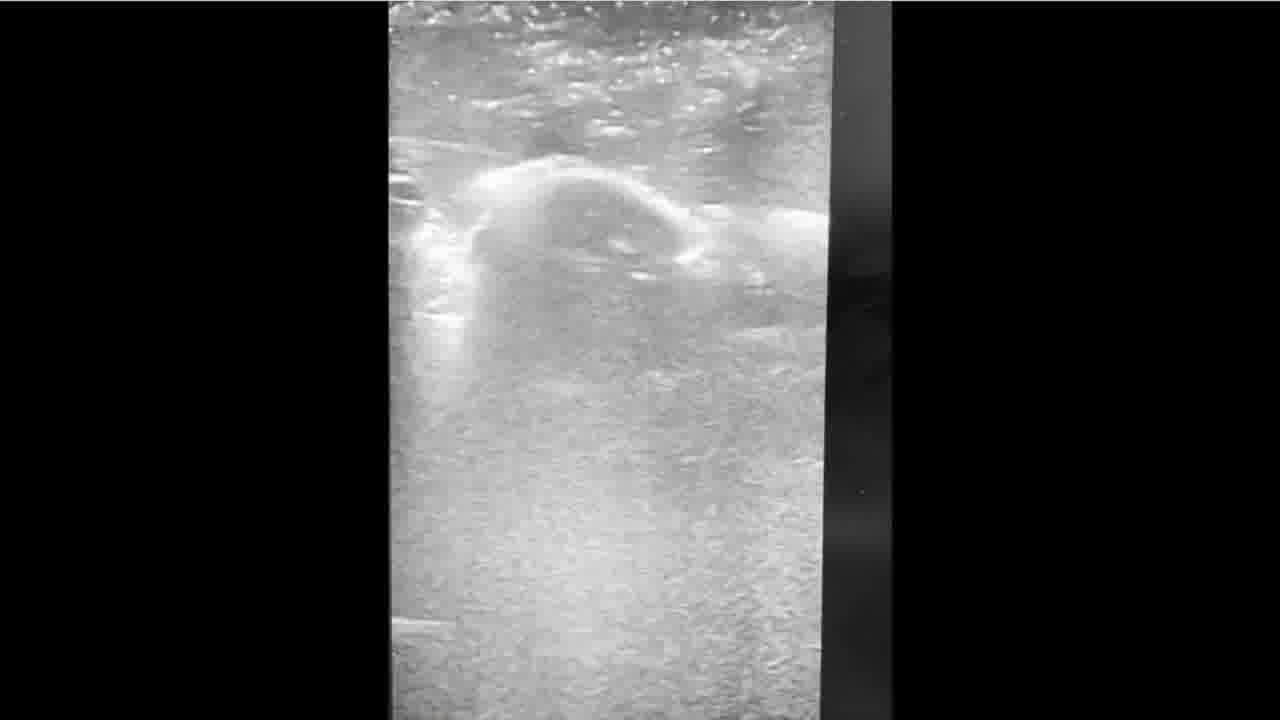
A systematic review of published literature in PubMed and EMBASE databases was used to identify studies related to neck/thyroid phantoms. Included studies were original research articles or abstracts that described the production of thyroid phantoms for performing UG-FNA. Details were extracted from each study for phantom ingredients, recipes, cost, and evaluation after creation. We attempted to recreate each phantom from the original reports and demonstrate its use for practicing UG-FNA. We created video demonstrations of phantom production and appearance during subsequent UG-FNA.
Results:
Seven studies met inclusion criteria. Models excluded from possible DIY creation employed 3D printing techniques (n = 2) or a porcine laryngotracheal complex (n = 1). The remaining five models1–5 could be made from easily obtainable supplies, including gelatin (n = 3), tofu (n = 1), or chicken (n = 1). Purported costs ranged from $1.50 to $32.69 (USD). Only one study included objective measurements of thyroid phantom utility. The five phantoms were reproduced from the original study descriptions and assessed for UG-FNA use. The actual costs of creation in Los Angeles, CA, ranged from $6.08 to $49.64. Excluding time needed for solidification, the time required for production varied from 15 to 65 minutes. On evaluation of UG-FNA capability, four of five thyroid phantoms succeeded in allowing observation of target lesions and needle observation to biopsy a target lesion. Thyroid phantoms varied in their representations of neck anatomy, tissue consistency, and “nodule” appearance.
Conclusions:
DIY thyroid phantoms in the literature were largely reproducible, although higher costs were observed than those originally reported. Models were generally useful for simulating UG-FNA, although varied in their specific qualities. Future studies would be needed to objectively compare models for improving UG-FNA training.
No competing financial interests exist
.
All authors confirm that no patient consent was necessary for this video recording/publication.
Runtime of video: 12 mins 38 secs
Get full access to this article
View all access options for this article.