






Abstract
Introduction:
This narrative review reports on the anti-viral activity of Prunella vulgaris with the aim of providing an overview of P. vulgaris research to date. P. vulgaris is an aromatic perennial herb that is common across diverse geographic regions. This article includes information about the investigation strategies and methodologies used to identify the nature of P. vulgaris's anti-viral mechanisms. Given its diverse interest and use, the P. vulgaris literature over the previous three decades reports on the phytochemical, agricultural, and pharmacological uses of the herb. To provide some background to the review, a brief description of the life cycle of the virus is given.
Materials and Methods:
The review was based on a literature search with three databases: Embase, Medline, and PubMed. The review's inclusion criteria were unrestricted: The time of publication was unlimited; the keywords included “virus,” along with HIV and HSV (given the research's historical focus), and “prunella vulgaris” (and variations). The articles identified were then categorized.
Results:
The search identified 24 articles, with 10 articles on human immunodeficiency virus (HIV), 8 articles on herpes simplex virus (HSV), and the remainder on other viruses. In vitro experimental designs dominated the methods, whereas in vivo parts were also noted. Most frequent P. vulgaris extraction methods included boiling for aqueous extract, followed by ethanolic extraction. Several anti-viral effective chemicals were identified across the studies, including polysaccharides, polyphenolics, triterpenes, and a range of essential oils. In this review, the articles were then categorized according to the stages of viral development and analysis methods, such as time-of-addition, pseudo-typing, and the use of reverse transcriptase, integrase, protease, and viral protein detecting kits. This categorization exposed the mechanisms behind the anti-viral effect of the herb.
Discussion:
Due to the diverse focuses and designs of the research projects, there are difficulties in producing a summarized and quantitative analysis of all the literature collectively. These difficulties are discussed. For future research directions, it is suggested to use modern molecular biology techniques as tools for further investigations. As the pandemic caused by the severe acute respiratory syndrome coronavirus 2 (SARS-CoV-2) virus is the focus of attention of the whole world now, but there has been little research reported on the use of natural herbal medicine for its efficacy of treatment, it is suggested that herbs that have been traditionally used to treat influenza-like diseases, other than P. vulgaris, can be the candidates for further investigations. Volatile compounds from these herbs are also good targets, which may be proved to yield fruitful results.
Introduction
The herb, Prunella vulgaris
P
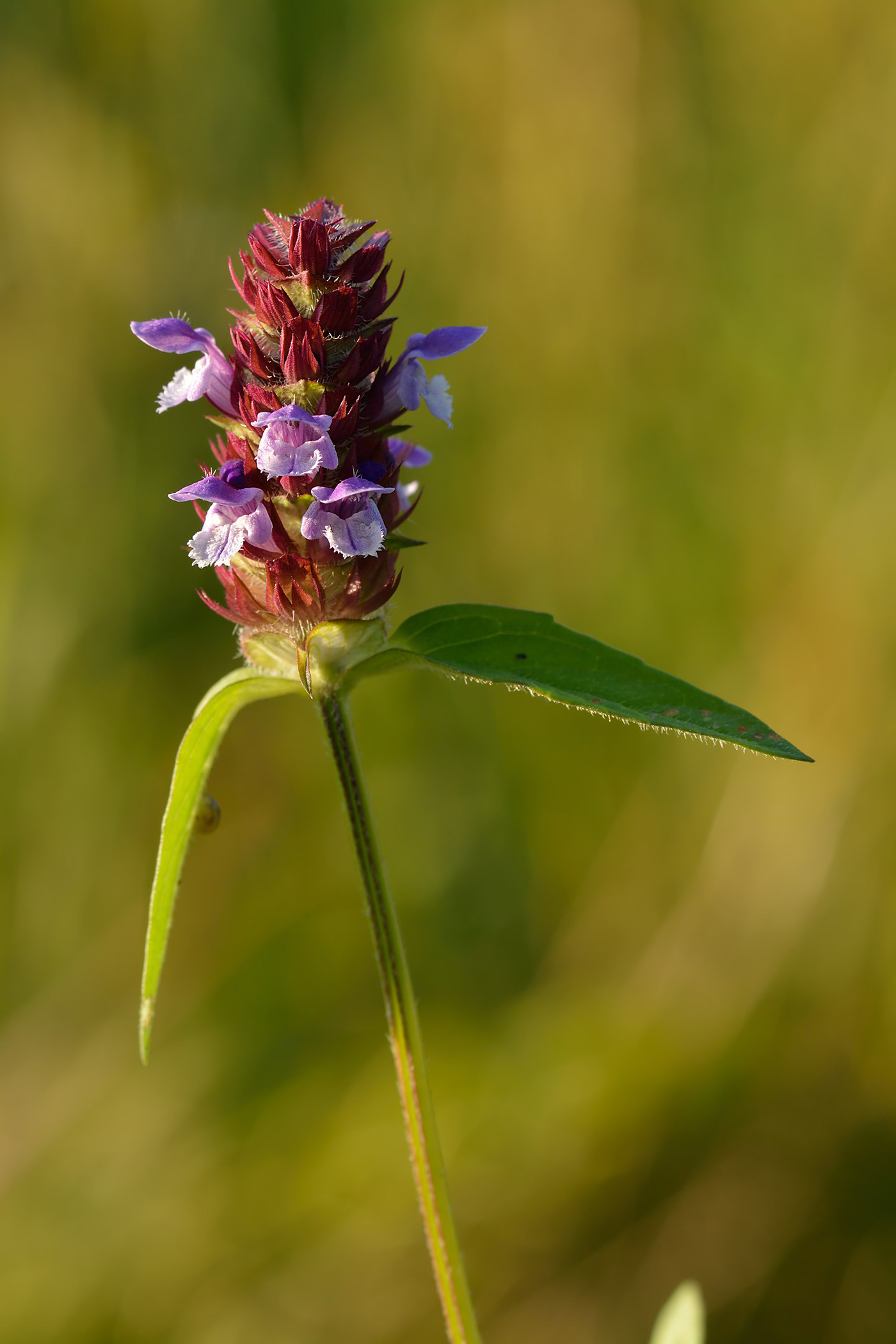
A Prunella vulgaris plant (Source: Wikipedia.org: “Common self-heal (P. vulgaris). Keila, Northwestern Estonia” by Ivar Leidus, is licensed under CC BY-SA 3.0 via Wikimedia Commons). Original source: https://en.wikipedia.org/wiki/Prunella_vulgaris#/media/File:Prunella_vulgaris_-_harilik_käbihein.jpg
P. vulgaris is widely cultivated for its antipyretic and antidotal medicinal properties.5,6 The herb is known commonly as “self-heal.” It is also widely used as an ethnoveterinary medicine 2 across different cultures,7–9 including as a stock feed. Relating to the literature, research investigations have therefore focused on the phytochemical, agricultural, and pharmacological uses of P. vulgaris, extending across a 30-year period.
In the phytochemical area, research has explored the extraction and analytic processes,4,10–12 in which the use of liquid chromatography techniques was common.13–16 The identification of P. vulgaris's chemical composition also featured frequently in literature. Identified compounds include phenolics, triterpenoids, steroids, flavonoids, essential oils, organic acids, and polysaccharides, among other compounds.4,17–22 Of these, the anti-tumoral effect of ursolic acid23,24 and rosmarinic acid13,25–28 have been of interest. Rosmarinic acid is additionally used as the standard to identify the herb P. vulgaris. 29
P. vulgaris is a domesticized agricultural crop for feeding domesticated livestock and is used as a veterinary medicine. 2 Agricultural research has focused on investigating different environmental conditions affecting P. vulgaris growth, including water stress,30–33 variation in light intensity, 34 soil fertilization condition,32,35,36 and altitude variation. 37 Investigations include the quality of agricultural products, such as meat38,39 produced from P. vulgaris fed livestock, and honey37,40 when bees are fed on P. vulgaris nectar.
Pharmacological research has focused on P. vulgaris's therapeutic activities; for example, its anti-tumoral effect,41,42 anti-viral effect,5,43–45 antibacterial, 6 anti-oxidative,46–49 anti-inflammatory, 50 hypoglycemic, 51 and antihypertensive 4 activities. Both anti-tumoral activity52–54 and anti-inflammatory activity55–58 feature frequently as focus areas of P. vulgaris research.
In recent decades, the research attention toward the treatment of viral diseases, such as those caused by human immunodeficiency virus (HIV) and herpes simplex virus (HSV), has meant the discovery of novel anti-viral effects of traditionally used herbal medicines such as P. vulgaris. This has had strategic research importance, and especially with the increased emergence of novel viral diseases in recent years. In the United States, the Centre for Disease Control (CDC) reported that the incidence and severity of infections caused by the HSV59,60 and the HIV 61 have also increased and are common.
On the other hand, some viruses such as the Ebola virus13,25 and severe acute respiratory syndrome coronavirus 2 (SARS-CoV-2) 58,62–64 are deadly. Especially, SARS-CoV-2 in the past 2 years with its continuing effect on all populations, and the rate of new viral variants potentially affecting transmissibility, reinfection, and evasion of immunity has been deadly. Besides Western medicine, the use of natural herbal medicine as an adjuvant or alternative treatment agent is a potential option to treat viral diseases.
Of particular interest in this review is the anti-viral activities of P. vulgaris. Thus, it is valuable to review and summarize on what has been learned from past research about the efficacy of herbal treatment.
Viruses
The classification of viruses as a life form 65 continues to be debated due to their inability to self-metabolize and replicate. That is, viruses coopt the cellular processes of other life forms to replicate. 66 Other life is characterized by cells or organelles, either in a singular or as an organism, which is a complex aggregate of many cells and different from viruses.
Brief life cycle of virus
Many of the studies investigating the antiviral efficacy of P. vulgaris focused on the virus' life cycle stage, with a view to halt the development and propagation of the viruses. 67 The viral life cycle is briefly outlined next, as it is relevant to the discussion of the review findings in the latter part of this article.
Attachment
Attachment relates to the interaction between a viral particle and the target cell, facilitated through spike glycoproteins (SPs), which bind the virus to the surface receptors of the host cell. This binding is specific and determines host tropism. For example, the SPs of the SARS-CoV-2 viruses have specific affinity to the angiotensin-converting enzyme 2 (ACE2) entry receptors. Moreover, the entry needs the facilitation of SP priming by a cellular protease. In the case of SARS-CoV-2, this is the serine protease transmembrane protease, serine 2 (TMPRSS2). 68
Viral entry
After attachment, the membrane fusion occurs between the host cellular membrane and the viral envelope. Through this process of endocytosis, the foreign virions are internalized into the host cell.
Release of viral genomic materials inside host cells
By the degradation of the viral capsid by viral enzymes or host enzymes, the viral genomic materials are released in the cell nucleus.
Replication
Since viruses are classified as double-stranded or single-stranded deoxyribonucleic acid (DNA) or ribonucleic acid (RNA) viruses, and, RNA viruses can be further classified as positive and negative stranded, the process of replication has many variations. For example, a retrovirus needs a reverse transcription step to translate its RNA genome to a DNA segment by its own reverse transcriptase, and then, to be inserted into the DNA of the host cell. 69 Human HIV-1 and HIV-2 are examples of retroviruses, in which the host cell machinery is used to produce the components of a new generation of virions.
Assembly
The components produced by the machinery of the host cell engage in self-assembly, during which some modifications of the viral proteins often occur.
Release from the host cells
The final stage for virus replication is the lysis of the host cells; the cell membrane bursts to release the virions and the host cell dies. In the case when the host cell is not killed, the viral genome may be incorporated into the host's chromosome. Then, when the host cell divides, the viral genome is also replicated, and the disease will become chronic; for example, herpes zoster caused by the varicella zoster virus. 70
Method
Aim of this review
The article provides a narrative review with a focus on the antiviral effects of P. vulgaris reported in the literature to date. This includes identifying the P. vulgaris extraction methods adopted, the constituent P. vulgaris compounds that were found to be potent, the viruses studied, and, with particular attention, the effective anti-viral mechanisms by which P. vulgaris is reported to work. Insight was gained by categorizing and studying the collection of articles reviewed. For example, specific to research in viruses, studies often examined how P. vulgaris effectively blocked the different viral life cycle stages and/or cellular infectivity.
Approach of the literature review
The three databases Embase, Medline, and PubMed were selected and searched. The search keywords were “Prunella vulgaris,” together with “viral,” “virus,” “HIV,” “HSV,” or “herpes simplex.” The latter keywords (HIV, HSV, and herpes simplex) were used as the HIV and HSV were the viruses often found to be researched in pre-reading.
The “virus” and “viral” keywords were broad to identify any relevant articles that missed through the specific virus keywords, and for articles covering other viruses. In addition, the identified article abstracts were read and their references cross-checked against the database search results for additional articles not previously identified. There was no limit on the date of publication for inclusion. The search results and screening process are noted in Figure 2.

PRISMA flowchart of the literature survey, which searched for articles related to the anti-viral effects of Prunella vulgaris. PRISMA, Preferred Reporting Items for Systematic Reviews and Meta-Analyses.
A final total of 24 articles were included for review, spanning a 30-year period, with the earliest dated from 1989. 11 Figure 3 displays in chronological order the frequency of articles reporting on the anti-viral effects of P. vulgaris.
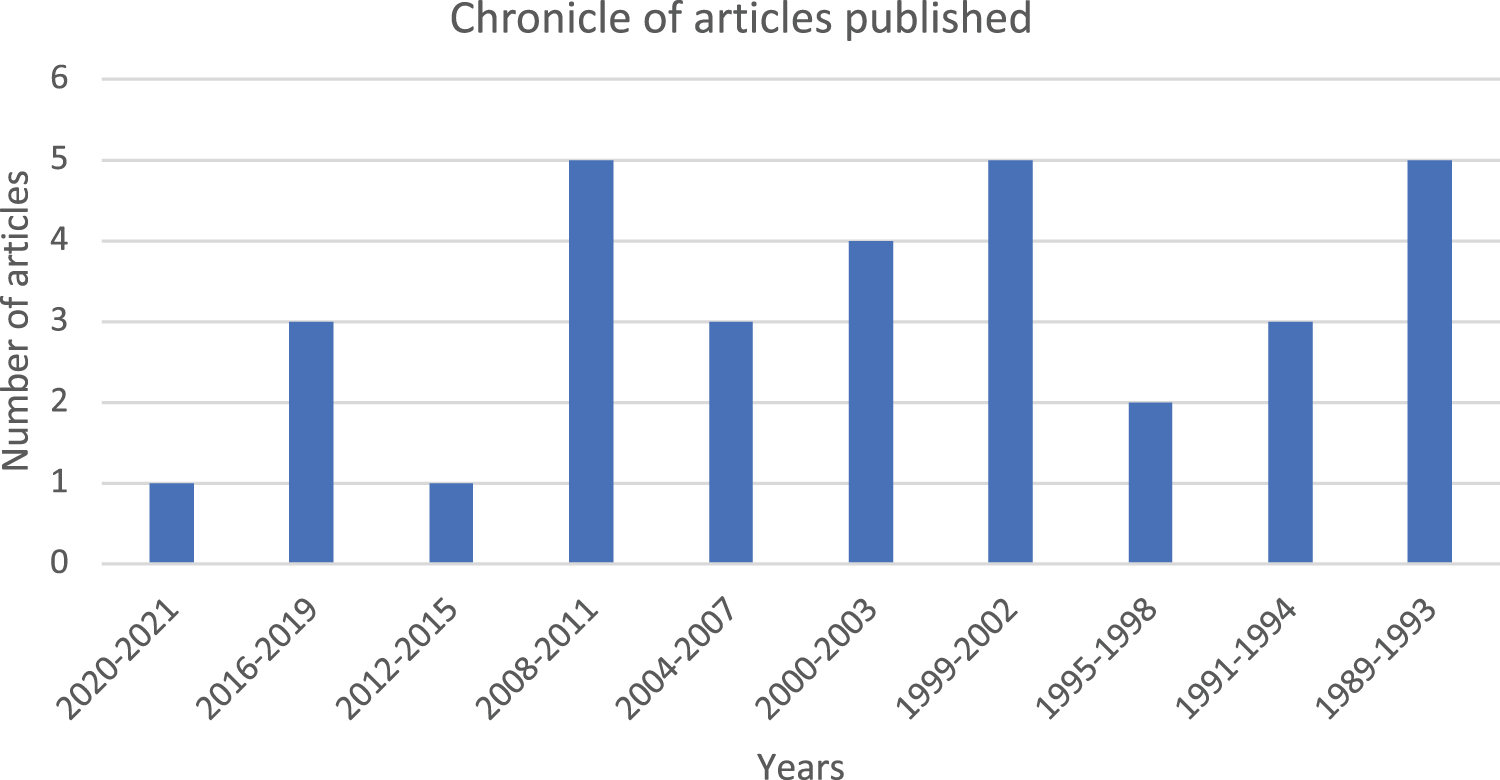
Number of articles appeared in the recent three decades on the anti-viral effects of Prunella vulgaris.
Results
Screening articles
Several older articles23,25,43–45,71–78 studied several herbs for comparative purposes in their reviews, including P. vulgaris, with good anti-viral efficacy on treating human viral diseases being noted. More recent articles focused solely on P. vulgaris or P. vulgaris extracted compounds alone.10,63,79–83
Viruses investigated
HIV was the most frequently studied virus, with 10 out of the total 24 articles; followed by HSV (8 out of 24 articles). Together, both HIV and HSV were the focus on research reported to date on P. vulgaris's anti-viral effect, with the earliest article dating from 1989. 11 The remaining articles included other viruses, such as influenza,71,73 ebola,71,79 infectious hematopoietic necrosis virus (IHNV), 23 equine infectious anemia lentivirus, 80 Lassa virus, 71 and SARS-CoV-2, 63 comprising one to two studies each.
These other articles appeared in the more recent literature dating from 2009 to 2021. One article that suggested a protocol to screen entry inhibitors covered three viruses: Ebola, Lassa, and Avian influenza 71 (Fig. 4).

Types of viruses being studied.
Extraction methods
The main extraction method for P. vulgaris chemical compounds reported in the research studies was decoction in water80,81 (boiling in water to obtain aqueous extracts). Both ethanol25,27,43 and methanol76,77 as solvents were other processes discussed. The method of using hot water to dissolve followed by ethanol precipitation to extract polysaccharides was also described.10,82
Chemical compounds investigated
Nine articles reported on a single P. vulgaris chemical compound (or a group of compounds). These described first isolating the compound from P. vulgaris and then checking the compound's antiviral activity. Relating to viral research, the most frequently investigated P. vulgaris compounds were polysaccharides,10,82,83 polyphenols,75,76 and essential oils.78,84 Single P. vulgaris compounds investigated included ursolic acid,23,24 betulinic acid, 2α,3α-dihydroxyurs-12-en-28-oic acid,5,50 and prunellin. 11
Experimental techniques applied
There were several popular techniques employed by the researchers investigating P. vulgaris's anti-viral effects. These include the immunochemistry techniques such as the plaque reduction assay,5,10,25,74,82–84 flow cytometry, 83 and the enzyme-linked immunosorbent assay (ELISA)72,76,79,85 techniques. These techniques determined the virus concentration on treatment of the drug compounds, and so, their anti-viral effects can be evaluated.
As the stages of the viral life cycle proceed successively, the timing of the addition of the P. vulgaris extract to the medium containing the virions and the affected cells is critical in determining the effect on viral life cycle processes. Ten of the 24 articles reviewed adopted this technique.10,25,44,71,74,79–81,84,85 (See Fig. 5 for a description of techniques.)

Different techniques employed in the investigations.
Categorization of the articles
Anti-viral drug treatment aims at preventing or interrupting viral replication at one or more of the viral life cycle stages. This was reflected in the identified P. vulgaris research strategies reported in the literature and is discussed in the following paragraphs.
Categorization according to the stages of action
Attachment and entry inhibition
The prevention of the virus entry into the host cells is the main target for many anti-viral drugs. The strategy involves the viruses, or the target cells be treated by the P. vulgaris herbal compounds separately before they are physically placed together. By altering the characteristics of the SPs of the viruses or the characteristics of the cell receptors with P. vulgaris extract, entry can be prevented.
Articles that used the time-of-addition techniques
By timing the addition of the P. vulgaris extract treatment to the medium containing the virions and the host cells, which stage in the life cycle of a virus is blocked by the application of treatment can be derived.
In 2008 and 2011, Reichling et al.25,84 conducted a study on herpes simplex virus type 1 (HSV-1) by using alcoholic extracts of plants of the mint family, including P. vulgaris. By treating cell-free HSV virions mostly occurred during the blistering phase, and pre-treating uninfected cells, their results showed that the P. vulgaris extracts inactivated the virions and blocked viral attachment to host cells and consequently reduced infectivity.
Oh et al. 81 reported the use of a time-of-addition method to show P. vulgaris aqueous extracts possessed entry inhibition properties for the HIV-1 viruses, by applying treatment during the first 5 h of infection. They further showed that P. vulgaris extracts also blocked post-binding events.
Brindley et al. 80 studied the equine infectious anemia virus. A time-of-addition method was also used to demonstrate that the P. vulgaris aqueous extracts blocked the early viral entry events by forbidding the binding between the virions and the host cell receptors. They also reported that host cells pre-treated by P. vulgaris extracts before infection reduced the infectivity of the viruses. They further demonstrated that multiple P. vulgaris constituents had synergistic anti-viral activity by using size fractionation to separate the extracts into fractions, and then, treatments with these fractions were undertaken separately and combined.
An investigation to screen the aqueous extracts from six herbs (P. vulgaris, Melissa officinalis, Mentha x piperita, Rosmarinus officinalis, Salvia officinalis, and Thymus vulgaris) on their anti-HSV activities was conducted by Nolkemper et al. 74 using a plaque reduction assay on RC-37 cells. Using the time-of-addition technique, they demonstrated that all the extracted compounds exerted their effects before attachment for both HSV-1 and herpes simplex virus type 2 (HSV-2) but had no effect on the intracellular viral replication.
Yao et al. 44 also used a screening approach to examine the anti-HIV activity of extracts of four herbs, including P. vulgaris, using several cell lines. Pre-incubation of HIV-1 viruses with the extract of P. vulgaris showed that the attachment was dramatically blocked. Using polymerase chain reaction, they confirmed the absence of HIV-1 proviral DNA in infected cells treated with the extract. They also found that the extract blocked the binding of purified HIV envelope glycoprotein gp120 to CD4 cell receptors, so to verify that P. vulgaris blocked viral attachment to CD4 cells.
Articles that used the pseudotyping technique
Four projects63,71,72,79 reviewed used the pseudotyping technique, which is a molecular biology technique to produce artificial viruses by combination with foreign viral envelope proteins. Investigators can consequently choose, and thus control the expression of the envelope proteins. Since the artificial viruses do not possess the genomic materials to produce additional envelope proteins and thus replication defective, they are less dangerous than the original virus, and useful for investigating the binding between the virions and the receptors of the host cells.
In a 2017 article, Yang et al. 71 used the pseudotyping technique to establish the property as entry inhibitors of herbs for three separate viruses: Ebola, Lassa, and Avian influenza. They found that P. vulgaris exhibited anti-Ebola viral activities as an entry inhibitor.
Zhang et al. 79 looked at the effects of treatment of P. vulgaris extracts on two recombinant Ebola pseudoviruses, Ebola glycoprotein pseudotyped HIV-1-based virus (EBOV-GP-V) and enhanced green fluorescent protein Zaire Ebola virus (eGFP-ZEBOV), infecting various cell lines including human umbilical vein endothelial cells, macrophages, VeroE6 cells, and others. By co-transfecting with a vector that encoded the Gaussia Luciferase gene to produce the pseudoviruses, direct measurement of luminescent luciferase activity was used to evaluate the viral infectivity. The attachment of viruses to host cells was also detected and quantified with an anti-HIV-1-p24 ELISA assay. They found that aqueous extracts of P. vulgaris could block the attachment events of glycoprotein 1 (GP1) of the Ebola viruses.
Feng et al. investigated the effect of P. vulgaris extracts 72 on CXCR4 and CCR5 receptor on healthy CD4+ T cells and found that P. vulgaris extracts downregulated CXCR4 and CCR5 receptor levels. Further, by using pseudotyped HIV-luciferase viruses, they used ELISA to evaluate HIV-1 replication by detecting HIV p24 proteins on treatment by P. vulgaris. In combination, they showed that P. vulgaris extracts suppressed cell fusion.
After the onset of the Covid-19 pandemic, Ao et al. 63 reported that an aqueous P. vulgaris extract displayed inhibitory effects to interrupt the binding of SARS-CoV-2 glycoproteins to the receptors of the ACE2-expressing cells in a mutant SARS-CoV-2 SP pseudotyped HIV-1-based vector system, thus blocking cellular the viral entry. They further demonstrated that the same inhibitory effects also appeared for the wild-type SARS-CoV-2 infection in Vero cells.
Replication inhibition
Integrase inhibition
Retroviruses such as HIV use integrase, an enzyme that integrates the viral genomic materials with that of the host cells by forming covalent bonds between them. The search for integrase inhibitors is a major method to identify the treatment of diseases caused by retroviruses.
Au et al. 76 screened the aqueous and methanol extracts of 20 herbs for anti-HIV-1 integrase activity. The tests were carried out using a non-radiative ELISA-based integrase assay. They reported that most of the herbal extracts (including P. vulgaris) exhibited strong inhibitory effects against HIV-1 integrase activity. Sixteen aqueous extracts were found to show at least 60% inhibition of HIV-1 integrase activity, and 12 of them even exhibited complete inhibition. They attributed the inhibitory effects to tannins or polyphenolics, which they proved by removing polyphenolics by a column of polyamide resin.
Protease inhibition
Protease is an enzyme that catalyzes the proteolysis, that is a process which breaks down proteins by cleaving peptide bonds. Viruses use protease to form functional units after replication using the machinery of the co-opted host cells. Protease inhibition, therefore, blocks viral replication.
By sequence-specific cleavage of a fluorogenic substrate and by high-performance liquid chromatography analysis of cleavage products, quantification of the protease enzyme being probed with a synthetic peptide substrate was studied by Lam et al. 77 This method was used to examine the HIV-1 protease inhibitory activities of the aqueous and methanol extracts of 31 herbs. Their results showed that the aqueous extracts of P. vulgaris elicited significant protease inhibition.
Reverse transcriptase inhibition
The process of reverse transcription is needed by RNA viruses to produce complementary DNA to replicate their genomes. Using reverse transcriptase inhibitors provides another approach to treat viral infection by blocking the viral replication.
Kageyama et al. 85 first evaluated the adsorption inhibitory effect of HIV-1 virions to test cells after treatment with the P. vulgaris extracts by observing the morphological change such as giant cell formation using a light microscope. It was further assessed by the time-of-addition technique to establish the stages of action and found that the suppression of viral infectivity was effective both during and after the viral attachment. The number of viable cells was calculated using the Trypan blue exclusion method.
The production of HIV-1 in the culture medium was assessed by measuring the concentration of HIV-1 p17 by ELISA. The inhibition of the reverse transcriptase activity was evaluated using a radiative assay for reverse transcriptase activity.
Articles that were not specific to any stages of the viral life cycle
Articles that screened for potential anti-viral herbs
There were 15 articles,23,25,43–45,71–78,84,86 (especially studies appearing in the earlier dated literature of P. vulgaris research), which screened multiple herbs (inclusive of P. vulgaris) to search for potential candidate herbs with anti-viral efficacy. As these investigations involved many herbs, this limited the complexity of their experiments to test the anti-viral effect. Consequently, research approaches resorted to such methods as plaque reduction test, flow cytometry, or observation of morphological changes of infected cells using an optical microscope.
Tian et al. 73 did a survey of the aqueous extracts of 439 herbs to look at their anti-influenza virus activities, then examined more closely five, and did an in vivo test on one of them (Melia toosendan) using a mouse model. They found that P. vulgaris aqueous extracts (together with four others: Fragaria indica Andr., Liquidambar formosana Hance., Lithospermum erythrorhizon Sieb. et Zucc., Melia toosendan Sieb. et Zucc.) reduced viral reproduction and reduced the cytopathic effect.
Yamasaki et al.45,78 screened the aqueous extracts of many herbs; numbered 204 and 46 respectively in their articles (including P. vulgaris), on their anti-viral activities of HIV-1 viruses. They found that the active components against HIV-1 in P. vulgaris were water soluble and showed the reverse transcriptase inhibitory activity.
Collins et al. 86 reported using a multiple screening approach, checking the anti-HIV-1 activities of the aqueous extracts of 19 herbs, including P. vulgaris. Three types of in vitro assays were used: checking the inhibition of the binding of HIV-1 envelope glycoprotein gp120 to the immobilized CD4 receptors, checking the inhibition of HIV-1 reverse transcriptase, and checking the inhibition of protein glycosylation due to three glycohydrolases. They identified the anti-viral effects of P. vulgaris at both the attachment stage and the replication stage.
Zheng 43 used both in vitro methods and clinical studies to evaluate the anti-HSV-1 activities of 472 herbs, and they reported that P. vulgaris was highly effective when used therapeutically and as a preventive measure in clinics. Nine other highly effective herbs he reported were: Aristolochia debilis, Artemisia anomala, Lindera strychnifolia, Patrinia villosa, Pinus massoniana, Pyrrosia lingua, Rhus chinensis, Sargussum fusiforme, and Taraxacum mongolicum.
Articles with the main theme to investigate phytochemistry
There were nine articles focusing on phytochemistry. The research focus was on identifying P. vulgaris specific chemical constituents. Polysaccharides10,82,83 was the most popular choice for this research approach, followed by triterpenoic acids5,50 and polyphenols,75,76 which were effective for blocking viral infectivity. Some articles focused on the extraction and analysis methods,10,25,44,75,77,80,82 which enabled effective extraction and analysis of these chemical constituents. In general, simple experimental methods were used to probe the anti-viral activity.
Xu et al. 10 investigated the anti-viral effects of a P. vulgaris aqueous polysaccharide against HSV-1 and HSV-2 using a plaque reduction assay. They found the extracts effective. Pre-incubation of the HSV-1 viruses with the polysaccharide blocked the infectivity, but pre-treatment of the host Vero cells did not. Post-infection addition of the polysaccharide reduced the number of intracellular viruses. The anti-viral effects were at both the initial attachment and the post entry stages.
Chiu et al. 83 focused on the expression of HSV-1 and HSV-2 antigens in their host Vera cells. They monitored the expressions of antigens using flow cytometry after treatment with a polysaccharide fraction of P. vulgaris. They found that the P. vulgaris polysaccharide reduced the expression and thus P. vulgaris was effective against both HSV-1 and HSV-2 viruses.
In a 2007 article by Zhang et al., 82 they reported the anti-HSV activities of P. vulgaris extracted polysaccharides using a process including ethanol precipitation. Both in vitro and in vivo tests using guinea pigs and mice were completed. In the in vitro tests, they found that P. vulgaris blocked the binding of HSV-1 viruses to Vero cells and prevented entry. Using plaque reduction assays, a P. vulgaris polysaccharide showed inhibitory effects on both HSV-1 and HSV-2.
Li et al. 23 demonstrated that P. vulgaris, and its major constituent, ursolic acid, had highly effective anti-IHNV (a fish viral pathogen) activity, using both in vivo tests with rainbow trout and in vitro tests with epithelioma papulosum cyprinid cells.
Liu et al. 75 established a method, which used a conformation-specific monoclonal antibody NC-1. They could then identify small organic compounds that interrupted the formation of the glycoprotein gp41 six-helix bundles on the HIV-1 virions. They used this method to establish the capability of attachment inhibition of two herbs, among which P. vulgaris was one of them.
Ryu et al.5,50 identified that the anti-HSV-1 effects were due to two triterpenes in P. vulgaris. They used Vero cells as the host cells and tested with a plaque reduction assay.
Discussion
Summary and comparisons of results
All the reviewed articles showed that the P. vulgaris herb exhibited effective anti-viral activities. The articles were further summarized for a comparison to identify, as an example, what concentrations of the P. vulgaris extract were required to block the infectivity of the virus, or to eliminate viral replication. Articles, which focused on HIV and HSV (there were 10 articles and 8 articles respectively. See Tables 1 and 2, or the Supplementary Appendix SA for the list), assisted this task, whereas viruses reported in one to two articles only were not feasible to make comparisons.
The Test Methods Taken by Studies to Investigate the Mechanisms of the Anti-Viral Activities of the Prunella vulgaris Herbs for the Human Immunodeficiency Viruses
ELISA, enzyme-linked immunosorbent assay.
The Efficacy of the Inhibitory Effect of Prunella vulgaris Extracts on Herpes Simplex Virus as Reported by the Articles
EtOH, ethanol; HSV, herpes simplex virus; HSV-1, herpes simplex virus type 1; HSV-2, herpes simplex virus type 2; IC50, 50% inhibition concentration.
Although the objective of the review was to narrate a summary of the literature investigating the anti-viral activity of P. vulgaris, it became obvious, during the process, about the difficulty in producing a summarized and quantitative analysis, due to the complexity and diverse focus on P. vulgaris anti-viral investigations reported (and hence the use of a narrative approach). Even when focusing only on the anti-viral effects on HIV or HSV in the identified literature (which formed the bulk of the review articles identified), there remained differences limiting meaningful comparison. For example, for the 10 HIV-related articles:
The P. vulgaris herbs used were not the same. Previous studies1,87 showed that P. vulgaris plants that originated from different geographic regions had different profiles of their chemical compositions. Thus, the pharmacological activities of plants from different geographic regions may differ. Except for Oh et al.,
81
all the other articles did not mention the sources of the P. vulgaris herb. In contrast, Oh et al.
81
did their experiments using four accessions of P. vulgaris sourced from different geographic regions in North America. They did show that the anti-viral efficacies were different. Adding a further confounder to P. vulgaris research, non-viral research articles30–34,37,88 have reported that variations in water management, light intensity during growth, the use of fertilizers, altitudes, and time of harvest affected variations in P. vulgaris's chemical compositions. Consequently, plant standardization must be addressed in future research, and certainly in the anti-viral research domain (the focus of this review). Finally, some articles investigated not the whole herb (and thus did not investigate synergistic effects among the constituent compounds, reflecting the traditional medical practices of using herbs), but rather gave attention to a group of chemical constituents extracted from P. vulgaris: polyphenolics,75,76 polysaccharides,10,82,83 triterpenes,5,50 and studied their corresponding anti-viral activities. The anti-viral numerical measures, such as IC50 (50% inhibition concentration), obtained consequently have different meanings. The viruses have different strains. Different articles reported the use of different HIV virus strains. These mean comparisons on the anti-viral efficacies were difficult to conclude quantitatively. Oh et al.
81
used three different infectious molecular clones (corresponding to three different HIV-1 strains), and their experimental results showed that the anti-viral efficacies for these different strains were not the same. Different entities were tested. The various articles reported investigations that used cell lines to test the infectivity. However, the cell lines used were different. Moreover, for example, instead of using the herbal extracts directly, Feng et al.
72
asked human volunteers to consume P. vulgaris decoction, and fed mice with samples of the herbal decoction, before preparing human blood T cells and rat sera as a source of the herbal treatment to treat the target cells. Liu et al.
75
did not use target cells to infect at all. They developed a special ELISA kit, based on a monoclonal antibody, which could recognize the conformational epitopes on the HIV-1 glycoprotein gp41 six-helix bundles. The formation of these gp41 bundles is essential for the attachment of the HIV-1 virions to the corresponding CXCR4 or CCR5 cell receptors. They used this special ELISA kit to screen potential herbs that exhibit anti-HIV-1 activities. Different anti-viral mechanisms were investigated. Because viral development is a staged process, research into the anti-viral activity of the herb undertook different test methods to investigate which viral development stages the herb had its action on (such as attachment, entry, or replication). For the articles on HIV, these different methods are highlighted and summarized in Table 1. Observed from this table, it is not possible to compile a consensus about numerical measures, for example, such as the IC50 values for blocking viral infectivity, or reverse transcriptase inhibition, due to the diverse focus of each study. The experimental procedures were different. Even when the same test method is adopted, the experimental procedures would differ. For example, to check the effect of P. vulgaris extracts to inhibit HIV-1 infectivity, the procedure adopted by Oh et al.
81
used an incubation time of 40 h, after the extract and the virus were mixed to the media containing the target cells. However, the procedure used by Kageyama et al.
85
allowed an incubation time of 4 days, while Yamasaki et al.
78
used 5 days. The testing reagents were different. For example, when reverse transcriptase assays were used to check the reverse transcriptase inhibition activities, different reaction reagents were used. Yamasaki et al.
78
and Collins et al.
86
used non-radioactive ELISA test kits, whereas Kageyama et al.
85
used a radioactive kit that contained radioactive [3H]-thymidine triphosphate.
From the list of sources of variations listed earlier, it becomes clear why no specific conclusion can be drawn on, as an example, what concentration of the P. vulgaris herbal extract is needed to cause the viral infectivity of HIV to reduce to 50%. Generally, however, it was noted that P. vulgaris extract had a significant effect for inhibiting the HIV viral attachment events.
Since the inhibitory effect was strong when the virions alone were pre-treated with the extract, although there was virtually no (or little) inhibitory effect when the target cells were pre-treated alone, the anti-viral effect of P. vulgaris extract was mainly due to its effect on the viruses. The experiments demonstrated that P. vulgaris extract also inhibited post-entry replication events.
More specific outcomes for the anti-viral effects of P. vulgaris can be noted for HSV. Since the standard plaque reduction test was commonly adopted to check the anti-viral effect against HSV, comparisons among the eight HSV-related articles can be made. The results are shown in Table 2.
Referring to Table 2, the comparison of results shows that the ethanolic extracts of P. vulgaris exhibited a much stronger inhibitory effect on HSV virus than the aqueous extracts or polysaccharides extracted from P. vulgaris. The exception is the result reported by Nolkemper et al., 74 who used fractionation to purify and obtain a potent fraction to treat the infected cells. For the aqueous extracts, otherwise, the IC50 value was around 20 μg/mL.
Although Table 2 just shows the IC50 values reported in the articles, more other issues; for example, at what stage the herbal extract exerted its action, were also investigated. Because the complexity and diverse focus of these HSV-related articles are like what we discussed earlier for the HIV case, the discussion will not be repeated.
Suggestions for future research directions
Investigators described the treatment effect of P. vulgaris extracts on the binding between the HIV gp4175 and gp12044,86 to their corresponding receptors on their CD4 host cells. This leads the attention to the special technique specific to viral research: pseudotyping.
Using modern molecular biology technology, artificial virus can be produced by pseudotyping. By combining genomic materials of one virus with the viral envelope of another, it allows one to freely control the expression of the envelope proteins. As such, the binding of the glycoproteins of the target virus with host receptors can be investigated separately, but then the potential hazard of dangerous viruses can be avoided because of the artificial virus that is replication defective.
For the case of coronavirus SARS-CoV-2, the corresponding SPs on the coronavirus are the G1 and G2, and the receptors are ACE2 receptors on host cells. This is where this technique is applicable. A recent article reported by Ao et al. 63 used exactly this pseudotyping approach in their project, which was based on a pseudotyped HIV-1-based vector system to investigate the anti-viral effect of P. vulgaris against SARS-CoV-2.
There have been several recent publications58,62–64,89 investigating the clinical anti-viral effects to treat Covid-19 using P. vulgaris and other herbs from the Chinese medicine pharmacopoeia that are commonly used to treat influenza-like diseases. Some good candidates of herbs for further investigations are, for example, Chrysanthemum morifoliu, Agastache rugosa, Lonicera japonica, and Satis indigotica L.
Similarly, proteomic assays based on molecular biology technology approaches, including western blotting and flow cytometry, are also applicable. Interestingly however, newer techniques did not feature frequently in the articles reviewed (refer to Fig. 5). A possible explanation may be that research interest in viruses using P. vulgaris extracts as treatment has slowed in recent years and thus the newer investigation techniques were consequently not applied. Only a quarter of the identified articles reviewed appeared in the past 10 years (see Fig. 3).
According to Chinese ethnomedicine, a traditional remedy 90 for influenza-like diseases in the southern province of Guangdong recommends that the patient inhales the rising steam from a washing basin of freshly boiled P. vulgaris decoction. This points to the remedial effect of the aromatic or volatile organic compounds (VOC) in herbs. The investigations in the use of herbal VOC to treat diseases are relatively few. Indeed, there were three reviewed articles43,74,84 reporting the use of the VOC (essential oils) from P. vulgaris to treat viral diseases.
These cases focused on the anti-HSV activity of P. vulgaris. Cream was made by incorporating the essential oils from P. vulgaris, and then applied topically on infected skin areas. Mak and Walsh 91 reported the anti-tumoral effect of the VOC in P. vulgaris in 2021. This direction of investigating the use of the VOC in P. vulgaris, or other herbs mentioned earlier, to treat SARS-CoV-2 is still in its infancy, and it requires further consideration given the traditional methods of application in this way using aromatic herbs.
Conclusion
The narrative review article identified research from across three decades, with a range of strategies and methodologies reported. The most frequently adopted method for extraction was by the traditional Chinese medicine preparation decoction method of boiling of the herb in water. Other extraction solvents also frequently used were ethanol and methanol. Collectively, investigators found that polysaccharides, polyphenolics, triterpenoic acids, and essential oils in P. vulgaris were potent to be anti-viral. The most frequently investigated viral types were HIV, HSV, and influenza virus, to which P. vulgaris extracts were found to be effective.
By studying which stages in the life cycle of viruses were the targets at which P. vulgaris blocked their development, the mechanisms of the anti-viral activity were elicited. Blocking the attachment and entry of virions into the host cells, inhibiting the actions of the proteases, integrases, glycohydrolases, and reverse transcriptases were found to be the main mechanisms by which P. vulgaris worked.
P. vulgaris extracts exhibited good anti-viral activities. However, there is difficulty in producing a collective, summarized, and quantitative analysis from the reviewed articles to the anti-viral effects of P. vulgaris due to the complexity and diverse focus of investigations reported. This extended to the lack of approaches to standardize and identify the source location and growth conditions of the P. vulgaris material. This needs to be addressed in future research publications.
Recommendations for future anti-viral investigations of P. vulgaris should extend into novel viruses such as SARS-CoV-2 and also explore the synergistic effect of multiple compounds together for efficacy of treatment, reflecting the traditional herbal medical approaches of using herbs such as P. vulgaris. This might extend into research into other herbal medicinal herbs categorized traditionally in Chinese medicine as “heat clearing,” whereas the aromatic VOC compounds in herbs have also a paucity of research attention to date.
Footnotes
Authors' Contributions
The first author contributed to all facets in the completion of the article: conceptualization, data curation, analysis, investigation, methodology, project administration, writing, review, and editing. The second author contributed to the extensive review and revision of the article.
Author Disclosure Statement
No competing financial interests exist.
Funding Information
No funding was received for this article.

Abbreviations Used
References
Supplementary Material
Please find the following supplemental material available below.
For Open Access articles published under a Creative Commons License, all supplemental material carries the same license as the article it is associated with.
For non-Open Access articles published, all supplemental material carries a non-exclusive license, and permission requests for re-use of supplemental material or any part of supplemental material shall be sent directly to the copyright owner as specified in the copyright notice associated with the article.
