






Abstract
Introduction:
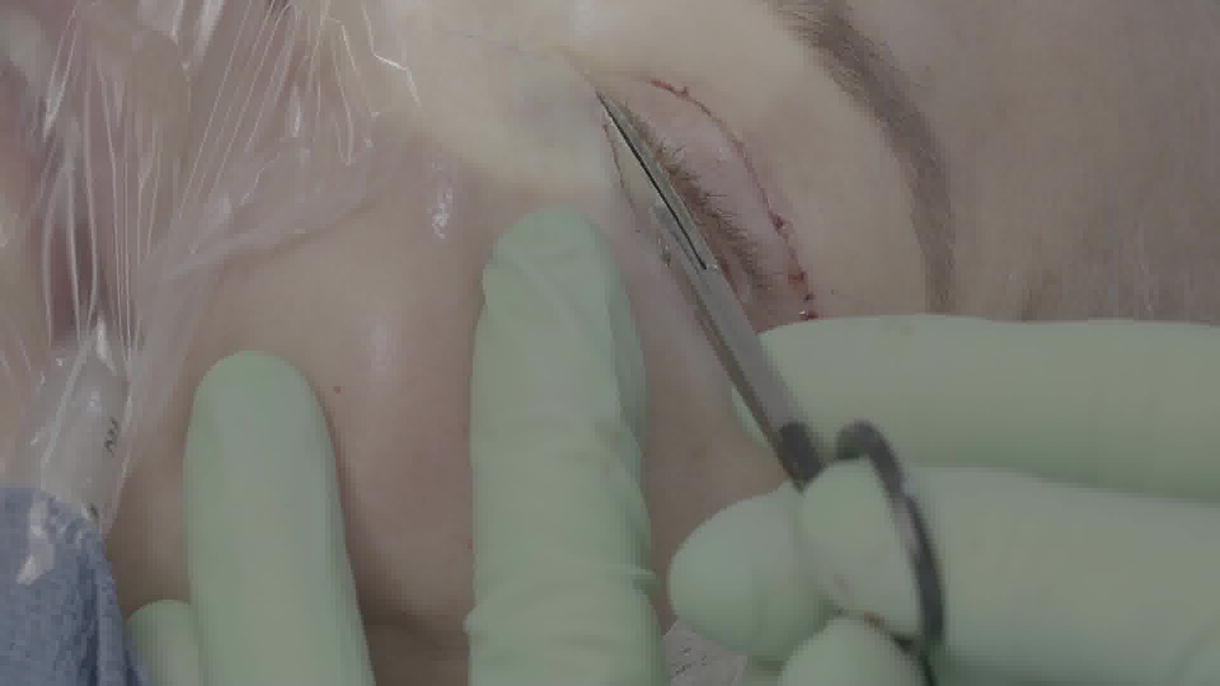
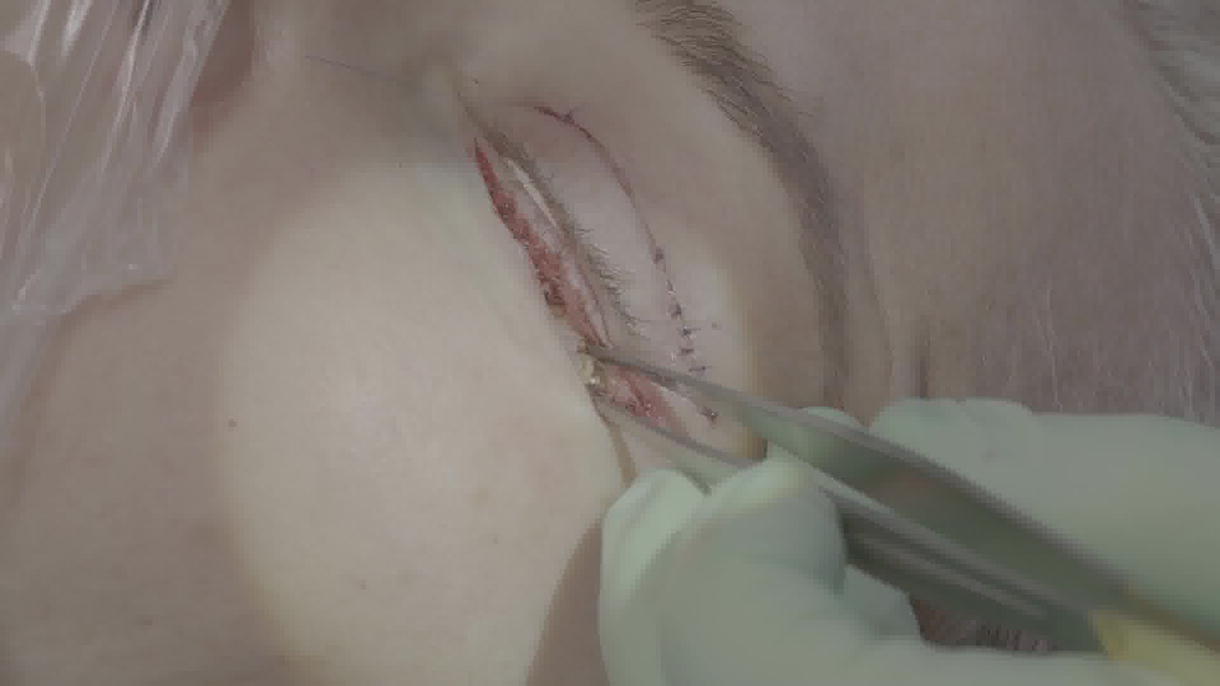
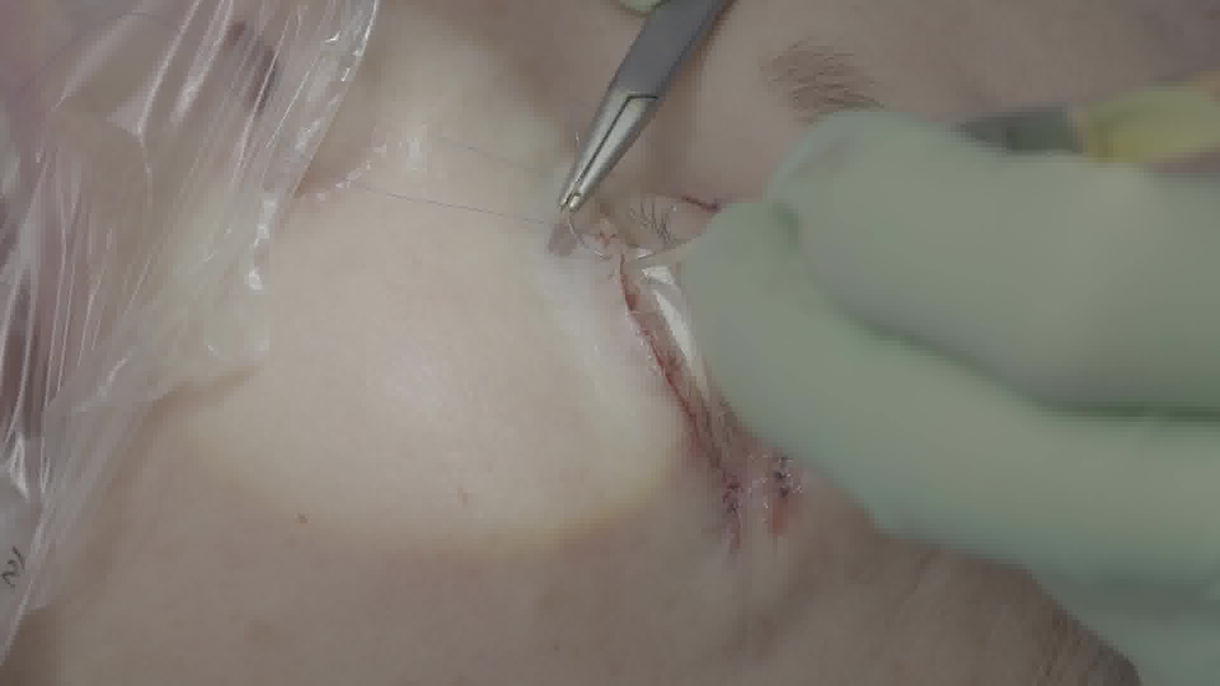
Lower blepharoplasty has classically been treated with transconjunctival and subciliary approaches. In the subciliary approach, we have compared two methods: biplanar flaps versus a composite flap, with the goal of improved short-term recovery. This video shows the composite flap technique, which has a 3–4 millimeter separation of the skin from the orbicularis oculi muscle inferiorly, while the biplanar flap technique denotes 9–12 millimeters of separation.
Materials and Methods:
Preoperative and 6-day postoperative two-dimensional patient photographs were reviewed from each patient assigned to one of the two groups. Two blinded surgeons who did not perform nor were aware of the technique performed reviewed the postoperative pictures from each patient and scored the results based on the Modified Surgeon Periorbital Rating of Edema and Ecchymosis (SPREE) Questionnaire.
Results:
Forty-one patients (82 eyes) underwent subciliary lower blepharoplasty in the stated timeframe. The primary outcome of the modified SPREE survey showed that patients who underwent the composite technique had an average edema score of 1.06 (from a 1–4 increasing severity scale), compared with 1.52 scored on patients with the biplanar technique (p < 0.00228). For ecchymosis, patients that underwent the composite technique had an average score of 0.25 (from a 0–3 increasing severity scale), compared to 0.60 scored on patients with the biplanar technique (p < 0.04444).
Conclusions:
Composite flaps were shown to have a statistically significant decreased Modified SPREE score compared to biplanar flaps.
Runtime of video: 8 mins 5 secs.
Get full access to this article
View all access options for this article.