






Abstract
Introduction:
Large scalp defects are an often-difficult reconstructive endeavor. Although prior case reports and small series in other specialty literature have described the use of Foley catheters for immediate intraoperative tissue expansion throughout the body, none have gathered long-term results in a larger series of patients with scalp defects. 1 –3 This study aimed to demonstrate and report outcomes of a surgical technique utilizing intraoperative tissue expansion with Foley catheter balloons for reconstruction of large scalp defects.
Materials and Methods:
Institutional review board approval was obtained for this study. A retrospective chart review was performed of adult patients who underwent reconstruction of scalp defects >4 cm in greatest dimension utilizing intraoperative tissue expansion between December 2022 and January 2024. The medical record was queried for demographic data, diagnosis, intraoperative details (e.g., defect size, location, and depth), pathology, postoperative follow-up documentation, and photographs.
Description of surgical technique:
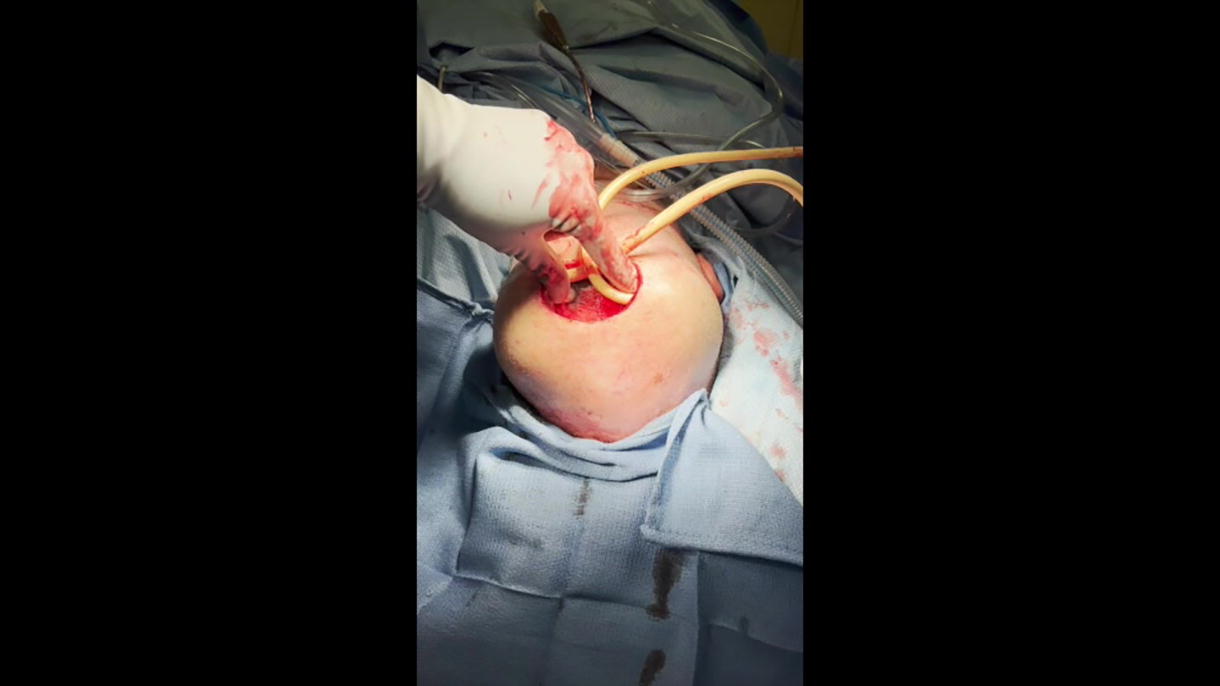
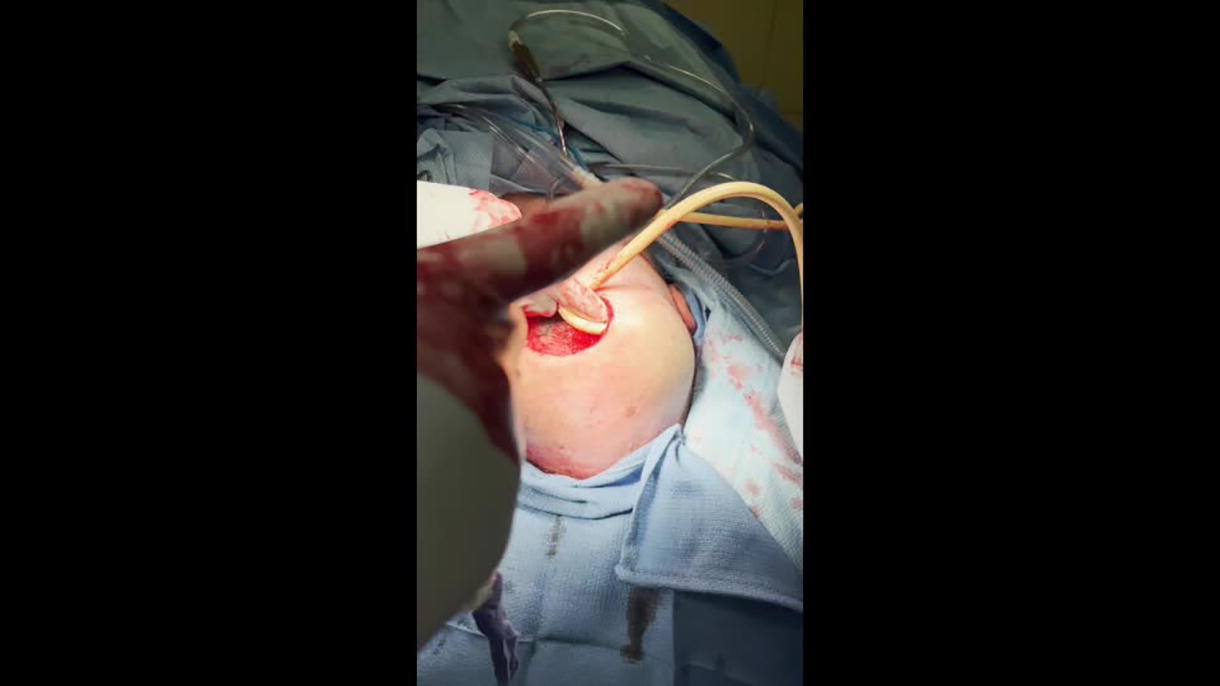
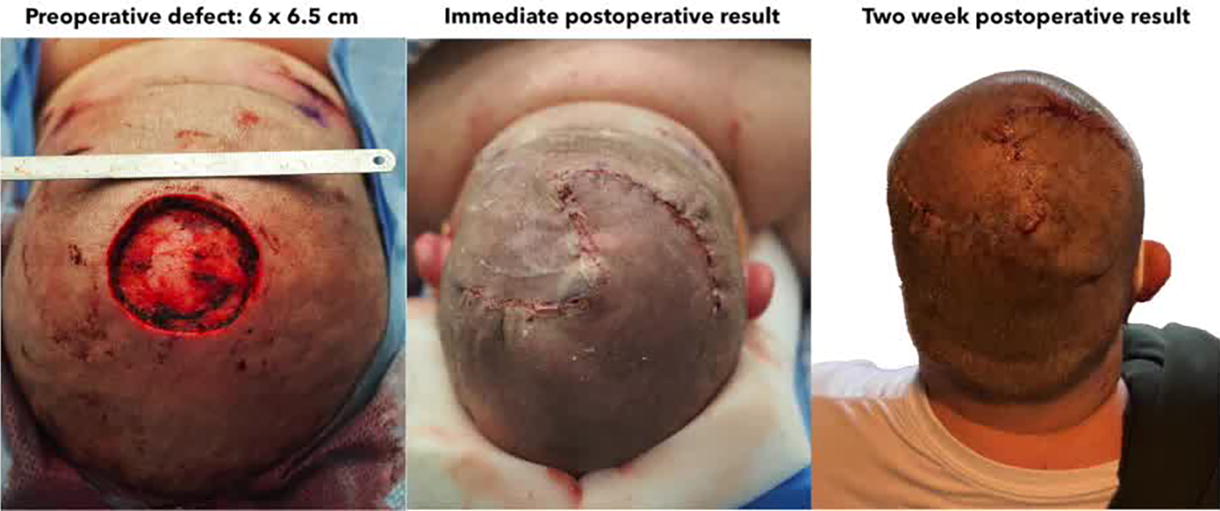
Intraoperatively, all patients underwent wide undermining in the subgaleal plane circumferentially surrounding the defect. Intraoperative tissue expansion was then performed utilizing two 30 mL Foley catheter balloons, which were placed adjacent to the defect in the subgaleal plane for 5–7 min. This was repeated if additional adjacent tissue laxity was required. O to Z flaps were then planned, incised, rotated into place, and closed in the standard layered fashion.
Results:
In total, 13 consecutive patients (4 females) were included in the study. Average age at the time of surgery was 67 years (standard deviation [SD] 12.1). Out of these, 12 (92.3%) patients had melanoma and 1 (7.7%) patient had basal cell carcinoma. All patients underwent wide local excision by the ablative surgical team with immediate reconstruction. The average diameter of the scalp defect was 5.3 cm (SD 0.8 cm, maximum = 6 cm, minimum = 4 cm). Eleven (84.6%) patients were followed for at least 1.7 months (mean 81 days, SD 21 days). All patients demonstrated complete healing at the time of last visit. One (7.7%) patient suffered alopecia of the vertex scalp attributed to shock loss, in addition to superficial epidermolysis of the distal aspects of the flaps that healed without negative sequelae. No other complications were noted.
Conclusions:
Intraoperative tissue expansion using Foley catheter balloons for reconstruction of large (>4 cm) scalp defects is a simple, readily available, and cost-effective method for rapidly gaining adjacent soft tissue laxity for local flap techniques.
The authors have no conflicts of interest to disclose.
This study was not funded.
Runtime of video: 63 secs.
IRB: This study was reviewed by the Oregon Health & Science University Institutional Review Board.
Get full access to this article
View all access options for this article.