






Abstract
Introduction:
Large composite nasal defects are difficult to reconstruct. Among the many concerns in reconstruction, restoration of nasal respiratory function is paramount. Ideally, reconstructed nasal lining is thin and not overly prone to dryness. When radiation treatment is anticipated, vascularized nasal lining is particularly important to resist contracture.
Materials and Methods:
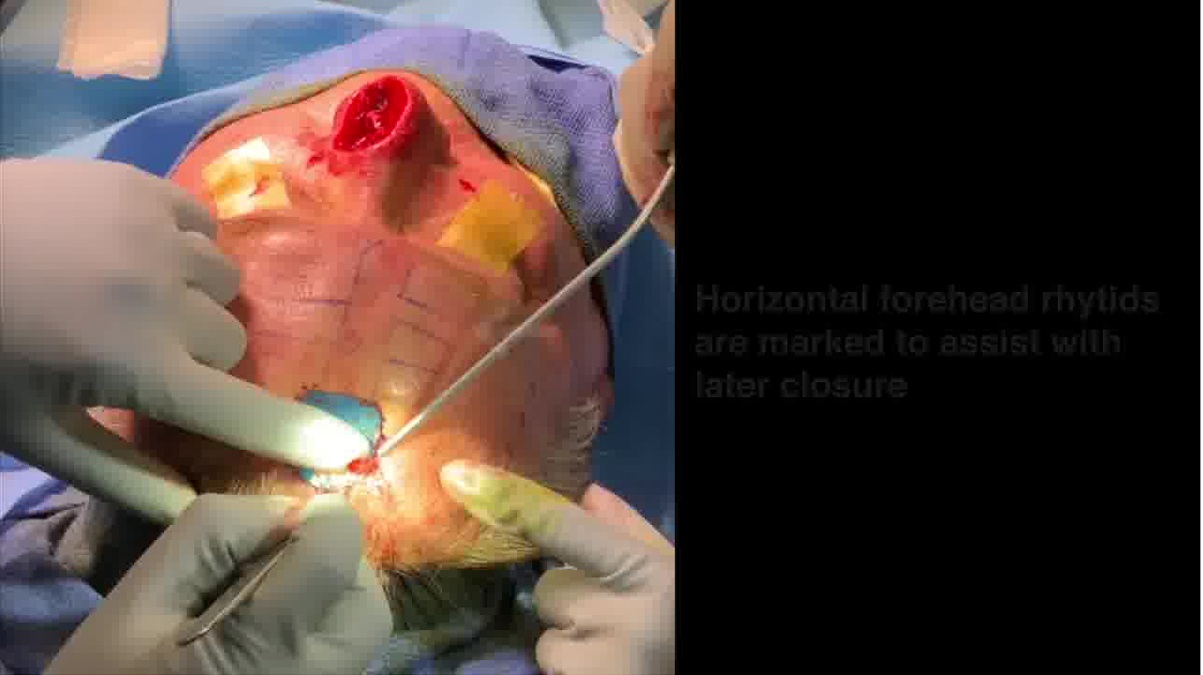
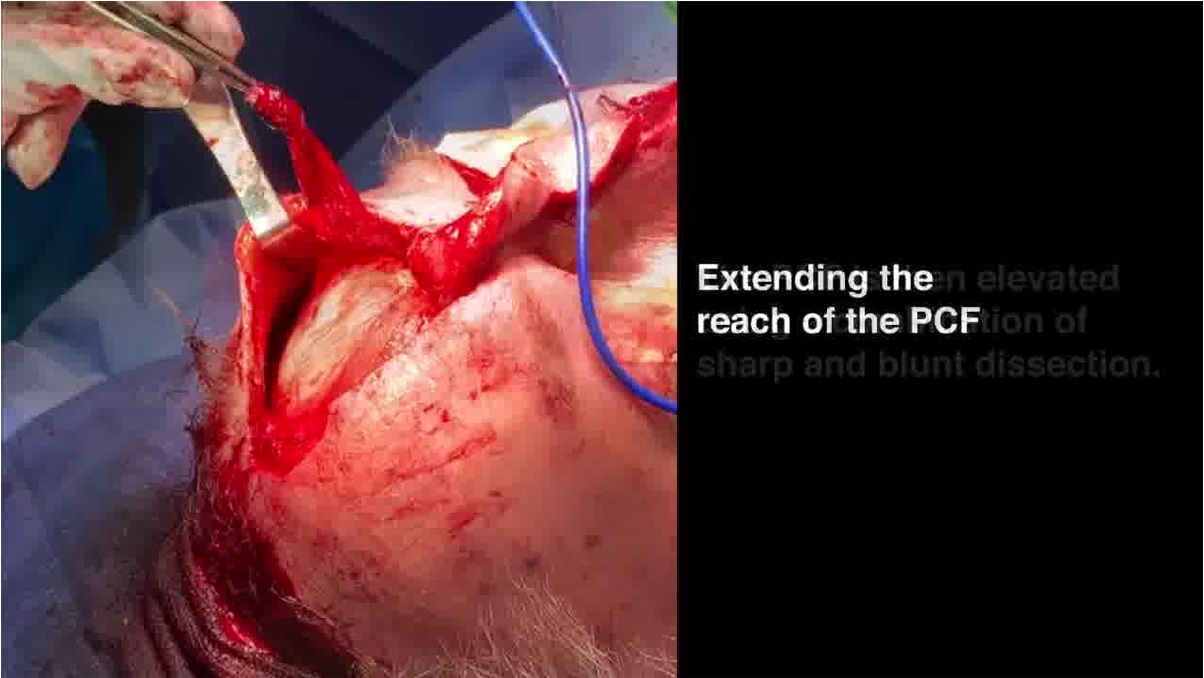
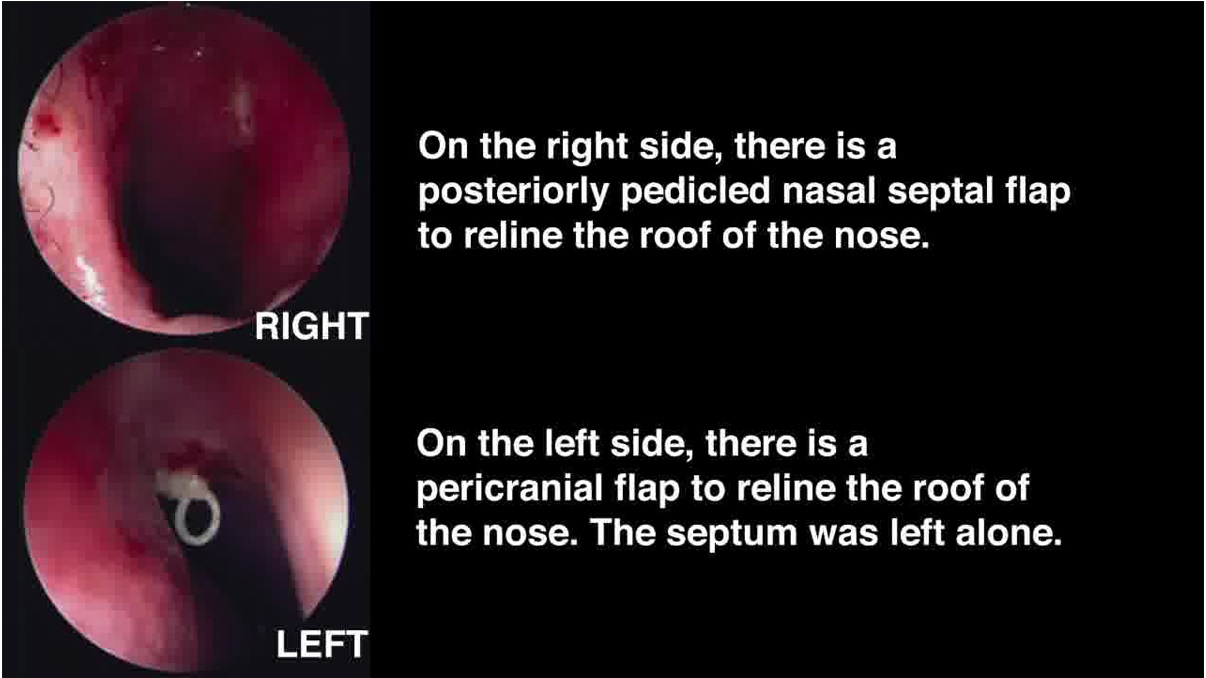
Here we describe a method of nasal lining reconstruction using a frontal pericranial flap when a contralateral paramedian forehead flap is being elevated for reconstruction of the nasal skin defect.
Results:
The pericranial flap is thin and minimally reduces the airway diameter while being wide enough to cover the undersurface of any structural grafting that will be used in the reconstruction.
Conclusion:
The pericranial flap is an excellent reconstruction option when pedicled septal flaps are not an option. It is accessed through the same incision as the forehead skin flap and adds little additional time and no additional surgical sites. This flap may also be a better fit for the nose than free tissue transfer options that reline the nasal cavity with skin, and does not require microvascular expertise to perform.
Tara E. Brennan, MD, the senior and corresponding author, conceptualized the study. Also worked on data curation, formal analysis, investigation, methodology, project administration, supervision, validation, and writing of the original and subsequent drafts. Robert G. Nicholas, MD, worked on data curation, formal analysis, investigation, methodology, and writing review. Antoinette R. Esce, MD, worked on methodology, particularly with respect to editing and composition of the video, project administration, and critical editing of the video.
No competing financial interests exist.
No funding was received for this article.
Runtime of video: 4 mins 53 secs
Get full access to this article
View all access options for this article.