






Abstract
The Mars Curiosity rover carries a diverse instrument payload to characterize habitable environments in the sedimentary layers of Aeolis Mons. One of these instruments is Sample Analysis at Mars (SAM), which contains a mass spectrometer that is capable of detecting organic compounds via pyrolysis gas chromatography mass spectrometry (py-GC-MS). To identify polar organic molecules, the SAM instrument carries the thermochemolysis reagent tetramethylammonium hydroxide (TMAH) in methanol (hereafter referred to as TMAH). TMAH can liberate fatty acids bound in macromolecules or chemically bound monomers associated with mineral phases and make these organics detectable via gas chromatography mass spectrometry (GC-MS) by methylation. Fatty acids, a type of carboxylic acid that contains a carboxyl functional group, are of particular interest given their presence in both biotic and abiotic materials. This work represents the first analyses of a suite of Mars-analog samples using the TMAH experiment under select SAM-like conditions. Samples analyzed include iron oxyhydroxides and iron oxyhydroxysulfates, a mixture of iron oxides/oxyhydroxides and clays, iron sulfide, siliceous sinter, carbonates, and shale. The TMAH experiments produced detectable signals under SAM-like pyrolysis conditions when organics were present either at high concentrations or in geologically modern systems. Although only a few analog samples exhibited a high abundance and variety of fatty acid methyl esters (FAMEs), FAMEs were detected in the majority of analog samples tested. When utilized, the TMAH thermochemolysis experiment on SAM could be an opportunity to detect organic molecules bound in macromolecules on Mars. The detection of a FAME profile is of great astrobiological interest, as it could provide information regarding the source of martian organic material detected by SAM.
1. Introduction
The ongoing exploration of Gale Crater by the NASA Mars Curiosity rover has modernized our understanding of martian geochemistry (Glavin
Wet chemistry experiments aim to transform polar organic molecules (

Schematic of the thermochemolysis reaction between a generic carboxylic acid (either a free fatty acid or membrane-bound fatty acid liberated from a macromolecule) and TMAH. Methanol is the solvent. The carboxylic acid is methylated at between 400°C and 600°C, and TMA is generated as a by-product.
Fatty acids are ubiquitous and abundant constituents of bacterial and eukaryotic cellular membranes, bound in phospholipids and glycolipids (Vestal and White, 1989). Carboxylic acids have also been identified in exogenous carbonaceous material, for example having been detected in the Murchison meteorite (Cronin
Figure 2 shows the SAM suite, SMS, and wet chemistry cups. Of the 74 sample cups housed within the SAM SMS carousel, two wet chemistry cups contain 0.5 mL total of TMAH in methanol (1:3 v/v), mixed with two recovery standards (1-fluoronaphthalene [34 nmol] and pyrene [25 nmol]), and nonanoic acid as an internal calibration standard. The nonanoic acid internal standard (
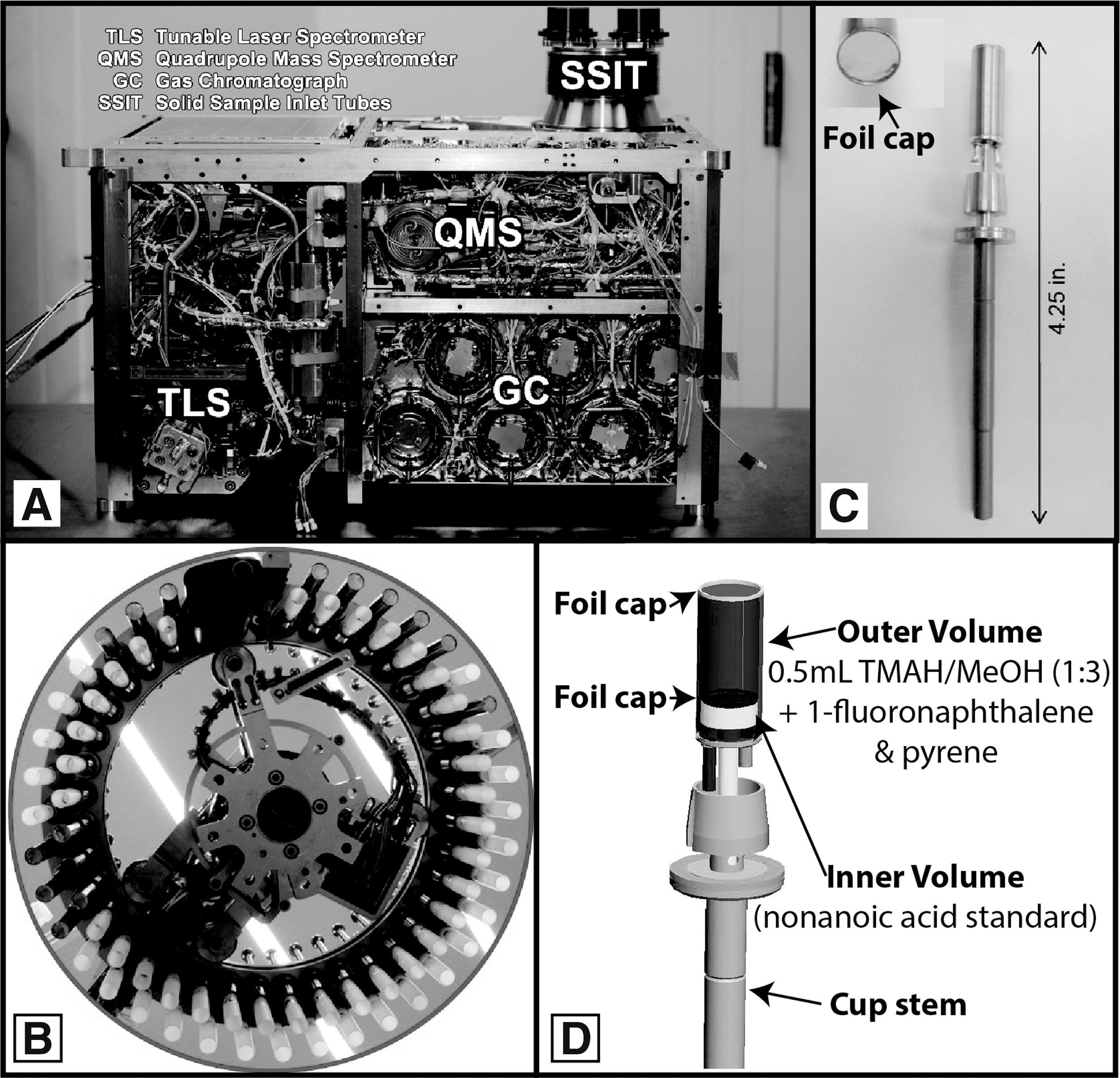
(
SAM carries six GC columns: four columns are dedicated to organics detection, and two are designed for very light hydrocarbon or small inorganic molecule analyses (Table 1). Of the organic-specific columns, GC1 (MXT-20) and GC5 (MXT-CLP) are both designed for medium molecular weight (C5–C15) organics, GC2 (MXT-5) is designed for high molecular weight (>C15) organics and derivative products, and GC4 (Chirasil-β-Dex CB) is designed to resolve enantiomers. When the TMAH experiment is conducted on Mars, the cup will be punctured with a pin located on the outer ring of the SMS. After puncture of the cup foils, the inner and outer reservoirs will mix to expose the nonanoic internal standard to the solvents, and the cup will rotate into position to receive the solid sample, composed of either the 1 mm or <150 μm size fraction of powdered drill fines, up to a volume of 790 μL. With solid sample delivery complete, the cup will be raised and sealed to the SAM pyrolysis oven. The cup will then be heated at 35°C min−1 from ambient to no higher than 600°C (the final temperature is still under development). Methylated thermochemolysis products will first be concentrated on the SAM hydrocarbon trap under He carrier gas flow at a rate of ∼0.03 atm-cc/s and then either concentrated on a GC injection trap that can be flash heated in order to quickly inject into the GC column (GC4 or GC5) or flow directly to a GC column (GC1 or GC2) at 0.9 mL min−1. The SAM hydrocarbon trap contains three adsorbents in the following order: 490 mg of 0.38 mm non-porous silica beads, 79 mg of 60/80 mesh Tenax TA, and 110 mg of 60/80 Carbosieve G (Mahaffy
Gas Chromatograph Columns on SAM
WCOT = wall-coated open tubular, VOC = volatile organic compounds, PLOT = porous layer open tubes.
Here, we report the first GC-MS results of FAMEs produced from a selection of Mars-analog materials using a thermochemolysis procedure that approximates certain aspects of the SAM thermochemolysis wet chemistry experiment. Table 2 summarizes the main differences in conditions between the benchtop experimental approach used in this work and the SAM flight model. The goal of this study was to determine the recovery of FAMEs from a suite of rocks and sediments of various ages, including some samples considered mineralogic analogs to mineral suites observed on Mars. Utilizing Mars-analog samples will allow for contextualized results from the
Comparison of Operating Conditions for Benchtop Experiments versus the SAM Flight Instrument
2. Materials and Methods
2.1. Analog samples and sample preparation
One cryoconite organic working sample, one procedural blank, and 13 terrestrial samples (Table 3) considered to have mineralogical relevance to martian environments of astrobiological interest were selected for this study and provide a variety of mineralogies that Curiosity could encounter in Gale Crater. Details on analog site sampling and sample preparation are in the Supplementary Materials (available at
Mineralogic Sample ID, Location, Age, and Dominant Mineral Species
Data from O'Reilly
Total carbon and total organic carbon (TOC) were quantified by using a loss on ignition procedure on a Shimadzu TOC-Vcsh NC analyzer (detection limit 0.03–2.00 mg absolute, ±0.06% error). Sample mineralogy (Table 3) was determined on either a Bruker D8 Discover X-ray diffractometer or a Rigaku Ultima IV X-ray diffractometer. Samples were scanned from 2° to 64° 2θ. The measured patterns were then compared to standard mineral patterns from the RRuff repository (Downs, 2006) and the International Centre for Diffraction Data (ICDD) files with PDXL software as well as Materials Data Incorporated (MDI) Jade software to characterize the sample mineralogies.
Cryoconite was chosen as the organic working sample with a natural mixture of organic molecules for repeated analyses of py-GC-MS parameters. This cryoconite is a contemporary organic-rich aeolian dust deposit containing mixed living microbial communities with deceased biomass, anthropogenic soot, and micrometer-scale rock particles from Friedrichsbreen glacier in Svalbard.
A fused silica powder (FS120, HP Technical Ceramics, LTD, 250–125 μm) was heated to 550°C for 8 h in air to combust all organics, including plastic polymers, and was used as a procedural blank. It was processed in the same manner as the organic working sample and analog samples (Mahaffy
Select iron-rich samples were collected from the Iron Mountain massive sulfide deposit near Redding, California (Williams
Modern iron-rich precipitate was collected along an acid mine effluent pipeline at Iron Mountain. The pipeline carries pH 2.5–3.0 acid mine drainage water, and within the pipeline microbial oxidation of the iron-rich fluids creates an Fe(III)-rich schwertmannite mineral precipitate (Williams
Modern to Eocene-age mixed iron oxyhydroxides, halite, gypsum, quartz, and clay mineral bearing sediments were collected from an acid to circumneutral saline lake sediment core in the Norseman region, Yilgarn Craton, Western Australia. Sample SSJ5 was collected from 1945 cm depth, SSJ2 was collected from 2385 cm depth, SSJ3 was collected from 3905 cm depth, and SSJ4 was collected from 4350 cm depth. These iron-rich samples from the United States and Australia are considered to be mineralogically analogous to saline and circumneutral or acidic iron-dominated environments on Mars such as Meridiani Planum (Klingelhofer
Hot spring sinter deposits reported here are analogous to sinter deposits from deep-seated volcanically driven hydrothermal systems detected in Nili Patera, Mars (Skok, 2010). Actively forming sinter was collected from the Hveravellir hot spring, Iceland. A surface sample and 4 cm deep sample were collected from the modern lower vent. Sinter from an inactive but still hot spring mound was collected at the Gunnuhver hot springs, Iceland. A surface sample and 7 cm deep sample were collected from a lower vent sinter deposit.
Although extensive carbonate deposits have not been identified on Mars (Albee
Organic-rich shales are not expected on Mars; however, the Messel Shale from Messel, Germany, served to demonstrate the utility of the TMAH pyrolysis technique with an organic-rich endmember sample. The Messel Shale formed in an anoxic lacustrine environment in the Eocene and contains a great diversity and abundance of well-preserved organic molecules (Hayes
2.2. Thermochemolysis reagent tetramethylammonium hydroxide
Wet chemistry experiments or derivatization techniques are capable of transforming polar organic molecules into more volatile forms that are detectable by GC-MS (Schummer
Tetramethylammonium hydroxide (25%) in methanol (Sigma-Aldrich, P/N 334901, purity: <10% water, <2% chloride) is the thermochemolysis reagent used on SAM. During thermochemolysis, TMAH acts as the agent of transesterification, hydrolyzing and methylating fatty acids to generate a FAME that is more volatile and detectable by GC-MS. On SAM,
2.3. Pyrolysis GC-MS conditions for analog samples
Aliquots of each powdered sample were carried through (1) a SAM-like 35°C min−1 pyrolysis ramp or (2) a 500°C flash pyrolysis step, then GC-MS analysis to measure the distribution and abundance of FAMEs. Ground rock or sediment samples were weighed into nonreactive metal cups (sample mass was
2.4. Duration of sample exposure to TMAH
Time trials were performed to determine (1) whether extended sample exposure to TMAH prior to pyrolysis would degrade FAME generation and detection, and (2) the amount of time at room temperature and ambient pressure that TMAH could interact with a sample and still yield detectable FAMEs. TMAH was added to aliquots of the cryoconite sample and pyrolysis and analysis of the samples was delayed to 1, 2, 6, 16, 25, 56, and 92 h after TMAH was introduced. One sample set was not delayed (0 h) and was run immediately after TMAH introduction. Delayed samples were stored under an organically clean watch glass under ambient atmosphere in a hood. Sample analysis utilized flash pyrolysis at 500°C and the GC-MS program described in the Supplemental Material.
2.5. TMAH/MeOH reactions with MTBSTFA/DMF vapor
MTBSTFA vapor is a known component within the SAM SMS, due to one or more MTBSTFA cup leaks during or after entry, descent, and landing on Mars (Glavin
2.6. TMAH concentration and loss of methanol before sample pyrolysis
In order to determine how the concentration of TMAH may be affected by the evaporation of MeOH from the mixture, experiments were conducted to determine the evaporation rate curve for MeOH at Mars-like pressures and temperatures (down to 3°C), as well as SAM SMS-like temperatures (up to 50°C). Aliquots (
2.7. Sample peak identification
Chromatograms and the mass spectra for FAMEs were analyzed with ChemStation software (Agilent Technologies). Identifications were based on comparison to known FAME retention times of a Supelco 37 component FAME mixture that contains saturated FAMEs, monounsaturated fatty acid methyl esters (MUFAMEs), and polyunsaturated fatty acid methyl esters (PUFAMEs) (Sigma-Aldrich). In addition, mass spectra were compared to the National Institute of Standards and Technology (NIST) Spectral Library. Quantifications were based on integration under peaks and scaled to the known amount of the
3. Results
3.1. Duration of sample exposure to TMAH
The concentration of select FAMEs for the eight time trials is shown in Fig. 3. The C19:0 internal standard concentration was highest in the 0 and 1 h trials but never dropped below 86 ng/mg cryoconite (CC) (66% of maximum). The more abundant FAMEs, C14:0, C16:0, and C18:0, were highest in the 0 h trials and never dropped below 2.5, 23, and 2.9 ng/mg CC (74%, 76%, and 86% of maximum, respectively). The less abundant FAMEs (C8:0, C10:0, C12:0, C20:0, C22:0, and C24:0) had concentrations around 0.1–1 ng/mg CC, putting them within the range of detection, albeit at low concentrations. Of note, the lower molecular weight FAMEs that are most likely to be detected in the SAM experiment yielded sufficiently elevated concentrations to be detected even after 92 h of exposure. Only C22:0 was not detected at 0 h exposure, and C24:0 at 0 and 16 h exposure.
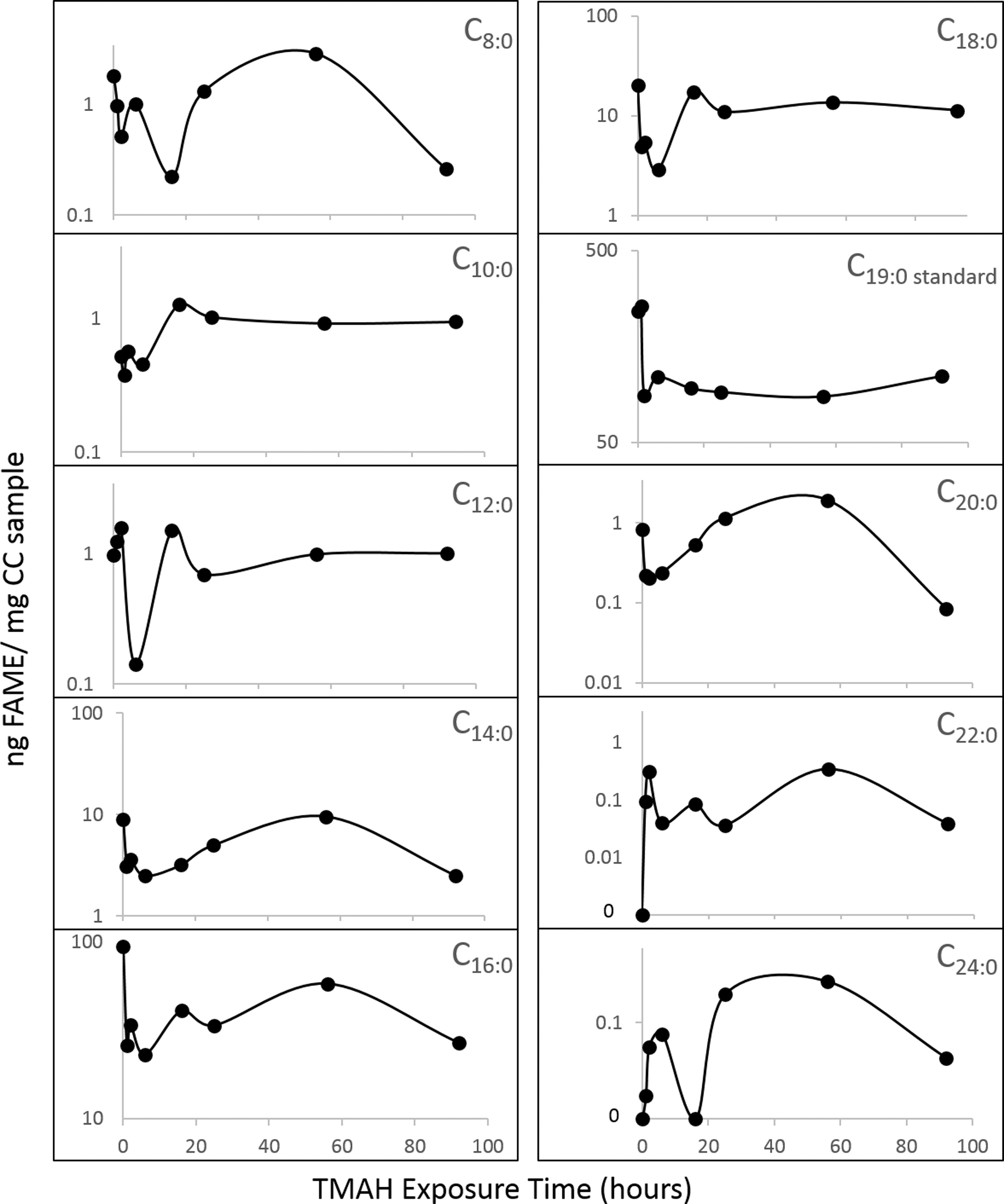
Time tests for cryoconite exposure to TMAH, including instant (0 h delay), 1, 3, 6, 16, 25, 56, and 92 h delay before pyrolysis, for C8:0 to C24:0. Note the different
3.2. TMAH/MeOH reactions with MTBSTFA/DMF vapor
The goethite sample PS5G was exposed to (1) TMAH and (2) the 0.2 μL MTBSTFA in 500 μL TMAH mixture. In the goethite reacted with TMAH test, the known TMAH by-product trimethylamine (TMA) was generated, and the MTBSTFA by-product DMF was present as a carryover from the previous analysis containing MTBSTFA (Fig. 4A). The double TMA peak is likely an artifact of partial TMA solvation by MeOH. In the goethite reacted with MTBSTFA in TMAH test, TMA and DMF were generated, as were the MTBSTFA by-products
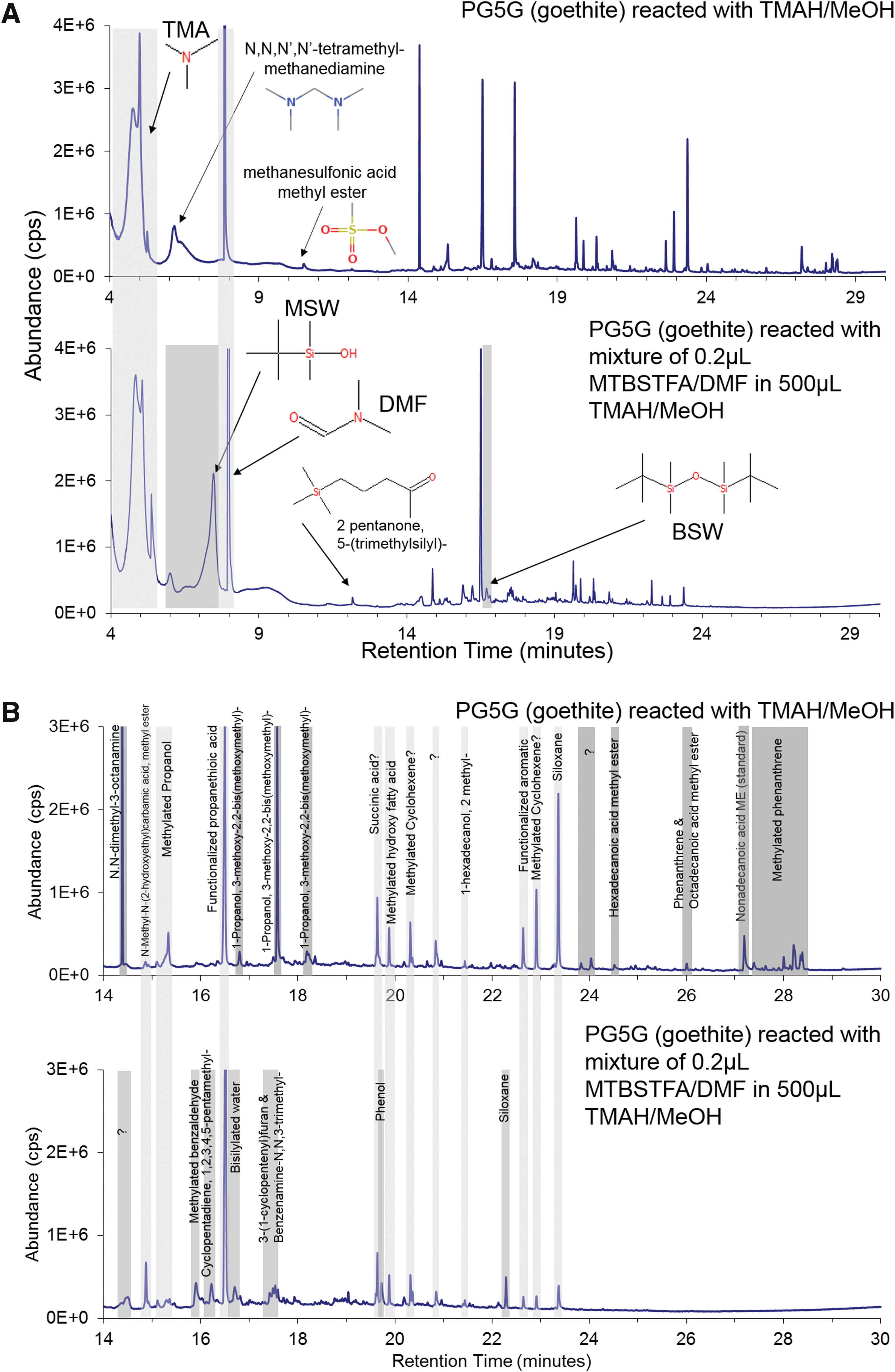
(
3.3. TMAH concentration and loss of methanol prior to sample pyrolysis
Experiments were conducted to determine the evaporation rate for MeOH from the TMAH in MeOH mixture at Mars-like pressures and temperatures. Results demonstrate that within 10 min, between 9% (at 3°C) and 48% (at 50°C) of the MeOH in the original TMAH/MeOH mixture evaporates (Fig. 5). This changes the concentration of TMAH in the mixture after 10 min from 25% to 27% (at 3°C) and 25% to 48% (at 50°C) (Fig. 5). Results indicate that the loss of MeOH from the 25% TMAH in MeOH mixture will be minimized at the low operating temperatures on Mars and should not significantly affect the
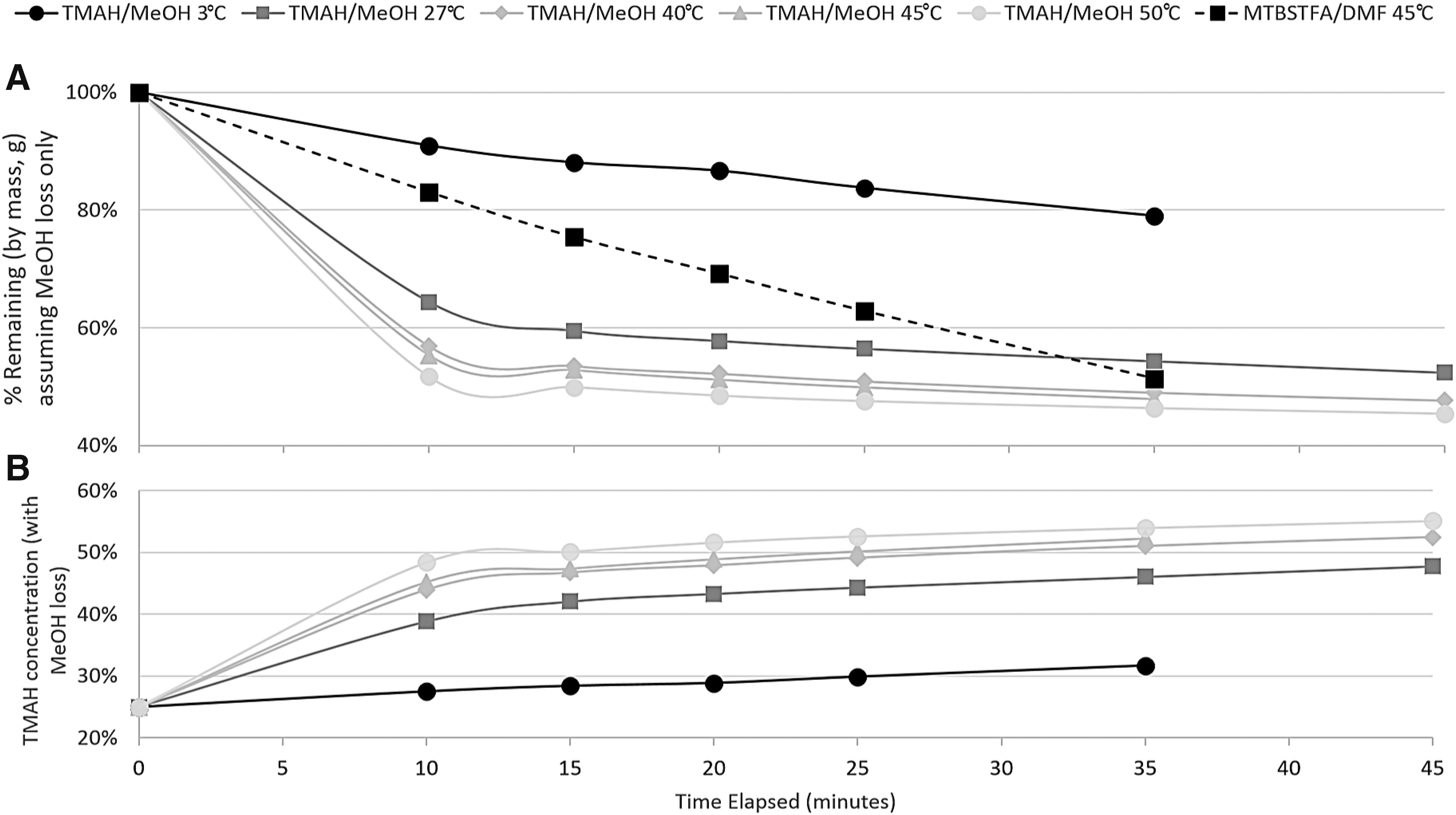
(
3.4. Thermochemolysis and pyrolysis GC-MS analysis of analog samples
The generation of FAMEs from a suite of Mars analog materials was tested by using both a SAM-like pyrolysis ramp and a 500°C flash pyrolysis (Table 3). Results are shown in Table 4, Supplementary Table S1, and Figs. 6 and 7. The
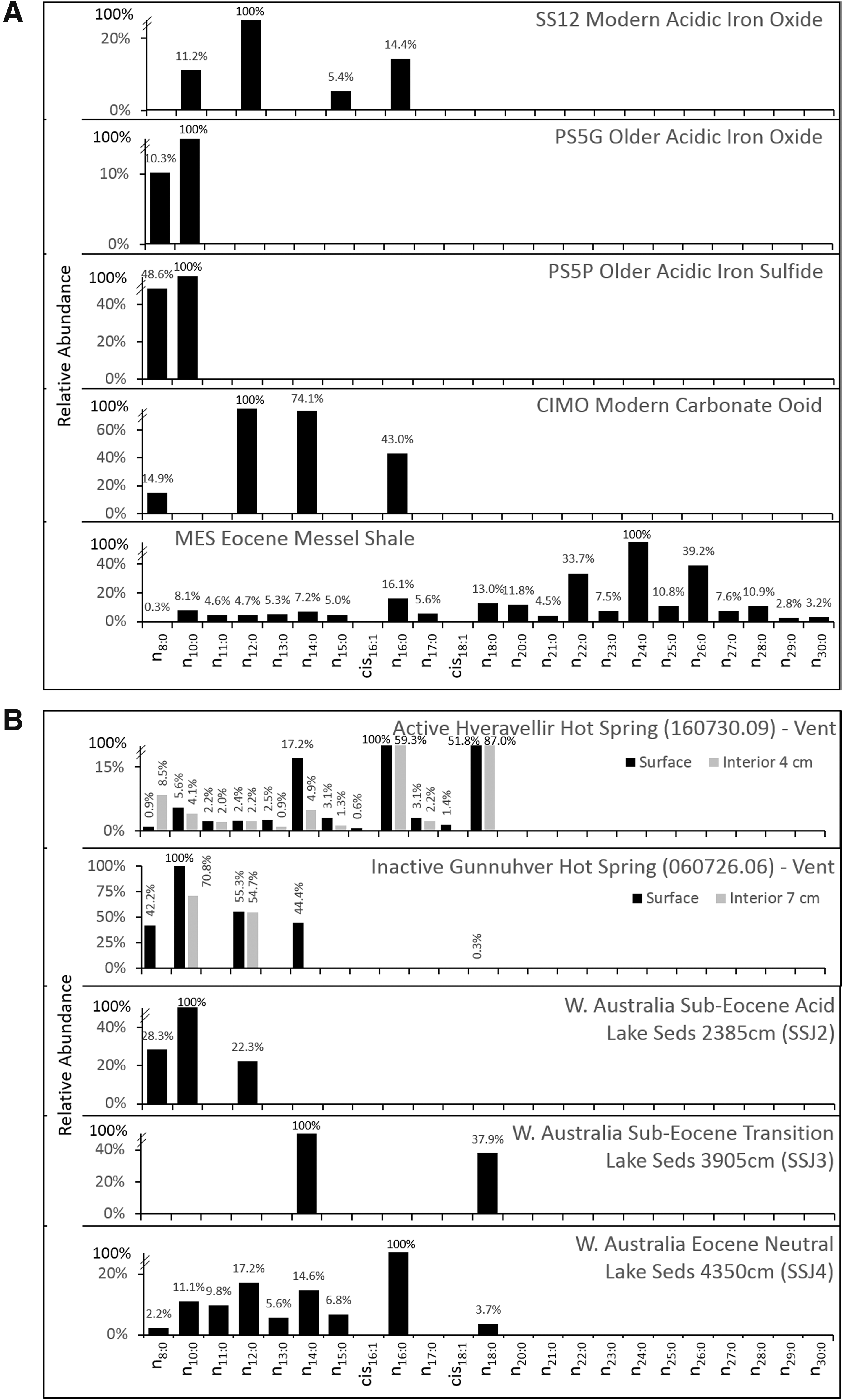
(
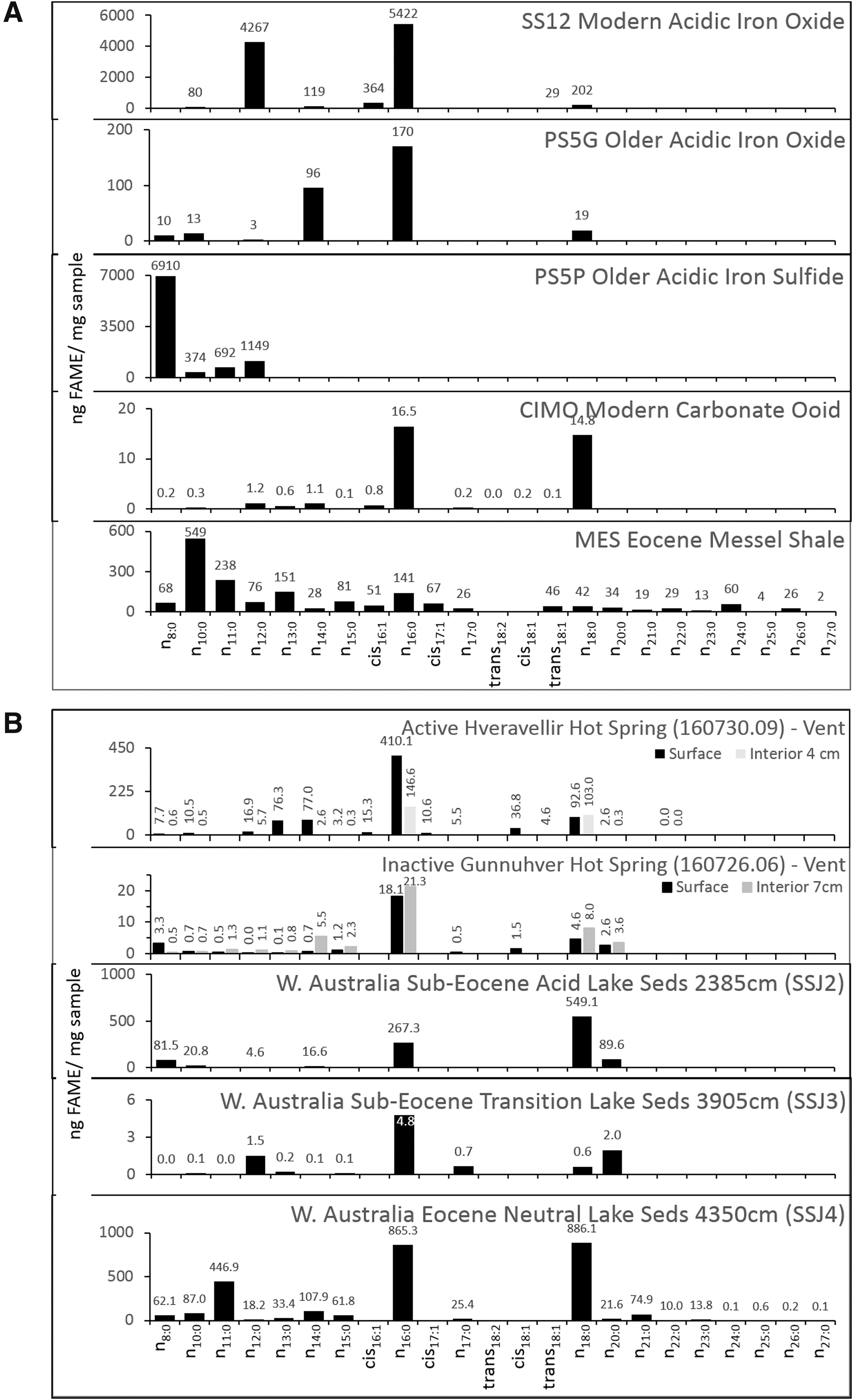
(
Presence or Absence of FAMEs in Mars-Analog Samples Analyzed with Either a SAM-like 35°C min−1 Pyrolysis Ramp or a 500°C Flash Pyrolysis Step
X = presence, – = absence.
3.4.1. Fused silica (SAM Organic Check Material analog)
Small FAME peaks were detected in the fused silica sample by using both the background-subtracted SAM-like method (with 2 FAMEs—
3.4.2. Cryoconite organic working sample
Eleven FAMEs and MUFAMEs were detected in the cryoconite sample treated with TMAH, while no FAMEs were detected in the cryoconite sample that did not undergo thermochemolysis with TMAH (Fig. 8). With the 500°C flash pyrolysis method, which used TMAH, 21 FAMEs and MUFAMEs ranging from
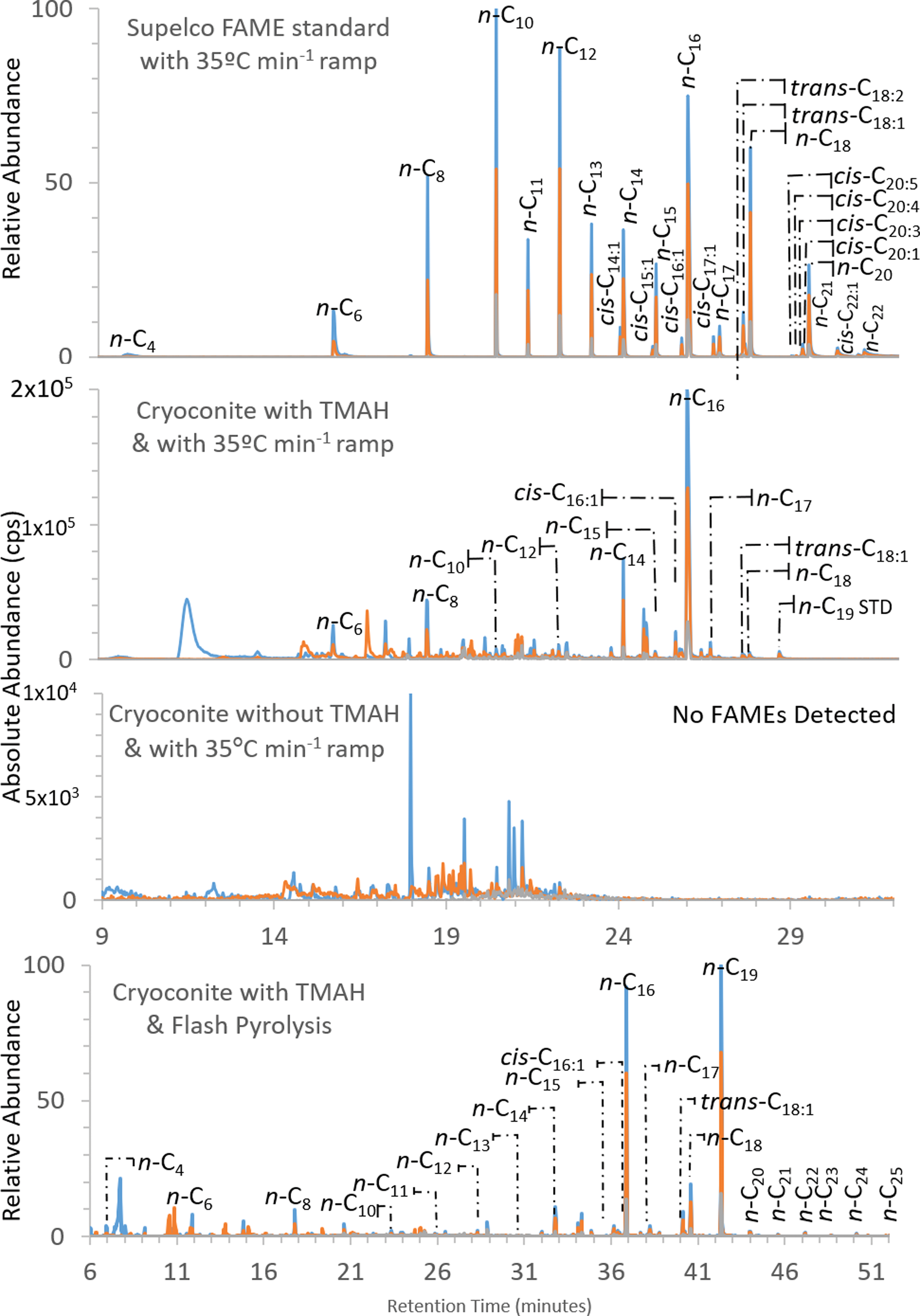
Selected ion chromatogram of Supelco FAME 37 standard and cryoconite analyzed by py-GC-MS. The FAME standard was used to confirm FAME retention times in the cryoconite sample treated with and without TMAH. The sample not reacted with TMAH did not yield detectable FAMEs but did contain molecules such as trimethylsilyl cyanide, furfural, methylated furancarboxaldehyde, and siloxanes. The TMAH-reacted cryoconite analyzed by flash pyrolysis is included to demonstrate that flash pyrolysis yields more FAMEs than the ramped pyrolysis method. The 35°C min−1 and 500°C flash pyrolysis methods and GC programs are described in the Supplementary Materials. FAMEs identified by retention time and
3.4.3. Iron Mountain, California, iron oxyhydroxides and iron oxyhydroxysulfates
The Iron Mountain gossan sample (PS5G, 0.051% TOC) was dominated by goethite and yielded four FAMEs below
The modern Iron Mountain schwertmannite precipitate (SS12, 0.97% TOC) yielded 4 FAMEs below
3.4.4. Western Australia mixed iron oxides/oxyhydroxides and clay minerals
The Western Australia acidic lake core sample SSJ5 (1945 cm depth, 0.073% TOC), which contains halite, goethite, and clay minerals, did not yield any FAMEs with the SAM-like method, and the internal standard was not detected. However, with the flash pyrolysis method, 12 FAMEs were detected below
The acidic lake sediment core sample SSJ2 (2385 cm depth, 0.084% TOC) does not contain an iron oxide/oxyhydroxide mineral phase but does contain halite and clay minerals, including ferruginous smectite. With the SAM-like method, 5 FAMEs below
Lake sediment core sample SSJ3 (3905 cm depth, 0.17% TOC) represents the transition from more modern acidic and saline conditions to circumneutral lake sediments of Eocene age (Bowen and Benison, 2009; Benison and Bowen, 2015) and contains halite, goethite, maghemite, and the clay minerals kaolinite, montmorillonite, and illite. The SAM-like method only yielded
Eocene-age circumneutral lake sediment core sample SSJ4 (4350 cm depth, 0.81% TOC) contains, along with other mineral phases, halite, montmorillonite, and kaolinite. With the SAM-like method, 11 FAMEs below
3.4.5. Iron Mountain, California, iron sulfide
The Iron Mountain pyrite sample (PS5P, 0.029% TOC), dominated by pyrite and quartz, yielded 4 FAMEs with the SAM-like method and 4 FAMEs with the flash pyrolysis method. The
3.4.6. Icelandic siliceous sinter
The inactive near-vent sinter deposit from Gunnuhver, Iceland, demonstrated a decrease in FAME detection at depth with the SAM-like method. The surface sample (IC160726.06.S, 0.024% TOC) yielded 6 FAMEs. The subsurface sample (IC160726.06.I, 0.011% TOC) was collected at 7 cm depth and yielded 4 FAMEs. The flash pyrolysis method produced a similar trend, with 13 FAMEs and MUFAMEs detected in the surface sample and 11 FAMEs detected in the subsurface sample.
An active hot spring sinter deposit from Hveravellir, Iceland, demonstrated a similar decrease in FAME detection at depth with the SAM-like method. The surface sample (IC160730.09.S, 0.24% TOC) yielded 14 FAMEs. The subsurface sample (IC160730.09.I, 0.084% TOC) was collected at 4 cm depth and yielded 11 FAMEs. The flash pyrolysis method produced a similar trend, with 17 FAMEs, MUFAMEs, and PUFAMEs detected in the surface sample and 10 FAMEs detected in the subsurface sample.
3.4.7. Bahamian carbonates
The modern carbonate ooid sample (CIMO,
3.4.8. Organic-rich shale
Using the SAM-like method, the Messel shale sample (MES, 33% TOC) yielded 23 FAMEs and MUFAMEs, and with the flash pyrolysis method 42 FAMEs and MUFAMEs were detected.
4. Discussion
4.1. Benchtop and SAM flight thermochemolysis optimization
To optimize the TMAH thermochemolysis benchtop experiment, several operational variables were evaluated, including duration of sample exposure to TMAH, TMAH reactions with MTBSTFA, and evaporation of methanol from the TMAH solution. The sample exposure to TMAH tests suggest that the sample should be run as soon as possible after exposure to TMAH, but the sample integrity should not be compromised if the pyrolysis and analysis are delayed up to 92 h after sample exposure to TMAH (Fig. 3). The presence of MTBSTFA vapor will not significantly affect the TMAH experiment and expected methylated products. The loss of methanol from the TMAH/MeOH mixture at Mars temperatures will not significantly impact the experiment. The operating parameters described above will continue to be optimized for the SAM flight instrument. Further investigation will be conducted to optimize the flight experiment, including determining the exact percentage of sample-reacted TMAH to be vented from SAM versus sent to the GC-MS. Continued testing of the TMAH thermochemolysis experiment under Mars temperature and pressure conditions is planned for the SAM testbed, a high-fidelity replica of the SAM flight instrument housed at NASA Goddard Space Flight Center.
4.2. Thermochemolysis of analog samples
FAME generation via TMAH thermochemolysis in mineralogically variable Mars-analog samples was tested with both a SAM-like (35°C min−1) pyrolysis step and a 500°C flash pyrolysis step. In general, the flash pyrolysis method yielded a greater number and diversity of FAMEs from all samples than the SAM-like pyrolysis ramp method (Table 4). Common sources for the FAMEs identified are presented in Table 5 and interpreted below in the context of the sample environment. The FAME profiles generated with SAM-like pyrolysis are shown in Fig. 6, and those generated with flash pyrolysis are shown in Fig. 7, to demonstrate the distinct profile “fingerprints” of each mineralogy class.
Fatty Acid Biomarkers Detectable with TMAH Thermochemolysis, Abbreviations, and Possible Biogenic Sources of Fatty Acids (Modified from O'Reilly
Volkman, 2006; bVolkman
4.2.1. Fused silica (Curiosity rover Organic Check Material analog)
Given that this sample was combusted at 550°C for 8 h prior to analysis, and several TMAH-blanks were run before sample analysis, carryover contamination from previously run samples is the likely source of the very small FAME peaks detected. Evidence for this is discussed in detail in Section 4.2.10.
4.2.2. Cryoconite organic working sample
The results from the SAM-like pyrolysis of the cryoconite sample with and without TMAH, and the 500°C flash pyrolysis with TMAH experiment, are shown in Fig. 8 and compared to the Supelco 37 FAME standard. These results are consistent with the expectation that TMAH will generate methylated fatty acids from ester-linked lipids, whereas samples not treated with TMAH will not yield FAMEs. The 500°C flash pyrolysis experiments yielded more FAMEs than the SAM-like ramp; this is described in more detail in Section 4.2.11.
4.2.3. Iron Mountain iron oxyhydroxides and iron oxyhydroxysulfates
The straight-chain saturated FAMEs detected in the modern Iron Mountain precipitate (SS12) may be indicative of both bacterial and eukaryotic cell membranes (Volkman, 2006). The
Assuming unsaturated FAMEs were initially present in the older Iron Mountain gossan sample (PS5G) as they are in the modern sample, loss of those unsaturated FAMEs can indicate the effects of diagenesis or bacterial heterotrophy (Sun
4.2.4. Western Australia mixed iron oxides/oxyhydroxides and clays
The Western Australia lake sediment core samples ranged from acidic at 1945 cm depth to circumneutral at 4350 cm depth. Several of these samples contained a mixture of iron oxide/oxyhydroxide and clay minerals, but environmental pH demonstrated the strongest influence on the preservation of fatty acids in these sediments. With both py-GC-MS methods, fewer FAMEs and lower FAME concentrations were detected in the acidic sediment samples relative to the circumneutral sediment samples, confirming the thermodynamic assumption that organics are more rapidly degraded in acidic rather than circumneutral environments. However, the resilience of the remaining FAMEs in these Eocene to sub-Eocene age samples suggests that the mixture of iron oxides/oxyhydroxides and clay minerals preserves organics better than iron oxides/oxyhydroxides alone (
The long straight-chain saturated FAMEs (
4.2.5. Iron Mountain, California, iron sulfide
The PS5P pyrite sample presented unique results and challenges in these experiments. The sample is almost completely composed of pyrite (FeS2), with very little quartz present. Only 6 FAMEs below
4.2.6. Icelandic siliceous sinter
The inactive near-vent sinter deposit at Gunnuhver demonstrated a decrease in FAME detection at depth with both the SAM-like method (from 6 to 4 FAMEs detected) and the flash pyrolysis method (from 13 to 11 FAMEs detected). With the SAM-like method, the
The active vent deposit at Hveravellir demonstrated a similar decrease in FAME detection at depth with both the SAM-like method (from 14 to 11 FAMEs detected) and the flash pyrolysis method (from 17 to 10 FAMEs detected). In the SAM-like method, the
4.2.7. Bahamian carbonates
Both the SAM-like pyrolysis and flash pyrolysis of the modern carbonate ooid sample yielded FAME results that represent a small fraction of the lipids present in these ooids (O'Reilly
Sample CIMO contained 5 detectable FAMEs below
4.2.8. Organic-rich shale
The even-over-odd carbon number preference of FAMEs > C18:0 in sample MES is consistent with microbial alteration of algal detritus within the Messel Shale (Elias
4.2.9. n -C19:0 internal standard anomaly
The
SAM-like pyrolysis of both the pyrite and the acidic Fe(III)-bearing samples did not yield long-chain FAMEs. However, SAM-like pyrolysis of the circumneutral Fe(III)-bearing samples did yield long-chain FAMEs. It appears that the samples formed in acidic environments may be undergoing a reaction with the strongly alkaline TMAH in the pyrolysis oven. This and/or some other synergistic processes could be retaining or destroying the long-chain FAMEs in these samples at slow SAM-like pyrolysis ramps. The results suggest a link between the loss of long-chain FAMEs, the presence of iron minerals formed in acidic environments, and the 35°C min−1 SAM-like ramp, but a clear mechanism for the loss of the long-chain FAMEs is not yet elucidated.
4.2.10. Comparison of background (“TMAH blank”) to sample signal
The identification of FAMEs in this work was done in part by performing a “TMAH blank” run before each sample analysis. As with the samples, a cup with 4 μL of TMAH was analyzed through the full pyrolysis and GC-MS programs to determine the background level of FAME contamination and possible carryover from previous samples. Each “TMAH blank” spectrum was subtracted from the subsequent sample spectrum to remove any potential carryover signal. No data is reported in which the background (“TMAH blank”) spectrum was higher than the sample spectrum, with the assumption being that the sample signal was not elevated enough to be confidently identifed above background levels.
To quantify differences between the two spectra for each FAME peak, the percentage that the background spectrum represents relative to the signal spectrum was calculated. Although all data presented in Table 4 represent signal elevated above background, the calculation in Supplementary Table S2 serves as an indicator that the signal is either greatly elevated above background (0% of the background is included in the signal) or is very similar to background (up to 100% of the background is included in the signal). Therefore, lower percentages represent a greater signal-to-noise ratio and indicate more confidence that the FAME peak identified is native to the sample.
In general, the saturated FAME, MUFAME, and PUFAME signal in most samples was greatly elevated over background values (as indicated in Supplementary Table S2 with values closer to 0%). In some cases, the background/sample signal ratio varied greatly (
4.2.11. Comparison of 500°C flash pyrolysis and 35°C min−1 ramp pyrolysis methods
The SAM-like pyrolysis employs a 35°C min−1 ramp to 400°C, which took
4.2.12. Biotic and abiotic hydrocarbon generation and implications for fatty acid detection
The capability of SAM to detect short, medium, and long-chain FAMEs and determine any carbon number preference is critical for determining the provinance of fatty acids on Mars. Biotically generated fatty acids may have characteristic branching or unsaturations that can be used to identify the organism (or organisms) that generated the fatty acid (see Table 5). An even-over-odd carbon number preference is often correlated as a product of bacteria and other microbes in recent to Miocene-aged sediments (Nishimura and Baker, 1986; Grimalt and Albaiges, 1987) and may indicate the presence of a recent microbial community. Depending on the environment, this even-over-odd preference can reflect reductive processes altering lipid compounds, or microbial alteration of algal detritus on Earth (Elias
In contrast, some aliphatic and aromatic hydrocarbons may be generated abiotically. One such pathway enlists Fischer-Tropsch-type reactions, in which iron from a meteoric source serves as the catalyst to generate lipids from carbon monoxide and hydrogen (Gelpi
It is important to note that the carbon chain length and carbon number preference are not always diagnostic of biotic versus abiotic genesis. Short-chain carboxylic acids may represent metabolic products not incorporated into membranes, and as discussed above, Fischer-Tropsch-type reactions can generate long-chain carboxylic acids. A carbon number preference may be more diagnostic of abiotic versus biotic processes, but the even-over-odd or odd-over-even preference may differ from trends observed on Earth. The even-over-odd expression in lipid chains, a result of enzymatic biochemistry, reflects monomer addition of a 2-C subunit. In contrast, isoprenoid lipids are built by 5-C isoprene subunits. It is the addition of subunits by the enzymatic activity of organisms that is associated with the lipid carbon number preference biosignature (Summons
Lastly, the presence of perchlorates on Mars may dramatically affect the preservation and detection of any organics. The Viking life-detection experiments were intially interpreted to show a dearth of native organics (Biemann
4.2.13. Strengths and limitations of the SAM instrument and paths forward for future missions
Many parameters can be modified in SAM to optimize GC-MS analyses. These include cup and sample preheat (
As discussed previously, long-chain FAMEs that were detected with the flash pyrolysis method were often missing when analyzed with the SAM-like pyrolysis method. This lack of long-chain FAMEs may have been due to the slow ramp of the pyrolysis oven, which may have broken down long-chain FAMEs to shorter chains which are then readily detected. This side effect of the slower ramp method may not affect
Of SAM's six GC columns, GC4, GC1, and until recently GC5, are the most commonly used. Split runs have been developed that allow a sample to be put on two columns during one pyrolysis run, effectively getting two analyses for (almost) the energy and resource costs of one analysis. The TMAH experiment on SAM will likely be conducted using a split between GC4, which has retention times similar to GC5 but cannot exceed ∼190°C, and GC1, which does not have a thermal conductivity detector (TCD) and can therefore be heated to ∼250°C. To determine the largest FAME that could be detected with SAM, the retention time of the Supelco 37 FAME standard was determined on the flight spare GC4 column using SAM-like flow and GC oven ramps. The largest FAME detected with a 10°C min−1 GC ramp was C12:0 (Fig. 9). The SAM GC4 run ends at 25 min due to a flight column temperature limit and a short ∼3 min hold. New and creative approaches may be developed that enable SAM to detect longer-chain FAMEs and determine the organic carbon sources and load on the martian surface and near-surface.
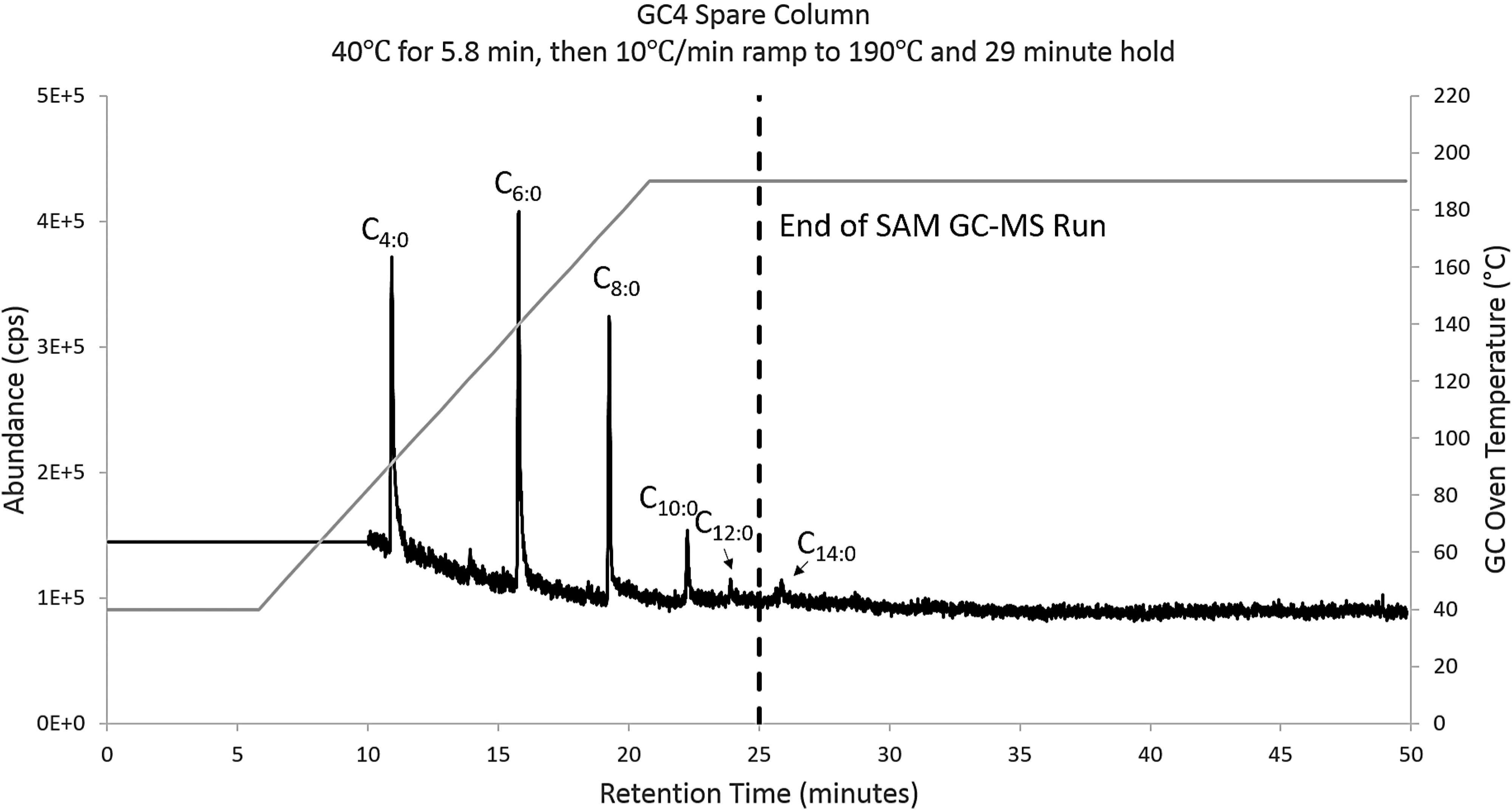
Total ion chromatogram of the Supelco 37 FAME standard analyzed on the SAM spare GC4 column. Analysis using a 5.8 min hold at 40°C and 10°C min−1 GC oven ramp. All the species after the 25 min of the SAM GC run cannot be detected under nominal operating conditions.
Other considerations for the
The ExoMars rover will carry the MOMA instrument, which is also capable of detecting organic molecules with derivitization and thermochemolysis py-GC-MS experiments. MOMA will be able to ramp the pyrolysis oven at >200°C min−1 (from thermal vacuum), achieving a much faster ramp than SAM and perhaps increasing the likelihood of detecting martian FAMEs, if present. Lessons learned from the operation of the wet chemistry experiments on SAM will be used to further optimize these experiments on MOMA.
5. Conclusions
This work represents the first analyses of a suite of Mars-analog samples using the TMAH experiment under select SAM-like conditions. The following experiment parameters were explored: sample exposure time to TMAH, TMAH reactions with MTBSTFA, and loss of the TMAH solvent methanol prior to sample pyrolysis. Samples may be exposed to TMAH and left to react in the SAM oven for up to 92 h and still yield detectable FAMEs when pyrolyzed. The MTBSTFA vapor known to be present in the SAM SMS will likely react somewhat with the
Results from analog sample analyses demonstrated that fatty acids are readily methylated by TMAH to FAMEs and made detectable via py-GC-MS using a SAM-like pyrolysis ramp. Analog samples included iron oxyhydroxides/-oxyhydroxysulfates, mixed iron oxide/oxyhydroxides and clay minerals, iron sulfides, siliceous sinter, carbonates, and shale. The TMAH experiments generally performed well under SAM-like pyrolyzer ramp conditions when organics were present and/or preserved in high concentrations, present from modern systems, and/or more preserved in circumneutral mixed mineralogy environments, although the experiments were capable of detecting FAMEs in all samples tested, albeit with a lower abundance and variety of FAMEs. Analog samples were also tested with a flash pyrolysis method meant to reveal a more realistic representation of the organics loads in the analog samples. These flash pyrolysis experiments generated detectable FAMEs with a much higher abundance and greater variety of FAMEs, with results that were consistent with the SAM-like experiments.
Several unexpected results from the SAM-like and flash pyrolysis methods are applied to the continued optimization of the SAM thermochemolysis experiment. In the SAM-like 35°C min−1 pyrolysis ramp experiments, long-chain FAMEs, including the
The TMAH thermochemolysis experiment on SAM represents a unique opportunity to detect organic molecules bound in macromolecules on Mars. The py-GC-MS-generated FAME profile will be key to determining the genesis of fatty acids on Mars. The results from this study provide a framework for sample selection and experiment optimization for the SAM thermochemolysis experiments, as well as the development of the wet chemistry experiments on the ExoMars MOMA instrument.
Footnotes
Acknowledgments
Funding for the SAM GC was supported by the Centre National d'Etudes Spatiales and for the SAM Suite by the Science Mission Directorate of the National Aeronautics and Space Administration. Western Australian core samples were obtained through a drilling project funded by National Science Foundation EAR-0719822 grant to K.C.B. Iceland samples were obtained in part through funding by the Lewis and Clark Fund for Exploration and Field Research in Astrobiology to K.L.C. S.S.O.R. acknowledges support from the Marie Skłodowska-Curie Actions Programme and the Irish Research Council (ELEVATE Postdoctoral Fellowship ELEVATEPD/2014/47). The authors thank two anonymous reviewers and the extended SAM and Curiosity teams for helpful comments.
Author Disclosure Statement
No competing financial interests exist.
Abbreviations Used
References
Supplementary Material
Please find the following supplemental material available below.
For Open Access articles published under a Creative Commons License, all supplemental material carries the same license as the article it is associated with.
For non-Open Access articles published, all supplemental material carries a non-exclusive license, and permission requests for re-use of supplemental material or any part of supplemental material shall be sent directly to the copyright owner as specified in the copyright notice associated with the article.
