






Abstract
The linkage between herbal medicines and the sustainability of medical plants from which they are manufactured is increasingly being understood and receiving attention through international accords and trade labeling systems. However, little attention is paid to the fair trade aspects of this sector, including the issue of benefit-sharing agreements with traditional societies whose knowledge and resources are being exploited for commercial herbal medicine development and production.
This article examines the case of Prunus africana (Hook.f.) Kalkman, from equatorial Africa. While the conservation and cultivation dimension of the trade in P. africana has been much discussed in literature, no research appears to have focused on the traditional resource rights and related ethical dimensions of this trade in traditional medicine of Africa. Serving as a cautionary tale for the unbridled exploitation of medicinal plants, the history of P. africana extraction is considered here in the context of relevant treaties and agreements existing today. These include the Nagoya Protocol, a supplementary agreement to the Convention on Biological Diversity, the Trade-Related Aspects of Intellectual Property Rights agreement from the World Trade Organization, and two African regional frameworks: the Swakopmund Protocol and the Organisation Africaine de la Propriété Intellectuelle Initiative.
In the context of strengthening medicinal plant research in Africa, a novel international capacity-building project on traditional medicines for better public health in Africa will be discussed, illustrating how access and benefit sharing principles might be incorporated in future projects on traditional medicines.
Introduction
I
While the linkages between herbal medicines and the sustainability of medical plants from which they are manufactured is being understood and receiving attention through international accords and trade labeling systems, little attention is paid to the fair trade aspects of this sector, including the issue of benefit sharing agreements with traditional societies whose knowledge and resources are being exploited for commercial herbal medicine development and production. 5 –10 In this article, the term “sustainable” is used according to the definition of the Convention of Biological Diversity (1992), Article 2, which defines the term as “the use of components of biological diversity in a way and at a rate that does not lead to the long-term decline of biological diversity, thereby maintaining the potential to meet the needs and aspirations of present and future generations”. 11 The commercialization of medicinal plants needs to account for the limits of the resource to ensure the sustainable, that is to say the long-term and continued, harvesting of species.
To face the challenges associated with sustainable harvesting of medicinal species and the protection of human health, national and international policies have been created relating to safe and appropriate development of traditional medicine as well as preventing misuse of genetic resources and associated traditional knowledge in international markets. The African plant species Prunus africana (Hook.f.) Kalkman makes for an interesting and important historical case study. This is due to its popularity in the European pharmaceutical market, the lack of access and benefit sharing arrangements that have characterized its exploitation by European companies, and its susceptibility to overharvesting as a habitat-specific, slowly maturing and destructively harvested species. 12,13
P. africana is a secondary forest canopy tree species that has been declining over much of its geographic range in sub-Saharan Africa. Farming, slash-and-burn agriculture, and habitat loss have long been primary causes of Afromontane deforestation, all of which threaten the survival of P. africana. 14 However, the fundamental threat to the species P. africana has been large-scale unsustainable harvesting in Afromontane forests for international trade, resulting in ecologic damage of the environment in general. 15,16 International attention on Prunus harvesting methods (Fig. 1) has been focused on Cameroon as nearly 70% of the world's supply comes mainly from the slopes of Mount Cameroon. 14,17 The European pharmaceutical market has driven demand for the bark of P. africana, causing an equally devastating impact on Prunus stocks in other African countries.
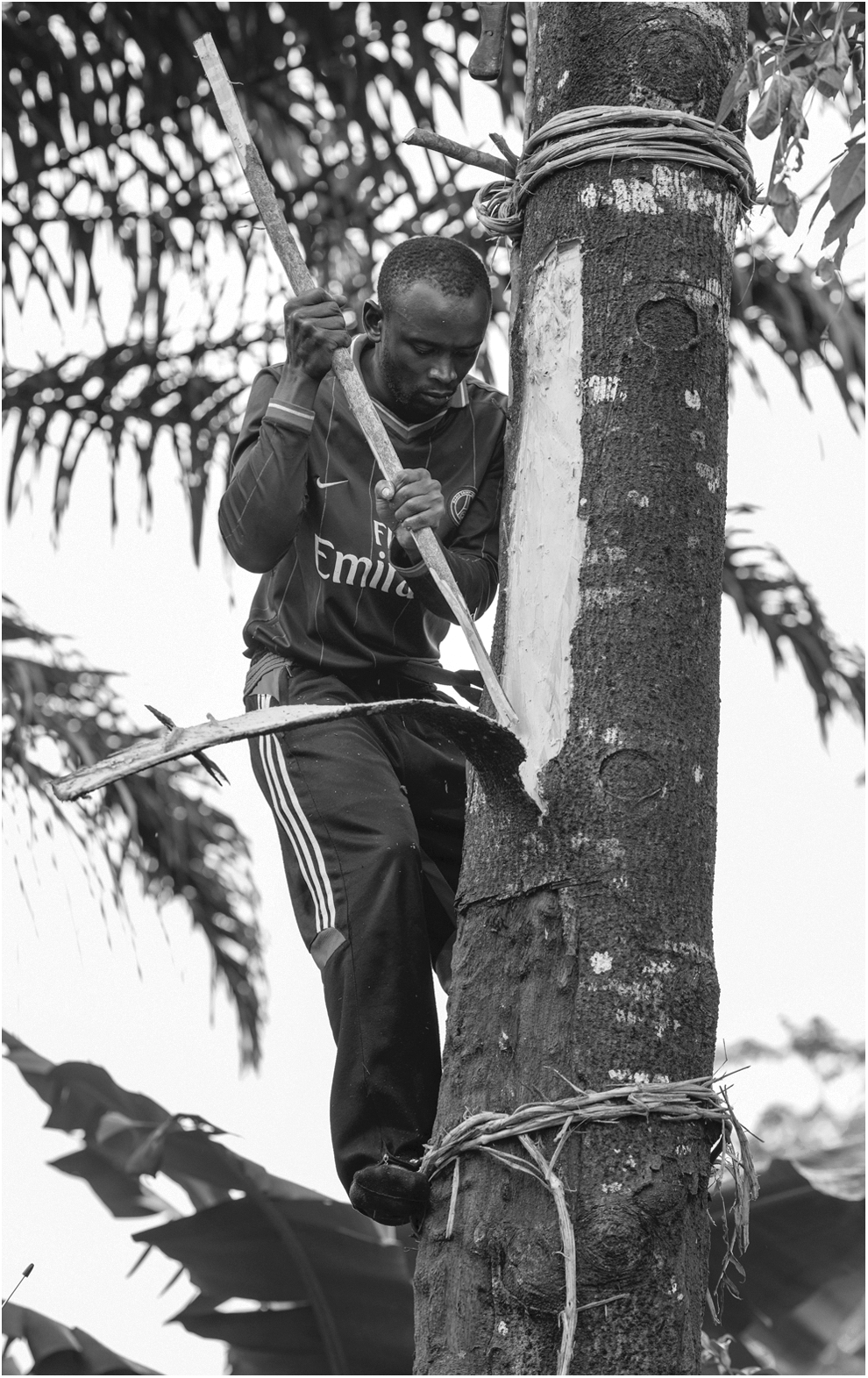
Prunus africana harvest. Source: Getty Images. Photographer: T. Imo (Phototek).
The trade in P. africana bark extract for the treatment of benign prostatic hyperplasia (BPH) had led to a very lucrative international market worth approximately US$220 million in the late 1990s. 17 To satisfy this demand, over 3300 tons of bark were collected annually, leading to concerns of the long-term sustainability of harvesting and the conservation of the species. 17 As a method of regulating trade and preventing destruction of wild populations, P. africana was included in Appendix II of the Convention on International Trade in Endangered Species (CITES) of Wild Flora and Fauna at the Ninth CITES Conference of the Parties in 1995.
P. africana has been discussed extensively in literature with reference to its plant ecology and genetic diversity, 18 –22 traditional uses, 14,23,24 chemical constituents in relation to treating BPH, 25 –28 exploitation and conservation strategies 14,17,29 –36 and policy and regulation aspects of trade. 15,37 Despite the extensive literature, less attention was paid to the legal aspects of trade, which started in a legal vacuum in the early 1970s, until 1992, when the first international agreement on the conservation of nature, the Convention on Biological Diversity (CBD), was signed. The ongoing global harvest of medicinal species for national and international markets was an important factor in developing legal frameworks that address ownership of traditional knowledge and access and benefit sharing principles.
Of importance to this article is how the overexploitation of P. africana has occurred in the absence of legally binding treaties, the historic neglect of customary ownership issues, the disregard for the rights of traditional knowledge holders, and the complicity of governments in allowing unsustainable trade, attributed by some commentators to endemic corruption within the concerned governments. 38,39
When commercial harvesting of Prunus bark took place from the 1960s to the 1990s, no existing forestry laws, permits, or harvesting controls made reference to intellectual property rights, and over-exploitation occurred without just compensation for communities' traditional knowledge. Although legal conservation agreements are now established, no intellectual property rights agreements pertaining to the use of P. africana for BPH have been put in place. This stands as an important cautionary tale for the importance of a comprehensive regulatory and ethical framework to be in place for the exploitation of commercially viable species. Much has changed at the legal level since the commercialization of P. africana took place. To illustrate this, this article builds on a case study developed as part of an international project, the Multidisciplinary University Traditional Health Initiative (MUTHI), in which the current regulatory framework and training in ethnopharmacologic research aspects will be discussed as an example of strengthening plant research capacity in Africa. 40
Ecology and Distribution
P. africana (synonym Pygeum africanum [Hook.f.]) belongs to the Rosaceae family. P. africana is a widespread evergreen tree, growing at an altitude of 1500–2000 m, usually 10–25 m high with alternate leaves, a straight cylindrical trunk, a dense rounded crown, and small white or cream fragrant flowers. Prunus provides habitat and food for endemic birds; rare primates; insects; and nonvascular canopy epiphytes, such as orchids, ferns, and mosses. 31 The single seed-bearing fruit is eaten and spread by local fauna over tropical and subtropical parts of Africa 14,24,29,31,41 but is most abundant in Cameroon and Madagascar, where montane forests occupy large areas. 42 Within the Prunus genus, P. africana and P. crassifolia (Hauman) Kalkm. are the only wild species occurring in Africa. Other known Prunus species are plums (P. domestica L.), cherries (P. avium L.), peaches (P. persica L.), almonds (P. dulcis [Mill.]), and apricots (P. armeniaca L.). 14 All of them are commercially interesting species.
Traditional Uses
Many publications refer to the medicinal value of P. africana to treat fevers, gonorrhea, stomach pain, chest pain, kidney disease, urinary symptoms, and malaria, as well as for arrow poison and as a purgative for cattle. 23,42,43 Stewart 24 illustrated many other ailments treated with Prunus in Uganda and described its anti-inflammatory and analgesic properties. P. africana is known by many different vernacular names throughout sub-Saharan Africa, 24,44 which reveal interesting information on traditional uses. For example, in the Fulani language it is referred to as dalehi, meaning “plant that has many uses,” a correct assessment of P. africana, one of the most important tree species worldwide for subsistence and international trade.
Pharmacologic Research
In the mid-1960s, the bark of P. africana was discovered to have pharmacologic properties beneficial to the management of BPH and was patented for this purpose. 45 BPH, a noncancerous enlargement of the prostate that causes discomfort in older men, is present in more than 50% of men older than age 60 years; 15%–30% of these men report lower urinary tract symptoms. 46 Symptoms of men with BPH include all or some of the following; weak urinary stream, urinary hesitancy, nocturia, incontinence, and recurrent urinary tract infections. 47 Because of high costs and adverse effects resulting from surgery and pharmacologic drugs, many patients use alternative phytotherapeutic treatments based on P. africana extracts (e.g., tadenan, bidrolar, and Pygenil). 17,48,49
The effectiveness and safety of the bark extract in BPH treatment have been confirmed in multicenter trials 50 and clinical trials 46,51,52,53 and has been discussed in many systematic reviews. 28,54,55,56 However, many scientists argue that no conclusions can be made that P. africana extracts prevent long-term complications from BPH. 48,57,58
So far, few companies have taken up the challenge to conduct randomized, double-blind, placebo-controlled studies because of high costs that are difficult to recoup because natural products cannot be patented as inventions. 48 More research is needed, preferably on the African continent itself. Despite the absence of hard scientific evidence on the long-term aspect of phytotherapy in the treatment of BPH, P. africana and other therapeutic elements have been widely used since the 1970s, contributing to ongoing exploitation.
Exploitation
The discovery of the medicinal properties of Prunus bark initiated a decades' long harvest for international market needs, in which Cameroon supplied over half, followed by Madagascar, the Democratic Republic of the Congo (DRC), Kenya, Uganda, and Equatorial Guinea. 17,30 In the early 1970s, Cameroon's traditional small-scale harvesting for medicinal purposes shifted to large-scale exploitation when Plantecam Medicam, a subsidiary of the French company Laboratoires Debat, obtained a monopoly for commercial exploitation and trade in P. africana bark and bark extract until 1986. 14,15,37 From 1976 until 1996, Plantecam received yearly permits to exploit over 500 tons. 15,34 Initially, Plantecam Medicam, the company founded by J. Debat, who patented P. africana for use in the treatment of BPH, established a harvesting system based on only partial debarking the trees. This was to prevent full debarking, which would lead to tree death. After 5 years, however, Cameroon's forestry department ended the company's monopoly. Subsequently, 50 new licenses were awarded to local organizations to harvest bark. The previous tight control over harvesting practices was thus lost. Multiple stakeholders harvested the bark and sold it to the companies concerned, who continued to buy Prunus bark, despite the rapid spread of destructive harvesting practices.
By 1993, a UNESCO report noted that: “Despite assurances from the two major companies involved in the harvest and processing of Prunus africana bark, considerable concern has been expressed by rural communities, traditional healers and government departments in East and Central Africa about the sustainability of this international trade.” 14 Similar concern was also expressed by the Worldwide Fund for Nature and the International Council for Birdlife Preservation.
In 1994, there was an outbreak of illegal exploitation on Mount Cameroon, fueled by unauthorized buyers who had exhausted Prunus stocks in other parts of the country. 17,59 Buyers encouraged villagers to harvest for them, offering greater rewards than before, but substantially less than Plantecam offered legal suppliers. By 1995, Prunus harvesting was destructive and uncontrolled and had become a major source of cash income for local young men and their households. 17,59 Trees were felled or totally stripped by villagers to supply bark to illegal buyers, negatively affecting the surrounding ecosystem. Fashing 41 reported that 68% of the exploited trees were dead or experiencing canopy dieback. The large-scale bark exploitation caused severe damage to the P. africana population and led to concerns of the long-term sustainability of harvesting and conservation of this species. Since Plantecam's closure in 2000, companies such as AFRIMED, SGPA, and CEXPRO have taken over the exploitation and trade in P. africana in Cameroon. 44 Approximately 20 different European companies are involved in the production and sale of herbal preparations containing P. africana. 17 The most important European companies that have worked with P. africana bark extracts for medicinal purposes are Laboratoires Debat (France) and its subsidiary Plantecam Medicam, Madaus (Germany and Spain), Prosynthese (France), and Inverni della Beffa and Indena Spa (Italy). The latter imports bark extract from Madagascar while the other European companies import processed or unprocessed bark from Cameroon, Kenya, Uganda, and the DRC. 14 Products are sold as tablets or capsules known by various names such as Tadenan by Laboratoires Debat and Pygenil by Indena Spa; as herbal teas to treat BPH; and as 1-day formulas containing a blend of vitamins, minerals, nutrients, and herbs, such as P. africana. The long-term sustainability of the species was of concern because of the sheer quantity of bark that was harvested yearly to supply the European market, valued at over 200,000,000 million in the late 1990s. 17 Although the need for alternative sources of bark harvesting has been recommended, 14,17 collection does still take place from wild populations of P. africana. Since the year 2000, bark from wild P. africana has been exported for commercial purposes from Burundi, the DRC, Congo, Cameroon, Equatorial Guinea, Kenya, Madagascar, Tanzania, Uganda, and South Africa. In Cameroon, mean bark yield has been estimated at 55 kg per tree with variations in yields of 38–73.8 kg. 14 From 1 ton dry weight (2 tons fresh weight of bark), 5 kg of extract are produced. 17 A search selection in the CITES trade database showed that a total of 7,604,040 kg of P. africana bark (gross output) has been harvested for commercial use in the period 2000–2011 from Cameroon, which had been collected from approximately 138,255 trees. 60 Although this number does not offer a complete picture (because no data are available for 2008 and 2010 for Cameroon), it provides a rough indication of the amount of P. africana harvested in the last decade, affecting wild populations.
The destructive exploitation of P. africana until the late 1990s also had consequences for wildlife, 41 forest habitat, and genetic resource conservation, as well as for local communities that depend on this valuable and increasingly scarce resource. 14
The main reasons for P. africana overharvesting are poverty, corruption, poor regulation from the EU side, and lack of enforcement from the African side. Poverty and corruption on the supply side are major factors leading to resource depletion. By employing harvesters from areas (Western Province) other than Mount Cameroon, Plantecam deprived local communities of income from legal Prunus bark collection for commercial purposes leading to illegal harvesting activities overnight, felling trees to maximize harvest, stealing products from harvesters employed by Plantecam, and selling products to middlemen who resold them to Plantecam at higher prices.
49
Kenyan conservationist and Nobel laureate Wangari Mathaai has commented on the subject of Prunus overharvesting: It is those educated foresters. It is the ministers in government. It is the government personnel who are charged with the responsibility of protecting these resources. So, if they become corrupt and allow themselves to be persuaded by the agents, then of course, as a country, we are losing. You are talking about a country where 56 percent of the people are poor. If you show them a few thousand shillings and you tell them to go into the forest and cut a muiri tree [Prunus africana], and the forester is willing to share the loot, it is very, very difficult to convince such a person that the tree is so valuable that one day, it could be turned into an extremely valuable drug and therefore, he should not cut it. It is very, very difficult. That is why we say poverty is both a cause and reason for environmental destruction.
39
On the demand side, EU regulators lack control in requiring evidence by European importers of traceability and sustainability in the use of natural products from other countries. Eventually, this was addressed by invoking a global regime—CITES—when it was clear that no European oversight or control was in place. 17 On the supply side, there was no enforcement of existing African Union policy relating to the 1998 OAU Model Law on access and benefit sharing principles when traditional knowledge and traditional resources are used for medicinal development. 61
Conservation Policy
Conservation studies and trade assessments conducted mainly during the 1990s 11,14,17 led to many conservation measures. To protect the wild populations cultivation programs started (Fig. 2), which included new enrichment plantings, plantations, and small-scale farm production, the protection of genetic resources by in situ and ex situ conservation practices and formulating new regulations. 23
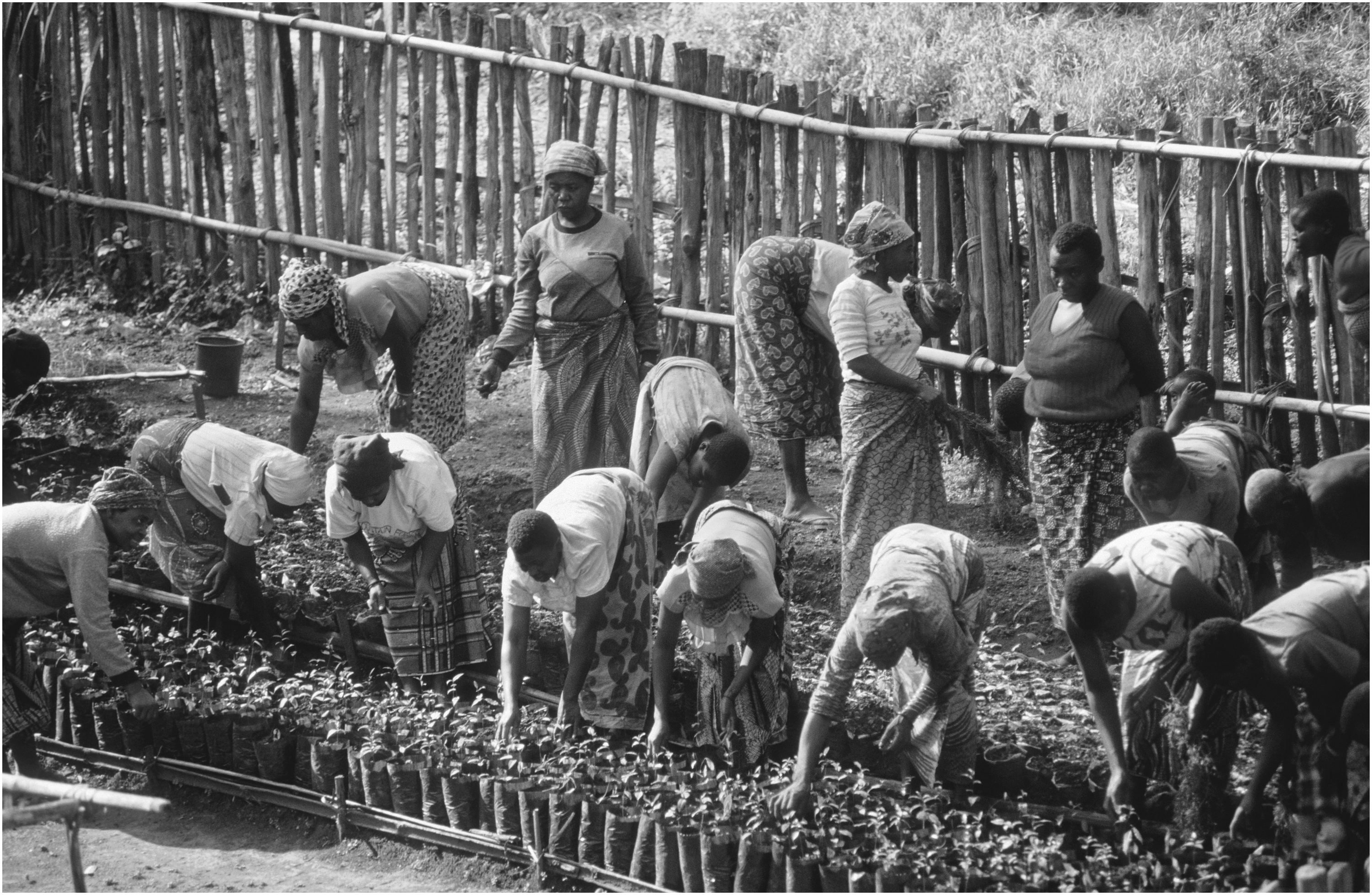
Prunus africana cultivation. Source: Getty Images. Photographer unknown (Universal Images Group).
As previously discussed, in 1995 Prunus was listed as an endangered species in Appendix II of CITES. Appendix II species are not directly threatened with extinction but may be if trade is unregulated. Therefore, each member state of the Convention must designate a Management Authority responsible for issuing permits and compiling annual reports on their international trade in specimens of CITES-listed species. Exporting countries have to issue permits, and countries of import must check permits upon entry to regulate trade. 17 The Food and Agriculture Organization panel of experts on forest gene resources also recognized the importance of this species and listed P. africana as 1 of the 18 top-priority species for action in Africa. 62 To the authors' knowledge, this listing has not been updated since then. As an extra measure of protection, P. africana was listed in the Tree Conservation Database of the World Conservation Monitoring Centre. The Prunus genus has also been identified as one of the priority genera for in situ and ex situ conservation by the International Board for Plant Genetic Resources. 14 At the 12th CITES meeting in Leiden in 2002, P. africana was selected for a Significant Trade Review to identify problems and solutions in implementing the Convention. The Significant Trade Review should ensure that species do not decline because of international trade while they are listed in Appendix II. A negative review would result in transferring the species to Appendix I and prohibit commercial trade. At the 16th CITES meeting in Lima, Peru, in 2006, the Plants Committee categorized P. africana from Burundi, Cameroon, the DRC, Equatorial Guinea, Kenya, Madagascar, and the United Republic of Tanzania as “of urgent concern.” 63 The Plants Committee established a working group to guide the relevant range states on implementation of recommendations for this species. The Terms of Reference are described in the Plants Committee 16 summary record. 63
Even with these various levels of legislative protection, conservation efforts have varied across countries throughout Africa, as described in Bodeker et al. and summarized in Box 1. 64 –68 The species has been subject to international and regional agreements on traditional knowledge of plants and access and benefit sharing principles, as discussed in the following section. 64
Legal Frameworks for Traditional Knowledge and Intellectual Property Rights
There are two international legal frameworks of importance to the exploitation and development of traditional knowledge of medicinal plants in Africa: (1) the Convention on Biological Diversity (1993), with its subsidiary the Nagoya Protocol (2010) on access to genetic resources and the fair and equitable sharing of benefits arising from their use to the CBD, and (2) the 1995 Trade-Related Aspects of Intellectual Property Rights (TRIPS) agreement. There are two regional frameworks: the Agreement of February 24, 1999, revising the Bangui Agreement of March 2, 1977, on the creation of an African Intellectual Property Organization and the Swakopmund Protocol (2010).
The Convention on Biological Diversity
The CBD entered into force in 1993 to promote the conservation of biological diversity, the sustainable use of its components, and the fair and equitable sharing of benefits arising from the use of genetic resources. In 2010, the Nagoya Protocol was adopted to supplement the intellectual property rights sections of the CBD. This protocol is the latest attempt to develop an international instrument complementing other previous developed access and benefit sharing instruments. The protocol has yet to come into effect, but the principles have widely been accepted and to date, 92 parties have signed and 51 have ratified the protocol. 69 The United Nations (UN) CBD secretariat revealed in its July 14 press release that the Protocol will now enter into force on October 12, 2014, following its ratification by 51 parties to the CBD. “The entry into force of the Nagoya Protocol will provide greater legal certainty and transparency for both providers and users of genetic resources, creating a framework that promotes the use of genetic resources and associated traditional knowledge while strengthening the opportunities for fair and equitable sharing of benefits from their use. Hence, the Protocol will create new incentives to conserve biodiversity, sustainable use its components, and further enhance the contribution of biodiversity to sustainable development and human well-being.” 70
The TRIPS agreement
The TRIPS agreement came into force in 1995 and introduced minimum global standards for protecting and enforcing nearly all forms of intellectual property rights, including those for patents, but makes no reference to traditional knowledge. Contrary to the CBD position that customary ownership constitutes a form of intellectual property protection, TRIPS proposes that without patent protection, ownership does not exist. The TRIPS agreement requires countries to generate their own patent and intellectual property systems, known as sui generis systems, which are unenforceable outside their own patent domain; despite efforts to reconcile the CBD and TRIPS through the Doha round of trade talks, no definitive progress was made.
71
As of July 2012, there was no agreement on how best to frame sui generis systems, especially with respect to the following issues:
72
• Definition of traditional knowledge; • Owners and beneficiaries; • How to ensure benefit-sharing; • Objective of protection: preservation or commercialization; • Type, scope, and conditions of protection; • Nature of rights, acquisition, and enforcement' • Term of protection: permanent or not; and • Cultural/customary law dimension.
The Bangui agreement
The African Intellectual Property Organization (OAPI) was created in 1977 under the Bangui agreement to introduce a uniform law on intellectual property. The agreement entered into force in 1982 to ensure the protection of intellectual property rights in most African French-speaking countries. It acts as a common code of intellectual property as the principles and provisions of the agreement have the force of national laws in each OAPI member state. OAPI serves as the National Office of Industrial Property and the Central Agency for documentation and information regarding intellectual property in each member state. The Organization provides intellectual property training and participates in the development of policies for its member states. 73 The Bangui agreement was signed in 1977 and amended in 1999 into the Agreement of 24 February 1999 Revising the Bangui Agreement of 2 March 1977 on the creation of an African Intellectual Property Organization. This agreement entered into force on February 28, 2002, and was revised to comply with the TRIPS agreement. It is divided into 10 annexes that comprise various intellectual property rights and deals with categories that have not been dealt with under the 1977 Bangui agreement, such as protection of plant varieties (Annex X). The protection against unfair competition has been strengthened and dealt with in Annex VIII, including acts or practices divulging information without the consent of the owner or right holder. 74,75
There have been extensive conservation efforts by a range of national and international organizations and the planting of around 625 hectares with 1.5 million trees between 1976 and 2008 in western Cameroon. 65 Plantecam's harvesting license included a provision that held them responsible for establishing 5 hectares of Prunus plantations yearly, since the early 1990s, which the company failed to do. Although this contractually mandated replanting was not carried out, small-scale farmers took the initiative to cultivate the tree in hopes of benefiting from its various uses. Small-scale agroforestry may well be a more feasible plan for cultivating Prunus than large plantations in a region where land is scarce and politically disputed. 38 In response to growing conflicts among villagers and outside stakeholders, the Mount Cameroon Project (MCP) was created to facilitate a process of conflict management with regard to the harvesting and trading of P. africana. 66 The MCP focuses on developing partnerships between local communities, government, and business and aims to ensure improved, sustained benefits to local communities accruing from exploitation.
Cameroon was unable to fully meet the Lima requirements. In October 2007, the European Commission Scientific Research Group gave negative advice on the import of P. africana to European Union member states. 34 This trade ban lasted until December 2010.
Because of the political unrest present in this country, it has been difficult to assess the state of the species. As of 1997, it was reported that harvesting was occurring from the mountain range of the Kivu area and exported through Kinshasa or Kenya. 17 At its 45th meeting (Paris, France, June 19–22, 2001), the Standing Committee accepted a report of the Secretariat (SC45 Doc. 11.2) in which it described the continuing fraudulent use of export permits issued by the Management Authority of the Democratic Republic of the Congo. The Committee recommended that the Parties refuse any import of specimens of CITES-listed species from and any export or re-export of such specimens to the Democratic Republic of the Congo (CITES No. 2001/039). The recommendation to suspend trade with the Democratic Republic of the Congo was withdrawn in 2002 (CITES No. 2002/065). In 2004, The Scientific Review Group (SRG) suspended trade with the Democratic Republic of the Congo because of unsustainable harvesting, pending review of management practices. 34 Later the same year, after reviewing data from range states (Equatorial Guinea, Tanzania, Cameroon, and Madagascar) the SRG lifted the ban on imports from the DRC.
As of 1995, P. africana bark was harvested on privately owned forest land because exploitation in protected areas had been forbidden through its addition to Appendix II of CITES. 17 The CITES management authority for Kenya objected to the continued harvest without a Detriment Study and halted exploitation at the end of 2002. 23 As in other countries, there is a movement to create cultivation based Prunus production. 23
Sunderland and Tako 29 report that the 1997 Appendix to the 1995 Forestry Law of Equatorial Guinea refers to the sustainable management of P. africana, but a general lack of knowledge as to how to manage and exploit this species inhibits the potential for sustainability. Findings of Sunderland and Tako 29 show unsustainable exploitation of this species on the island of Bioko. In Notification to the Parties No. 2004/024 of April 2004, The Secretariat advises all Parties to suspend trade with Equatorial Guinea, which was withdrawn in June 2004 (No. 2004/047). Navarro-Cerrillo et al. (2008) reported a strong negative effect of harvesting practices on P. africana population structure and mortality after harvesting severely depleted the species. 67 Extraction in new areas and lack of recruitment and establishment of new seedlings might lead to the commercial extinction of the species in Bioko. As of Feb 3, 2009, Equatorial Guinea is subject to a recommendation to suspend trade. 67
In 1992, bark was harvested on a trial basis from the Kalinzu-Maranaganbo Forest and the Kasyoha-Kitomi Forest Reserve in western Uganda. Bark was transported to Mombasa, Kenya, where it was exported to France. However, the bark harvest was destructive and the sole exporter ceased operations in Uganda. 17 Prunus has been listed on Annex II of the European CITES endangered list in 1995. Currently, there are calls within Uganda for sustainable cultivation and harvesting by local cooperatives in forest sites within so-called multiple-use ecosystems, including Bwindi Impenetrable National Park, Mabira Forest, Kibale National Park, Kalinzu Forest Reserve, Kashoha, and Mount Elgon National Park. 68
The Swakopmund Protocol
A similar initiative was adopted in 2010, known as the Swakopmund Protocol on the Protection of Traditional Knowledge and Expressions of Folklore, which protects the rights of traditional knowledge holders and prevents misappropriation, misuse, and unlawful exploitation of expressions of folklore. The Swakopmund protocol was adopted within the Framework of the African Regional Intellectual Property Organization. 76 It is underpinned by the principle that the knowledge, technologies, biological resources, and cultural heritage of traditional and local communities are the result of tested practices of past generations and that these resources are held in trust by current custodians for future generations. 77 The protocol states an explicit intent to address the issue of Prior Informed Consent, which involves full transparency of information from the prospective user and acceptance of communities to use their traditional knowledge or expressions of folklore.
The legal vacuum of the 1960s and a lack of subsequent implementation of these international and regional regulations have resulted in continuing overexploitation of medicinal resources and traditional knowledge across the African continent, the most notable example being the over harvesting of P. africana in Cameroon for European markets to treat BPH.
Ethically, access and benefit sharing principles should have been in place before the 1960s exploitation of P. africana to ensure adequate compensation to traditional knowledge holders for sharing their knowledge. Legally, access and benefit sharing principles should have been in place from 1993 when the CBD was adopted establishing an international standard of equitable benefit sharing. These international and regional IPR frameworks are still very much in an evolutionary stage, despite more than two decades of debate and litigation. This grey area status, particularly with the divergent views of CBD and TRIPS as to ownership and protection of traditional knowledge, continues to affect the implementation of access and benefit sharing principles at national levels.
The management and protection of IPRs, traditional knowledge, access and benefit sharing, and plant genetic resources are still limited in many African countries because of the absence of enforceable national policies, even though most nations have signed the CBD. African leaders, through the New Partnership for Africa's Development (NEPAD), have acknowledged and stressed the importance of protecting and promoting traditional knowledge and technologies to solve specific problems and improve the continent's economies. The Southern Africa Network for Biosciences (SANBio) established under NEPAD has, as a specialized regional biosciences research and development network, been in the forefront of promoting the discussion to develop common approaches to intellectual property rights, technology transfer, and commercialization of innovations arising therefrom. Recently, SANBio/NEPAD developed new guidelines on traditional knowledge and plant genetic resources as a result of growing concerns of inadequate policies and laws in the Southern African Development Community member states on the use of traditional knowledge, biological resources, and benefit sharing. 78
These guidelines seek to facilitate the development and implementation of national policies and legislation for the protection and management of IPR, traditional knowledge and access and benefit sharing related to the use of PGR in southern Africa, aiming for sustainable utilization and management of biological diversity. The guidelines contribute to building capacity in the region, targeting the development of a national critical mass of experts through specialized short- and long-term programs, developing appropriate learning aids, introducing curriculum on intellectual property at secondary and tertiary levels and integrating traditional knowledge at national levels of training. 78 The SANBio/NEPAD guidelines also present a set of sample contracts. The application of these guidelines should ensure effective access and profitable commercialization for the benefit of communities. Until African countries have appropriate national legislation, the biodiversity of medicinal resources like P. africana remain at risk of overexploitation and traditional knowledge holders risk not receiving just compensation for the knowledge they have shared.
MUTHI Project
In the spirit of the SANBio/NEPAD emphasis on capacity building via a national critical mass of experts, MUTHI was established with European Union funding to build more sustainable plant research capacity and research networks between key institutions in selected African countries (Mali, South Africa, and Uganda) and a group of partner European research institutions to attain enhanced health in Africa. 40 Through the MUTHI project's 4-year capacity-building program, African researchers are trained in the necessary research skills to produce and commercialize safe and standardized improved traditional medicines. They are also trained in access and benefit sharing principles.
The MUTHI project commenced in January 2010 and has focused on six broad thematic areas: 1. Medical anthropology and ethnopharmacology. 2. Quality control of phytomedicines and nutraceuticals. 3. Investigative bioactivity and safety of phytomedicines and nutraceuticals, with the objectives of assessing the needs of African institutes and developing capabilities of researchers for: bioassays, data management, quality assurance, bioactivity evaluation, safety aspects and developing guidelines. 4. Identify researchers' needs for clinical and public health training and to build capacity of improved traditional medicine researchers on all aspects of the subject, including writing and data analysis. 5. Ethics and intellectual property rights, aiming to assess training and education requirements for stakeholders about intellectual property rights, biodiversity legislation and regulation, access and benefit sharing, and ethics of traditional medicine and research methods. 6. Project management. MUTHI represents but one of a range of herbal development strategies emerging across Africa where science and tradition work together to generate safe and effective contributions to the promotion of Africa's health.
This acknowledges the prior proprietary rights, interests, and cultural responsibilities for natural resources that indigenous peoples, traditional societies, and local communities have, along with the associated knowledge, intellectual property, and traditional resource rights.
This recognizes that indigenous peoples, traditional societies, and local communities have the right to self-determination, which must be respected by researchers and associated organizations throughout interactions.
This refers to the collective and individual inalienable rights of indigenous peoples, traditional societies, and local communities to determine the nature, scope, and alienability of the resource rights regimes on their traditional territories and over their natural resources.
This allows for the holistic interconnectedness of people with ecosystems and the responsibility of indigenous peoples, traditional societies, and local communities to act as traditional guardians of these ecosystems by maintaining their cultures, identities, languages, mythologies, spiritual beliefs, and customary laws and practices.
This recognizes the importance of indigenous peoples, traditional societies, and local communities to be involved at all research phases and the application of the results, including collaboration and prior review of results before dissemination.
This covers the entitlement of indigenous peoples, traditional societies, and local communities to have full understanding of the nature, scope, and ultimate purpose of the proposed research.
This occurs before any research is initiated at the collective and individual level, based on a continuously maintained relationship throughout the research process, using culturally appropriate tools, and includes clearly defined risks and benefits to the indigenous peoples, traditional societies, and local communities affected by the research.
This ensures that indigenous peoples, traditional societies, and local communities have the discretion to keep any aspect of their culture, identity, language, traditions, mythologies, spiritual beliefs, or genomics confidential and that this confidentiality is guaranteed by researchers and other potential users.
This promotes the respect by researchers for the integrity, morality, and spirituality of the culture, traditions, and relationships of indigenous peoples, traditional societies, and local communities.
This engages researchers in taking active measures to protect and enhance relationships of indigenous peoples, traditional societies, and local communities with their environment and maintain cultural and biological diversity.
This advocates for a proactive, anticipatory approach that aims to mitigate harm from research activities. The assessment of these potential risks must incorporate local viewpoints and avoid imposing foreign concepts or standards.
This aims for the mutual benefit and equitable sharing of both tangible and intangible results from the research with indigenous peoples, traditional societies, and local communities in a way that is culturally appropriate.
This supports the efforts of indigenous peoples, traditional societies, and local communities in pursuing and creating their own research that is grounded in local customs and epistemology through capacity building, training, and technology transfers.
This cautions against initiating projects unless there is ample reassurance that all stages can be completed and seen as cycles of continuous and ongoing communication and interaction throughout all research phases.
This implies that, alongside the mitigating actions to prevent harm, researchers will discuss and decide with indigenous peoples, traditional societies, and local communities on the remedial actions that will be taken should any adverse consequences result from the project.
This recognizes the importance of acknowledging indigenous peoples, traditional societies, and local communities in an appropriate way in all agreed forms of dissemination of results and downstream applications of resulting knowledge.
This calls for the researchers' understanding of the local context before initiating research relationships, including knowledge of and compliance with local governance systems, cultural laws and protocols, social customs and etiquette.
Source: Adapted from the International Society of Ethnobiology Code of Ethics. 79
The gold standard referenced by the intellectual property rights work package in the MUTHI project is the Code of Ethics, which has its origins in the Declaration of Belém, agreed upon in 1988 at the founding of the International Society of Ethnobiology, initiated in 1996 and completed in 2006. The fundamental value underlying the Code of Ethics is continual willingness to evaluate one's own understandings, actions, and responsibilities to others, known as the concept of mindfulness. It acknowledges that biological and cultural harms have resulted from research undertaken without the consent of Indigenous peoples and affirms the commitment of the International Society of Ethnobiology to work collaboratively in ways that support community-driven development of Indigenous peoples' cultures and languages; acknowledge Indigenous cultural and intellectual property rights; protect the inextricable linkages between cultural, linguistic and biological diversity, and contribute to positive, beneficial, and harmonious relationships in the field of ethnobiology. The 17 principles of the International Society of Ethnobiology Code of Ethics that the MUTHI project based its framework on are outlined in Box 2. 79
Contrary to other frameworks, the International Society of Ethnobiology Code of Ethics addresses the rights of the individual and the community, whereas existing international and regional legal frameworks focus on the rights of communities and nation states and do not specifically address the rights of individual knowledge holders. By integrating this framework into future research on herbal medicine in Africa, there is hope for better conservation and harvesting practices in a developing region that relies heavily on plant based medicine.
Discussion
Sub-Saharan Africa's 2012–2013 growth rate of 5% positions the region as an emerging hub of global growth. World Bank data indicate that almost half of Africa's countries have attained middle-income status. 80 Accompanying this is a rising commitment to develop the African traditional medicine as part of integrated healthcare in Africa, including the production of a new class of standardized African herbal medicines. 81 As companies and researchers move in this direction, key legal parameters will need to be observed and enforced. In this context, the case of P. africana stands as stark testimony to the consequences of a failure of ethics and enforcement in the development of Africa's medicinal plants and the traditional knowledge of their use for human health.
The European Parliament, on of March 11, 2014, adopted new rules on access to genetic resources and the fair and equitable sharing of benefits resulting from their utilization (also known as access and benefit sharing) in the European Union. It also granted consent for the European Union to be legally bound by the Nagoya Protocol on access and benefit sharing. This means that from the demand side, European countries will be legally required to ensure appropriate sharing of benefits arising from the use of genetic resources, thus contributing to the conservation and sustainable use of biodiversity.
On the supply side, industry proponents understandably call for a solution that promotes conservation and farming of P. africana, while keeping rates of production at current or increased levels. A Norwegian report on the access and benefit sharing aspects of P. africana has argued that the domestication of P. africana is the most obvious way to proceed to develop sustainable production of the bark which also does not endanger wild stocks. 44 Indeed, between 1976 and 2007, over 1,610,000 P. africana trees have been planted across montane regions of Cameroon. 82 Regeneration of Prunus stocks is also important, as is preservation of genetic diversity, which has been found important in ensuring highest quality of actives needed for BPH management. 44
Although plantation development and efforts towards species regeneration are constructive, the expanding BPH natural products sub-sector would benefit from shifting its focus away from this slow growing species towards a diversity of other medicinal plants that have beneficial effects on BPH.
For example, Morocco's argan oil from the North African tree Argania spinosa (L.) Skeels (Sapotaceae), 83,84 the kernels of the Brazilian native palm tree Attalea speciosa Mart. (Arecaceae) (synonym Orbignya speciosa [Mart.] Barb. Rodr.), 85 Ganoderma lucidum Fr. Krast (Ganodermataceae), 86 and other edible and medicinal mushrooms, Ayurvedic herbal mixtures, 87 or Traditional Chinese Medicine (Vaccaria, Plantago Formula, Rehmannia Eight Formula) 88,89 and other herbs. 90 Despite the popularity of saw palmetto for managing BPH in the United States and Europe, this plant has been found in an important recent study to have no beneficial effect on BPH. 91
For international consumers, then, P. africana products are clearly not the only therapeutic option for plant-based approaches to managing BPH. Preserving Africa's endangered medicinal trees while cultivating other, more readily renewable African medicinal plants for common ailments would seem to be a logical shift in industry focus as Africa moves to develop traditional medicine along scientific, ethical, and sustainable lines.
Footnotes
Acknowledgments
This project was funded by the European Union Research Directorate through the MUTHI project, FP7 grant agreement no: 266005.
Author Disclosure Statement
No competing financial interests exist.