



Abstract
This manuscript is one of two written to celebrate the 25th Anniversary of the American College of Toxicology (ACT). This history of ACT describes its evolution from an entrepreneurial, risk taking model to a conservative business model, fully accepted in the scientific community. ACT started with a small group of scientists who were dissatisfied with the relatively narrow approach to full membership then taken by the Society of Toxicology (SOT). They were excited by new research and collaborative opportunities resulting from an enhanced public awareness of the impact of chemicals on the environment and emerging new methodologies to evaluate human risks of exposure to be chemicals and pharmaceuticals. These toxicologists, many of whom were from industry and government, rather than academia, were tired of being considered socond class citizens and envisioned more open and cross-disciplined approaches. They favored balanced input by academia, industry and government in the overall toxicologic evaluation and risk assessment process. The history of the founding and early development of ACT, as well as the College’s growth and eventual acceptance into the scientific community, including its impact on the status quo during the Society’s first 25 years, are told by its successive presidents.
As a founding member of the Society and Founding Editor of the Journal of the American College of Toxicology (JACT), I was invited to perform the daunting task of recording our history. I accepted this task because I had long considered documenting our history from the many notes and meeting pieces I had stored and now had a reason to get busy on the project. Thus, this history is provided with apologies to all who have been inadvertently omitted, misquoted, or incorrectly identified. A compilation of all officers, early minutes supporting some of the information provided in this manuscript, and some other organizational information I have gathered, as well as a list regarding our meetings, compiled by Dr. John A. Thomas, will be available for review at our annual meeting.
ACT membership and activity have been and continue to be an integral part of my career, for, without this Society, my career path and development would have been far different. Participation in the multiple facets of ACT allowed me to meet and work with so many prestigious members of the field of toxicology, trained me in how to develop and participate in meetings, councils and wide-reaching programs, provided me with information necessary to advance in the field, and allowed me to learn and share scientific information relevant to our field.
Although this history presents personal remembrances contributed by most of our former Presidents, it must be recognized as biased by the writer, who is truly grateful to ACT’s other founders, who allowed me, a young woman working as a teratologist/toxicologist in industry, to participate in ACT’s development. It is my hope that this history supplies a useful, and perhaps, inspirational, narrative for young persons considering entry into this now highly established and regulated field. It is envisioned that our history will also demonstrate the impact of time, place and perspective, as well as the possibility of individual influence, on the development of our Society and field.
This history celebrates our 25th year and documents some of the significant activities of the College, which has provided so much stimulation to the field of toxicology. Although other societies are larger, and sometimes considered more prestigious, ACT is unique because it has always integrated academia, industry, and government. Its initial focus was on environmental concerns and strongly influenced by the need for research and education regarding environmental toxicants. Meetings traditionally were comprised of multiple symposia, which were published in the official journal of the Society, The Journal of the American College of Toxicology. Because of the growing need for toxicologists when the College was founded, it strongly supported training sessions. It was the first of the toxicology societies to offer training sessions for new scientists, in addition to symposia intended for education of practicing toxicologists.
Our Society also was first to recognize scientists from several affiliated fields as appropriate for full membership, and to form alliances with sister societies. For example, we were the first to accept Quality Assurance professionals as full members and to provide education in Quality Assurance as part of our official programs. We also were the first to hold joint symposia with the Society for Risk Assessment. A great influence on our development was our interaction with the Teratology Society, with whom we not only presented symposia and courses, but also shared administrators for several years.
Student support and recruitment played a large role in our development, with travel fellowships both given and received. In contrast to the predominately white male–dominated professional organizations existing at the time of our founding, ACT always recognized women and people of other backgrounds and races, many of whom rapidly gained recognition through leadership positions in the Society. The relatively small size of our organization, in combination with its diverse membership, made it ideal for sharing information and networking with others.
OUR BEGINNINGS
In the beginning, toxicology was ruled by academia. Individuals working in industry were not easily accepted into professional societies, such as the Society of Toxicology and Teratology Society. Some scientists, usually pathologists or toxicologists working in the pharmaceutical industry, were accepted, but these individuals had exceptional credentials and experience. Toxicology, as such, was restricted to the pharmaceutical industry. The Environmental Protection Agency (EPA) was in its infancy, Good Laboratory Practices, “Regulatory Guidelines” for study conduct, and needs for certification did not exist. Although the concept of sharing of information across groups existed, such seldom occurred. Academicians lived in ivory towers. Industry was perceived to wear a black hat on a rather dull head, and regulators were viewed by both groups with distain. Consultants were few in number and consistently academicians. Into this environment came Love Canal, methyl mercury, and other environmental concerns, such as lead, arsenic, and dioxin, the need for risk assessment, and recognition that there were few toxicologists available to work on these problems.
OUR PRESIDENTS
When enclosed in quotation marks, the information below was provided by the President noted. Little editing was done, in order to preserve the style and information presented. The individual’s affiliation at the time they served was included to demonstrate the diversity of our Presidents’ backgrounds. The list of officers provided below was developed on the basis of College letterhead, minutes, and information in JACT. If the years and order are referenced differently in some of the early Presidents’ comments, such must be forgiven, for many of us served on so many committees and so long on Council that minor memory lapses are expected. Although some Presidents submitted photographs, many are from my own collection.
1979—Myron Mehlman, PhD, Fellow, ATS (Honorary Member), Founding President
1980—Irving J. Selikoff, PhD
1981—Ronald W. Hart, PhD, Fellow, ATS
1982—Eula Bingham, PhD (term filled by Dr. Hart)
1983—Roy E. Albert, PhD
1984—W. Gary Flamm, PhD, Fellow, ATS
1985—Arthur Furst, PhD, ScD, Fellow, ATS (Honorary Member)
1986—Marshall Steinberg, PhD, DABT, Fellow, ATS
1987—Gordon W. Newell, PhD, Fellow, ATS
1988—Robert M. Diener, DVM, Fellow, ATS
1989—Richard M. Hoar, PhD
1990—Carol M. Henry, PhD, DABT
1991—Shayne Gad, PhD, DABT, Fellow, ATS
1992—Mildred S. Christian, PhD, Fellow, ATS
1993—Karen M. MacKenzie, PhD
1994—Richard D. Thomas, PhD, DABT
1995—Sharon Northup, PhD
1996—Sidney Green, PhD, Fellow, ATS
1997—John A. Thomas, PhD, Fellow, ATS
1998—Christopher P. Chengelis, PhD
1999—David W. Hobson, PhD, DABT
2000—Merrill R. Osheroff, PhD, DABT
2001—Suzanne C. Fitzpatrick, PhD, DABT
2002—Robert E. Osterberg, PhD, ATS, Fellow, ATS
2003—John E. Atkinson, PhD, DABT
1979—Myron Mehlman, PhD, Fellow, ATS, Founder; Affiliation: Mobil Oil (see Figure 1)
The following are my memories, not Dr. Mehlman’s. They show how brave Dr. Mehlman was in allowing a quite young person to contribute to ACT.
During Dr. Mehlman’s term as President, he and Dr. Scherr formed our first journal, The Journal of Environmental Toxicology and Pathology. We held our first annual meeting, first international meeting, and first training session. Innovative as always, Dr. Mehlman accepted my verbal suggestion to provide a symposium on developmental toxicology (the field had been omitted in the first meeting plan, which had a registration fee of $30). This was my first attempt at providing a full session to any scientific meeting. As we were not a very formalized society at that time, it was accepted that everyone would do their job. I simply sent in the names and presentation titles, and we all showed up at the meeting and presented (of course we were personally responsible for our slide shows, something that continued for many years). How wonderful it was to not have to fill out so many forms! After the meeting, the Society’s debt was down to approximately $5000, a debt that reflected organizational and meeting expenses. I guess our session was considered appropriate, because Dr. Mehlman then asked me to organize ACT’s first course, the American College of Toxicology, Workshop on Reproductive Toxicology, held in Washington, DC, October 23, 1980. This was a very hot subject, because the Environmental Protection Agency (EPA) was then in the process of developing its first guidelines, a process chaired by E. Marshall Johnson, PhD, my mentor, with the reproductive toxicology sections run by Richard M. Hoar, PhD, a member of my PhD board. Everyone contributed their efforts to the course (including their travel expenses), and the result was that the Society was brought into the black (we raised $10,000). Dr. Mehlman convinced Wayne Gailbraith and Peter Voytek to allow me to edit the results of the EPA workshop. This book, Assessment of Reproductive and Teratogenic Hazards, volume III, which is one of a series published in 1983 by Dr. Mehlman as Editor-in-Chief, documented the first EPA Consensus Workshop.
Arthur Furst and Myron Mehlman were made Honorary Members in recognition of their contributions to the Society.
Dr. Mehlman has not attended our meetings since his honorary membership was awarded. However, he continues to be active in the field of environmental toxicology, and in 2002, he received the Ramazzini award (see Figure 1), in recognition of his devotion to the Collegium Ramazzini (Bernardino Ramazzini founded the science of Occupational Medicine in the 17th century; Dr. Mehlman helped to found the Collegium Ramazzini with Professor Cesare Maltoni).
1980—Irving Selikoff, PhD; Affiliation: Mount Sinai School of Medicine, City of New York University
Dr. Selikoff is now deceased. Perhaps his greatest contribution to ACT was to bring it a prestigious second President. The only memory I have about him as President is a Council meeting in his office at the university. During that meeting, his secretary interrupted us at least three times to request him to take a telephone call from the President (it was Mr. Reagan, the President of the United States). We were never told what was being discussed, but we were made certain that the discussion was important.
The following quote is from a 26 June 1980 letter from Dr. Joseph F. Borzelleca, President-Elect, and chairman of the Task Force on Professional Standards, to Council and identifies the beginnings of what ultimately became the Academy of Toxicological Sciences.
“The rapid development of the science of Toxicology has prompted the need to assure uniformly high standards in the understanding and interpretation of toxicity data developed for the protection of public health. The identification of qualified individuals meeting these high standards is of prime importance. Recognizing this, the President, Dr. Selikoff, has made it one of the highest priorities of the American College of Toxicology. A Task Force was established (roster attached) to address this issue.”
Members of this Task Force are identified below.
Dr. Joseph F. Borzelleca
Dr. Robert P. Giovacchini
Dr. Joseph V. Rodericks
Dr. Sorell L. Schwartz
Dr. Christopher O. Schonwalder
Dr. Robert Tardiff
1981—Ronald W. Hart, PhD, Fellow, ATS; Affiliation: National Center for Toxicological Research (NCTR)
Ronald Wilson Hart was the first President to submit a report. The first of the “young men of toxicology” (the ones who always look for mechanisms), Dr. Hart, as Vice President, served as President during Dr. Bingham’s second appointed term of office. Unfortunately, Dr. Bingham was able to only attend her first ACT Council meeting (it was during this time that we obtained the office in Bethesda, obtained the services of Alexandra Ventura, see Figure 2, and began meeting four times per year). In my first term as Editor-in-Chief, I always sat at the right hand of Dr. Hart, seeing that he had sufficient food available (he had not yet invented the concept of restricted food intake). Although Dr. Hart has always been bold and bombastic in his approach, his youth and exuberance as he entered the field of toxicology and his becoming the Director of NCTR and a Presidential advisor display a bit of the flavor and fun that the early members experienced as the Society formed and grew.
“As the new director of the National Center for Toxicological Research (NCTR), I had just a few months earlier been (by the divine intervention of government) made a toxicologist. Prior to this time I had existed on a lower plane of existence known as molecular biology in the far-off land of pure academia. This transformation, as with all such divine interventions, must have truly been complete and total since the angels of toxicology (lead by a seraph with flaming red hair who peeled grapes with the ease of a teratologist) convinced me that now it was my duty to take up the Horn of Gabriel and sound the trumpet of knowledge and lead the broader community of toxicology forward. They assured me that one of the great leaders in toxicology would help train me in my duties, so not to fear. Unfortunately she never appeared, and I found myself in a somewhat uncertain position of President of the College for a two year period. This appears to have worked so well that a Washington office for the College was created and Alexandra Ventura hired to help carry out its activities. After two short years those who had caused my transformation from that of a humble molecular biologist into a toxicologist called upon me to serve the President of the United States and make all sorts of proclamations on issues ranging from formaldehyde to Agent Orange to color and food additives to silicon implants and condoms. Now as a toxicologist who may have flown too close to the sun, I relax in my chair and read again molecular biology, history and economics.”
1982—Eula Bingham, PhD; Affiliation: University of Cincinnati Medical Center
As noted by Dr. Furst, Dr. Bingham generally did not attend the meetings, although she was and continues to be a prominent teacher in our field. She did not serve this term, and Dr. Albert was appointed to replace her. She was appointed for an alternate term of office in 1985, which was filled by the then Past President, Dr. Hart. Despite these failings regarding our Society, she was a very busy lady, as noted in information excerpted from U.S. Department of Labor web site (OSHA, Eula Bingham Administration, 1977–1981: Of minnows, whales, and “common sense”) provided below.
“In contrast with the frequent changes in leadership of OSHA in its first six years, in which three assistant secretaries served, during the four-year administration of President Jimmy Carter only one person—Eula Bingham—served as head of the agency. Unlike her predecessors, Bingham had time to follow through on policies that she introduced and actions that she began. For the next four years OSHA could follow a less episodic, more continuous course.
Shortly after Carter’s inauguration in January 1977, he visited the Labor Department’s cavernous headquarters. He told a crowd of employees that OSHA’s program had the best prospect of improving workers’ lives of any recent social legislation and he called for strong enforcement of the Act. He also stressed the importance of reducing excess federal rules and red tape and said that OSHA should be run with a minimum number of regulations and with a maximum amount of “common sense.” Carter drew applause when he announced to the crowd that he intended to appoint a woman to head OSHA.
Soon after that he announced the nomination of Eula Bingham, an occupational health scientist at the University of Cincinnati. After earning a doctorate in zoology at the University, Bingham did research there in the department of environmental health with a group studying the causes of cancer. She was inspired by seminars given by the head of the department who, she recalled, used to “charge us up” about workers’ health problems. Bingham became an authority on occupational disease and on cancer-causing substances and she served on numerous national advisory committees. She acquired experience in dealing with OSHA when she served on the committees that developed the coke oven emissions standard and the generic carcinogens proposal.”
1983—Roy E. Albert, PhD; Affiliation: New York University Medical Center
Dr. Roy Albert died March 25, 2002. He was the Jacob G. Schmidlapp Professor Emeritus at the Department of Environmental Health, and devoted his academic career to research that combines environmental toxicology, preventative medicine, and public policy. For many years, Dr. Albert ran EPA’s carcinogen assessment group.
1984—W. Gary Flamm, PhD, Fellow, ATS; Affiliation: U.S. Food and Drug Administration (see Figure 4)
“My recollections of what occurred during 1984 when I had the honor to serve as ACT President are blurred, and I can’t distinguish between 1984, the preceding year as President elect, and the years on the council. What I remember most is how hard you worked on so many projects, the biggest was putting the new journal together on which the credibility and survival of the Society depended. What a great job. I also recall we did some work on the by-laws, which were later revised again. During my association with ACT, I felt very strongly that we were forcing SOT to move forward toward, making toxicology a science rather than simply a methodology. Our annual meetings, workshops, and journal put a lot of heat on SOT to really become a professional society promoting the advancement of the whole field of toxicology. Areas where ACT took the lead were animal welfare, in vitro alternatives, mechanism of toxicity, risk assessment, good laboratory practice, and certification of toxicologists. Without ACT and people like yourself (of which there were very few), I hate to think where toxicology would be today. It is a true statement that the founders of ACT understood that advancement in toxicology and safety evaluation requires a strong interaction between basic and newly emerging scientific disciplines. ACT has, through its meetings and journal, established a good record in pursuing this concept to the great benefit of the science of toxicology and its practitioners. I hope the history of ACT reflects the absolutely critical role ACT has played in the important development of toxicology as a science serving humanity. Congratulations on your many accomplishments in this regard. Very best wishes, Gary.
P.S. I’m afraid I don’t have any pictures.”
(No problem. Here’s Gary with a whole group of early Presidents, see Figure 4).
1985—Arthur Furst, PhD, ScD, Fellow, ATS (Honary Member); Affiliation: University of San Francisco (see Figures 3, 4, and 11)
In addition to his many, many contributions to ACT and the field of toxicology, including being the first to use earthworms as a toxicology model, it should also be noted that he is a talented folk dancer and instructor, having trained extensively in ballet before choosing a career in science. Art has been honored several times by the Society, but the most enduring record of his scientific service can be found in the special issue of JACT (1989, volume 8(7), Toxicology of Heavy Metals), dedicated to his huge impact on the toxicology of heavy metals. The information below regarding the founding of the Society is in his own words. It shows his sense of humor as well as his dedication to scientific endeavors and humility. Art made special contributions to ACT in that he personally donated $3000 to provide Alexandra Ventura, our first Administrator, with a computer. At that time, a computer was an innovative piece of office equipment, without which we could not have kept the multiple necessary records. Art also donated the $1000 that forms the core of funds used for the “Furst Award,” given annually to the student presenting the best research. Now, here’s Art . . .
“I would like to send a picture of Marlin Brando, or some really good-looking man, but no luck. I only have the picture of the scientist who is 89, soon to be 90 years old.
The first few lines in my essay will answer the question asked of the first few meetings. I was there, and I conducted them. Myron (Mehlman) acted as the first President (and founder). He appointed Dr. Selikoff as the first, real President and Eula Bingham as the second President. If you use Myron as President #1, Selikoff as #2, and Eula as #3, then I become the 4th President. In reality, I was the first President to be elected! (Note: Art actually followed Gary Flamm, but was the first President who was voted into office, publicly, at the Annual Meeting.)
In my essay, I was quite candid about the very beginning of ACT. Please feel free to edit my contribution. You need not check with me for changes.”
Note: Another interesting event affecting Art’s election was that Joe Borzelleca was to become the President. Dr. Borzelleca had been Vice President in 1980, when Dr. Selikoff was President. At that time, offices were independent, and Dr. Hart was appointed to follow Dr. Selikoff. As Art notes, there was a backlash against ACT, and before the Annual Meeting, Dr. Borzelleca had been informed that it would be better for his career not to become President of ACT. Joe withdrew his candidacy, Myron appointed Art as the candidate for President, and Art was elected unanimously by the Society. After that we always had two running candidates. Here, again, are Art’s own words.
“At the end of 1982, I became the 3rd President of the American College of Toxicology (ACT). However, my association with ACT was at the very beginning of the organization.
At an SOT annual meeting, in a not overly auspicious beginning, Dr. Myron Mehlman took the floor during an informal noontime discussion. He announced that there will be another organization of toxicologists, which was to be designated, the American College of Toxicology (before the announcement, he discussed the idea with a group of us). To say that there was a negative reaction of the officers of the SOT was too mild; hostility would be a better word. However, there was a need for another society, or a change in SOT.
At that time, SOT had a very restrictive policy for granting membership. One major criterion for membership was the number (and quality) of scientific papers published. Using this major criterion, many scientists working for either the government or industry were not able to qualify, for many of them were not permitted to publish in journals. Though not members, many attended the annual meetings of the SOT. In a sense, they were second-class citizens.
Another factor in the argument for a new organization was a belief (I did not know how true it was, but a few held the idea) that the SOT worked like an “old-boys-club.” That meant that officers went from one friend to another; the “little people” had no chance of becoming a top administrator.
Dr. Mehlman visualized an organization composed of one third each of academia, industrial people and government employees. All would be toxicologists, or related to the area of toxicology. A number of scientists would then be eligible. Many did apply at once.
Rumors floated about; if a well-known toxicologist was a member of SOT, and then joined ACT, that member would never be elected to any office in SOT. How true this was, we did not know. However, this kept some top-notch toxicologists out of ACT at the very beginning.
Dr. Mehlman arranged the first few Presidents: Dr. Irving Sellikoff would be the next President. He was to be followed by Dr. Eula Bingham. I was asked to be secretary for the first two years. I do not recall who was the treasurer.
A committee was drawn up to determine eligibility for membership. This was loose enough to encourage a decent number of members. My wife, Florence Furst, handled the applications. The treasurer handled the application fee.
The new organization was to have a Journal (Journal of Environmental Toxicology and Pathology) for publishing papers submitted by the ACT membership. Unknown to us was that the Journal was not owed by ACT, but by the partnership of Myron A. Mehlman and the publisher, Dr. George H. Scherr of Pathotox. Reprints were costly, but the College received no funds.
Dr. Mehlman worked a coup and got our headquarters in the FASEB building. (Apparently the SOT was thinking along that same line, but Dr. Mehlman got there first.)
The first annual meeting was held in Bethesda. It was expected that the [Appointed] “President-Elect,” Dr. Sellikoff would organize the program. He did not. A few of us did arrange the meeting along old fashion lines: a few talks and a number of 10–15 minute papers were then scheduled. The time of the opening of the first annual meeting was delayed, for Dr. Selikoff had not arrived yet. In fact, he never came at all. He never called to say he would not be there; he left no message ever! As Secretary, I then opened the meeting and conducted all the programs.
At the second annual meeting, Dr. Bingham also failed to come to open the meeting. Many of us wondered if she knew she was the President of the ACT. She did give a talk. She appeared a few moments before her talk, and left immediately afterwards. She did not appear again. Needless to say again, I had to stand in.
Just after that I was elected the 4th President of ACT, and gave up the Secretary position. We now had a real roster of officers. Also the ACT had a very good group of committee members, who took their actions seriously. We were lucky that Dr. Mildred Christian accepted the editorship of a journal called the Journal of the American College of Toxicology (see the companion history of our journal for that story).
Things were now shaping up, but there were so many problems to be faced. For one,
the conventional method of conducting a meeting with a few speeches and many
10-minute papers was not the best program. Other questions concerned the use of
the term
The appointed committees were outstanding. Meeting sites were scheduled on a timely basis. The duties of the President elect and the other officers were defined. At the end of the year, 1983, I gave the gavel to Dr. Gary Flamm. I felt that the Organization was now well underway.”
1986—Marshall Steinberg, PhD, Fellow, ATS, DABT; Affiliation: Hazleton Laboratories Corporation
Marshall passed away on November 9, 2003, as the result of a brain cancer.
A 20-year U.S. Army veteran, Dr. Steinberg retired with the rank of Colonel. Following his retirement, Dr. Steinberg held senior positions as Principal Investigator in the National Cancer Institute Bioassay Program and as Vice President at both Hazleton Laboratories and Hercules Inc. He retired from the latter company in 1997.
What we on Council most worried about during Marshall’s term was that we would be incorporated into SOT. At almost every meeting, Marshall would bring up their larger size, how we were not as wealthy, and question whether we shouldn’t simply become a subsection. Some of us wondered if he had a secret mission. Regardless, he served us well, bringing organization and accountability to our Society. He also brought the annual Hazleton cocktail party, which conflicted with the business meeting. We thought that might also be a cunning plan, but we were all grateful for his company’s support and free libations, which continue to this day.
1987—Gordon W. Newell, PhD, Fellow, ATS; Affiliation: Electric Power Research Institute (see Figure 5)
“In thinking over my year at the helm of ACT, a major challenge we faced was that of it gaining acceptance as a scientific organization with a firm future, even after six to seven years of gestational development. Many of the leaders in toxicology shunned us. But today, after 25 years, it is great to see that such leaders are now active members and officers of the College.
One of my greatest challenges was to arrange and run meetings on the east coast while working and living in the west. Careful planning of trips, mostly to Washington, had to fit in with Council meetings and office visits.
And then there was the issue of annual meetings. Although our programs listed a three-day session, in reality there was only a pre-meeting reception on the first evening, followed by a full session the next day and then one to two hours on the morning of the third. How times have changed!
In the eighties we had to watch every penny. Our Executive Director, Alexandra Ventura, ran a tight financial ship. By doing the office operations of the Teratology Society one day a week, we were able to keep overall coverage of the office at four days a week.
Again, how times have changed!
Kudos to the College for its first twenty-five years. May there by multiples more.”
1988—Robert M. Diener, DVM, Fellow, ATS; Affiliation: Ciba-Geigy (see Figures 4 and 5)
Needless to say, it was now time for the Society to be recognized as a true force in toxicology, and with that, we were able to recruit leaders from industry, such as Dr. Robert M. Diener, DVM, who also served as a leader of the Drug Regulatory Safety (DRSAF) Subsection of the Pharmaceutical Manufacturer’s Association for some 25 years, had served on a committee of SOT, and was a founding member of MARTA and the Society of Toxicologic Pathologists. Dr. Diener’s memories follow.
“At the time that I served ACT as President (1988), things were not as hectic as today; directors still had secretaries and we didn’t spend hours each day answering e-mail. Regulatory agencies and the pharmaceutical and chemical industries, from which ACT derives most of its members, were still very much concerned with GLP and animal welfare issues, even though it was ten years after the initiation of GLPs. Other hot topics included: application of risk assessments; QA questions; screening for neurotoxicity and problems pertaining to detection of behavioral changes in developmental toxicity studies.
Discussions about how to remain a viable institution, achieve a larger membership, finance an excellent bimonthly ACT Journal, neutralize extreme animal welfare activists and provide a meaningful Annual Meeting consumed most of the time at ACT Council meetings. Because our Annual Meetings were our main source of income, they were crucial to our survival; therefore, the following may be of interest: Symposia on biotechnology and transgenic animals produced modest and little interest, respectively, when introduced for the first time in the very successful 8th Annual Meeting in December of 1987, of which I was Program Chairman. However, this meeting filled our nearly empty coffers and provided the confidence to move our Annual Meeting to various sections of the country, other than the Washington DC area. Credit for this initial success to my term in office should be given to the Program Committee (Drs. Christian, Furst, Henry, MacKenzie and Newell). Other progressive moves by ACT in 1988 included: 1) formation of an Animals in Research Committee, chaired by Dr. Gad, that revised our Policy Statement on Care and Use of Animals in Toxicology, which was then displayed in each issue of the JACT starting in 1989; 2) Initiation of liability protection for ACT officers/chairpersons and 3) issuance of financial guidelines to chairpersons of symposia which averted excessive costs from speakers and resulted in another excellent and financially successful annual meeting. All things considered, it was a very good year!”
1989—Richard M. Hoar, PhD; Affiliation: Argus Research Laboratories, Inc. (see Figure 6)
Dr. Diener was followed by another pharmaceutical industry lynchpin, Dr. Richard M. Hoar, who presided at the Tenth Annual Meeting. Dr. Hoar had recently retired from Hoffmann LaRoche, and was now working at Argus, which was a coup for me, since he had been a member of my thesis board.
“The early years of The American College of Toxicology were marked with euphoria when each year passed with an increased membership. The tenth annual meeting of the ACT accomplished this continued growth with an attendance of more than 300. I can’t remember who was responsible, but we were also able to offer for the first time two Air Force Office of Scientific Research Toxicology Grants to qualified applicants. One of these was a Post-Doctoral Research award for two years, and the other was a New Investigative Research Award for one year. I was pleased to award these grants at our annual meeting.
The program of the meeting, under the able chairmanship of Dr. Carol Henry, made for a successful scientific meeting with continued well-chosen symposia drawing in greater attendance. The first annual dinner was very successful in its informality, lack of a head table and plentiful music and wine.
I remember two things in particular about that meeting. One was the program, which kept me hopping from one room to another every day and being disappointed in not being able to hear all the presentations. The second vivid memory was conducting the annual business meeting in the General Hooker room. I’ll let those who attend that meeting recall my opening remarks and the accompanying “that such an event could never again be conducted under similar ircumstances.”
1990—Carol M. Henry, PhD, DABT; Affiliation: Microbiological Associates (see Figure 4)
“The first thing that came to my mind was that the meeting I was responsible for was the first ACT meeting outside of Washington, DC, and we were terrified we would not have enough registrations or participation to meet all of our financial obligations. The meeting was in Williamsburg, we had a great dinner in the one of the period rooms, and it was quite a successful meeting. From that we had the confidence to plan meetings outside of Washington every-other year, as I recall. I was so relieved!”
1991—Shayne C. Gad, PhD, DABT, Fellow, ATS; Affiliation: Consultant (see Figures 4 and 7)
Dr. Gad was in charge of Dr. Henry’s program, so you will see the connection. He writes:
“Getting the meeting to occur outside of the Washington DC area and bringing in more representation from the pharmaceutical industry. I also had the college hold a separate meeting (on neurotoxicology), which, while good scientifically, was financially a failure.”
Although not mentioned by Dr. Gad, who can forget his three surveys of salaries of toxicologists, and the flack that these produced when first published (comments of “how unprofessional”), despite the interest they raised in the entire subject of areas where toxicologists serve and their relative remuneration.
1992—Mildred S. Christian, PhD, Fellow, ATS; Affiliation: Argus Research Laboratories, Inc. (see Figures 3, 4, 7 and 8)
“After being a Councilor and the Editor-in-Chief of the Journal for ten years, I turned over the editorial responsibilities to the capable hands of Dr. Diener, and took over the responsibilities of being President of the Society. There were several things I remember. First, Dr. Diener was the only one to remember that perhaps some note should be taken of my decade of service as editor, and personally purchased the crystal desk set he presented to me at the meeting. Next, we were supposed to meet in Richmond, but Alexandra moved us to Savannah, and we were able to have a dinner meeting in a fort, complete with a tour, maneuvers and cannon fire, all ably organized by my editorial assistant, Carolyn Nettles, whose family was from Savannah and who also was so important in keeping the journal in order during my time as editor. Once my term in office was completed, it seemed strange to no longer have to go to the Council meetings, which I had attended four times a year, but, by then we had become a large society, were financially stable, had a recognized journal and had taken on an assistant for Alexandra, Carol, who still serves the Society.”
1993—Karen M. MacKenzie, PhD, DABT; Affiliation: RMT Inc. (see Figures 4 and 8)
Karen was and is a joy to work with. No one could forget her laughter or remarks during Council meetings. Having been in charge of the Covance facility in Michigan for many years, she was used to the hectic pace required to run a large contract laboratory, the political requirements of working with both sponsors and technical personnel, and has the scientific depth to be able to be a highly competent toxicologist. Her bright smile and cheery disposition made us all want to work harder for the Society.
1994—Richard D. Thomas, PhD, DABT; Affiliation: National Academy of Sciences (see Figure 9)
“We had a great year in 1994. At least I had a good time. Our annual meeting was in Williamsburg, VA and was planned by Sharon Northup. She put together an excellent program under some very difficult financial circumstances. We provided her very little money for the annual meeting. She raised most of the money for the Williamsburg Meeting through donations and sponsorships. The College had run a deficit for several years before I became President. To be fair, this was the middle of a recession and many professional societies were in the same predicament. As I took over as President, Michael Farrow, the treasurer, and I reviewed the finances for the College and determined that we would have to initiate and enforce some very strict spending guidelines or we would simply run out of money before the end of the year. During the previous several years we had some wonderful programs, but often did not cover our expenses. Thus, each year our cash reserves declined. With the support of the Council, Sharon and Michael, we were able to turn our finances around in 1994 and show a surplus by the end of the year. Since that time our cash reserves have continued to grow and the College is now financially sound. It was also during 1994, that Robert Diener, Editor-In-Chief, and I began to discuss the possibility to expanding the College recruitment to more foreign members and discussed the possibility of changing the Journal’s name to reflect a greater international professional involvement. The name of the Journal was subsequently changed to the International Journal of Toxicology and Harihara Mehendale took over as the new Editor-In-Chief. He has since developed an outstanding and highly regarded international journal. Also during the year, Chris Chengelis expanded our recruitment and several new members joined the College in addition, Karen MacKenzie and her Nominating Committee put together an excellent slate of nominees for office in the College. They were able to bring several individuals into leadership positions that had not previously served. Overall, it was a good year for the College and an important year where the financial issues facing the College were resolved. Further, since 1994 the College has continued to attract many new foreign members.”
1995—Sharon Northup, PhD; Affiliation: Baxter Healthcare Corporation
“That was a long time ago to me. My term included the usual board meetings and planning for the annual meeting. We also worked on recruiting new members. The new wrinkle that was added during my term as President was the addition of a separate board meeting on long-range planning. I was very pleased with the enthusiastic participation of the officers and councilors. Long-range planning has become a regular part of ACT governance and a stimulus for organizational growth.”
1996—Sidney Green, PhD, Fellow, ATS; Affiliation: U.S. Food and Drug Administration
“I was the President for the years 1995–1996. The job was not really that difficult having been President Elect the previous year, and you all know the extensive responsibilities of that office. As I reflect on my presidency, I think two things in particular stand out. It was the year we set a new direction and name for our journal with Harihara M. Mehendale named Editor and the new name, International Journal of Toxicology. The second was the institution of new procedures to prevent a draining of the finances of the College. Our Treasurer, Mike Farrow, monitored travel expenses of speakers to our national meeting and established a policy of every other meeting being held in the Washington D.C. area. This brought about a remarkable rebound of our financial condition. I also recall that our meeting in 1996 was in Vienna VA. What was memorable about that venue was that year there was a tremendous snow storm which closed the Federal Government and most of the government employees were unable to attend. It created quite a scramble for our program chairpersons to recruit replacements at the last moment or to find someone to read the presentation of the absent participant. Given the chaos that could have developed we fared very well. So it was a very good year over all.”
1997—John A. Thomas, PhD, Fellow, ATS; Affiliation: University of Texas (see Figure 10)
John, who was also given the ACT award, responded in bul lets, but most effective bullets.
– President at the 18th Annual Meeting (McLean, VA)
– Initiated the Five Year Plan for ACT (2001–2006)
– Implemented the Code of Ethics for the College
– Sought name change for the Journal, i.e., IJT
– Provided “Guidelines (including fiscal) for Meeting Chairpersons”
1998—Christopher P. Chengelis, PhD; Affiliation: WIL Laboratories (see Figure 11)
“The year before I served as Chair of the Program committee, and I have many memories of begging pleading and cajoling people into participation. Dr. John Thomas was the President (1997), and under his leadership, the members of council held a retreat to develop a 5-year plan for the College. One of the objectives was, of course, to increase membership. I had coined the phrase, “1000 by the year 2000.” Well, we did not quite make it, but it is certainly not through lack of effort.
During my tenure as President, I tried to lead the Council in following-up on the five-year-plan, part of which included an exploration of a possible name change for the organization. A name change was the subject of several of the council meetings, as we struggled to come up with a list of possible name changes to present to the membership. When the election was held, the name change was voted down by the membership, which chose to retain “American College of Toxicology” [I was personally disappointed by the result, as I believed (and still do) that a change in name would give the organization broader appeal.]
Improving the College’s publication (then called the Journal of the American College of Toxicology) was another facet of the five-year plan that received considerable attention during my tenure. Haihara Mehendale was in his second year as Editor-in-Chief. Under Hari’s leadership, a new editorial board was put in place, the journal was redesigned (changes to the cover and the trim size), and the name was changed to the International Journal of Toxicology. It was a major accomplishment to get the journal listed by the major indexing services. Hari is still the Editor-in-Chief, and he deserves every credit for the success of the journal today. It is interesting that the journal title was changed in anticipation of an organizational name change; so today we have the International Journal of Toxicology published by the American College of Toxicology. For many years ACT and the Teratology Society shared a common Secretariat (Carol Lemire and Eve Cagan, working out of space that is rented from FASEB). Soon before I took office, the Teratology Society informed -the American College of Toxicology that they had chosen to make different arrangements. There was considerable discussion on council about whether or not ACT could afford to go it alone. Ultimately, we decided that there were advantages to having a secretariat that is focused on only ACT business. My term was the first full term that ACT had its own Secretariat. Time has shown that this was the correct decision, as Carol and Eve have continued to serve the College well. I have so many good memories of the people who served on Council with me, that I could not begin to do them all justice here. I recall in particular the efforts of Bruce Dickie who did such a masterful job as treasurer that he was reelected and served a total of four years. I also recall the efforts of George Dearlove, who not only served as a good editor of the newsletter but has also continued to tirelessly work in putting together the ACT booth assignments for the SOT meeting. I also sincerely appreciated the mentorship offered by John Thomas.”
1999—David W. Hobson, PhD, DABT; Affiliation: Health Point (see Figure 12)
“The annual meeting had over 400 registrants (up about 100 from the previous year) and 47 exhibitors. The College continued to be quite stable financially and met and exceeded its 5-Year plan goal for financial stability thanks to the work of Bruce Dickie and the ACT Council. Membership grew just short of 100 new members due to the fine effort by Dr. Robert Szot and his Membership Committee to proactively identify and contact potential new members. Other highlights of this year included:
– A new look for the International Journal of Toxicology (new trim size and cover art).
– Design and production of a new ACT display booth for use at annual meetings
– Council’s decision to commit to growth and cease searching for an office partner in favor of using our experienced and valuable personnel resources to focus on growth and greater ACT member service opportunities,
– Approval and closure on annual employment contracts with our office staff for the first time that provide benefits comparable to their FASEB counterparts.
– Installation of new, Y2K compliant, office computers.
– Purchase and installation of a new Society Y2K compliant database management software
– Submission of a formal application for membership in the International Union of Toxicology (IUTOX) that was subsequently approved.
– Participation in the American Institute of Biological Sciences President’s Summit for the first time as a new member Society.”
Annual Meeting Highlights (Chairman’s View)
The 19th Annual Meeting was held in Orlando, Florida at the Grosvenor Resort and was quite successful for the College overall. For the first time, this meeting featured sponsorship of a Plenary lecture by our Journal publisher, Taylor and Francis which featured a presentation by Dr. John Timbrell, of London University, King’s College, London, UK, on the subject of in vitro to in vivo correlations. This meeting introduced for the first time “The Great Debate” as an effective means of presenting a selected, scientifically important but controversial topic into our annual meetings. The topic for this first debate was “Multiple Chemical Sensitivities—Epidemic or Mass Hysteria.” The Distinguished Service Award was to Robert A. Scala, Ph.D. who presented a very interesting keynote address entitled “Reflections.”
2000—Merrill Osherhoff, PhD, DABT; Affiliation: Pharmacia (see Figure 13)
“As President of the American College of Toxicology through the Year 2000, I reflect back and realize how much I truly enjoyed working with the dedicated staff, council and membership in moving the College into the next millennium. As a progression of the work initiated by the previous President, Dave Hobson and his Council, I believe that we made tremendous progress in obtaining international recognition. Specifically, we were proud to elevate our stature in the scientific community by gaining full member status in the American Institute of Biological Sciences (AIBS) and the International Union of Toxicology (IUTOX). In addition, we were pleased to announce that the International Journal of Toxicology (the official journal of the American College of Toxicology) had been accepted as a listing in MEDLINE. This type of recognition served to validate the mission and vision of the College as accepted by the scientific community and unique amongst the other national and international scientific organizations. Recognition by our peers and establishment of a unique identity are essential in developing credibility and in the pursuit of our mission. As a College, we also had a measurable increase in individual and corporate membership during this period, our financial picture continued to improve to the point where long-term investments were made in order to fund approved academic and travel grants. The Annual Meeting in San Diego and the night out at Sea World were successful opportunities to bring the membership together in a social atmosphere and continue the bond that only a group of peers in a group of this size can establish and maintain. Most importantly, my term as President provided me the opportunity to work with a tremendously dedicated group of individuals and an awesome group of professionals that are scientifically sound and genuine human beings with a drive and desire to improve the stature of the College and allow it to be a fertile environment for the membership to benefit from. I am proud to have been a part of this.”
2001—Suzanne C. Fitzpatrick, PhD, DABT; Affiliation: U.S. Food and Drug Administration (see Figure 14)
“It was a great privilege to serve as the President of the American College of Toxicology and be involved with the organization. During my tenure, we had our meeting in San Diego. We were worried about straying so far from the Washington DC area but decided to give it a try because our last west coast meeting had been so successful. We decided to try again. It turned out to be the most attended meeting to date (although we only held that record for a short time!) At this meeting, we had several symposia on current and controversial regulatory topics such as bioterrorism, genetically modified foods and dietary supplements. One new idea that we tried for the first time was a “Toxicologist’s Night-Out.” We arranged for an outing to Sea World on Sunday night, and it was enthusiastically received. It was a great networking experience and has become a tradition for the ACT meetings. During my tenure as President, we also worked very hard on updating the strategic plan for ACT. The first strategic plan, crafted several years earlier, had provided a great roadmap to where ACT should go. The challenge was to build on this plan with a new vision for the future. I presided over the ACT go-away, and after a lot of hard work on the part of all the ACT officers there, we came up with a well thought out vision for the future of ACT. During this time period we also had a large increase in membership, thanks to the hard work of our membership committee and the Board members who were experts at ‘arm-twisting.’ ”
2002—Robert Osterberg, PhD, Fellow, ATS; Affiliation: U.S. Food and Drug Administration (see Figure 15)
“The year of 2002 continued the negative and disruptive activities of the antivivisection groups. Among the many groups of which the ACT was aware was the SHAC (Stop Huntingdon Animal Cruelty) group. Council was told that SHAC would use our upcoming 23rd annual meeting as a test run because they planned a massive rally at Huntingdon headquarters the following week. In an effort to eliminate any interruptions during our annual meeting in Hershey Park, PA, the ACT Council decided to hire a private security firm for the first time in ACT’s history. As a result, we entered into a contract with a local Harrisburg firm, INA (Information Network Associates) to provide the necessary security. The day before our 23rd annual meeting there was a bomb scare in the host hotel that was quickly recognized as a hoax. The following day, there was a demonstration outside the hotel that failed to upset our meeting because the security firm and local police were well prepared for it. It seems that demonstrators do not like to have their pictures taken. I was told that one of the demonstrators became so upset by having her picture taken that she jumped into her car, drove the wrong way on a one-way street and was given a reckless driving ticket by the police. Nothing noteworthy happened inside the hotel during our meeting that caused problems attributable to SHAC and everything ran smoothly. During one of the evenings most of the attendees traveled to the Hershey Museum for an evening of learning, friendship, hors d’oeuvres and libations. Again, INA along with local police kept us free from any SHAC interruptions. Increased meeting security was an additional expense for the College but it was well worth it since our annual meeting was a complete success.
In an effort to increase the attention given to the College’s Newsletter, Council agreed to include a column called “Questions and Answers.” The goal of the column was for any ACT member to ask questions of scientific and/or regulatory interests that might be of interest to the membership. The questioners are also asked to help identify someone who could provide clear, accurate and cogent answers. Some of the items discussed in the column were, Regulatory use of the SHE cell assay, Dietary Supplements, and Developmental Neurotoxicity. This column will continue to be a part of the ACT Newsletter as long as interest is expressed.
As agreed to in the College’s Strategic Plan, Council formed an ad hoc committee to review and revise the ACT By-Laws. Several amendments were proposed to Council for its consideration. Following discussions and some modifications, revisions were determined to be acceptable and were being prepared for review by the membership of the College.”
2003—John E. Atkinson, PhD, DABT; Affiliation: Amgen (see Figure 16)
“There are a lot of activities that took place during my tenure that I probably shouldn’t take credit for as the council really functioned well together and worked as a team. The College had to make some tough decisions regarding safety of our attendees and exhibitors at the annual meeting. The level of animal rights activity escalated tremendously to the point that the College actually received some threats about activity at the annual meeting. As a result we hired a security firm who worked with local and federal authorities to provide very thorough plan of protection that was not apparent to the attendees. This continues to be in place at our recent meetings.
We tried to broaden the scope of the scientific program at the annual meeting to attract more of our chemical industry and academic colleagues. In addition we tried a new format by adding a second plenary or hot topic lecture on Tuesday and Wednesday of the meeting. I think this has been a successful effort.
In the hope of better serving our members and increasing the visibility of the College, we initiated a project to develop a more functional website.
Finally, as part of the process of revising and updating our by-laws we established a new category of Distinguished Fellow to recognize an individual for their contributions to the field of toxicology and to the College.
My meeting was in Washington, DC, in 2003. As is the present procedure our President-elect served as program chair, although as President I did have some power of suggestion on the program committee! There were 2 significant events at my meeting. We were able to attract and hear from Dr. Frances Collins on the impact of the human genome project and we very proudly instituted and elected John Thomas, Distinguished Fellow.”
Note: Arthur Furst was the first Distinguished Fellow.
OUR SECRETARIAT
And finally, no history would be complete without a word about “our ladies.” Alexandra Ventura was the first Secretariat Administrator (Figure 2). As the Society grew, Carol Lemire (Figure 17) was hired to assist Alexandra with all the behind the scenes activities, details, organizing, planning, follow ups, correspondence and many other tasks required to keep our Society running smoothly. When Alexandra retired, Eve Kagan (Figure 18) joined the Secretariat.
Alexandra Ventura (see Figure 2)
Who could forget Alexandra? She literally fed us and kept us moving during our early years after acquisition of our one-room office at FASEB. Beginning in 1982, she organized the hotels and meals for all of our early Washington meetings, set up our files and computer, and made certain there was plenty of fruit to munch on at Council Meetings. Of Danish origin, Alexandra would proudly state, “I can handle anything, I am a Viking,” and handle us she did, from finding us rooms to moving our boxes. If our records are not always complete, part of this state reflects one great computer crash and the fact she essentially worked in a closet.
As the Society grew, it became obvious that we needed both space and help. A new slightly more expensive room, a newer computer, and additional help (Carol Lemire) were found, but Alexandra continued to look for ways to save us our precious funds. She was the one who convinced Carol Kimmel that the Teratology Society needed to use her to run their Secretariat, and that sharing swith ACT would be beneficial; and so it was—it cut our costs in half. When Alexandra retired, those of us who had depended so much on her wished her well in her new marriage, but knew that ACT would be a different phenomenon without her care and flair.
Carol C. Lemire, BS, Executive Director (see Figure 17)
Carol has worked for the American College of Toxicology for 13 years. Prior to her tenure with ACT, Ms. Lemire held the position of Sr. Vice President of the 2nd Trust and Home Equity Loan Department at Washington Financial Services, Inc., N.A. She earned a BS degree in Business Administration from Columbia Union College, Takoma Park, MD, in 1987. Since entering the nonprofit environment of association management, she has worked very closely with several ACT Treasurers, notably Michael G. Farrow, PhD, Bruce C. Dickie, MBA, and Robert W. Kapp, Jr, PhD, and Assistant Executive Director, Mrs. Eve Gamzu Kagan, developing new corporate members, adding new exhibitors while strengthening relationships with them, significantly increasing contributions to the Annual Meeting, and improving the cash flow and asset management of ACT. From dire straits in 1991, the American College of Toxicology now enjoys a sound financial position thanks in large part to her efforts and management.
Eve Gamzu Kagan, Assistant Executive Director (see Figure 18)
Eve has worked for ACT for nearly 12 years. Prior to her association with ACT, Eve worked for the Bureau of Jewish Education in Los Angeles, CA, and ran her own in-home word-processing and database business service for physicians and legal offices. Since coming to ACT, she has contributed substantially to the improvement of information management systems at the ACT office in Bethesda. Eve has also been extremely effective in expanding ACT’s exhibitor base through outreach and responsiveness to exhibitors’ needs. Through her efforts, a greater number and variety of companies and consultants participate in ACT. Together, these activities have substantially strengthened ACT’s operations and funding base, both of which are key to ACT’s future success.
For the past 12 years Carol and Eve have managed the business side of the American College of Toxicology efficiently, resourcefully, and professionally. ACT is very grateful for the able assistance provided by Alexandra, Carol, and Eve over the years and recognizes their importance in the growth and stature of ACT.
Figures
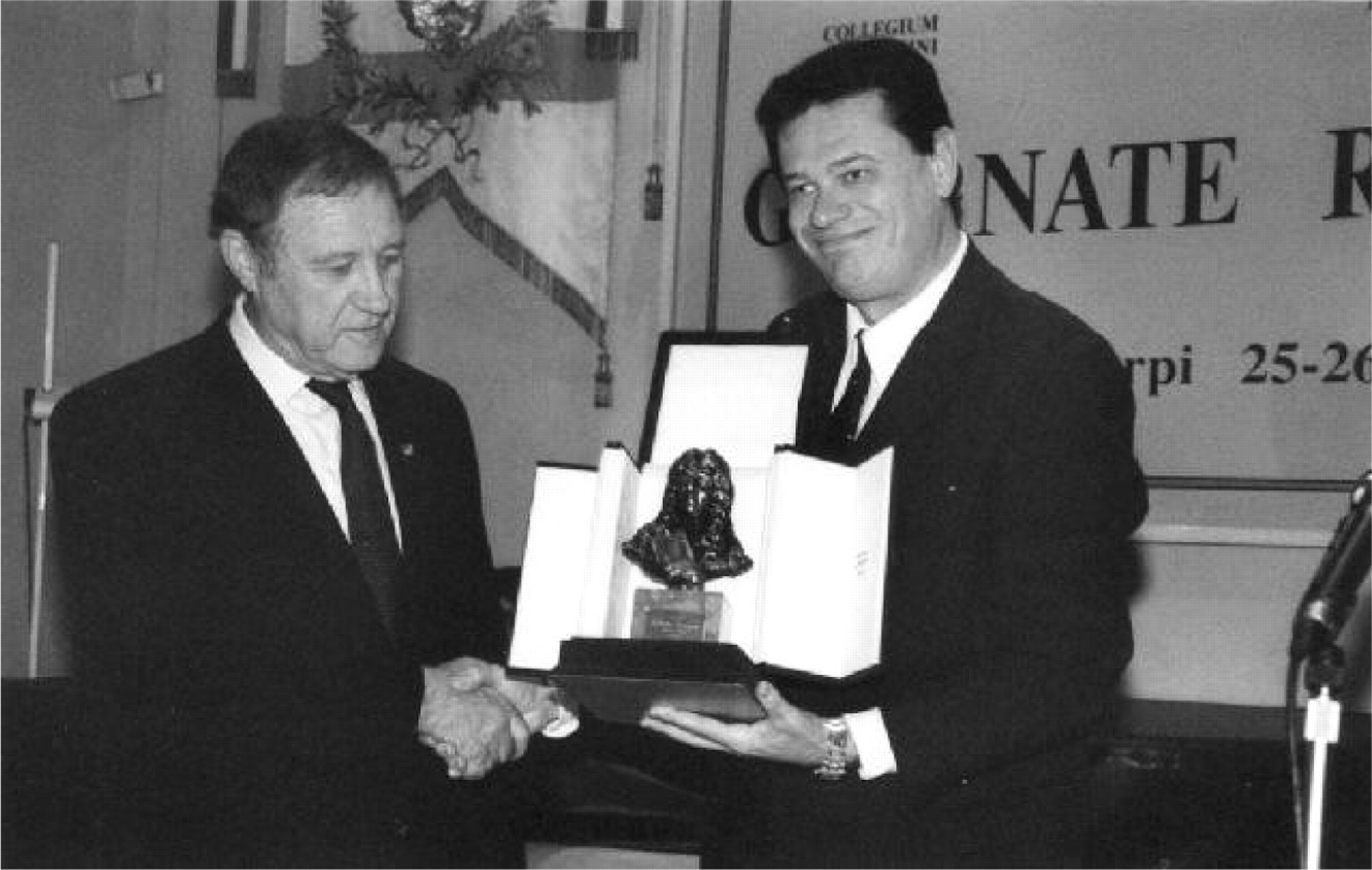
Myron Mehlman (left) receiving the Ramazzini Award from Demos Malavasi, Mayor of Carpi.
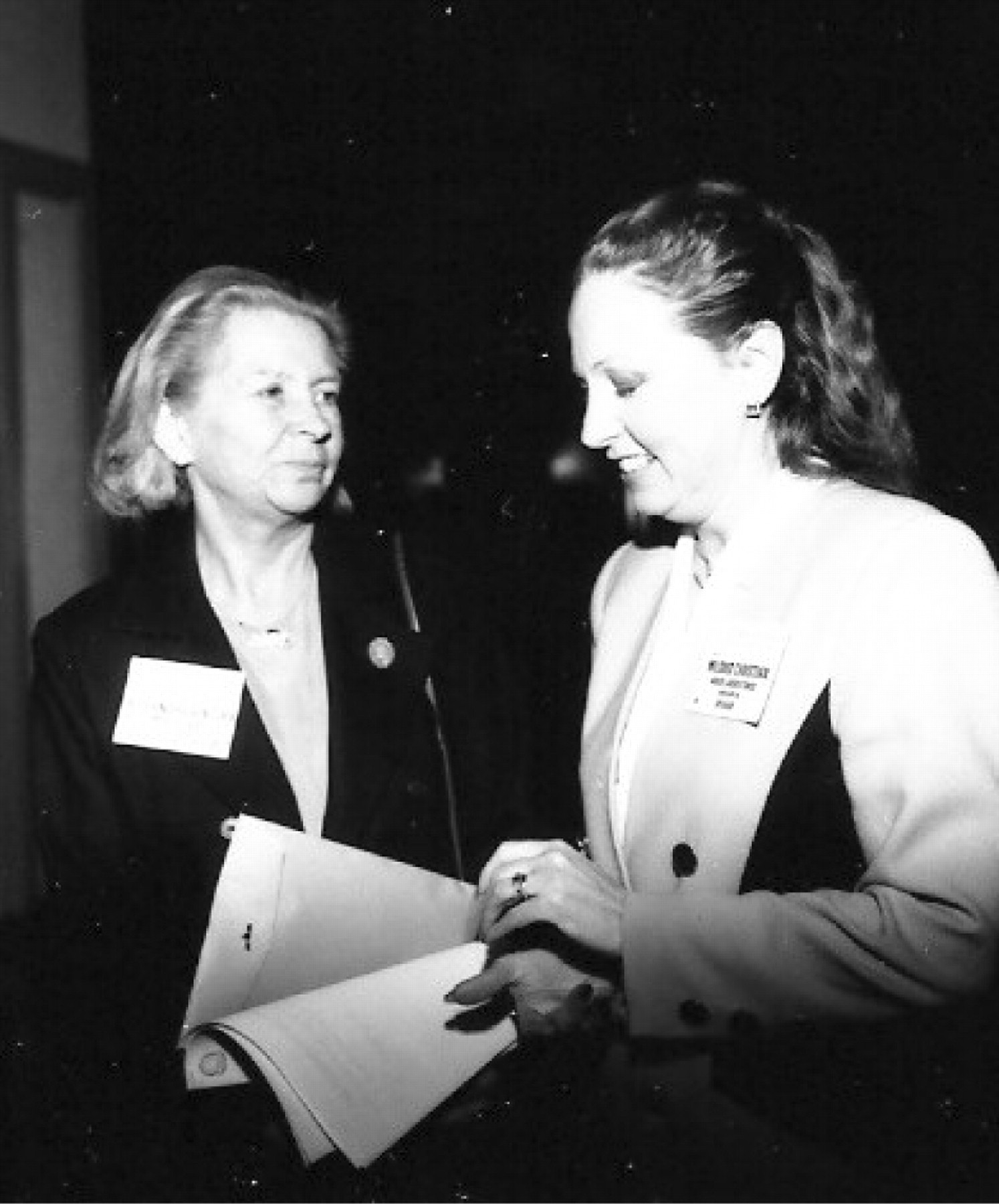
Alexandra Ventura with Mildred Christian.
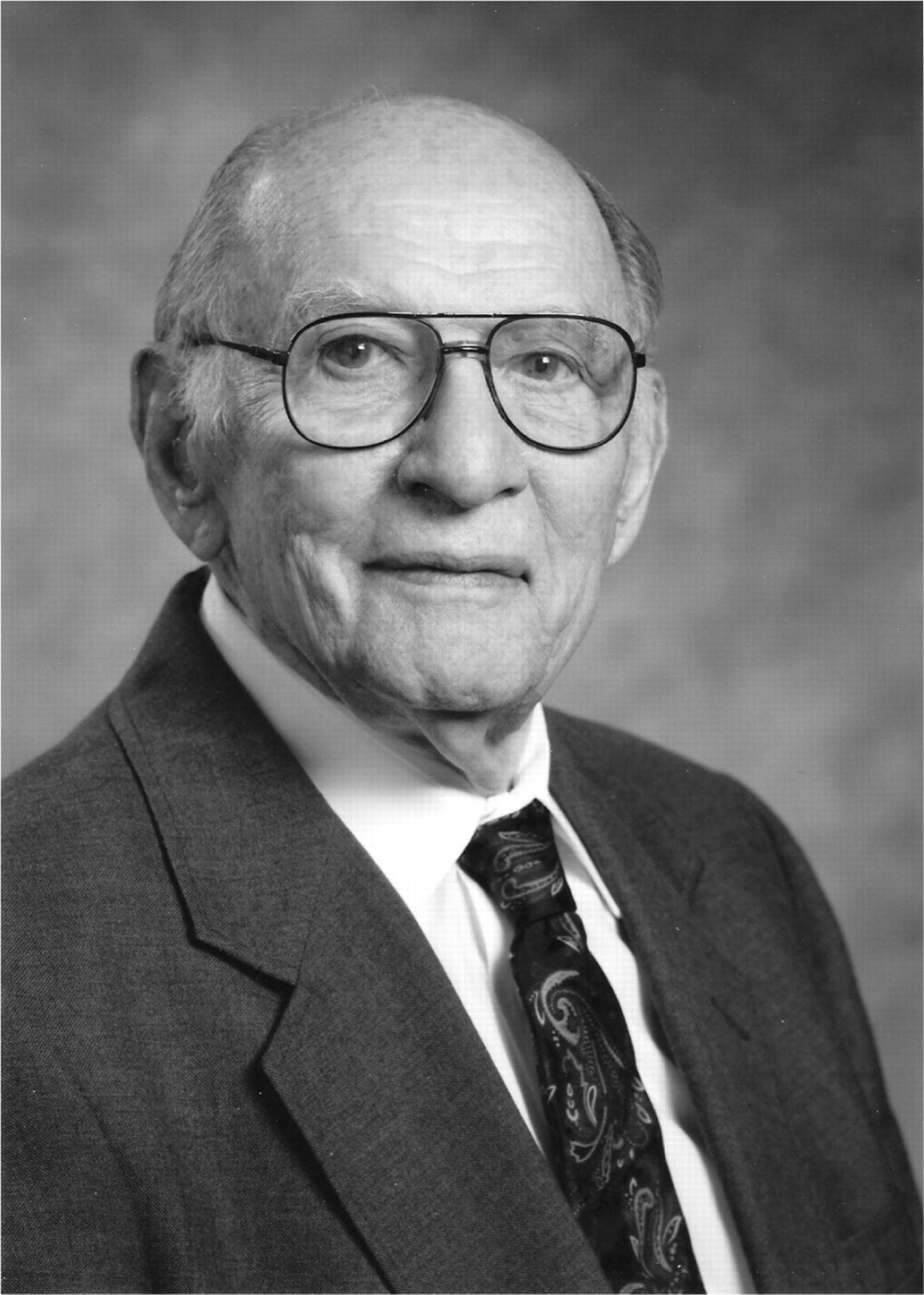
Arthur Furst.
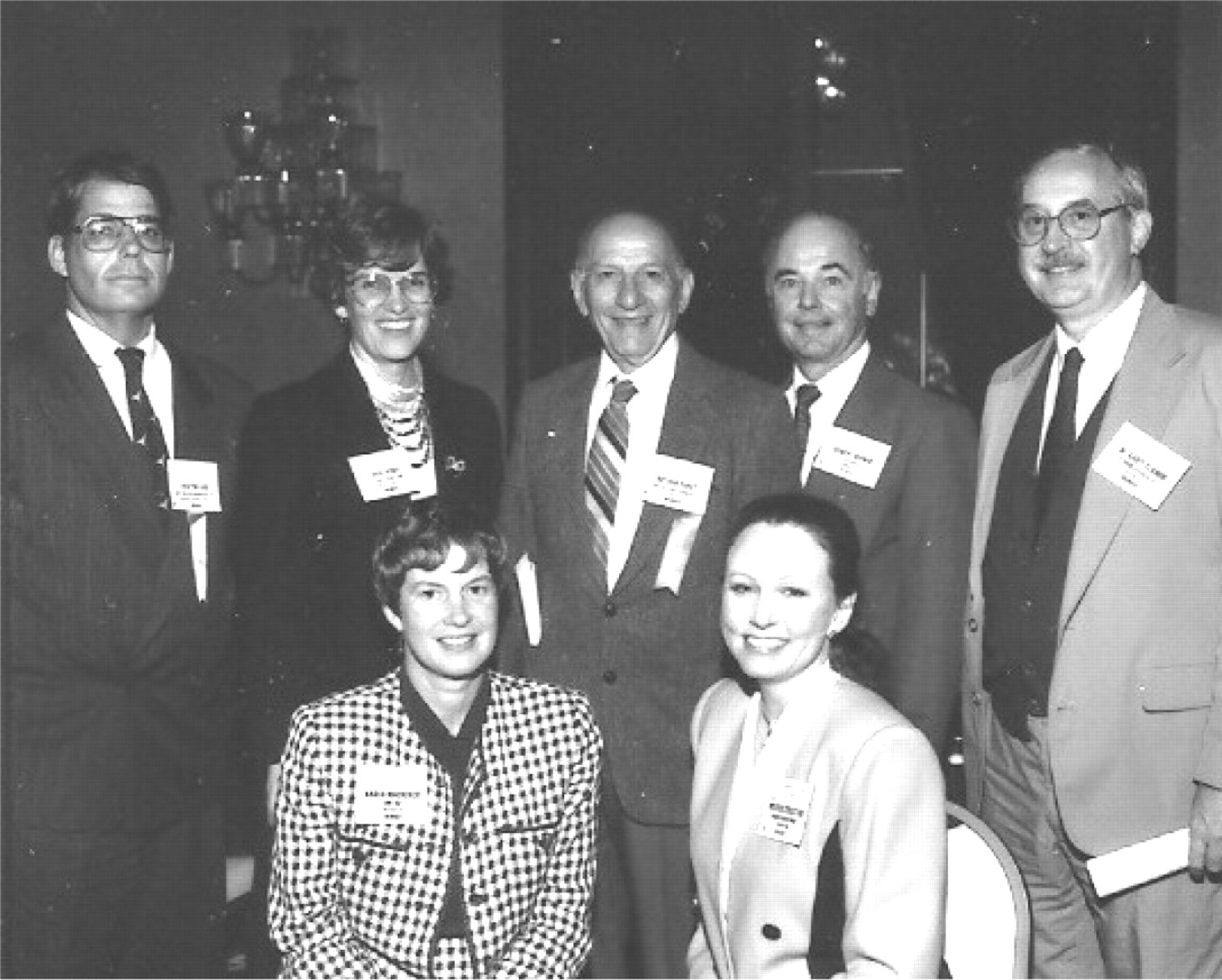
Back row: Shane Gad, Carol Henry, Art Furst, Robert Diener, and Gary Flamm. Front row: Karen MacKenzie and Mildred Christian.
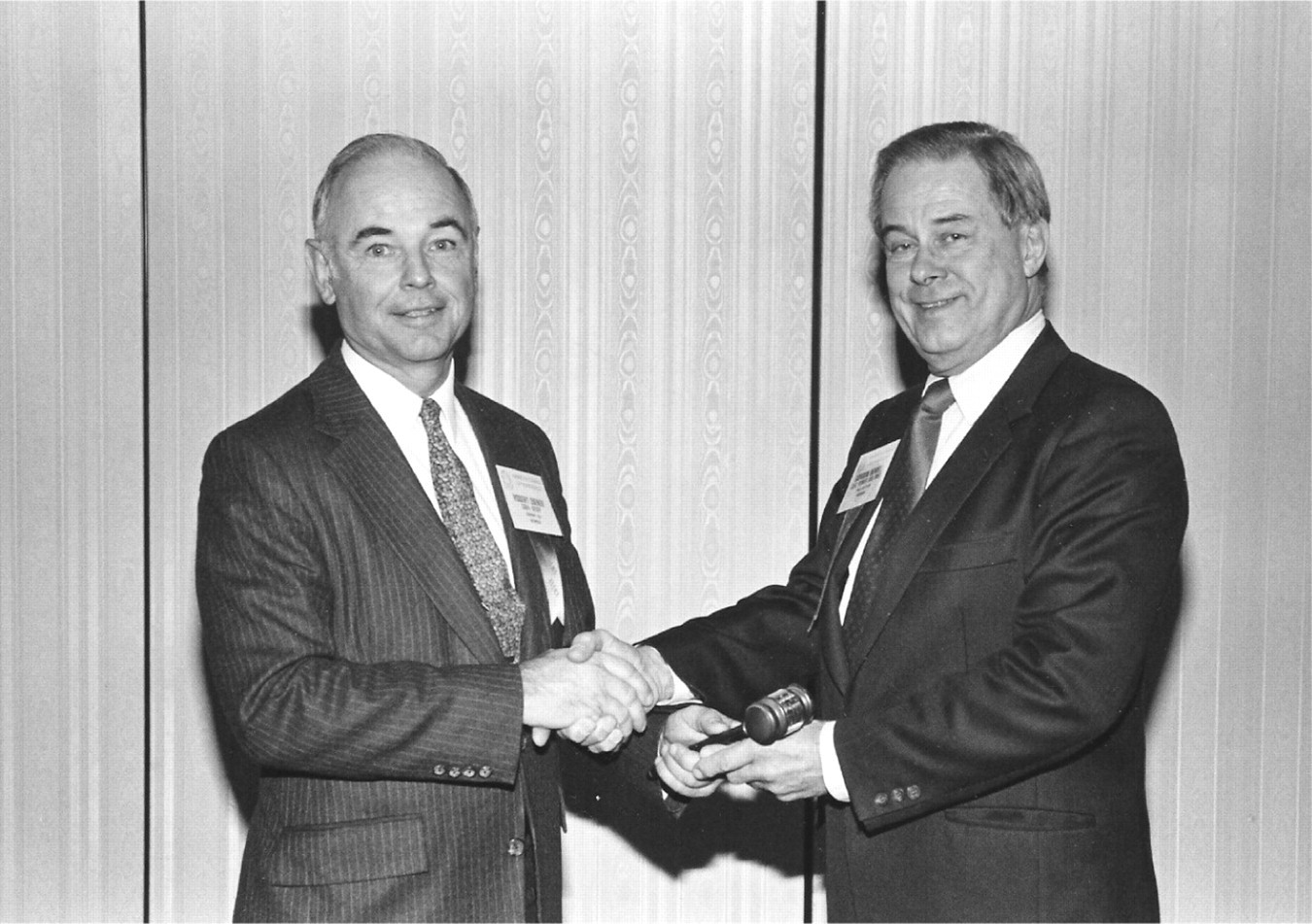
Gordon Newell and Robert Diener.
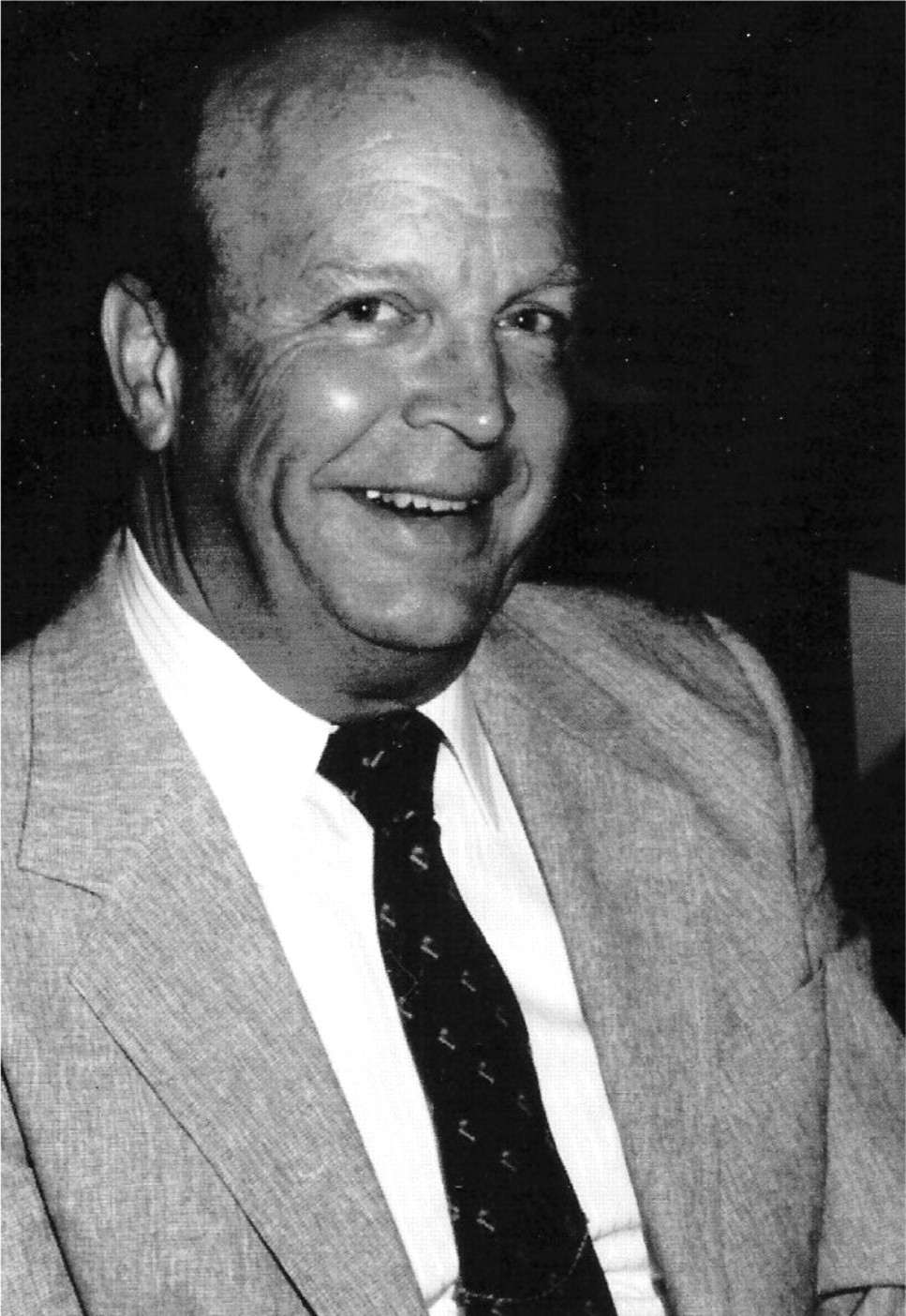
Richard M. Hoar.
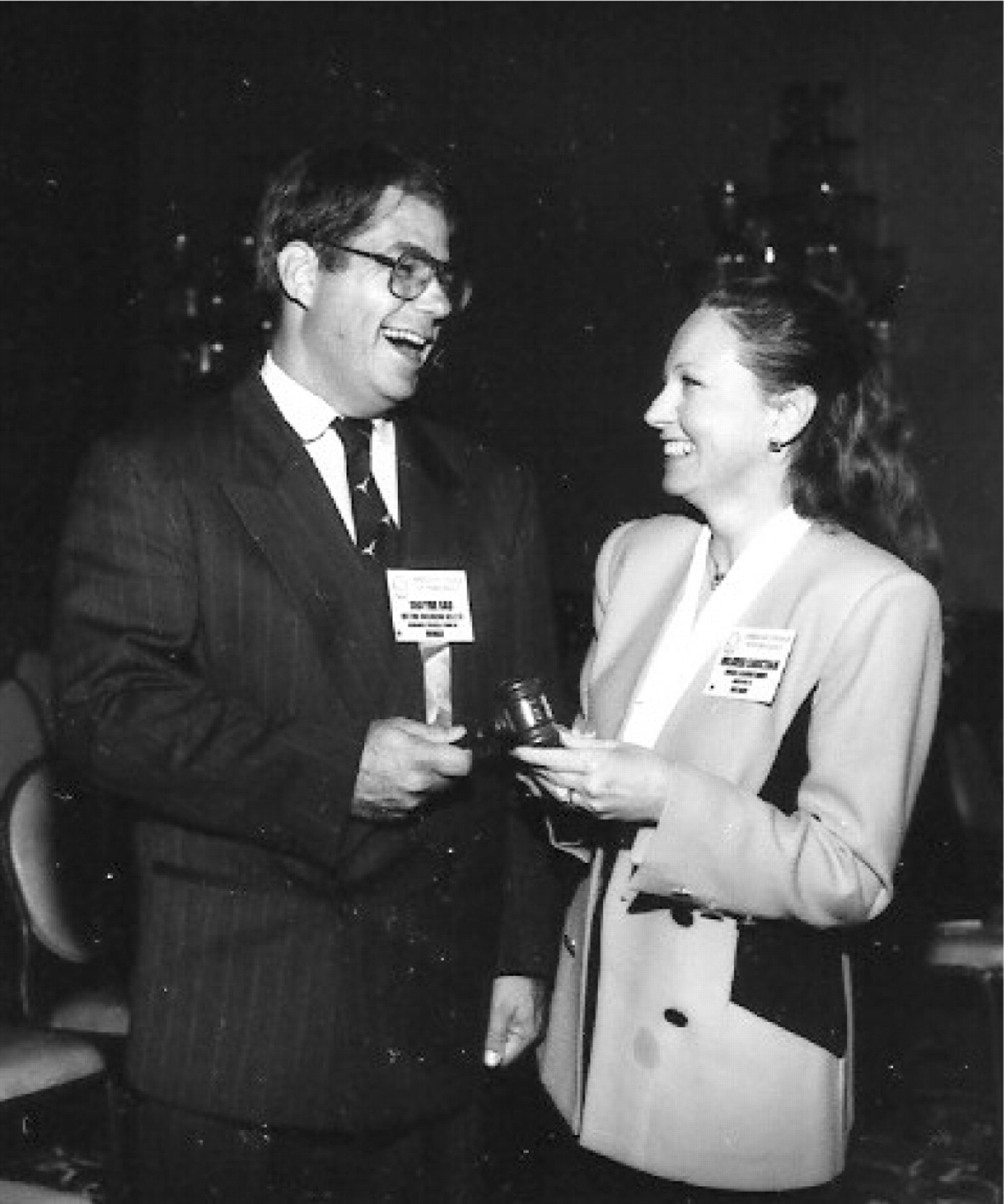
Shane Gad and Mildred Christian.
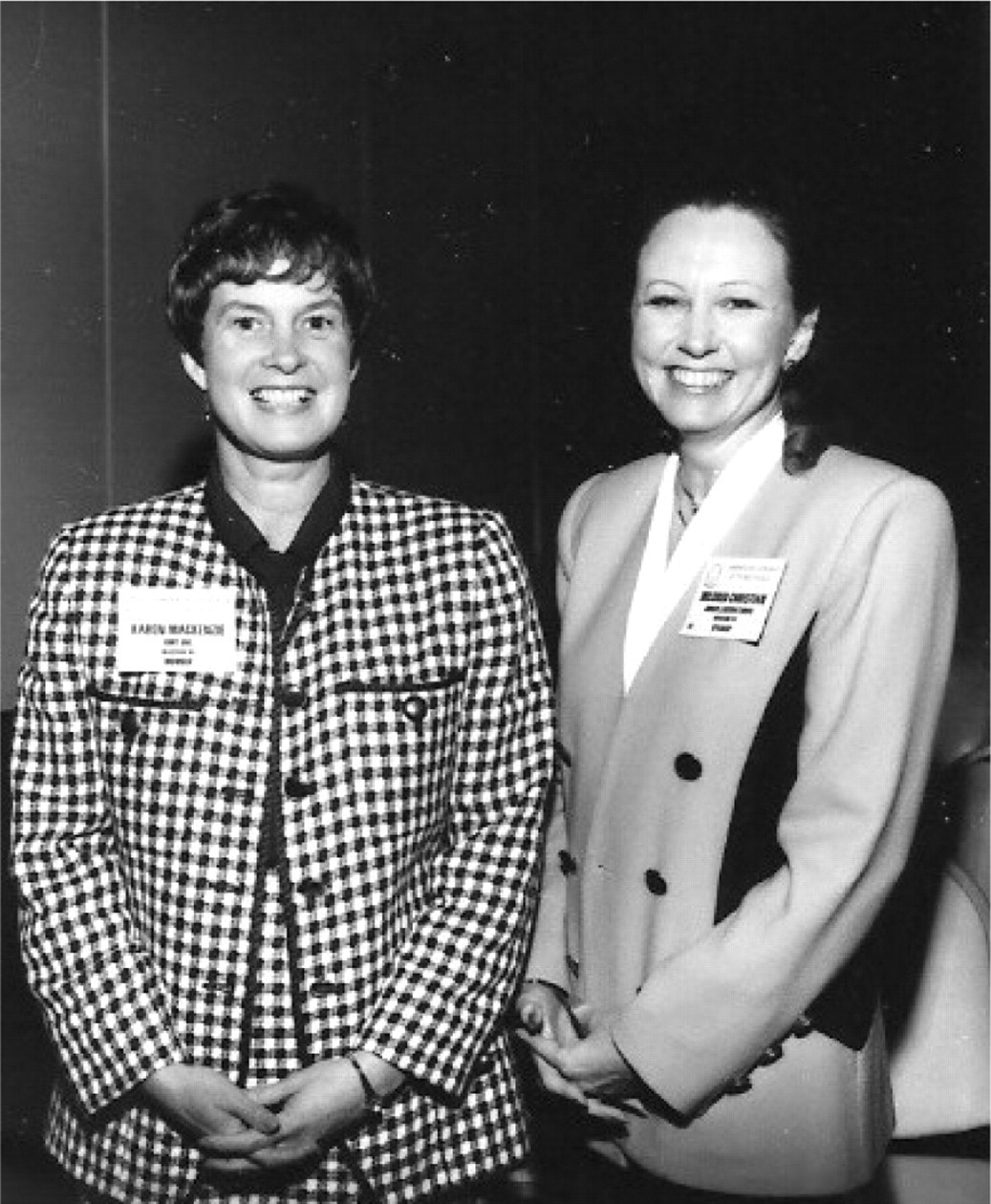
Karen MacKenzie and Mildred Christian.
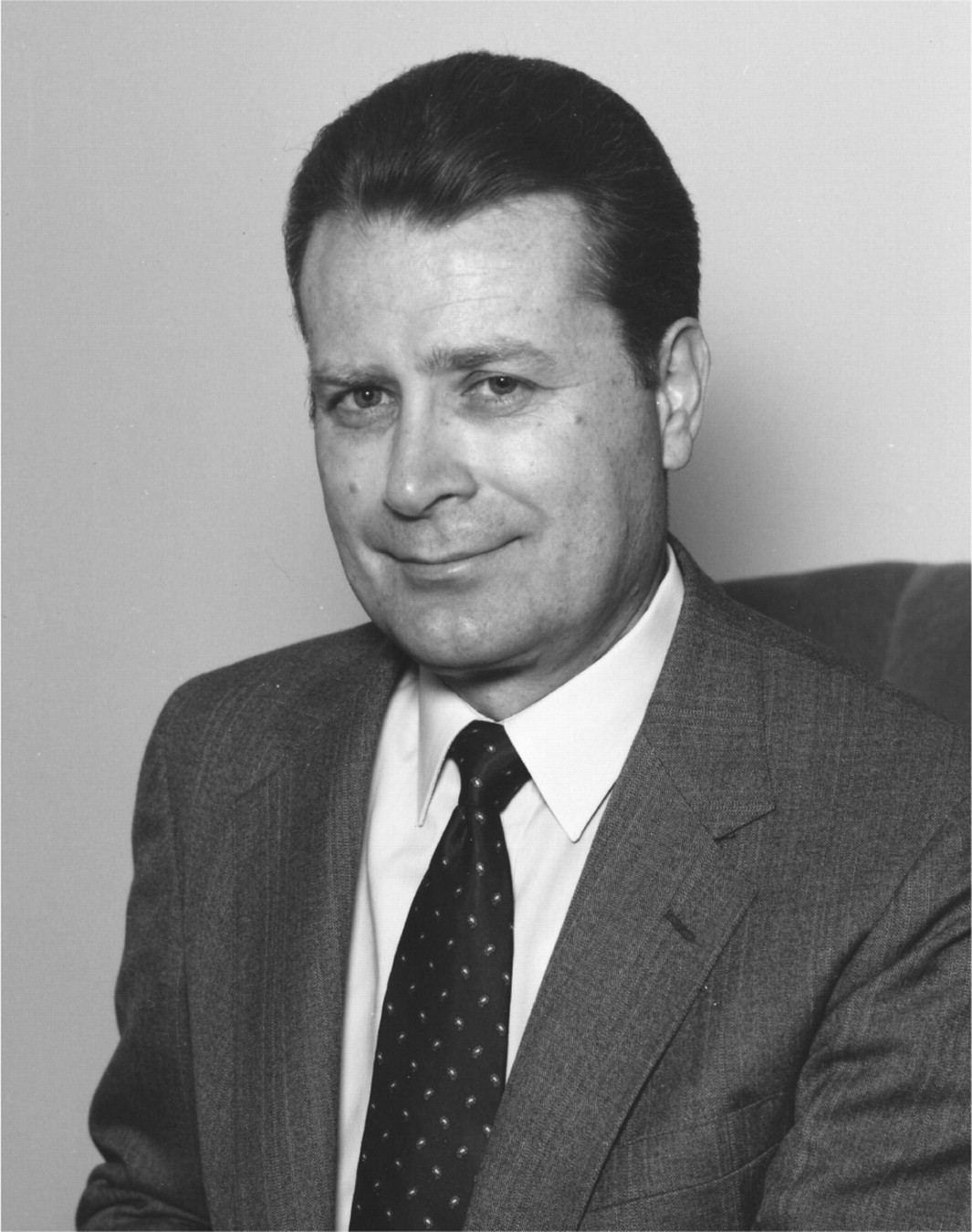
Richard Thomas.
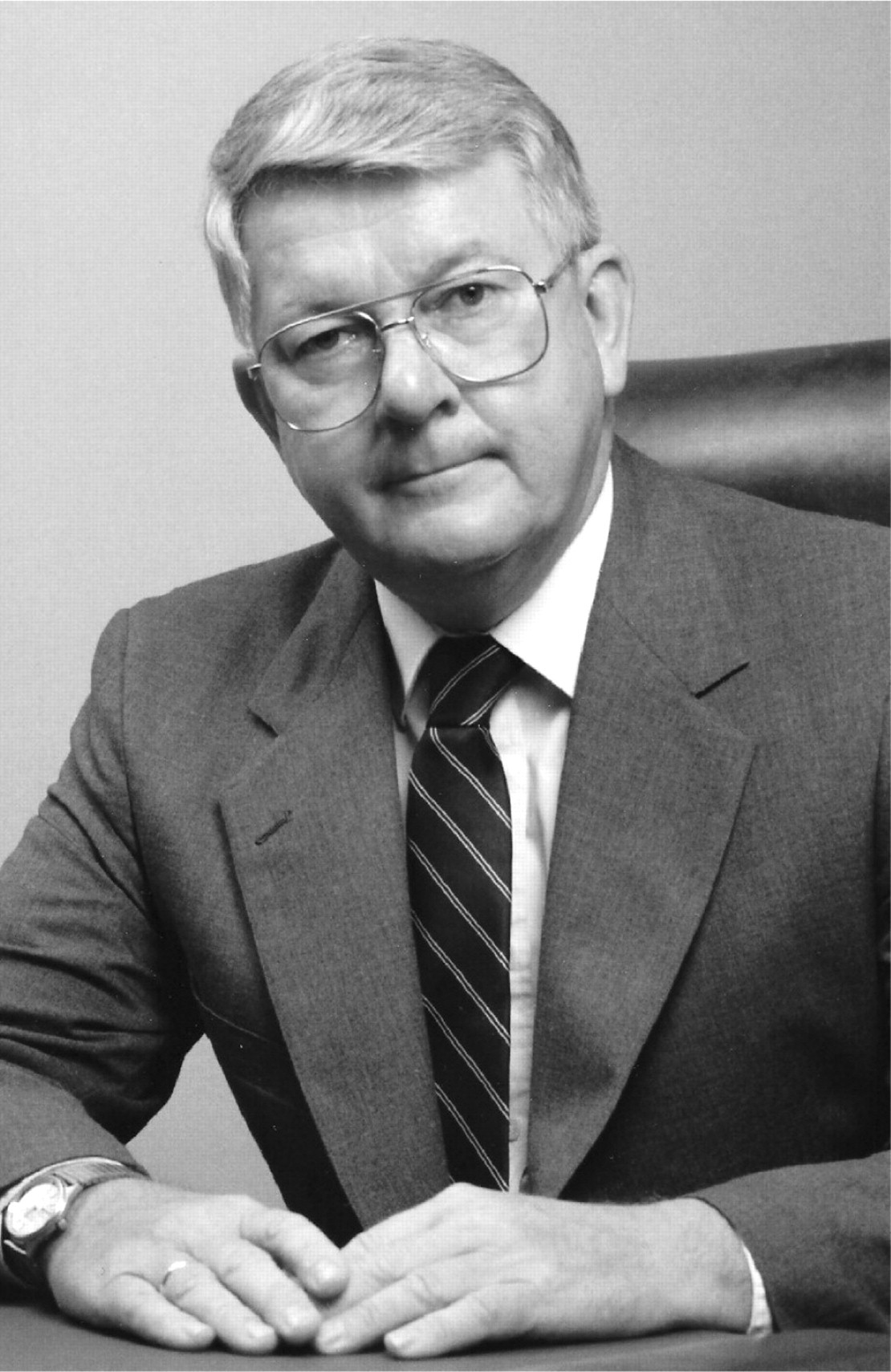
John Thomas.
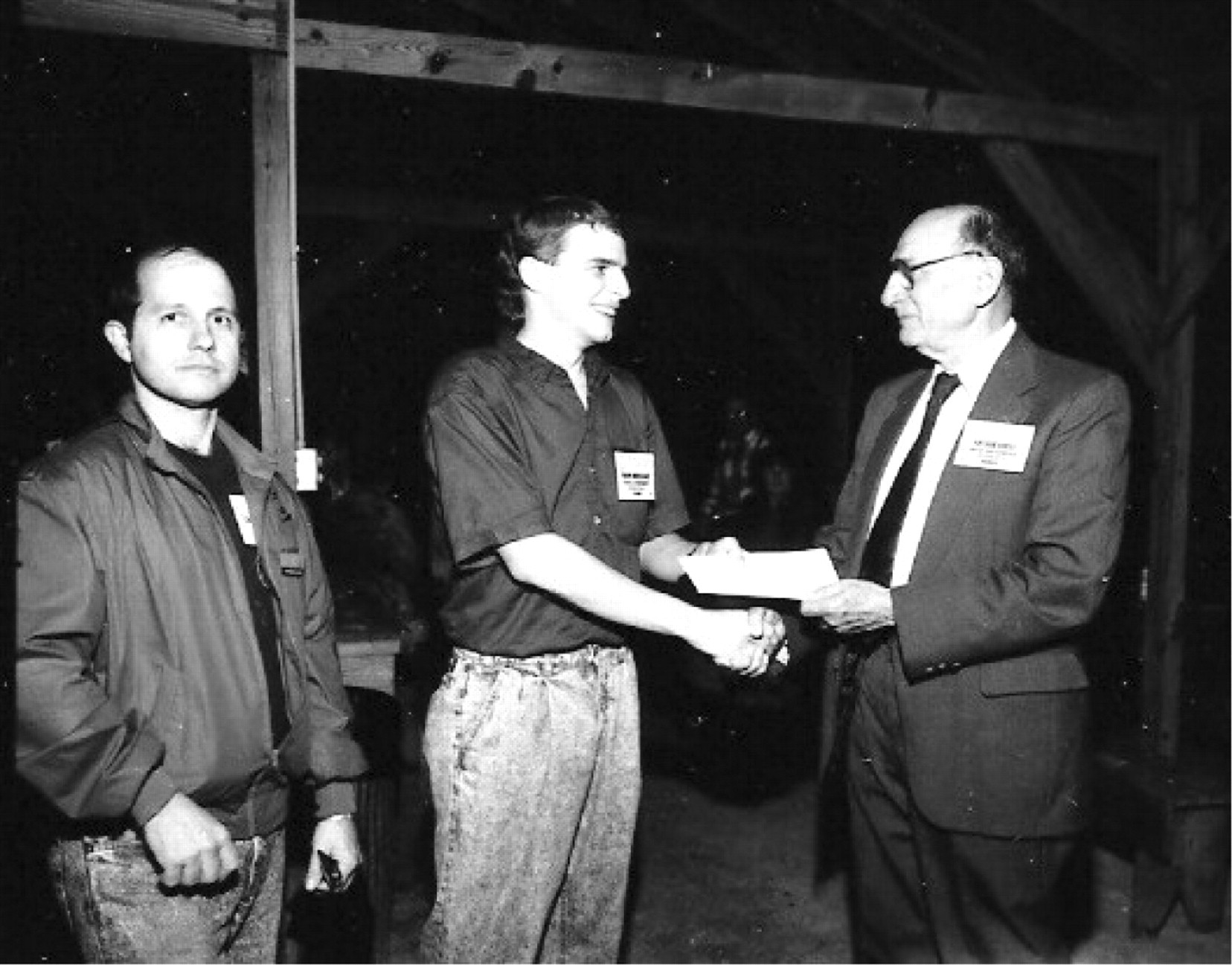
Christopher Chengelis with Art Furst presenting Art Furst Award to a student.
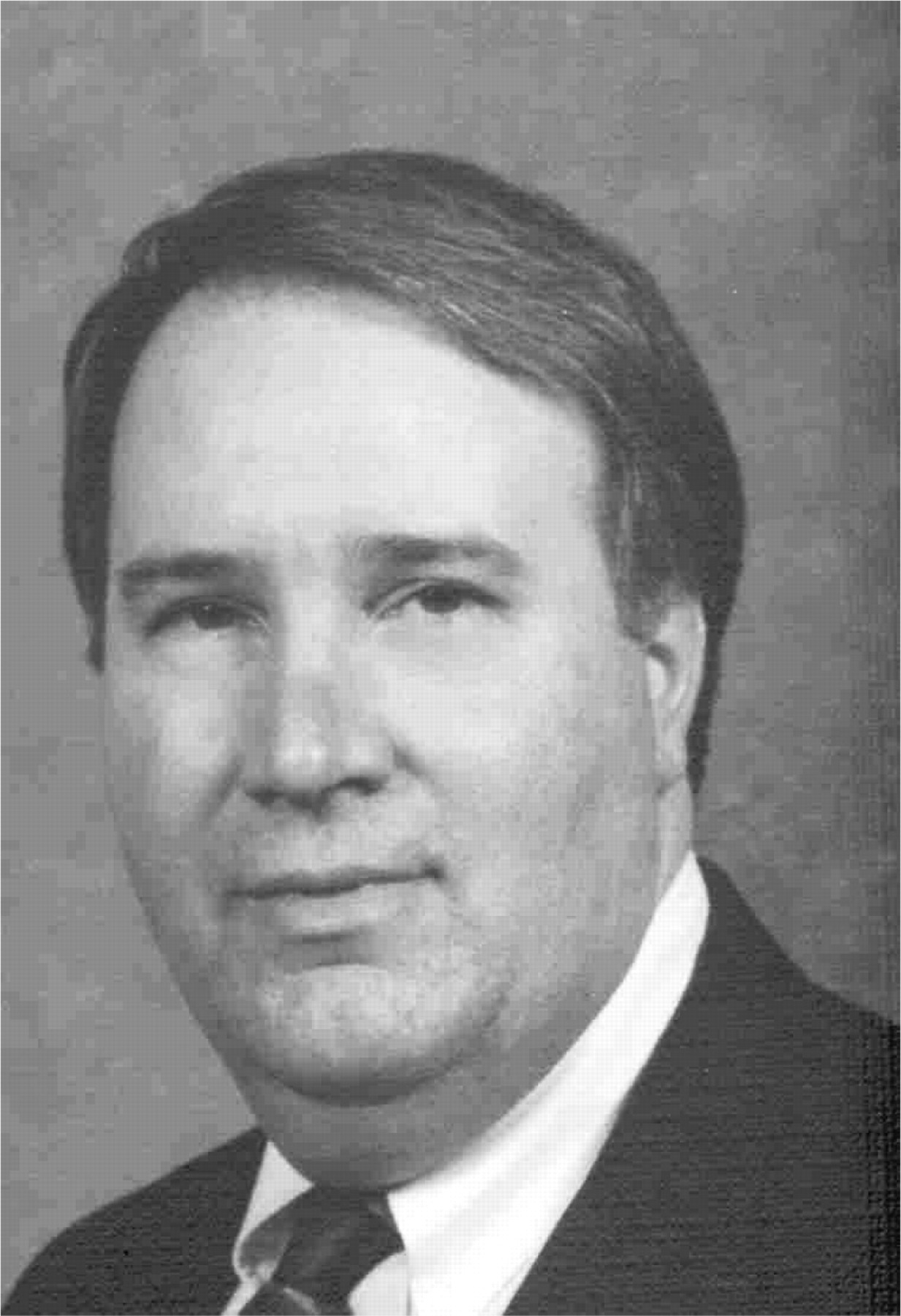
David Hobson.
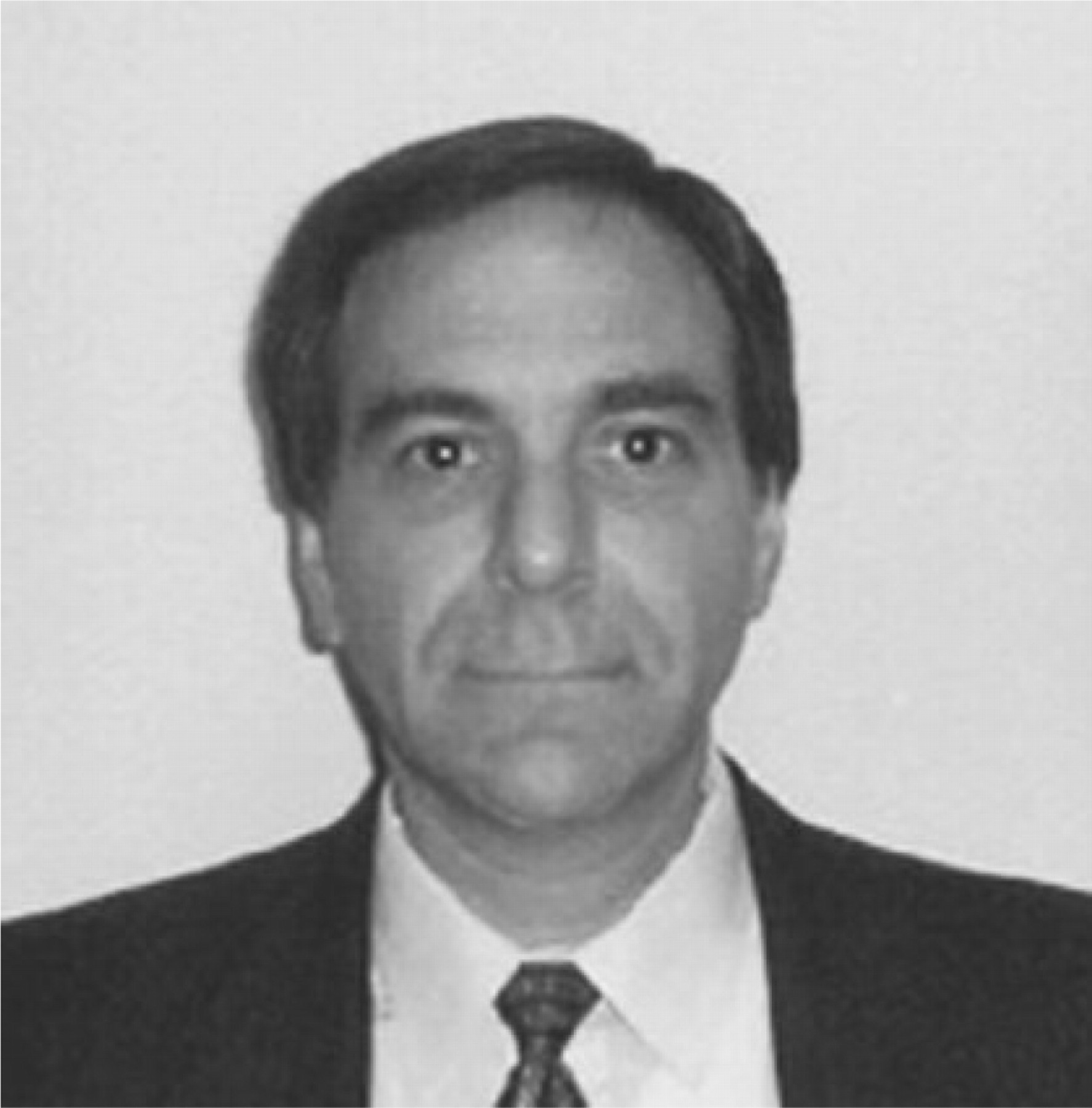
Merrill Osheroff.
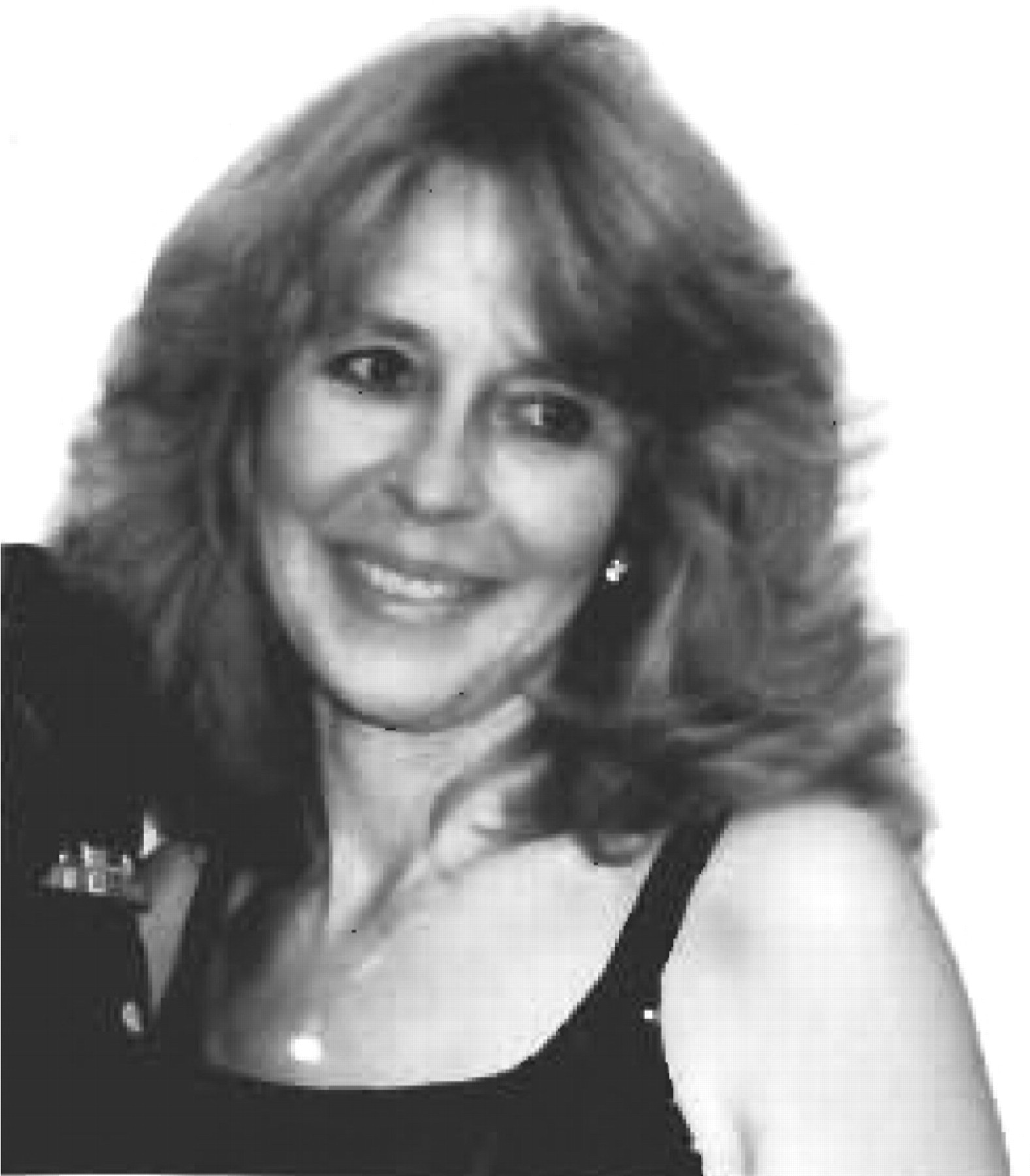
Suzanne Fitzpatrick.
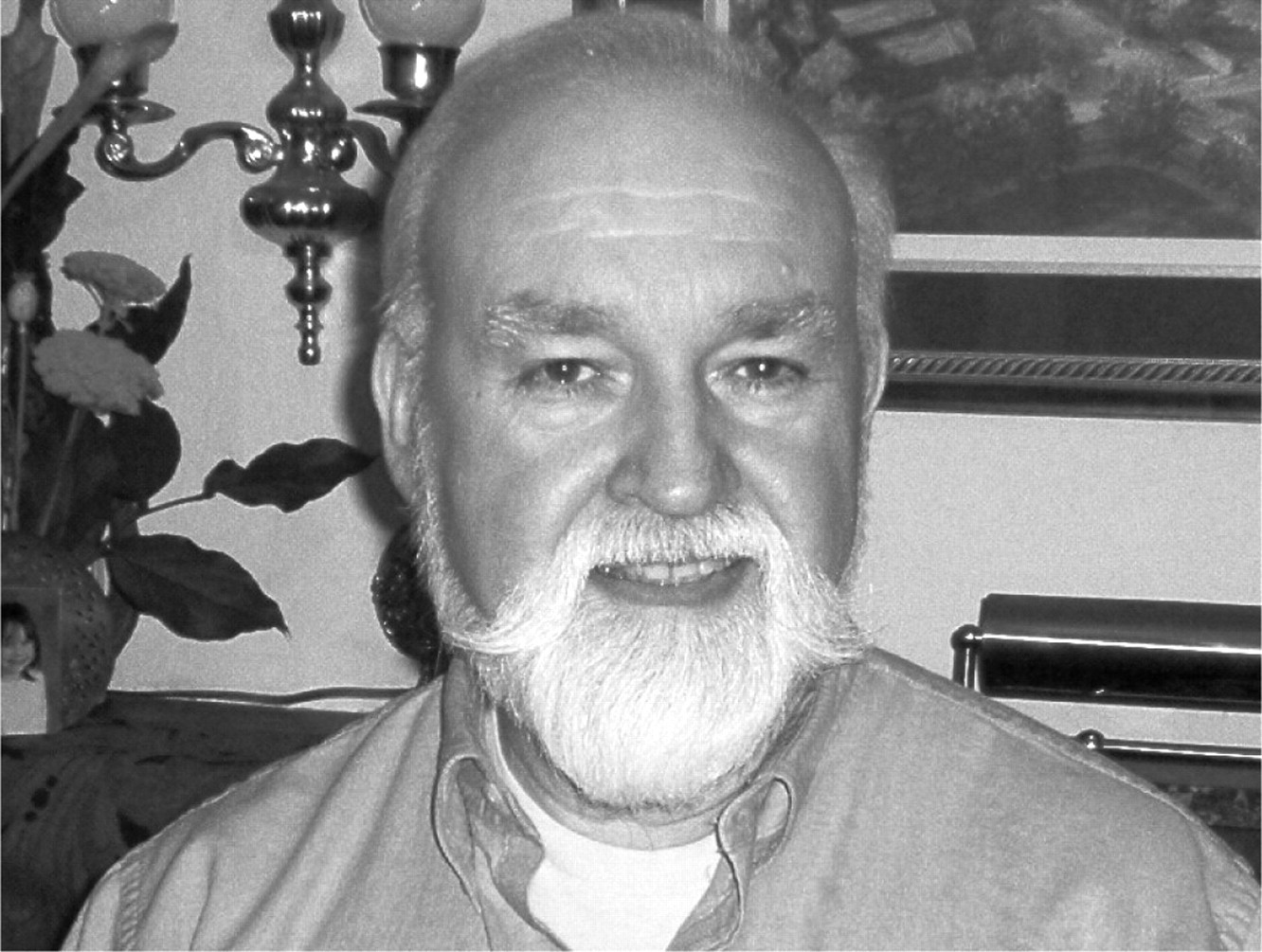
Robert Osterberg.
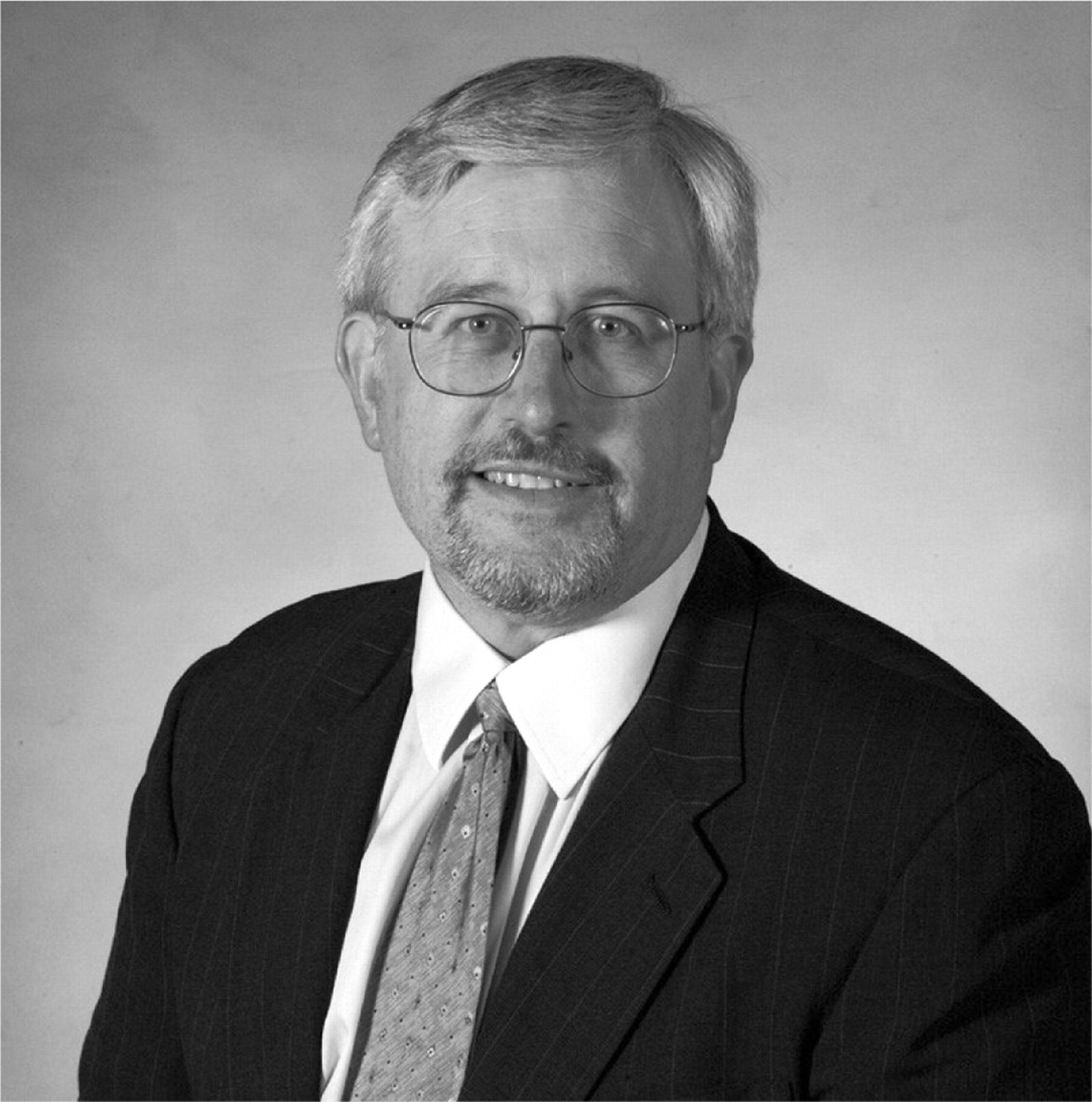
John Atkinson.
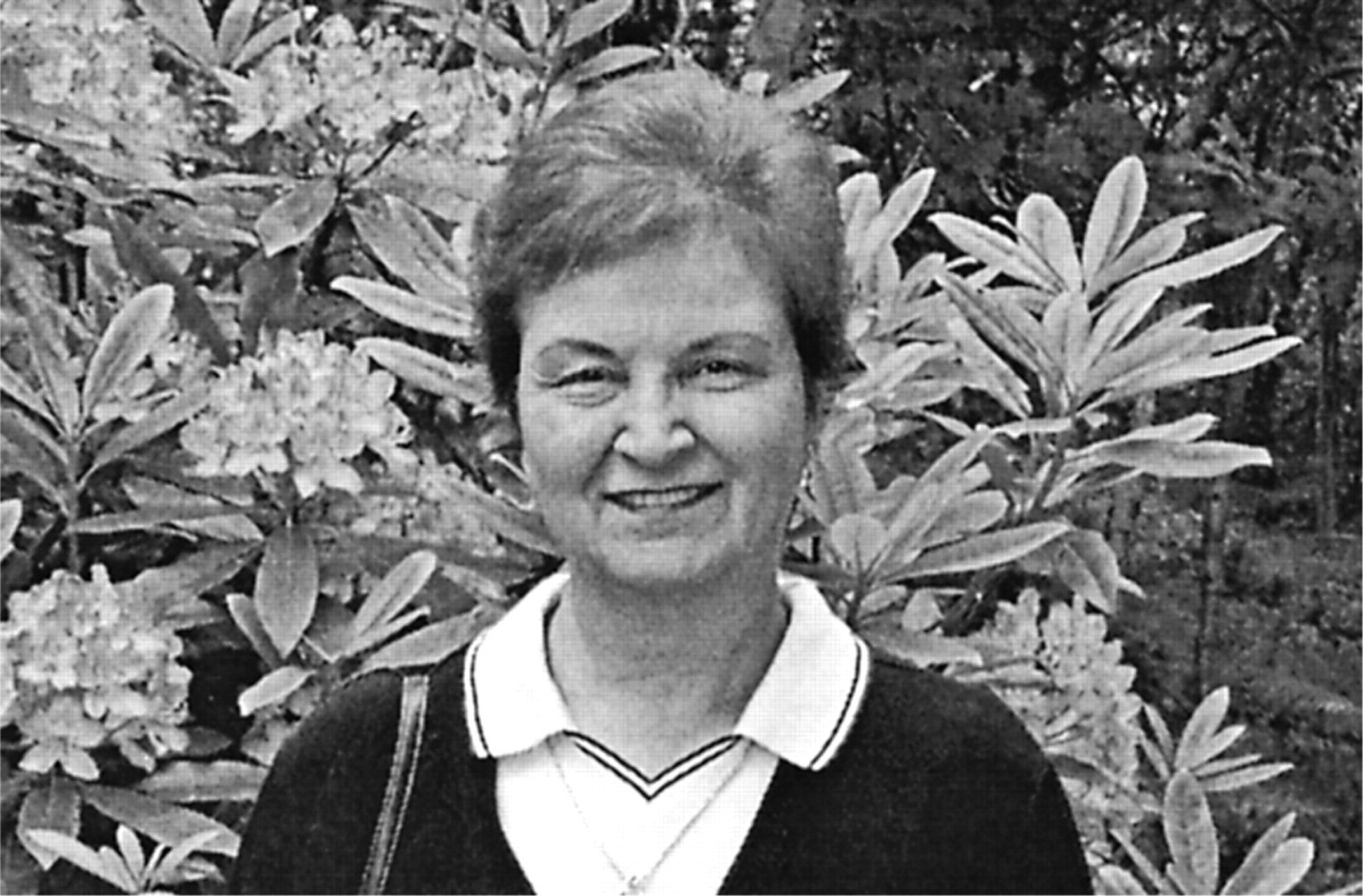
Carol Lemire.
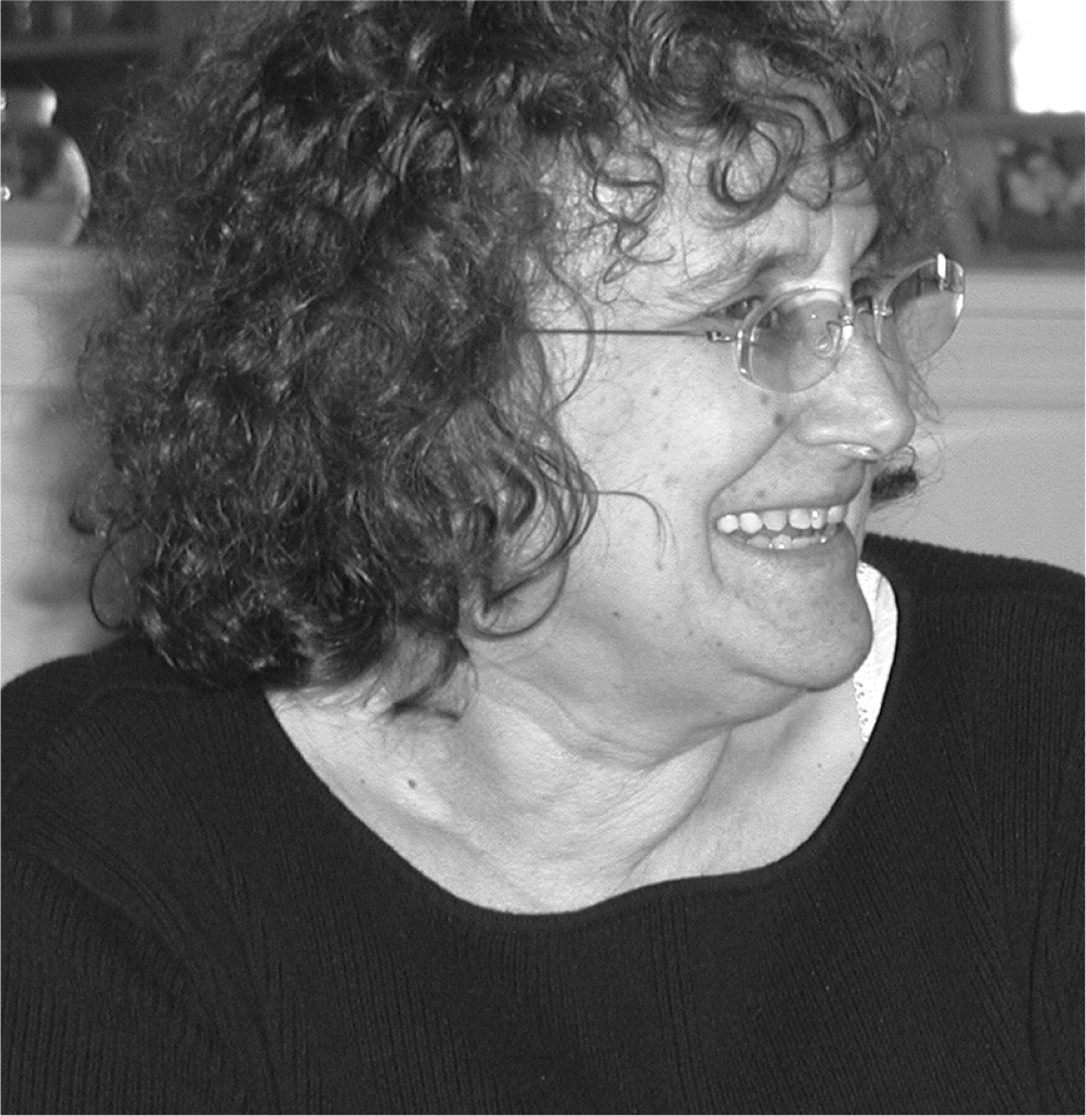
Eve Gamzu Kagan.