



Abstract

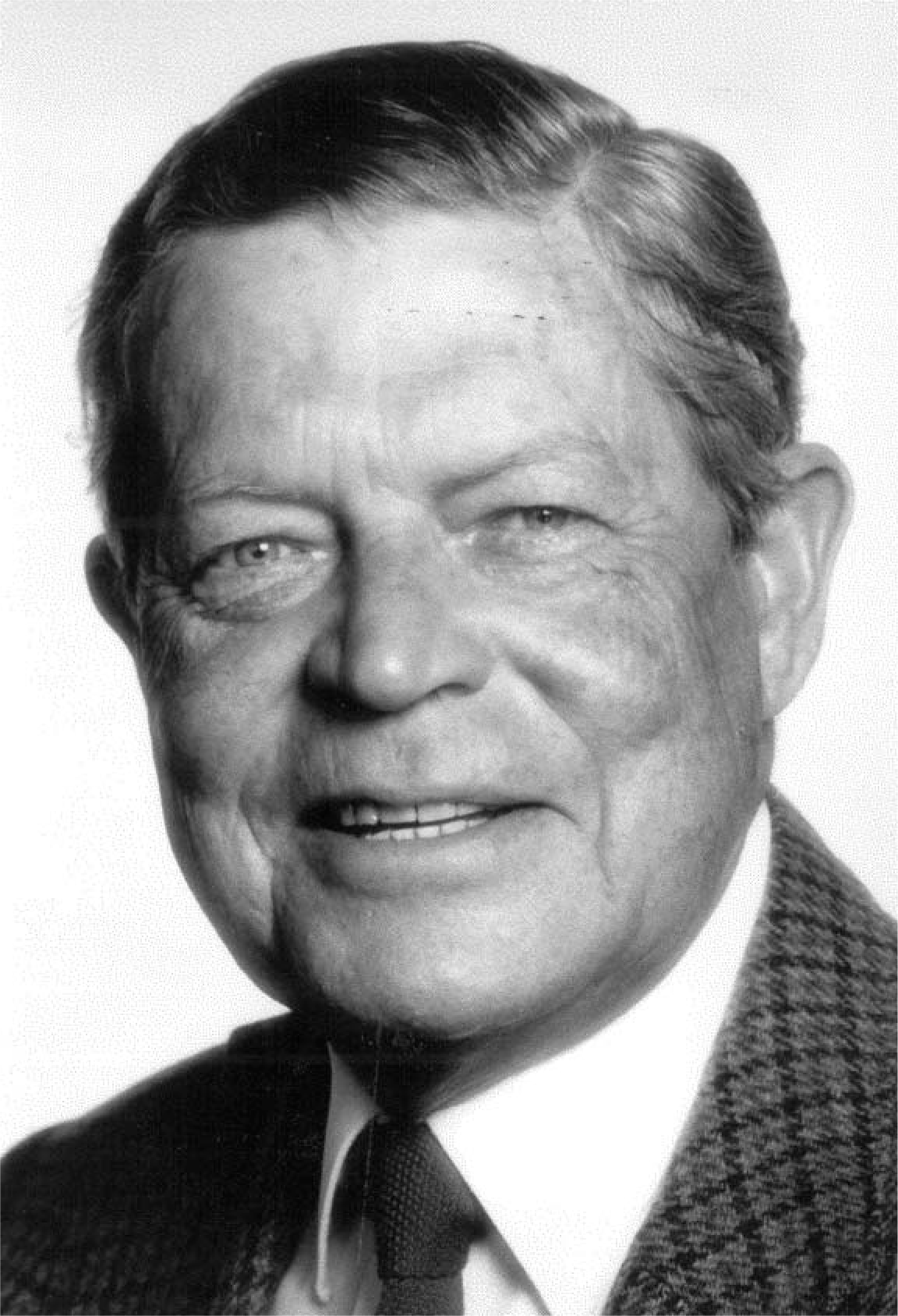
Jorgen E. Kjølbye, one of the founding members of the Society, died on 16 September 2005 after a long period of ill health borne with the strength of character well known to all his friends. Jorgen combined a striking physical presence with a formidable intellect. He was elegant, charismatic and with great good humour.
Kjølbye belonged to the group of “old elephants” of Danish orthopaedics who were the forerunners of dissemination of orthopaedics to every region and district in Denmark. He served as consultant at the Orthopaedic Hospital in Copenhagen from 1970 and moved with the department into the State University Hospital in Copenhagen in 1978. He was head of the children's orthopaedic unit when the University departments merged in 1984.
He served the Danish Orthopaedic Society from 1978 until 1982, the latter two years as President. He was successful in defining central and regional functions in children's orthopaedics so that spinal problems and other ailments, few in number but difficult to treat, remained with the two University departments in each part of the country.
Jorgen Kjølbye was an outstanding teacher, particularly in the master-learning procedure at the bedside or in the theatre. He succeeded in breeding a horde of now middle-aged, orthopaedic surgeons with enough knowledge and training to undertake children's orthopaedics at district level in close cooperation with the central units.
He was one of the very small band of Danes who worked with Knud Jansen to nourish ISPO's forerunner, the International Committee on Prosthetics and Orthotics (ICPO), a standing commission of Rehabilitation International, and then to nurture the newly-formed ISPO. For many years this group met together every week on a Monday afternoon to tackle problems and develop plans to increase the Society's activities and influence. Without them the Society's development would not have been so successful.
More formally, for many years he served on the Executive Board, initially as Honorary Treasurer then as Chairman of the Finance Committee. His service was during the difficult formative years when the Society was struggling to establish a firm financial base and his control and sound investment policy would play an important part in securing the Society's future.
Jorgen is survived by his loving wife Ursula, his son and two daughters and his step son. We join them in their grief.