





Abstract
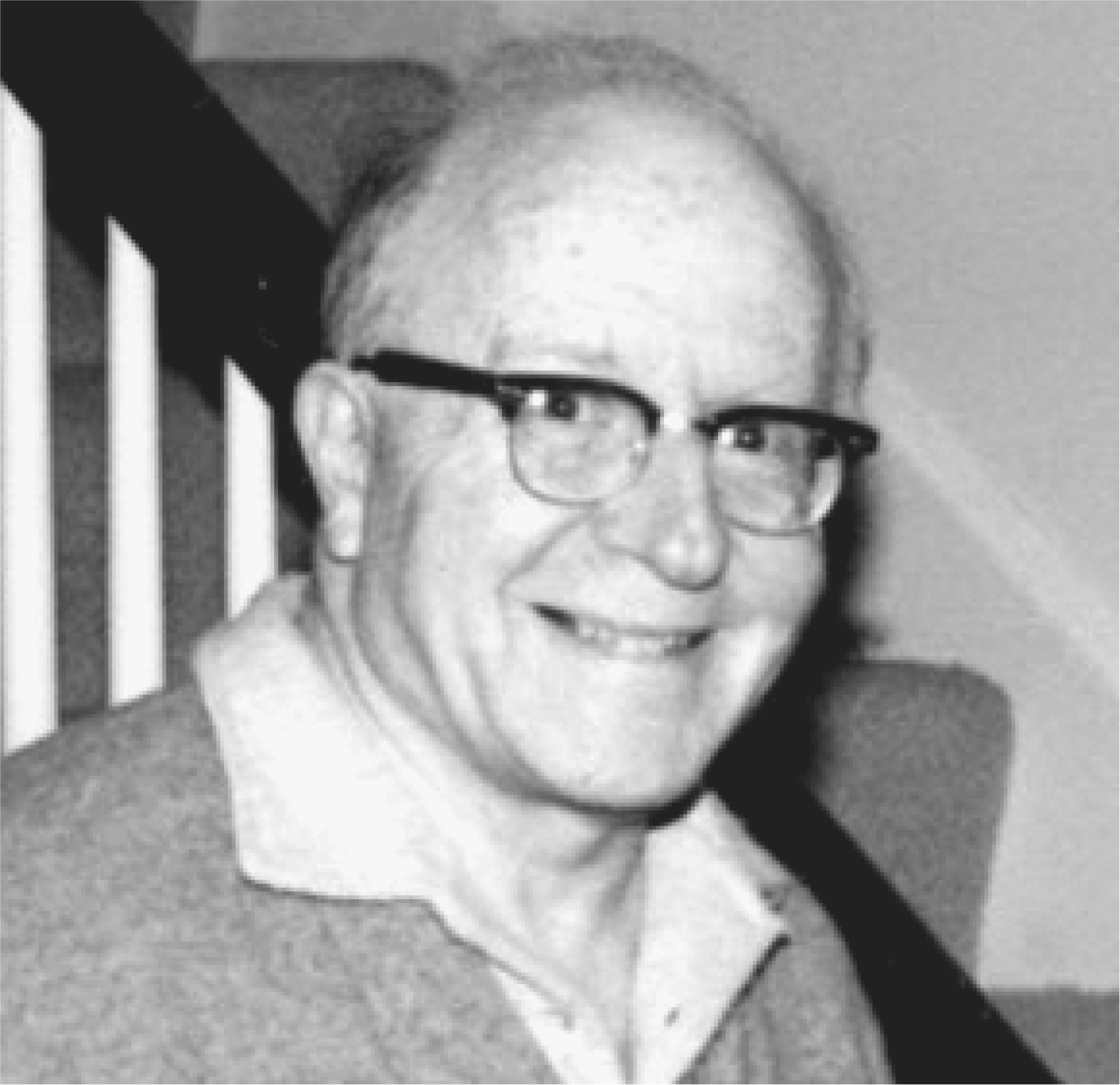
Understanding grief and its role in the maintenance of human health is one of the major contributions of George Engel Professor of Medicine and Psychiatry at the University of Rochester for more than 50 years. Dr Engel was a prolific writer, teacher, clinician and scientist with broad and evolving interests. Clearly he recognized the importance of our relationships and the bonds that life creates and then severs. With his powerful intellect he demonstrated how the response to loss is integrated into our physical functioning and wellbeing or lack of it. At a time of world grief brought on by the events of September 11, 2001 and with the expectation of future losses as we meet the threat of terrorism, it is apt that we reflect on his life and work to remind ourselves what he has taught us.
Dr Engel's earlier work on grief contributed to the development of a new Biopsychosocial model that challenged the reductionist limitations of biomedicine by defining a broader conceptual base for medical research, education and patient care [1–5]. At the heart of this model is the compelling importance of personal human bonds in the work of physicians as healers and scientists. Finding and using these human connections to comfort and understand patients in the broadest sense was central to his work. Teaching others the interviewing skills to do this well, formed the centrepiece of his academic career.
In an earlier paper honouring my father, I reflected on a ‘false memory’, that I had been with my father when he died.∗ I sought to understand this experience of grief using his clinical and scientific approach [6]. The terrorist attacks 22 months after his death, now evoke a new grief that is at once intensely personal and universal. These events, distinguished by the destruction of the World Trade Center, now create a new sense of dialogue and closeness with my father. In the face of massive human suffering I am sharing my grief with him as if he were still alive.
My father outlived his identical twin brother by 36 years. In writing of this loss he recognized that in the unconscious, boundaries between self and twin are fluid, that time and numbers are used in symbolic and magical senses and that time repeats itself [7, 8]. In a new time of grief the sense of connection with a lost person may become enriched by these cognitive and emotional phenomena that are occurring here between father and son.
We would like to reflect on the life of George Engel using two perspectives. First, by presenting a biography that touches on the origins of his personal qualities and professional affinities. Second, by examining the response of individuals and communities to the World Trade Center disaster. The public grief evoked by this catastrophe reflects a common understanding of loss through which strangers become intimates and kindness is dispensed indiscriminately to those who are suffering. This shared grief reflects the same distinctive human qualities that underlie the fundamental skills of physicians. Herein lies the connection with George Engel's work.
Biography [9, 10]∗∗
George Engel's personal story begins with his maternal grandfather Fajbush Libman born in Torum, Poland of Jewish parents in 1843. As a youth Libman ventured from the shtetl to a local monastery where he convinced the monks to take him in. There he learned to read German and Polish literature. He later tutored youths of a wealthy landowner before immigrating to New York City in 1865. When established, he bought a brownstone house on East 64th street that would become the childhood home of George, his twin Frank (later Professor of Medicine and Physiology at Duke University) and older brother Lewis (later, Chair of Biochemistry, Harvard University), father Adolph Engel, mother Esther, and her older brother Emanuel Libman, MD. In mid-life grandfather, believing he had a fatal condition, retired from his moderately successful business. He devoted the remainder of his life to scholarship, dying in 1937 at the age of 94! Grandfather was a member of the 64th Street household until he moved to Atlantic City in 1920 but thereafter visited with his grandchildren regularly. As a child and young adult George loved and admired his grandfather. In our family conversations, he spoke with near reverent affection of his grandfather's intellectual breadth, natural curiosity, logical thinking and mischievous iconoclasm, qualities he emulated in his own life and career.
Adolph Engel, a Jewish Austro-Hungarian immigrant, arrived in New York in 1889. Within 10 years he had become a successful furrier known for his honesty, fairness, probity and generosity. He was the respected mediator of disputes both in the family and among business colleagues. Like George's grandfather he was a prodigious reader and firmly believed in the power of the intellect. Adolph was formal and serious at home yet devoted and loving to his sons. At age 15, George witnessed his father's death from a myocardial infarction and acute pulmonary oedema, a profound loss that resurfaced in later years to haunt and enlighten his own selfunderstanding.
George spoke of his mother Esther as a grand hysteric, exploiting the entertainment value of this hyperbole at our family dinner table conversations and in countless teaching lectures. She was a demanding, manipulative, elegant, charming and affectionate woman prone to dramatic swings from superb health to frightening incapacity. She was the only surviving grandparent and a formidable figure to her grandchildren. After spending down the family fortune she died in 1950 leaving funds just sufficient for burial.
Emanuel Libman, MD assumed ownership of the 64th Street house in the 1920s. As part of an extraordinary marital contract, Esther and her family continued to live in her older brother's home. Libman was an eminent physician, a founder of Mount Sinai Medical School, a pioneer in blood culture techniques and master clinician. Libman's many famous patients, among them Albert Einstein, Sara Bernhardt and Gustav Mahler regularly visited the 64th Street house where he maintained his office. He treated family members as well, enormously impressing the twins with his intellectual rigor and phenomenal diagnostic powers. But he was an intensely private person, who was strict, formal, remote and virtually impossible to please. For all his professional successes and triumphs George longed to gain his uncle's approval, but never received it, a disappointment that lingered through the early phases of his career.
Dr Engel's most intense relationships, with his twin Frank and his wife Evelyn nourished his personal development and fundamental understanding of the human condition. The theme of ‘twinning’ was a very active one in his life and in his personal writings about grief. His remarkable ability to find a deep connection with patients likely reflected this intensely rivalrous and loving relationship with his brother. Twinship with its special intimacy, communication, and blurring of personal identities, afforded opportunities for impersonations and deceptions. George and Frank, remaining together through college, medical school and internship employed such devices to amuse and confuse their friends, colleagues and superiors. Frank's sudden death in 1963 provoked in my father a profound grief, followed by periods of introspection and interpretation of his own dreams related to the deaths of his twin and his father. These exercises of self-discovery spilled into the most basic insights of his work.
With Evelyn he shared an enduring and unbounded love. They met at Johns Hopkins in 1934 and married in 1938 immediately before his internship, defying the prohibitions of his training program. Evelyn was a student of Max Brodel in medical illustration, a remarkable accomplishment for a young woman at that time. Her art illustrates his book The clinical approach to the patient [11]. Her remarkable sensitivity and understanding of people influenced his own insights and work. She was his critic, sounding board, and confidant. She nourished and contributed to his ideas. He was moved and grateful when one of the author's (AE) made a public tribute to her at a 1994 American Psychiatric Association symposium dedicated to his 40 years developmental study of Monica, a patient born with oesophageal atresia. Through the final stages of her mental decline he remained attentive, steadfast and passionate.
On these human foundations of curiosity, selfreflection, personal integrity, sibling rivalry and a deep sense of connection with others, George Engel built a remarkably creative career.
He attended Dartmouth College, graduated from Johns Hopkins Medical School in 1938 and completed a 2-and a-half year rotating internship at Mount Sinai Hospital in New York emerging from this training as a firm believer in reductionist biomedical science. He then accepted a Fellowship in Medicine under Soma Weiss, MD at Peter Bent Brigham Hospital in Boston where he met John Romano, a psychiatrist and young protégé of Weiss. When Romano introduced the clinical interview to medical rounds, the richness of this experience was a revelation to Dr Engel that profoundly altered the course of his career. In 1941 Romano recruited him to the University of Cincinnati and then to the University of Rochester in 1946. There he received dual appointments in the Departments of Medicine and Psychiatry. Dr Engel completed training at the Institute for Psychoanalysis in Chicago in 1955. Although he formally retired in 1979, he continued to teach, write and travel for nearly 20 more years.
From his initial pioneering work with Romano on the clinical and electroencephalographic aspects of delirium, Dr Engel's scholarship and research broadened into explorations of psychogenic pain, fainting, ulcerative colitis, the phenomenology of grief, psychosomatic medicine, psychoanalysis, psychophysiological aspects of human behaviour, human development, medical education and the biopsychosocial model. Over the course of a long and evolving career his work has drawn from study of systems theory, physics, philosophy, history, animal behaviour, evolution, and biology as well as psychology and medicine.
Dr Engel's scholarly work occurred largely in the context of a long and distinguished career as a teacher and physician. In 1946 he launched the introductory psychiatry course for second year medical students. Over the years this course evolved into a curriculum and later a book, Psychological development in health and disease [12]. The same year he and Romano introduced the Medical Psychiatry Liaison Fellowship. Dr Engel directed this programme for 33 years during which time he mentored more than 150 fellows including Wallace Ironside, Professor of Psychological Medicine at Monash University, Melbourne, and Bruce Singh, current Chairman of Psychiatry at the University of Melbourne.
George Engel became widely known as an innovative thinker, lucid scientific writer, and an outstanding teacher. His most effective teaching evolved from the General Medical Clerkship at Strong Memorial Hospital. It was in this setting that he and his colleagues demonstrated the extraordinary power of the clinical interview as a diagnostic and therapeutic instrument. The General Medical Clerkship became a signature of the Rochester experience that placed the patient rather than disease at the centre of medical education. In countless teaching interviews, Dr Engel reiterated his vibrant curiosity, his depth of caring for others, and his keen observational abilities. Dr Engel often brought unique insights to a clinical situation that once revealed, made sense to everyone.
Since the 1950s Dr Engel recognized that the prevailing biomedical model of disease left no room for the social, psychological and behavioural dimensions of illness. As his thinking evolved he proposed an alternative biopsychosocial model in a seminal 1977 article in the journal Science [5]. Here was a new framework for patient care, teaching and research. At its core is the application of disciplined scientific investigation to the human domain of illness and disease. The value of the biopsychosocial model is widely recognized and its impact reflected in increased attention to interviewing skills at medical schools around the country.
In his later years with a gentling of his intellect, he became more openly affectionate and tender, now ready to accept the help he needed. He was no less witty, mischievous, optimistic or kind. His integrity remained exemplary; his pleasure in sharing his roses, doodles and mementos continued. He was no less inquisitive and maintained a remarkable capacity for self-observation. ‘Why’, he asked in his last year, ‘do ophthalmologists test vision only with stationary targets when it is moving targets that I can't see?’ But my father did see the love and community at the foundation of medicine. Being scientific in this human domain, he knew, would generate new insights into the nature of disease and the human condition, and would strengthen our capacity to help others.
Response to the World Trade Center attack: grief, human bonds and the biopsychosocial model
The spectacular and graphically cruel acts of terrorism on September 11, 2001 evoked a profound national and international grief. As a prototype act of mass terrorism the attack on the World Trade Center represents an explicit assault upon the most precious and biologically essential qualities of humanity. This grief transcends cultures, class, race, and religion. It is an elemental grief that reaches directly to the core forces that bind us together as a species. The closeness we have felt for strangers, the urge to help and the sense of loss for people we never knew reflect the elemental and dramatic nature of this catastrophe.
In the daily work of a physician, the importance of human bonds to healing may be less evident, and the capacity to establish a personal connection with a patient may be blocked by a variety of factors. In his work on grief and loss, and in formulating the biopsychosocial model, my father understood the importance of these human connections in the work of the physician. In emphasizing the clinical interview he taught thousands of students the means to find a unique connection and meaning with individual patients. This is a fundamental skill of a physician that creates a path through the complexities of class and culture to an understanding, caring, and an urge to help. The World Trade Center disaster exposed the power of these human bonds for all to see and experience. Herein lies the connection between my father's work, our national grief and my enriched bond with him.
His reflections on these core features of medicine appear in his final paper written at age 83.
Medicine owes its origin to three distinctively human attributes. First, we… are aware of death and its inevitability and realize that feeling and/or looking bad (‘sick’) may be its portent. Second, we suffer when our interpersonal bonds are sundered and feel solace when they are reestablished. Third, we are capable of examining our own inner life and experience and of communicating such to others via a spoken and written language. Critical for all three and for the work of the physician is the distinctively human capability of using words to communicate both what is being observed in the outer world and what is being experienced within the inner world. For each of us, the distinction sick/well is preeminently manifest as inner experience, which to become known must be communicated verbally in characteristic ways. Surely, as scientists dedicated to organizing our experiences and formulating observation, we should be careful to define science in such a way as to be able to include verbal reporting as legitimate data [13].
These 3 human attributes, awareness of death, suffering at the loss of human connections and the capacity to communicate that inner sense of loss appeared everywhere at the time of the attack.
In formal presentations: Our common humanity has been violated… Our true community is every man, woman, and child on the face of the earth who longs for peace and healing. May we find and embrace them all.
Tallman Trask, Executive Vice President, Duke University at an interfaith vigil, September 12, 2001.
We have seen the decency of a loving and giving people, who have made the grief of strangers their own.
President George W. Bush, September 20, 2001.
In spontaneous behaviours of public officials with strangers: New York Governor George Pataki hugged the father and brother of a young Canadian man lost in the collapse of the World Trade Center. ‘God bless you’, he said. ‘We feel the sense of loss.’ For the victims and their families. ‘We have to stand with them, pray with them.’ … Pataki's eyes swelled with tears. ‘We love you’, he said to the two Canadians. ‘God bless your son.’ Pataki stopped several times to read those posters and names of the missing; Simpson, Arezynski, De Santis, Kuo, Narula. Friends and family yearning to find those lost have put up these posters elsewhere, everywhere throughout the city of New York. Have you seen me? [14]
In the spontaneous responses of reporters: ‘I'm overwhelmed by it. I just break into tears. These are people I never knew personally but they are loved ones… (weeping) I just can't imagine – no one coming home to see their fathers and daughters.’
Art Benger, photojournalist standing by the posters of persons missing from the World Trade Center Disaster. American Broadcasting Company Television News, September 16, 2001.
‘There are some stories you can only cover if you put yourself into them; if you let the people you're talking to make you cry; or you're missing the story.’
Cynthia McFadden, ABC Television News, September 16, 2001.
A graphic violation of the human community is expressed here in a common understanding of profound loss and recognition of suffering. These understandings are more intuitive than intellectual, more deeply felt than comprehended. In more ordinary times these deep and vital connections between us all slip into the background of awareness. In George Engel's work, human behaviours and motivations as well as emotional and cognitive experiences are very much in the foreground, to be observed, studied, embraced and respected as legitimate scientific data. Standing in the centre of the catastrophe in lower Manhattan, McFadden recognized that without the appropriate degree of engagement, empathy and connection, a reporter would never get the story. In the study of illness and in caring for patients Dr Engel arrived at a similar insight by an entirely different path that has compelled his teaching on physician-patient relationships for more than 40 years. The skilled physician will overcome the obstacles of culture, language, personality and age to reach an understanding of the patient in the broadest context. This ability becomes a powerful tool for diagnosis, healing and relief of suffering that rests on the more fundamental skills of clinical observation and interviewing.
He best described this convergence of science and caring in 1988.
To appreciate relationship and dialogue as requirements for scientific study in the clinical setting highlights the natural confluence of the human and the scientific in the clinical encounter itself. It is not just that science is a human activity, it is also that the interpersonal engagement required in the clinical realm rests on complementary and basic human needs, especially the need to know and understand and the need to feel known and understood. The first, to know and understand,… is a dimension of being scientific; the second, to feel known and understood, is a dimension of caring and being cared for. Both may be seen as derivative and emergent from biological processes critical for survival… The need to know and understand originates in the regulatory and self-organizing capabilities of all living organisms to process information from an everchanging environment in order to assure growth,… self-regulation, and survival. In turn, the need to feel known and understood originates in the… transition from the biological mutuality of intrauterine life to the social mutuality of neonatal life that inaugurates the corresponding life-long need to feel socially connected with other humans… Fulfillment of both needs comes in a complementary fashion to equate with a personal sense of confidence, security and belonging. The need to know and to understand ultimately achieves its most advanced development in the disciplined curiosity that characterizes scientific thinking. The need to feel known and understood manifests itself in the continuity of human relationships and in the social complementarity between perceived helplessness and the urge to help. Herein then converge the scientific and the caring (samaritan, pastoral) roles of the physician [15].
Even in the absence of his biological life, I continue to sense the presence of my father. Were he alive we would be reflecting on these events together. In my emotional life we are doing this now, unencumbered by the boundaries of time, space and biology. My father's caring lay at the heart of his passion to know and understand. This is his personal legacy, embraced by curiosity, personal integrity, incisive intellect and filial love that is so comforting now, more than 2 years after his death.
For physicians and scientists he has demonstrated the critical importance of language and relationship as means of access to essential, verifiable information. This may be his most important professional legacy, one that enriches, broadens and deepens the work of physicians as healers and investigators. In so many aspects of his life, the soul of his work, his creativity, and expansive thinking touched on this unifying and illuminating gift that he leaves for all of us.
Footnotes
Acknowledgements
Portions of the professional biography originally appeared in the April 2000 issue of the Journal of Developmental and Behavioural Pediatrics, p 163.
∗Personal references in the text are to the first author.
∗∗Also derived from personal communications and family reminiscences.