





The genus Calotropis (family Apocynaceae, subfamily Asclepiadaceae) contains 6 species. 1 C gigantea, a noncultivable weed found abundantly in Africa and Asia, is commonly known by the names “crown flower,” “giant milkweed,” and “shallow wort.” In India, it is commonly called “Madar” in the Hindi dialect. It grows in wastelands and can be identified by its thick oblong leaves and odorless purplish flowers (Figure). Milky white acrid juice exudates out once the leaves or stalks of the plant are incised or broken. The phytoconstituents of C gigantea that are derived from various parts of the plant include numerous glycosides, alkaloids, flavones, tannins, and so forth, such as calotroxin, uscharin, uschridin, and proceroside. 2 Additionally, numerous cardenolides, flavonoids, terpenes, pregnanes, and a nonprotein amino acid have been isolated. 1 Most of the well-studied plant components isolated from the sap, root bark, and/or leaves are cytotoxins.
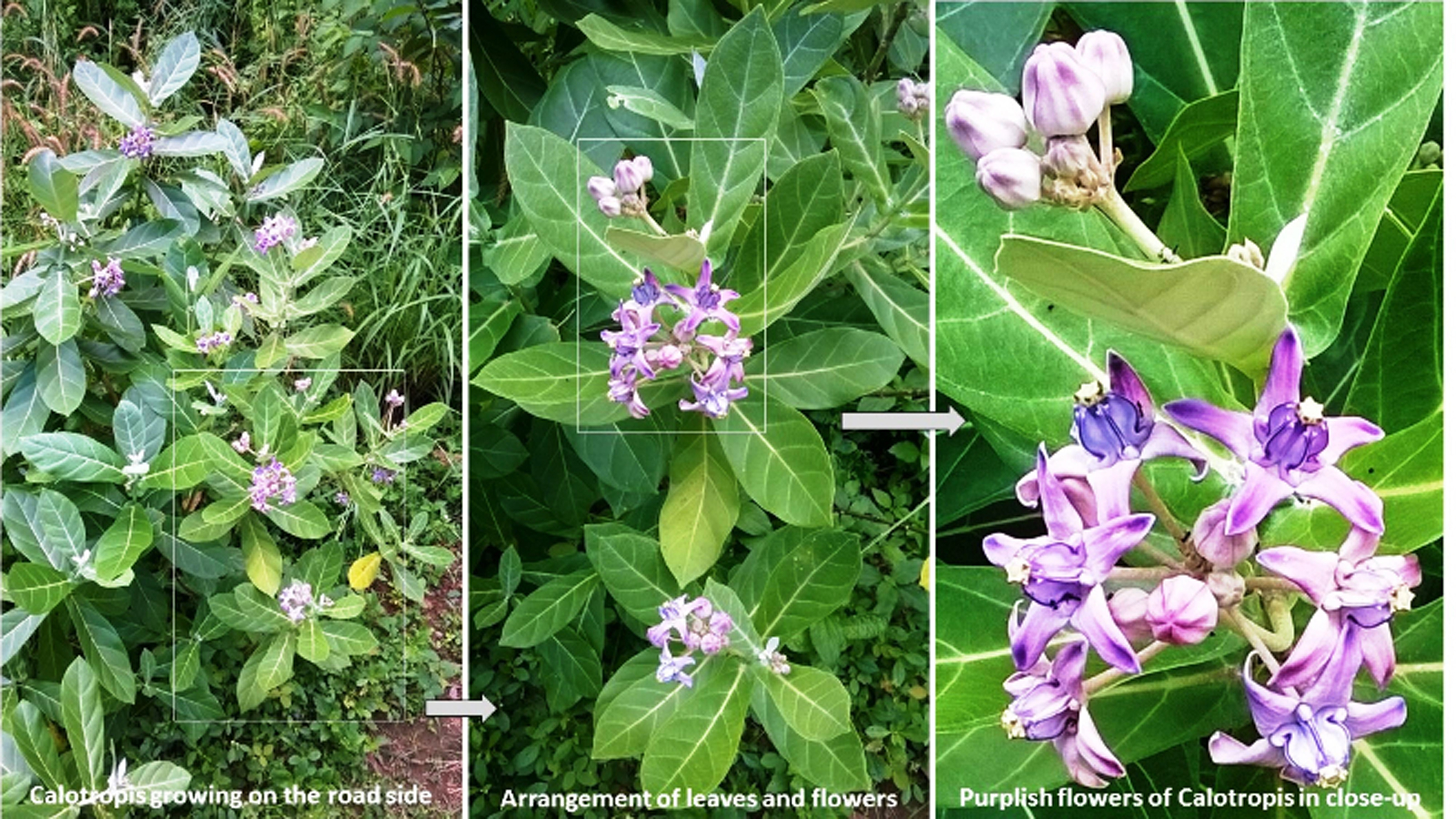
Photographs by Tanuj Kanchan, MD during his recent visit to Kochi in the state of Kerala, located in the southwestern part of India.
The plant yields a durable fiber that is used in rural households to make bowstring, ropes, carpets, and sewing threads. Latex of the plant has been used in treating a variety of ailments in folklore medicine for thousands of years. Remedies based on traditional systems of medicine such as Ayurveda are often imported into Western countries, and their use remains popular without any evidence base. Before the advent of penicillin, the milky sap was thought to be effective against syphilis; hence, the plant was referred to as “vegetable mercury.” Calotropis is reportedly used in treating fever, indigestion, diarrhea, cold, cough, asthma, rheumatism, leprosy, leukoderma, and others in Ayurveda, Chinese, and homeopathic medicines. 1 -4 Constituents of the sap have recently been studied for anti-inflammatory and antitumor properties and for its effectiveness against certain cancers.1,3
Contact with the sap or milky juice of the plant leads to itching, redness, and vesication of the skin. This property has been used to fake contusions and allege trauma inflicted by others. The sap of the plant is also used as arrow poisons by some African tribes. The plant is sometimes used illegally as an abortifacient due to its irritant properties and easy availability in the region. There are reported cases where accidental contact with the acidic milky sap of Calotropis has resulted in ocular toxicity.5,6 Ingestion of the plant leads to burning pain and gastrointestinal symptoms. Although several cardiac glycosides and cardenolides have been isolated, so far there are no well-documented poisonings after ingestion of these plants and no information about their medically relevant potential cardiac toxicity. Thus, the “cardiotoxic propensity” has been largely surmised on the basis of the chemical nature of the plant product, and its clinical significance is currently unknown. When the milky juice of the plant is allowed to stand, it clots, leaving behind straw-colored serum that contains “gigantin,” which is reportedly 20 times more toxic than strychnine.5,6 However, neurotoxicity has not been independently confirmed with well-documented pharmacologic investigations. Due to lack of any specific antidote, treatment of Calotropis poisoning is usually conservative and symptomatic.