




Abstract

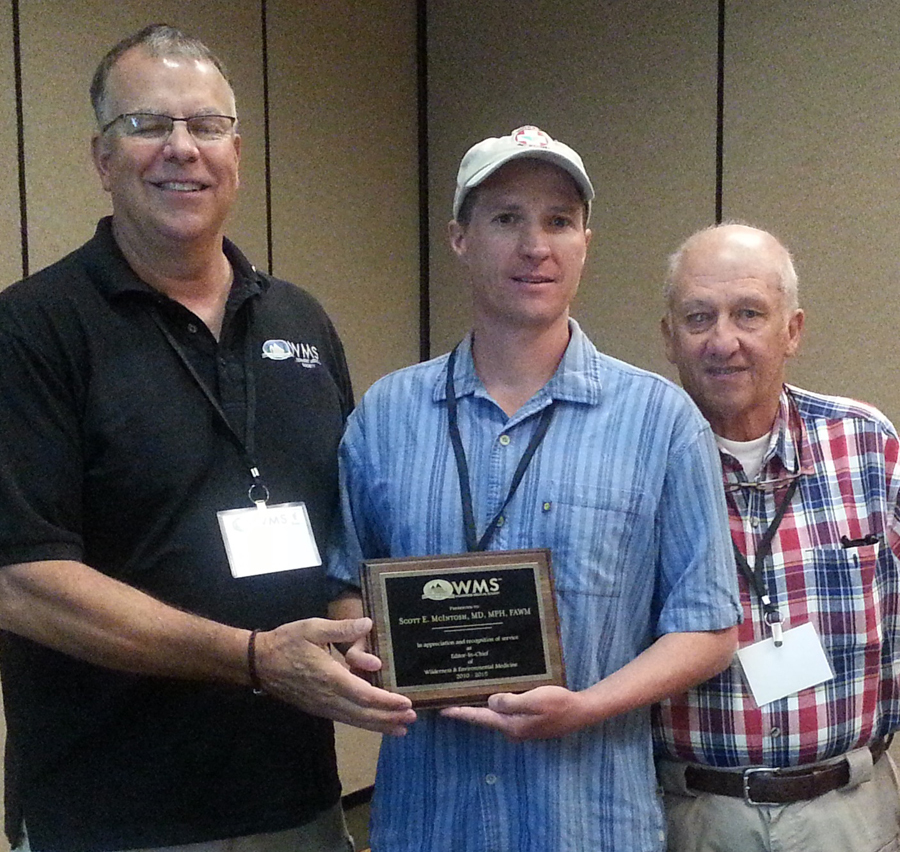
As the journal enters a new phase with a new Editor-in-Chief, it is a natural time for re-evaluation and reflection on where the journal should go from here, and how best to get there. For me, this journey started well over a year before assuming the Editor-in-Chief position in July 2015 when I was preparing for the position interviews. Shortly after accepting the position, I set forth my general goals to the Wilderness Medical Society (WMS) leadership and the Wilderness & Environmental Medicine (WEM) Editorial Board.
In a few words, my goals for the journal are to balance the needs of the WMS with efforts to increase the overall journal impact. Fortunately, it seems that the WMS and the journal are aligned, as the organization is making a concerted effort to enhance scientific investigation in wilderness and environmental medicine through their grants program and emphasis on scientific presentations at WMS meetings.
So, the real focus is on increasing the impact of the journal. However, before charting a path to get there, we must first explain just what is meant by impact of the journal. For me, it simply means improving the quality of papers we publish. In some regards, this is the feedback we get from the measure referred to as journal impact factor. Journal impact factor is the number of times papers published in the journal in a 2-year span have been cited in the subsequent year divided by the total number of published papers in the journal during that 2-year period. Our 2014 impact factor was 1.196, placing us 52nd among 81 sports sciences journals and 112th among 162 public, environmental, and occupational health journals. We can do better. Unfortunately, the effect of anything done now will not be recognized until the 2017 journal impact factors are released in mid-2018. In the meantime, though, we can anticipate some increase in our journal impact factor as a result of the practice guidelines published at the end of 2014.
How do we increase the overall impact of the journal? Here are some specifics I have in mind. As an author, I know that key issues in the decision to submit to one journal over another relate to the speed of reviews and publishing. In terms of review speed, WEM is doing rather well, with the time from submission to first decision currently averaging 23 days, which is down from 44 in 2013 and 37 in 2014. However, we can do better. In particular, we can work on eliminating some of the long outliers. As for the speed of publishing, we are currently not doing so well. At present, we have a delay of 7 months from the time of acceptance to publication. We plan to address this issue by being a bit tougher on the quality of papers we accept and the use of online-only publishing of some items (eg, meeting abstracts) so we have a few more journal pages for full manuscripts. You will also notice that I will be adding some new members to the WEM Editorial Board. These will be people with strong scientific records who will bring insights from work with other quality journals and will also serve to enhance the image of our journal. Another thing we all can do is to be alert to interesting abstracts we see presented at the various scientific meetings we attend, and when the work is pertinent to our readership, mention to the authors that they might consider submission to WEM.
This is the plan—admittedly pretty basic. But all good things are built from a solid foundation. Fortunately, the journal is in a good place thanks to former Editor-in-Chief Scott McIntosh, his team, and the prior journal Editor-in-Chiefs. Nonetheless, I will say that I am pleased they have left us some room to improve. I anticipate an interesting journey as we enhance the journal’s impact and prestige. And yes, we can get there from here!