






Abstract
Objective
Inadvertent exposure to the ubiquitous weed, Urtica dioica, called “stinging nettles” produces an immediate stinging and burning sensation on the skin. This investigation evaluates the structural effect that stinging nettle spicules may have on the clinical manifestation of these symptoms. This hypothesis was investigated by exposing murine skin to stinging nettles and then evaluating the skin using electron microscopy. It was hypothesized that the mechanism of action of stinging nettles is both biochemical and mechanical, which may have clinical significance regarding treatment for acute exposure.
Methods
Fresh post-mortem dermis samples from the carcasses of genetically modified hairless mice were brushed under the stem and leaf of a stinging nettle plant, mimicking the clinical method of exposure a patient might experience. Another set of mouse skin samples was obtained but not exposed to the nettles. Both sets of skin samples were imaged with scanning electron microscopy.
Results
The skin samples that were not exposed to nettle leaves were uniform, with occasional striated hairs on the skin surface and no nettle spicules. The skin samples exposed to nettle leaves showed many smooth nettle spicules piercing the skin surface. A few spicules retained their bases, which appear empty of any liquid contents.
Conclusions
The mechanism of action of stinging nettles dermatitis appears to be both biochemical and mechanical. Impalement of spicules into the skin likely accounts for the mechanical irritation in addition to the known adverse chemical effects of stinging nettles. Further investigation of treatment modalities is warranted.
Introduction
The stinging nettle (Urtica dioica) is a common weed found in almost all parts of the United States 1 (Figure 1). It is a perennial plant that tends to grow in lower areas with rich soil and a relatively high moisture concentration (Figure 2). Stinging nettles are a frequent cause of contact urticaria. There is an immediate stinging, burning sensation in the area exposed followed within minutes by an urticarial, blanching rash (Figure 3). The mechanism of action of this dermatitis is presumed to result from the biochemical irritation. 2 The stinging nettle plant is covered with multiple small spicule-type hairs noted on the stem and the underside of the leaves. This study sought to determine whether the spicules of the stinging nettle may indeed break off upon contact with the victim and provide a mechanical irritant with spicule impingement into the dermis in addition to the known biochemical response.
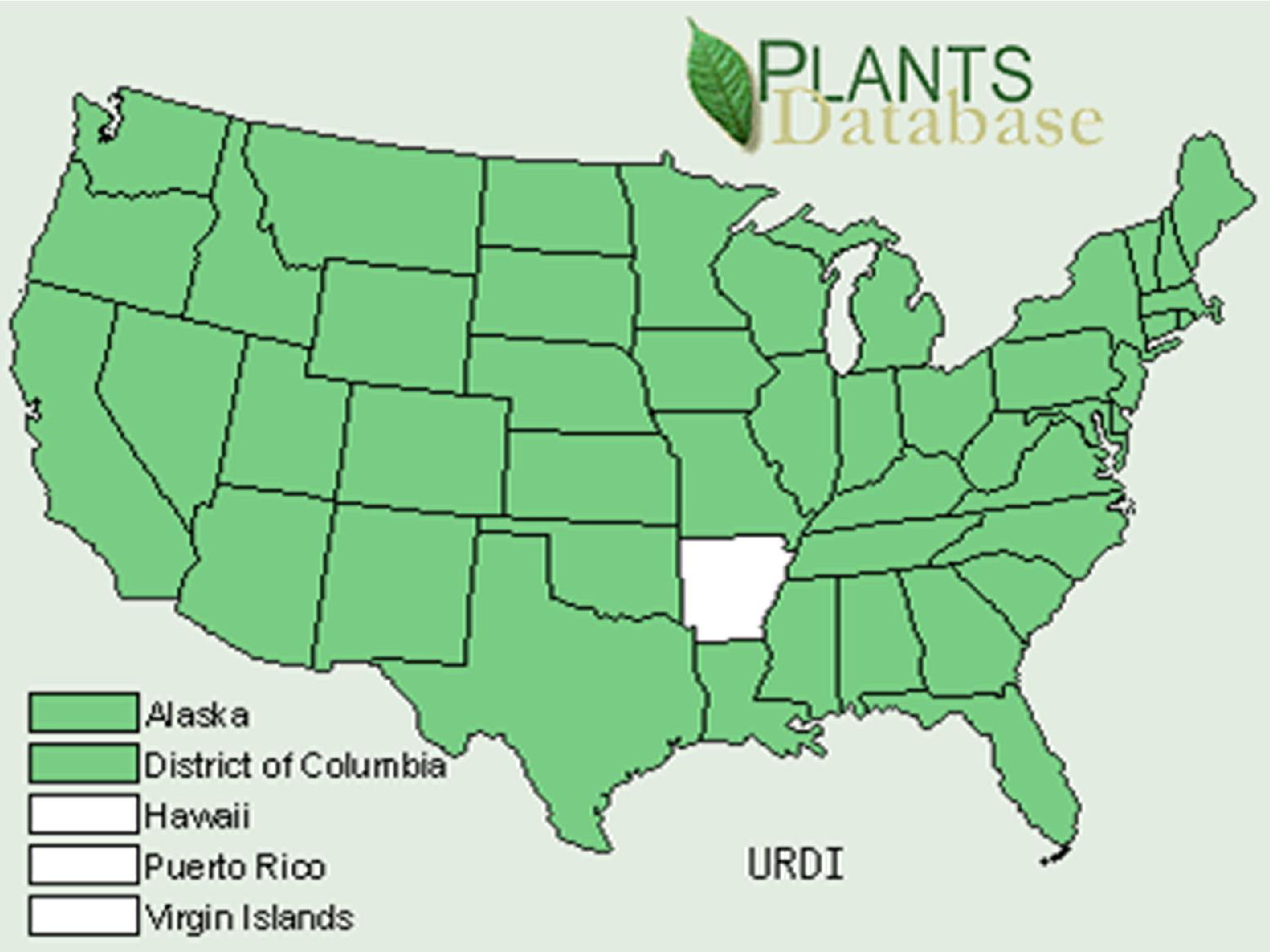
Map of the distribution of the stinging nettle plant (Urtica dioica) in the United States. All states with the exception of Hawaii and Arkansas are known to have stinging nettle plants. 1 (Public domain, US Department of Agriculture).
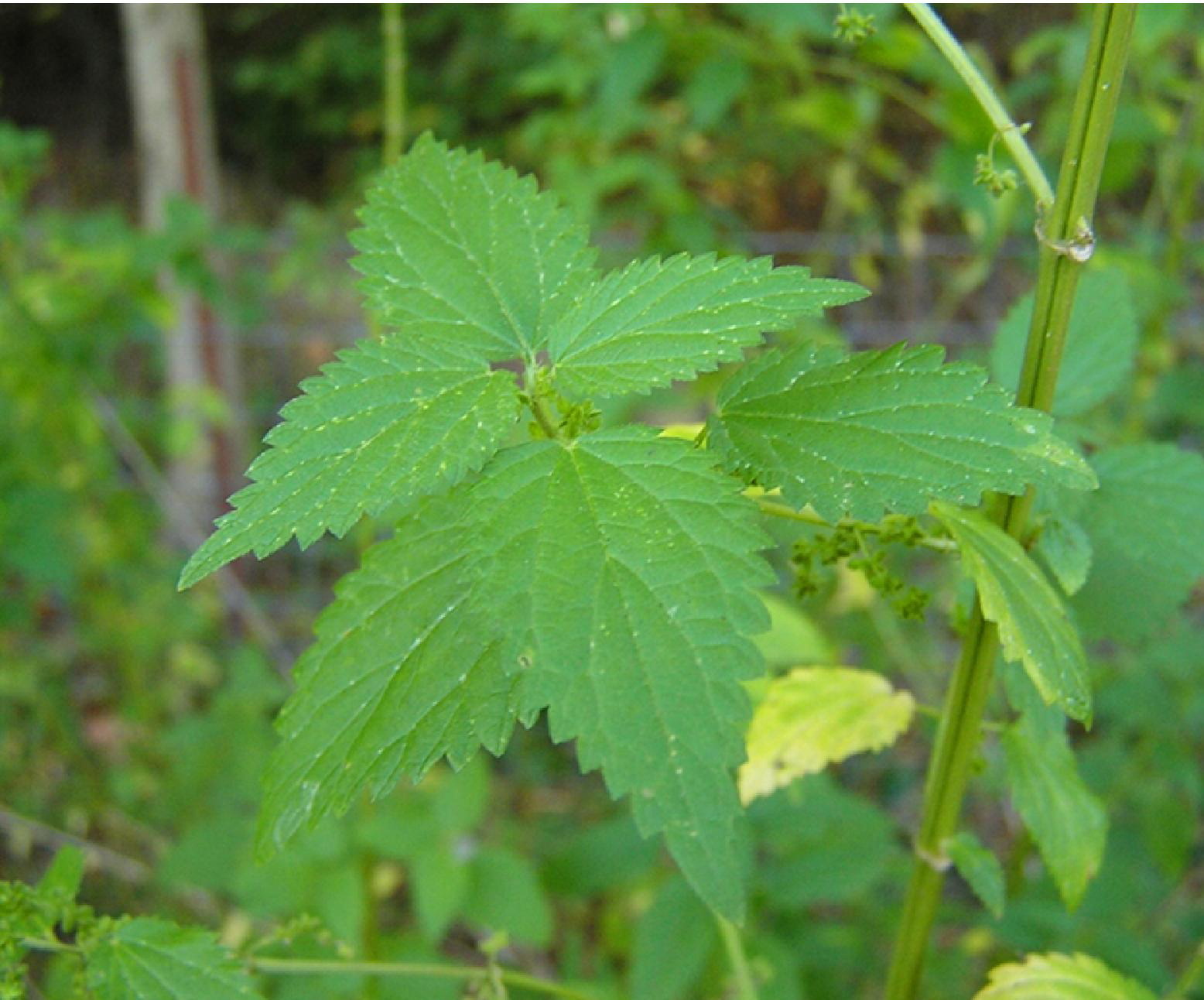
Image of the stinging nettle plant (Urtica dioica). (Original photo by A. J. Cummings).
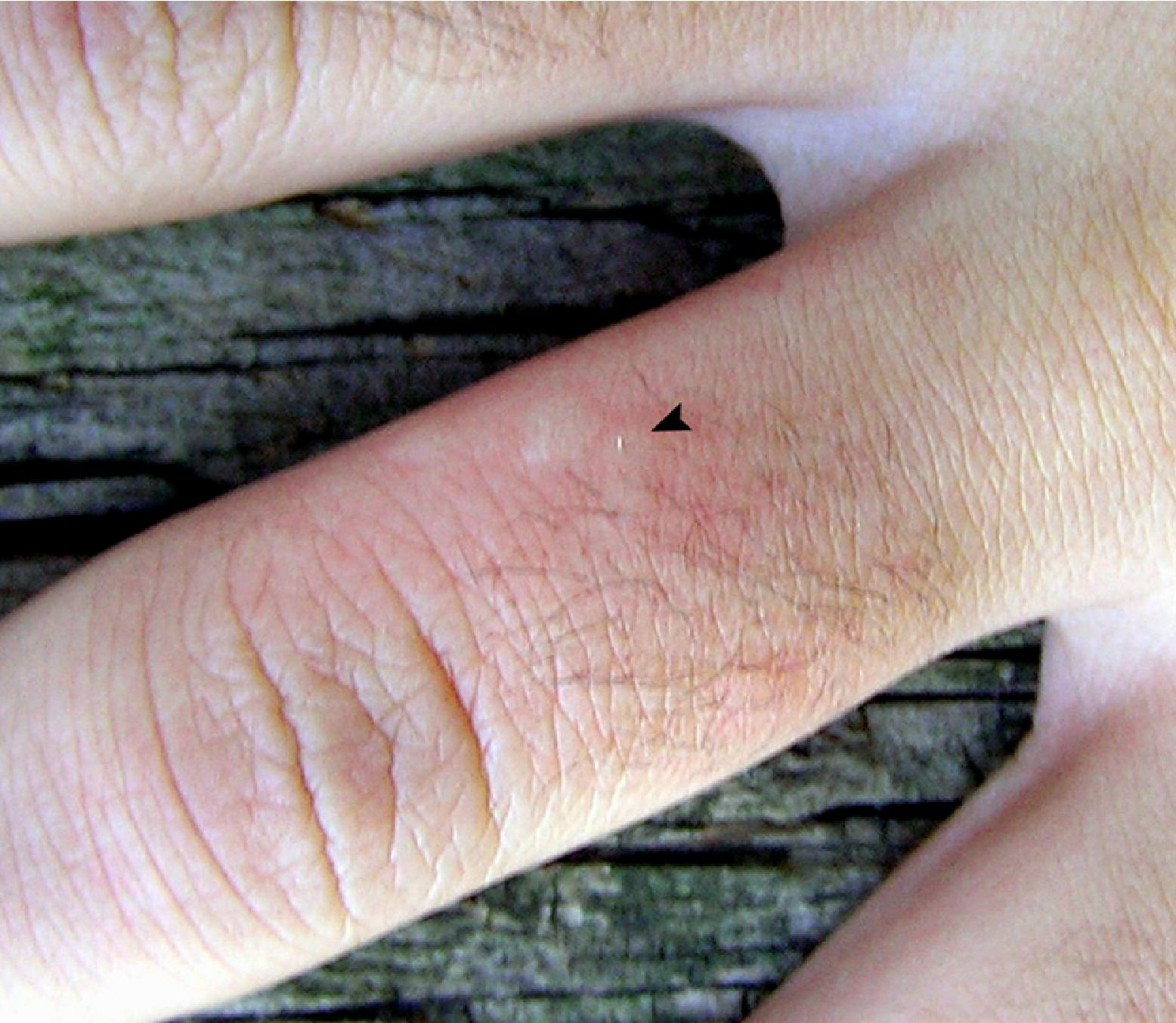
Image showing the wheal and flare rash associated with the stinging nettle as well as a spicule imbedded within the skin (arrowhead).
Materials and Methods
Stinging nettles from central Illinois were obtained. The soil type was Salty Loomis and the plants were selected during the summer months of July and August. These freshly cut samples were imaged using the JEOL, JSM 35 Scanning Electron Microscope (JEOL Ltd, Tokyo, Japan). Four post-mortem dermis samples were taken from the carcasses of genetically modified hairless mice. The fresh mouse skin samples were then mounted on a piece of rounded cork in preparation for exposure to the stinging nettle samples. We brushed these 4 skin samples under the stem and leaf of a plant to mimic the clinical method of exposure a patient might receive. Another set of 4 mouse skin samples were obtained but not exposed to the nettles. The 4 exposed skin samples and the 4 control samples were imaged with electron microscopy. We examined the surface of 10 random sections of about 5 mm in size from both skin groups. Photographs were taken from representative surface areas from each skin group. The use of live mice for this study was considered but ultimately rejected. Movement of the live mice and the skinning process would have introduced mechanical variability that would make standardization of samples impossible. An adequate supply of freshly sacrificed mice further supported the use of post-mortem mice. The Animal Care and Use Committee reviewed the study and waived approval due to the use of post-mortem samples.
Results
The control skin samples were uniform with an occasional striated hair seen on the skin surface (Figure 4). As expected, no nettle spicules were observed on the surface of any of the skin samples in this group. The exposed skin samples showed many nettle spicules sticking into the skin surface (Figure 5). These spikes appeared smooth and were not striated like the hair on the skin surface. A few of the spicules had their base still attached and these base structures appeared to be empty of any contents (Figure 6).
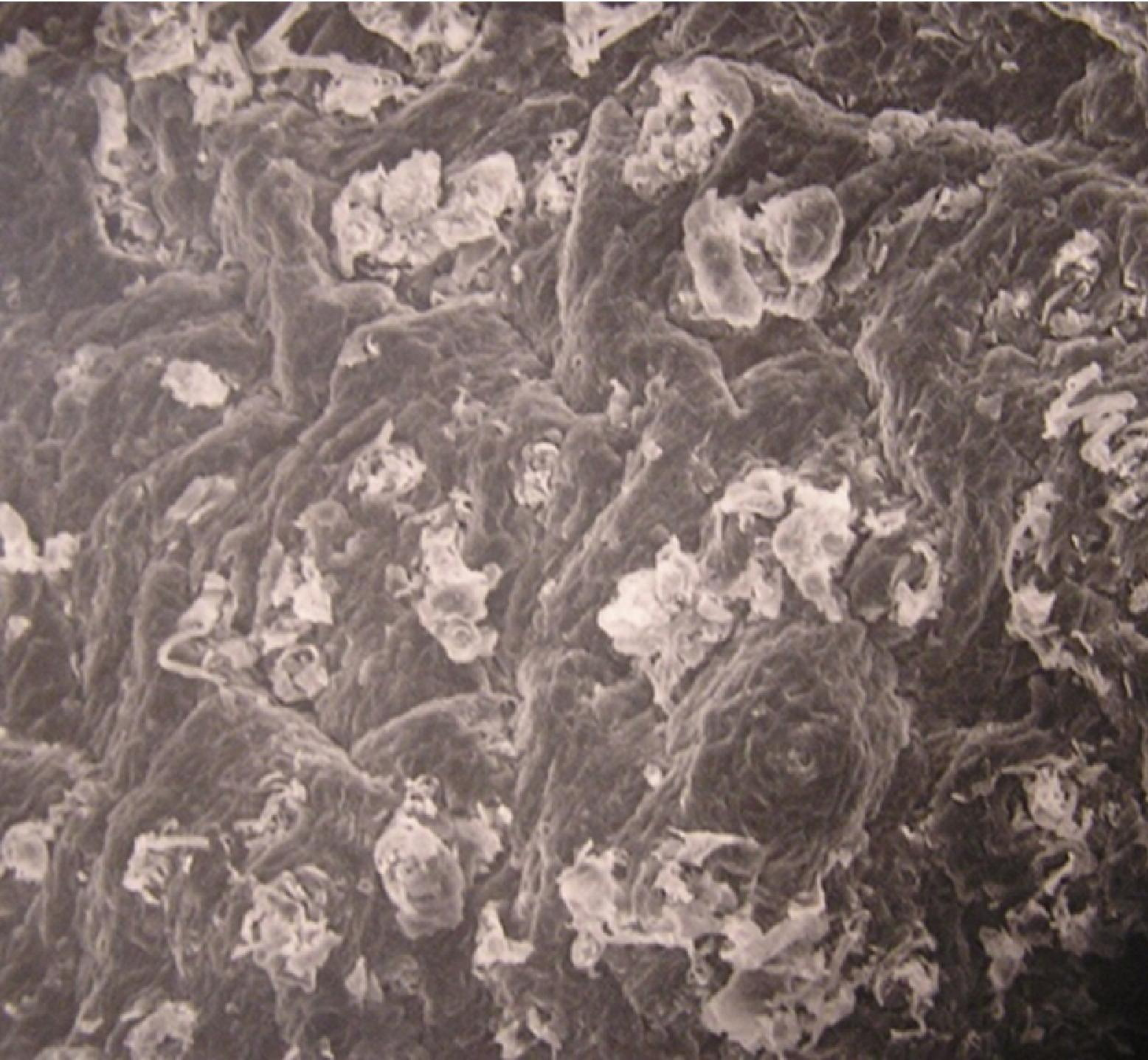
Control skin sample at ×100 magnification.
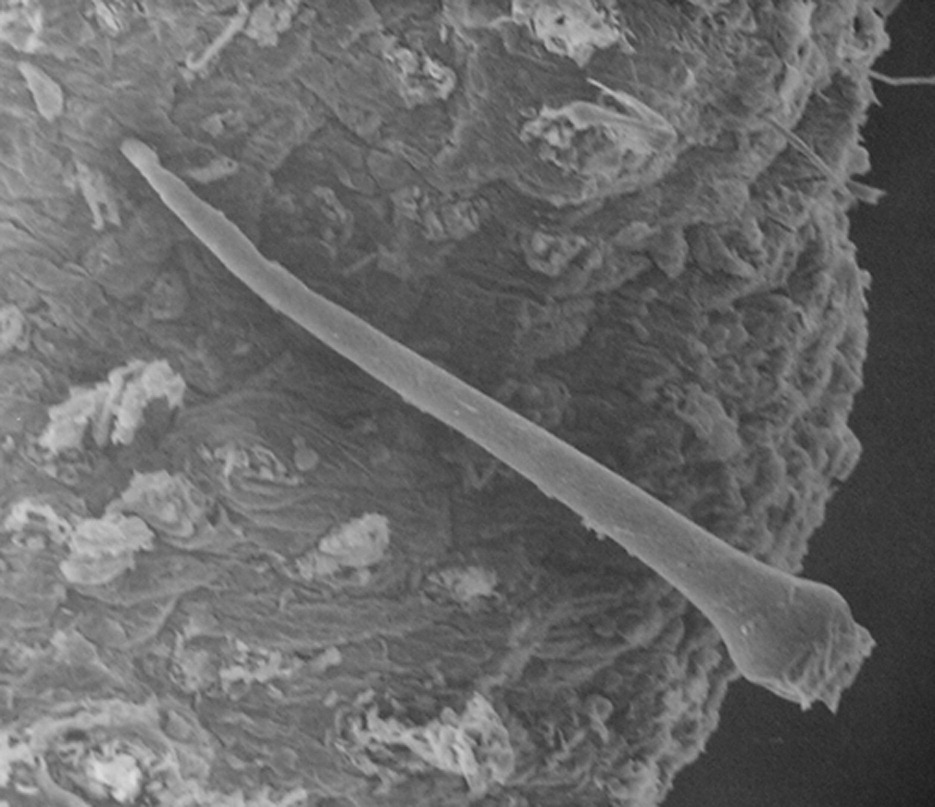
Exposed skin sample at ×100 magnification. The spicule from the nettle plant is seen penetrating the skin surface.
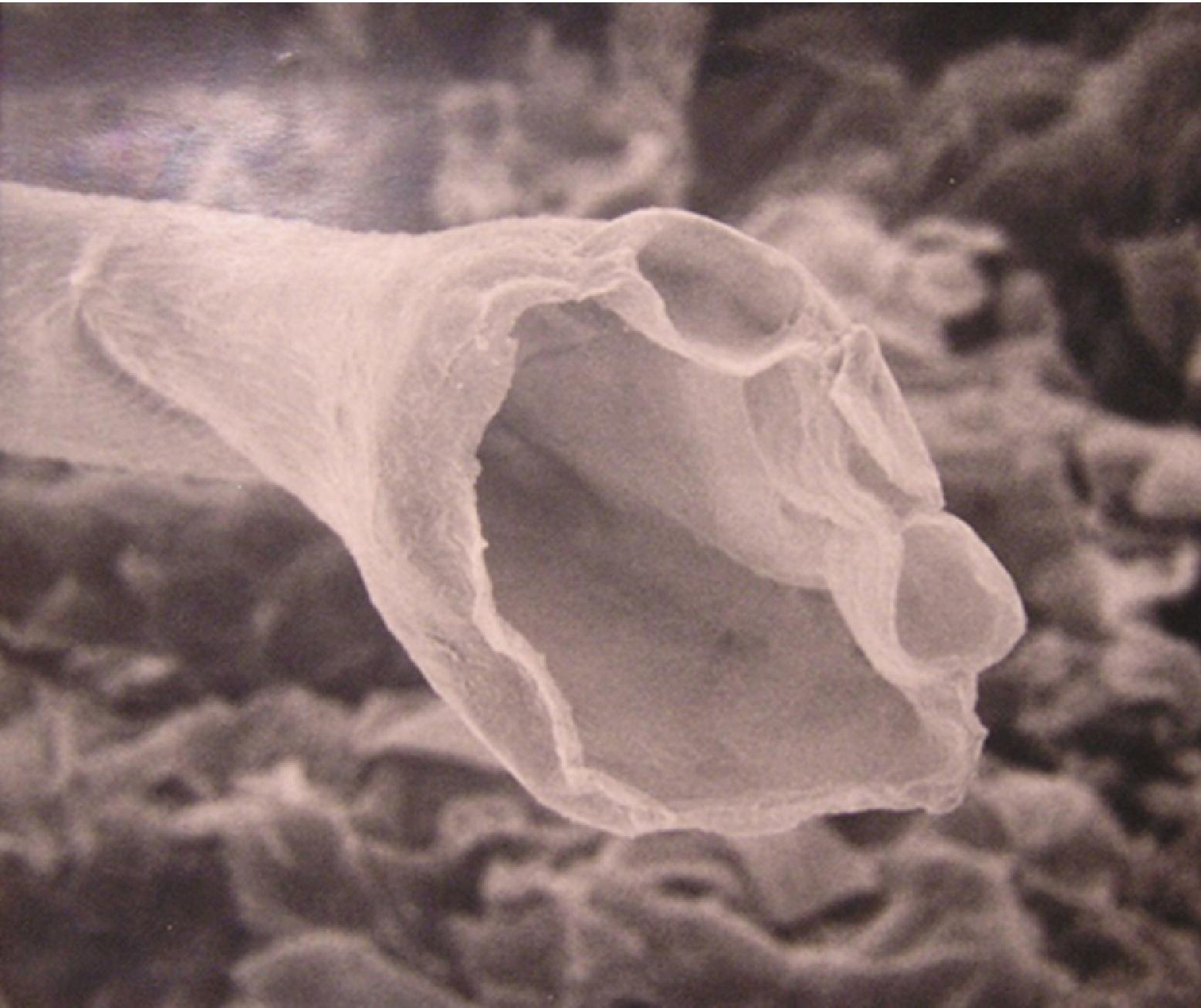
View of the base of nettle spicule protruding from the skin surface magnified ×500.
Discussion
Stinging nettles have been used for centuries by traditional healers and as folk remedies. 3 They have been used to make tea, soups, and other foods. Medicinal uses for the plant derive from its anti-inflammatory properties; it has been used to treat arthritis as well as other ailments. Randall et al have conducted several studies assessing the medical use of stinging nettles for treatment of various conditions including base-of-thumb pain, 4 various joint pain, 5 and chronic knee pain. 6 Early biochemical analysis of stinging nettles revealed a high concentration of formic acid within the spicules of the nettles; however, more recent studies have shown histamine, serotonin, and acetylcholine to be found in the nettle fluid. 4 Clinically, when a person is exposed to the stinging nettle, there is a rapid onset of symptoms that includes burning and stinging followed by a hyperemic rash (Figure 3). It is accepted that the chemicals found in the stinging nettle plants produce these symptoms. 7 To date, to the best of our knowledge, the idea that there may be a mechanical component to the effects of stinging nettle exposure has not been tested. This is the first study to evaluate and demonstrate a mechanical interaction between the patients and the plants, namely the breaking off of the spicules into the skin. Clinically this may be relevant in evaluating possible treatments for stinging nettle exposure. Currently, treatment options are mostly anecdotal and have varied results. These treatments include crushed broad-leaved dock plant (Rumex obtusifolius), sage (Salvia officinalis), peppermint (Mentha x piperita), mud, and even toothpaste being rubbed on the site of exposure. These methods are directed at counteracting the biochemical causes for the rash. Further investigation needs to be conducted to determine if a method directed at removing the microscopic nettle spicules from the skin can aid in a more rapid recovery; possibilities such as a more sophisticated washing technique, some type of adhesive tape approach, or a combination thereof may prove to be useful at trying to alleviate symptoms.
Conclusions
The mechanism of action of stinging nettles may be both biochemical and mechanical. Impalement of spicules into the skin may add additional mechanical irritation to the known adverse chemical effects of stinging nettles. Further investigation of treatment modalities is warranted.
Footnotes
Acknowledgments
The authors wish to thank Stephanie Kok and Joshua Novak, medical students, University of Illinois at Chicago, College of Medicine at Peoria, for their assistance in the revisions of this manuscript.