




Abstract

A2 Technologies
Flexscan FTIR System
According to A2 Technologies, its newest portable FTIR system, Flexscan, is a superior-performing mid-IR spectrometer for laboratory and field use. This is a result of a new modulator that has an extremely short internal path length while retaining a large optical aperture. Flexscan's handheld optics and compact size are considered ideal for applications that require repetitive analyses on large surfaces or in locations that are physically restricted. Flexscan offers a variety of sampling interfaces including diffuse, grazing angle, attenuated total reflection, and specular reflectance for the analysis of a broad range of materials, including polished or roughened metals, polymers, composites, plastics, and most other solids. Flexscan consists of two parts: an optics module that contains the source, interferometer, and detector, where all are optimally coupled with sampling optics and a power module that contains battery and electronics. The latter module is available either belt mounted or held by a shoulder strap.

More: www.a2technologies.com
Agilent Automation Solutions
Applications Bulletin: Automating Viral RNA Genotyping
This new bulletin describes an automated system for rapid characterization of pathogens, including, for example, the influenza A (H1N1) virus. Designed and built for researchers at Los Alamos National Laboratories and University of California, Los Angeles, the new BioCel PCR Viral Genotyping System provides rapid, reliable, and efficient automated genetic sequencing of viruses. The new system is shown to automatically sequence 40 RNA samples across 192 genes in just 11 h. Using Agilent VWorks dynamic scheduling software, the system can sequence a minimum of 10,000 influenza viruses per year. In situations where viral outbreak reaches pandemic proportions, the throughput of the system can be doubled by running two shifts per day.
The BioCel System used in this application, comprising a variety of Agilent liquid-handling options and third-party devices including thermal cyclers, incubators, and plate storage devices, is a dual-robot system designed to optimally address the two steps of the PCR workflow. One side of the dual-robot system was designed for reaction preparation and cleanup and the other side for running the actual PCR. The system can be extended to address other components of the workflow including the upstream nucleic acid extraction step.
More: www.chem.agilent.com/en-US/Products/Instruments/automation/Pages/ViralRNAGenotyping.aspx
Demonstration Video: Direct Drive Robot
The Agilent Direct Drive Robot (DDR) is designed to advance target identification and high-throughput screening for drug discovery research and can also be used in genomics applications, including DNA extraction and PCR sample preparation. A new demonstration video shows how the DDR is fast, precise, and designed with safety in mind.
Microplate Seal Piercer
According to Agilent, its new low-cost automated microplate piercing station is considered ideal for screening and is compatible with a variety of seals and pin plates. Designed for productivity, the Microplate Seal Piercer can accurately pierce a wide variety of seals on 96-or 384-well microplates in 4 s of cycle time. Specially designed piercing pins guarantee a clean controlled puncture on every microplate with a penetration depth of 3 mm, even with deep-well microplates. This seal piercer can be used as a stand-alone unit or integrated into a robotic system through the ActiveX control and RS-232 serial port connection. Indicator lights on the machine alert the operator of the machine status (ready, busy, stop, and low air pressure), and a microplate alignment sensor ensures that the microplate is correctly positioned in the microplate locator before actuation.
More: www.chem.agilent.com/Library/datasheets/Public/5990–3486EN_LO.pdf
AMS Biotechnology (Amsbio)
Oris Pro Cell Migration Assay
This new addition to Amsbio's range of 96-well cell exclusion zone assays for performing cell migration and invasion experiments complements the existing Oris cell migration assay. It can capture and quantify real-time cell migration data using microscopes, high content screening (HCS), and high content imaging instruments. Typical results are highly reproducible; excellent well-to-well coefficient of variations and robust Z factors make the new kit highly suitable for productive compound screening. The Oris Pro Assay uses a biocompatible gel (BCG) to form a cell-free zone on culture surfaces. After seeding cells into the 96-well plate, the BCG dissolves and permits cells to migrate into the well centers.
Rabbit Monoclonal Antibodies for Immunohistochemistry
A new portfolio of rabbit monoclonal and polyclonal antibodies for immunohistochemistry applications is now available from Amsbio. A rabbit custom antibody service is also available.
HDAC Cell-Based Assay Kits
Two new histone deacetylase (HDAC) cell-based assay kits provide easy tools for studying the activity and inhibition of the full range of HDAC enzymes (1–11). Inhibition of HDACs has been implicated to modulate transcription and induce apoptosis or differentiation in cancer cells. However, screening compounds for HDAC inhibition has traditionally been difficult because of the lack of convenient tools for analyzing HDAC activity. According to Amsbio, its new HDAC cell-based assay kits provide a fast and fluorescence-based method that eliminates radioactivity, extractions, or chromatography, as are often used in traditional HDAC assays. By using a cell-permeable HDAC substrate in the new assay kits, the activity of various protein lysine-specific deacetylases including HDAC-containing complexes can be measured in intact cells in a simple and homogenous manner. The fluorescence of the deacetylated reaction product can be analyzed using a plate reader or a fluorometer.
More: www.amsbio.com/datasheets/50033.pdf and www.amsbio.com/datasheets/50041.pdf
ARC Informatique
PcVue 9.0
The new version of the PcVue is a new-generation SCADA software package that opens up links to new protocols, such as integration of OPC KEPWARE servers and Smart Generator Step7. Version 9.0 features innovations designed to reduce deployment and operating costs for process monitoring projects and utilities, improve ergonomics, and improve the ease of use. The PcVue 9.0 graphic interface also includes many enhanced features. To facilitate generation of three-dimensional (3D) mimics and meet the recurrent needs of automatic generation, the models and 3D symbols can now be saved in text format.
More: www.arcinfo.com
BD Diagnostics
BD Microtainer MAP Microtube
For automated processes for hematology testing, this new product is designed to improve the safety, accuracy, and turnaround time of capillary blood collection and testing in patients with veins that can be difficult to access, such as infants, children, oncology patients, and the elderly. The new BD Microtainer MAP product is also considered as the first microtube to be fully compatible with most automated hematology instruments, reducing turnaround time and costs associated with sample transfer and relabeling. Its design enables automated processing with use of 81% less blood than that by venous systems.
More: www.bd.com
Beckman Coulter
Antibody Cocktail Preparation Workstation
The Antibody Cocktail Preparation Workstation automatically combines antibodies and staining dyes from individual vials into tubes or vials staged on the Biomek NXp deck. According to Beckman, automating the multicolor flow cytometry analysis preparation process eliminates costly errors associated with manual preparation and improves efficiency. Complex multireagent multipanel antibody staining cocktails are prepared with precision and accuracy. Antibodies can be directly aliquoted into single 12 × 75-mm sample tubes in 96-tube racks. Cocktails can also be produced in bulk in 4-mL dark color vials. Additional output formats can be developed on request. Built-in temperature control and light and evaporation protection reduce factors that could potentially affect fluorochrome-conjugated antibody stability.
More: www.beckmancoulter.com

Streptamer Technology
Streptamer technology, manufactured by IBA, provides a novel method for the isolation and characterization of functional antigen-specific T cells by fluorescence-activated or magnet-assisted cell sorting. It includes antigen-specific multimers available in a number of human alleles and mouse models and attached to either magnetic beads or fluorescently labeled Strep-Tactin. According to Beckman Coulter, the addition of the Streptamer technology to its iTAg MHC Tetramer and iTopia immune monitoring product lines provides a comprehensive range of methods for sorting and characterizing cells. Combined with the current Tetramer and iTopia reagents, Streptamer technology allows an expanded use of tetramers to include in vivo experimentation.
More: www.beckmancoulter.com
Beckman Coulter Genomics and Genpathway
ChIP-Sequencing Data and Analysis
This new strategic partnership offers whole-genome chromatin immunoprecipitation-sequencing (ChIP-Seq) services, providing researchers investigating gene regulation and genetic pathways a single inclusive source for services supporting genome-wide studies of transcription factor binding, gene transcription, and epigenetic events.
More: www.beckmangenomics.com
Biohit
ErgoTube
These new microtubes are designed with a flip cap to reduce strain and effort during use. This feature assists in opening the ErgoTubes more safely than that in traditional microcentrifuge tubes. The tubes are considered ergonomic, safe, and functional for use in centrifugation, sample preparation, boiling, and storage.
Biohit ErgoTubes are RNase-, DNase-, and pyrogen free. They are available in clear and eight colors. Sizes include 0.5, 1.5, and 2.0 mL. All tubes are packaged in tamper-evident resealable bags for user and sample protection.
More: http://www.biohit.com or www.us.biohit.com
Capsugel
Xcelolab Dispenser
The Xcelolab benchtop dispenser, the latest addition to Capsugel's Xcelodose precision powder microdosing range, enables pharmaceutical development teams to perform method development, powder dispense head selection, and powder characterization studies in the laboratory environment. The data produced and methods developed can then be directly transferred to the Xcelodose system for the manufacture of clinical trial materials without interruption or unnecessary downtime.
More: www.capsugel.com

CFS 1500 C Capsule Filling and Sealing System
The new automated CFS 1500 C (containment) system offers rapid and safe filling and sealing of capsules containing lipid-based formulations or potent compounds for use in early phase clinical trials. It uses Capsugel's Licaps Drug Delivery System technology and offers many of the same benefits as Capsugel's CFS 1200 Capsule Filling and Sealing system, which was developed to enable easy movement and integration into suitable containment equipment. The CFS 1500 C system also is designed to facilitate cleaning and ensure that compounds remain within the working area. It has readily accessible moving parts that can be removed for manual or autowasher cleaning. The CFS 1500 C system has an increased throughput of 1500 filled and sealed capsules per hour and is scalable to commercial manufacturing using the LEMS 70 Liquid Encapsulation Micro-spray Sealing system, which is capable of sealing up to 70,000 capsules per hour.
Chip-Man Technologies
Cell-IQ 2 Live Cell Imaging and Analysis System
According to Chip-Man, this new platform builds on its original Cell-IQ system, offering fully automated imaging and analysis for the study of live cell behavior in an optimized and stable environment. The Cell-IQ platform allows accurate and reproducible quantitation of results for live cell imaging and has proven successful in a range of laboratory settings. The second-generation system provides increased usability and precision, offering advanced features for cell biology, functional genomics, drug discovery, in vitro fertilization, in vitro toxicology, and regenerative medicine applications. In addition, the system's user interface now includes the new Analyzer Pro-Write software for greater functionality.
More: www.chipmantech.com

Clinical and Laboratory Standards Institute
Validation of Automated Systems for Immunohematological Testing before Implementation
New approved guideline I/LA33-A from the Clinical and Laboratory Standards Institute provides guidance to laboratory personnel, including installation qualification, operational qualification, performance qualification, and sample templates and test cases.
More: www.clsi.org
Dolomite
Miniaturized Glass Gas Chromatography Chip
In collaboration with the U.K.'s National Centre for Atmospheric Science, dolomite has successfully tested the miniaturization of gas chromatography (GC) equipment for environmental testing. The glass Gas Chromatography Chip has a 300-μm thick layer and is fabricated with isotropic channels, which effectively replace the capillary and spindle structures that are characteristic of standard GC columns. This microfluidic miniaturization enables the production of portable, robust, and low-power GC systems suitable for environmental applications, such as atmospheric monitoring.

The chip design includes an injection zone, which allows activated carbon particles to be loaded and held, forming a sample absorption column. Closely packed within a 100 × 100-mm microfluidic chip, the 7.5-and 1.4-m long channels have an internal diameter of 320 μm to ensure efficient heat transfer. With a circular cross section, a uniform coating can be evenly applied to the inner surface of the channel, effectively mimicking the stationary phase, to aid separation.
Dolomite and Emerald BioSystems
Microcapillary Protein Crystallization System Plug Maker
This novel touch screen instrument enables low-volume crystallization (5–10 nL protein/experiment) for the production of diffraction-ready crystals with no wasted protein. The Microcapillary Protein Crystallization System Plug Maker is considered ideal for applications such as ligand screening, hybrid screening, and microfluidic seeding. The Plug Maker is a self-contained unit operated from a built-in touch screen control unit, taking up less than 2 feet of bench width.
Dolomite carried out all elements of the Plug Maker system design and development (including concept generation, industrial design, hardware and software engineering, and manufacture), creating an easy-to-use system based on Emerald's core science. The Plug Maker automates well-validated Emerald technology, rapidly creating a series of 10-nL plugs of protein and precipitant samples in a plastic CrystalCard, which are then allowed to crystallize. This performance is made possible using Dolomite's ultrasmooth pump technology, coupled with its expertise in microfluidics and engineering. Dolomite also completed the entire instrument design (including a vision system, fully automated liquid-handling system, and touch screen control software).
Exeter Analytical
Application Note: Determining the Nitrogen Content of Explosive Compounds
Application note TM212 describes a safe and accurate analytical method for accurately determining the percentage nitrogen content of explosive materials such as pentanitrocellulose, dekanitrocellulose, and pyroxylin. Historically, the nitrogen content of nitrocellulose compounds, and other munitions, has been analyzed with a nitrometer using the standard method MIL-STD-286B (T-209.9). For nitrocellulose compounds and other explosive materials, Exeter Analytical has developed a new, safe, and accurate percentage nitrogen determination method using its Model CE440 Elemental Analyzer. Application note TM212 describes the new methodology and demonstrates how theoretical values of nitrogen compare closely with data obtained from standard method MIL-STD-286B (T-209.9).
More:
Fluxion Biosciences
IonFlux Automated Patch Clamp System
New software drivers and hardware upgrades enable use of Tecan's Freedom EVO liquid handler series and accessories for automated plate preparation at a pace that fully optimizes the throughput of Fluxion's ion channel screening platform. According to Fluxion, its new IonFlux automated patch clamp system provides flexibility, time, and cost savings compared with those of manual patch clamp rigs and first-generation automated electrophysiology systems. It is considered ideal for a wide range of ion channel screening applications and provides throughput up to 10,000 or more assays per day.

More: www.fluxionbio.com
GE Healthcare
Biacore 4000
According to GE Healthcare, its new Biacore 4000 delivers high-quality binding, kinetic, affinity, concentration, and specificity data in both screening assays and detailed characterization studies. The system is designed for large-scale parallel interaction analyses, with the capability to analyze up to 4800 interactions in 24 h. Biacore 4000 is supported by dedicated software packages for the key drug discovery application areas of small molecule discovery and antibody screening and characterization, which fully exploit the capabilities of the system.
In combination with the LMW Extension Package software, the Biacore 4000 delivers the sensitivity, throughput, and high-quality data required for fragment screening, lead selection, and optimization. The system rapidly discriminates between well behaved and promiscuous/atypical binders and presents streamlined customized data evaluation. Additional kinetic-fitting models provide increased flexibility for compound interaction analysis. Data generated can be easily exported for customized analysis and workflow integration.
The Antibody Extension Package enables Biacore 4000 users to get the best out of their system for antibody analysis applications, saving time and reagents in biotherapeutic development. Dedicated software tools for high-throughput kinetic studies and epitope mapping enable rapid identification of promising candidates. Decision-critical kinetic information is generated twice as fast as with traditional multicycle kinetic assays, using the 2-over-2 kinetic approach.
More: www.gehealthcare.com
Genevac
Online Movie: How to Concentrate or Dry Samples
For laboratories tasked with concentrating or drying samples in wide-ranging sample formats, Genevac presents a new online movie that demonstrates the ease of use and excellent consistent results that are achievable using its EZ-2 Personal Solvent Evaporator. The movie provides an informative introduction to the science behind solvent evaporation technology and demonstrates how the EZ-2 works—from the wide range of compatible sample holders for concentrating and drying, loading samples, ease of operation, stored method programming through to proprietary Genevac innovations that ensure sample integrity.
Rocket Evaporator Puck
The Puck is a new accessory that extends the sampling versatility of the Rocket Evaporator to simultaneously accommodate up to 18 accelerated solvent extractor (ASE) tubes. According to Genevac, this makes the system ideally suited to environmental, food, and agricultural scientists who commonly use solvent extraction techniques and require concentration of extracted samples before analysis. Benefiting from low-temperature and low-pressure steam heating technology, the ASE Compatible Rocket Evaporator can achieve the dual goals of very fast evaporation with very precise temperature control, thereby accelerating the safe concentration of extraction samples.
More: www.genevac.co.uk
Hamilton Company
Cell Imager
The new Cell Imager from Hamilton Robotics is designed for automated cell growth monitoring in the company's CellHOST culture system. The Cell Imager accurately measures cell confluence and growth in 96-well plates and is considered ideal for measuring hybridoma clones in antibody screening for therapeutic and diagnostic research and development. This dedicated imaging module can optimize cell culture workflow and process by providing timely information for decisions on media changes and subculture steps. The compact Cell Imager can be placed directly on the MICROLAB STAR workstation deck, and imaging and pipetting are done in the same position. Its design eliminates the need for a gripper, and it can read an entire 96-well plate in approximately 5 min. Two positions allow one plate to be imaged while another is processed.

More: www.hamiltonrobotics.com
SAMple Puncher
The new SAMple Puncher from Hamilton Storage Technologies is an integrated tube processing module for its −20 and −80 °C Sample Access Manager (SAM) systems and enables automated punching of tubes from their storage trays. This new feature allows flexibility to add Hamilton's automated SAM systems to library environments that use REMP labware. The SAM handles and stores multiple labware types from a wide range of manufacturers and is considered ideal for compound management and biobanking applications. SAM systems offer tracking and access features for sample security, one-and two-dimensional barcode reading and liquid nitrogen backup, and SAM software provides complete audit trails and tools for chain of custody and 21 CFR Part 11 compliance.
More: www.hamilton-storage.com
NIMBUS iProbe
New to Hamilton Robotics' line of compact liquid-handling workstations, the new NIMBUS iProbe features up to four independent channels that can be configured with any combination of 1-or 5-mL pipetting heads. The new instrument provides flexible pipetting choices to and from microplates or tubes in volumes from 1 to 5000 μL. NIMBUS iProbe performs a wide range of liquid-handling steps such as tube-to-tube, tube-to-plate, and plate-to-plate transfers including pipetting from nonstandard labware. The flexibility offered by independently spaced channels is considered ideal for hit picking and sample preparation from tubes, and the 5-mL capability enhances high-volume applications such as vacuum-based solid phase extraction. The NIMBUS iProbe includes a new intuitive graphical user interface that facilitates simple instrument programming.
More: www.hamiltonrobotics.com
MICROLAB STAR and NIMBUS
Hamilton Robotics and Artel announced that the Artel Multichannel Verification System (MVS) has been successfully validated for use with Hamilton's MICROLAB STAR and NIMBUS automated liquid-handling workstations. Using Artel's proprietary ratiometric photometry technology, which measures light absorption by two specially formulated dyes to verify volume, the MVS provides volume measurements on a tip-by-tip basis, verifying the accuracy and precision of each dispensing channel, up to 384 channels. Able to rapidly provide U.S. National Institute of Standards and Technology (NIST)-traceable volume measurements and automatically document the results, the MVS is widely used in a variety of laboratories for quality assurance of automated liquid handlers. Now, Hamilton customers who want to use the Artel MVS can access preprogrammed software methods to perform volume verification and confirm the liquid-handling performance of their workstations.
More: www.hamiltonrobotics.com
CO-RE Tips for MICROLAB STAR
New for 384-channel dispensing on the MICROLAB STAR liquid-handling platform are conductive and disposable compressed O-ring expansion (CO-RE) tips packaged in unique nested tip racks that provide higher packing and storing density and reduced space requirements. Twenty nestable tip racks sit on one tray, providing system access to 7680 tips, for longer unattended runs. According to Hamilton, its CO-RE technology for tip pickup and ejection delivers the most robust and consistent liquid handling available today. The new CO-RE 384 tips are conductive, enabling capacitance liquid level detection (cLLD) on the Hamilton CO-RE 384 STP multichannel head. cLLD, which improves pipetting accuracy and precision, cannot be performed with other tips on the market. The new tips also eliminate electrostatic effects, which can be problematic with nonconductive tips.
More: www.hamiltonrobotics.com
Rack Runner
Hamilton's new, fast, and flexible robotic tool can integrate multiple −20 and −80 °C SAM storage systems into a cluster or link storage with a Hamilton liquid-handling workstation. The Rack Runner's range enables scalable integration of multiple Hamilton and third-party systems including incubators, readers, washers, and shakers. The Rack Runner is designed to meet the evolving storage needs of biobanking, virus banking, DNA and RNA research, and pharmaceutical discovery and development. Users can start with a single SAM, adding and linking additional systems as capacity requirements grow in the future.
The small and agile Rack Runner moves on a linear drive that is extendable from 80 cm to 8 m. With wireless control, the robot moves at up to 2.5 m/s. Elimination of moving cables makes the robot more robust than other tools and reduces maintenance requirements. The robot's gripper is equipped with force sensors to guarantee secure gripping, delivery, and positioning of the plates and racks. A plexiglas housing with locked access doors ensures user safety.
More: www.hamilton-storage.com
Integrated DNA Technologies
PrimeTime qPCR Assays
To provide even greater user input, Integrated DNA Technologies (IDT)'s PrimeTime qPCR product offering now allows users to customize standard and XL qPCR assays by specifying the dye and quencher pair used on the probe and the ratio of primer to probe. These new PrimeTime scale features work in combination with the existing versatility offered across the PrimeTime range, including the ability to set the design parameters, select exon-spanning sites to reduce genomic contamination, and view the primer and probe sequences before purchase. In addition, the new features give researchers more flexibility for multiplex design and experimental setup.
PrimeTime qPCR assays are 5′ nuclease assays consisting of a forward and reverse primer along with a dual-labeled probe. The assays are shipped lyophilized with all components in a single tube and with enough reagents for 500 (Standard) or 2500 reactions (XL). The use of a fluorescent probe, as opposed to an intercalating dye, eliminates inaccuracies associated with primer dimers or nonspecific binding. Fluorescence is detected only when the probe is cleaved by the polymerase action of the elongation phase. This improved specificity ensures that the users can gain precise and reproducible results with every reaction. In addition to PrimeTime Standard and XL qPCR assays, IDT also offers the PrimeTime Mini qPCR assay (100 reactions) for small scale screening purposes.
More: www.idtdna.com/primetime
INTEGRA
Voyager Pipettor
According to INTEGRA, its new six-channel Voyager electronic adjustable spacing pipettor is a productive and flexible electronic pipettor that features a mechanism that alters tip spacing at the press of a button. The Voyager incorporates a small motor that moves the center-to-center tip spacing quickly and smoothly at any point in a protocol, all with one hand. Users can preset up to three distinct tip spacings, enabling one six-channel Voyager to accommodate most labware vessels. The six-channel tip spacing for both models can be adjusted from 9.0 to 19.5 mm. Two six-channel Voyager models are available in volume ranges of 10–300 and 50–1250 μL.

PIPETBOY Pro
Designed for comfortable and error-free pipetting, a new integral white light-emitting diode light in the PIPETBOY pro provides an optimal illumination of the area around the pipette, ensuring accurate pipetting and preventing eyestrain even when dispensing liquids out of an opaque centrifuge tube or dark container. The PIPETBOY pro enables users to quickly, accurately, and reliably dose liquids by applying variable finger pressure on the pipettor trigger buttons, changing between drop-by-drop dispensing and fast motorized pipetting at an adjustable speed up to 10 mL/s.
More: www.pipetboy.info
Jetter
JetControl 940MC
The new JetControl 940MC expands the highest level of Jetter's JetWeb controller series. The JetControl 940MC is designed for applications comprising a great number of motion systems for quick cycles and high dynamics, such as path control and interpolation applications, as well as technological functions such as screw capping, electronic gearing, and winding. The JetControl 940MC is expandable by more peripheral and axis modules than by others in the series. The JetControl 940MC is programmed by means of the high-level language JetSym STX, which is able to multitask. This is the main difference between the classical programmable logic controller and the JetControl 940MC.
More: www.jetterus.com
Labcyte
Echo Screening and Omics Packages
Two new precalibrated liquid class packages are now available for use with Labcyte's Echo acoustic dispensers and POD 810 plate assemblers, which move liquids with sound. This expanded capability allows the transfer of compounds in DMSO in high-throughput screening and enables the transfer of a wide range of liquids necessary to assemble miniaturized assays for biochemical and cell-based screening. In addition, the Echo platform can now address a wide range of growing applications in genomics and proteomics such as siRNA screening, real-time PCR genotyping, and protein-based arrays. The Echo Screening Package and the Echo Omics Package allow customers to change applications, on the fly, without the need for custom calibrations.
More: www.labcyte.com
1536LDV Plate
According to Labcyte, its new 1536-well source plate cuts dead volume to half and increases the working volume by 12.5%, providing greater throughput compared with other 1536-well source plates.
More: www.labcyte.com
Malvern Instruments
Zetasizer Micro V
Malvern's Zetasizer family now includes a system dedicated to the analysis of proteins and other biomolecules. Designed and optimized for maximum sensitivity and minimum sample volume, the Zetasizer Micro V is a dedicated system that supports improved understanding and management of a wide range of biomolecular applications. These include optimizing sample and storage conditions, verifying the quaternary structure of protein complexes, identifying thermal characteristics, and assessing protein solubility and sample purity.
More: www.malvern.com
Micronic
Online Tutorial: Track-IT
Track-IT is a new sample management system interfaced to a 2D code reader that allows users to reliably and efficiently organize and track individual samples. It is fully compatible with most of commercial barcode readers and scanners and is considered ideal for biobanks and biorepositories, as well as molecular biology, cellular biology, clinical, chemical, biochemistry, immunology, high-throughput screening, and in vitro fertilization laboratories. The central information database produced by Track-IT is customizable to match laboratory workflow and the unique aspects of different sample types.
Offering operation over an intranet, Track-IT allows data to be accessed from any connected computer in a network. Track-IT also allows users to simply import data from existing files into a common presentation, undertake cross database searches, quickly retrieve information, and produce reports. Compliant with CFR 21 Part 11 protocols, Track-IT offers full sample audit traceability.
ScrewCap DeCapper
The programmable ScrewCap DeCapper opens a row of 12 screw-capped tubes (0.5–1.4 mL) simultaneously, increasing productivity over one-at-a-time methods and providing more flexibility than systems that decap 96 tubes at once. Decapping or recapping of a complete rack of 96 screw-capped tubes takes less than 1 min. Many quality and safety functions have been designed into the Micronic ScrewCap DeCapper. The instrument operates from outside to inside rows, eliminating the possibility of drip contamination that can occur with 96-tube decappers. Built-in torque monitoring ensures a consistent seal and reports the exact location in the event where a tube is not completely sealed. After removal, the caps are placed on a separate removable cap holder, which enables batch processing. The ScrewCap DeCapper can operate as a stand-alone system or can be simply integrated with most commercial automated pipetting workstations.
More: www.micronic.com
Microsonic Systems
HENDRIX SM100
Originally launched as a microplate mixer, the enhanced HENDRIX SM100 now serves four key applications: compound solubilization, sample thawing, microplate mixing, and magnetic particles/cell suspensions. Combining Microsonic's lateral ultrasonic thrust technology and the unique design of the FASA array, the HENDRIX SM100 enables rapid compound solubilization that reduces the hours-long process to minutes. The HENDRIX SM100 can also thaw frozen samples in a matter of minutes; this new use of ultrasonic technology facilitates the possibility of on-demand sample retrieval. The HENDRIX SM100 also can suspend magnetic particles and live cells, which further expands its applications in life science to activities such as DNA extraction or isolation.
More: www.microsonics.com
Process Analysis and Automation
Overlord3
According to process analysis and automation (PAA), Overlord3 is the first laboratory automation scheduler that seamlessly contains both dynamic (event driven) and static (time driven) scheduling in one application.
Quicker and easier to set up, users define the procedure for one assay. The new assay procedure in Overlord3 allows a process to be defined within a few steps in a flowchart without complex procedures with subprocedures. The user interface is considered simpler and provides more information. For example, Overlord3 prompts users where to load labware, estimates time required to complete all assays, and the Gantt chart display shows exactly where you are as the run progresses. In addition, Overlord3 provides full error detection with error recovery. Overlord3 is based on Overlord2 and uses the same driver library that has been developed over the last 10 years, providing the largest library of any automation scheduler and currently containing drivers for more than 350 instruments.
More: www.paa.co.uk
PBL InterferonSource
Quansys Q-Plex Cytokine Multiplex ELISA Arrays
These new high-throughput interferon detection kits combine various cytokine antibodies within multiplex arrays to give researchers a better understanding of the simultaneous relationship among multiple cytokines. Examination of these relationships can reveal information to help predict clinical outcomes based on several cytokine and growth factor biomarkers including assessment of cytokine profiles at various points throughout the course of disease, correlation of cytokine profile alterations with patient responses to therapies, and determination of drugs' off-target effects. The fully quantitative enzyme-linked immunosorbent assay-based tests contain up to 16 distinct capture antibodies in each well of a 96-well plate. Each spot is well defined and represents a distinct antibody population. Up to 84 different samples can be assayed for all 16 unique cytokines in less than 2.5 h.
More: www.interferonsource.com
Porvair Sciences
4-Row Partitioned Reservoir Plate
This new plate enables aspiration of up to four reagents into a single-well space. It is partitioned into four rows with thin walls to allow pipette tips with strippers to easily reach the bottom of the channeled reservoir. Each row holds 73 mL providing a total volume of 292 mL. The plates are designed for use with almost any automated liquid-handling or pipetting system. The pyramid bottoms reduce reagent waste by providing a collection area with a dead volume of less than 0.5 mL.
More: www.porvair-sciences.com
96-Well Shallow Polypropylene Plate
Supplied sterile and DNA/RNA-free in bags of 25, packed four to a case of 100, these new plates offer a capacity of just 150 μL per well reducing reagent costs and round well bottoms to ensure good mixing. The design of the shallow polypropylene plate positions samples much closer to analyzer detectors, resulting in increased counting efficiencies. They are considered ideal for undertaking bacterial, yeast, or cell growth work.
More: www.porvair-sciences.com
QIAGEN
QIAsymphony AS
The new QIAsymphony AS extends the capabilities of the QIAsymphony SP sample purification system and simplifies routine work processes through the same easy-to-use intuitive software. The new system addresses the complexity of laboratory processes and logistics of PCR assay setup in a straightforward way while maintaining the high performance of QIAGEN real-time and end-point PCR kits and PCR assays. For integrated operation, samples processed on the QIAsymphony SP can be automatically transferred to the QIAsymphony AS, which reduces manual handling steps and documentation.
More: www.qiagen.com
Quotient Bioresearch
White Paper: Biomarkers in Metabolic Syndrome—Cardiovascular Disease and Type 2 Diabetes
Quotient Bioresearch has added to its ongoing “evidence” information program with a new white paper that explores the multifaceted relationship between metabolic syndrome and the increased risk of developing cardiovascular disease (CVD) and type 2 diabetes mellitus (T2D). The white paper highlights how biomarkers of CVD and T2D can add value to drug discovery and development in this therapeutic area.
RTS Life Science
Scientific Poster: Improving Screening Results Using Vision Technology
A new poster highlights how screening results can be improved by performing sample quality checks using the RTS Tube Auditor, the new high-speed noncontact volume measurement and precipitate detection instrument for Society for Biomolecular Sciences (SBS) format microtubes.
Significant time and effort is expended in screening sample libraries; however, no matter how advanced the screening system, the end results are only as good as the quality of the sample in the plate wells. Survey data gathered by RTS suggests that as many as 5% of plate wells may be empty, and 3%—5% of wells may have samples at the wrong concentration. Knowing the volume of sample in the source tube and whether there is any precipitate, before plating, can be key to avoiding screening empty wells or samples at the wrong concentration.
RTS partnered with a major pharmaceutical company to incorporate a vision system that routinely and accurately audits sample tubes to calculate volumes and identify any particulate matter. The same vision technology has now been used in the RTS Tube Auditor, a rack-based instrument, capable of auditing a rack of 96 tubes (without requiring decapping) in less than 2 min, for both volume and precipitate.
More: www.rtslifescience.com
SP Industries
Technical Note: Techniques for Primary Drying End Point Determination
According to SP Industries, a critical point in the freeze-drying process is when the last drop of solvent has been removed from the sample—the primary drying endpoint. There are two types of vacuum gauges or sensors that are routinely used in modern pilot scale and production freeze-drying and lyophilization equipments. A new technical note describes how capacitance manometers and Pirani vacuum gauges work and details their operational advantages and disadvantages. By taking convergence data from a freeze dryer equipped with both capacitance manometer and Pirani gauge sensors, the authors demonstrate a reliable technique for accurately determining the primary drying endpoint.
Syrris
Atlas Reporting Software
This new software enables easy graphical analysis of sophisticated log files generated by the Atlas Base Unit, Atlas Software, or Atlas Syringe Pump. Graphs can be created in seconds using the Wizard style software, which incorporates a drag and drop interface. Log files from Atlas modules and other softwares are uploaded using a USB stick, and multiple files can be imported simultaneously, allowing various parameters from different experiments. The reporting software can display comments added by users during experiments, and a line on the graph indicates when the comment was added, demonstrating correlations between any observation and the data. The software also allows log files generated by the Atlas Calorimetry Software to be interpreted quickly and easily.
More: www.syrris.com
TandD Corporation
TR-74Ui Illuminance UV Recorder
According to TandD, its new TR-74Ui data logger5 can simultaneously measure and record four parameters: illuminance, ultraviolet light (UV), temperature, and humidity. In addition, it also can display cumulative illuminance and cumulative amount of UV in the liquid-crystal display. A wide luminosity range of 0–130 klx, low light resolution up to 0.01 lx, and the UV range of 0–30 mw/cm2 are covered. Internal accumulation of exposure is for both light and UV. The TR-74Ui has a wide range from 10% to 99% relative humidity along with an expanded temperature range from 0 to +55 °C. This compact lightweight unit is approximately 2 × 3 in., operates on one AA battery and has a large data capacity that can store up to 8000 readings x four channels for a total of 32,000 readings in one-time or endless-recording mode.
More: www.tandd.com
The Automation Partnership
ambr Automated Micro Bioreactor System
According to the Automation Partnership (TAP), its new ambr Automated Micro Bioreactor System replicates the characteristics of classical bioreactors at microscale (10–15 mL of working volume) by using cost-effective disposable microbioreactors controlled by an automated workstation. It enables the rapid evaluation of multiple bioreactor cultures (24 in parallel), improving productivity in cell line development with significant savings on materials and labor.

Cell-IQ
Cell-IQ, developed by Chip-Man Technologies and exclusively available via TAP in the United States and Canada, is an automated live cell observation and analysis system that has applications in drug discovery and stem cell research. It consists of a cell culture incubator, microscope, light source, and high-resolution camera integrated to intelligent image analysis software that automatically monitors, records, and quantifies changes in cell morphology and distribution, without the need for labels or dyes. The system allows cells grown in plates to be maintained under optimal growth conditions for days or weeks, maintaining imaging settings even when the plates are removed to change the media. Cell-IQ enables long-term walk-away observation and analysis, ensuring data of consistent quality with minimal user intervention.
Thermo Fisher Scientific
2010–2012 Chromatography Columns and Consumables Catalog
According to Thermo, this new 540-page catalog is a must-have reference that offers a broad collection of tools and techniques to meet chromatography needs, from sample preparation to separation and analysis. The catalog is supported by in-depth scientific applications and information. A Thermo technical team, in collaboration with users, is constantly developing new techniques and troubleshooting guides to improve method development and advance chromatography approaches in-line with current and future analytical demands. Many of these are collated as an extensive library within the catalog.
Momentum 2.0 and Orbitor Benchtop Automation Platform
A newly combined platform for benchtop automation incorporates Thermo's new Orbitor microplate mover and is powered by its Momentum 2.0 laboratory workflow software. According to Thermo, this automation solution offers highly advanced user control and standardized, real-time, data-driven decision making. This combination of robotics, peripherals, and scheduling software is considered ideal for small flexible automated systems or dedicated benchtop applications.
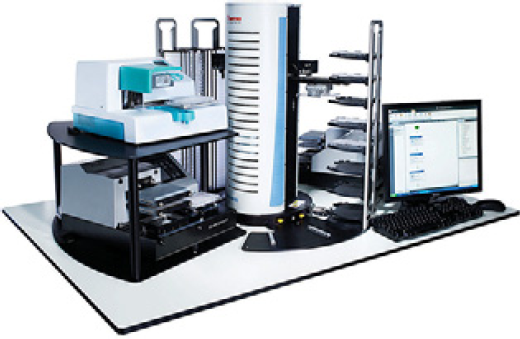
The Momentum 2.0 software facilitates predictive modeling of accelerated dynamic processing schedules, eliminating a common compromise between efficient automation usage and unpredictable system behavior. Equipped with exceptional error management, as well as simple process design and validation, Momentum 2.0 ensures robust automation control. Compatible with a wide range of third-party instrument drivers, the Momentum 2.0 software also enables an efficient and cost-effective system design.
The new Orbitor benchtop mover provides industrial reliability with robust plate motion and control. As a central mover with the ability to rotate 360 degrees, the Orbitor can connect a broad range of scientific devices. It offers integrated stack and random access storage standard, as well as regrip and plate delidding. Easy to use, flexible shelving, and a small footprint are considered ideal for practical online/offline use and rapid instrument swap out.
More: www.thermo.com/automate
GFM Pro Flowmeter
Specifically designed for use with GC systems, this new flow-rate probe allows continuous real-time measurement of gas flows, ensuring accurate and reproducible chromatography. With the capability to measure both positive and negative vacuum flows from 0.5 to 500 mL/min and −0.5 to −500 mL/min, the CE-certified probe can measure the volumetric flow of any gas with an accuracy of ±2%, ensuring excellent column-to-column reproducibility. The unit also protects itself against excessively high flow rates by deploying an automatic shutoff when the measured flow exceeds 600 mL/min. With an explosion-proof rating, this probe is considered ideal for use with any gas, even those that are flammable or explosive.
More: www.thermo.com/columns
Midi 40 CO2 Incubator
According to Thermo, this new smaller capacity incubator delivers the reliable culturing performance of a full-sized incubator in a convenient space-saving footprint. The Midi 40 is considered ideal for separate undisturbed incubation conditions because of the contamination risk associated with shared incubators or lack of available space. Additional benefits include reduced energy and gas consumption and lower heat output. Incubation parameters are easily managed using the incubator's IntrLogic II user interface, which features a bright highly visible vacuum fluorescent display and an easy-to-navigate membrane touch pad. The unit also incorporates a noncorrosive stainless steel chamber, with 1.4 cf (40 L) of culture space, and a heated humidity pan to generate relative humidity values of up to 95%. Rapid recovery rates promote optimal cell growth, and highly efficient direct heating design provides extremely accurate temperature control with a uniformity of 0.1 °C.
National Scientific Mass Spec-Certified Vials
These new low-particulate chromatography vials are cleaned in a good manufacturing practice (GMP) compliant, fully validated, and clean room environment to minimize the occurrence of any contamination. Each lot is tested for particle counts, as well as LC/MS and GC/MS background to provide a consistently high performance from every vial. The packaging is also precleaned to ensure product integrity. National Scientific Mass Spec-Certified Vials are considered ideal for a wide range of highly sensitive chromatography applications.
Aspire Protein A, Protein G and IMAC Cobalt Chromatography Tips
Aspire proteomic tips are 1-mL pipette tips embedded with various Thermo Scientific Pierce resins, including immobilized Protein A Plus, Protein G Plus, and HisPur Cobalt resins. These pipette tips use color-coded purification workflows and allow accelerated sample preparation without compromising yield or purity. Up to eight samples can be processed in parallel within 20 min without the need for centrifugation.
More: www.thermo.com/aspire
Water Purification Systems
According to Thermo, the company has engineered a new range of flexible water purification systems that can be used independently or as part of an integrated water system. This mix and match approach enables laboratories to build the water system that best meets various application requirements. A Thermo Scientific product line is available for each water type, including ultrapure water (Type 1 for highly sensitive and critical applications), pure water (Type 2 for general laboratory applications), and reverse osmosis water, as well as cartridge and filter systems. As a result, this equipment can be configured to enable a broad range of laboratories to benefit from individually tailored systems.
More: www.thermo.com/waterbook
Thermo Fisher Scientific and TAP
Capit-All IS Automated Capper/Decapper
This high-throughput instrument can decap or recap an entire rack of samples in less than 10 s. Secure capping is ensured as each tube is individually sealed by its own separate clutch mechanism to the optimal torque, while all 96 caps are secured simultaneously for fast quality capping. The incorporation of an automated drip tray and a vacuum extraction port reduces any risk of contamination. The compact, benchtop Capit-All IS is easily integrated with automated liquid-handling instrumentation and is compatible with Thermo Scientific Matrix or Thermo Scientific Nunc labware. Both models have been tested to process one million samples to ensure uptime before service is required.
More: www.thermo.com/matrix
Torrey Pines Scientific
EchoTherm HPLC Column Heater Model CO20
This new unit has a temperature range from room temperature to 90.0 °C, readable and settable to 0.1 °C. The proportional—integral—derivative temperature control software regulates temperatures to ±0.1 °C. Temperature accuracy and stability are considered excellent, and there is a stable temperature indicator lamp on the front panel of the unit that lights when the target temperature is stable. The CO20 holds columns up to 30 cm long by 1/4 in. or 3/8 in. diameter in mounting clips provided. Larger-diameter columns can be used by removing the column clips that hold the smaller columns. The CO20 features simple controls, digital display of target and actual chamber temperatures, an injection counter, and 30-day timer with alarm and user settable auto-off.
TTP LabTech
Acumen Microplate Cytometer Screening Service
TTP LabTech now offers contract screening services based on its HCS technology, the Acumen microplate cytometer. The service provides clients with high-content data using cell-based assays for the investigation of various biological phenomena—including cell cycle, RNAi profiling, angiogenesis, and signal pathway profiling. Standard service includes the rapid scanning and analysis of preprepared experimental plates. Full service incorporates the entire process from cell culture, through compound/reagent treatment, to screening, analysis, and data reporting and can include assay development where required.
Uniqsis
FlowSyn
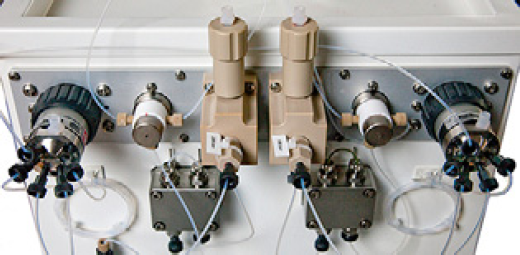
The Uniqsis FlowSyn flow chemistry system now has an upgraded pump manifold that continuously monitors each high-pressure reagent channel and alerts users to any flow abnormalities. Reagent immiscibility, incomplete wetting of pump components, or the presence of static or transient air bubbles are the usual causes of the flow irregularities that sometimes occasionally occur during a run and in most cases can be corrected by repriming the pump. Unfortunately with most systems, this usually means aborting the experiment, but with the reagent manifold used in FlowSyn, the pump can be reprimed on the fly so that the run can continue. Interlocks are provided so that if the error is not remedied within a specified period, the experiment is aborted. If an error condition is detected in one pump channel, the other is automatically stopped simultaneously until the problem is addressed. New and improved automatic injection valves are now available for FlowSyn, with specially designed, highly inert rotor seals and larger-diameter channels that allow sample loops to be filled more quickly and are less easily blocked. These new valves can be retrofitted to any FlowSyn unit.
More: www.uniqsis.com
Zinsser Analytic
ProCrys Meso
According to Zinsser, its new liquid-handling platform for the preparation of 96 in-meso (or cubic phase) proteins offers accurate and precise dispensing of the protein and the screening solution and also can be used to prepare unique screening solutions on the workbench instead of using commercial kits. An integrated module ensures ideal humidity conditions for the process, and new tools have been incorporated to set up a run more easily, including precise and reproducible dispensing of the mesophase.

ProCrys Meso is based on a 1-m liquid-handling platform with two pipetting arms. The first pipetting arm is equipped with pipetting probes for the preparation of the screening solutions and distribution to the crystallization plate. The second arm is used for the transfer of the nanoliter volumes of the protein solution. The protein and the screening solution, as well as the crystallization plate are placed on the workbench. WinProCrys software allows maximum flexibility of method development, and work lists can be imported from Excel or LIMS systems.
More: www.zinsser-analytic.com
More News
AdvanDx received U.S. Food and Drug Administration 510(k) clearance for a fast protocol for its Escherichia coli/Pseudomonas aeruginosa peptide nucleic acid fluorescence in situ hybridization (PNA FISH) and EK/P. aeruginosa PNA FISH tests. The faster protocol reduces the PNA FISH turnaround time from the original 2.5 h to 90 min by reducing PNA probe hybridization from 90 to 30 min. Clinical validation studies demonstrate 100% equivalence between the 90-min protocol and the original PNA FISH protocol.
Adept Technology received a $3.2-million order for high-precision robots from a major international manufacturer of test automation equipment. The company selected Adept as its automation partner to provide high-speed robot systems for complex precision handling operations.
The American Institute of Physics (AIP) professional social networking site, AIP UniPHY (www.aipuniphy.org), received the 2010 PROSE Award in the eProduct category, best in physical sciences and mathematics. Selected by The Professional and Scholarly Publishing Division of the Association of American Publishers, the PROSE Awards annually recognize the very best in professional and scholarly publishing.
Astech Projects delivered automated testing systems to Unilever R&D Port Sunlight and to Unilever China. The three new systems are being used to develop best-performing hair care products.
Beckman Coulter announced a collaboration with the J. Craig Venter Institute (JCVI) on the validation of the SPRIworks Fragment Library System I for the Illumina Genome Analyzer. The automated benchtop system prepares up to 10 DNA libraries in 5 h with high reproducibility and consistency. The SPRIworks Fragment Library System I, developed by Beckman Coulter Genomics, uses solid-phase reversible immobilization paramagnetic bead-based technology. Through elimination of the column purification and gel electrophoresis-based size-selection steps, the library construction workflow is amenable to automation.
BioFocus signed a 3-year compound management agreement with the Global Alliance for TB Drug Development (TB Alliance) to manage TB Alliance's chemical library collection. These services will be provided by BioFocus' compound management facility in South San Francisco, CA.
BioFocus achieved success in its oncology target discovery collaboration with Ortho Biotech Oncology Research and Development, a division of Janssen Pharmaceutica. BioFocus performed assay development using cancer cells, target discovery, and validation with the SilenceSelect adenoviral collection. For this breakthrough, BioFocus developed advanced cellular assays using high-content imaging and identifying and validating novel drug targets for cancer areas with unmet medical need.
BioTek Instruments established a European direct sales and service organization, BioTek Instruments (Switzerland) GmbH. BioTek Switzerland was created from a previous partnership with Witec and is managed by Margrit Limacher, Witec's founder. Ms. Limacher also continues to manage the existing Witec at the same location.
bioTheranostics, a bioMerieux company, signed a 3-year exclusive agreement with Ferrer inCode to commercialize the bioTheranostics THEROS CancerTYPE ID (CTID) molecular cancer classifier in Spain, Portugal, Greece, and Venezuela. sof the agreement, Spain-based Ferrer inCode will market the THEROS CTID molecular assay, whereas bioTheranostics will perform all sample testing in their Clinical Laboratory Improvement Amendments (CLIA)-certified, College of American Pathologists (CAP)-accredited laboratory in San Diego, CA.
A Caliper integrated system was recognized by TIME magazine as a critical component in one of the top ten scientific discoveries of 2009. The Robot Scientist was the brainchild of Dr. Ross King at Aberystwyth University in Wales and was designed and built by Caliper's ACES team. Using a process called active learning, the system performs experiments, analyzes data, and modifies its next experiment based on those data. Working with yeast, this iterative approach allowed the system to discover 12 new gene functions without human involvement.
deCODE genetics was purchased from its former parent company by Saga Investments, a consortium that includes Polaris Ventures and ARCH Venture Partners. deCODE will continue all of its operations and product lines. The company is led by a two-man executive committee comprised of Earl “Duke” Collier, previously an executive vice president at Genzyme, who serves as CEO, and Kari Stefansson, who serves as executive chairman and president of research.
Denator signed an exclusive distribution agreement with Bucher Biotec to handle sales and service in Switzerland for Denator's heat inactivation technology, Stabilizor T1.
The Emily Jerry Foundation announced a new partnership with CDEX to build public awareness about its pioneering chemical detection equipment designed to ensure that medical facilities are delivering the right medications to patients. Christopher Jerry, who formed the nonprofit group to push for federal legislation to avoid medical errors like the one that claimed his daughter's life, is actively promoting the life-saving capability of the CDEX ValiMed Medication Validation System as an imperative device in the prevention of human pharmaceutical errors.
Fluidigm announced that sales of its BioMark System for Genetic Analysis surpassed 100 cumulative units in the field. The BioMark system, based on proprietary microfluidic chips called integrated fluidic circuits (IFCs), provides high-throughput real-time qPCR.
Fluidigm and OncoMed Pharmaceuticals announced a new initiative to apply Fluidigm's microfluidic tools to the analysis of tumor cell heterogeneity, including cancer stem cells. The collaboration combines Fluidigm's advanced microfluidic platforms with OncoMed's proprietary cancer stem cell sorting technology to generate unique tools for analyzing, quantifying and developing treatments directed at this highly tumorigenic cell population.
Fluidigm joined with IntegraGen of France to bring IFCs technology to European researchers. IntegraGen will offer services to its customers using the Fluidigm BioMark System for Genetic Analysis and the Access Array sample preparation system for next-generation sequencing. IntegraGen's laboratory also will be a demonstration site for European researchers investigating Fluidigm's technology.
Fluidigm entered into a multi-year agreement with Bayer CropScience to supply IFCs and instrumentation to Bayer CropScience's global operations. Bayer CropScience will be using Fluidigm technology to conduct marker-assisted breeding, genetic analysis in its molecular breeding program, and quality control on its vegetable seeds.
The U.S. Department of Agriculture's Agricultural Research Service purchased a Fluidigm microfluidic-based EP1 System to help develop and validate focused 96-and 384-single-nucleotide polymorphism panels for testing America's dairy and beef cattle to ensure healthy cows and top-quality products.
GATC Biotech purchased Illumina's new HiSeq 2000 sequencing platform to further strengthen its fleet of three GA IIx. This purchase represents Europe's first HiSeq 2000 for commercial use. GATC will use the HiSeq 2000 to human genome-sequencing projects from its customers in the pharmaceutical and medical research field. It is also making the system's high data output available to the industrial and academic research community interested in the high-throughput sequencing of larger eukaryotic genomes.
The manufacturing transfer agreement between GE Healthcare as part of the Quotient Bioresearch acquisition of Amersham Radiolabelling Services was extended to ensure a smooth transition and uninterrupted supply of carbon-14 labeled compounds during the move of Amersham Radiolabelling Services from the existing site to its new facility in Cardiff, United Kingdom.
GE Healthcare announced the winners of this year's IN Cell Image Competition at the High Content Analysis (HCA) Conference in San Francisco, CA. Three regional winners from Asia, Europe, and North America won trips to New York City to see their images shown on NBC's high-definition TV screen in Times Square. This year's competition included more than 70 beautiful images generated by scientists from around the world using the IN Cell Analyzer system. An expert scientific panel short-listed 30 entries, which were then opened to public vote and to delegates at the HCA Conference. The competition was supported by BioTechniques. All short-listed images can be viewed at www.gelifesciences.com/incellcompetition.
HighRes Biosolutions hired Andy Zaayenga as director of business development. Andy's appointment accompanies a period of consistent expansion for HighRes, including new offerings in sample management and increasing focus in biospecimen science. Andy joins HighRes Biosolutions with more than 20 years experience in life science automation having held senior management positions at SmarterLab, Tecan REMP, TekCel (Hamilton Storage Technologies), and Zymark (Caliper Life Sciences). Andy is an active contributor in several professional associations, including the Laboratory Robotics Interest Group (LRIG), SBS, International Society for Biological and Environmental Repositories (ISBER), Association for Laboratory Automation (ALA), and Public Population Project in Genomics (P3G). Andy is a section editor for the Journal of Combinatorial Chemistry and High Throughput Screening.
Instrumentation Laboratory (IL) was awarded a three-year contract with Novation for blood gas instrumentation. Novation is the supply contracting company of VHA, University HealthSystem Consortium and Provista. Included in the agreement is IL's portfolio of critical care analyzers, reagents, consumables, and service, including the GEM Premier 4000 for blood gas, electrolyte, and metabolite analysis with integrated CO-Oximetry testing, as well as the new GEM Premier 3500 analyzer. These instruments feature IL's Intelligent Quality Management and IL's cartridge-based technology. The contract also includes GEMweb Plus data management system and GEMweb software, for remote management of GEM Premier analyzers, in addition to the GEM OPL, IL's portable CO-Oximeter.
Malvern Instruments opened a third Centre of Excellence in India, established through its joint venture company Malvern Aimil Instruments. Located in Delhi to serve customers in the north and northeast of India, the new center houses laboratories equipped with a range of Malvern systems and staffed by a full time applications team to provide demonstrations and deliver training, applications, and technical support as well as undertaking sample analysis.
NanoEngineering (NE) entered into a cooperative research and development agreement with the U.S. Army Edgewood Chemical Biological Center (ECBC). The agreement, facilitated by the T2Bridge Technology Acceleration program, allows NE to collaborate with researchers at the ECBC for development of field-portable instruments for detection and measurement of nanoscopic particles that include potentially hazardous viruses. The instrument's virus detection function will be based on patented technology developed at ECBC and NE proprietary technology.
QIAGEN Asia Pacific and WuXi AppTec partnered to provide an integrated single solution for molecular biomarker development, validation and personalized healthcare targets to their respective client bases, with QIAGEN providing a complete portfolio of instrumentation, training, and consumables and WuXi AppTec providing laboratory facilities and staff to execute the services. The laboratory is located at WuXi AppTec's campus in Shanghai. Under the terms of the partnership agreement, WuXi AppTec also is working with QIAGEN to help develop biomarkers, assay panels, personalized healthcare diagnostics, and other products that QIAGEN intends to bring to market. WuXi AppTec will use QIAGEN's technologies for a broad range of applications in support of drug discovery and development on behalf of the company's and QIAGEN's customers.
QIAGEN acquired Stockach, Germany-based ESE, a privately held developer and manufacturer of UV and fluorescence optical measurement devices.
QIAGEN's wholly owned subsidiary DxS acquired the global and exclusive license for biomarker PI3K from Johns Hopkins University to develop real-time PCR and endpoint PCR assays.
Pfizer and DxS entered into an agreement to develop a companion diagnostic test kit for PF-04948568 (CDX-110), an immunotherapy vaccine in development for the treatment of glioblastoma multiforme (GBM). In 2008, Pfizer and Celldex Therapeutics entered into an agreement to grant Pfizer an exclusive worldwide license to PF-04948568 (CDX-110), which is currently in Phase 2 clinical development for the treatment of newly diagnosed GBM.
QIAGEN and Celera announced an agreement under which QIAGEN will distribute a Celera molecular multiplex assay. The assay is the next-generation version of QIAGEN's ResPlex II assay for detection of respiratory pathogens. Under the terms of the agreement, QIAGEN has the exclusive worldwide rights to distribute this multiplex test kit, which will be manufactured by Celera. The new ResPlex assay detects 19 different pathogens associated with respiratory infections and is designed for use with LiquiChip (Luminex) 100 and 200 instrument platforms.
RTS Life Science expanded its U.S. field-based sales team with the appointment of Richard Carpenter as mid-Atlantic sales manager. Before joining RTS, Richard worked for LabCyte and Tecan.
Robotic Technology Systems, parent company of RTS Life Science, acquired a controlling interest in Hatch Science as a key part of its expansion into its North American market. Martin Schwalm, the current CEO of Hatch Science, continues to lead the company.
Seward Limited sold its 7500th Stomacher 400 Circulator laboratory paddle blender.
Sheffield Hallam University launched the South Yorkshire, United Kingdom's only Centre for Automation and Robotics Research for robotics and automation research, teaching, and consultancy. It is led by Dr. Jacques Penders, creator of Sheffield Hallam's firefighting Guardian and View-Finder robots.
SP Industries adopted the new trading name of SP Scientific for its VirTis, Genevac, FTS Systems, and Hotpack brands.
SPi Global Solutions was chosen as the Philippines' vendor of choice in a study called “Emerging Market Suppliers: A Valuable Lever for Risk Diversification,” which was conducted by the Everest Group.
Syrris established a new Brazilian subsidiary in São Paulo, expanding its distributor network to four continents. Syrris's new regional manager for Brazil, Leandro Nogueira, is a polymer chemistry engineer with 10 years' experience in supplying high-technology systems to the pharmaceutical, chemical, food, and ceramics industries, as well as universities and research centers.
TAP announced that its collaboration with the EPSRC Centre for Innovative Manufacturing in Regenerative Medicine at Loughborough University is continuing into a second 5-year phase to further develop and test TAP's CompacT CellBase system for culturing clinically applicable stem cells in a GMP environment. Additionally, TAP will begin new research with the center to develop ambr, TAP's advanced microscale bioreactor that mimics the characteristics of classical bioreactors. This project will enable the center to explore the use of alternative technology platforms to ensure high-quality stem cell therapies are manufactured both rapidly and cost-effectively.
TAP appointed Phillip Sefton as its commercial director. Phillip joins TAP from QIAGEN where he served as VP Commercial Operations for the past 12 years and was responsible for sales and market development in Europe, Asia, Australia, Africa, and Latin America. Before that, Phillip spent eight years with Boehringer Mannheim (now part of Roche Diagnostics).
Following its merger with the Viaflo, INTEGRA Biosciences announced that the companies adopted INTEGRA as their new corporate brand.
Call for Papers
LabAutomation2011
ALA is now accepting abstract proposals for LabAutomation2011 podium and poster presentations in five key education tracks: detection and separation, high-throughput technologies, informatics, micro-and nanotechnologies, and evolving applications of laboratory automation featuring agriculture and food. One podium presenter will win $10,000 as the 2011 ALA Innovation Award winner, and up to 10 finalists will travel to Mumbai, India, to present their work at the 25th edition of the Chemtech World Expo, February 23–25, 2011.
The ALA LabAutomation2011 conference and exhibition will be held during January 29 to February 2, 2011, in Palm Springs, CA. For complete program information and access to the online abstract submissions system, visit www.labautomation.org.
Journal of the Association for Laboratory Automation
JALA is the only peer-reviewed scientific journal devoted exclusively to the research, development, and application of technologies in scientific laboratories. Manuscripts are accepted on an ongoing basis from ALA members and nonmembers.
JALA manuscript abstracts are indexed by Analytical Abstracts, Chemical Abstracts CAS+, CINAHL, Compendex, EMBASE/Excerpta Medica, Google Scholar, Inspec, ProQuest CSA Tech Research Database, Scifinder, Scirus, and Scopus. Abstracts and full text articles also are available at JALA Online and Elsevier ScienceDirect.
Laboratory automation professionals are invited to showcase their achievements by submitting method-focused scientific papers for publication consideration. Manuscript guidelines and submission information are available at www.labautomation.org/journal/submissions.cfm.