




Abstract
Activotec
Applications Data: Activo-P11 Peptide Synthesizer
New applications data from Activotec offer examples of peptide synthesis applications run on the Activo-P11 Peptide Synthesizer, which can synthesize peptides of any length in the 0.1–2-mmoles scale in t-Boc or Fmoc chemistry, using any kind of activation.
For more information, visit www.activotec.com/products/Activo-P11.htm.
Air Science USA
Purair 5 Ductless Fume Hoods
According to Air Science USA, its new Purair 5 Ductless Fume Hoods feature a high level of operator protection, and exceed OSHA, ANSI, and all relevant international standards. The Ductless design eliminates installation costs and allows units to be positioned over sinks or benchtop apparatus.
Three models offer a choice of 24, 36, or 48 in. widths, operate at low noise levels, and because they recirculate, they do not exhaust expensive conditioned and/or heated air into the atmosphere.
For more information, visit www.air-science.com or www.airscienceuk.com, or e-mail
Arc Informatique
PcVue V.8.2 Software
According to Arc Informatique, this latest version of its PcVue software has a number of innovations that help reduce the cost of running and implementing process control projects. PcVue V.8.2 is the only SCADA tool that is totally compatible with AutoCAD, as well as enabling the conversion of FactoryLink data. It also supports VMware, which allows a single PC to manage several virtual machines, where before several dozen machines were needed.
For more information, visit www.arcinfo.com.
Asynt
DrySyn Classic Heating Blocks
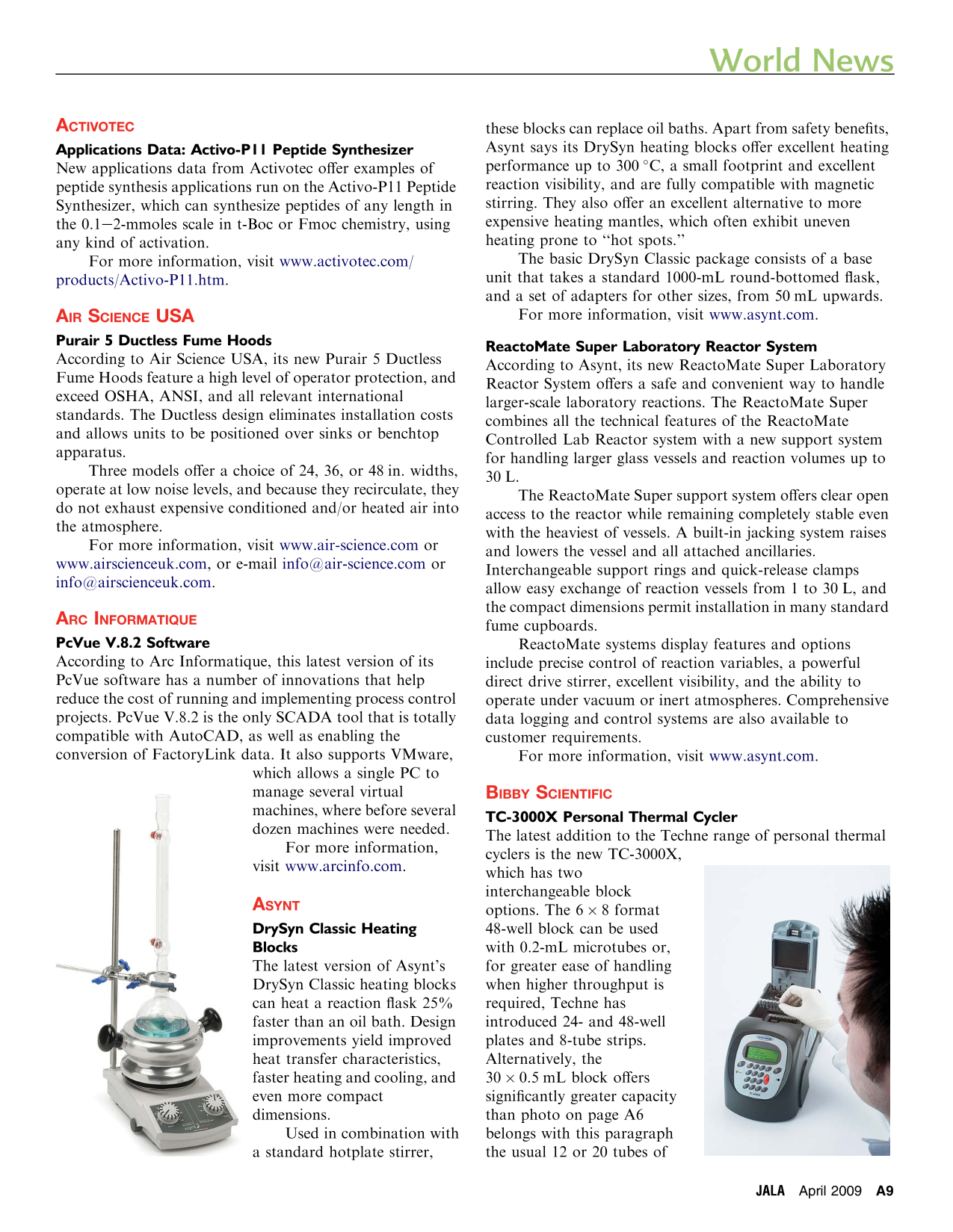
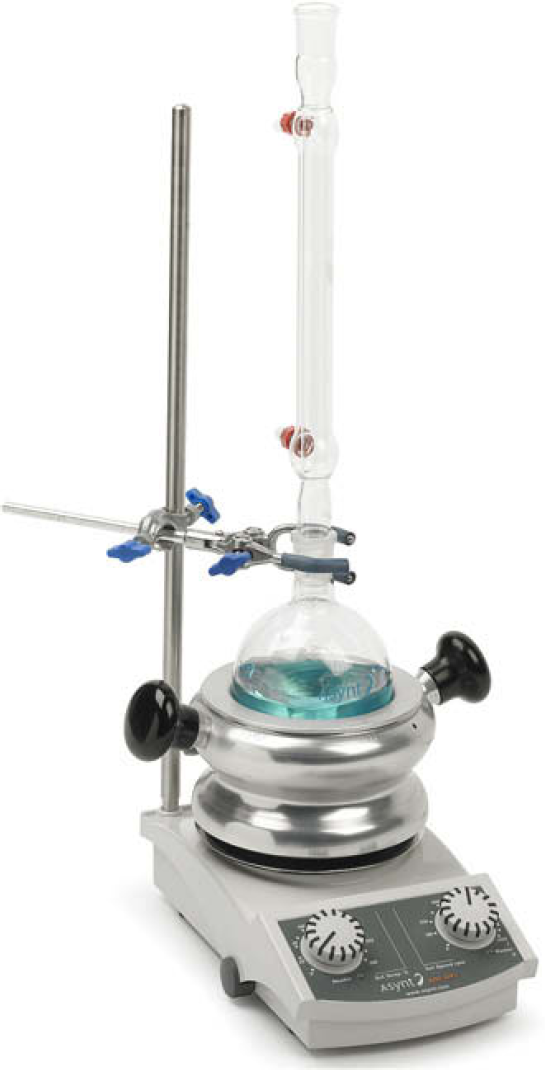
The latest version of Asynt's DrySyn Classic heating blocks can heat a reaction flask 25% faster than an oil bath. Design improvements yield improved heat transfer characteristics, faster heating and cooling, and even more compact dimensions.
Used in combination with a standard hotplate stirrer, these blocks can replace oil baths. Apart from safety benefits, Asynt says its DrySyn heating blocks offer excellent heating performance up to 300 °C, a small footprint and excellent reaction visibility, and are fully compatible with magnetic stirring. They also offer an excellent alternative to more expensive heating mantles, which often exhibit uneven heating prone to “hot spots.”
The basic DrySyn Classic package consists of a base unit that takes a standard 1000-mL round-bottomed flask, and a set of adapters for other sizes, from 50 mL upwards.
For more information, visit www.asynt.com.
ReactoMate Super Laboratory Reactor System
According to Asynt, its new ReactoMate Super Laboratory Reactor System offers a safe and convenient way to handle larger-scale laboratory reactions. The ReactoMate Super combines all the technical features of the ReactoMate Controlled Lab Reactor system with a new support system for handling larger glass vessels and reaction volumes up to 30 L.
The ReactoMate Super support system offers clear open access to the reactor while remaining completely stable even with the heaviest of vessels. A built-in jacking system raises and lowers the vessel and all attached ancillaries. Interchangeable support rings and quick-release clamps allow easy exchange of reaction vessels from 1 to 30 L, and the compact dimensions permit installation in many standard fume cupboards.
ReactoMate systems display features and options include precise control of reaction variables, a powerful direct drive stirrer, excellent visibility, and the ability to operate under vacuum or inert atmospheres. Comprehensive data logging and control systems are also available to customer requirements.
For more information, visit www.asynt.com.
Bibby Scientific
TC-3000X Personal Thermal Cycler
The latest addition to the Techne range of personal thermal cyclers is the new TC-3000X, which has two interchangeable block options. The 6 × 8 format 48-well block can be used with 0.2-mL microtubes or, for greater ease of handling when higher throughput is required, Techne has introduced 24- and 48-well plates and 8-tube strips. Alternatively, the 30 × 0.5 mL block offers significantly greater capacity than photo on page A6 belongs with this paragraph the usual 12 or 20 tubes of this size. The defined pressure, heated lid of the TC-3000X is fully height adjustable.
For more information, visit www.bibby-scientific.com, e-mail

TC-3000G Personal Thermal Cycler
Also joining the Techne range of personal thermal cyclers from Bibby Scientific is the TC-3000G gradient model, which enables eight different temperatures to be tested simultaneously within a small footprint of only 17 × 33 cm. With the same expanded capacity as the TC-3000X, the TC-3000G gradient thermal cycler has two easily interchangeable block options. The 48-well thermal block is arranged to provide eight columns for temperature optimization and six rows for optimizing reagents and primer concentrations. Annealing temperatures can be optimized over a 15 °C gradient between 20 and 80 °C, and the heating rate of 3.3 °C per second is considered the fastest of all 48-well cyclers in the market, including gradient units.
For more information, visit www.bibby-scientific.com, e-mail
Biochrom
Theanine Detection with the Biochrom 30
Biochrom has developed a new analytical procedure for the food and drink industry using the Biochrom 30 Lithium High-Performance Amino Acid Analyzer to analyze the theanine content in green tea leaves.
To analyze the theanine levels of finely ground green tea leaves, the Biochrom 30 Lithium High-Performance system is equipped with a 20 cm × 4.6 mm I.D LiHP column and a set of Lithium Citrate buffers to extract the free amino acid content from the tea leaves. Biochrom recommends that the extracts are deproteinized with sulphosalicylic acid solution containing norleucine as the internal standard. The samples should be filtered through a 0.22 μm membrane; 40 μL was injected onto the column.
A standard High-Performance elution program can be used with the instrument to quickly separate the theanine from any other amino acids present in the tea.
The elute solution gives a high response when reacting with a Ninhydrin reagent and the analysis method also allows the identification of 20 other amino acids naturally present in tea in a single run.
For more information, visit www.biochrom-us.com or e-mail
CyBio
CyBi-8plus1
According to CyBio, its new CyBi-8plus1 is a compact and easy-to-use pipetting instrument for the automation of PCR and sequencing set-ups as well as dilution series. In addition to eight fixed channels for the automation of serial dilutions, the system offers a single channel that allows pipetting from and into tubes and individual wells. This combination of both pipetting tools in one device allows the processing of whole microplates, columns, and single wells or tubes without the need to change the pipetting tool. The system offers a choice of various tip types with volume sizes of 5, 50, and 250 μL. In addition to a linear transport system, it has an additional position for placing of microplates, tips, and reservoirs to allow parallel processing of tip changing and stacking of microplates. For broader applications, this second position may be extended even to a second linear transport system with up to five positions without enlarging the footprint of the device. The tip waste position of the CyBi-8plus1 allows contamination-free working by physically separated picking up and dropping of the tips.
For more information, visit www.cybio-ag.com, e-mail
CyBi-Drop
According to CyBio, its new CyBi-Drop offers innovations for the automation of cell assays, which have been specifically developed for the purpose of protection of cells during dispensing. Integrated cell circulation holds cells in suspension before dispensing to avoid cell sedimentation effects. Through a combination of cell circulation and dispensing technology, cells are distributed evenly and without mechanical stress into microplates, providing reproducible results every time.
The new dispensing combs of the CyBi-Drop enable highest precision and accuracy with a wide range of liquids. Depending on the application, they can be exchanged by users so a variety of liquids such as reagents, proteins, organic solvents, and cells can be dispensed ideally. Userfriendly software allows automated volume adjustment and user-set individual settings for dispensing parameters.
For more information, visit www.cybio-ag.com, e-mail
FEI Company
TrueCrystal Strain Analysis Package
Used on Titan or Tecnai scanning/transmission electron microscope (S/TEM) systems, TrueCrystal Strain Analysis is a complete analytical package for the determination of strain along any line in a crystalline sample, at the nanometer level; and allows highly accurate measurements in a fraction of the time of existing techniques.
TrueCrystal leverages a combination of nano-beam diffraction (NBD) in the TEM, and a powerful off-line data analysis package, to quickly and easily generate the high-quality data required for advanced strained silicon process development. The NBD technique is not subject to the limitations observed in more traditional methods, the online software component works within the microscope user interface, and the straightforward line-scan workflow will be familiar to anyone who has undertaken chemical analysis on a TEM. The off-line software component allows for strain analysis of each individual diffraction peak of the acquired diffraction patterns. The resulting data are then used to automatically generate a plot of the strain profile across the acquired line scan.
For more information, visit www.fei.com.
Xplore3D Software
Updated to include data acquisition and reconstruction for dual-axis electron tomography, Xplore3D software provides more complete information for the reconstruction of complex biological ultrastructure from high-resolution scanning/transmission electron microscopy (S/TEM).
According to FEI, Xplore3D's automation and precise specimen positioning capabilities allow users to automatically acquire tomography tilt series images from an initial tilt axis and a second tilt axis, after a sample rotation. Acquiring tilt series from two axis enables users to gain more information from the sample, thereby minimizing the “missing wedge” problem common to all single tilt series tomography. Xplore3D also enables automated dual-axis tomogram reconstruction. Its dual-axis capability enables users to generate highly accurate tomograms as simply as possible. Xplore3D is available now and integrated with FEI Tecnai and Titan Krios TEMs.
For more information, visit www.fei.com.
Fluidigm Europe
Online Demonstration: Streamlining High-Throughput Genetic Analysis
A new video demonstrates how the Real-Time PCR System from Fluidigm Europe, together with controller for integrated fluidic circuit (IFC) chip loading, streamlines workflow for applications demanding sensitivity and dynamic range, at extremely high throughput.
The Biomark system integrates thermal cycling and detection of PCR assays. It acquires data for each reaction chamber of the IFC chip simultaneously, and can operate in either end-point or real-time detection mode. The system is supplied with integral data collection and data analysis software for genotyping, digital, and real-time PCR. Real-time PCR analysis software displays the analyzed data in multiple formats, including color-coded maps of every reaction chamber on the IFC chip, amplification curves, and numeric tables. Intuitive software design enables even new users to quickly and easily manage, annotate, and archive results.
For more information, visit www.fluidigm.com/BioMarkvideo/index.html.
G.E. Healthcare
DeCyder 2D 7.0 Software
DeCyder 2D 7.0 is a new software package for analysis of 2-D fluorescence difference gel electrophoresis (2-D DIGE) experiments. 2-D DIGE is a tool for detection and quantitation of real biological differences in protein abundance between different samples, and is a key component of the Ettan DIGE system. DeCyder 2D 7.0 applies a gel comparison method that introduces zero statistical error, offering reliable data and analysis for 2-D DIGE experiments.
The DeCyder 2D software increases throughput, introduces fewer false positives/negatives, and reduces hands-on time from days to minutes with minimal user-to-user variation. Advanced statistical analysis and visualization tools allow deep understanding of the contribution of variation to the data, and linking of data from two or more data sets is possible.
For more information, visit www.gelifesciences.com/decyder.
Guava Technologies
Application Poster: Detection of Compounds Inducing Distinct Caspase Pathways
A new application poster from Guava Technologies describes how, using Guava Caspase reagents, researchers were able to identify a unique compound from an extensive panel that differentially induced the intrinsic pathway of caspase activation in HeLa but not Jurkat cells.
Using a Guava EasyCyte Plus System and the Guava Caspase Software Module, a series of 165 cytotoxic, immunosuppressive, anti-proliferative, and anti-inflammatory compounds were tested for their ability to induce apoptosis using nonadherent human T cells (Jurkat) and adherent human cervical cancer cells (HeLa).
The poster demonstrates how using a combination of proprietary assays enables the elucidation of whether one or the other, or both pathways, is primarily induced and what the potency of the various compounds is for inducing a particular pathway. The poster demonstrates how using Guava Technologies' series of rapid, easy-to-perform, and reliable cellular assay kits for screening multiple markers of apoptotic induction enables a rapid and more complete understanding of the mechanisms of action of compounds, which provides crucial information in the drug discovery and design process.
For more information, visit www.guavatechnologies.com.
Application Presentation: Advantages of Plate-Based Flow Technology in siRNA Knockdown Assays
An application presentation by Guava describes how an experimental methodology and the new Guava Simplicity Analysis Software exploit the advantages of plate-based flow technology. According to Guava, technological improvements result in an overall process that can significantly expedite the drug discovery process by providing a means for extraction of key findings from the highly complex data sets encountered with functional screening of siRNA knockdown assays.
The presentation describes how the Guava EasyCyte Plus System, with integrated Guava Simplicity Software, provides a platform for secondary target validation and compound screening. Guava Technologies' flow cytometers overcome the limitations of inference-based measurements of transfection efficiency and protein knockdown through direct quantitative analysis of populations at the single cell level. The Simplicity Analysis Software's intuitive architecture and ease of use facilitates the process of asking biological questions on multidimensional data sets through visualization of user-defined parameters in the form of heat maps, and comparative results are displayed at the experiment level rather than on an individual well/sample basis.
Specifically, 23 agents were identified that had growth restrictive properties although significant variation across cell lines was observed. Further targeted gene knockdown via siRNA confirmed the presence of both activators and inhibitors of Camptothecin-induced apoptosis as well as gene targets for growth arrest. Screens for apoptosis and cell cycle, as well as phospho-signaling intermediates, defined compounds with mechanisms of action similar to and different from Camptothecin. Cell-based assays for phenotype and function revealed a number of cooperative and antagonistic interactions between signaling intermediates, their respective cascades, and cytoactive agents.
Overall, the acquired multiplex data set provides a more detailed view on the behavior of each of the test compounds with respect to apoptotic induction, cell cycle progression, and the signaling cascades that regulate these cellular responses to drug treatment.
For more information, visit guavatechnologies.com/cm/Resources/Scientific%20Pubs.html.
Guava Technologies and IMV Technologies
Sperm-Cell Physiologic Status Testing
According to Guava Technologies, its exclusive partnership with IMV Technologies provides breeders and scientists with a unique cellular analysis platform that enables better evaluation of fertility parameters by introducing a new level of accuracy, reproducibility, productivity, and cost effectiveness for livestock semen analysis.
According to Guava, performing a panel of simple proprietary tests on an IMV/Guava EasyCyte Mini or IMV/Guava EasyCyte Plus microcapillary flow cytometer delivers a better understanding of sperm-cell physiological status, enabling Artificial Insemination Centers to better manage semen production and sires.
For more information, visit www.guavatechnologies.com.
Heidolph Brinkmann
Radleys Carousel 12 Plus Reaction Station
Available from Heidolph Brinkmann, the new Radleys Carousel 12 Plus Reaction Station has been designed to provide busy chemistry laboratories with an easy-to-use productivity tool that simultaneously heat or cools, stirs, and reflux's up to 12 samples (1–20 mL) under an inert atmosphere.
The Carousel 12 Plus features a new removable reflux and gas distribution head that can be easily transferred, with tubes in situ, between the Carousel's heated base, cooling reservoir or support stand, providing the user with a uniquely modular system for heated and cooled reactions. The Carousel 12 Plus includes a fluoropolymer insulation plate that sits over the heated base acting as a barrier to heat loss. New viewing slots in the heated base provide users with an excellent view of the reaction tubes contents and stirring performance. The circular design of the Carousel 12 Plus allows users to easily rotate the unit providing access to all tubes without having to lean into the fumehood.
For more information, visit www.heidolphbrinkmann.com.
Storm Workstation
According to Heidolph Brinkmann, when combined with the popular Carousel 6 Reaction Station and Tornado Overhead Stirrer, the Storm creates a powerful parallel process reactor that heats and cools, mechanically stirs up to six round-bottom flasks under an inert atmosphere with built-in refluxing, making it an ideal process optimization and development tool. The Tornado's mechanical stirring also allows stirring of viscous samples or delicate solids.
For more information, visit www.heidolphbrinkmann.com.
Mettler-Toledo
XP56 Microbalance

According to Mettler-Toledo, the XP56 considerably reduces the use of expensive control substances with its minimum sample size and simple sample transfer procedure directly to a large tare container. Unique technical features include a weighing capacity of up to 52 g with a readability of 1 μg. In addition, ErgoClips for pistons and the MinWeigh door—a special draft shield door for very small samples—enable samples to be dispensed directly into larger tare containers, such as volumetric flasks. This can eliminate transfer errors and contribute to fast sample preparation. Plus, the XP56 can weigh samples in the 2–8 mg range, while also fulfilling the minimum weight criteria according to the U.S. Pharmacopeia.
For more information, please visit www.mt.com/lab.
Thermosets Application Handbook
The new thermosets application handbook from Mettler-Toledo provides insight into the thermal analysis of thermosets and presents a large number of practical examples. The main techniques used for the sample measurements are differential scanning calorimetry, thermogravimetric analysis, thermomechanical analysis, and dynamic mechanical analysis. In special cases, combined online techniques such as single differential thermal analysis, visual monitoring, and evolved gas analysis are used.
The thermosets application handbook is published in two separate volumes. Volume 1 presents an overview with a brief description of the various thermal analysis techniques used to analyze thermosetting materials. This is followed by an introduction to the chemistry and applications of thermosetting resins.
Volume 2 concentrates on practical examples and discusses the results obtained from more than 10 different types of resin systems including epoxies, polyesters, formaldehyde resins, and polyurethanes. The applications describe the different properties that can be investigated, checked, and measured during the life cycle of a thermoset.
For more information, visit www.mt.com.
Good Weighing Practice
Good Weighing Practice (GWP) is a risk-based management program for weighing systems that reduces measurement errors and ensures regulatory compliance. With GWP, users can control and test instruments according to the risks associated with a particular process, and can save costs where those risks are comparatively low.
GWP guides users through the entire life cycle of an instrument, starting with advice on how to choose the right balance for process needs and regulatory requirements. Once balance needs are selected, GWP delivers a Mettler-Toledo balance complete with a package including installation, user training, calibration, and guidelines for routine operation and testing. The user receives clear recommendations on how the balance should be tested, what weights should be used, and how often tests should be performed.
For more information, visit www.mt.com.
Micronic
White Alphanumeric Tubes

Micronic offers a new range of white, flat-bottom alphanumeric tubes (0.5, 0.75, 1.1, and 1.4 mL) for storage of blood samples or other highly colored liquids. These white tubes offer improved readability to minimize the risk of incorrect sample identification. Manufactured from medical grade polypropylene in a fully automated class 7 cleanroom environment ensures the tubes exhibit absolute product consistency, near zero contaminants, and compliance with U.S. and European Pharmacopoeia tests. Micronic white, flat-bottom alphanumeric tubes resist many organic solvents (DMSO, methanol, dichloromethane), may be autoclaved clean, and can be repeatedly freeze-thawed without loss of product performance.
For more information, visit www.micronic.com, e-mail
Oxford Expression Technologies
flashBACULTRA
flashBACULTRA is a new baculovirus vector for increased yield and improved quality of expressed protein. flashBACULTRA is Oxford Expression Technologies' latest addition to its flashBAC portfolio of products, which enable the production of multiple recombinant viruses in a one-step process. According to the company, flashBACULTRA is the only baculovirus vector on the market to incorporate the deletion of chitinase, cathepsin, p10, p74, and p26 genes from the virus genome, resulting in superior expression and yield.
For more information, visit www.oetltd.com.
Oxford Gene Technology
CytoSure Oligonucleotide Arrays
According to Oxford Gene Technologies, the latest versions of its CytoSure family of high-resolution oligonucleotide arrays offer more coverage for cytogenetic syndromes and accurate whole genome aberration detection. The Syndrome Plus v2 and Chromosome X High Density arrays have been developed in close collaboration with leading cytogeneticists for a complete, cost-effective array solution.
The CytoSure Syndrome Plus v2 array covers over 200 known cytogenetic syndrome regions, including 410 genes associated with autism, mental retardation, heart, and eye diseases, with one probe every 3 kb. The array also offers extensive coverage of the whole genome, including subtelomeric regions and recombinant hotspots, with one probe every 40 kb. The Chromosome X High Density array has a probe density of one probe every 2 kb to target genes on the X chromosome, including exons, miRNAs, rRNAs, and snRNAs. Both arrays are available in 2 × 10⁵ k format. Analysis software also is available.
For more information, visit www.ogt.co.uk, e-mail
PANalytical
Capillary Extension
According to PANalytical, nonambient X-ray diffraction (XRD) is established for a wide range of applications. Now, a new capillary extension, compatible with PANalytical's combined X'Pert PRO MPD/HTK 1200N High-Temperature Oven Chamber (Anton Paar) system, creates a two-in-one Reflection and Transmission High-Temperature XRD system to further strengthen PANalytical's nonambient diffraction capabilities.

PANalytical's PreFIX concept allows seamless integration of the new capillary extension, transforming the HTK 1200N High-Temperature Oven Chamber into a high-end capillary heater for transmission XRD between 25 and 1000 °C. Conversion between standard geometry for flat samples and the capillary setup can be done in minutes, without removing the oven chamber from the goniometer. Temperature data are saved in XRDML format for further processing using PANalytical's X'Pert Data Collector software, which controls all measurement routines.
For more information, visit www.panalytical.com/xpertpro.
Parker Hannifin
TenX Le Low-Energy Solenoid Valve
The Pneutronics Division of Parker Hannifin offers a new low-energy solenoid valve, the TenX Le. This electromagnetic poppet valve provides high performance in a lightweight 10 mm design. Providing up to 22 lpm of flow through a 0.060-in. orifice, this 2/3-way normally closed, normally open, or three-way distributor valve operates at up to 30 psi with a fast response time (to 5-ms full cycle) and high reliability (rated for 20 million cycles without any performance degradation). The TenX Le incorporates efficient pulse width modulation circuit technology, which consumes an insignificant amount of power and generates minimal heat. Parker considers the TenX Le ideal for portable medical and analytical devices.
For more information, visit www.parker.com.
PerkinElmer
Raman Polarization Accessory for RamanStation 400
The Raman Polarization accessory for PerkinElmer's RamanStation 400 spectrometer features a high-quality video camera with a built-in adjustable sample illumination source, which is essential for accurate sample positioning and alignment. The accessory's optical head can easily be positioned for analysis of a vast array of samples. It rotates downward to work with samples on microscope slides and with pieces of fabric or plastic, and can be clicked into the horizontal position for analysis of samples in cuvettes, capillary tubes, and vials. For standard Raman spectral acquisition, the polarizers can be removed.
For more information, visit www.perkinelmer.com/raman.
Spectrum 400 FT-IR/FT-FIR
This new research spectrometer offers push button ease of use for the characterization of materials including inorganics, novel materials, and semiconductors. It is an advanced dual-range spectrometer that combines mid-infrared (IR) and far-infrared (FIR) spectroscopy in a single instrument. With automatic beamsplitter changeover, it offers flexible performance. Unlike single beamsplitter instruments, the Spectrum 400 spectrometer delivers precision and efficiencies for researchers working in both the mid- and far-spectral ranges, eliminating the need for two instruments.
For more information, visit www.perkinelmer.com/ftir.
GPOB Accessory for Spectrometers
PerkinElmer's new General Purpose Optical Bench (GPOB) accessory for the Spectrum 100 and 400 spectrometers is designed for flexibility in advanced or specialized applications that are difficult to perform using the base instrument's standard sample compartment.
Because it attaches to the right side of the Spectrum baseplate, the GPOB increases efficiency by leaving the standard sample compartment of the instrument open for normal operation, while providing a second position for an additional accessory to be permanently attached to the instrument. The GPOB can accommodate extra-large or specialized sampling systems such as cryostats, high-vacuum chambers, and specialized detectors.
For more information, please visit www.perkinelmer.com/ftir.
RamanMicro 300
According to PerkinElmer, its new RamanMicro 300 is a Raman microscope system designed to produce high-quality Raman data from either physically small samples or from small areas of large samples, and is designed for industrial research and troubleshooting; detailed analyses of sample homogeneity such as pharmaceutical tablets; analysis of multilayer polymers and polymer defects; academic research and teaching (chemistry, chemical engineering, forensics); material conservation (painting, wood, stone and metal surfaces, fabrics, etc); forensic analysis of fibers, single crystals, and other small particles; and analysis of explosives.
For more information, visit www.perkinelmer.com/raman.
PerkinElmer and Labtronics
LABWORKS LIMS Customization
PerkinElmer is collaborating with Labtronics to offer more choices for connecting laboratory instruments with LABWORKS Laboratory information management system (LIMS). Labtronics provides a flexible toolkit approach that enables users to adapt interfaces to meet changing requirements in-house, thereby reducing the need for outside assistance. Labtronics' LimsLink and LimsLink Express expand the instrument interface solutions for PerkinElmer's LABWORKS LIMS, helping labs to reduce analysts' workload, reduce the cost of sample data management and deliver sample results to LABWORKS faster.
For more information, visit www.perkinelmer.com/labworks or call 800.762.4060.
Porvair Sciences
Universal Robotic Manifold
Porvair's new Universal Robotic Manifold is designed to be easily assembled and disassembled by robotic manipulators, and enables productive automation of SPE or DNA clean-up procedures. It can accommodate collection plates from 14 to 44 mm in height and adapt to work with three different lengths of drip directors (short, medium, and long). The Universal Robotic Manifold also can operate with all brands of filter plate and waste collection reservoir tray, and is fully compatible with most commercial robotic liquid-handling systems. Supplied with an integral vacuum gauge, the Universal Robotic Manifold provides precise and complete control of vacuum pressure to ensure plates may be processed with high reproducibility.
For more information, visit www.porvair-sciences.com, e-mail
Colored Microplates
Available in red, blue, and natural white polypropylene, the range of new colored 1-mL round deep-well plates from Porvair Sciences provide a simple, yet effective way of visually differentiating stored samples. Manufactured under class 10,000 conditions from ultra-pure grade polypropylene, the new colored plates contain no contaminants that may leach out and affect stored sample or bacterial or cell growth.
For more information, visit www.porvair-sciences.com, e-mail
Process Analysis and Automation
Application Note: Automated Cell Suspension Dispensing with the TAP Fill-It and the Automate.it SCARA Robot
Application note LA331 from Process Analysis and Automation (PAA) describes the automation of the Fill-It from The Automation Partnership (TAP), a product for rapid dispensing cell suspensions and other liquids into screw-cap vials, and includes automation for removing and replacing the vial caps. Coupled with OVERLORD 2 and the PAA SCARA robot, this provides a cost-effective fully automated solution for filling capped vials.
Fill-It enables the rapid creation of high-quality, consistent stock vials for centralized cell-line libraries, screening operations, or GMP production cell banks and can be used with both mammalian and microbial cell suspensions. The integrated SCARA robot allows loading of vial racks for a high-throughput fully automated system and the integration of additional instruments to the system from the extensive range of OVERLORD drivers. OVERLORD 2 software provides a simple control interface that can interact with any database for work listing and sample audit.
For more information, visit www.paa.rsvp1.com.
Radleys
Technical Bulletin: Polymerization Experiments Control with Lara
A new application note (technical bulletin TDS04S) describes a series of experiments in which the Lara Controlled Laboratory Reactor (CLR) was used to automatically control the addition of monomer, initiator, and reagent where both linear and variable rates of addition of feed materials were used. According to Radleys, the experiments demonstrate that the Lara CLR can be used to automatically ensure that the molecular weight and structure of the resulting polymer can be predicted, controlled, and reproduced.
For more information, visit www.radleys.com or www.lara-clr.co.uk, e-mail
RTS Life Science
Technical Paper: Applying Vision Technology to Calculate the Volume of Sample in a Tube
According to RTS, calculating the precise volume of a residual sample in a tube has always been an inexact science. Traditional methods include weighing, software, or manual analysis. All of these techniques can be time consuming and inaccurate. RTS Life Science's technical paper demonstrates how a large pharmaceutical company eliminated these lengthy approaches by incorporating novel vision system technology into its sample store. Using a camera mounted in the store, RTS implemented an image analysis stage between sample storage and picking that allowed the volume of liquid in the tubes to be calculated to an accuracy of ±10 μL.
By applying vision technology to its tube store, the pharmaceutical company can now be confident about the volume of samples in the tubes it receives. As well as eliminating previous lengthy manual steps, the unique vision system technology also alerts the customer to tubes where compounds have precipitated out of solution.
For more information, visit www.rtslifescience.com or e-mail
SP Industries
Webinar: Reducing Cycle Optimization Time and Costs Using SMART Freezer-Dryer Technology
A new 30-min webinar designed to enable formulation groups to gain insight into efficient and cost-effective strategies for streamlining automated cycle optimization addresses the concerns that many formulation groups face with freeze-dryer cycle optimization. The webinar includes presentations and a question and answer session moderated by Dr. Henning Gieseler (associate professor, University of Erlingen) and Leslie Mather (director, Pilot Freeze Dryers, SP Industries).
For more information, visit www.spindustries.com.
VirTis Wizard 2.0 Controller
According to SP Industries, this new generation VirTis Wizard 2.0 Controller provides comprehensive control functionality and user friendliness exceeding that of any other embedded microprocessor control system. With complete recipe management and full alarming, it provides full process automation for the VirTis freeze-dryer line, including AdVantage, Genesis, and Ultra Lyophilisers.
Wizard 2.0 handles single or multiple refrigeration compressor applications and offers an array of options. Its microprocessor is fast enough to accommodate multiple temperature thermocouples, while providing instantaneous alarming for out-of-designed-cycle conditions. Users can select any of 16 recipes and a large center-stage LCD display precisely plots the profile of the directed shelf temperature, while providing a cycle progress bar graph. The display continually scans all configured transducers. If an alarm occurs, the display indicates the out-of-tolerance condition.
To minimize warming during the condenser and vacuum phases, the Wizard 2.0 Controller can be configured in a special freeze assist mode to keep the product at the obtained freeze temperature until primary drying conditions are achieved.
The Wizard 2.0 configuration and validatable software allows the freeze-drying cycle to be either shelf driven or product driven.
For more information, visit www.spindustries.com, e-mail
Symyx Technologies
E-Newsletters and Magazines
To enable scientists to keep informed of the technology, issues, and innovations that drive modern R&D, Symyx Technologies Europe offers a choice of a free bimonthly electronic e-newsletter and a free twice yearly print magazine.
Symyx News, the technical e-newsletter, offers information about technical and applications advances, news, and new product introductions. Molecular Connection is Symyx's print magazine that provides in-depth discussions about how scientists are innovating in today's demanding R&D environment. The Fall 2008 issue of Molecular Connection showcases Symyx's role as an R&D integration partner to organizations seeking to do more with smaller budgets and fewer resources. Symyx's workflow-oriented approach to R&D puts strategic emphasis on execution. Two customer case studies demonstrate the impact of high-throughput workflows at Lilly Research Laboratories and in an academic lab. The issue also features Symyx's corporate vision for delivering solutions in its three core business areas: software, tools, and research.
For more information, visit www.symyxnews.com or www.symyx.com/molecular connection.
Symyx Draw 3.1
Symyx Draw 3.1, the chemical drawing application that replaces Symyx's ISIS/Draw, is now available for download at no charge for academic and home use. Symyx Draw 3.1 enables users to draw and edit complex chemical structures and reactions with ease, facilitating the collaborative searching, viewing, registering, and archiving of scientific information. To support academic researchers, Symyx Draw 3.1 also offers publication-quality drawing capabilities for presentations, reports, and scientific papers, as well as improved integration with the Microsoft Office suite of software applications.
For more information, visit www.symyx.com/getdraw.
Symyx Registration 1.5
Built on the Symyx Isentris informatics system, the new Symyx Registration 1.5 offers R&D organizations of all sizes a flexible, fully featured, Isentris-based approach to building and managing consistent, searchable, and shareable corporate compound registries based on Symyx's industry-leading chemical representation technology. Out-of-the-box integration with Symyx Assay Explorer biology data management software enables researchers to view chemically registered substances alongside biological assay results, facilitating SAR analysis and the prioritization of new compounds for testing.
Symyx Registration 1.5 automatically verifies drawing conventions, normalizes structure data in accordance with corporate representation rules, and checks for uniqueness before assigning corporate identification numbers and storing submitted substances in the corporate compound registry. By superseding and replacing ISIS-based Symyx ChemBio AE software, Symyx Registration 1.5 supports ISIS-to-Isentris migrations while enabling users to register chemical compounds, view biological data, and compare chemical and biological data side by side entirely in the Isentris environment.
For more information, visit www.symyx.com/isistransition or e-mail
Thermo Fisher Scientific
Application Note: Nitrogen/Protein Determination in Meat Derivative Products
Unprecedented performance capabilities for determining the protein composition in meat derivative products are outlined in a new application note entitled “Nitrogen/Protein Determination in Meat Derivative Products Using the Thermo Scientific FLASH 4000.” The note details the analytical conditions and methodology necessary to achieve rapid, safe, and reliable protein content determination.
For more information, visit www.thermo.com/oea.
H2O SELECT Water Testing Program
The free Thermo Scientific H2O SELECT Water Testing Program analyzes feed water to generate a customized summary and system recommendation based on the quality of the feed water, the laboratory applications it is used for, and the daily water demand and budget. An estimated life expectancy of consumables is also included to help project system operation costs. According to Thermo, this free water testing kit is very easy to use: simply fill the bottle with a feed water sample; complete a brief form; and send it back to Thermo for in-depth analysis.
For more information, visit www.thermo.com/select.
NanoDrop 8000 Spectrophotometer Software
New, fully featured software is available for download free of charge for the Thermo Scientific NanoDrop 8000 instrument, which is designed to perform full spectrum UV/Vis analysis of up to eight 1-μL samples in less than 20 s. The new software adds flexibility and allows customization of methods according to specific application needs.
This version 2.0 release incorporates user-configurable software; easy importing of lists of predefined sample names; units selector tool that permits scientists to select preferred concentration units for samples, particularly useful for downstream data manipulations; and an Oligo calculator feature.
For more information, visit at www.nanodrop.com.
EasyTox 2.5 GC/MS Productivity Solution
The new EasyTox 2.5 GC/MS productivity solution for routine drugs of abuse analysis incorporates the new Thermo Scientific ToxLab Forms 2.5 software, and the comprehensive EasyTox 2.5 platform has been designed to reduce costs, increase sample throughput, and improve productivity in forensic and clinical laboratories performing analysis of urine for signs of drugs of abuse. The fully integrated solution combines the Thermo Scientific DSQ II single quadrupole GC/MS system with the new ToxLab Forms 2.5 software package and TRACE GC columns and consumables. ToxLab Forms 2.5 software features Method Forge, an automated method builder, designed to significantly reduce method development time, optimizing efficiency and enabling scientists to operate in an increasingly competitive environment.
For more information, visit www.thermo.com/fotox, e-mail
Lab Forms 2.5
Lab Forms 2.5 is a suite of new software that fits into laboratory workflows for routine GC/MS analyses. Designed for users in environmental, clinical research/forensic toxicology, food safety, and general QA/QC laboratories, these new software packages incorporate Method Forge, which provides an automated pathway to generating full scan methods. Wizards and templates ensure the programming of daily batches is straightforward, greatly reducing the time required to queue samples and begin data acquisition.
The Lab Forms 2.5 software suite offers a new approach to data review and reporting. Certain sample types or compound lists require intensive data review to generate the final report package. Integration, peak shapes, qualifying ion performance, and quality control criteria must all be evaluated before releasing the results. Through powerful Smart Reporting, data review and data reporting are dynamically linked, allowing for real-time changes to reports.
The Lab Forms 2.5 software packages, including QuanLab Forms, EnviroLab Forms, and ToxLab Forms, are designed to complement the full range of Thermo Scientific GC/MS instrumentation.
For more information, visit www.thermo.com/gcms, e-mail
Lindberg Blue M Ovens
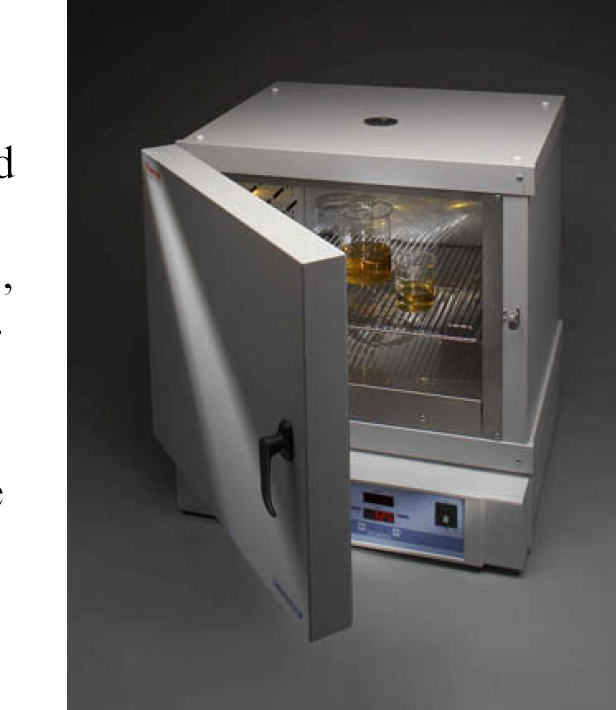
Lindberg Blue M Ovens are designed to meet all standard heating and drying needs, and are UL/cUL certified (U.S. only). Available in three sizes, all models feature an easy-to-clean corrosion-resistant stainless steel interior. A variety of technologies ensure temperature uniformity throughout the chamber for superior sample integrity in high-end applications.
The Thermo Scientific Lindberg Blue M performance oven models are available with either gravity or mechanical convection with a temperature range from 50 to 275 °C. The gravity convection ovens enable gentle drying without air turbulence, which is typically used when drying powders and granulates. Lindberg Blue M ovens with mechanical convection enable fast and efficient heat treatment with extremely precise temperature control. These ovens are considered ideal for applications such as material aging, shelf-life testing, or moisture determination.
Deluxe models of the Lindberg Blue M ovens, which also include all the features and benefits of the performance models, are designed with features such as programmable temperature controllers for complex heating processes and enhanced user and sample safety. Because deluxe models use advanced mechanical convection, they can also operate at temperatures as high as 325 °C. These models are considered ideal for any defined drying and heating processes that require temperature sequencing and ramping or extremely accurate temperature maintenance.
For more information, visit www.thermo.com/hot.
Precision Ovens and Incubators
According to Thermo, its new Precision general-purpose oven and incubator line offers products with easy-to-clean, corrosion-resistant interiors, highly reliable operation, and enhanced safety for both users and samples. Various sizes are available, ranging from entry-level models to high-performance equipment, including a complete portfolio of refrigerated incubators. A choice of gravity or mechanical convection heating enables researchers to choose the appropriate product for any experimental process.
All Thermo Scientific Precision incubator models feature reliable and proven temperature controllers supported by well-insulated chambers, and selected models include internal electrical outlets for the operation of shakers, stirrers, or rotators, a feature that helps streamline more complex processes.
Precision ovens cover a wide temperature range from above ambient to 325 °C. Units with gravity convection are considered ideal for gentle heating and drying processes, whereas ovens with mechanical convection are designed for faster drying processes at higher temperatures.
For more information, visit www.thermo.com/hot.
Validation Services
Thermo Fisher now provides validation services for a wide range of its products including, but not limited to, ultra-low temperature freezers, refrigerators, incubators/environmental chambers, centrifuges, and biological safety cabinets. This program offers a complete portfolio of factory-developed protocols, field validation, and annual requalification services for users with laboratory equipment in cGxP environments. Validation is crucial to those working in GLP/GMP-regulated environments and industries that are required to qualify laboratory equipment in accordance to FDA guidelines.
For more information, visit www.thermo.com/validationle.
ToxSpec Analyzer
According to Thermo, its new ToxSpec Analyzer is a complete, easy-to-use, and cost-effective LC–MS solution for clinical and forensic toxicology-screening laboratories. Using an integrated system of hardware, software, and methodologies, the ToxSpec Analyzer simplifies the toxicology workflow by automating the screening of drug analytes, increasing confidence of identification, and enabling even a novice user to generate reliable results.
The ToxSpec Analyzer includes a tested screening workflow methodology that covers every step of screening from sample preparation to analysis, data processing, and reporting. The ToxSpec Analyzer CD includes SPE sample preparation method, LC–MS data acquisition method, compound library, ToxID software configuration, and a list of recommended consumables.
For more information, visit www.thermo.com or call 800.532.4752.
PocketTip D.A.R.T.s Tips
The new PocketTip D.A.R.T.s tips enable nanoliter volume dispensing on Thermo Scientific Matrix automated systems. An internally molded capillary pocket allows the transfer of 50–500 nL of concentrated sample compounds suspended in dimethyl sulphoxide directly to assay plates, saving time, reagents and labware, as well as improving data quality with in-tip mixing.
PocketTip D.A.R.T.s tips introduce an easy, low-risk, and reliable method to change the way in which current instrumentation performs critical liquid-handling tasks. Through aspiration, the capillary pocket fills with the specified amount of compound solution and facilitates soft in-tip mixing of sample and assay material, removing time-consuming intermediate dilution steps and adding further function to the existing instruments. The unique face seal of the D.A.R.T.s tip minimizes tip-to-tip height variations for consistent dispensing.
For more information, visit www.thermofisher.com.
Torrey Pines Scientific
EchoTherm HPLC Column Chiller/Heater Model CO50
This new unit has a temperature range from 4.0 to 100.0 °C, readable and settable to 0.1 °C. The PID temperature control software regulates temperatures to ±0.2 °C, even at ambient. The Peltier-based CO50 has five-program memories with 10 steps per program, and the ability to repeat any program from 1 to 99 times automatically. This unit is considered ideal for chiral and biomedical chromatography where below ambient temperatures help preserve bioactivity. It can be used for stabilizing column temperatures from day to day at or near room temperatures for repeatable results.
For more information, visit www.torreypinesscientific.com, e-mail
Tovatech
FlowCal 5000 Liquid Flowmeter
The FlowCal 5000 is a new tool designed for HPLC instrument calibration and qualification. According to Tovatech, the FlowCal 5000 measures flows accurately to 1.0% of the reading with guaranteed linearity from 0.05 to 25.00 mL/min. No user calibration is required. It's supplied calibrated at 1.0 (±1.0%) mL/min, and calibration at multiple points is available.
For more information, visit www.tovatech.com.
Velocity11
Data Sheet: DNA Purification and Sequencing System
A new datasheet from Velocity11 describes an automated system for DNA purification and sequencing based on the company's BioCel platform. According to Velocity11, the long and complex pipetting protocols needed for DNA preparation present a challenge for many lab automation systems, but a recently designed BioCel system configuration addresses these challenges using an automation system built around its VPrep high-speed precision pipetting technology.
Velocity11 says its versatile shelf configuration options make the VPrep ideally suited for complex pipetting sequences, while at the same time delivering very high throughput. The BioCel system is considered ideally suited to this demanding application due to its powerful dynamic scheduling software, flexible liquid-handling options, highspeed central robot, and the ability to simply integrate third-party instruments.
Using this BioCel system and VWorks software and scheduler resulted in unattended automated preparation of 200 plates in 4 h. In addition, the automated process eliminated sources of sample contamination and provided the highest possible sequencing preparation quality.
For more information, visit www.velocity11.com/files/File/DNAPurificationSequencing.pdf.
Viscotek
Technical Article: High-Temperature GPC/SEC for Molecular Weight and Branching Structure of Polyolefins
A new technical article describes and illustrates how high-temperature GPC/SEC offers a breakthrough technique for determining the molecular weight and branching structure of a range of polyethylene samples to determine polymer type and likely properties (e.g., HDPE, LDPE, LLDPE).
The Viscotek Model 350 HT-GPC system provides absolute molecular weight without extrapolation or correction, molecular size, and intrinsic viscosity, as well as information on branching, structure, and aggregation in a single GPC/SEC experiment. Representing a breakthrough in high-temperature technology, the Model 350 system includes a High-Temperature Triple Detector Array, with an automated sample preparation and delivery system and OmniSEC GPC software for complete system control, data acquisition, and processing.
For more information, visit www.viscotek.com, e-mail
Zinsser Analytic
CALLI-L
According to Zinsser, its new CALLI-L is specifically designed for the distribution of dry, powder library samples for dissolution, distributing the samples directly from their original library vial without any additional preparation step. CALLI-L is an automatic platform with a robotic arm supplied with a powder dispensing probe and a handler for transportation of vials. The distribution process is controlled by a built-in four-place (five- or six-place optional) weighing cell to monitor the mass distribution of powders in the range from less than 1 to 50 mg.
The new system detects the level of the solid material in the original library vial. Even a small layer on the bottom can be transferred to the dissolution vial or plate. The software algorithm chooses the most suitable technique for aspiration of the powder, and in combination with the balance allows target weighing with a high degree of precision. The final target weight is monitored by the balance and documented together with the container data in the database. CALLI-L can be customized to integrate modules such as sonication, stirring, vortexing, or even visual control of the samples to automate the entire workflow.
For more information, visit www.zinsser-analytic.com, e-mail
Sophas Pep

Sophas Pep is an automatic system for peptide synthesis that automates the entire workflow from distribution and preparation of the resins, dilution and addition of the amino acids and coupling reagents, running the synthesis, efficient washing in between each coupling step, protection and deprotection of side chains, and cleavage of the final product.
The synthesis is performed in Zinsser Analytic DESYRE reaction blocks (with 96, 48, 24, or 8 reactors from 1 to 40 mL volume), which have closed vials, so there is no risk of leakage.
The filtration is performed with Zinsser Analytic patented filtration probes by filtration from the top. These probes can have up to two channels for liquid and a third for gas.
Sophas Pep can also perform more than one synthetic strategy. So next to peptide synthesis you can run solid-phase or liquid-phase reactions all on the same platform.
For more information, visit www.zinsser-analytic.com, e-mail
MicroDancer Evaporator
The MicroDancer is for the rapid evaporation of solvents for sample preparation in applications for solid-phase extraction. A combination of heating, vortexing, and vacuum during operation makes the MicroDancer fast. According to Zinsser, the advantage of vortexing over centrifuging is that it enlarges the evaporation surface and distributes the heat evenly in the sample, and ensures that balancing of samples is not required before use.
For more information, visit www.zinsser-analytic.com, e-mail
More News
Accelerated Technology Laboratories (ATL) added Dr. Thomas Klinckman to its Laboratory Information Management System Implementation team. Dr. Klinckman came to ATL with over 15 years of experience in laboratory operations and laboratory automation. Previously, he served as the Laboratory Manager at Energy Northwest.
Activotec delivered a second Activo-P11 Peptide Synthesizer to the University of Bristol Peptide Synthesis Facility, which specializes in unusual (difficult) peptides such as transmembrane spanning regions, unusually long peptides as well as routinely synthesizing peptides with unusual amino acids such as phosphoryated serine, threonine, or tyrosine.
Advion BioSystems and Agilent Technologies signed a nonexclusive co-marketing agreement to copromote the Advion TriVersa NanoMate system with Agilent mass spectrometers. The TriVersa NanoMate is an automated fraction collection and nanoelectrospray system that connects to the inlet of a mass spectrometer. It combines the benefits of micro or capillary-scale liquid chromatography (LC), with simultaneous fraction collection and subsequent chip-based infusion of the LC fractions in one system to increase the performance and automation of a mass spectrometer.
BioTek Instruments hired Dr. Peter Banks as scientific director to manage BioTek's Applications Group and provide key scientific leadership and direction in emerging trends, opportunities, and scientific discovery across its global business platforms. Before joining BioTek, Dr. Banks served as technology leader, biodiscovery with PerkinElmer.
Evotec announced a research collaboration with Novartis to identify and develop novel small molecule therapeutics. The collaboration will run for an initial period of 3 years.
FEI Company announced that King Abdullah University of Science and Technology of Saudi Arabia ordered multiple FEI systems as part of its plan to build a worldclass, international, graduate-level research university dedicated to inspiring a new age of scientific achievement. The order includes Titan and Titan Krios transmission electron microscopes (TEMs) and a Helios DualBeam system, as well as several mid-range products and a comprehensive support package.
In addition, FEI Company's Titan3 80–300 scanning/transmission electron microscope (S/TEM) was selected by the National Institute for Materials Science, Japan's sole independent administrative institution specializing in materials science. FEI's Titan Krios TEM was selected by three of the top life sciences research centers in Asia— National University of Singapore, Tsinghua University (Beijing), and the Institute of Biophysics at the Chinese Academy of Sciences (Beijing)—to support research programs in structural molecular biology.
Fluxion Biosciences announced exclusive distribution agreements with Labtech International to handle sales and service in the UK, Ireland, and France of Fluxion's BioFlux research tools for live cell image analysis in drug discovery; and with Westburg BV to handle sales and service of Fluxion's BioFlux research tools for live cell image analysis in Belgium, The Netherlands, Luxembourg, Denmark, Finland, Iceland, Norway, and Sweden.
IDBS announced that BioFocus DPI, the service division of Galapagos, selected BioBook from IDBS to handle its ADME data management needs; and that PharmaLegacy Laboratories selected the E-WorkBook Suite to increase its R&D productivity and deliver a competitive advantage to clients.
INTEGRA Biosciences announced that to comply with new European safety guidelines, the Friedrich-Loeffler-Institute, Federal Research Institute for Animal Health, replaced its traditional Bunsen burners with 70 new Fireboy Bunsen burner units. As well as being safety certified to work with the existing site gas distribution system in line with new regulations, the alternative also offers flexibility for use in parts of the building not served by the gas supply.
Labcyte announced the issuance of U.S. Patent 7,405,395, which exploits the unique advantages of using sound to move liquids. This patent describes the acoustic transfer of fluid droplets into openings less than 300 μm in diameter. According to Labcyte, it has been able to position droplets with better than 10 μm accuracy.
NextGen Sciences sold its gene to protein automation and software business to a management-led spinout called eXeTek Ltd. The divestment is in line with NextGen's strategic plan to divest or wind down its software and instrumentation UK-based businesses, and to focus on growing the protein biomarker services business.
Oxford Expression Technologies appointed Tim Bernard as business development manager and Richard Broadhead as sales manager. Mr. Bernard has 24 years experience in international executive leadership in life sciences. Dr. Broadhead brings global, sales, and marketing experience to the company, having previously held positions with Invitrogen and Flowgen. He also has technical experience in the field of proteomics and protein expression.
PerkinElmer announced an alignment of its businesses to reflect the company's commitment to create a healthier, cleaner, and safer world. As of January 1, 2009, PerkinElmer's businesses are focused into two strategic areas—Human Health and Environmental Health.
PerkinElmer's Human Health Business is based on developing diagnostics, tools, and applications to fight illness, provide better medical insight, and more rapidly create critical new therapies. This business includes the company's Genetic Screening, Bio-discovery, and Medical Imaging operating units.
The Environmental Health Business is based on creating safer products, more secure surroundings, and efficient energy resources. This business includes the company's Analytical Sciences, Laboratory Services, and Detection and Illumination (formerly known as Sensors and Specialty Lighting) operating units.
As a result of the Company's decision to focus on human and environmental health, the Company has placed a portion of its specialty lighting business under strategic review.
PRA International announced today a collaborative agreement with Frontage Laboratories that enables PRA Early Development Services' U.S. Clinical Pharmacology Center to offer a full complement of analytical lab testing services to its existing Phase I–IV clinical trial services in North America.
Radleys appointed Heidolph Brinkmann as the exclusive North America distributor for its range of chemistry apparatus.
Tecan high-end multimode microplate readers Infinite M1000 and Infinite F500 were granted DLReady certification status by Promega. The certification demonstrates compatibility with the Dual-Luciferase Assay and underlines the readers' excellent injector and flash luminescence performance.
Thermo Fisher Scientific announced its collaboration with the Molecular Therapeutics Research Group at the School of Pharmacy, Queen's University Belfast to analyze peptides within amphibian venom. The facility is using a Thermo Scientific LTQ Orbitrap XL high-performance mass spectrometer on a trial basis with the aim of expanding its research capabilities to deliver the mass accuracy required for complex peptide identification and the data reliability needed for the de novo sequencing of peptides.
ALA NEWS

2009 ALA Innovation Award Winner
“High Performance Magnetic Separation in Microfluidic Channels” by Hyongsok (Tom) Soh, Ph.D., of the University of California, Santa Barbara.
2009 ALA Innovation Award Finalists
“Molecular Interaction Studies Using Backscattering Interferometry” by Darryl Bornhop, Ph.D., Vanderbilt University, Nashville, TN
“A General Method for Screening Protein-DNA Interactions Using Label-Free Photonic Crystal Biosensor Microplates” by Leo Chan, Ph.D., University of Illinois, Urbana, IL
“Microfluidic Cartridge System for Multiplexed Clinical Analysis” by Vincent Gau, Ph.D., Genefluidics, Monterey Park, CA
“Proteomics, Biomarker Discovery, and Novel Diagnostics” by Larry Gold, Ph.D., SomaLogic, Boulder, CO
“Microfluidic Synthesis of Nano Materials at High Pressures and Temperatures” by Klavs Jensen, Ph.D., Massachusetts Institute of Technology, Cambridge, MA
“The Development of an uHTS Reporter Gene Assay Platform for Determination of the Cellular Mechanism of Action of Small Molecules” by Fred King, Ph.D., Novartis Institute for Biomedical Research, Santa Barbara, CA
“Solid-State Nanopores as a Detector for Genome Scale Sequencing by Hybridization” by John Oliver, Ph.D., NABsys Inc., Providence, RI
“Mass Spectrometry Strategies to Identify Potential Lipid Biomarkers of Diabetic Retinopathy” by Gavin Reid, Ph.D., Michigan State University, East Lansing, MI
“High-Throughput on-Chip in vivo Screening of Whole Animals at Sub-Cellular Resolution” by Mehmet Yanik, Ph.D., Massachusetts Institute of Technology, Cambridge, MA
2009 Student Poster Contest Winners
First Place: “Iridium Oxide Nanomonitors for Real-Time Health Monitoring Systems” by Vinu Venkatraman of Portland State University
Second Place: “poolMC: Smart Pooling of mRNA Samples in Microarray Experiments” by Raghunandan M. Kainkaryam of University of Michigan
Third Place: “Selective Detection of Endogenous Thiols Using Microchip-Based Flow Analysis and Mercury/Gold Amalgams Microelectrodes” by Nicholas G. Batz, Saint Louis University
2009 ALA New Product Award Winners
Agilent Technologies – Agilent Direct Drive Robot
GeneFluidics – Proteus Robotic System
Mettler Toledo – QUANTOS QB1
2009 Innovation AveNEW Exhibitors
Boreal Genomics, British Columbia, Canada
Cynvenio Biosystems, LLC, Santa Barbara, CA
Lyncée Tec SA, Lausanne, Switzerland
m2p-labs, Aachen, Germany
Resonant Sensors Incorporated, Arlington, TX
SONOPLOT, Inc, Middleton, WI
SparkLix Bio-computing, Beit-Yanai, Israel
Ziath, Ltd, Dresden, Germany
Call for Papers
Share Your Work with the Lab Automation Community

JALA publishes six peer-reviewed issues each year, and accepts manuscripts on an ongoing basis from ALA members and nonmembers. Lab automation professionals are invited to showcase their achievements by submitting method-focused scientific papers for publication consideration. Manuscript guidelines and submission information are available at www.labautomation.org/journal/submissions.cfm.