




Abstract

ACD/Labs
ACD/NMR Workbook
For desktop NMR processing, new ACD/NMR Workbook software offers features that allow simultaneous processing, analysis, and interpretation of 1D and 2D NMR spectra. New NMRSync technology instantly applies analysis changes made to one NMR spectrum to all others relating to the same structure. The project console lets users see all relevant information pertaining to the data set, and reporting is easy with the Common Assignment Table. Assigned experimental spectra, structures, tables, annotations, and other associated data can be kept in the database and searched through a variety of text, structure, and spectral searches.
For more information, visit www.acdlabs.com/nmrworkbook.
Air Science USA
DWS Workstations
These new units operate at low noise levels and because they recirculate, they do not exhaust conditioned and/or heated air into the atmosphere. DWS Workstations are designed to provide a small bench-mounted unit with unrestricted access for those operations that are difficult to perform in a conventional fume hood. Downflow action takes contaminated air away from users, and an alarm sounds when airflow falls to an unacceptable level. The main filter can be chosen from 14 different types of carbon.
For more information, visit www.air-science.com or www.airscienceuk.com, e-mail
ARTEL
Application Notes: Measuring Liquid-Handler Volume Transfer Performance for Glycerol- and Ethanol-Based Solutions
Two new application notes describe the use of ARTEL's MVS Multichannel Verification System for measuring the volume transfer performance of liquid handlers for user-specific reagents, such as glycerol or ethanol. The MVS verifies the accuracy and precision of liquid handlers, on a tip-by-tip basis, for aqueous volume transfers as low as 10 nL. Now, using the system's alternative solution functionality, it can be used to monitor liquid-handler performance for unique and/or custom reagents as low as 40 nL. Users now can measure a liquid handler's volume transfer performance for test solutions that closely mimic assay-specific reagents.
For information about glycerol-based sample solutions, visit www.artel-usa.com/resources/pdf/12A5529A.pdf. For information about ethanol-based sample solutions, visit www.artel-usa.com/resources/pdf/12A5530A.pdf.
Application Note: Liquid-Handler Performance Verification for Target Volumes Dispensed into Any Microtiter Plate or Small Volume Container
Another new application note describes the use of the MVS Multichannel Verification System for measuring the volume transfer performance of a liquid handler for target volumes dispensed into any small volume container. For measuring target volumes dispensed by a liquid handler, the MVS requires the use of optically clear, flat-bottom microplates so that dual-dye dual-wavelength absorbance measurements can be collected and subsequently used to determine the accuracy and precision of volume transfers per well and per tip. This application note describes the process for transferring the target volume from any container into an approved microplate. The advantage is that the volume transfer performance of a liquid handler is measured in an environment mimicking that of routine testing, that is, with the same plate type as used for an assay.
For more information, visit www.artel-usa.com/resources/pdf/200801MVSAppNote.pdf.
Application Note: Evaluation of Forward and Reverse Mode Liquid-Handling Techniques Using the ARTEL MVS
This new ARTEL application note describes the use of the MVS Multichannel Verification System for evaluating liquid-handler performance when dispensing techniques are modified. According to ARTEL, adjustment of aspirate and dispense parameters significantly affects the performance of automated liquid handlers and multichannel pipettes. This application note compares liquid-handler performance for forward mode pipetting parameters versus reverse mode settings at a range of target volumes. It also demonstrates the importance of understanding both the accuracy and precision of liquid transfers for critical volumes to assays particularly at lower volumes.
For more information, visit www.artel-usa.com/resources.
Beckman Coulter
Optima eXPert Ultracentrifuge Software
According to Beckman Coulter, an advanced version of its eXPert software for the Optima L-XP Series Ultracentrifuges delivers important capabilities for academic, biopharmaceutical, and bioprocessing users in protein, virus, and vaccine development. New security and audit trail features support users working with 21 CFR Part 11 guidelines for electronic run records, while three levels of password protection give system administrators tools to ensure uniform protocols.
For more information, visit http://www.beckmancoulter.com.
Beijer Electronics
EXTER Sun-Readable Displays
According to Beijer Electronics, its new EXTER Sun-Readable HMI range of display technologies include an enhancement film on the internal screen for improved brightness and contrast; a polarizing film on both sides of the touch screen to reduce light reflection; and a gap of 1.5 mm between the two screens to reduce Newton rings. In addition, brightness is better than a standard screen; the touch screen features anti-glare and reflexion surface treatments; the displays are clean room manufactured to eradicate dust problems; and the 100% dimmable screen can be used in any light conditions, 24 h a day.
For more information, visit www.beijerelectronics.com, or e-mail
BioTek
Gen5 v1.06
BioTek has incorporated Parallel Line Analysis in its new Gen5 Data Analysis Software version 1.06. Parallelism analysis can be made with Gen5's linear regression, four-parameter and five-parameter logistic fits. According to BioTek, multiple curve metrics and detailed statistics are available to ensure the most accurate estimations of parallelism and relative potency between the experimental curves and control curves. Gen5 vl.06 also offers a number of enhancements including color gradient data views, individual patient reports, and use of curve parameters in data transformations.
For more information, visit www.biotek.com.
Biotool
e-Loop Micro-Incinerator
For rapid electrical sterilization of inoculation loops and needles, the compact e-Loop micro-incinerator is resistant to even the most extreme laboratory conditions, and is considered ideal for use within laboratories, particularly safety cabinets, when conditions prevent the use of gas or naked flames. The internal sterilizing tube is manufactured from quartz glass and reaches an optimal temperature of 900 °C in a few minutes.

For more information, visit www.biotoolswiss.com, or call +41.34.423.50.60.
BMG Labtech
Omega Series of Microplate Readers
BMG's FLUOstar Omega and POLARstar Omega multidetection microplate readers now include an Advanced Assay Technology Package for even more demanding applications including AlphaScreen and TR-FRET assays such as HTRF and LanthaScreen. The FLUOstar Omega and POLARstar Omega also offer HTRF certification, LanthaScreen Certified Plus status, and DLReady certification.
For more information, visit www.bmglabtech.com.
Dakota Instruments
Polysulfone Flow Meters
According to Dakota Instruments, its new line of low-cost injection-molded flow meters is manufactured from polysulfone, a heat-resistant thermoplastic material for good chemical resistance.
Inherently stable flow indications provide accuracy, repeatability of readings, and virtually maintenance-free operation. Flow readings are achieved with minimal pressure loss. For easy installation, Quik Loc (half union) connectors couple the meter body to the pipe connectors at the end of the flow meter.
Features include easy-to-read silk-screened Direct Reading Dual Scales available in overlapping flow ranges for water (GPM/LPM) or air (SCFM/M3/Hr).
For more information, visit www.dakotainstruments.com, e-mail
Fluid Metering
PDS-100 Programmable Dispensing System
The NEW PDS-100 from Fluid Metering Inc. is a Programmable Dispensing System, which uses precision stepper motors to control a variety FMI's patented valveless piston pumps. The PDS-100 has a range from 500 nL per dispense to 2 L per minute continuous flow. It will accommodate all FMI pump sizes in both fixed and adjustable displacement configurations.
For more information, visit www.fmipump.com, e-mail
G.E. Healthcare
IN Cell Miner High-Content Manager
The new IN Cell Miner High-Content Manager (HCM) is a client—server-based application for the effective management of complex data generated by cellular high-content screening and analysis systems. This robust and scalable data management solution is fully aligned with the IN Cell Analyzer HCA system and the IN Cell Investigator image analysis software. It streamlines data flow of protocols, images and analysis results, placing the data into easily searchable contexts within a project-based hierarchy. IN Cell Miner HCM is designed to help increase productivity by offering flexibility to import new as well as already-existing IN Cell Analyzer data; functionality to view and retrieve data from plates to wells to cells; tools to facilitate project annotation; and guided searches for easy data retrieval.
For more information, visit www.gelifesciences.com/incell.
Prepacked Gel Filtration Columns
HiPrep Sephacryl S-400 HR and HiPrep Sephacryl S-500 HR prepacked columns are the latest additions to G.E.
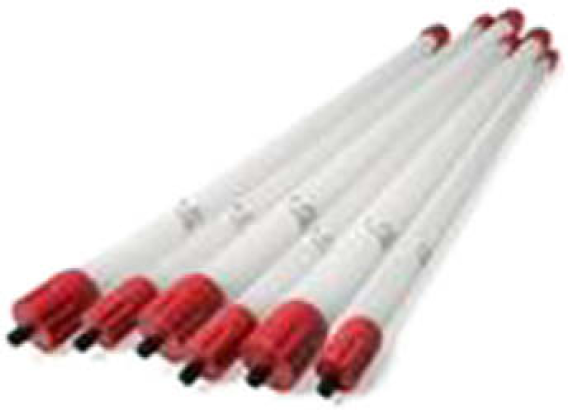
Healthcare's range of columns for gel filtration. According to G.E., the new columns offer a fast, reproducible, and convenient solution for the purification of large proteins, polysaccharides, and macromolecules with extended structure.
HiPrep Sephacryl S-400 HR and HiPrep Sephacryl S-500 HR columns are each available in two sizes: 16/60 (column volume 120 mL) for sample volumes up to 5 mL and 26/60 (column volume 320 mL) for sample volumes up to 13 mL. Prepacked with BioProcess validated chromatography media, Sephacryl S-400 High Resolution (HR) and Sephacryl S-500 HR, suitable for use in both laboratory and industrial scale applications, the columns are considered ideal for use in scale-up experiments and process development.
For more information, visit www.gelifesciences.com/protein-purification.
Biacore T100 Immunogenicity Package
A new immunogenicity software package for the Biacore T100 label-free protein interaction analysis system is now available from G.E. Healthcare to support screening, confirmation, and characterization of antidrug antibodies during preclinical and clinical development.
The Biacore T100 Immunogenicity Package addresses the problem of drug interference by enabling measurement of antidrug antibodies in the presence of excess amounts of drug. The new package also includes guidelines and recommendations for development of immunogenicity assays.
For more information, visit www.biacore.com.
ImageQuant TL SecurlTy Software and IQOQ Protocols
G.E. Healthcare now offers two new products designed to support the increasingly stringent requirements for laboratory data security and operational qualification for 1-D electrophoresis gel analysis. According to G.E., its new ImageQuant TL SecurlTy software provides enhanced data security for analysis and documentation of 1-D electrophoresis gels by ImageQuant TL, and IQOQ offers qualification protocols for the ImageQuant 350 chemiluminescence, colorimetry, and fluorescence CCD imaging system.
For more information, visit www.gelifesciences.com/iqtl.
Genevac
White Paper and Online Video: High Volume Evaporation
A new white paper and online video present the new technology that enables the Rocket Evaporator to dry or concentrate as many as six flasks (each containing up to 450 mL solvent) five times faster than conventional evaporators. The white paper explains in detail how new low temperature, low pressure steam heating technology achieves very fast evaporation with very precise temperature control to protect valuable samples. The video demonstrates the ease-of-use and operational functionality of the new Rocket Evaporator.
For more information, visit www.Genevac.com/RocketMovie.
Rocket Evaporator
According to Genevac, its new Rocket Evaporator is designed to dry or concentrate as many as six flasks (each containing up to 450 mL solvent) five times faster than conventional intelligent evaporators. To achieve the dual goals of very fast evaporation, with very precise temperature control to protect valuable samples, the Rocket Evaporator uses a new drying technology that uses low temperature steam to directly heat the sample flasks. By pulling a vacuum on the samples, solvents boil at a low temperature, which is determined by the pressure. Genevac's Dri-Pure technology further ensures sample integrity by eliminating solvent bumping that can lead to cross contamination.
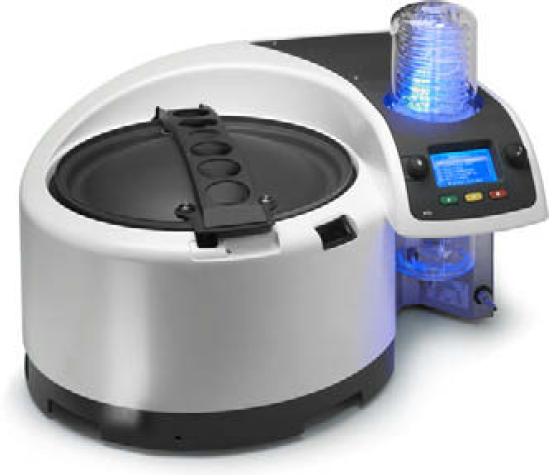
For more information, visit www.genevac.com, e-mail
Guava Technologies and Hudson Control Group
Integrated Cellular Analysis Platform
Guava Technologies is teamed up with the Hudson Control Group to provide an integrated cellular analysis platform that delivers new levels of throughput and ease of use for cell counting, viability, and apoptosis.
This system provides automated sample prep and analysis for a range of Guava Turnkey Assays in 96-well format. The integrated platform, which contains a Guava EasyCyte Plus Flow Cytometer, a Hudson Control PlateCrane EX Robotic Arm, and a Hudson Control micro 10 Liquid Dispenser, is effortlessly linked together, and controlled using integration software from both Hudson Control Group and Guava Technologies.
For more information, visit www.guavatechnologies.com or www.hudsoncontrol.com, or e-mail
“Automation” in the subject line.
Hudson Control Group
SOLOSoft Software
A new “cherry picking” feature, which now comes standard with every SOLO robotic pipettor's SOLOSoft software, allows users to easily use comma-delimited text files as source data for the SOLO to perform hitpicking, consolidation, reformatting, or replication from source plates into target plates.

For more information, visit www.hudsoncontrol.com.
Flow Cytometry Workcell
A new flow cytometry workcell designed to provide an automated sample acquisition system for cellular analysis research is an integrated platform that combines the Guava EasyCyte plus Flow Cytometer with Hudson's PlateCrane EX microplate robot arm and micro 10 High Volume Liquid Dispenser. This automated sample acquisition workcell features built-in microplate and tube sample inputs, micro-volume sampling, multiplex analysis, and up to 6 detection parameters. According to Hudson, this new benchtop flow cytometry system is capable of automating the set-up and analysis of Guava's mix and read assays resulting in continuous unattended operation for cell counting and viability analysis in a 96-well format.
For more information, visit www.hudsoncontrol.com.
Imagine Eyes
mirao 52-e Electromagnetic Deformable Mirror
This latest evolution of the mirao product line offers enhancements that include USB2 connectivity, space-saving design, improved temporal behavior, an all-new application programming interface, trigger output signal for TTL device synchronization, plus the mirao 52-e's electronic driver unit is totally redesigned.
For more information, visit www.imagine-eyes.com or call +33(0)1.64.86.15.66.
INTEGRA Biosciences
Application Reports: VACUSAFE Comfort for Liquid Aspiration
According to INTEGRA, two new application reports demonstrate how it's personal vacuum aspiration system, the VACUSAFE comfort, makes the aspiration of liquids safe, easy, and efficient. The first application report shows how the VACUSAFE comfort is enabling a North American hospital to safely and productively aspirate radioactive and virally contaminated solutions. A second report discusses how a European company is using the VACUSAFE comfort as a safe and productive sample preparation tool for high-throughput molecular diagnostic kits.
For more information, visit www.vacusafe.info.
Micronic
Tube Selector
The new Micronic Tube Selector enables hands-free manual picking and placing of sample tubes from any storage rack. A single thumb button enables rapid and secure picking of a storage tube. Pressing the thumb button again releases the tube. An easy wipe clean surface further reduces the chances of sample contamination. Compatible with all standard SBS format 96-rack tubes, the Tube Selector is available as a low-cost stand-alone product or as part of a Micronic starter pack. For more information, visit www.micronic.com, e-mail
Millipore
FlowCellect Flow Cytometry Kits for Stem Cell Analysis
According to Millipore, its six new FlowCellect flow cytometry kits are an industry first. These robust, three-parameter FlowCellect kits enable users to assess embryonic and neural stem cell phenotypes at various stages of differentiation. These new stem cell kits are optimized for use on the Guava EasyCyte Plus system.

For more information, visit www.millipore.com.
Millipore and CELLnTEC Advanced Cell Systems
Epidermal Keratinocyte 3D Medium
This unique cell-culture medium for generating three-dimensional, in vivo-like, epidermal keratinocyte models was developed by CELLnTEC Advanced Cell Systems, and is now available from Millipore. When used with CELLnTEC primary human keratinocytes and Millicell inserts from Millipore, the Epidermal Keratinocyte 3D medium can establish 3D epidermal models in user labs. This system uses completely defined culture media for complete control of experimental conditions and timing.
For more information, visit www.millipore.com.
Millipore and VigeneeTech
MILLIPLEX Analyst Software
This customized OEM multiplex data analysis software made by VigeneTech and is, according to Millipore, the only data analysis package that seamlessly integrates with Luminex xPONENT software, the system that controls Luminex multiplexed bioassay instruments. MILLIPLEX Analyst allows user data sets to be easily extracted from acquisition or imported as Excel or text. The software's algorithms and analytics allow robust processing of even the most challenging data sets in seconds, with multiple output format options for maximum flexibility. Multiplate data can be analyzed using a variety of curve-fitting options, including auto fit, to generate reports that feature fitting parameters and statistics. The dynamic range of an assay can be instantly determined using the software's automatic calculation of minimum and maximum detectable effective concentrations.
For more information, visit www.millipore.com/MILLIPLEXanalyst.
Molecular Profiles
Four Poster Presentations
Four new poster presentations are now available from Molecular Profiles. Each showcases one of the company's four new service platforms, including
For more information, visit www.molprofiles.co.uk, e-mail
PANalytical
Axios FAST X-Ray Fluorescence Spectrometer
According to PANalytical, the primary role of its new Axios FAST is to perform high-speed routine XRF measurements for dedicated process control, but the system is also capable of addressing additional analytical requirements. For example, it can be fitted with up to four programmable goniometers, which can run simultaneously for additional flexibility compared to a dedicated fixed-channel configuration.
Axios FAST excels in speed by allowing simultaneous fixed-channel measurements of up to 28 elements. The system is equipped with the latest X-ray technology to guarantee high uptime, including: 4 kW SST-mAX X-ray tube with ZETA technology, for the most stable tube output over time; high-throughput sample loading turret mechanism for the introduction of new samples even while a measurement is in progress; externally mounted measuring channels for simple access, routine maintenance, addition or removal of channels, and initial alignment; extensive self-monitoring facilities for remote diagnostics; SuperQ software; dedicated software and hardware interfaces for flexible connection to sample transport devices and host computers, enabling fully automated analysis.
For more information visit www.panalytical.com/axiosfast.

PerkinElmer
Online Resources for Environmental Scientists
PerkinElmer enhanced its Web site to enable quick access to information on regulatory compliance; methods or standards; applications; and products. Enhancements include an intuitive tab structure that filters information relevant to customer needs such as air, water, soil, and hazardous waste; industrial hygiene; or biomonitoring testing and analysis. Information sorted by method, technology, or environmental application.
For more information, visit www.perkinelmer.com/environmental.
Universal ATR Polarization Accessory
PerkinElmer's new Universal Attenuated Total Reflection (ATR) Polarization Accessory combines infrared spectroscopy with a polarizer, and is considered to be particularly suited for applications such as crystal structure analysis, polymer and fiber orientation studies, and structural analysis studies of biomolecules such as proteins. The variable angle polarizer can be removed for nonpolarized measurements. Additional benefits of this new accessory include automatic recognition and checking by Spectrum 100 or Spectrum 400 instruments and an easy-to-clean diamond top plate.
For more information, visit www.perkinelmer.com/ftir.
Clarus 560 S GC/MS
According to PerkinElmer, the latest addition to its gas chromatography/mass spectrometry (GC/MS) product line, the Claurs 560 S GC/MS is designed specifically for environmental, food, pharmaceutical, and forensic laboratories that want a robust, reliable GC/MS system that offers both value and high performance.
The Clarus 560 S GC/MS is an integrated solution that provides sensitivity, mass range, and speed to ensure high levels of productivity and performance at an affordable price in a single quadrupole mass spectrometer. Based on the Clarus MS platform, the system includes state-of-the-art electronics, ion optics and a quick-change ion source, and an efficient turbomolecular pump to rapidly achieve vacuum and reduce the downtime in laboratories where column changes are frequent.
For more information, visit http://www.perkinelmer.com/Clarus560SGCMS.
Photo Diode Array Addition to Series 275 HRes LC Systems
The Series 275 HRes Photo Diode Array (PDA) Liquid Chromatography (LC) System is designed to accelerate productivity and performance for labs performing LC analysis. The addition of the new Series 275 PDA, coupled into a Series 275 HRes LC system, provides improved peak identification and peak purity determination in addition to the increased throughput achieved with Fast LC technology.
Other key benefits of the new system include improved chromatographic resolution and increased throughput operating at higher pressure range (up to 10,000 psi); increased confidence in method development and method transfer to Fast LC; extra dimension of knowledge about a sample with 3D photodiode array data; multiwavelength spectral acquisition improves peak identification and purity determination; and a 21 CFR Part 11 compliant environment.
For more information, visit www.perkinelmer.com/Series275HResLC.
Qiagen
QIAgenes Expression Kits
QIAgenes Expression Kits are now available for use in insect or mammalian cells. With these new kits, QIAGEN and its collaboration partner, GENEART, are responding to researchersdesire for an alternative to protein production using E. coli cells.
For more information, visit www.qiagen.com.
Roche Diagnostics
Elecsys Anti-TSHR Assay
According to Roche, its new Elecsys Anti-TSHR assay is the first fully automated anti-TSH receptor assay available on the market. With a turnaround time of only 27 min, Anti-TSHR can deliver patient results over 2 h faster than the competition.
For more information, visit www.roche.com.
COBAS TaqMan HBV Test
According to Roche, its new COBAS TaqMan HBV test for use with the High Pure System is the first FDA-approved HBV viral load test built upon Roche Real-Time PCR technology, and provides unprecedented all-around IVD performance to help users drive viral loads of chronic HBV patients to undetectable levels.
For more information, visit www.roche.com.
Tina-Quant Cystatin C Reagent
The new Tina-quant Cystatin C reagent is considered a highly sensitive, reliable renal function biomarker for use on the Roche Hitachi 917, cobas c 501 analyzer and MODULAR ANALYTICS P 800 module. It is a liquid ready to use reagent with a 10-min TAT, high throughput, and 8-week on board stability. According to Roche, Cystatin C is more accurate than plasma creatinine and the Cockcroft-Gault estimation of creatinine clearance, and more reliable than 24-h creatinine clearance.
For more information, visit www.roche.com.
Supelco
Ascentis Express
Supelco's family of Ascentis Express HPLC columns has been expanded to provide the analysis speed and resolving power of sub-2-μm columns with a 50% reduction in backpressure. Ascentis Express RP-Amide, an embedded polar group chemistry, provides an alternate selectivity to the conventional C18 and C8 phases. According to Supelco, the key technology in the Ascentis Express column is the Fused-Core particle. These high-purity silica particles measure 2.7 μm overall, with a 0.5-μm-thick porous shell. Relative to columns using conventional sub-2-μm particles, Ascentis Express columns generate comparable efficiencies but with half the backpressure.
For more information, visit www.sigma-aldrich.com/express.
Symyx Technologies
Isentris 3.1 Informatics System
According to Symyx, Isentris 3.1 functionality goes well beyond Symyx's ISIS software, and provides an ideal transition point for ISIS-to-Isentris migration. New Isentris functionality includes the creation, management and sharing of fully searchable local databases with full insert, update, and delete capabilities to improve productivity by enabling researchers to capture, annotate, and explore data in a familiar environment. In addition, researchers can easily travel with their data or share project-critical information with external collaborators.
For more information, visit www.symyx.com/isentris31.
Symyx Notebook
A new, enterprise electronic laboratory notebook (ELN) that is configurable to meet the needs of biologists and analytical chemists out of the box is now available from Symyx. The Symyx Notebook is designed to simplify laboratory operations and lowers costs by enabling research and development organizations to replace multiple discipline-specific ELNs with a single, multidiscipline application that is deployable across the enterprise. Symyx Notebook gives project teams the freedom to experiment with confidence in a collaborative research environment.
According to Symyx, its new ELN is built on an enterprise-scale informatics platform, and consolidates experimental data from multiple domain areas into fully versioned, shareable, and searchable documents controlled by customizable document workflows with secure document versioning, electronic signatures, and audit trails.
New features include a full software developer kit that permits rapid creation of custom functionality and extensions including incorporation of third-party software. Symyx Notebook also provides improved consistency and streamlined editing of experiments with ability to create different experiment templates spanning multiple scientific disciplines. Superior searching and browsing is enabled via full-text searching of data-entry forms, experiments, embedded files, and annotations. New Boolean searching of data-entry forms quickly narrows result sets. Symyx Notebook also offers the ability to drag-and-drop files and annotate experimental data and images.
The new ELN is Citrix compatible, eliminating the need to install applications on researchersdesktops, facilitating remote access and enabling operation with Microsoft Windows, Mac OS and Linux operating systems. To safeguard the new Symyx Notebook, new functionality and third-party add-ins automatically can be downloaded from the server when needed.
For more information, visit www.symyx.com, or e-mail
Syrris
Atlas Turbidity System
Designed for monitoring and controlling crystallization, emulsion and suspension processes, the Atlas system enables turbidity to be examined and modified in jacketed reactors, round bottom flasks, etc. by controlling the temperature as well as any additions to the vessel. According to Syrris, this extremely accurate system benefits from the high signal-to-noise ratio of the turbidity probe, ensuring that precise data are obtained. Turbidity is then easily visualized on the Atlas Base unit, and real-time graphs can be generated using the Atlas software, in the full controlled lab reactor mode. This system has a simple two-point calibration, resulting in a 0–100% turbidity range.

For more information, visit www.syrris.com.
Thermo Fisher Scientific
Application Note: Streamlined Multiresidue Pesticide Analysis by GC/MS
A new application note from Thermo details sample preparation methodology and instrumentation guidelines to achieve superior pesticide determination with increased accuracy using the Thermo Scientific ITQ 700 ion-trap mass spectrometer. The note is entitled “Quick Start-Up for a Modified QuEChERS (Quick, Easy, Cheap, Effective, Rugged and Safe) Multiresidue Pesticide Analysis in Lettuce by GC/MS n ”.
For more information, visit www.thermo.com/gcfoodsafety.
Application Note: Detection of Melamine and Cyanuric Acid in Food Matrices
Thermo Fisher Scientific announces the availability of a method to detect melamine and cyanuric acid in food matrices. The method uses Thermo Scientific instrumentation for liquid chromatography coupled with tandem mass spectrometry (LC–MS/MS) systems, and is published in the U.S. FDA's Laboratory Information Bulletin No. 4396, and in a related application note (No. 424) entitled “Analysis of Melamine and Cyanuric Acid in Food Matrices by LC–MS/MS.”
The LC–MS/MS method uses the Thermo Scientific TSQ Quantum triple quadrupole mass spectrometer coupled to a Thermo Scientific Surveyor MS pump and autosampler. Thermo Scientific Xcalibur data system software was used to acquire and analyze the data. The method outlined in the application note was developed with the TSQ Quantum Ultra in collaboration with the National Center for Food Safety and Technology at the Illinois Institute of Technology.
For more information, visit www.thermo.com/ms, e-mail
Reliable Biodiesel Analysis
According to Thermo Fisher Scientific, it has incorporated unique capabilities in the iCAP 6000 Series of ICP emission spectrometers to achieve dependable monitoring of elemental contaminants in biodiesel. The dedicated radial plasma view configuration of the system provides enhanced analytical capabilities for important elements such as sulfur and phosphorus, whereas the enhanced matrix tolerance torch and swing frequency RF generator easily handle organic matrix samples and ensures improved stability.
For more information, visit www.thermo.com/icap, e-mail
Atlas CDS 8.2
Thermo Fisher Scientific's Atlas Chromatography Data System (CDS) now supports the Microsoft Windows Vista operating system. Atlas version 8.2 provides LC and GC instrument control, digital data acquisition, chromatography data processing, and reporting all in a familiar, easy to use, and widely supported Microsoft Windows Vista environment.
For more information, visit www.thermo.com/cds, e-mail
Nunc EasyFill Cell Factory
According to Thermo, its new Nunc EasyFill Cell Factory is an easy-to-use multilayer system for production-scale cell culture that features two options for filling and harvesting. The traditional port enables aseptic filling through tubing connections, whereas the large port facilitates the pouring of media directly into the Cell Factory system. The dual port design supports process transfer and scale-up, from research applications through commercial production.
The Nunc EasyFill Cell Factory is designed as a single-use certified sterile system that eliminates the need for steam sterilization and its associated cleaning validations; and its space-saving multilayer design provides more surface area in a smaller footprint, reducing manual handling in addition to reducing the risk of contamination associated with multiple feeding and seeding interventions common with traditional cell-culture flasks. Cell Factories exhibit the same growth kinetics as traditional cell-culture platforms (i.e., cell-culture flasks). The Nunc EasyFill Cell Factory is available in 1-, 2-, 4-, and 10-layer formats and is a linearly scalable device, allowing for easy-process scale-up.
For more information, visit www.thermo.com/easyfill.
MetWorks 1.2
MetWorks 1.2 is an updated version of Thermo's metabolite identification software, and is considered to be a powerful data-mining tool for small molecules that can be used to search for and identify a variety of metabolites with a high degree of accuracy and confidence.
MetWorks 1.2 offers a new graphical user interface (GUI) that exploits the power of multiple mass defect filters (MMDF). According to Thermo, mass defect filtering is one of the most powerful and sophisticated ways of using high-resolution mass data to obtain a smaller, more refined data set for review. The interactive MMDF GUI displays the distribution of parent and potential metabolites and allows both novice and expert users to mine the data quickly and easily. Combined with high-resolution data from a Thermo Scientific LTQ Orbitrap mass spectrometer, MetWorks facilitates extraction of low levels of metabolite ions, even when they are three to four orders of magnitude less abundant than the background matrix ions, thus providing a significantly enhanced signal-to-noise ratio.
This latest version of the software also features a new concise summary report that conforms to industry standards, as well as provides accurate mass analysis data (with ppm values). In addition, there are new Analyte and Modification Managers that automatically calculate accurate masses for parent compounds and potential biotransformations using standard molecular formulae.
For more information, visit www.thermo.com/metabolism, e-mail
TTP LabTech
mosquito Bulk Dispenser
A bulk dispenser add-on head provides bulk reagent dispensing from eight independent channels to offer assay miniaturization through precise pipetting of compounds in up to 1536-well microplates. With its disposable, positive displacement pipettes that ensure zero cross contamination and low dead volumes, the bulk dispenser transforms the capabilities of the mosquito's nanolitre liquid handling into a highly flexible system for high-throughput screening. For more information, visit www.ttplabtech.com/products/mosquito/index.html.
Velocity11
Reference Guide: Optimal Thermal Microplate Sealing
A new 16-page guide includes a microplate sealing tips section, information on how to optimize sealing parameters when thermal sealing, a comprehensive FAQ section, and an electronic PDF form designed to facilitate the capture of key information helpful when requesting technical/applications support. The free-of-charge reference guide will be of interest to both those currently sealing microplates or those thinking about investing in a microplate sealing instrument. For more information, visit www.velocity11.com/sealer.
Technical Poster: High-Throughput Plate and Tube Sample Processing System
The Eskitis Institute for Cell and Molecular Therapies chose Velocity11's BioCel automation system, TTP LabTech's comPOUND storage modules, and TekCel's ASM plate storage and retrieval system to form the core of the Queensland Compound Library (QCL) facility. Using the QCL facility, chemists can deposit samples and natural product extracts into Australia's only purpose-built small molecule repository. Biologists can select screening sets in their preferred microplate format from the unique suite of molecules on offer.
The technical poster describes the technical, logistical, and intellectual property challenges overcome in establishing this fully integrated compound repository and management system, which includes an environmentally controlled plate and tube processing system where compound integrity is maintained without compromising flexibility.
For more information, visit www.velocity11.com/files/File/P012.pdf.
Technical Note: Automated PCR Workstation
An automated polymerise chain reaction (PCR) workstation based upon a combination of Velocity11's Bravo liquid handler, BenchCel plate handling system, PlateLoc thermal microplate sealer, and a bulk reagent dispenser is described in a new technical note from Velocity11.
The automated workstation is shown to provide a reliable, efficient solution for processing plates in batches or one at a time through the necessary stages of PCR plate preparation. Using the described protocol, up to 50 diluted replicate plates with Master Mix and Exon additions can be run without user intervention. The typical throughput for the described set-up was found to be about 5 h for 50 plates, depending on exact protocol and liquid-handling steps. Up to two additional BenchCel systems can be integrated to the Bravo liquid handler to further increase capacity.
For more information, visit www.velocity11.com.
VIAFLO
Voyager Pipettors
According to Viaflo, its new Voyager is the first automated variable spacing hand-held pipettor to accommodate all labware. Available with 8 or 12 channels, the 6 new Voyager electronic pipettors feature a mechanism that alters tip spacing at the press of a button. Voyager incorporates a small motor that moves the center-to-center tip spacing quickly and smoothly at any point in a protocol, all with one hand. Users can preset up to three distinct tip spacings to accommodate almost any labware vessels. Tip spacing adjustments from 4.5 to 14.0 mm are possible with the 12.5- and 125-μL models and 9.0 to 14.0 mm with the 300-and 1250-μL models. All Voyager pipettors share the same easy-to-use Touch Wheel controller from the Vision pipettor series.

For more information, visit www.viaflo.com, or call + 1.603.578.5800.
Viscotek
Application Note: Light Scattering Technique for GPC
According to Viscotek, solvent-enhanced light scattering (SELS) in combination with gel permeation chromatography (GPC) allows users—with two different solvents—to separately optimize the sample preparation step and the chromatographic conditions to increase the dn/dc value to get better light scattering responses. In a new application note, an example of a fluoropolymer analysis by SELS–GPC is shown. Although the fluoropolymer is quite soluble in tetrahydofuran (THF), the dn/dc in this solvent is very low and the light scattering response poor. Although using a low refractive index solvent like acetone increases dn/dc, the sample is not soluble in acetone. By dissolving the sample in THF and injecting the solution into a mobile phase of acetone (SELS concept), the researchers were able to maximize the accuracy and reliability of the GPC–LS analysis while using a cheap and safe solvent as mobile phase.
For more information, visit www.viscotek.com/gpcsels.aspx.
Online Webinar: Flow Injection Polymer Analysis (FIPA) for Quality and Process Control
A webinar that offers insight into a fast, precise, accurate, and reliable technique that provides simultaneous measurement of molecular weight, molecular size, intrinsic viscosity, and data on branching or copolymer composition are now available online.
The webinar includes presentations that provide background to the FIPA technique, describe a typical system configuration, and discuss the principles behind the light scattering and viscometer detectors in the multidetector system. In addition, the webinar includes applications examples covering real-world samples, and discusses how the FIPA technique can be fully automated.
The proprietary FIPA technique is based upon a fast chromatographic means of separating polymers from the low molecular weight matrix of additives, monomers, or solvent with which they may be mixed. The separated polymer is then detected by a proprietary triple-detector system, and the resulting peaks analyzed to obtain properties of the polymer. The Viscotek FIPA system operates up to 80 °C allowing screening of most polymers including polycarbonates, polyacrylates, olefins, rubbers, polyimides, polystyrene, and polyvinylalcohol.
For more information, visit www.viscotek.com/gpcfipa.aspx.
Warwick Analytical Service
Analytical Service Note: Micro Determination of Sulfur
Operating in an ISO 17025 and GMP accredited environment, Warwick Analytical Service (WAS) has developed proprietary analytical procedures to enable accurate and precise data to be produced for all types of samples including samples with trace levels of sulfur. From extensive method validation, typical results are within the ±0.3% absolute limits considered acceptable for micro chemical analysis. According to WAS, this method has been fully validated and is linear from 0.006 mg to 1 mg sulfur. WAS has developed special procedures to remove interferences from samples containing fluorine, chromium, arsenic, and metals.
For more information, visit www.warwickanalytical.co.uk.
Ziath
DataPaq
The new DataPaq from Ziath is an easy-to-use 2D sample tube scanning solution that features multiple rack model and size scanning with a single click, automatic calibration, the ability to scan three racks at once, and a choice between A4 or A5 (passport) scanners.

For more information, visit http://www.ziath.com/datapaq.html.
Zinsser Analytic
LISSY System
According to Zinsser, its new LISSY compact, high precision, robotic liquid-handling system is designed for pesticide and herbicide testing on plants or seeds. LISSY is equipped with proprietary spraying probes that replicate a similar spraying pattern to that used in the field. LISSY automatically adjusts the dispensing volume of the herbicide or pesticide by visualizing and determining the shape and size of plants. Special spraying adaptors avoid cross contamination between individual plants.

For more information, visit www.zinsser-analytic.com, or e-mail
Micro Dancer Evaporator
Zinsser considers its new MicroDancer a compact and efficient solution for the rapid evaporation of solvents for sample preparation in a variety of applications for solid-phase extraction in the analytical laboratory, in combinatorial chemistry, high-throughput screening, and when employing new technologies. A combination of heating, vortexing, and vacuum during operation make it fast. Vortexing enlarges the evaporation surface and distributes the heat evenly in the sample. Vortexing also eliminates the need to balance samples before use.
For more information, visit www.zinsser-analytic.com, or e-mail
More News
Adept Technology achieved ISO 9001:2000 certification for the design and manufacturing of industrial robotic. Adept Technology signed Automatizaciones Garco S.A. de C.V. as an exclusive distributor in Mexico for Adept's complete portfolio of robotics, controls, vision, and software products.
Jenway, Stuart, and Techne products are now manufactured and distributed by Bibby Scientific, following Nova Capital's earlier acquisition of Barloworld Scientific. Bibby Scientific is one of four new companies established by Nova from the former Barloworld business.
The Biomedical Diagnostics Institute at Dublin City University became the first academic research institute in Europe to own a G.E. Healthcare Biacore A100 label-free protein interaction analysis system thanks to an award from Science Foundation Ireland.
BioTek Instruments was recognized by Vermont Business Magazine and KeyBank as one of Vermont's Top Five Technology businesses via the 5 × 5 × 5 Growth Award, which acknowledged five Vermont businesses that experienced the greatest growth over the past 5 years in each of five business categories.
FEI Company announced the installation of a solution based on FEI's Tecnai Spirit cryo-transmission electron microscope and three-dimensional (3D) tomography software at Sun Pharmaceutical Industries in Mumbai, India. Sun Pharmaceutical is using FEI's 3D imaging solution for quality control of drug-loaded vesicles to speed up the development of new therapeutics.
IDBS was the winner of the SelectScience ScientistsChoice Award for Best Drug Discovery Product 2008, for its flagship E-WorkBook product suite.
InforSense announced that Thermo Fisher Scientific began shipping its Proteome Discoverer software with integrated protein annotation powered by the InforSense Virtual Machine (IVM). This is the first Thermo Fisher Scientific software that embeds the IVM and marks a major milestone in a long relationship between the two companies.
KINAXO Biotechnologies entered into strategic sales and marketing partnerships with BioCatalyst International and BioFocus DPI to support the introduction of KINAXO's Cellular Target Profiling Service within the U.S. and Japanese markets.
Lab Vantage was awarded a 5-year Information Technology Schedule 70 Contract with the U.S. General Services Administration to sell its SAPPHIRE Laboratory Information Management Suite and related services to eligible U.S. federal agencies and their subordinate entities.
LabVantage's SAPPHIRE Laboratory Information Management Suite (LIMS) was awarded the caBIG (cancer Biomedical Informatics Grid) Bronze Compatibility Certification by the National Cancer Institute Center for Bioinformatics, which is sponsored by National Cancer Institute.
Millipore and the University of Dundee announced a 5-year extension of a long-standing license agreement to commercialize innovative cell signaling materials for research applications.
For the second year in a row, PerkinElmer Life and Analytical Sciences partnered with the Water Environment Federation and the International Water Association to sponsor World Water Monitoring Day in 2008, an international outreach program that builds global public awareness of and involvement in protecting water resources by engaging community members to perform basic monitoring tests.
Porvair Sciences launched a new Web site complete with a growing database of application notes at www.porvair-sciences.com.
Syngene announced that Dymension, its software for the analysis of 2D protein gels, is being used at the Royal (Dick) School of Veterinary Studies to rapidly and accurately identify global changes in protein expression associated with immunity to parasitic gastroenteritis, the most commonly diagnosed systemic disease of sheep in the U.K.
Syrris opened a new subsidiary office in Japan.
Tecan established a dedicated service team to provide customers in the United States with on-site servicing of microplate washers and readers, scanners, and hybridization stations.
Thermo Fisher Scientific was awarded a contract for its Nautilus LIMS by the University of Miami Miller School of Medicine for use in spinal cord injury research. Scientists will integrate the Nautilus LIMS with other Thermo instrumentation and robotics to automate high-content screening for The Miami Project to Cure Paralysis at the Miller School.
Thermo Fisher Scientific opened a new facility in Reinach, Switzerland, near Basel, to support the large pharmaceutical and chemical industry cluster in Switzerland near the French and German borders. The facility houses Thermo's analytical instrument operations and consolidates the Flux Instruments and Spectronex product lines that were acquired from SwissAnalytic Group.
Ala News
Three New Members Join ALA Board of Directors
ALA

Chris Detter, Ph.D., of Los Alamos National Laboratory; Hansjörg Haas, Ph.D., of Thermo Fisher Scientific; and R. Scott Martin, Ph.D., of Saint Louis University were elected to the 2009 ALA Board of Directors. They join existing board members Jason Abbas, Ph.D., of Syngenta Seeds; Malcolm Crook, Ph.D., of Process Analysis & Automation; Dave Dorsett, M.B.A., of Bristol-Myers Squibb; Erik Rubin, Ph.D., of Bristol-Myers Squibb; Kerstin Thurow, Ph.D., of University of Rostock; and Steven Vidakovic, Ph.D., of Pfizer. They replace retiring board members Jay Gill, Ph.D., of Bristol-Myers Squibb; Jörg Kutter, Ph.D., of Technical University of Denmark; and James D. Sterling, Ph.D., of Keck Graduate Institute of Applied Life Sciences. For more information, visit www.labautomation.org.
Journal of the Association for Laboratory Automation
Welcome Dean Ho!
Dean Ho, Ph.D., of Northwestern University in Evanston, IL, is the new editor-in-chief for the Journal of the Association for Laboratory Automation (JALA). He replaces Douglas Gurevitch, P.E., who served as executive editor from January 2007 through December 2008.

Dr. Ho earned his Ph.D. in biomedical engineering from the University of California Los Angeles, and is currently an assistant professor in the Departments of Biomedical Engineering and Mechanical Engineering in the Robert R. McCormick School of Engineering and Applied Science, and member of the Robert H. Lurie Comprehensive Cancer Center of Northwestern University where he directs the Laboratory for Nanoscale Biotic-Abiotic Systems Engineering (N-BASE).
Dr. Ho is excited about forging a new future for ALA's award-winning, peer-reviewed scientific journal, and says, “It's a privilege serving as the editor-in-chief of a unique publication like JALA, which is a focal point for communicating innovation driven by a broad range of disciplines across the academic, industrial and government domains.”
Dr. Ho's current research is focused on investigating the fabrication of nanodiamond-based technologies for drug delivery as well as localized and sustained chemotherapy using novel nanomaterials devices. He has published over 90 peer-reviewed journal and proceedings papers in the areas of nanomedicine and drug delivery. In addtion, his research achievements have garnered news coverage on the CNN homepage, Reuters, Yahoo, CNBC, MSNBC, ABC News, Chicago Tribune, USA Today and more than 300 other international news outlets. He also has made many plenary and keynote presentations at international meetings on nanomedicine and nanomaterials.
Many ALA members already know Dr. Ho as an instructor of the Introduction to Nanobiotechnology Short Courses that are presented at Lab Automation conferences. For more information, visit www.labautomation.org.
Call for Papers
Share Your Work with the Lab Automation Community
JALA publishes six peer-reviewed issues each year, and accepts manuscripts on an ongoing basis from ALA members and nonmembers. Lab automation professionals are invited to showcase their achievements by submitting method-focused scientific papers for publication consideration. Manuscript guidelines and submission information are available at www.labautomation.org/journal/submissions.cfm.